Marseille
The Phocaean City
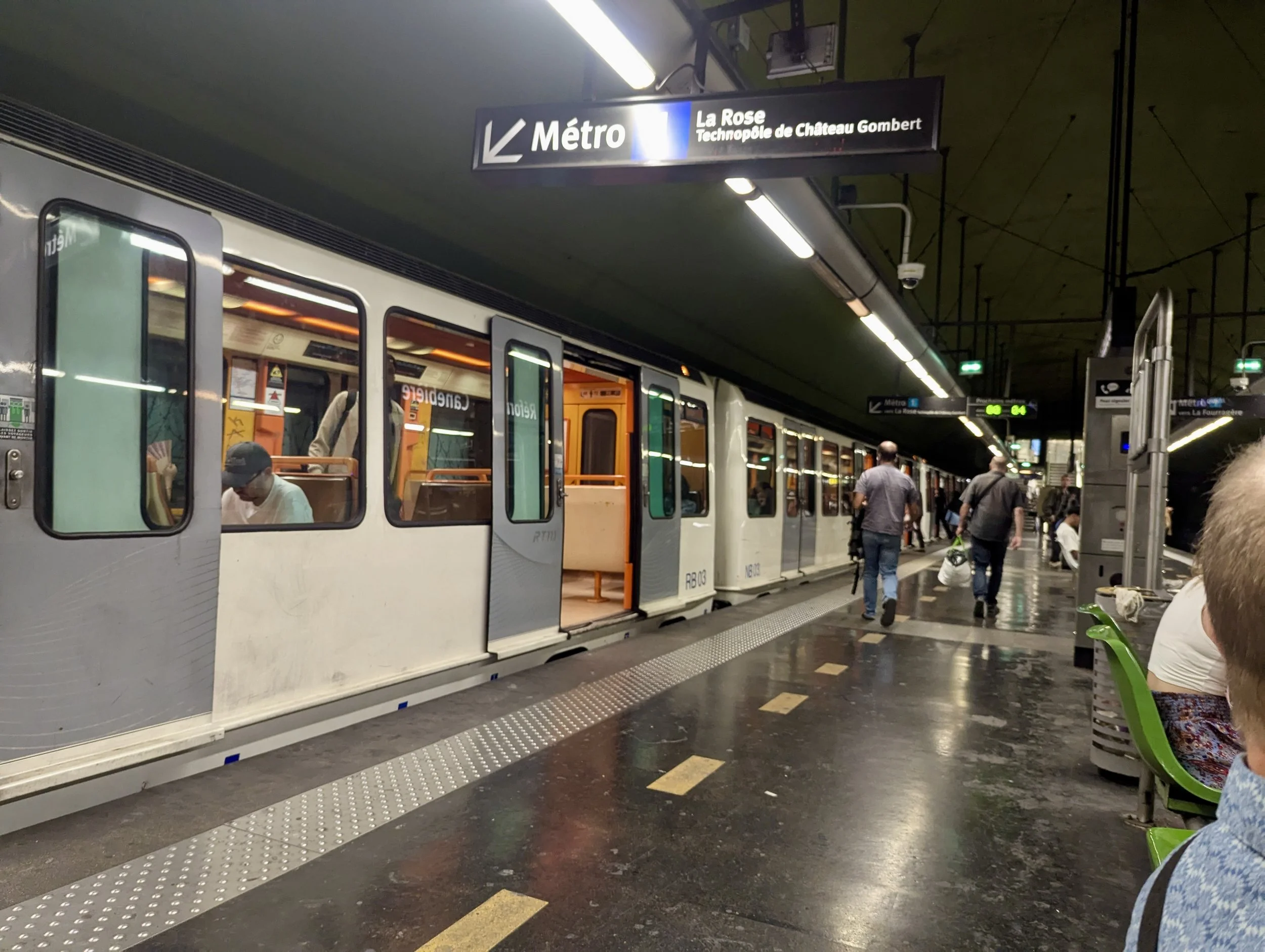
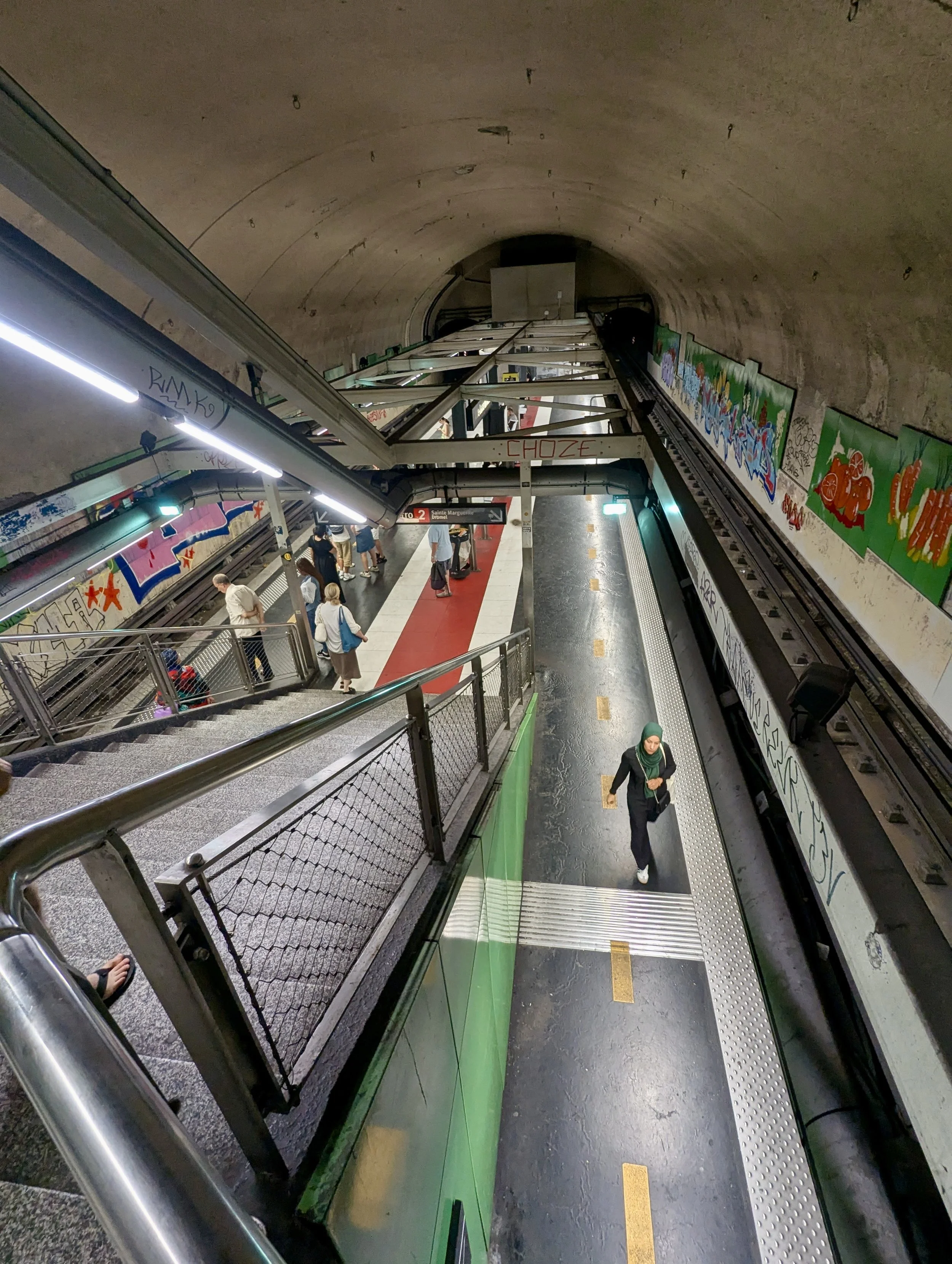
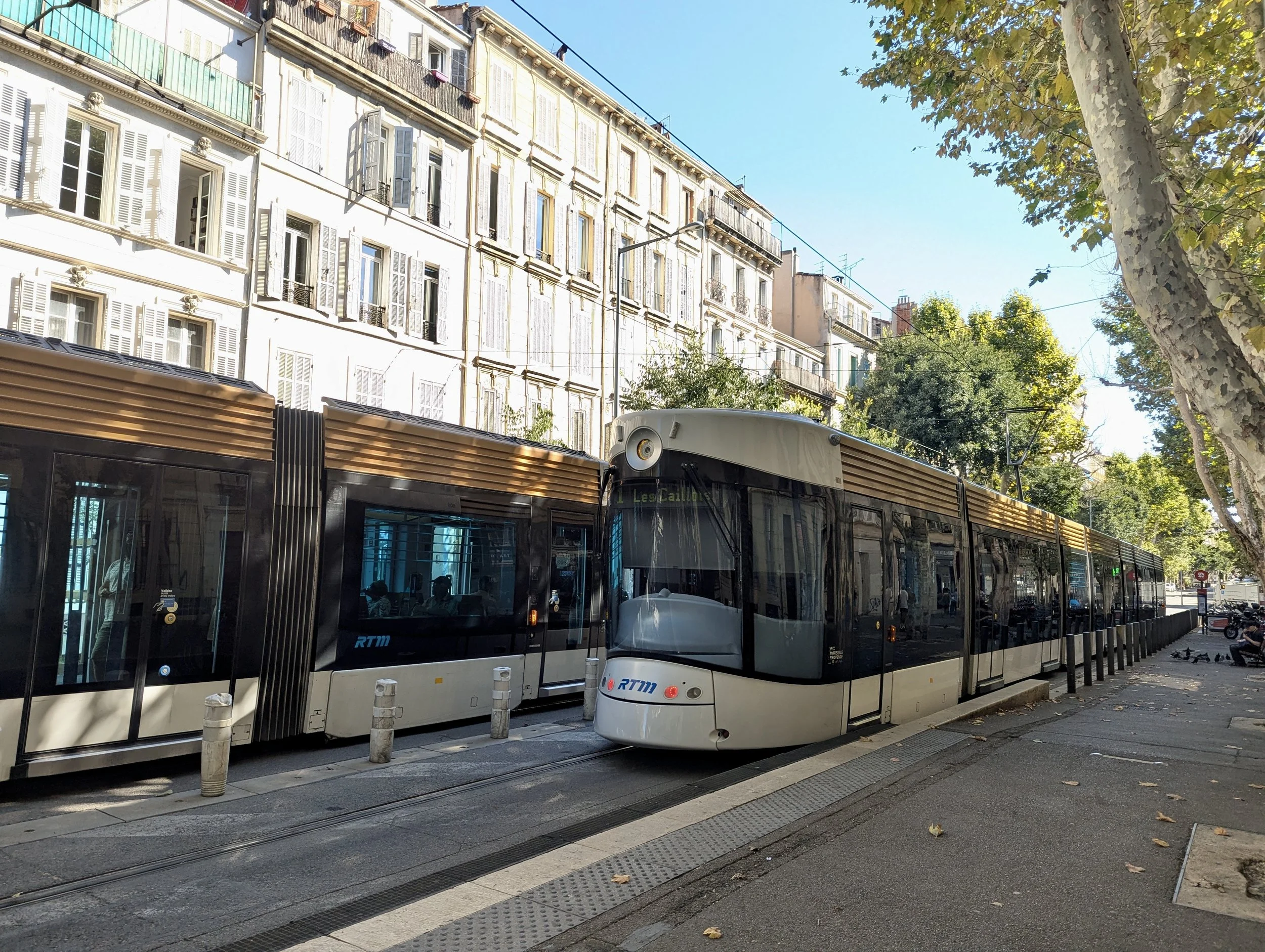
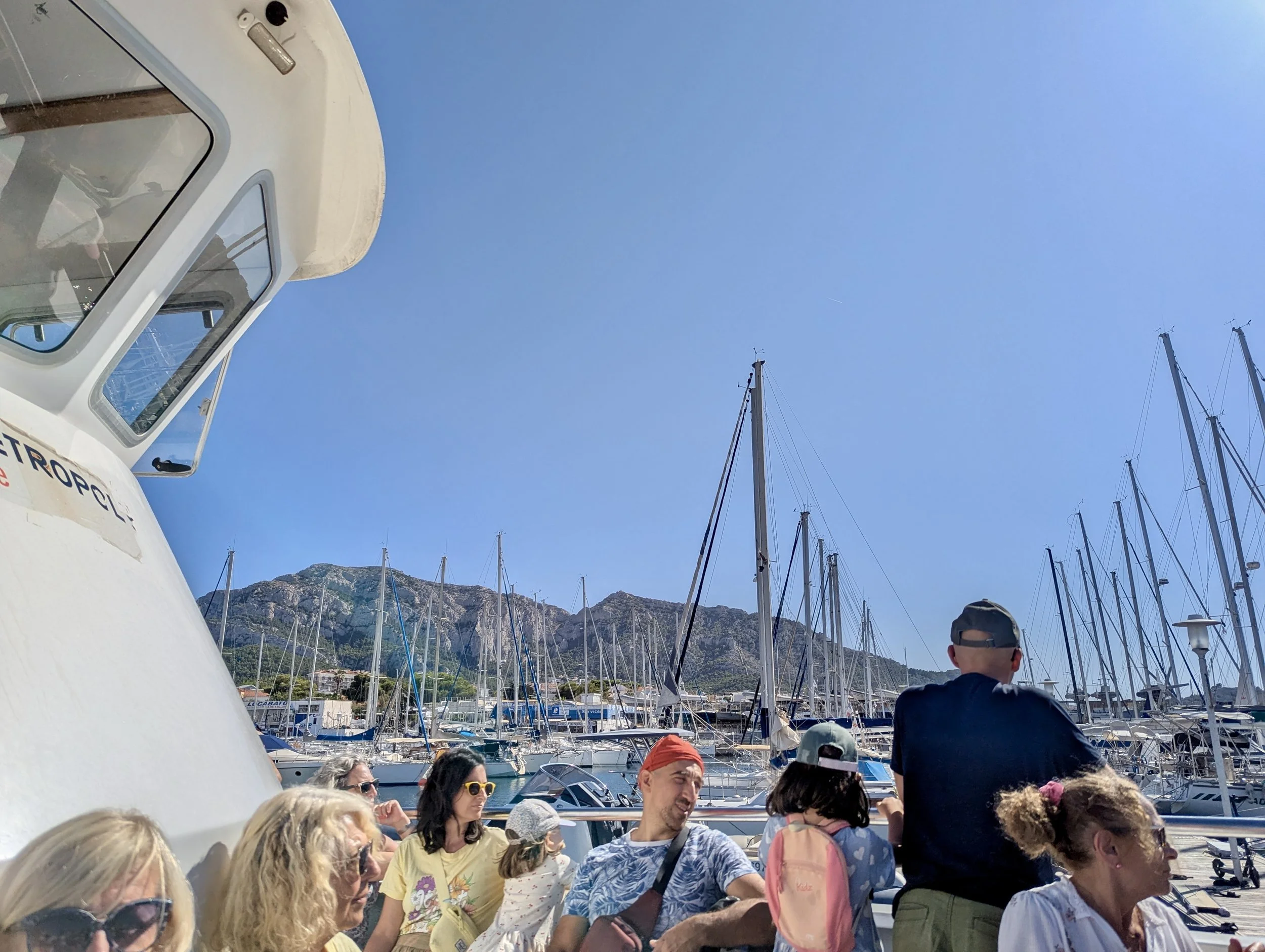
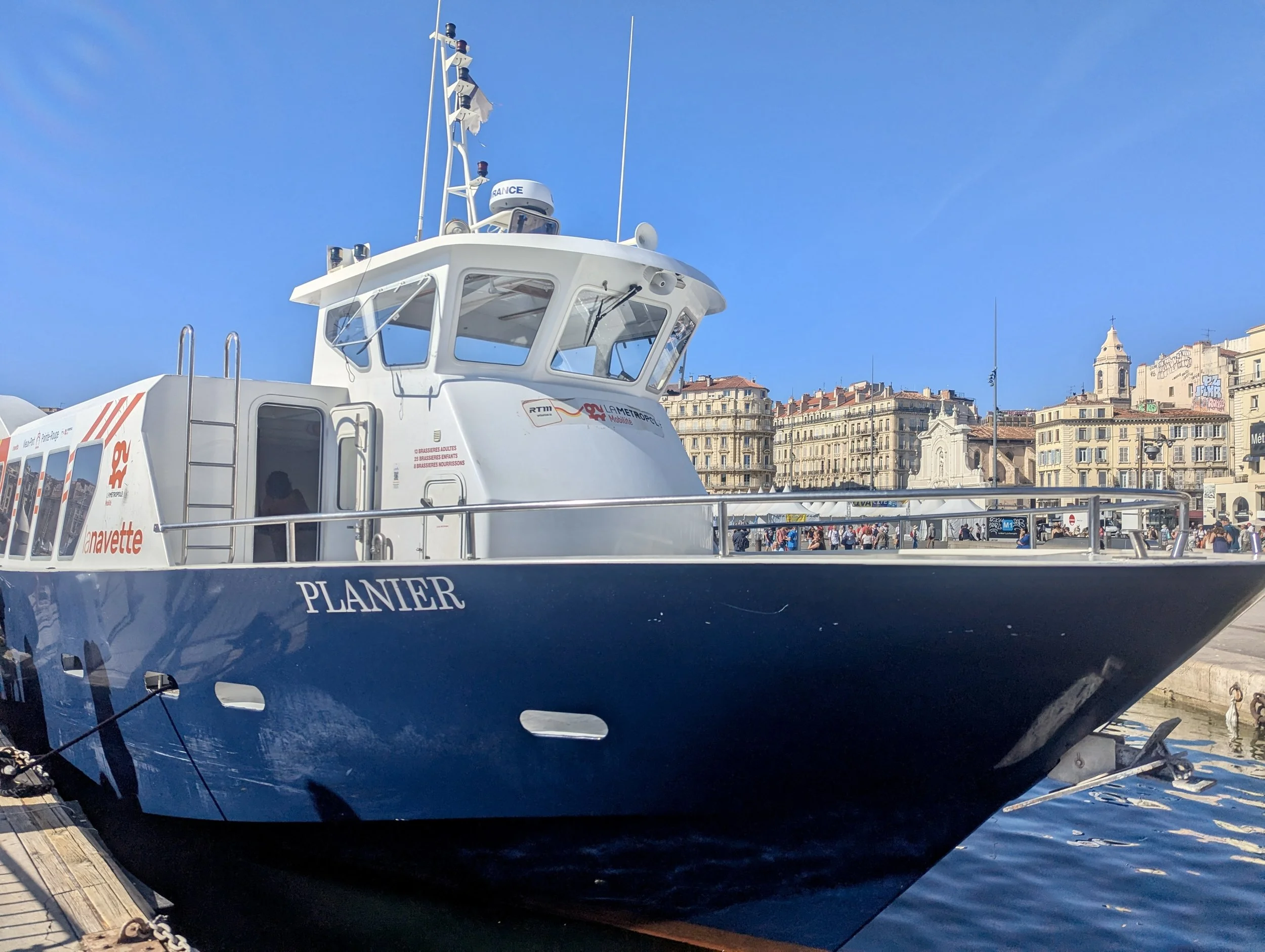
Travel: Train (Saint Charles is a major train hub with fast train connections to all points in France and beyond), Metro (not as extensive as other major cities with only two lines, but depending on where you stay and where you’re trying to go it can be helpful), tram (a little handier than the Metro with three lines), buses (Metro, tram, and buses all use the same transit card to make things easy), maritime shuttles (basically boat buses, a great way to get around but they are seasonal and sailings can be cancelled due to bad weather - and come early, they can fill up and for obvious reasons, they can’t overload), walking
Eat: Marseille is both in Provence and right on the sea, so the food is utterly fantastic. Super fresh seafood abounds, and there are many traditional dishes to seek out, especially bouillabaisse, a hearty seafood stew, and Marseille-style pizza. Other Provençal specialties should be enjoyed, like pissaladière (onion, olive, and anchovy-laden puff pastry that’s sort of like a pizza), socca (chickpea flour crepe), panisses (chickpea fries), Chichi Frégi (long doughnuts, sort of like churros - but DO NOT say that to Marseillais, unless you’re looking to start a fight), aioli, ovlive tapenade, and ratatouille. Expect lots of olives, fresh herbs, tomatoes, olive oil, zucchini, and peppers. Wine is mostly white or rosé, which is perfect for the hot climate - Cassis AOC and Bandol AOC are produced nearest to Marseille if you want to go as local as possible. Cassis isn’t exported much due to volume vs local consumption, so be sure to try a few glasses (or bottles).
Sleep: We stayed in an AirBNB in Cours Julien for five days/four nights, about a block off Place Jean Jaurès and loved everything about it - it is a really vibrant neighborhood with a lot going on, it can be a little loud so be sure to check comments about noise if you’re particular when researching places, or just bring earplugs. Don’t expect A/C, most places in Provence just use the shutters to keep out the worst of the midday heat, and maybe a fan or two for air circulation.
Repeat: Absolutely, I cannot wait!
Why Marseille?
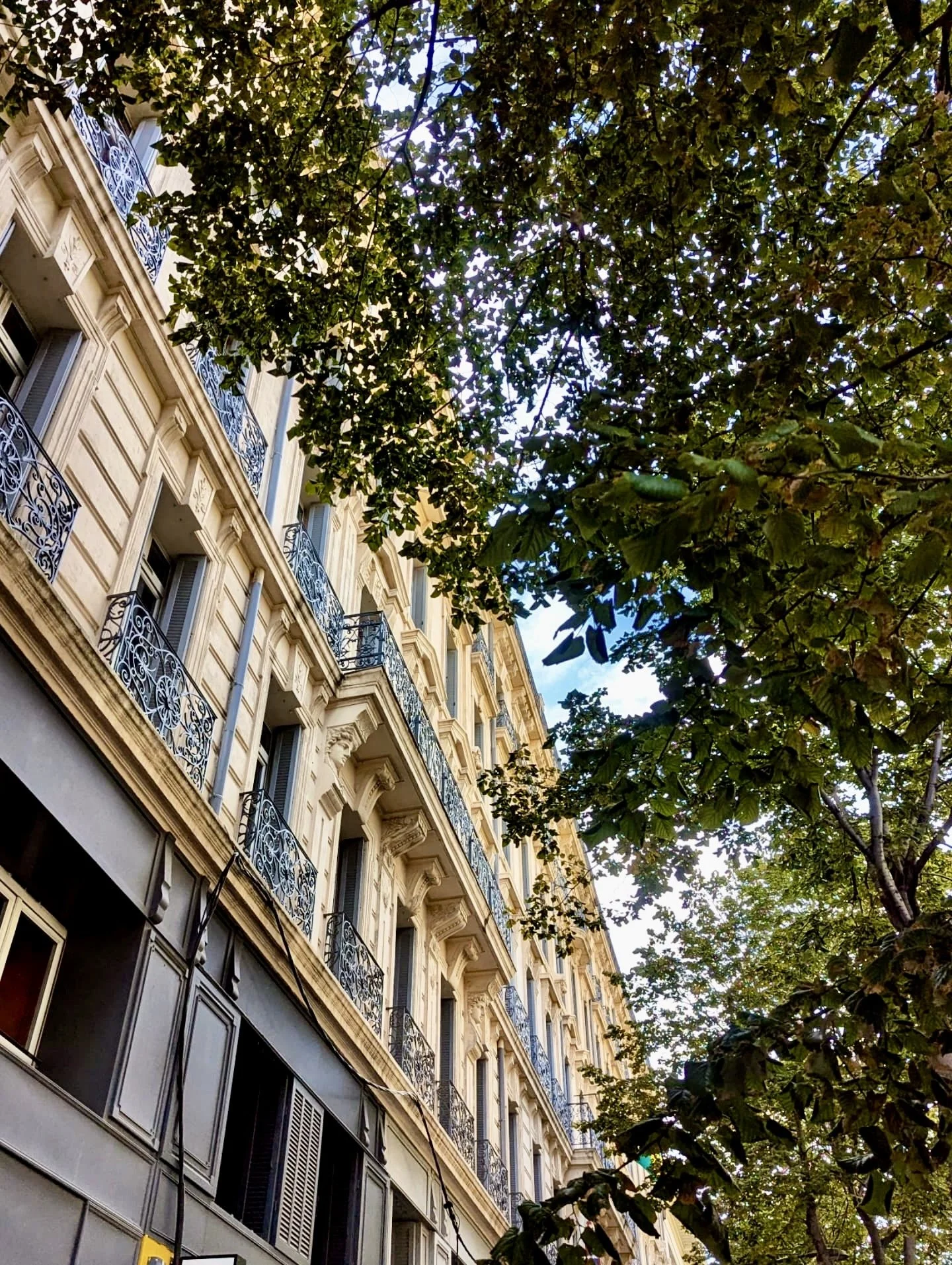
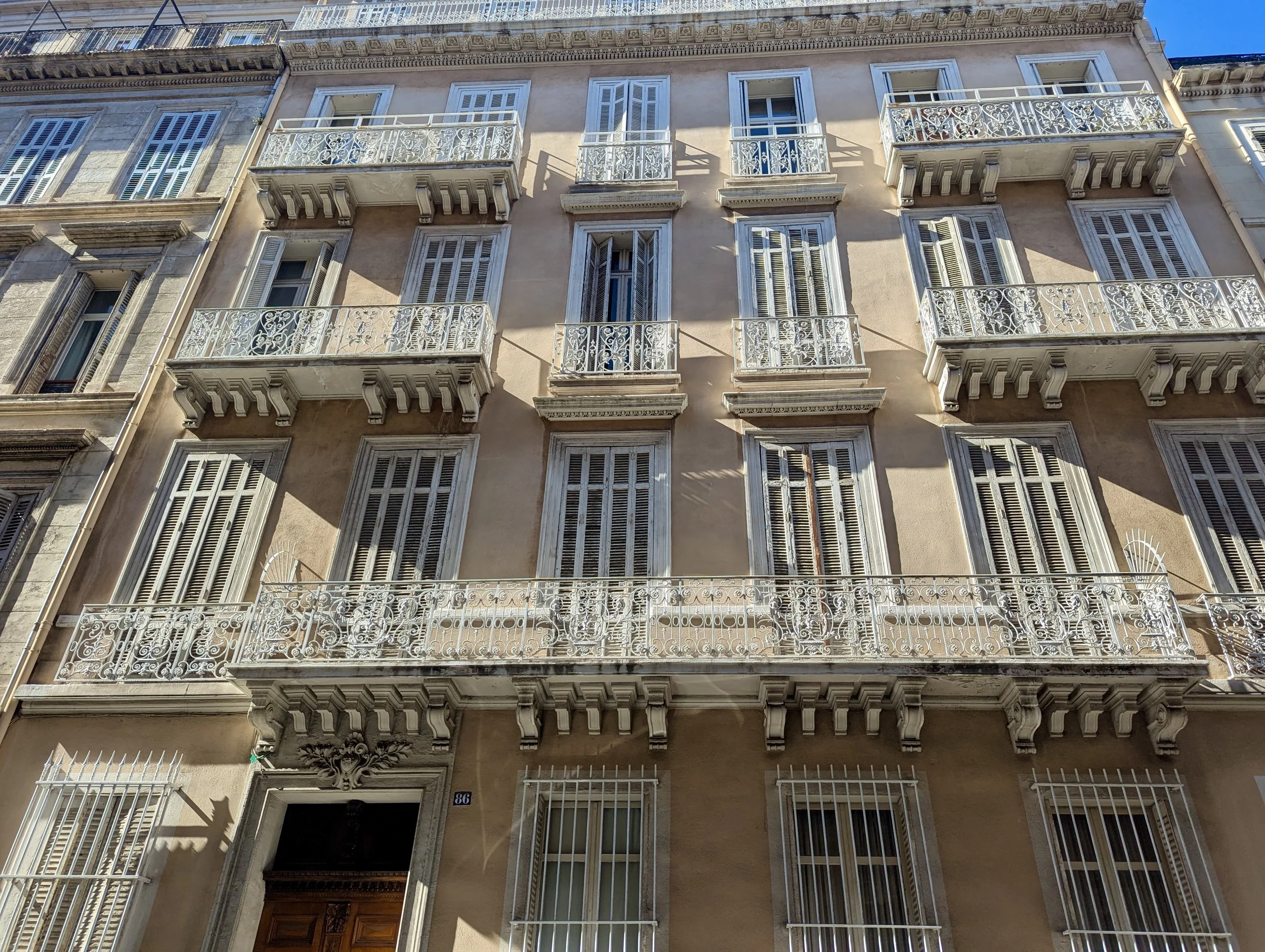
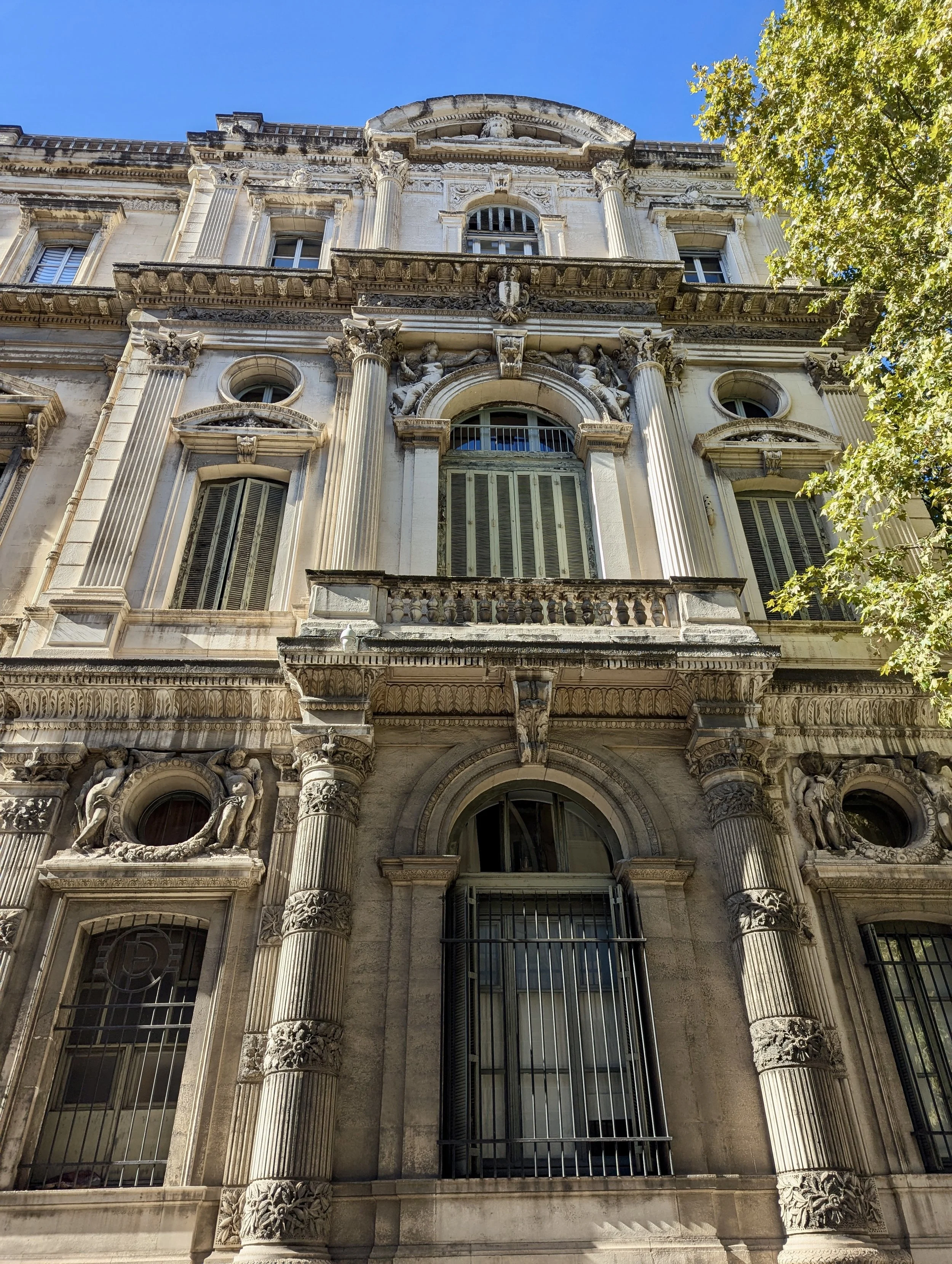
Marseille, the oldest city in France and the second largest after Paris, is a big, beautiful, diverse city, with one hundred and eleven neighborhoods and sixteen arrondissements, sprawling out from the old port (Vieux Port) and original Le Panier neighborhood inland and along the coast in both directions. It boasts all the natural beauty of the Côte d'Azur without the hefty price tag of the more glamorous, luxurious spots along the coast. Wealthy neighborhoods coexist alongside poorer neighborhoods, a marked difference from Paris, where immigrants and the less affluent are exiled to housing projects in the banlieue, out of sight of tourists and the wealthy. The city is the most diverse in France, with a large population of immigrants from North Africa, Italy, and Turkey. The bulk of religious Marseillais are Catholic, but there’s a strong Muslim community, as well as the second largest Jewish community in France. People are warm, unpretentious, and friendly, and the climate boasts three hundred days of sunshine each year.
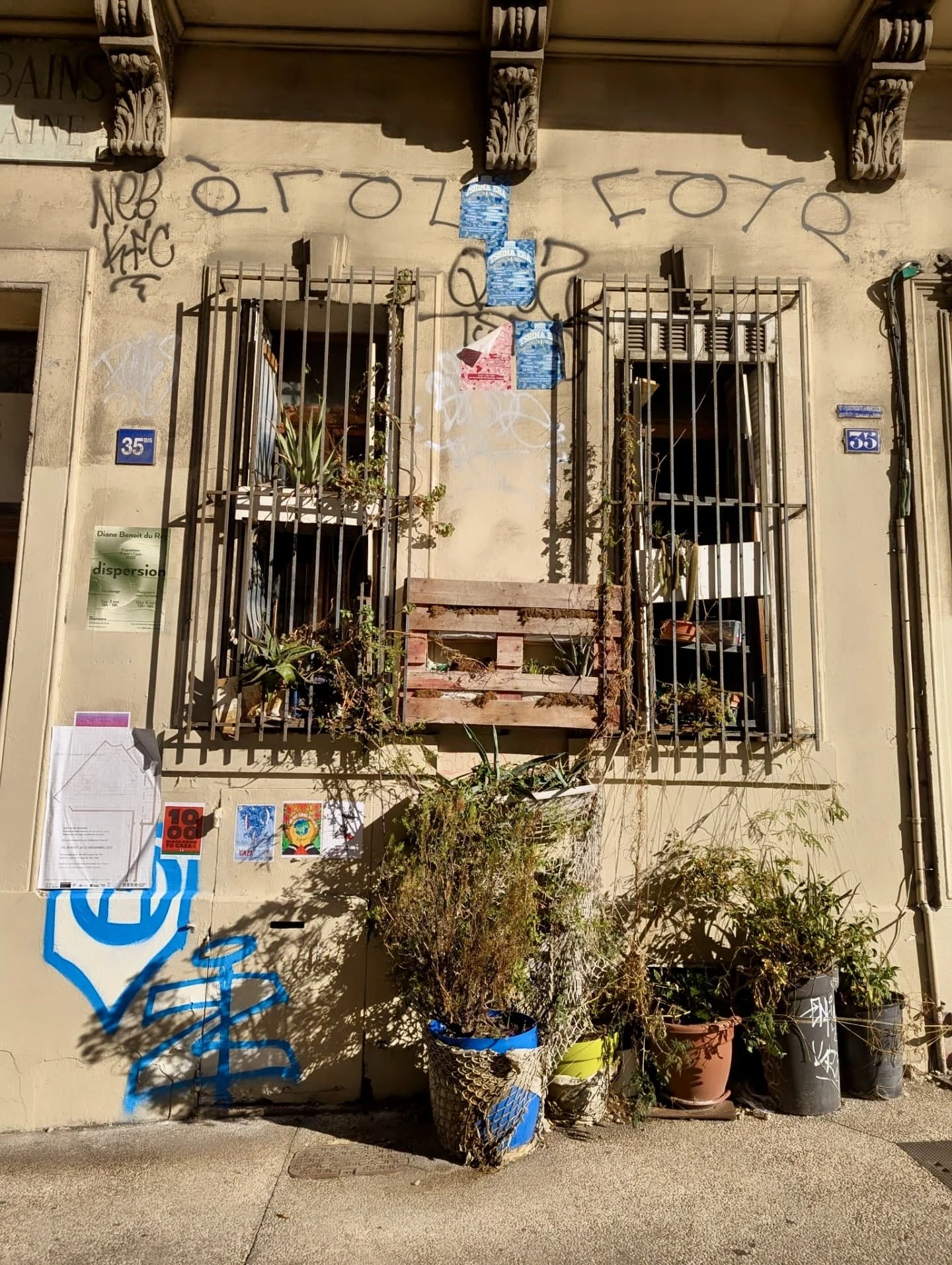
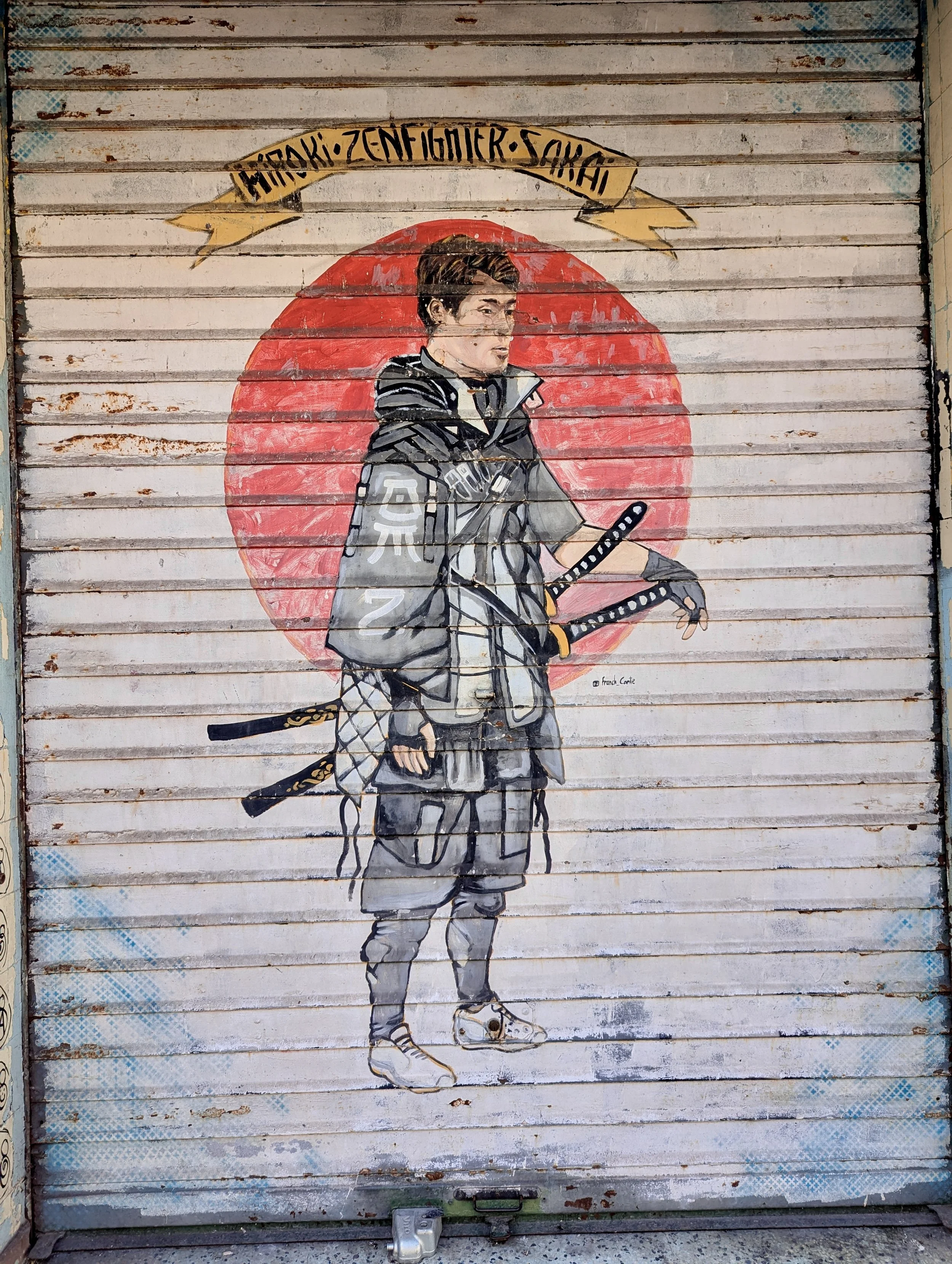
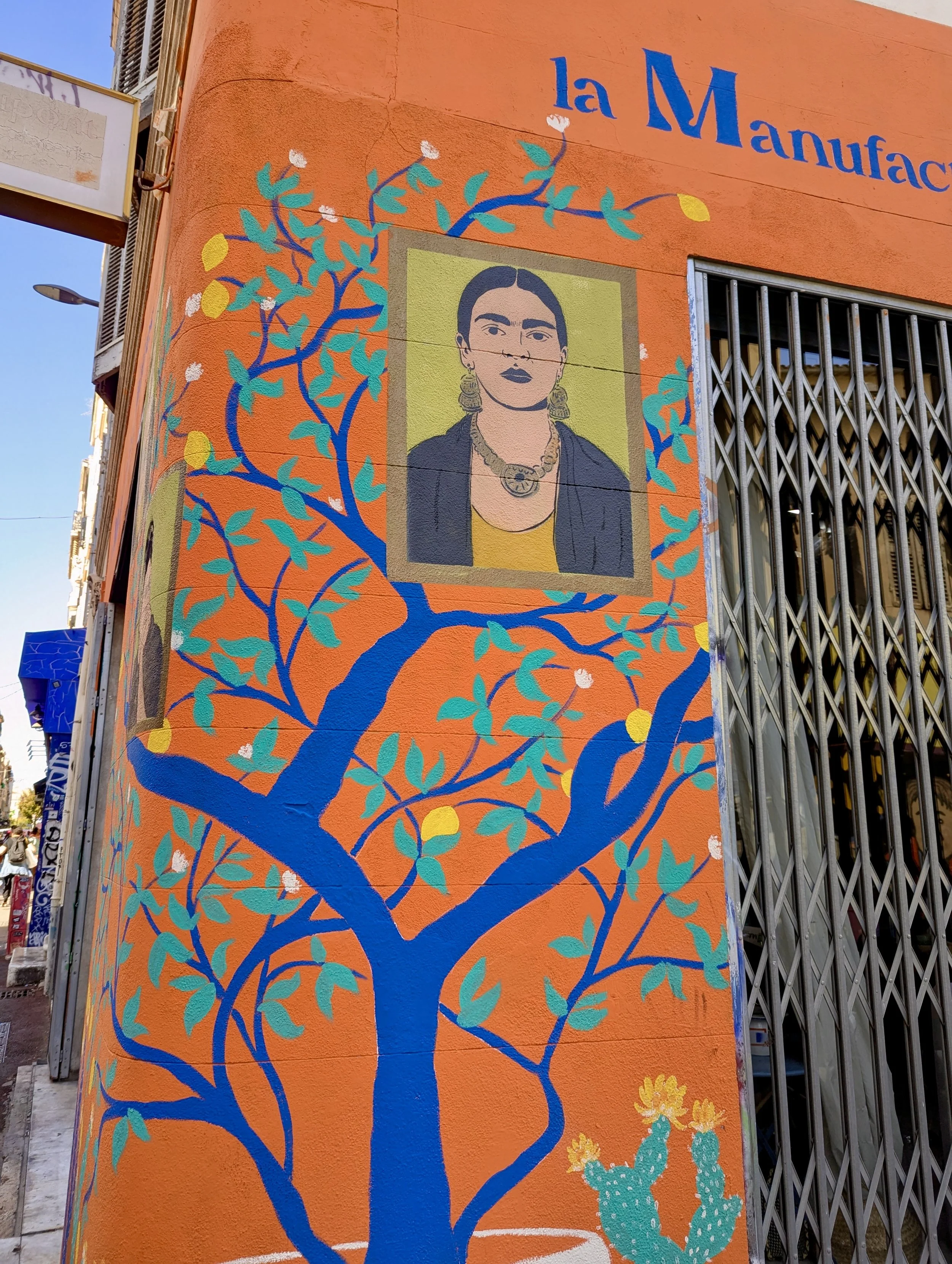
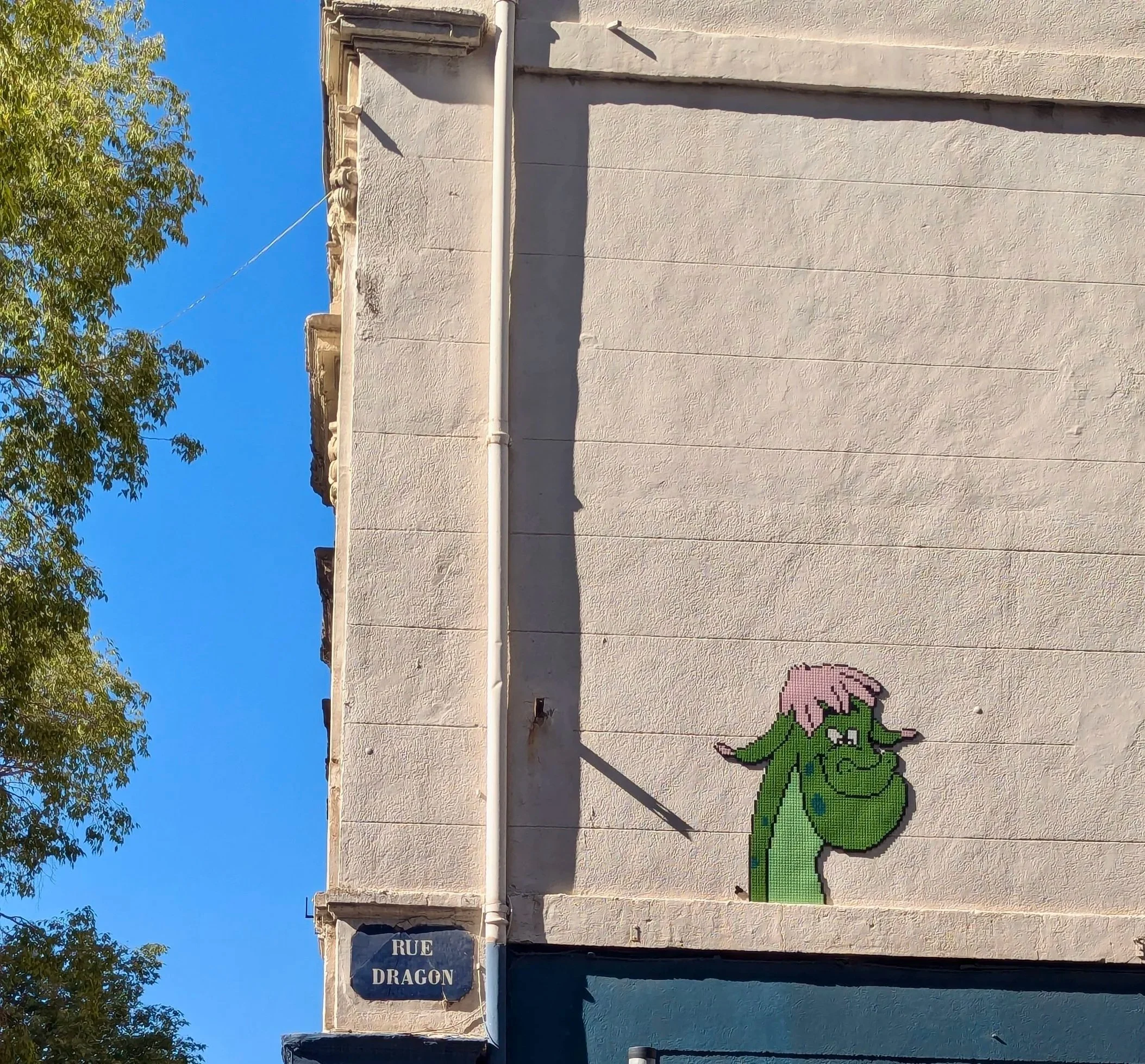
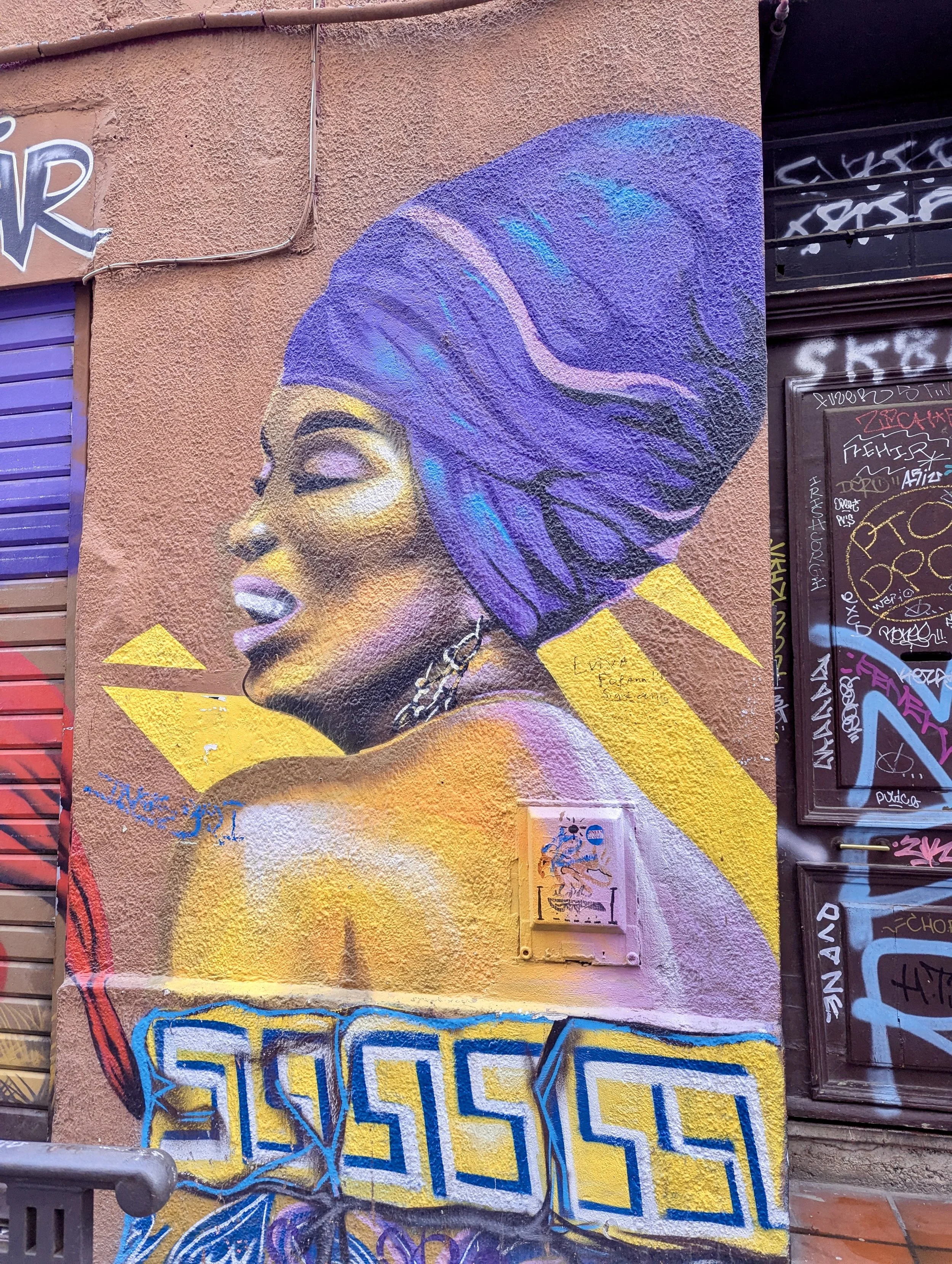
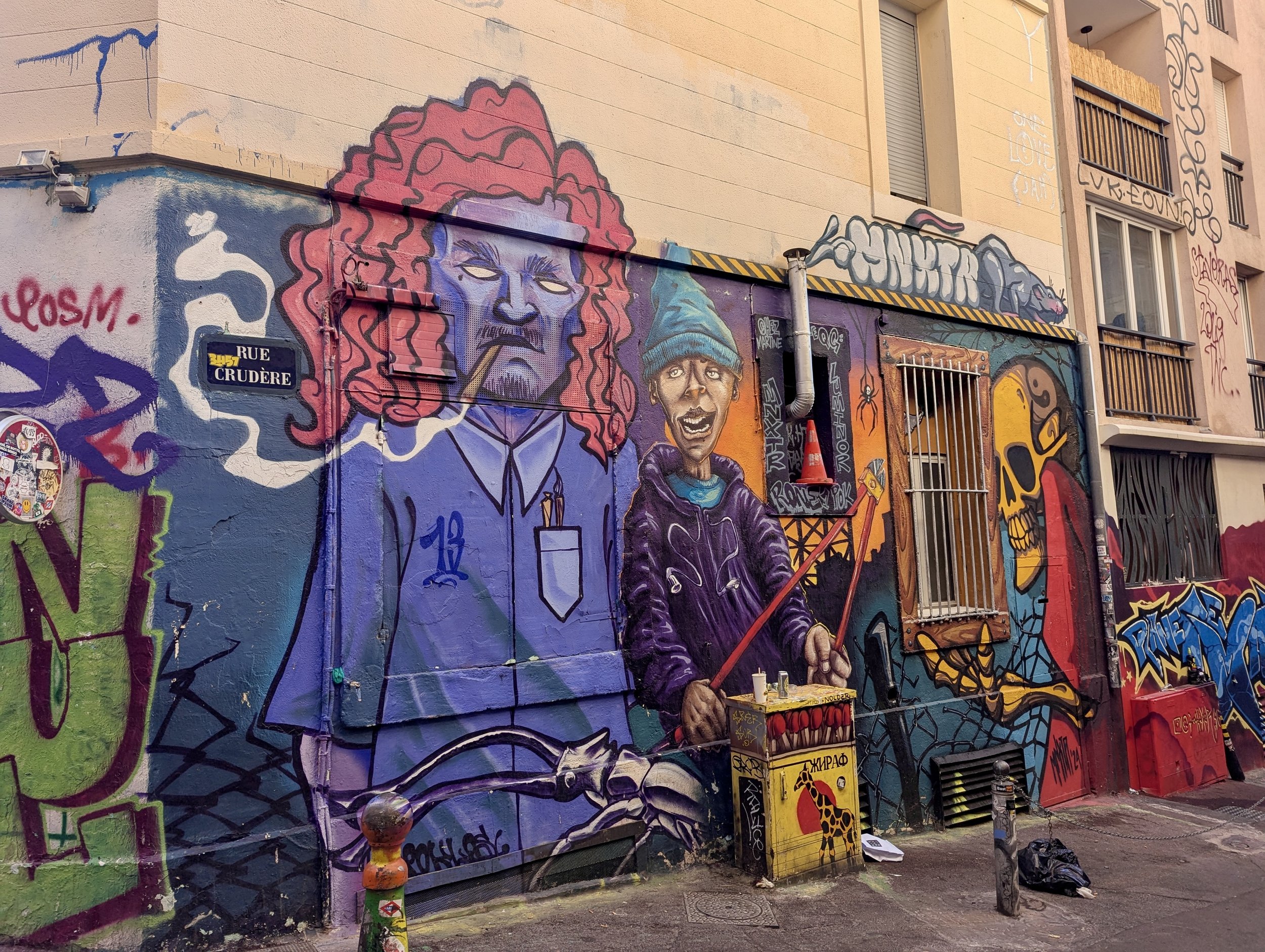
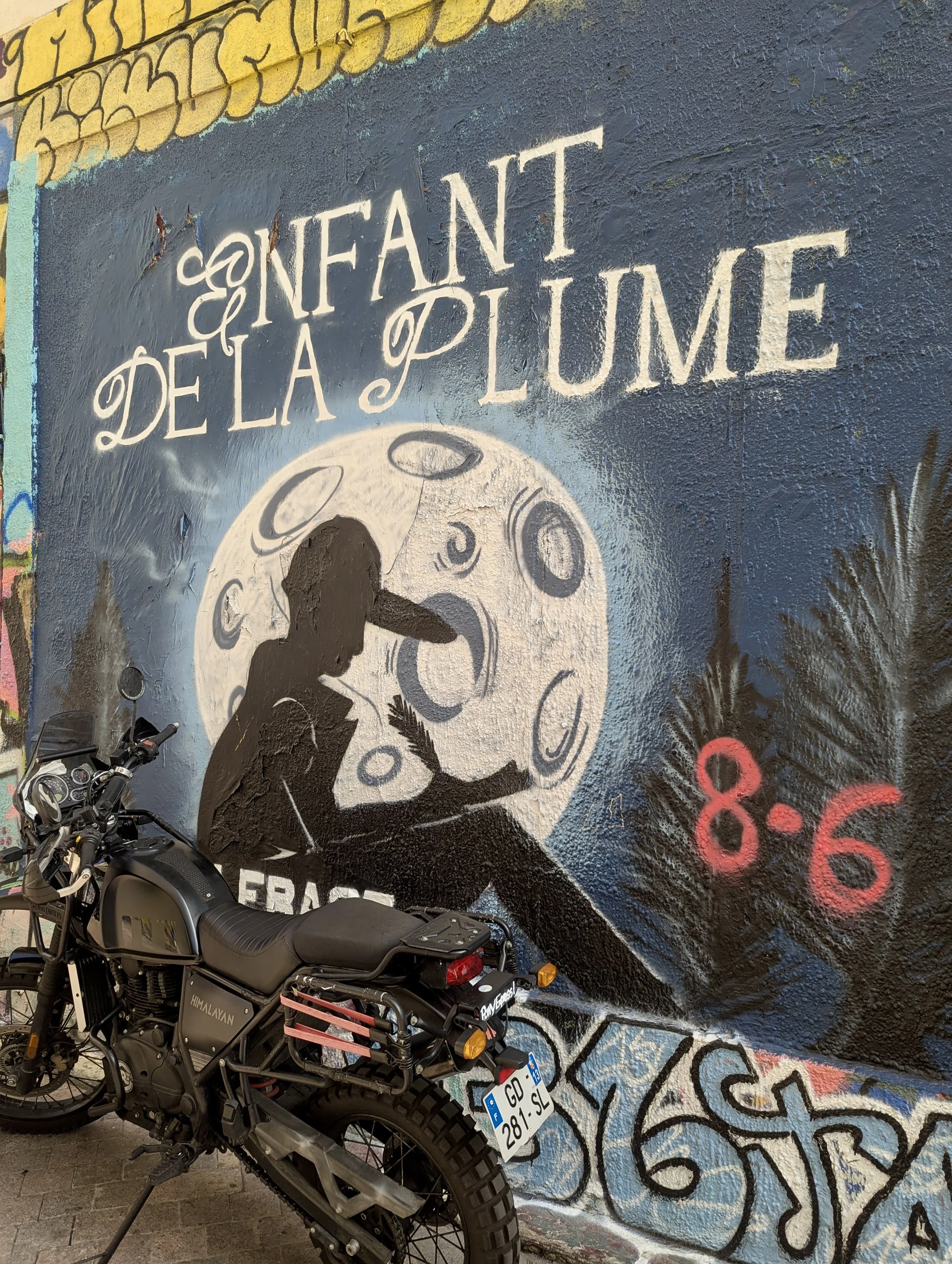
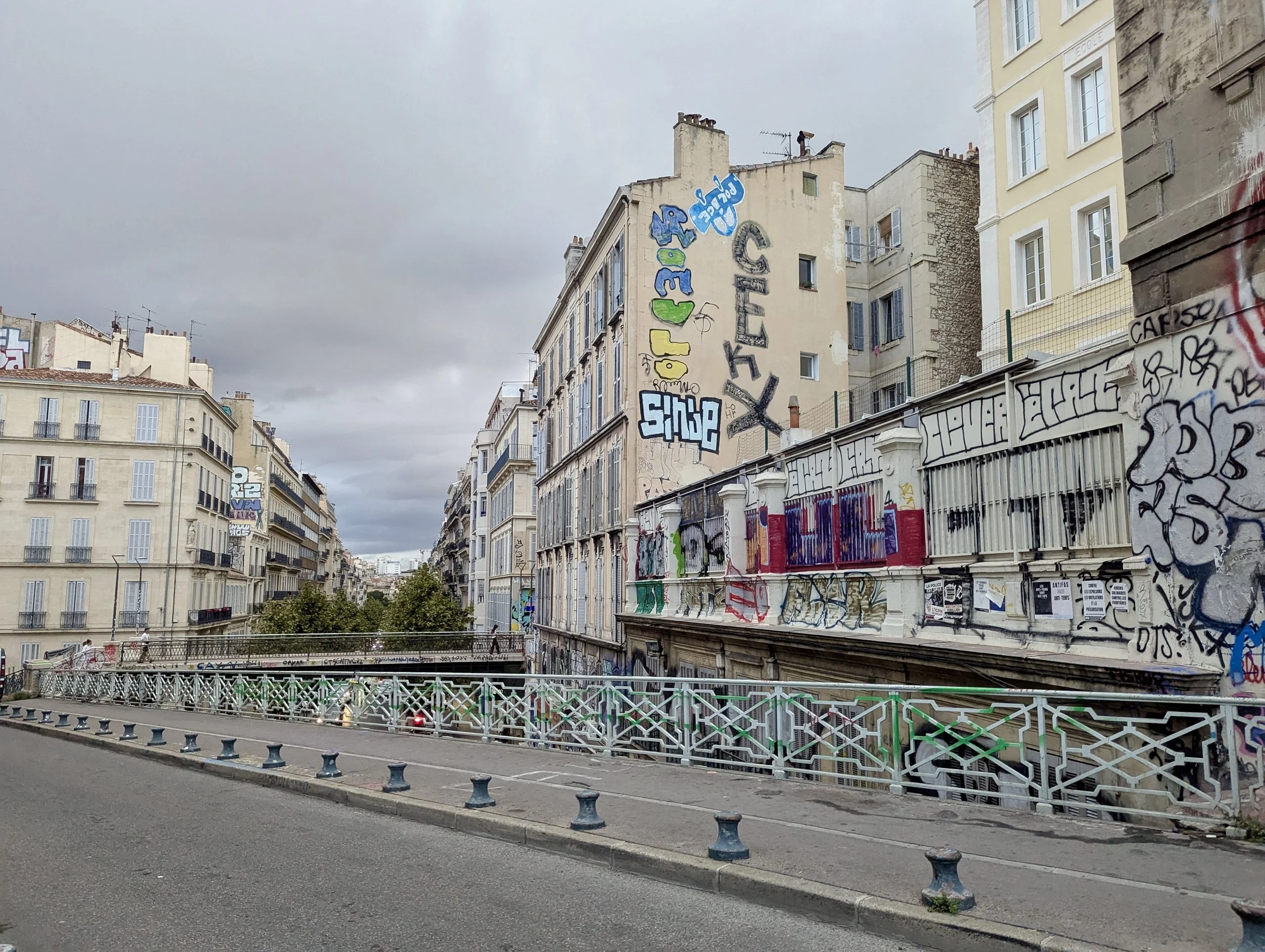
Even though the city has amazing food, fantastic architecture, beaches, and a great climate, it gets skipped by a lot of tourists, partly due to the absence of major works of art, and partly because it’s seen as a rough, dirty, and gritty city. While you won’t see the Mona Lisa, there’s plenty of street art and murals (and just some general tagging). There are good museums, but the city itself is the attraction, at least for me. If you’ve been to Naples and loved it, Marseille will have a similar feel. If you find graffiti off-putting and you want to stay in a luxury resort, then head toward Nice, Cannes, or Saint-Tropez for your Côte d'Azur adventure.
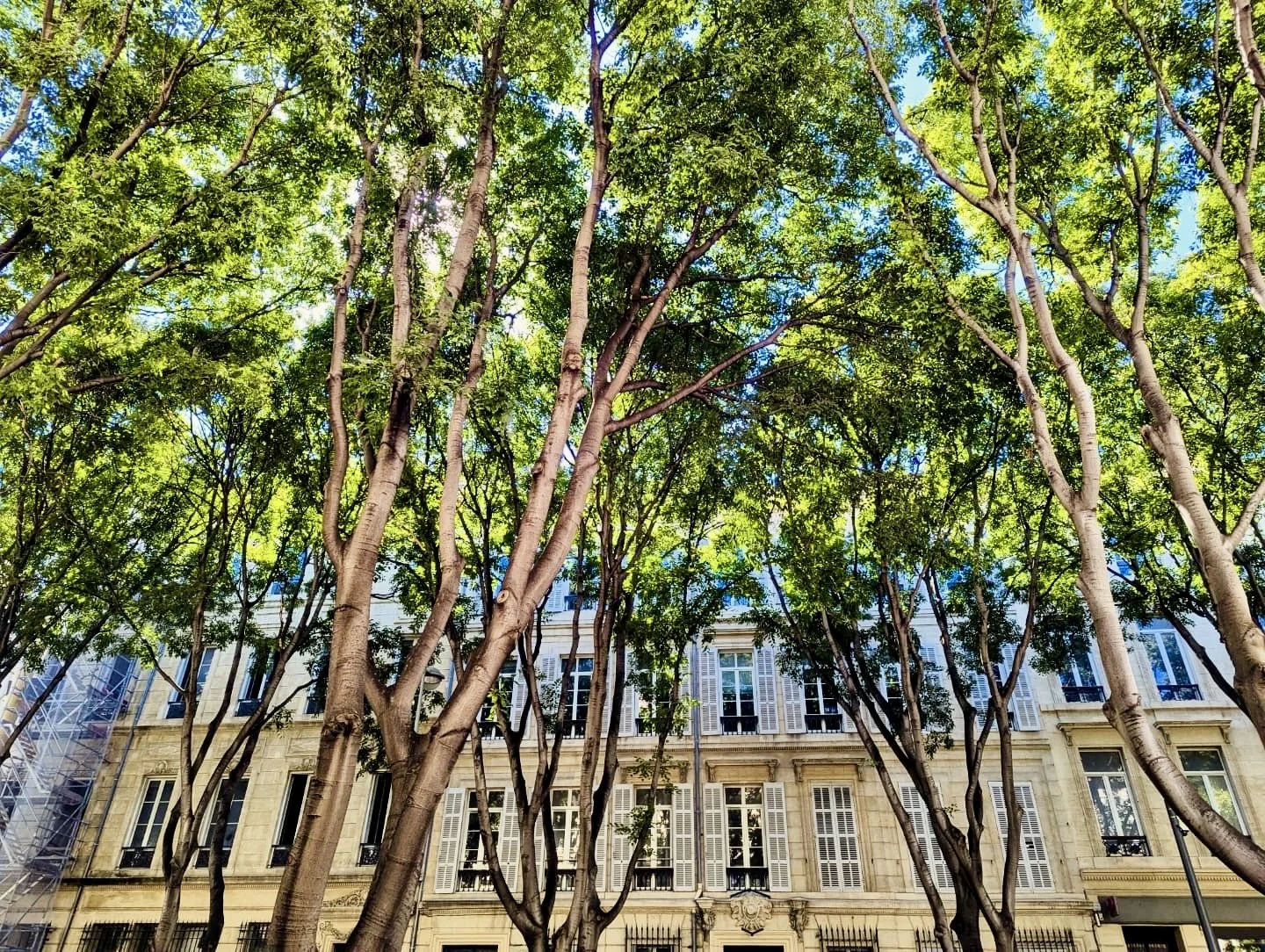
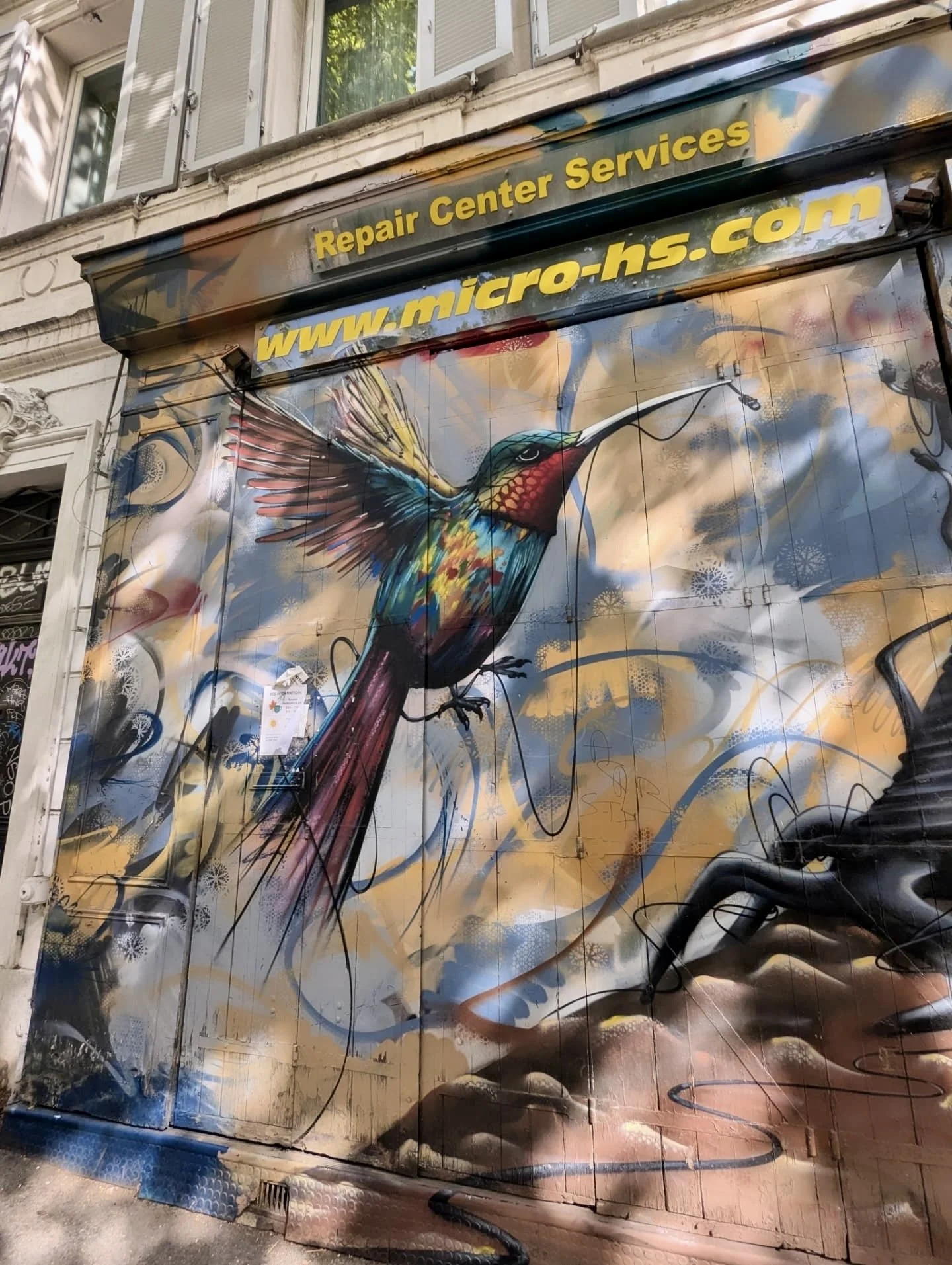
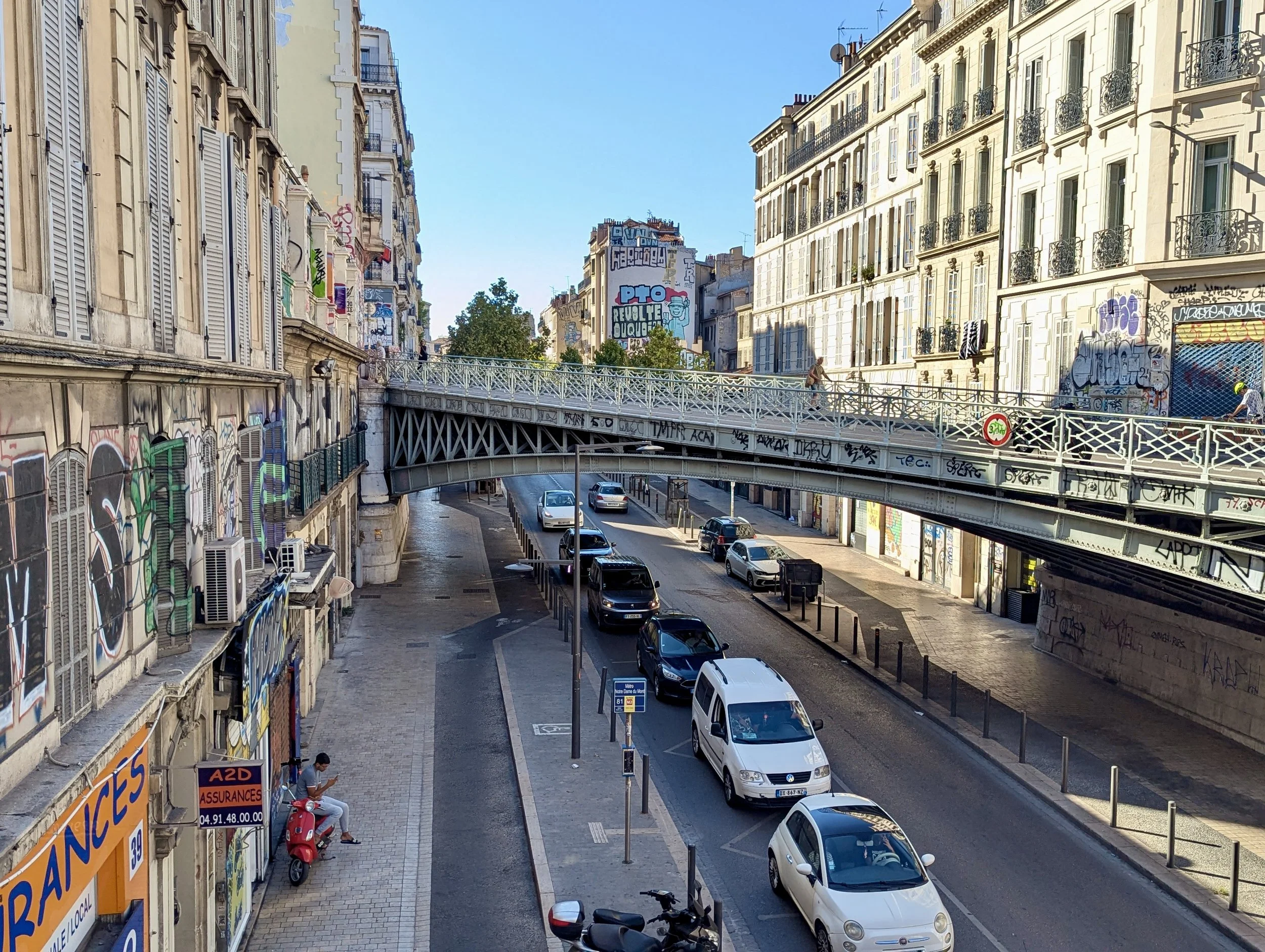
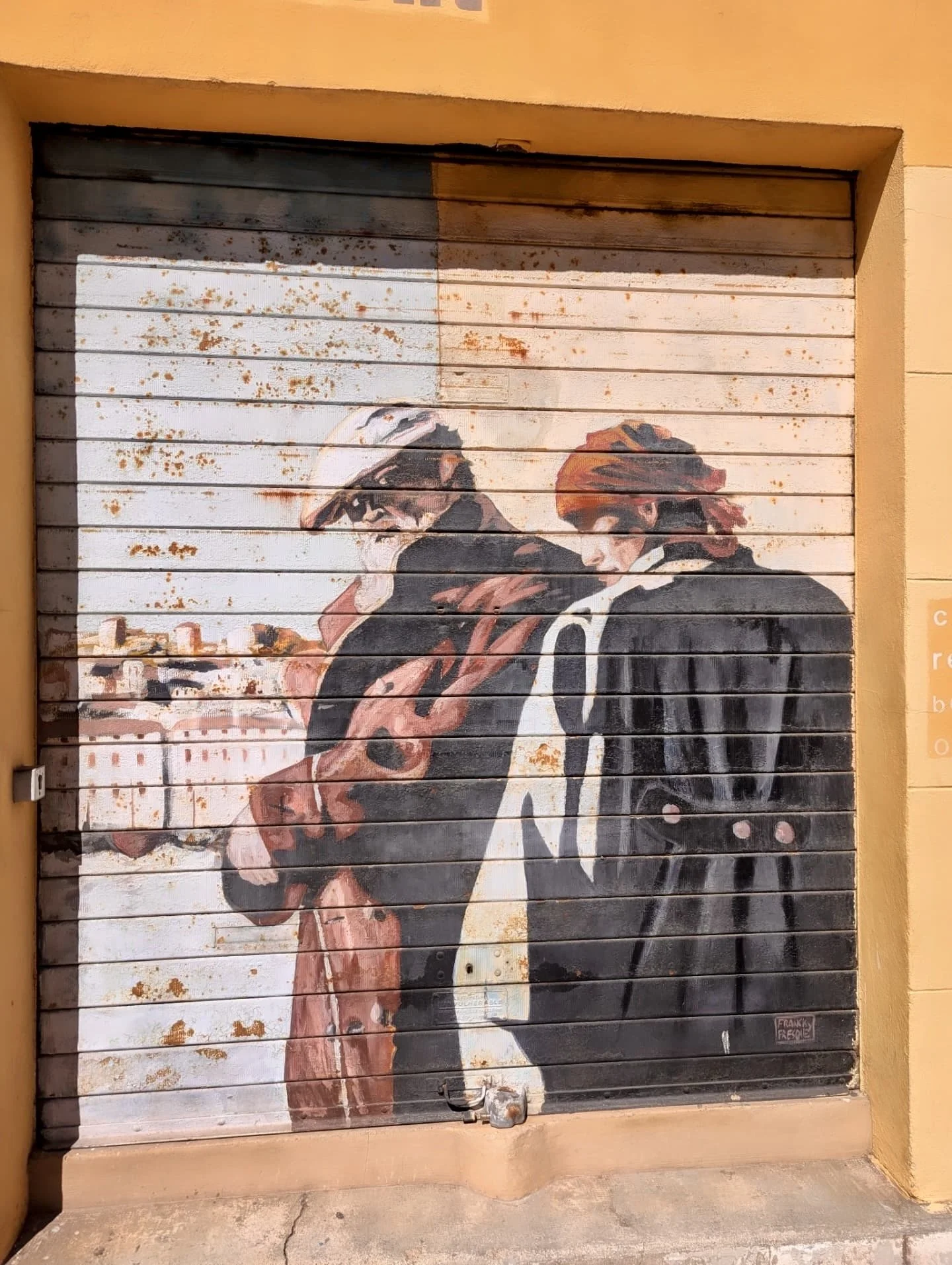
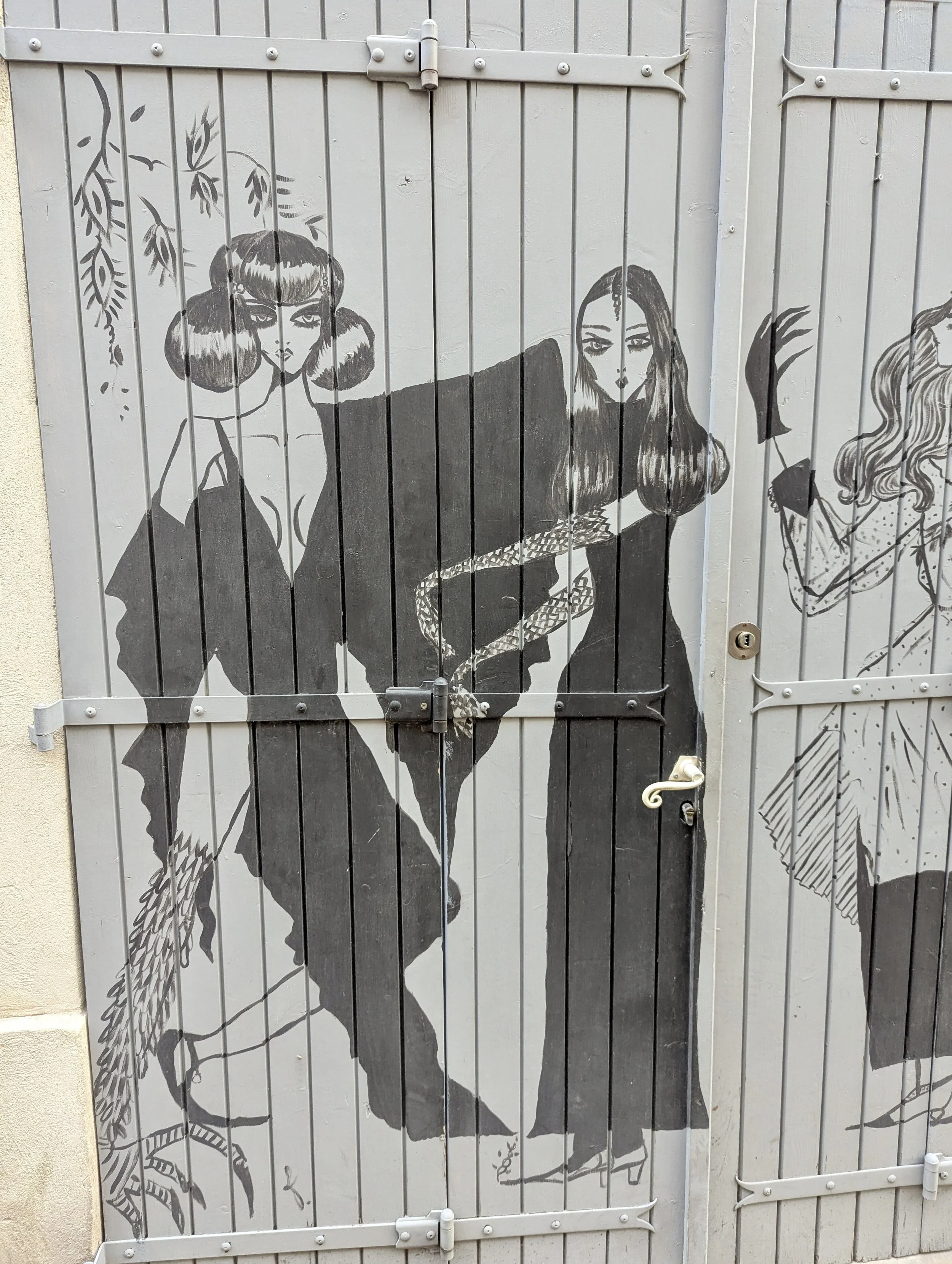
Unfortunately, Marseille has a reputation for being dangerous. While crime is higher than other parts of France it tends to be the kind of crime that’s common in any port city (drug trafficking, smuggling, organized crime) and not focused on tourists if you’re not trying to buy drugs or smuggled goods. Honestly, if you’re from the US you are statistically safer ANYWHERE in Europe than you are at home - if you’re feeling nervous about visiting Marseille take a moment to look up the number of mass shootings in the US so far this year, and get back to planning your trip. Keeping an eye out for the usual big-city dangers of pickpockets, phone snatching, and at worst, a mugging will keep you as safe as you can be anywhere else in the world. Stay alert, don’t wander around with your bag open, don’t flash wads of cash or fancy watches or jewelry, and you should be fine. Honestly, your biggest risk of injury is getting hit by a speeding scooter while crossing the street if you’re not paying attention, or getting a bad sunburn after falling asleep on the beach.
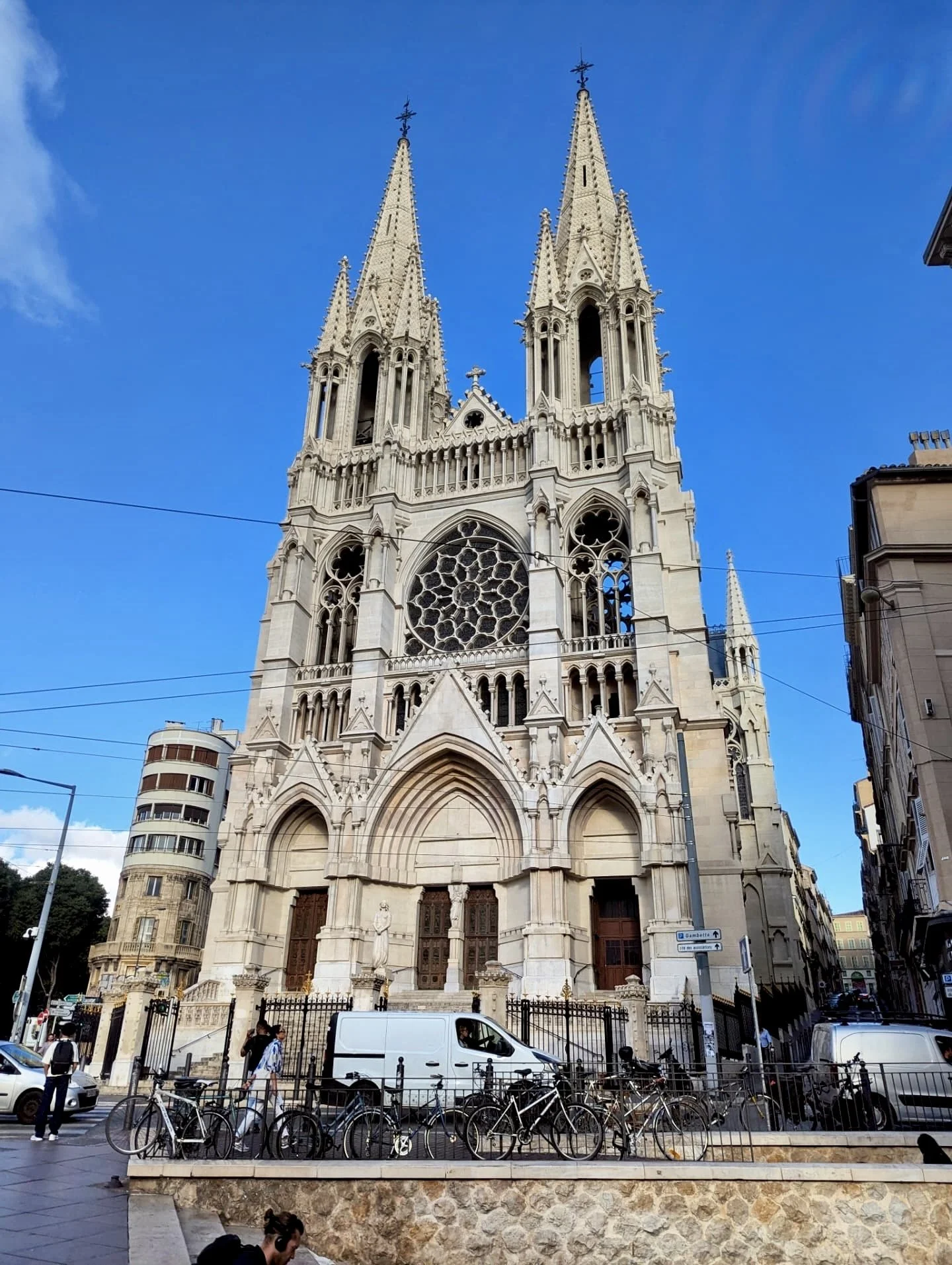
Marseille is a major port city, and it’s a popular stop on Mediterranean cruise routes, so it can definitely get crowded and touristy at times, particularly when cruise ships are in port. The good news is that the throngs of tourists tend to congregate in a handful of areas (Vieux Port, the two major churches, and the Le Panier neighborhood) so it’s quite easy to get off the tourist track. Other than when we were visiting those sights, we really didn’t encounter a lot of other tourists, just locals.
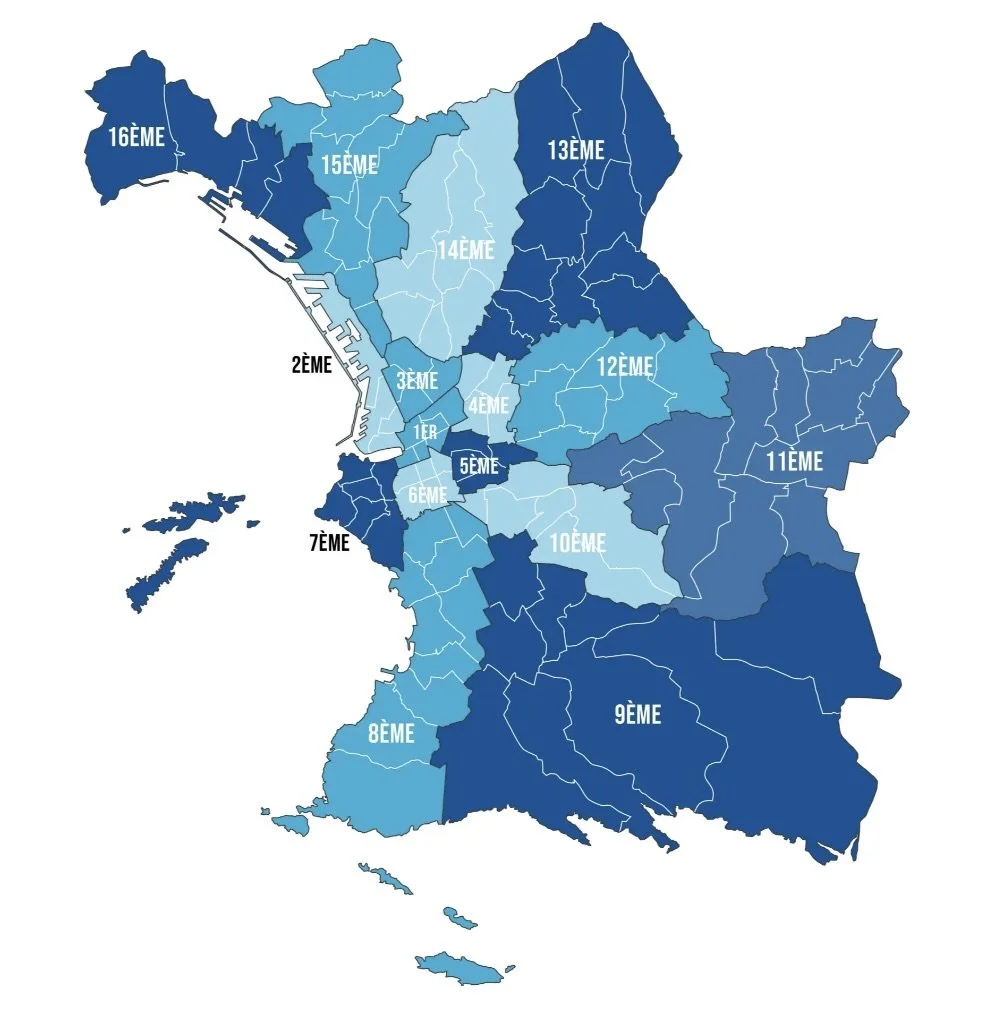
Marseille by arrondissements - map by https://www.marseille-tourisme.com/
What We Did
Vieux Port and La Canabière (2 ème)
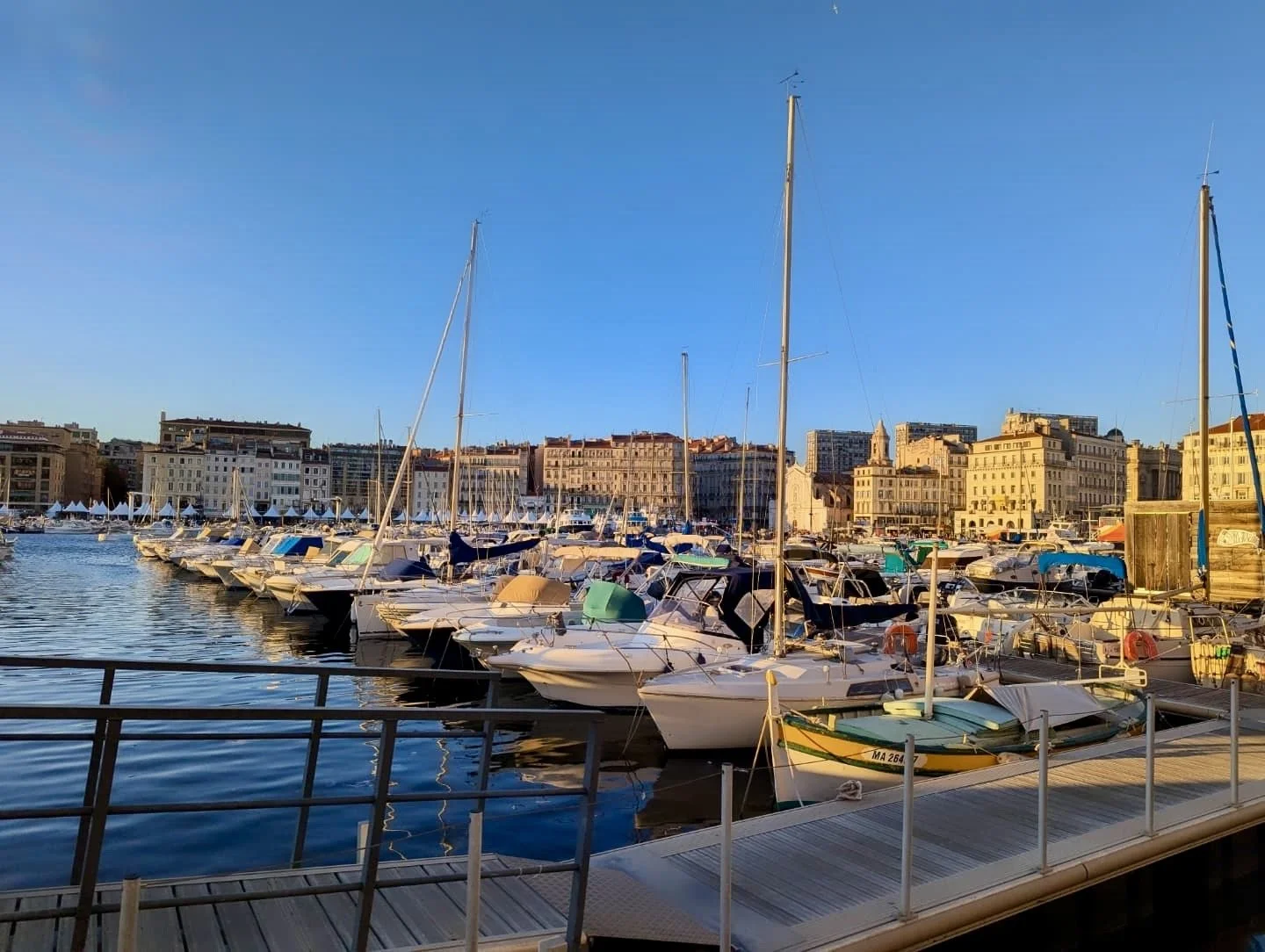
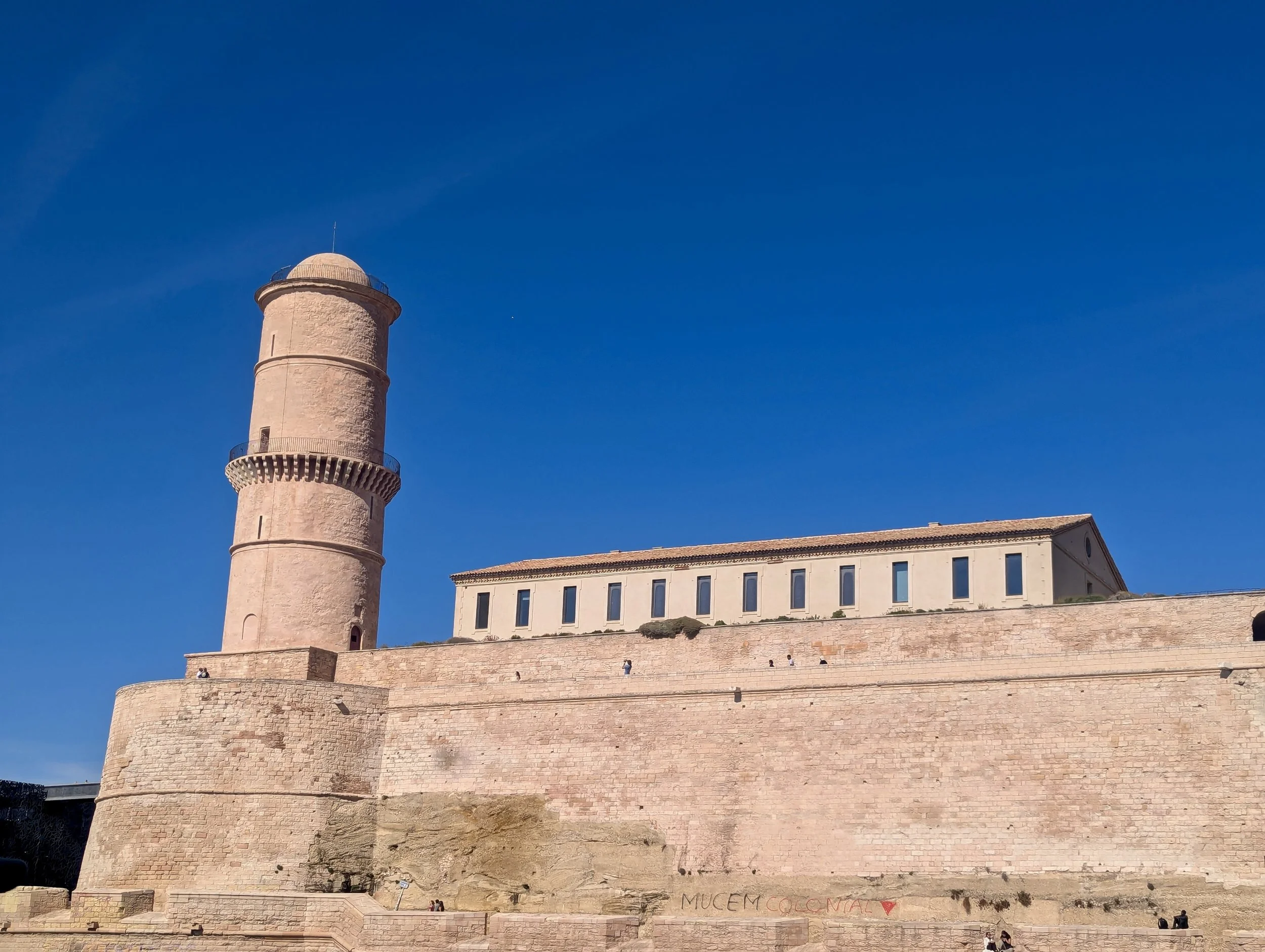
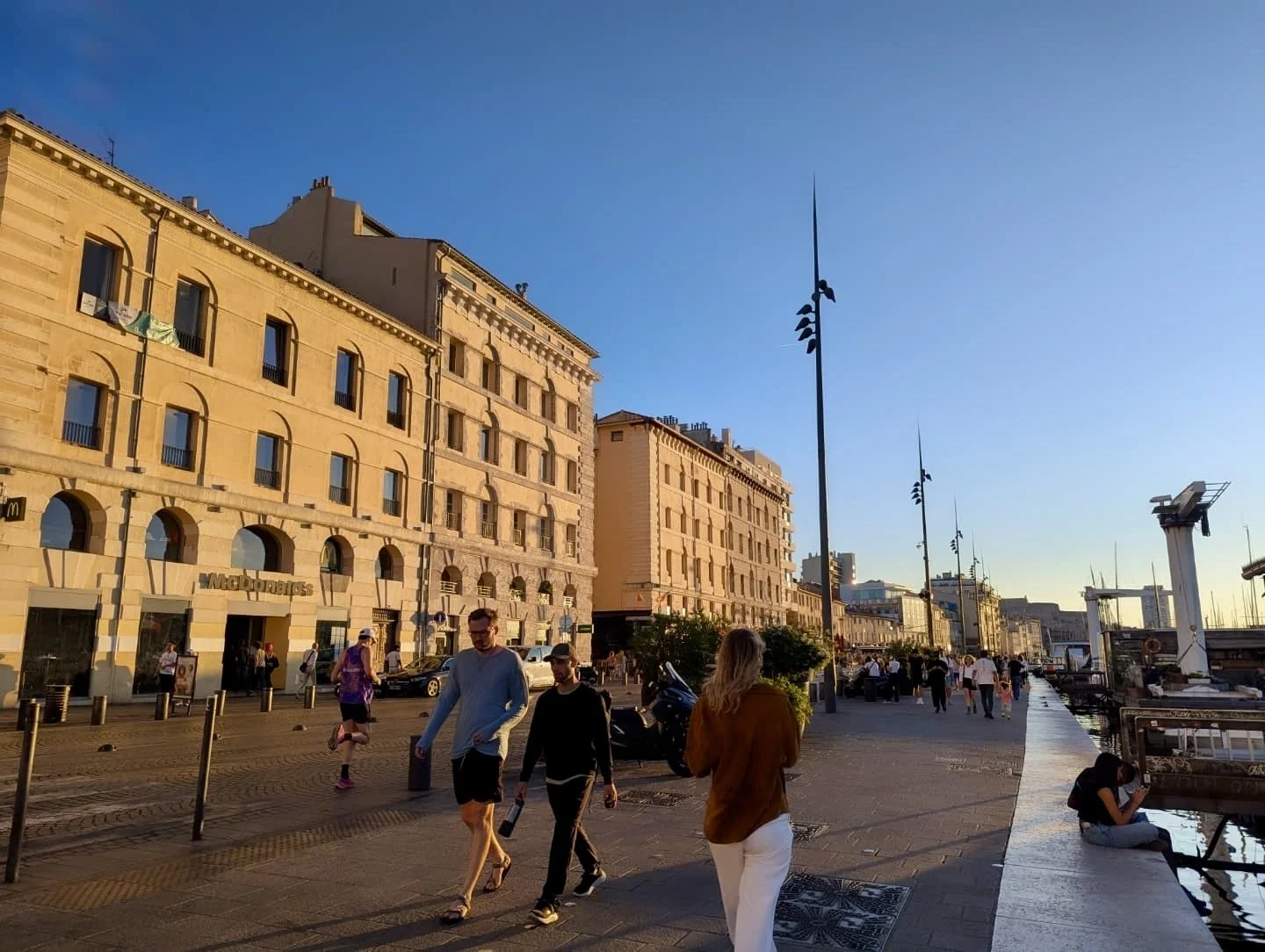
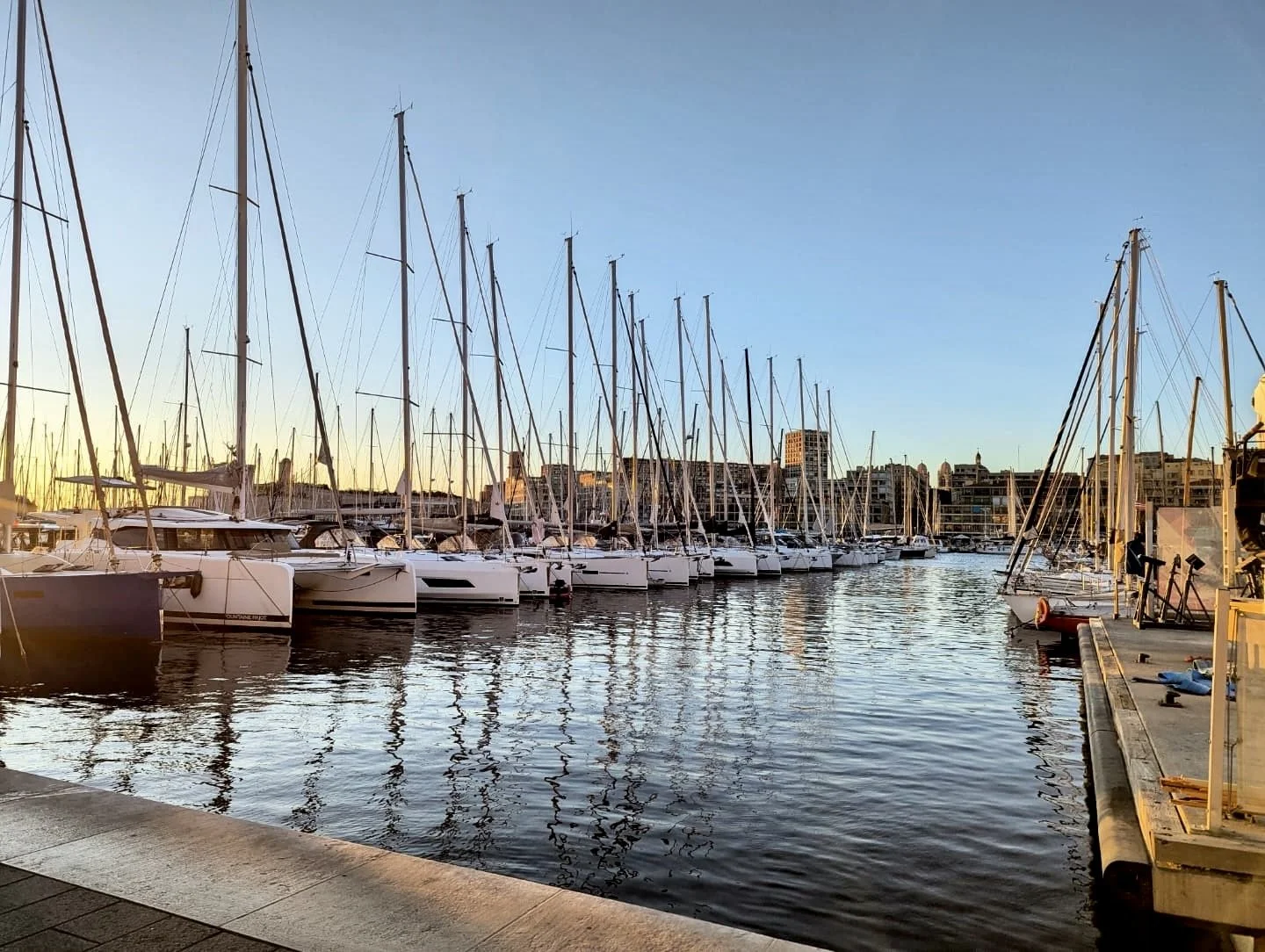
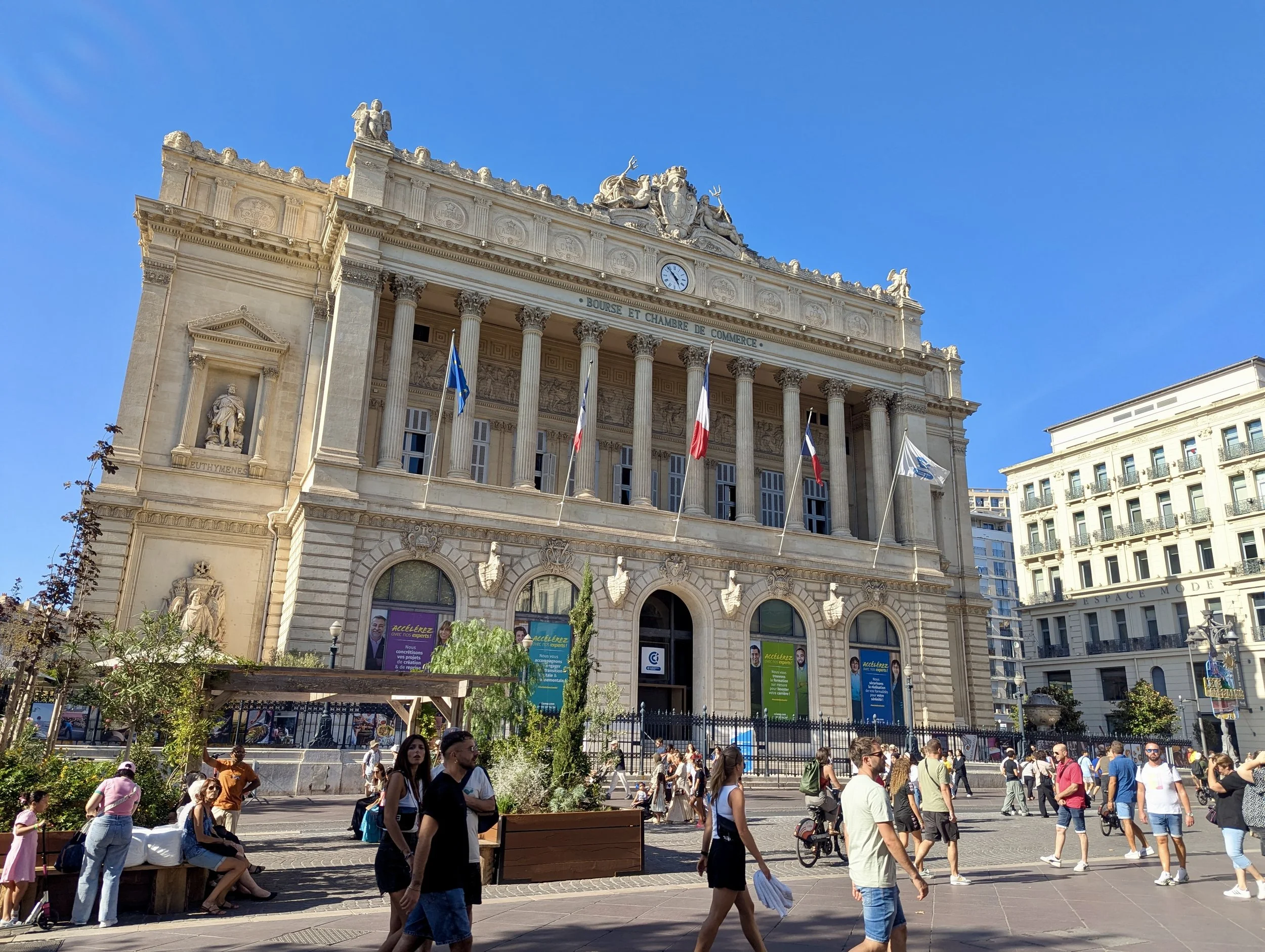
Fun, vibrant, and picturesque, if a bit crowded and touristy, Vieux Port also a transit hub, with lots of buses, a Metro stop, and the port for the passenger ferries, so keep your bag close and your eyes up, same as you would in any other crowded, busy area. Once you get out of the initial scrum you can walk along the quai, either to the north (toward Cathédrale La Major/Le Panier) or to the south (better for restaurant options and breaking off of the main drag) and see your fill of boats. Keep walking along either quai and you’ll reach a fort, and if you keep going beyond that, you’ll reach a lighthouse. If you follow the quai to the south, Quai de Rive Neuve, you can easily bypass the portside offerings of KFC, McDonald’s, Irish pubs, British pubs, and other various unremarkable dining options by going a few blocks into town, where you can find some excellent, smaller restaurants.
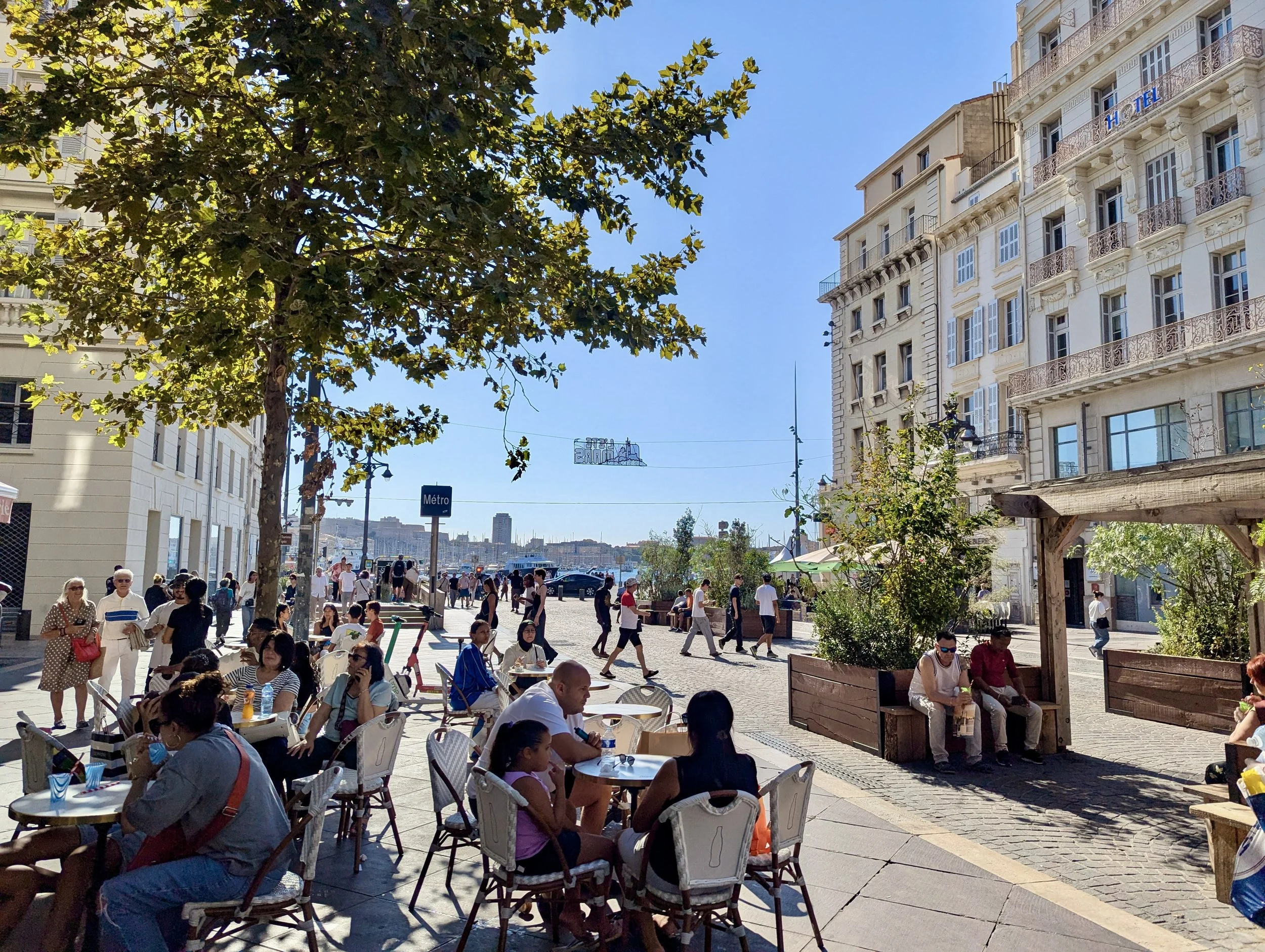
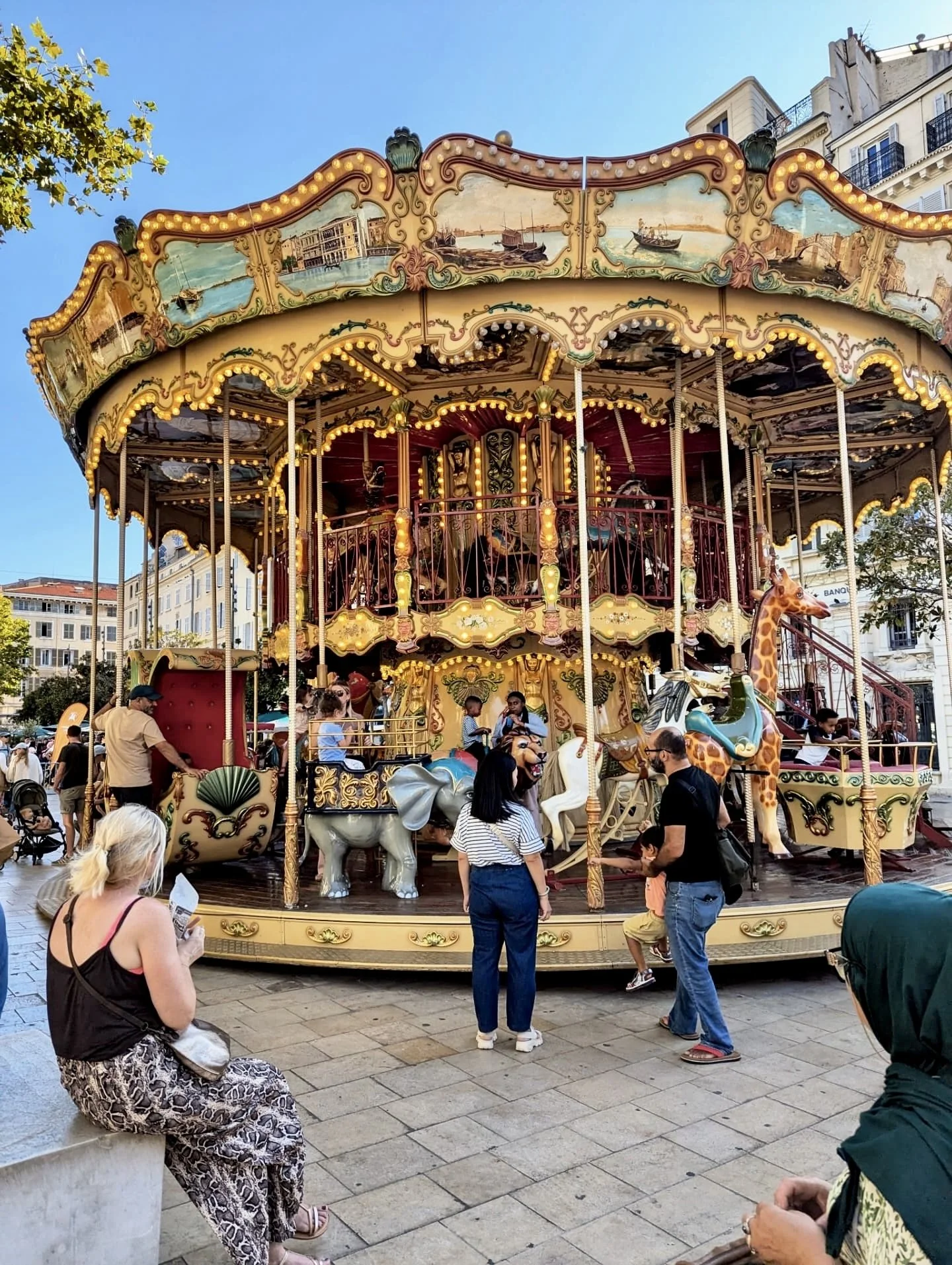
Just inland from Viex Port you’ll find Place Général de Gaulle and the start of La Canebière, a busy main street that’s mostly car-free. There’s a year-round carousel and lots of cafes, shops, and people strolling, shopping, or dining. Be sure to take a quick spin through this part of town if you’re only planning to hit the major sights, it’s busy but it feels more local.
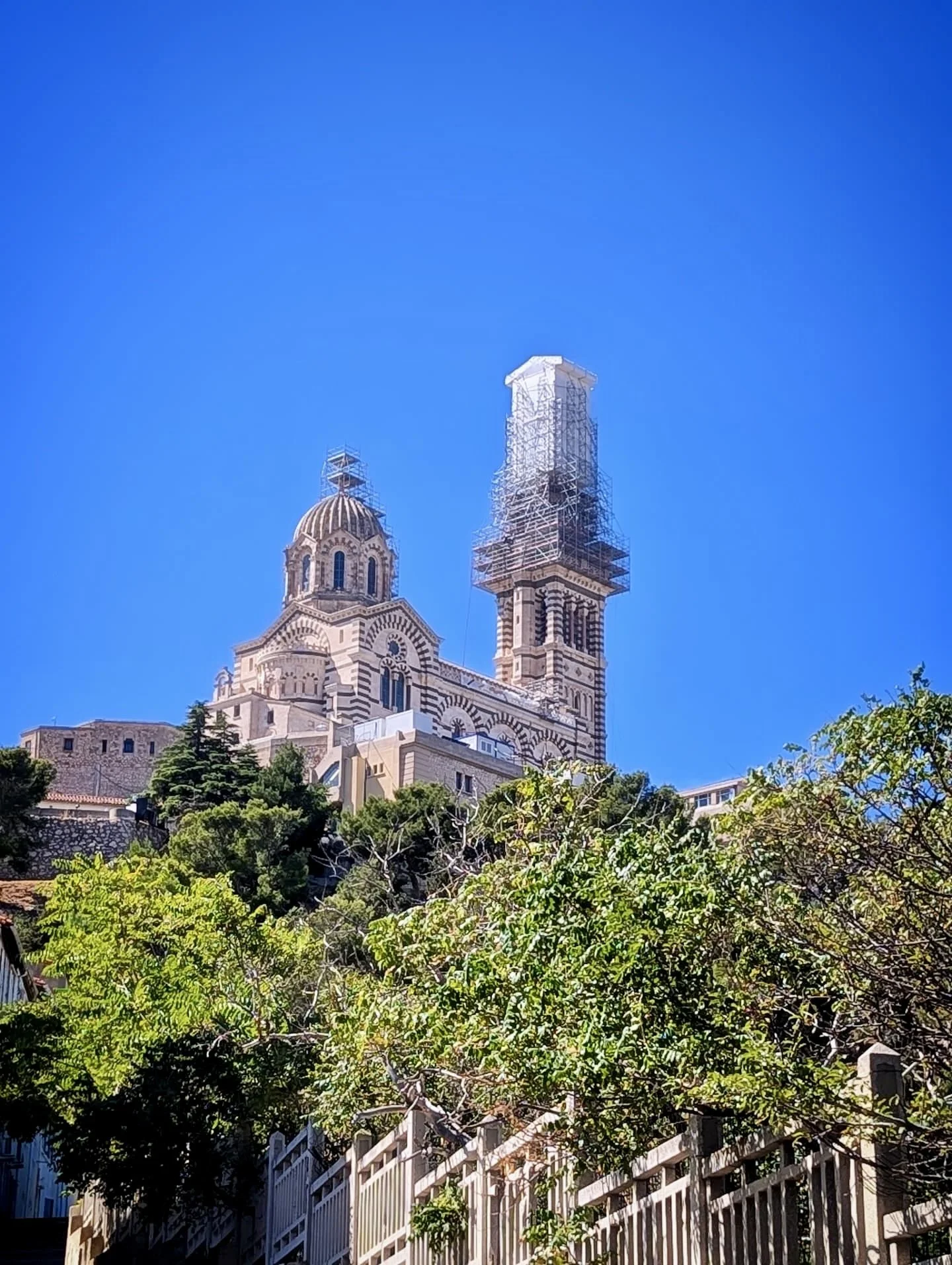
Basilique Notre-Dame de la Garde, Domaine Notre Dame de la Garde, Rue Fort du Sanctuaire, 6 ème
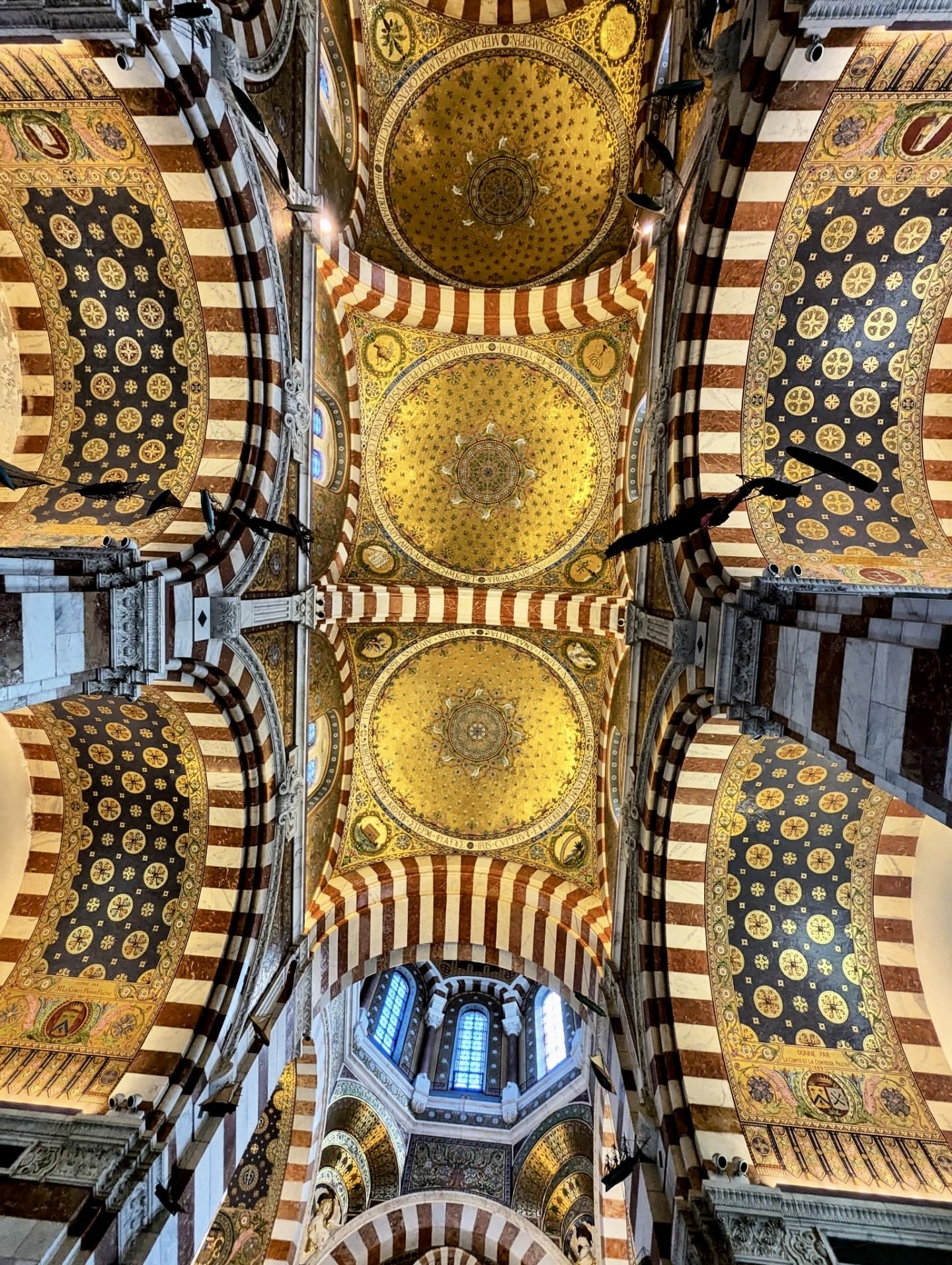
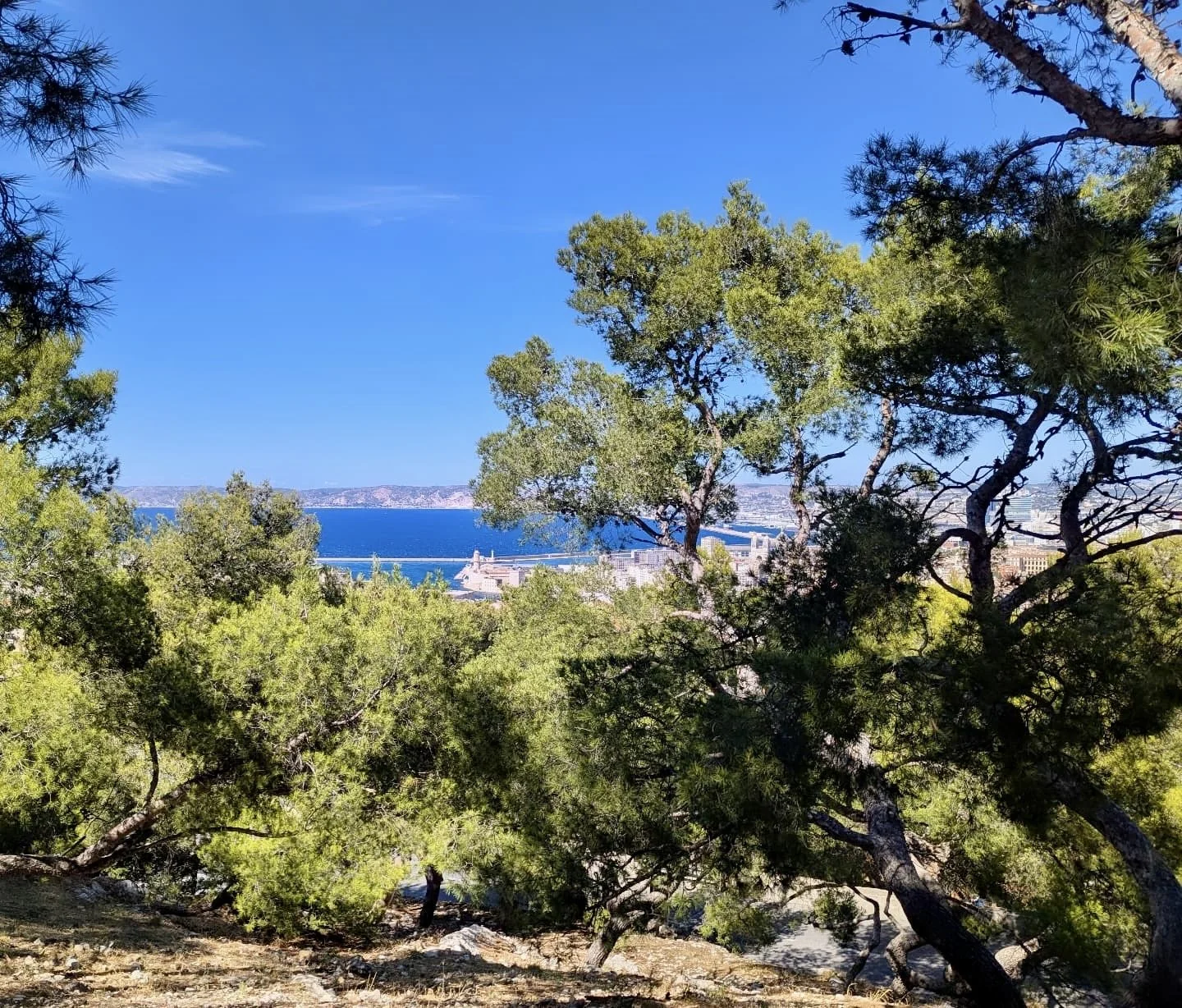
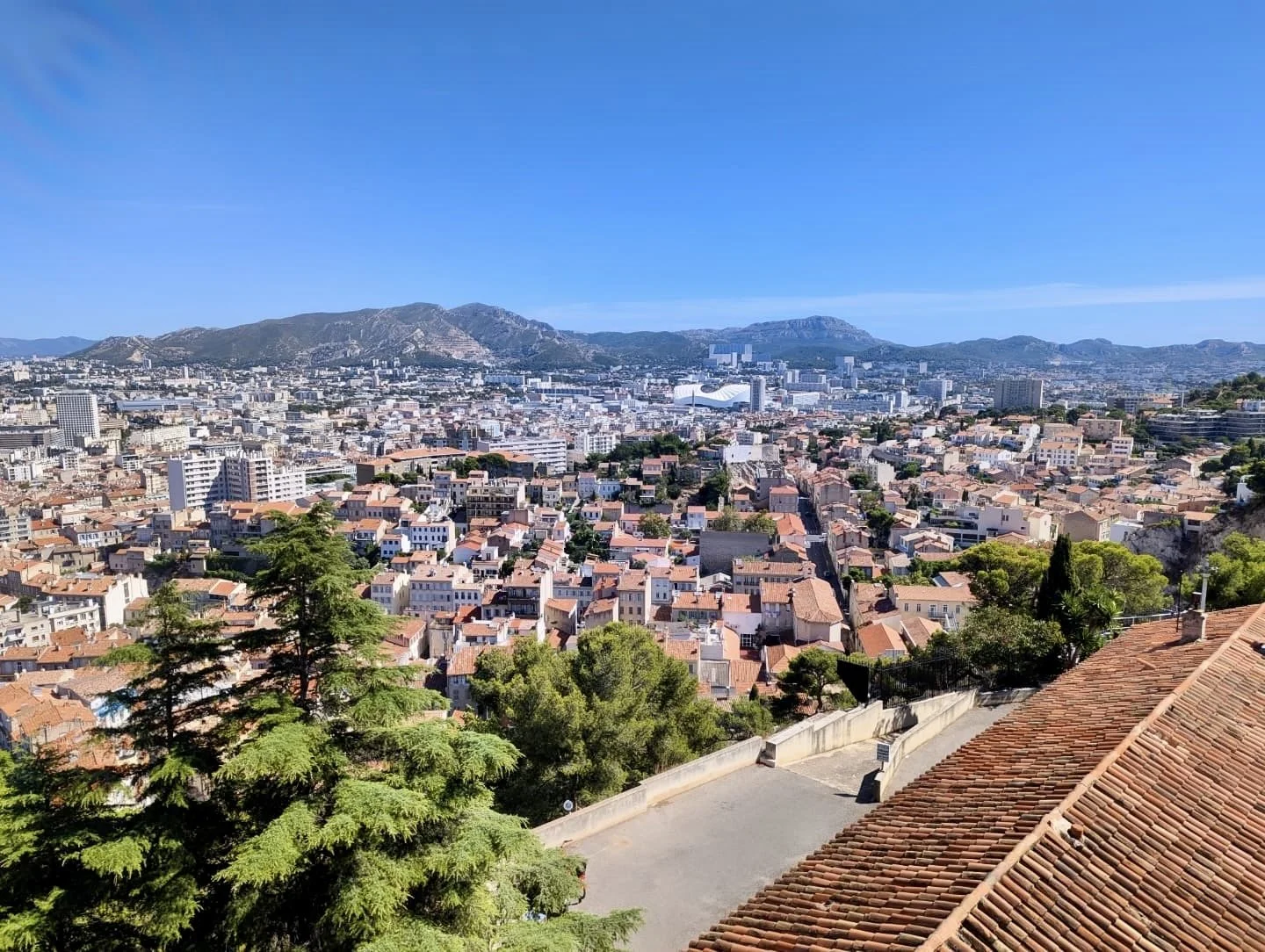
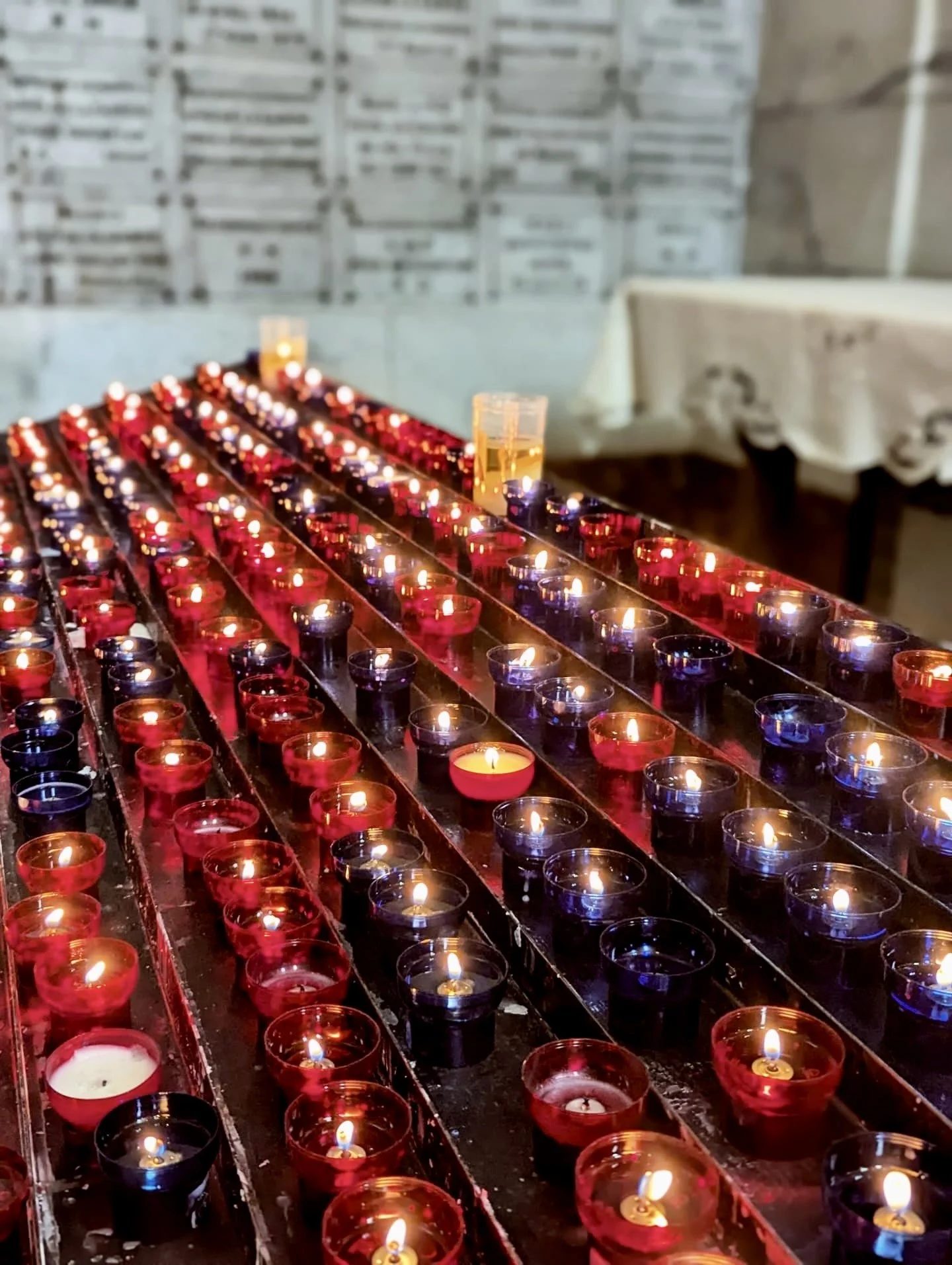
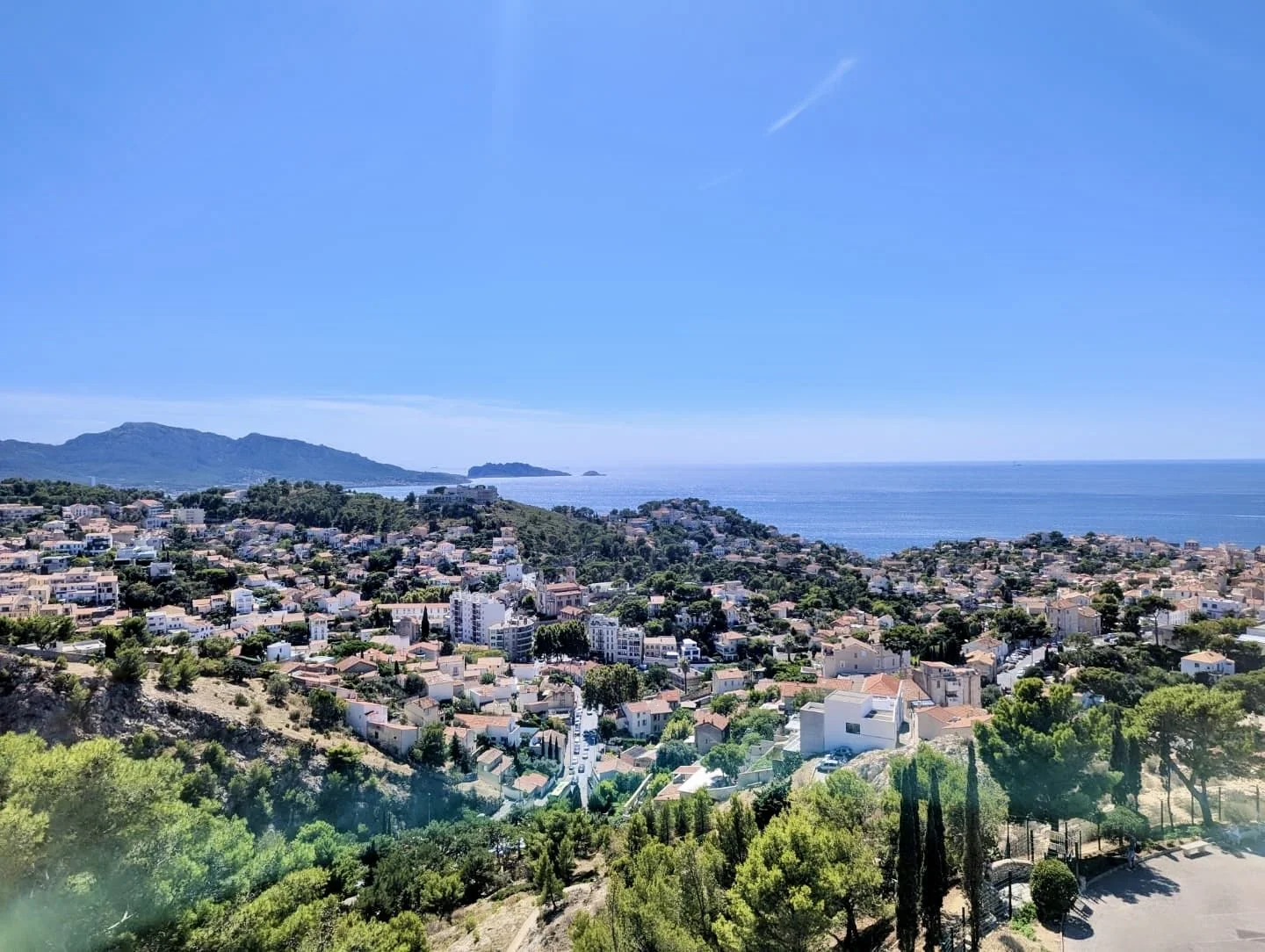
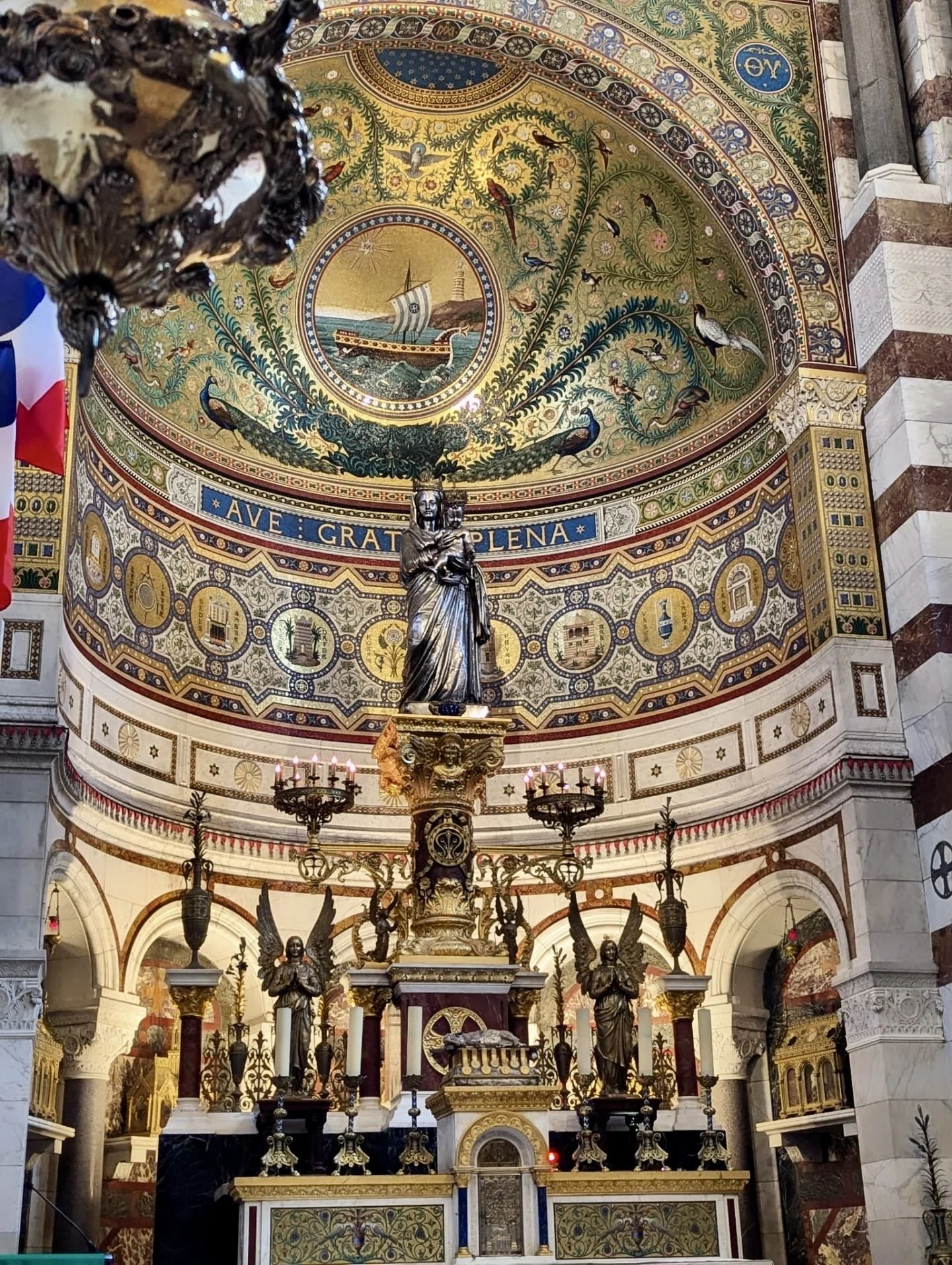
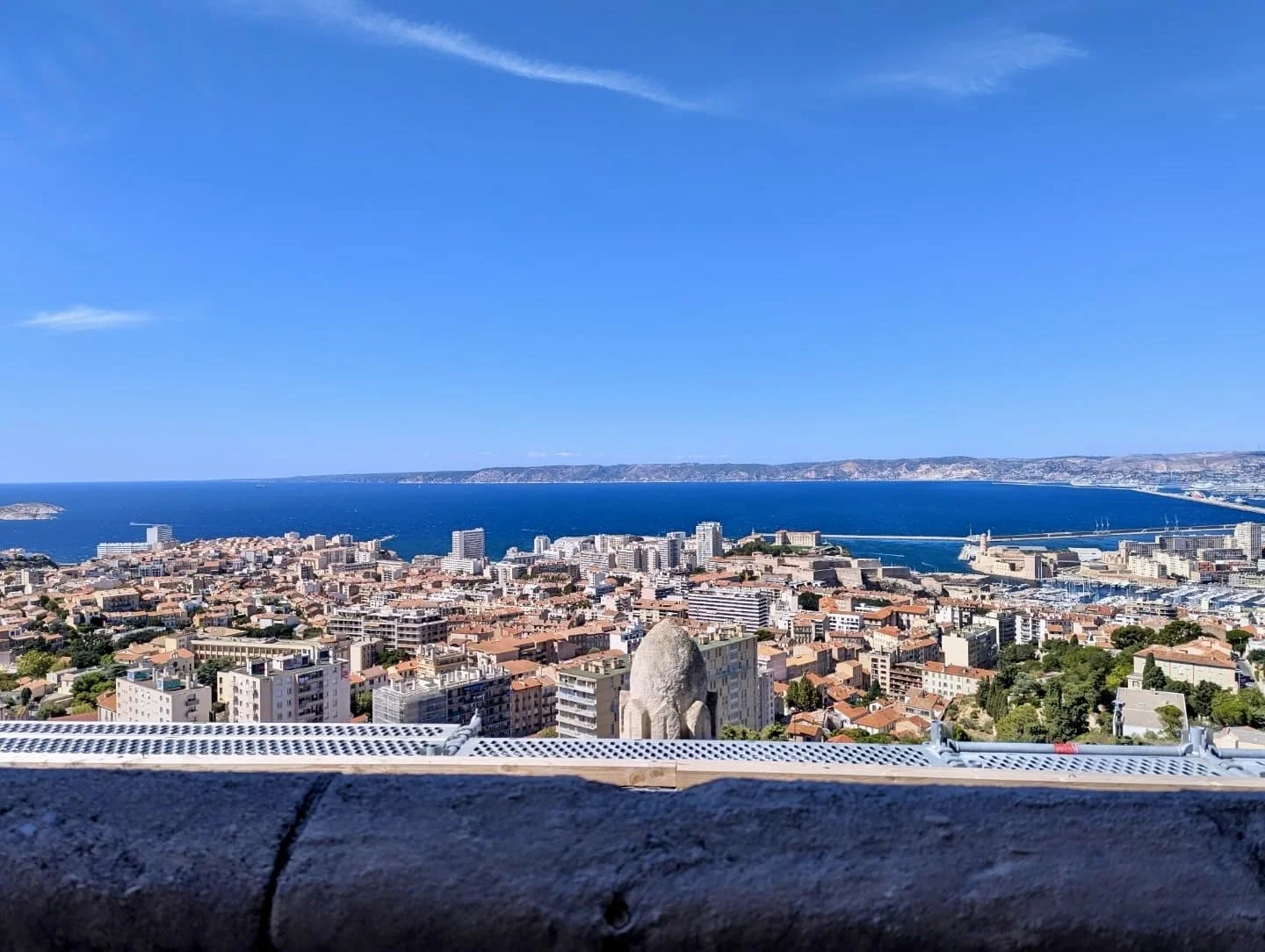
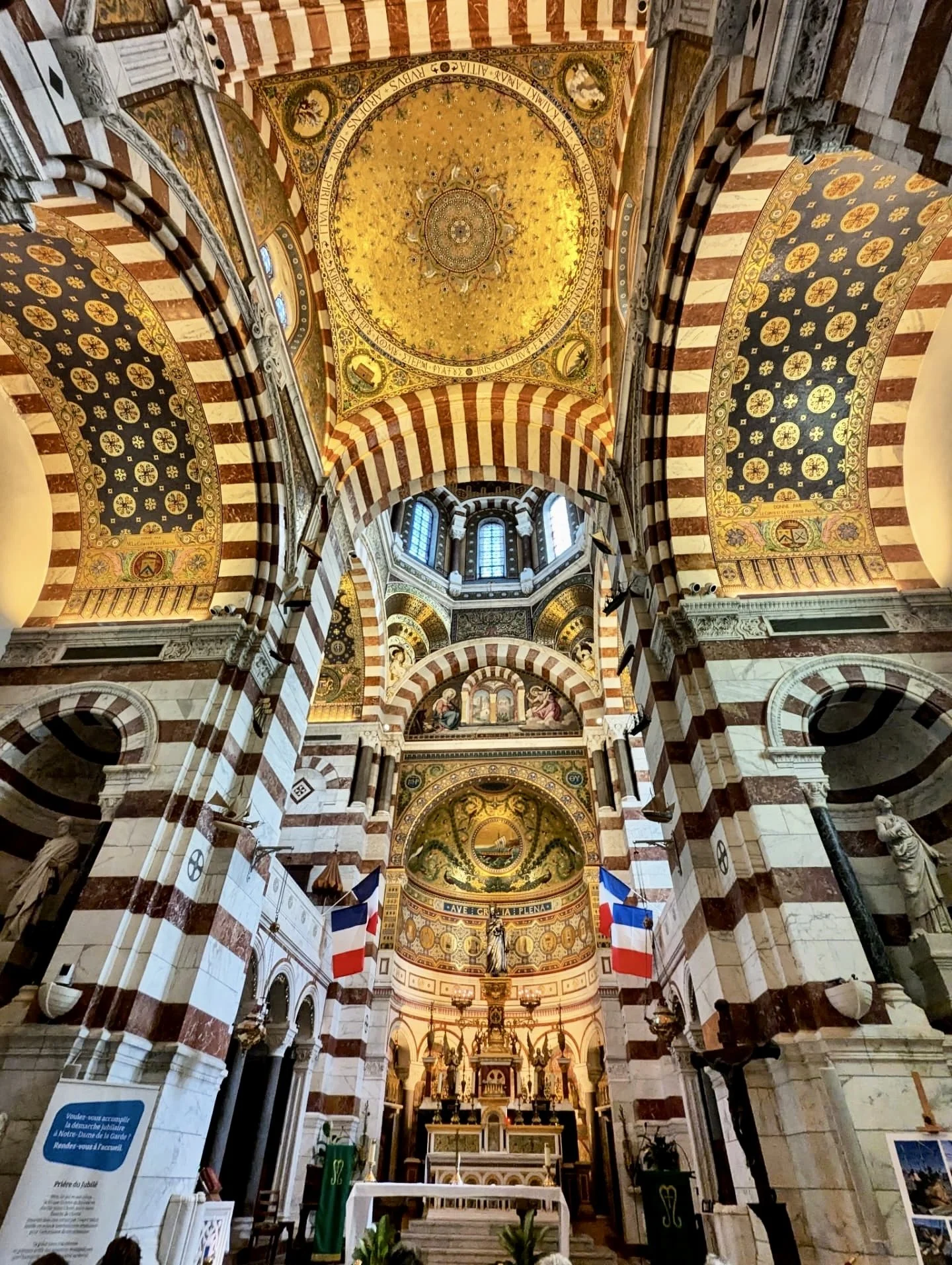
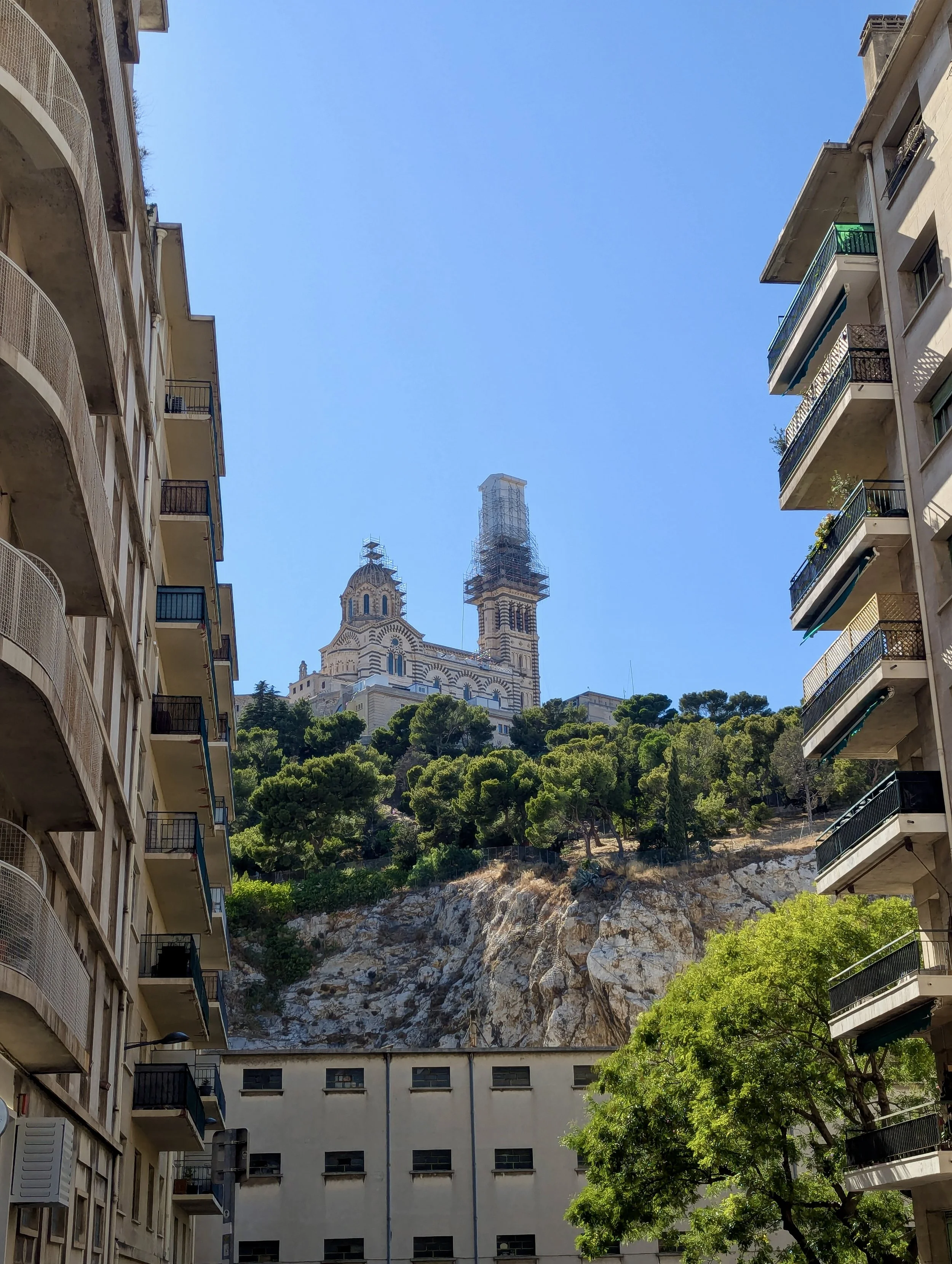
Marseille has two must-see churches, and the basilica is probably the most recognizable. Towering over the city from a hilltop, it’s reachable by foot (there’s a staircase that makes the ascent not too painful, and the view is worth the hike), the #60 bus, and the Little Tourist Train. Referred to as la Bonne Mère by locals, this hilltop has been home to a church dedicated to the Virgin Mary since 1214, though the current iteration has been around since 1864, after a decade of construction. The black and white striped façade houses an intricately decorated interior filled with mosaics and red and white striped arches, topped with a gold statue of Mary holding baby Jesus. The grand exterior belies the size of the church; it’s really not that massive inside. Looking around you can immediately tell this is a church in a port city, as there are many wooden ships and other offerings made for safe sea voyages. The statue was being restored when we visited (this isn’t an uncommon thing, old buildings are constantly under construction/being restored, so don’t be shocked if there’s some scaffolding marring your otherwise perfect view of a building) so the exterior wasn’t exactly what I’d expected, but the view. . . oh, the view! 360 degrees of the city, sea, and surrounding hills is just breathtaking. Even if you’re not interested in visiting the church, go for the view, it’s absolutely worth the trip.
Cathédrale La Major, Pl. de la Major, (2 ème)
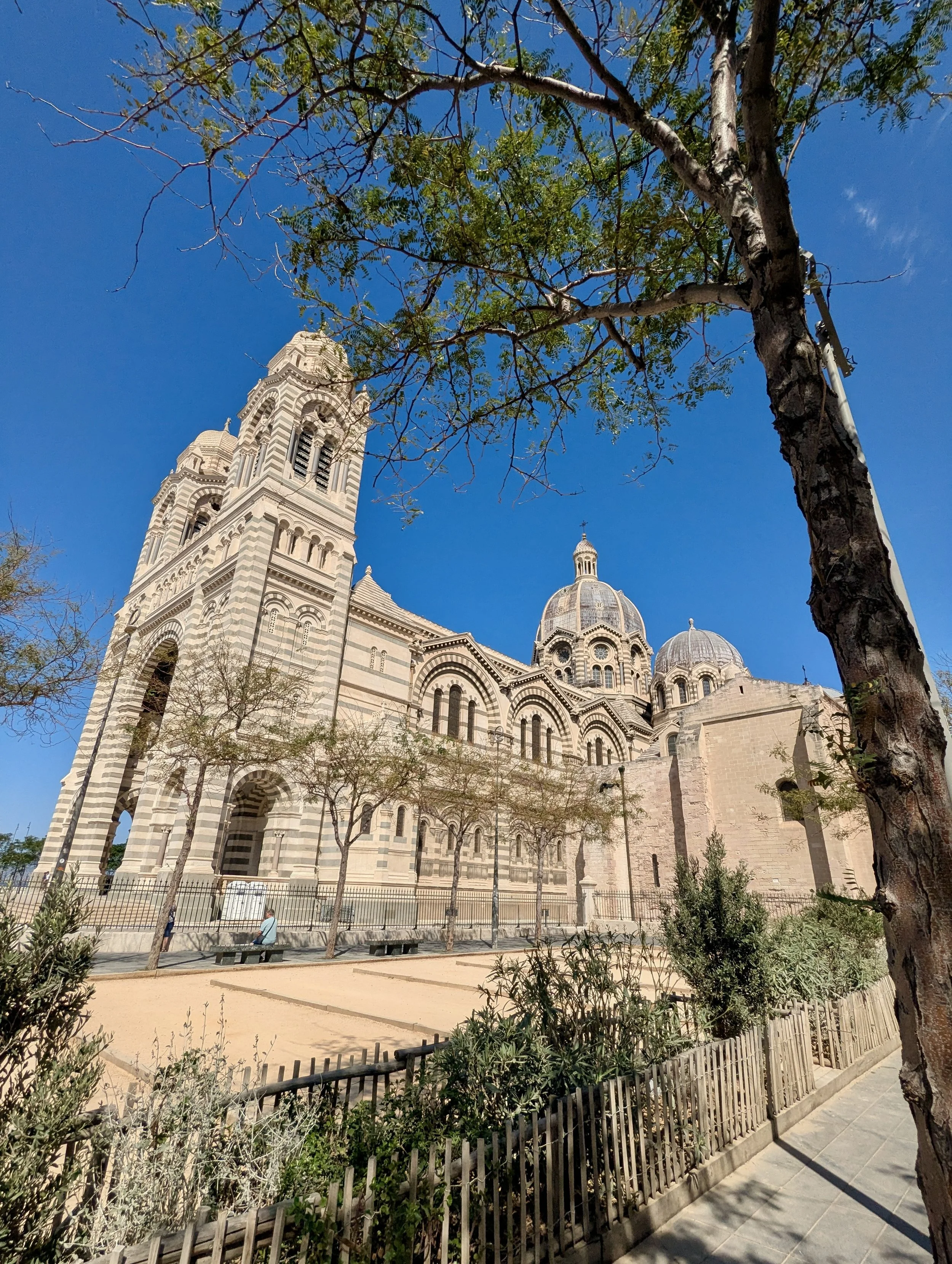
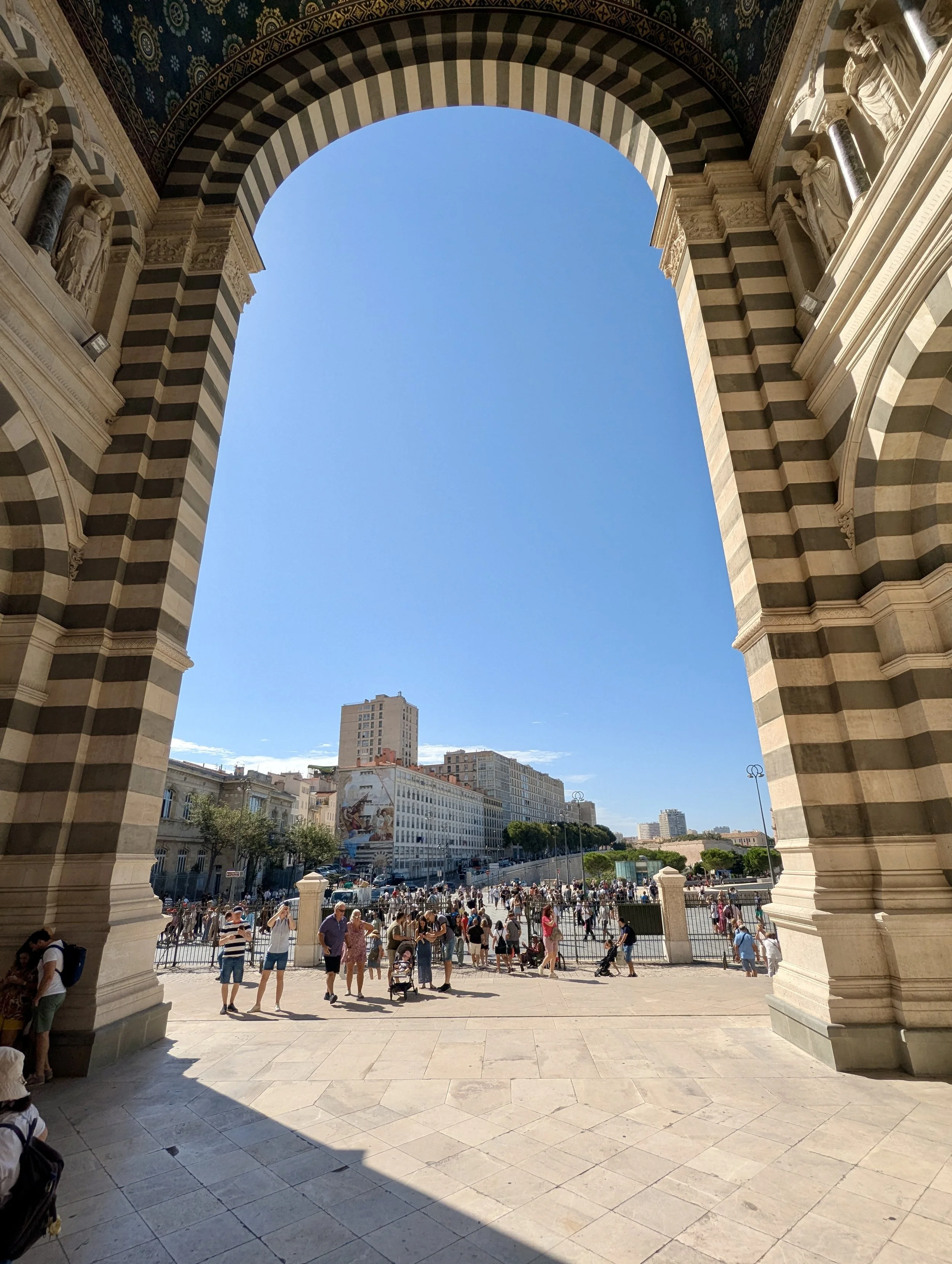
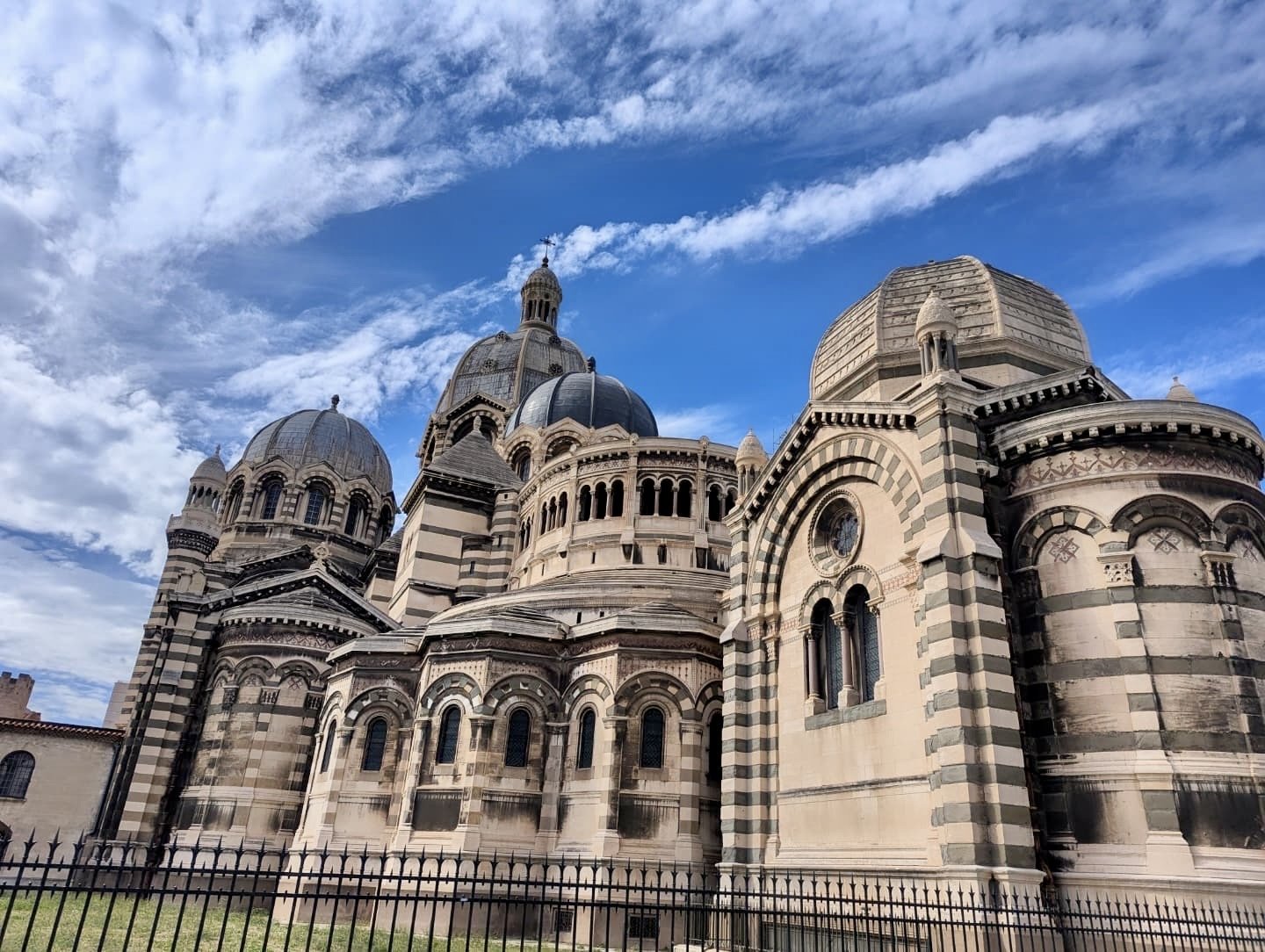
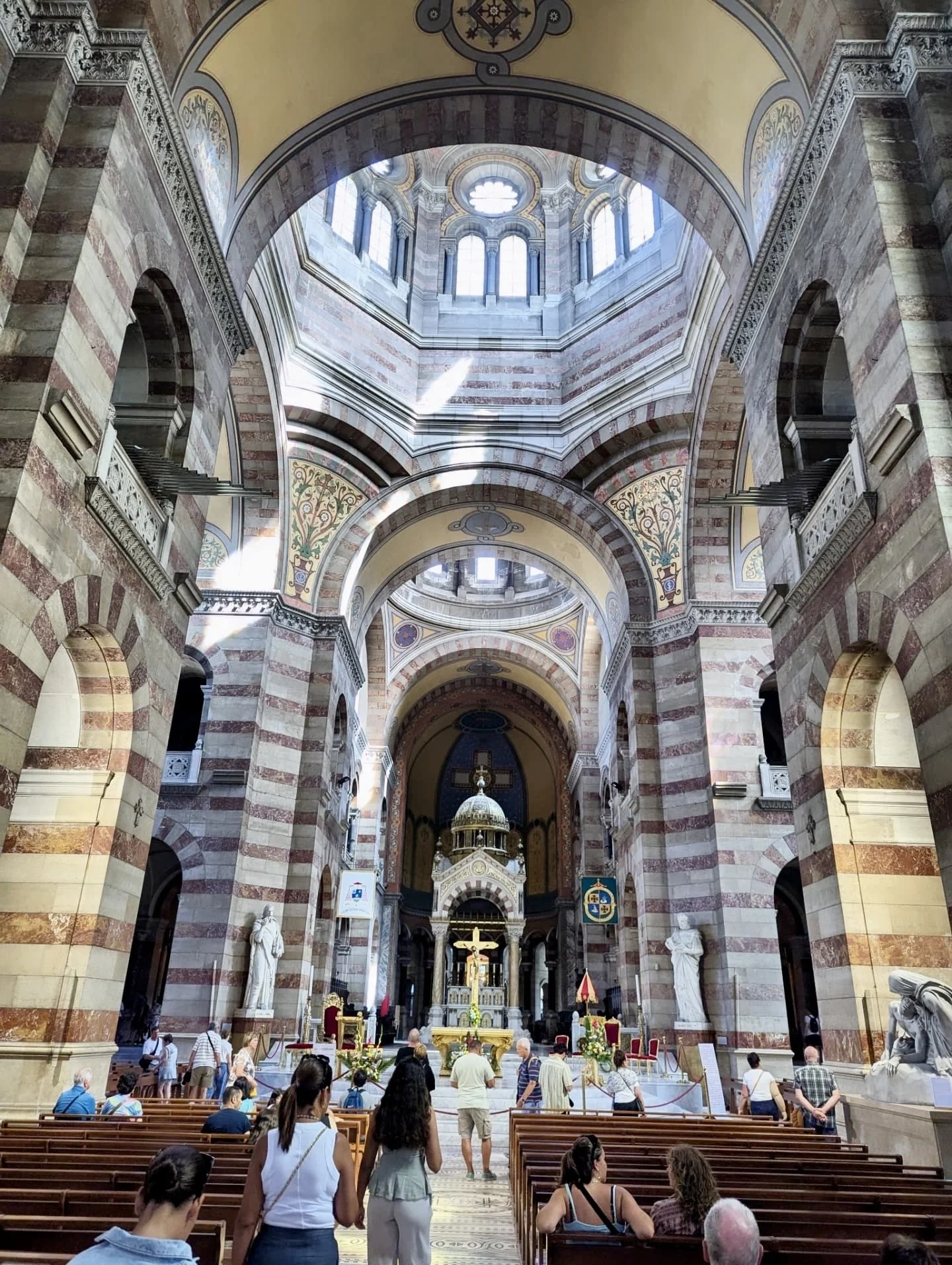
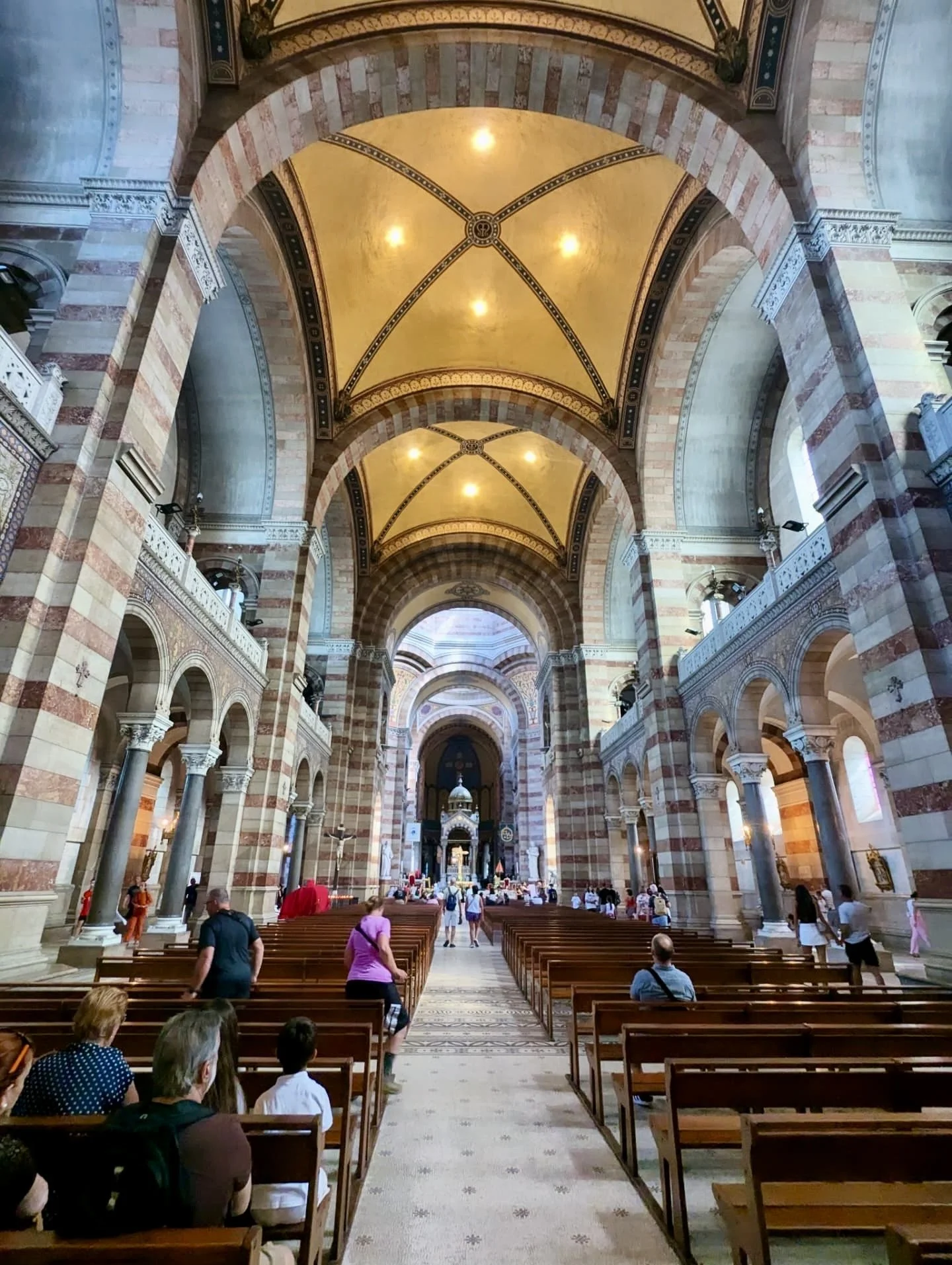
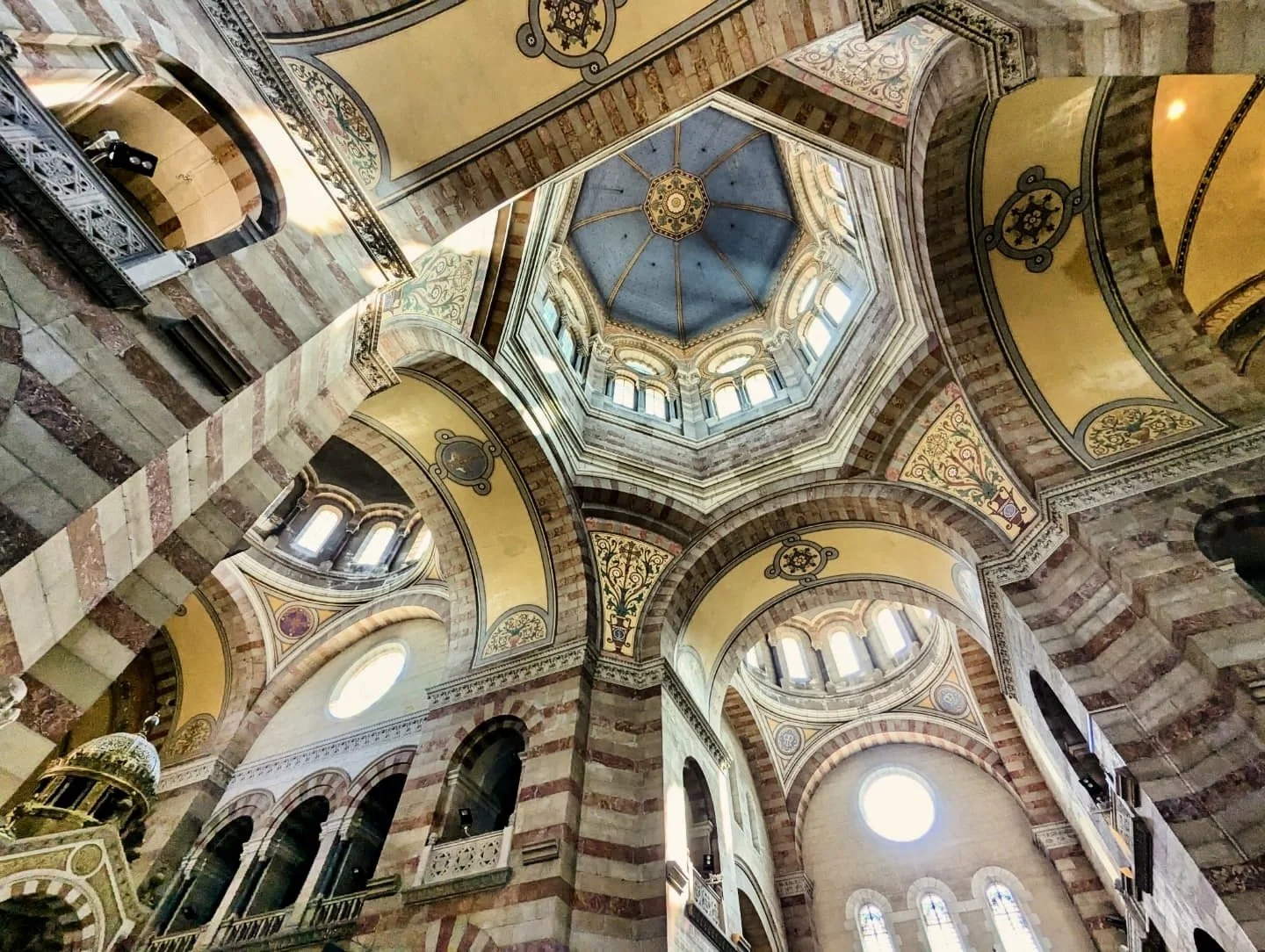
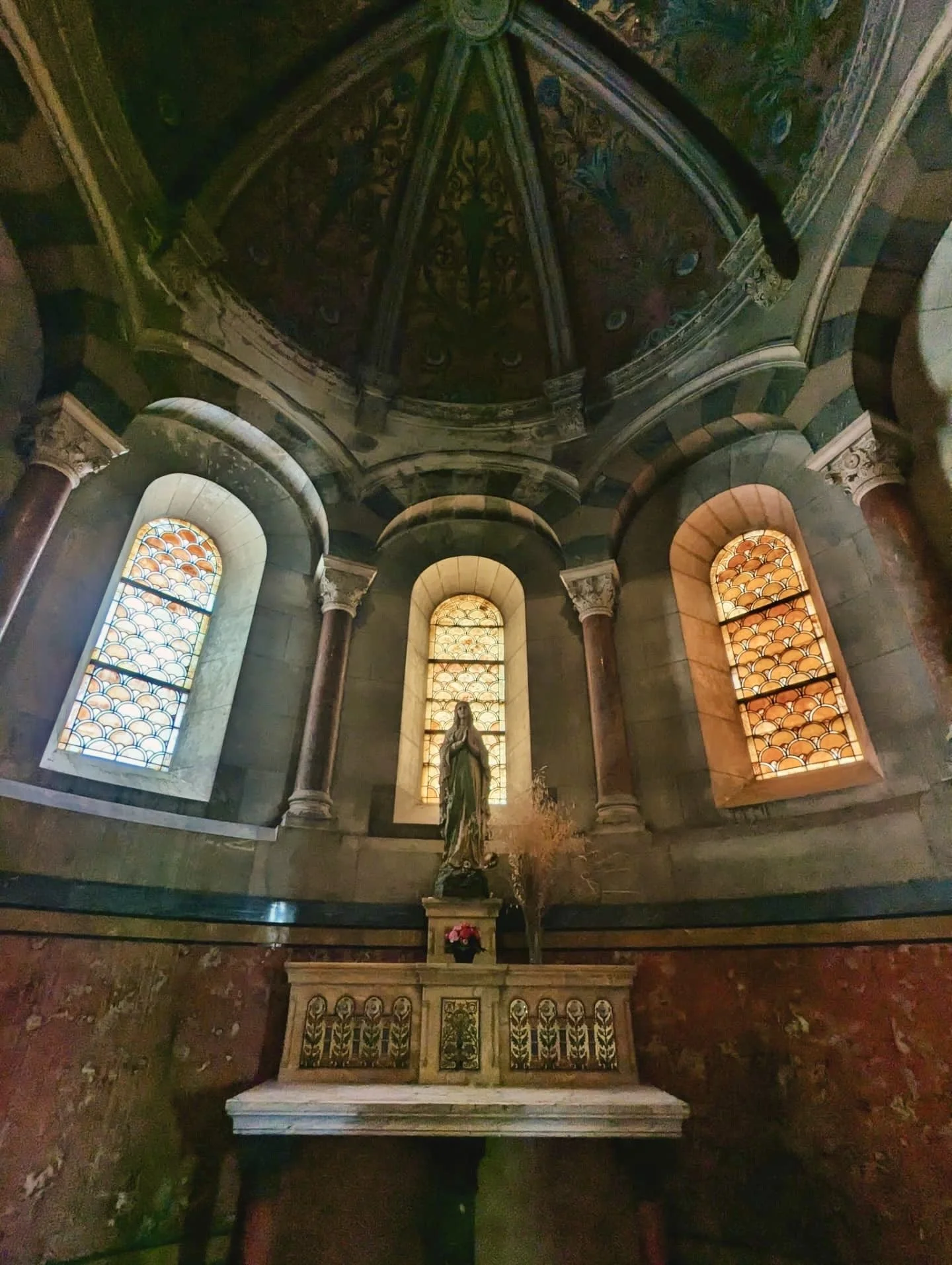
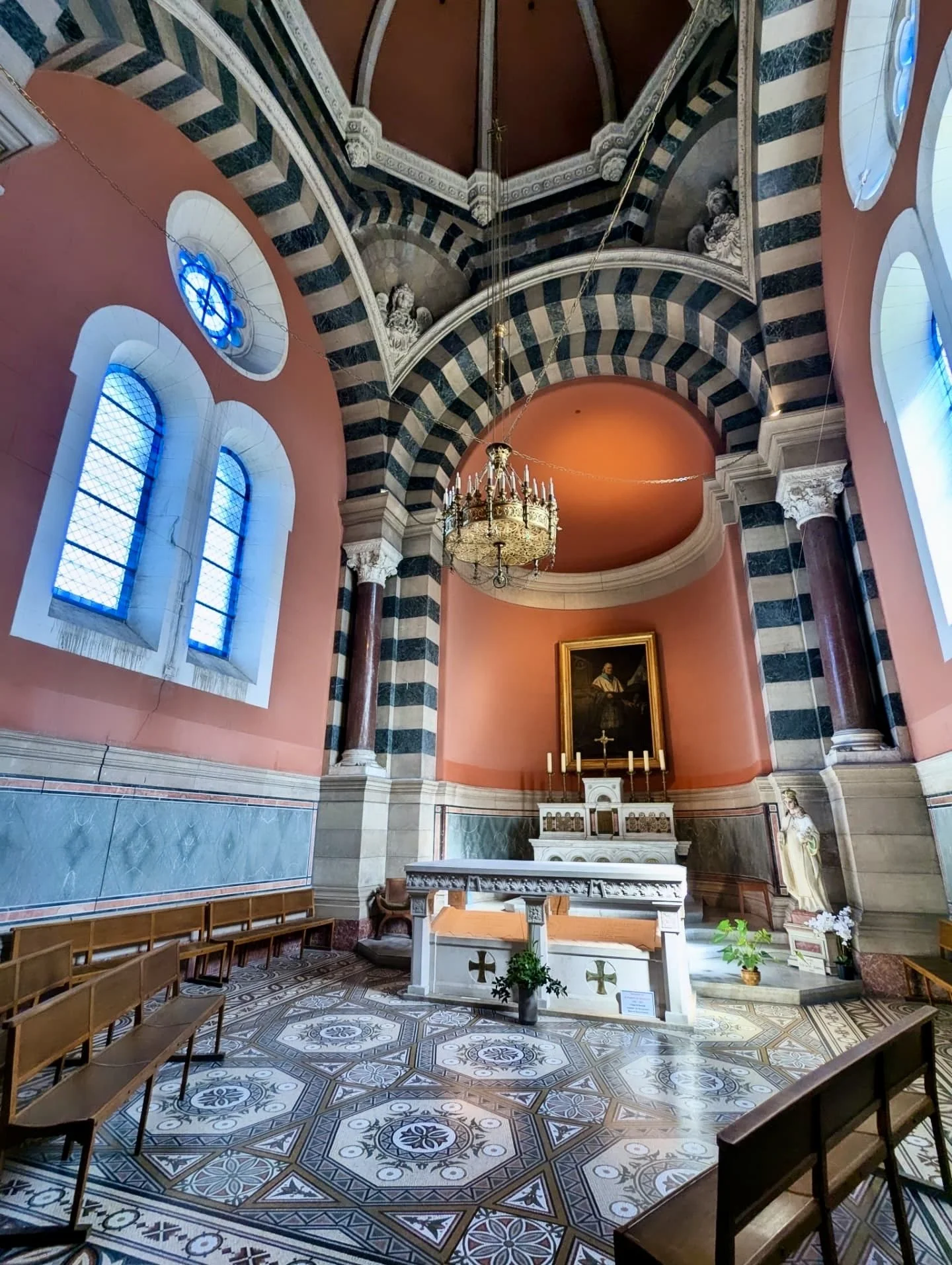
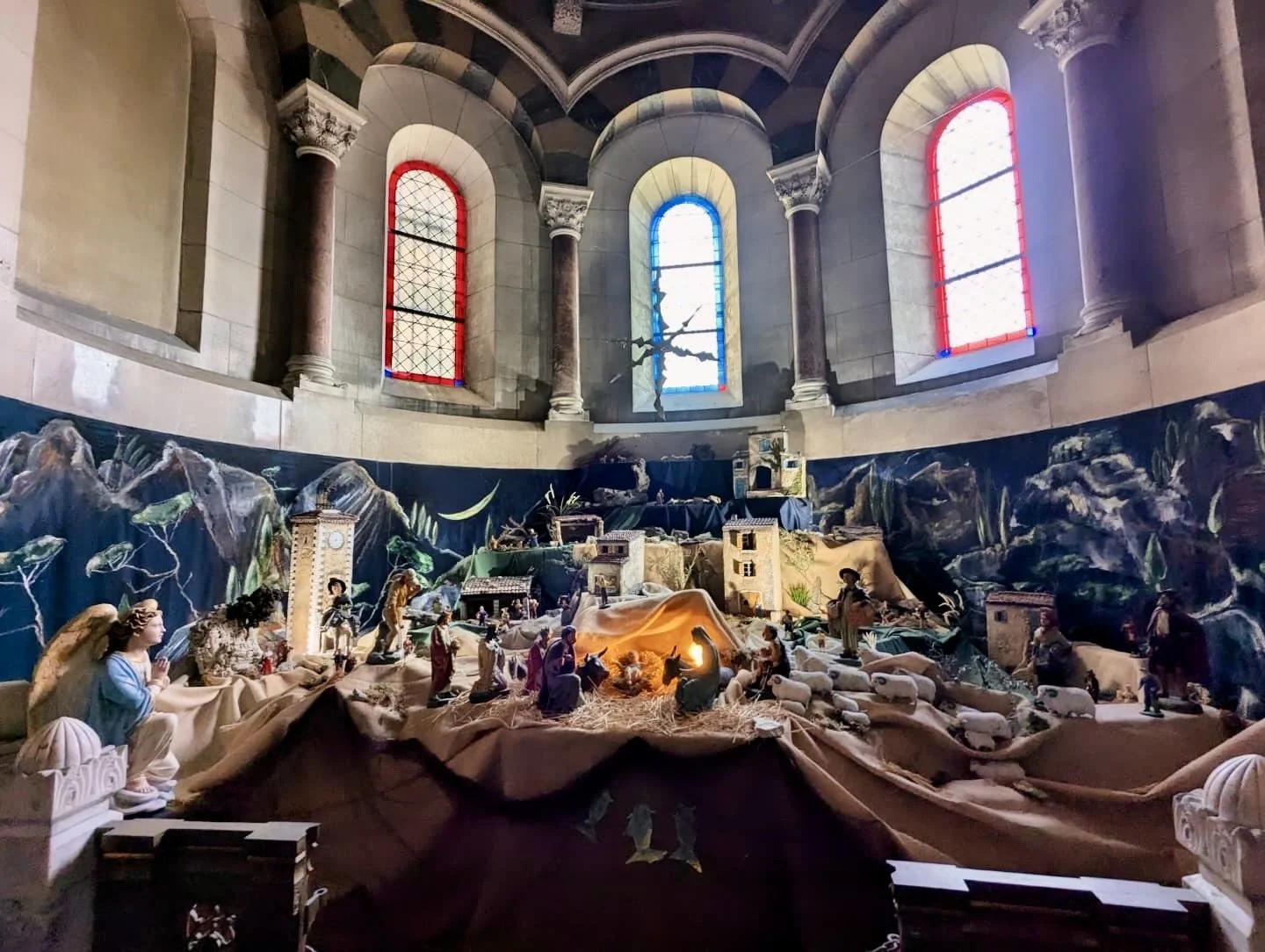
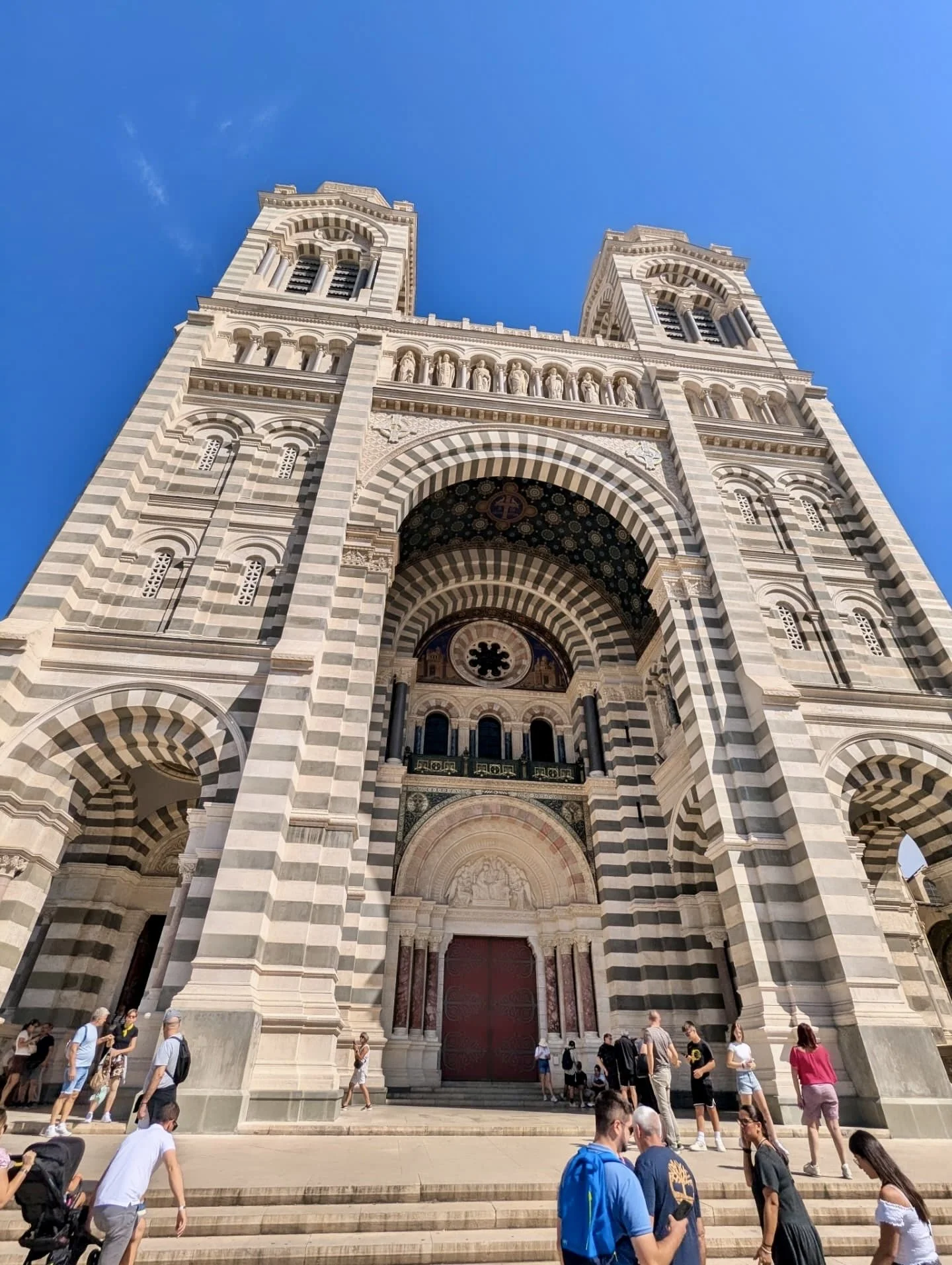
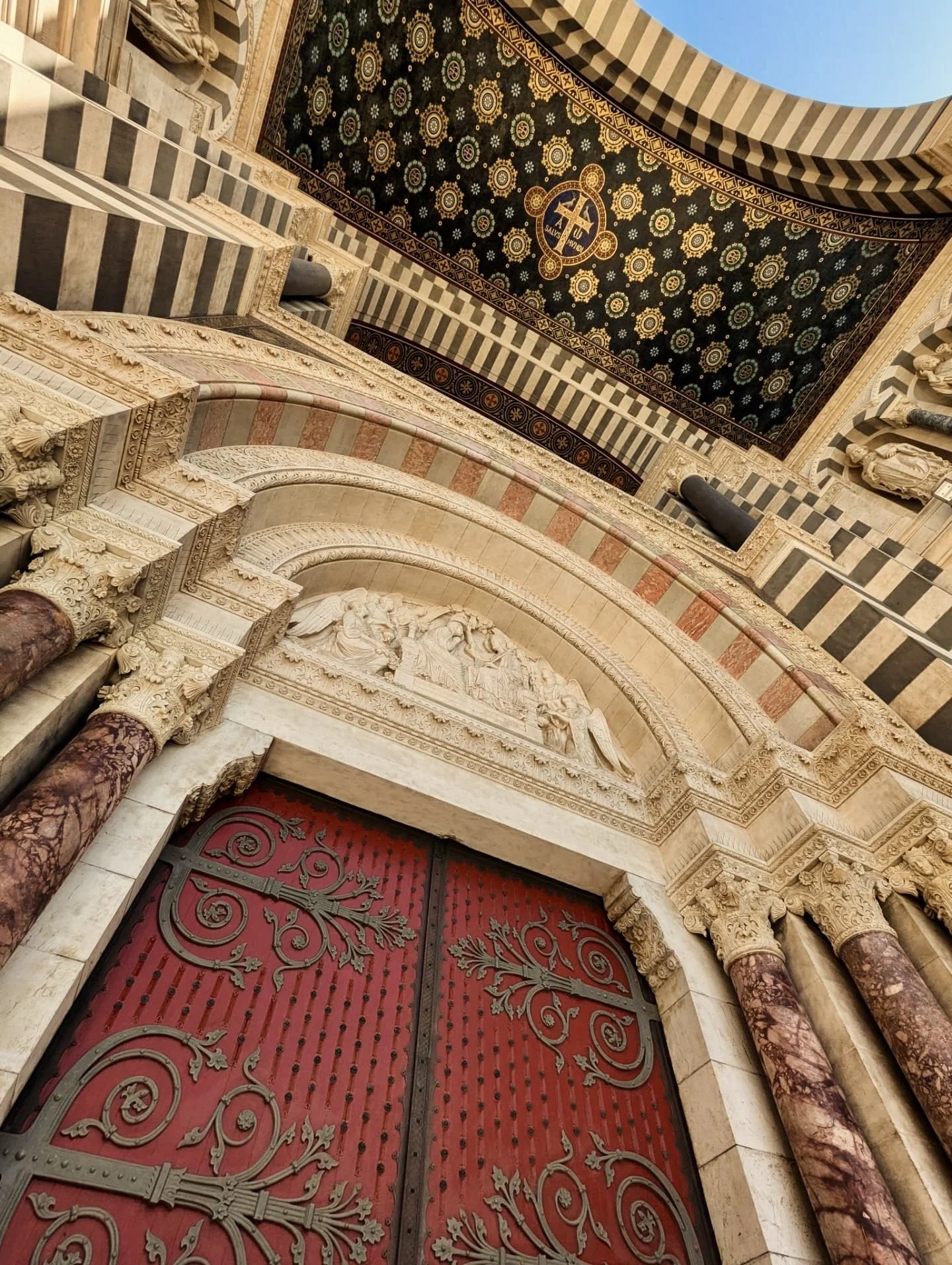
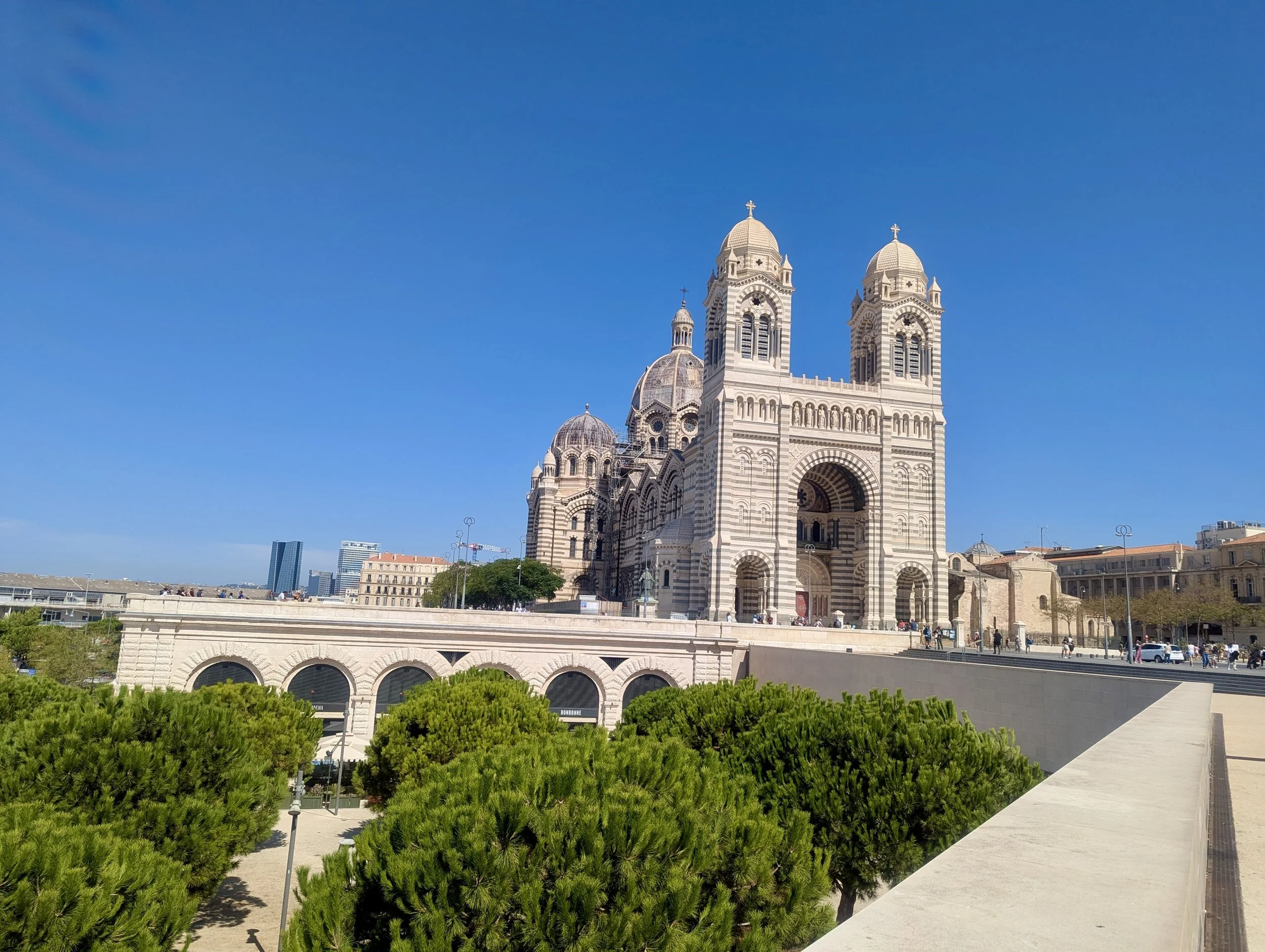
The second of the two showstopper churches in town, this one is a little easier to access, what with it being an easy walk from Vieux Port - and not at the top of a hill. The style is similar, with the black and white striped exterior and red and white striped interior, but the scale of the cathedral is massive, large enough to hold 3,000 people, and quite new, with construction finished in 1893. The shiny, new cathedral was built on the site of an old church (La Vieille Major) originally dating back to the fourth century but the most recent version from the twelfth century, which was folded into the new church.
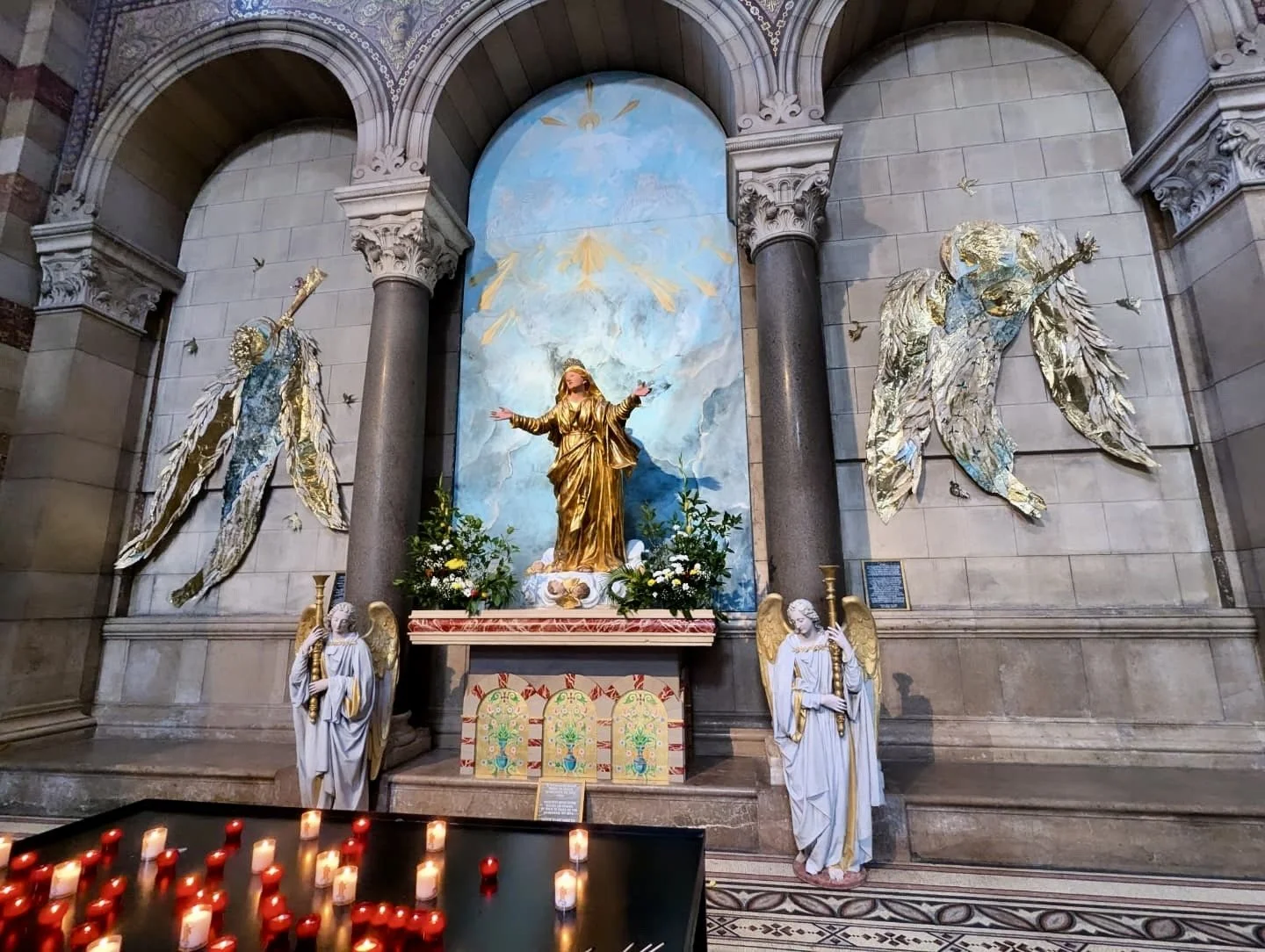
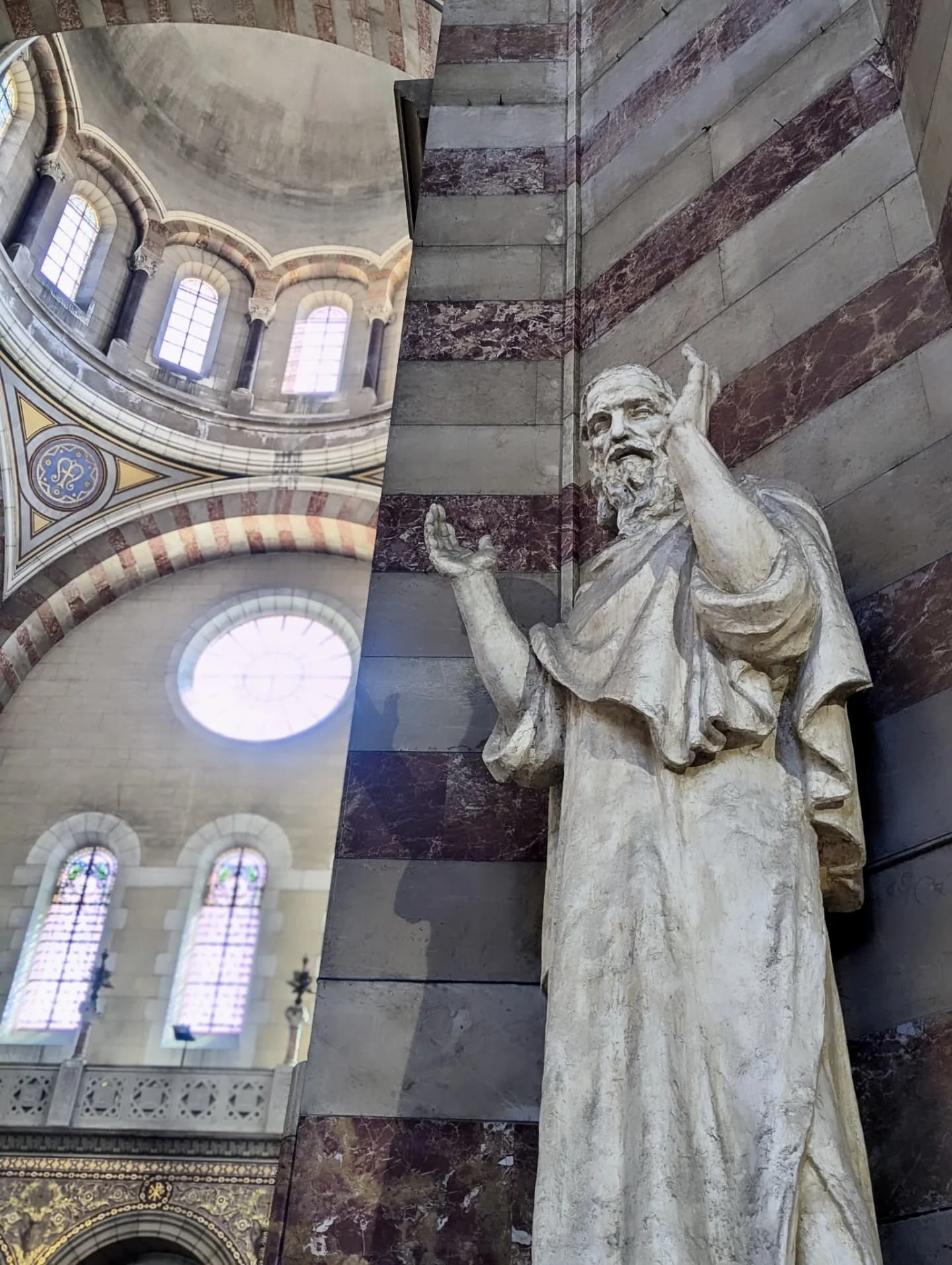
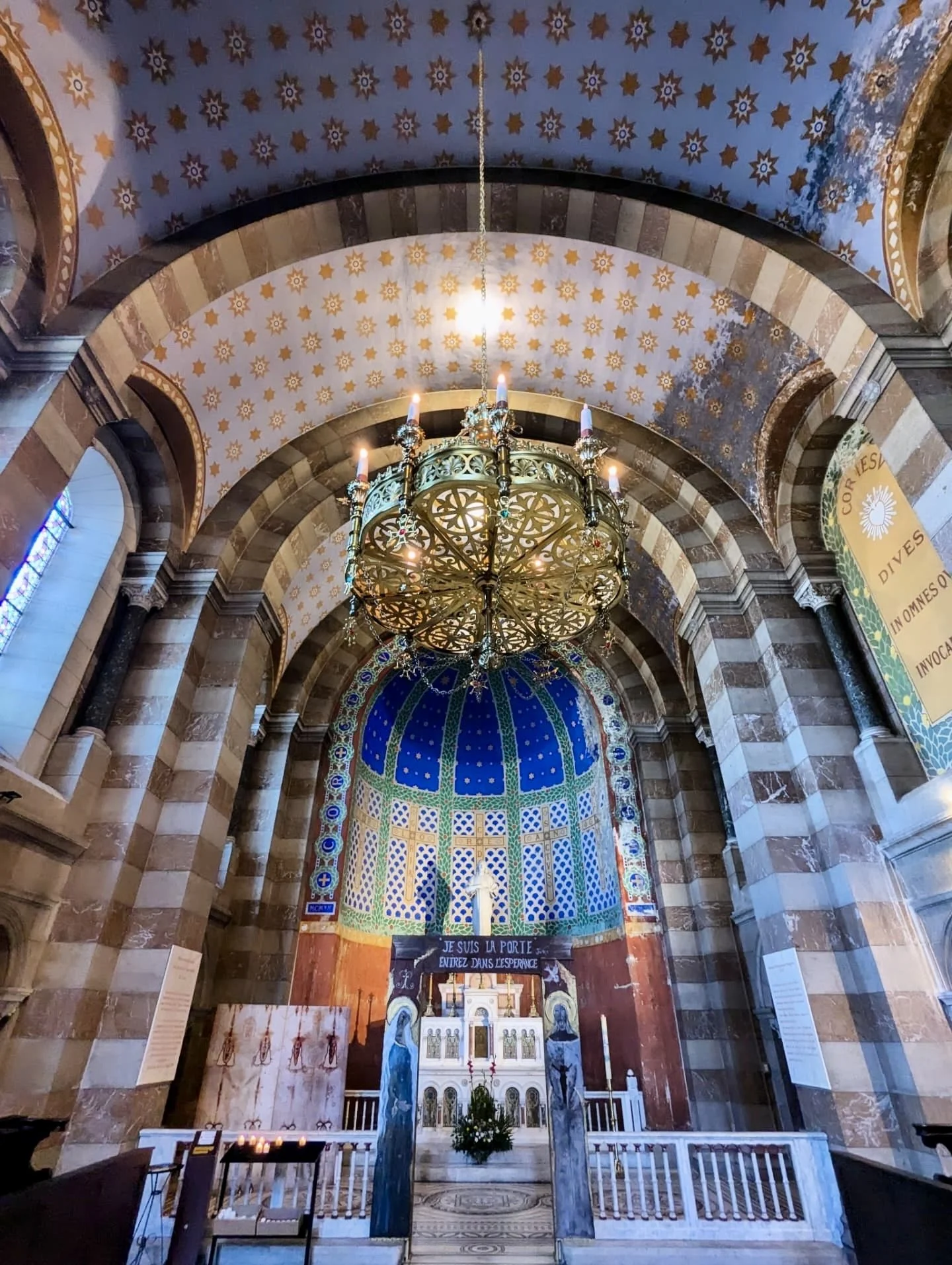
While it can’t compete with the view from la Bonne Mère, the interior has a lot more to discover due to its sheer size. With lots of side chapels, statues, mosaics, and alters, even when it’s crowded you can find a peaceful spot to reflect, pray, or just gape.
Le Panier (2 ème)
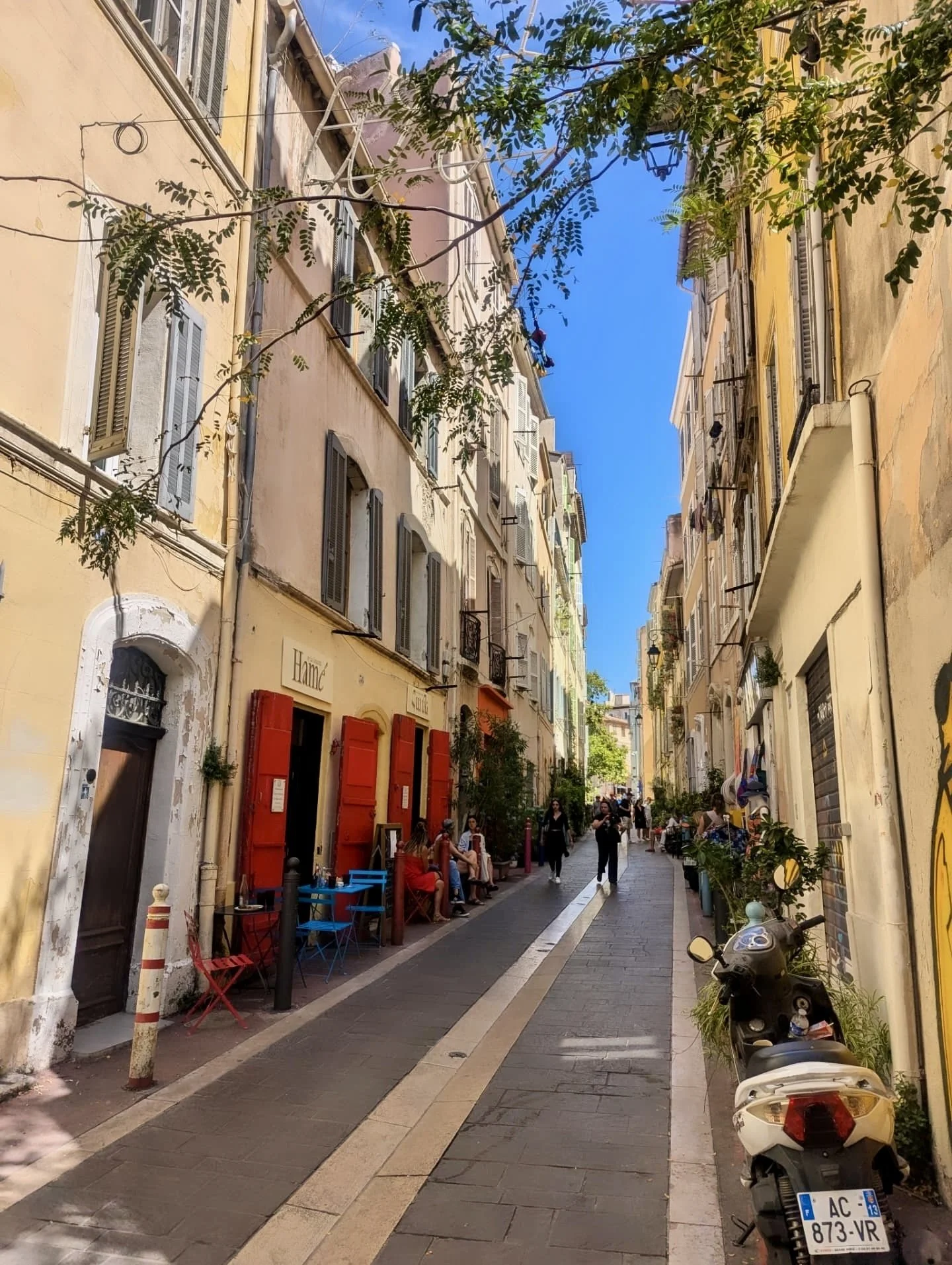
This is the oldest neighborhood in Marseille, and it’s also the most packed with tourists. Its proximity to Vieux Port and Cathédrale La Major make it an easy stop on a whirlwind tour of Marseille’s top sights, especially for cruisers as the cruise port is just northwest of here, and a free shuttle from the port stops at Place de la Joliette just a short walk away. We didn’t spend a lot of time in this part of town, we just took a quick walk through on our last day and were put off by all the shops geared to tourists. I know there are some interesting streets and historical buildings that are worth visiting, but it wasn’t my favorite part of town. On another trip I might try to spend some more time exploring and trying to get off the main drag, but initially I wasn’t especially charmed. Honestly, Le Panier feels more like the Disney version of Marseille; an old neighborhood frozen in amber for tourists. I prefer the feel of the living, breathing city filled with locals going about their business, living their lives.
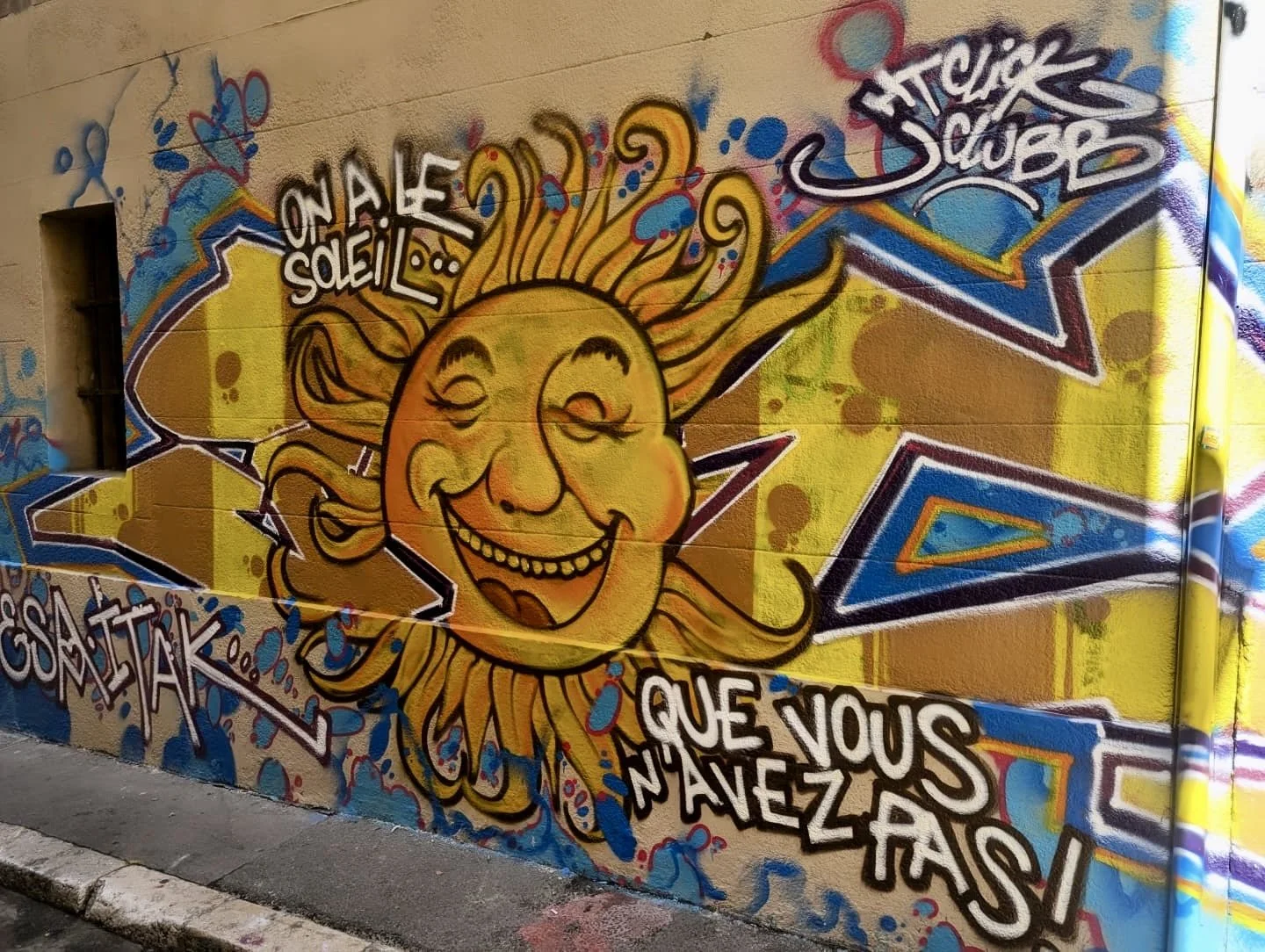
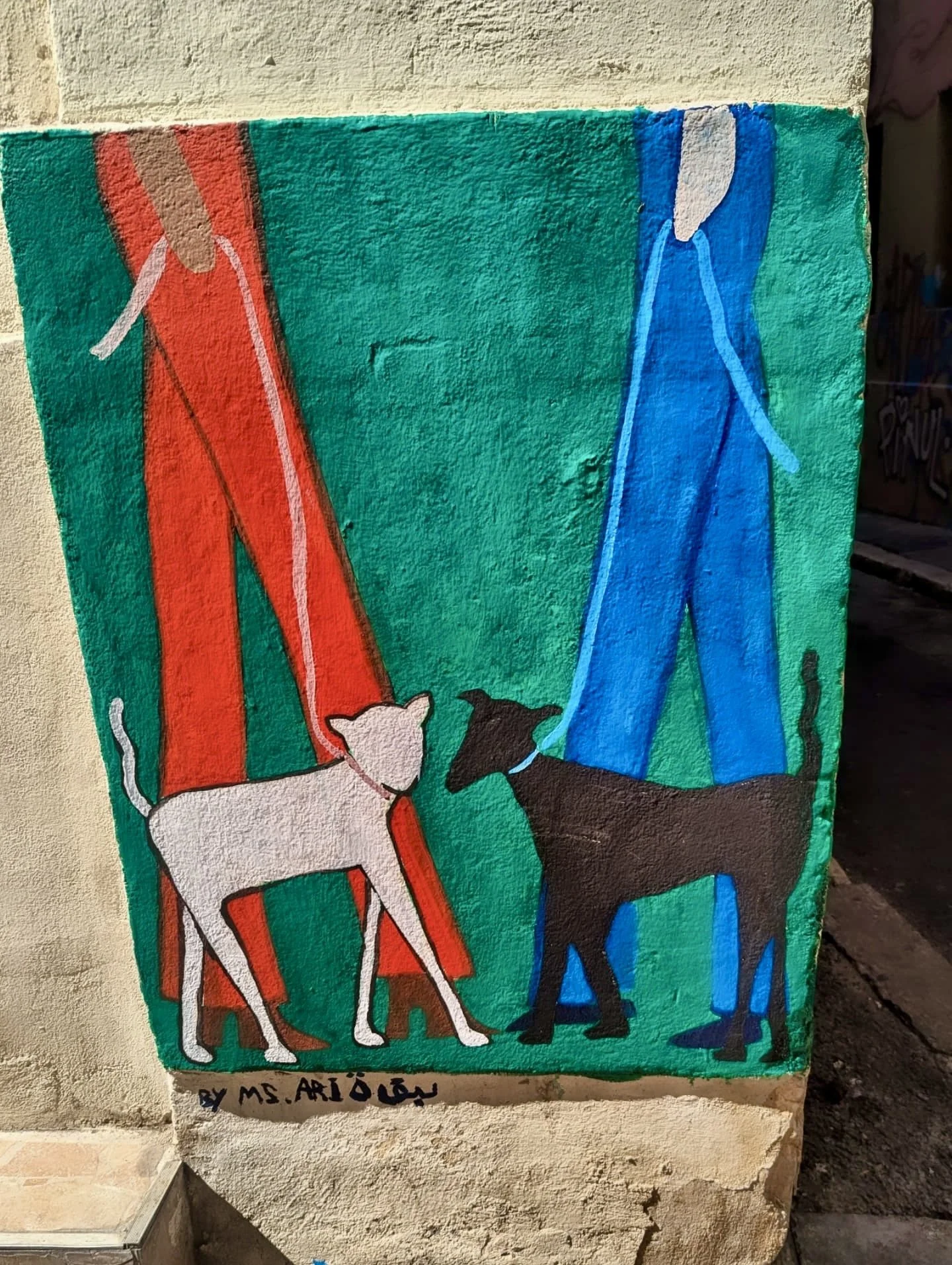
Vauban neighborhood, 6 ème
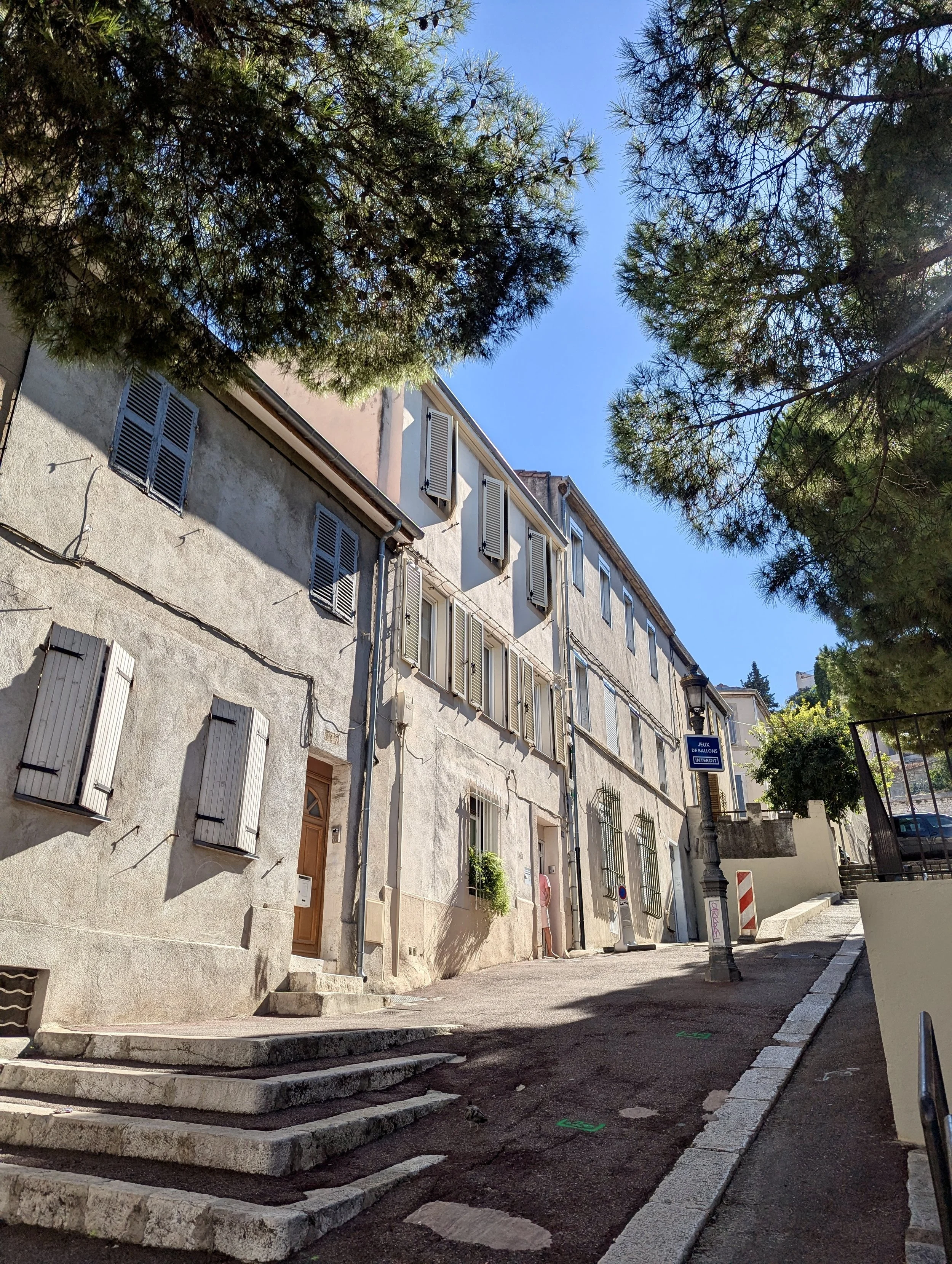
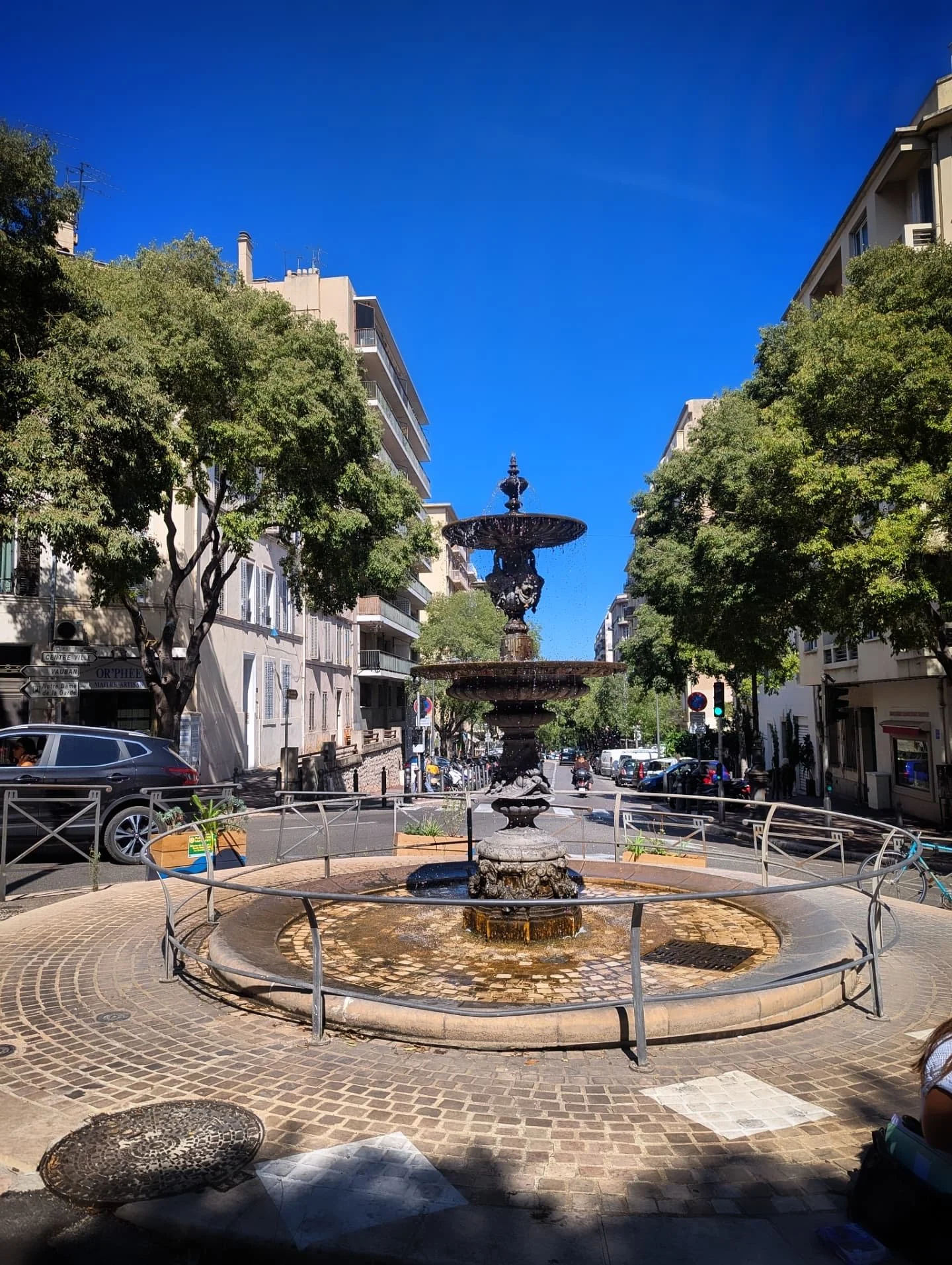
The neighborhood right below Notre-Dame de la Garde is a great place to explore, but go hungry. The main street, Boulevard Vauban, has easily a dozen excellent restaurants in just a few blocks, including Mijoba (we ate an amazing lunch here) and Pizzeria La Bone Mere, one of the highest-rated pizza places in town. It’s a smart spot to either fuel up for your climb to the church, or grab an ice cream or a drink to cool down after your visit.
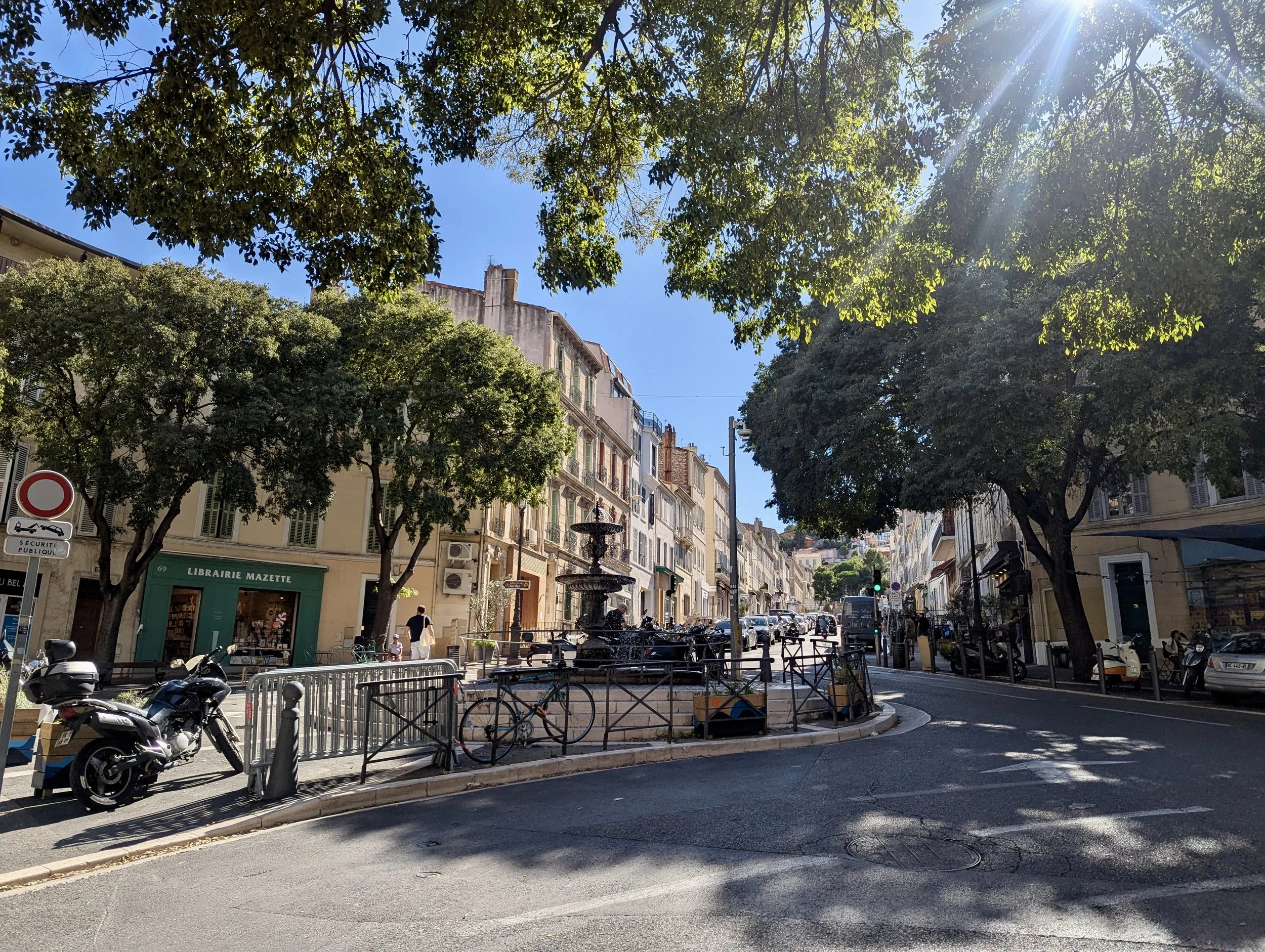
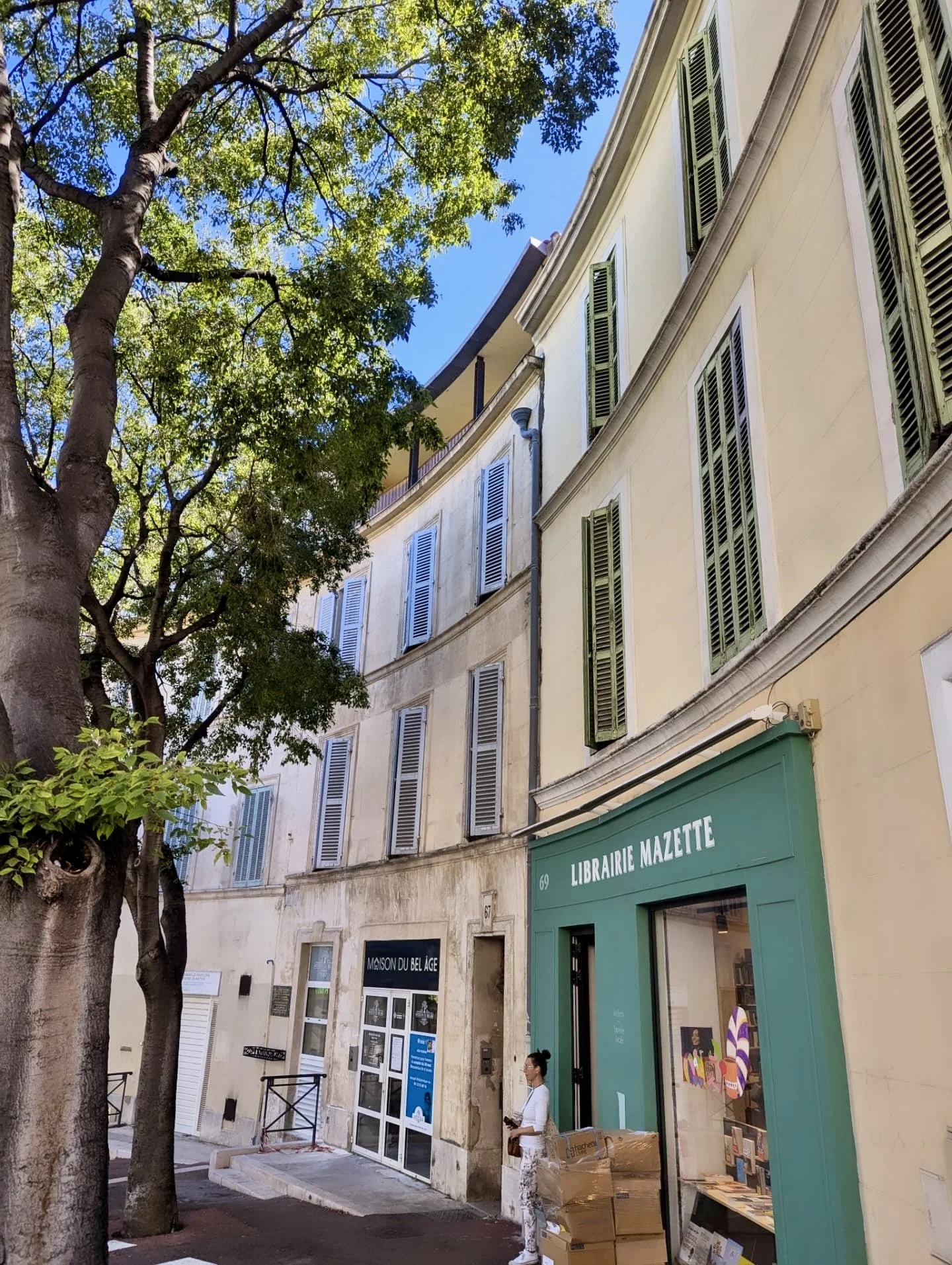
La Plaine/Les Cours Julien (6 ème/1 ème)
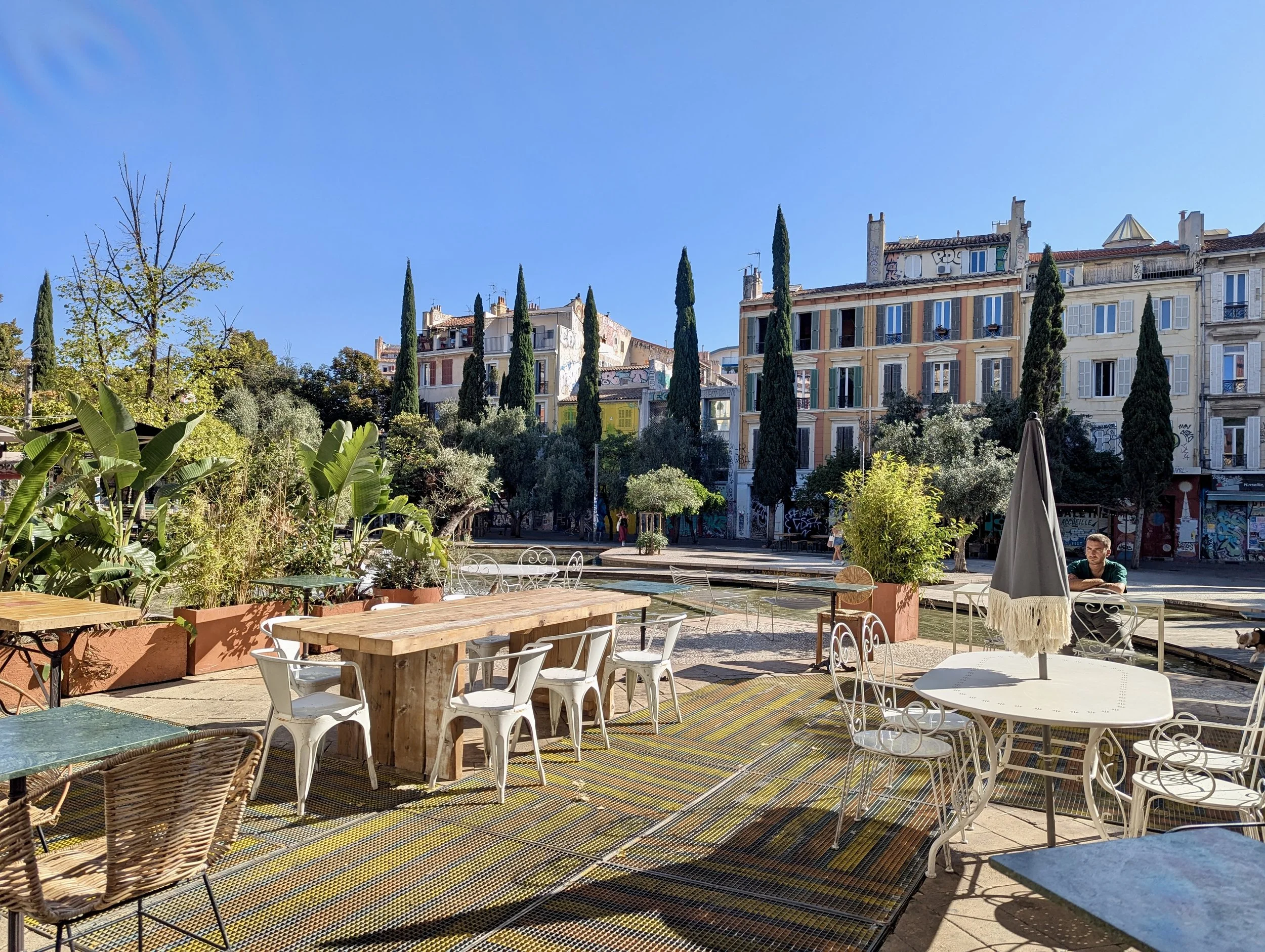
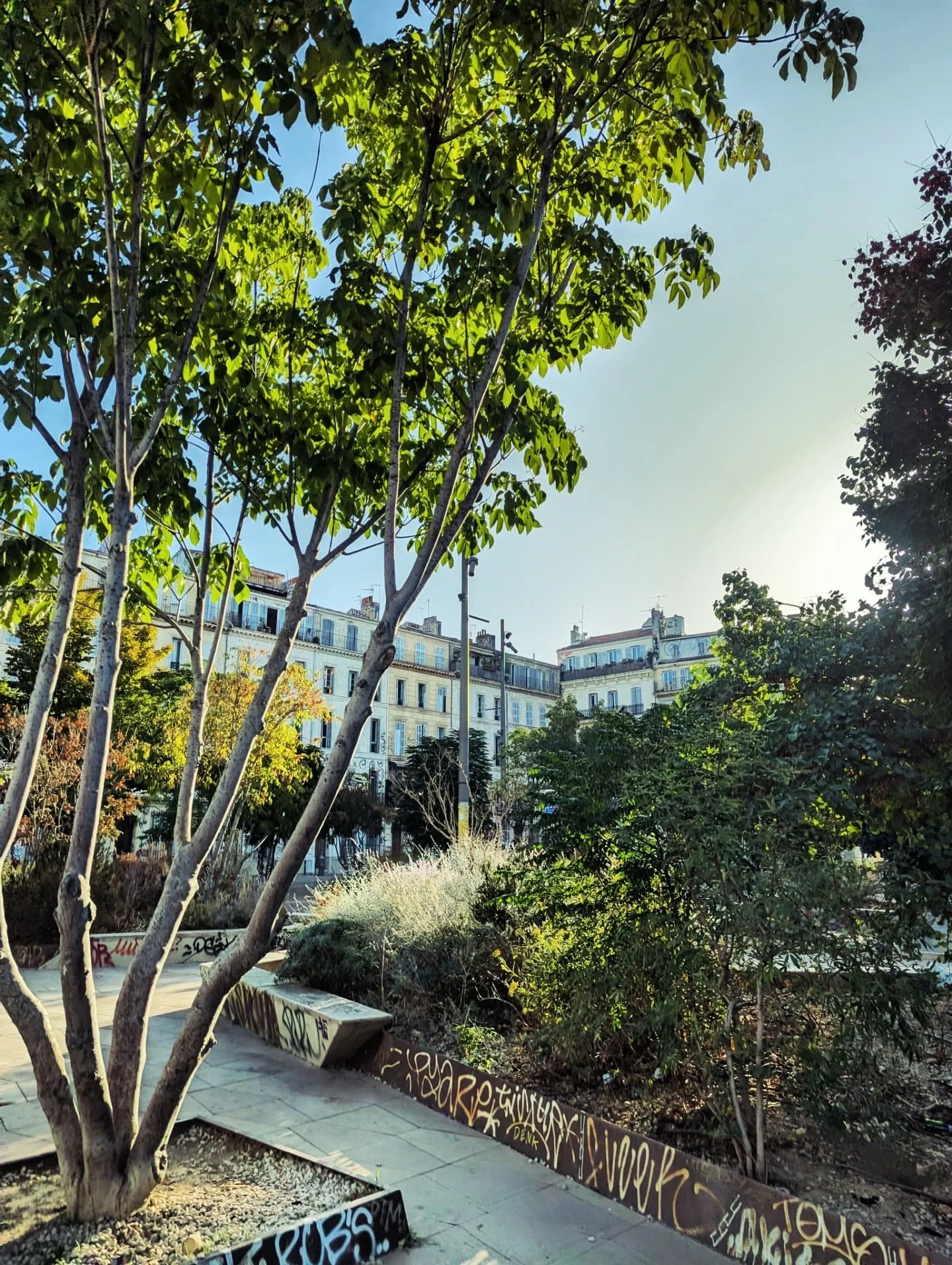
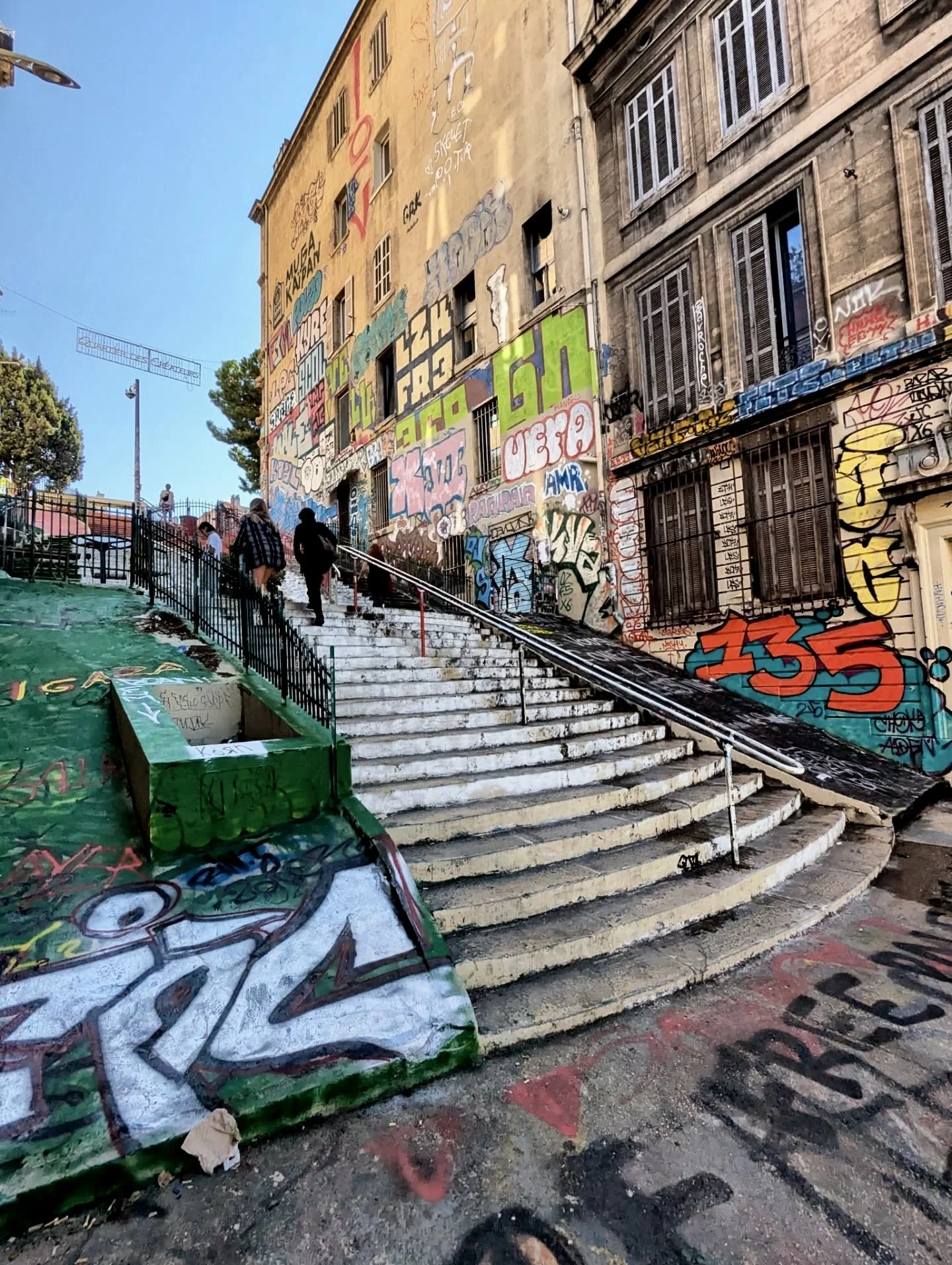
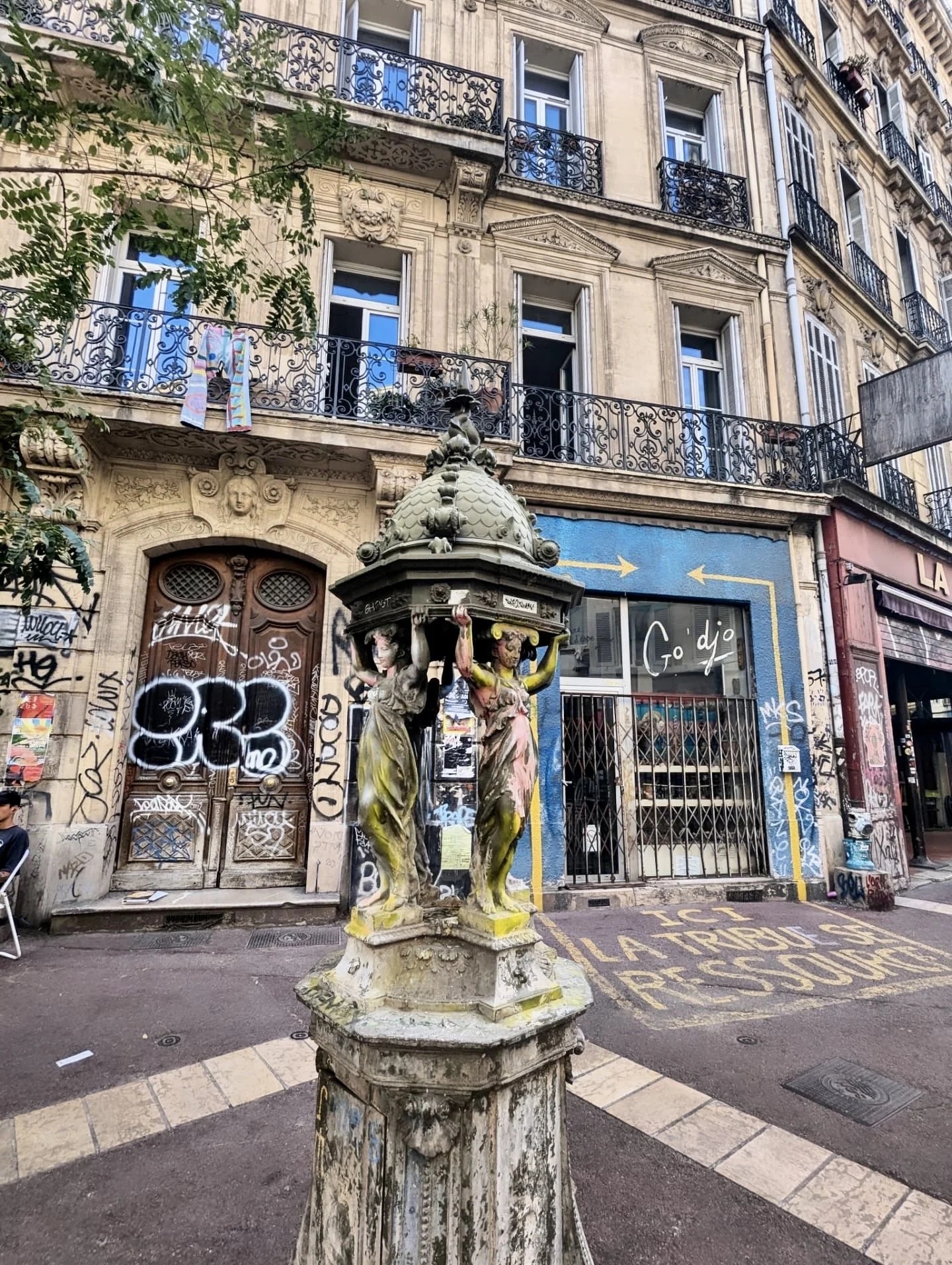
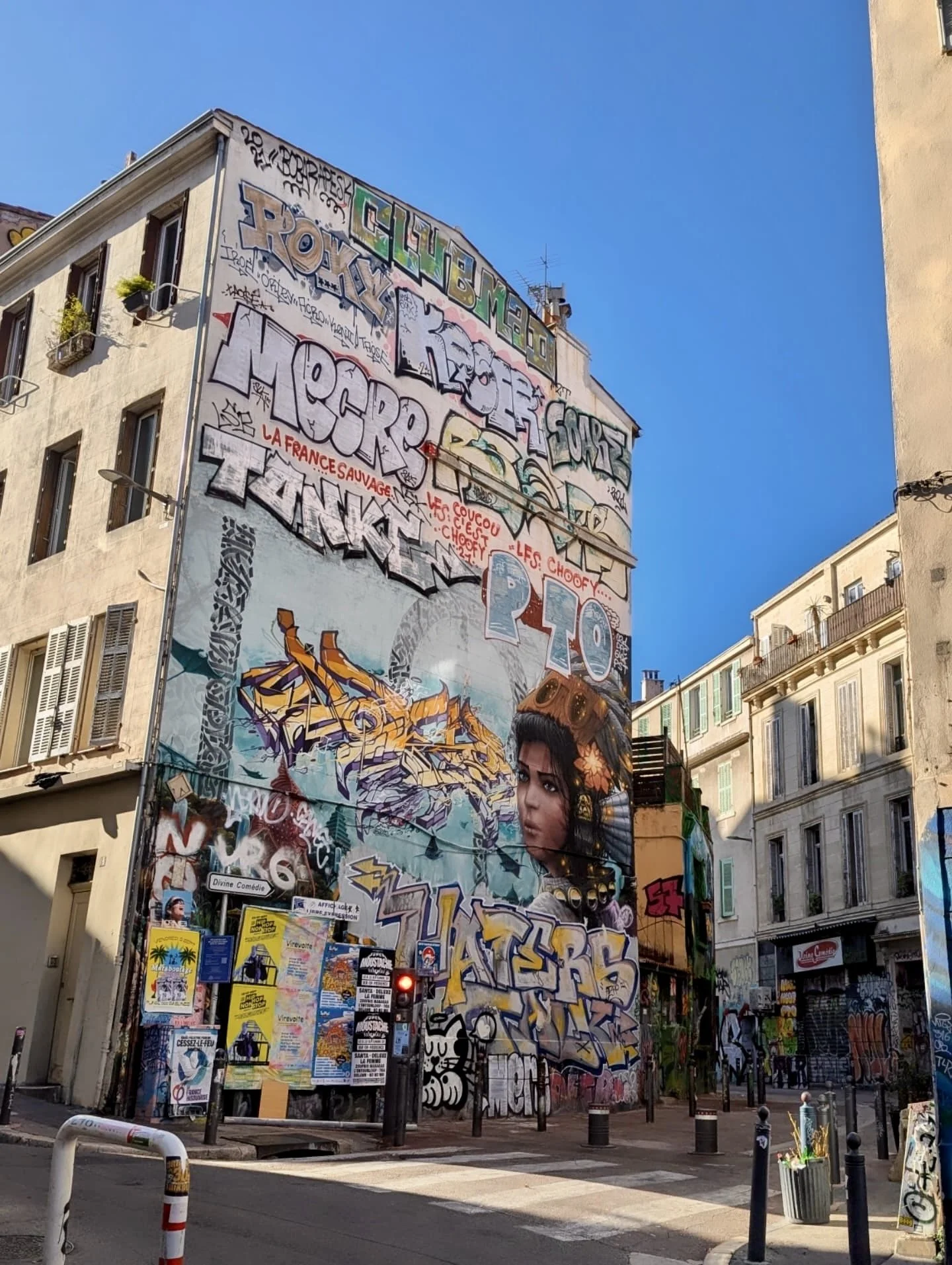
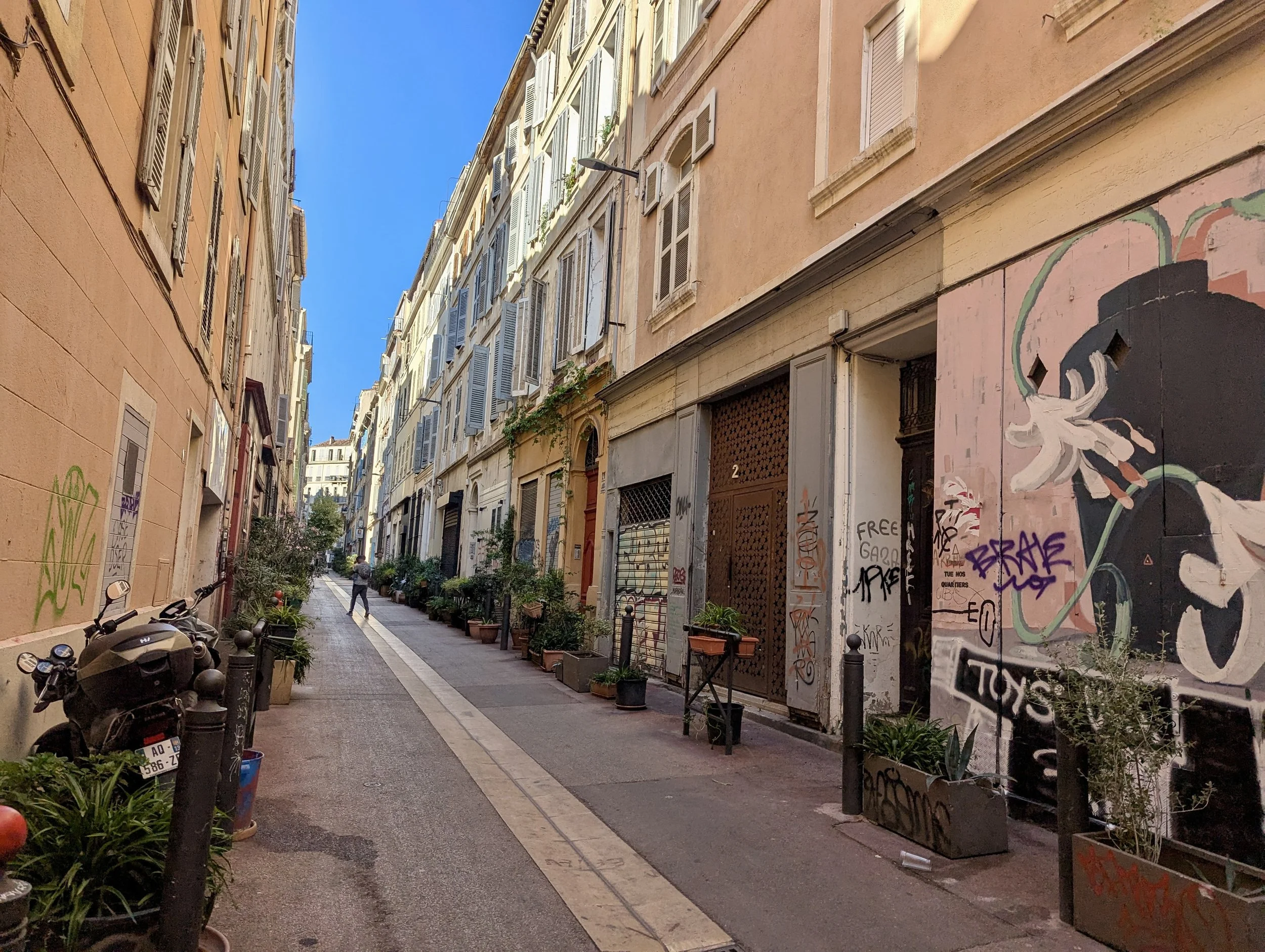
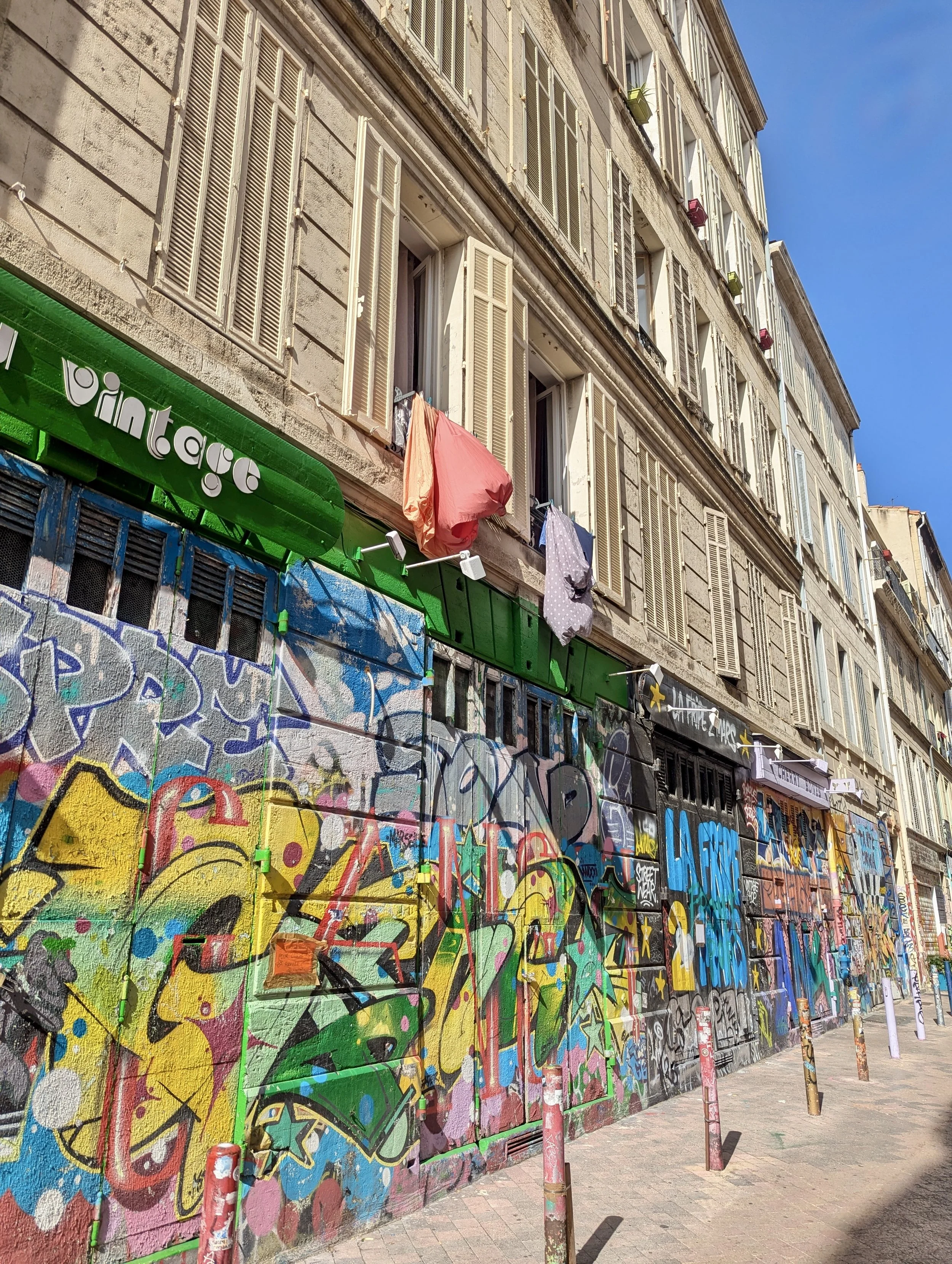
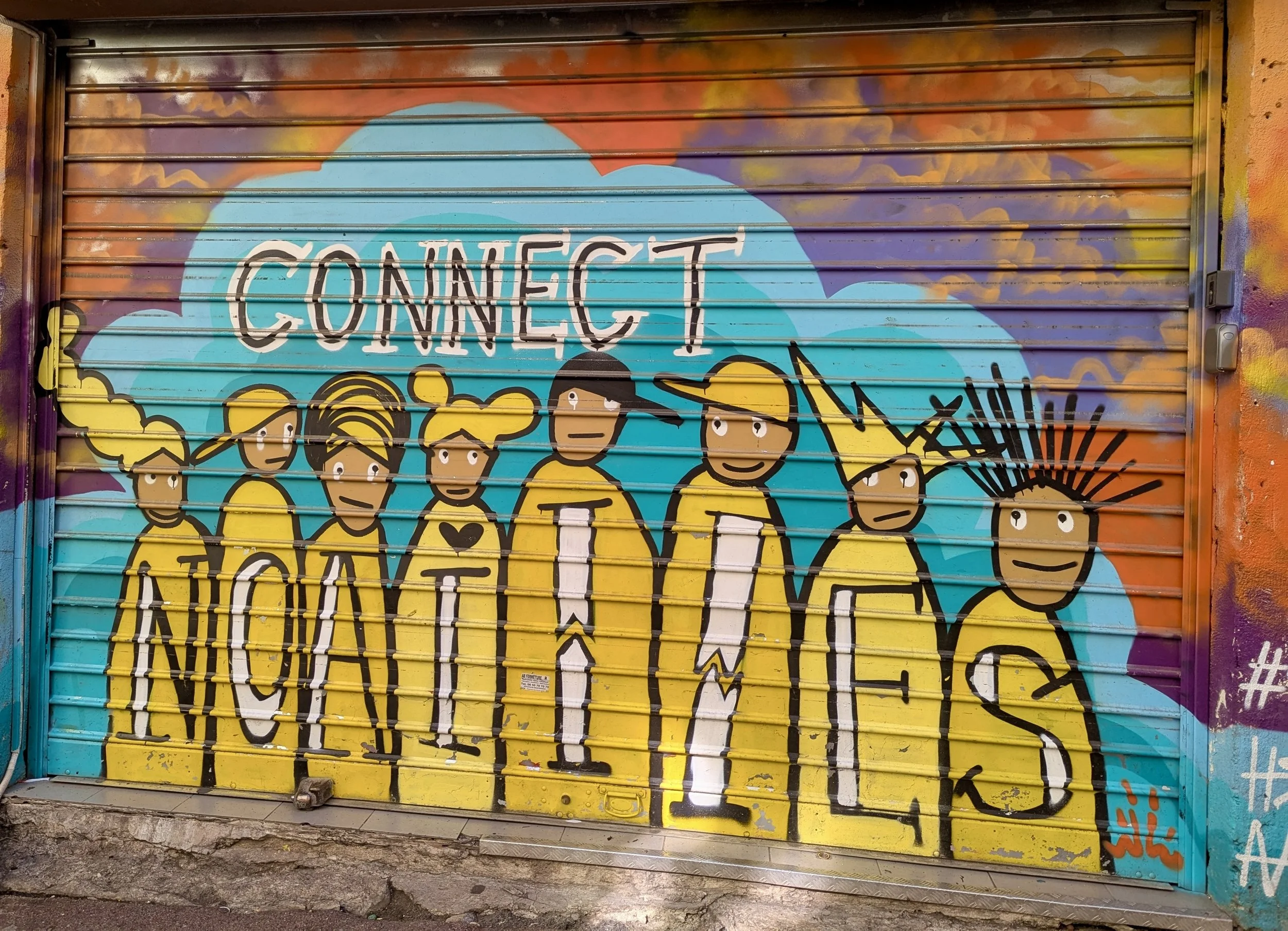
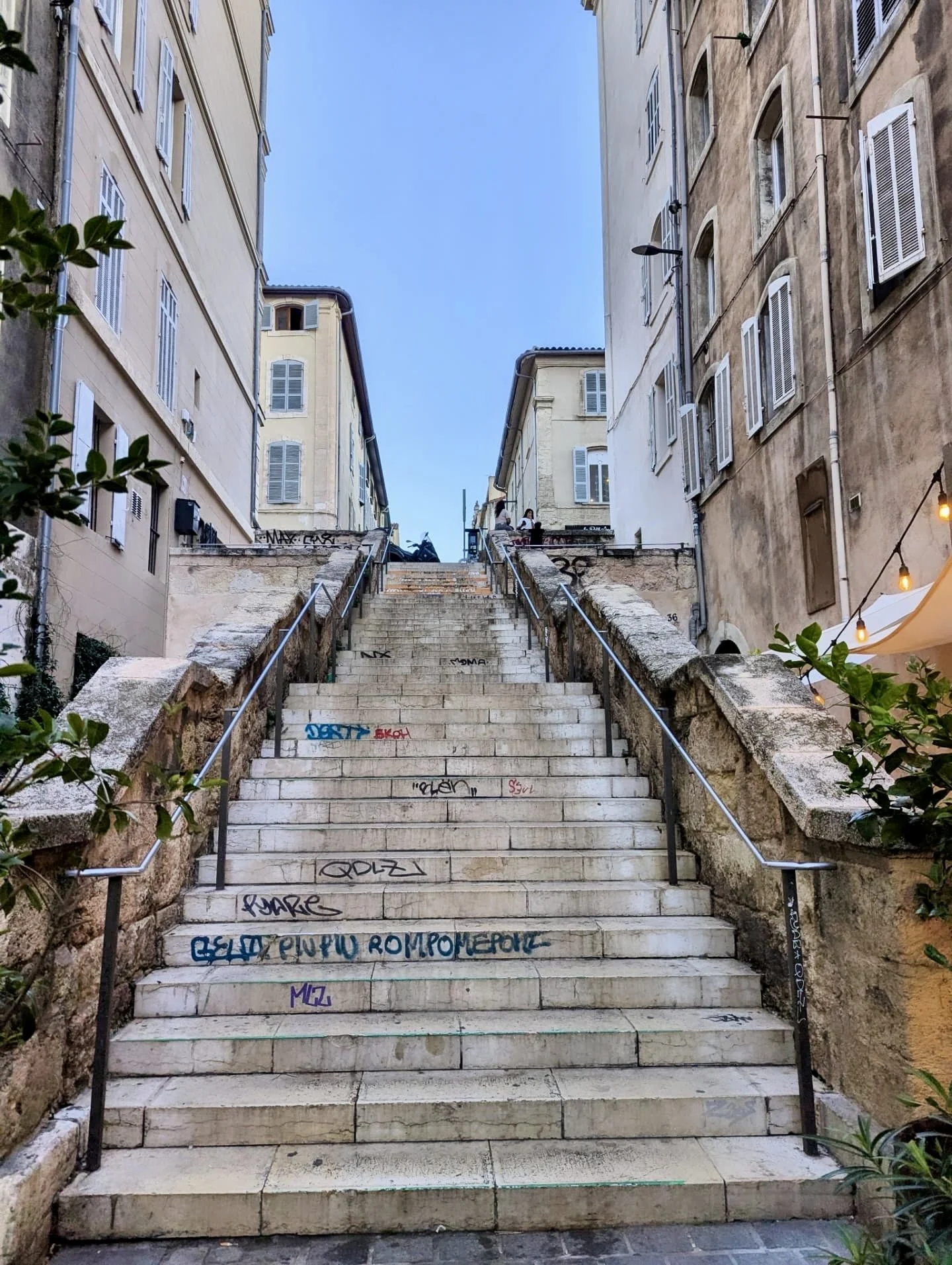
Cours Julien is probably the trendiest/hipster neighborhood and a big destination to see great street art and graffiti, and it’s absolutely worth a visit. The cafes, water feature, street art, and staircases attract a bunch of visitors, so check it out and wander.
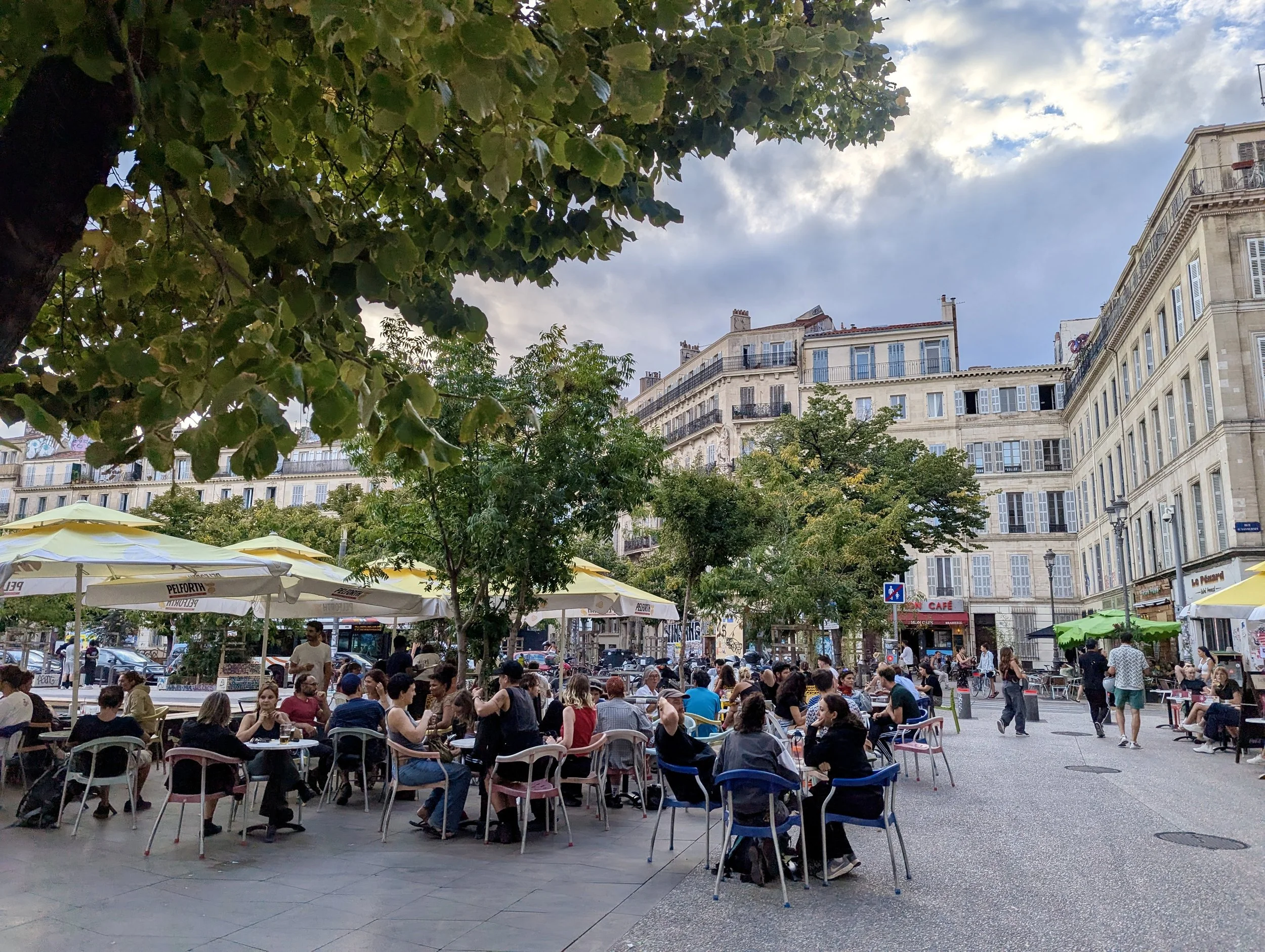
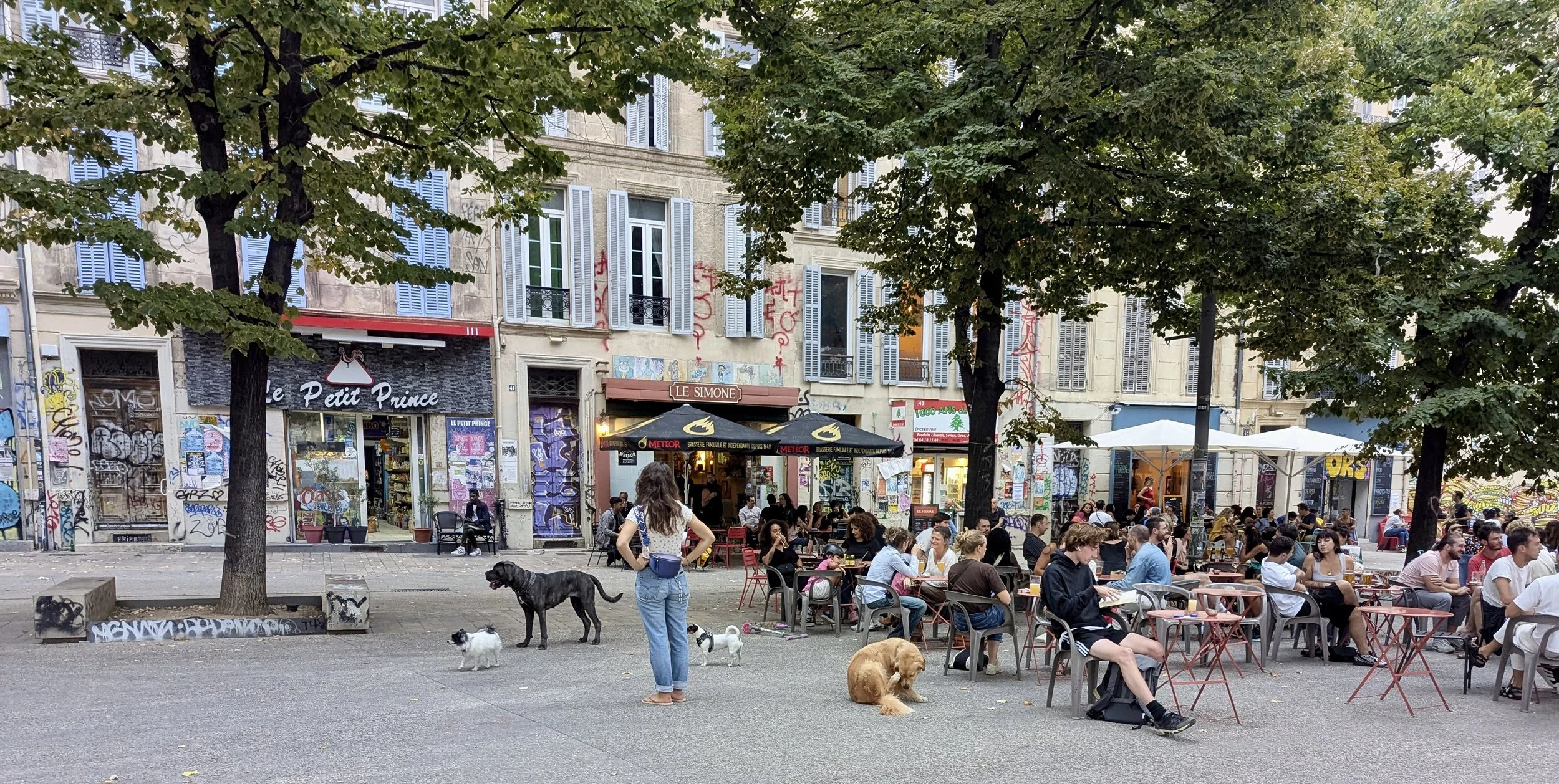
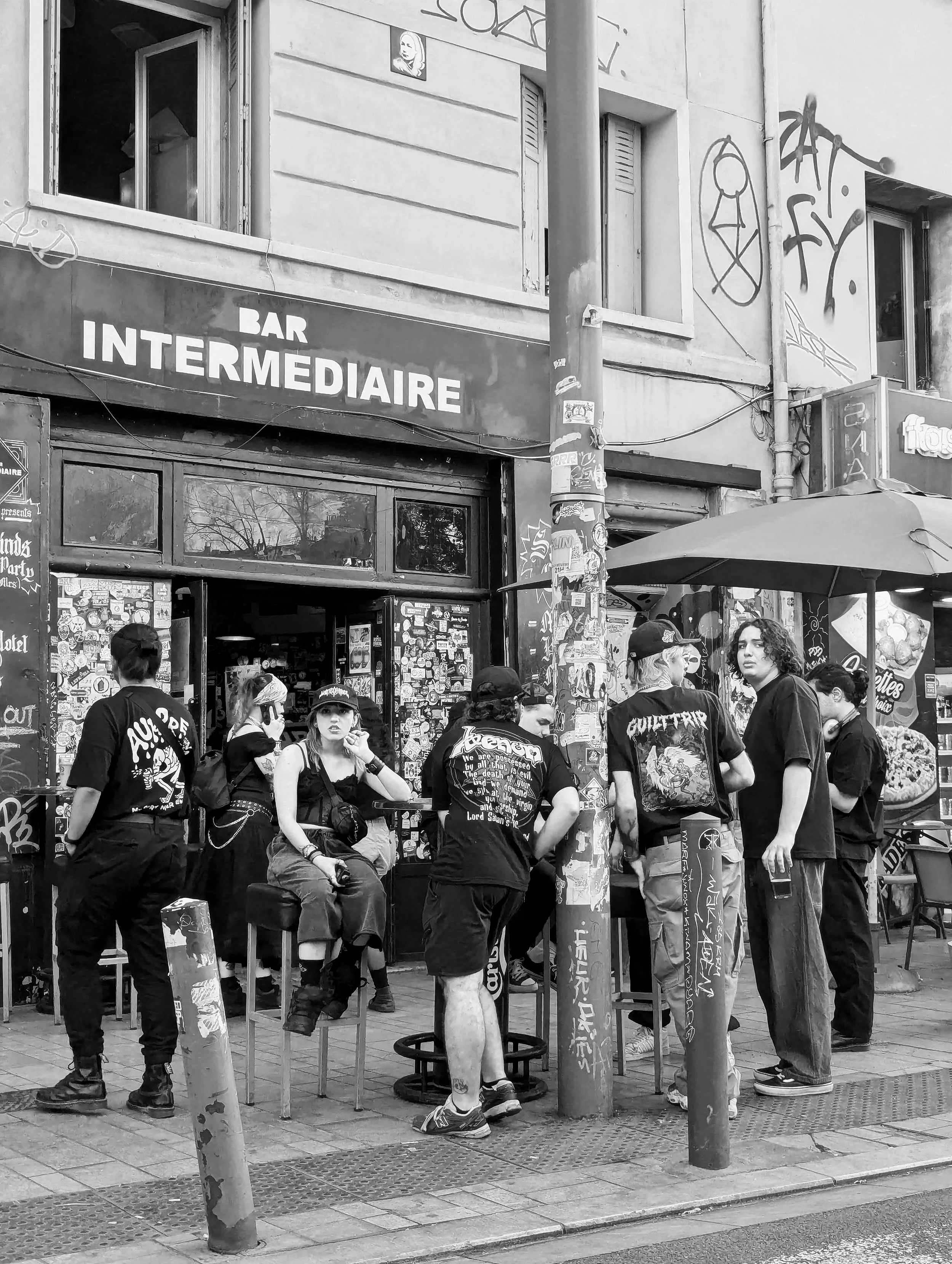
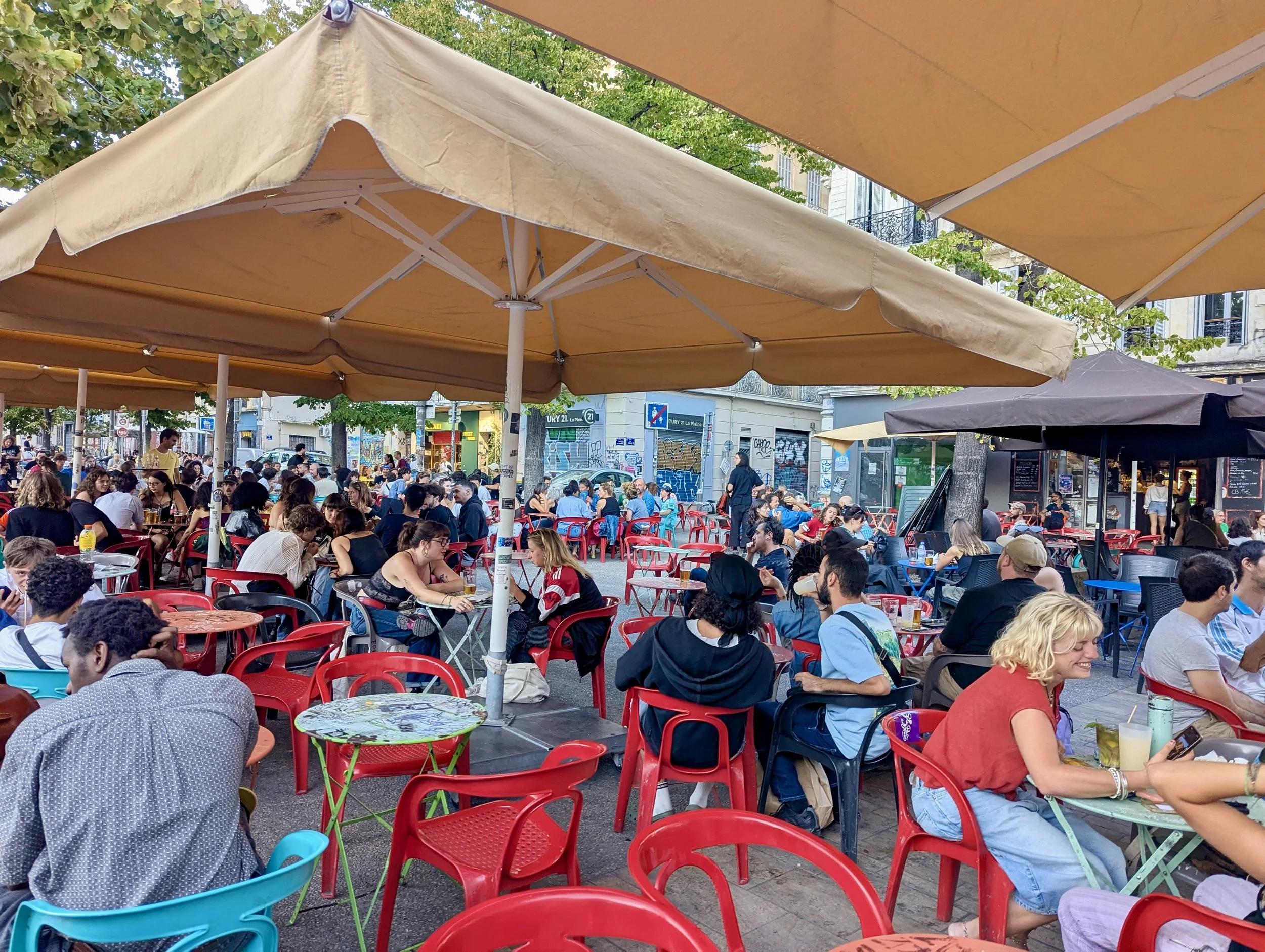
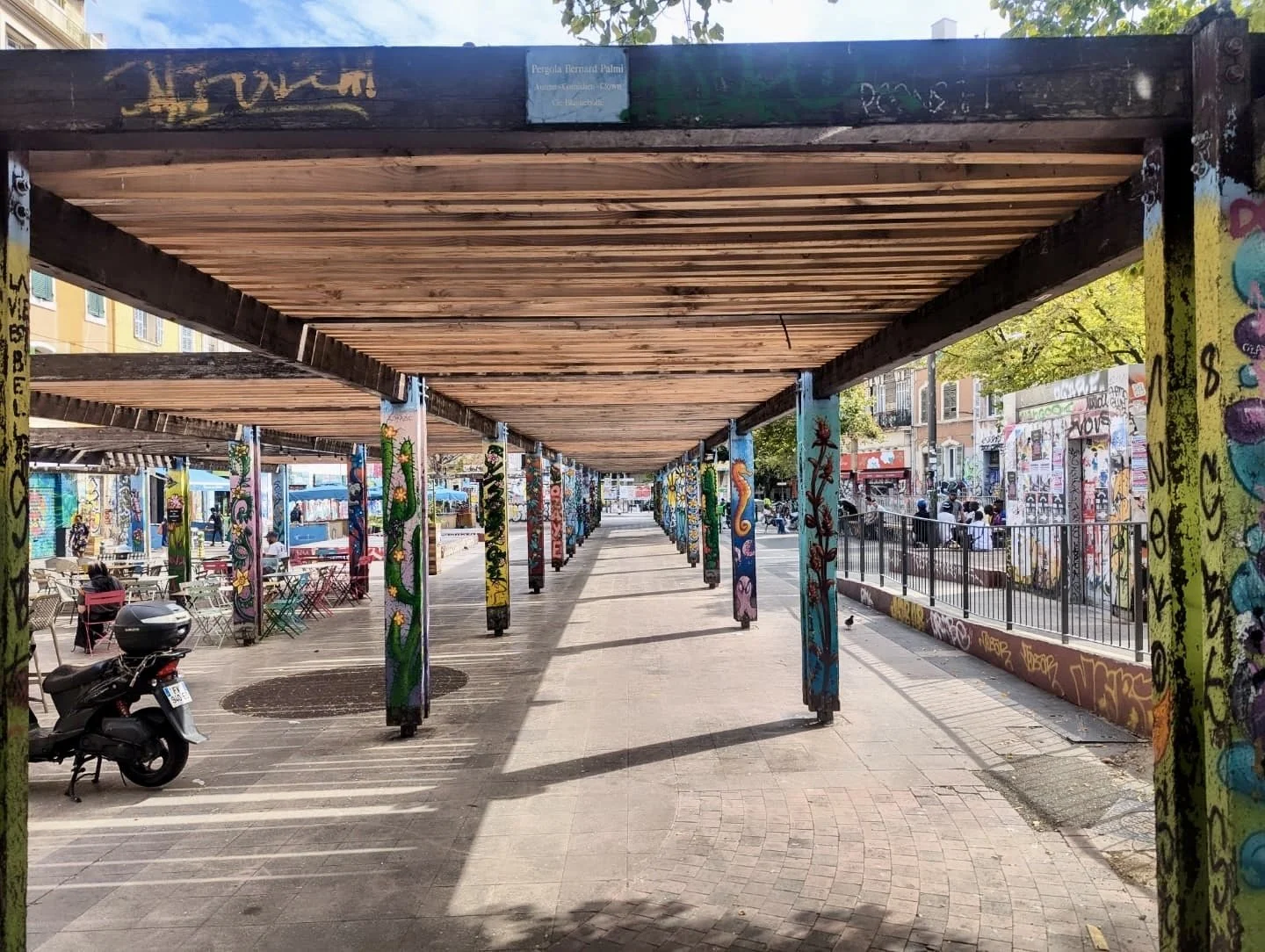
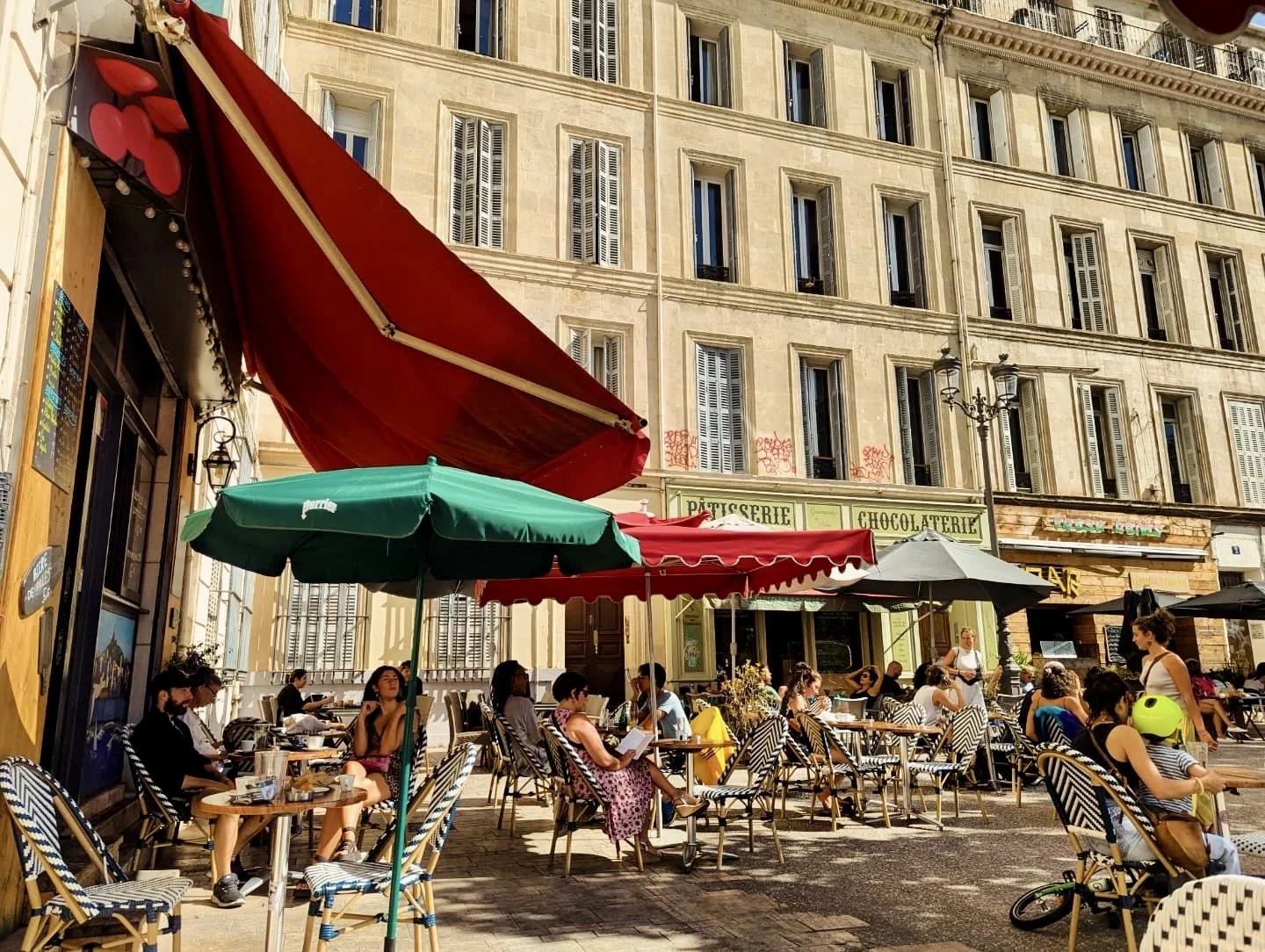
However, the beating heart of La Plaine is Place Jean-Jaurès, just up the hill. A large square ringed by cafes, bars, and restaurants with tables spilling out onto the pavement, a market, and a playground, the square is busy all hours of the day. Part dog park, part skate park, part football pitch, part living room, this is an area with something for everyone. You’ll see kids riding bikes, dogs gamboling around while their owners chat, punks smoking and generally being badasses (Marseille is VERY punk rock), elderly sons taking their even older mothers out shopping, and people of all ages enjoying un café or un apéritif out on the square, watching the world go by. It is fun and lively and diverse, and it’s the distillation of everything I love about Marseille.
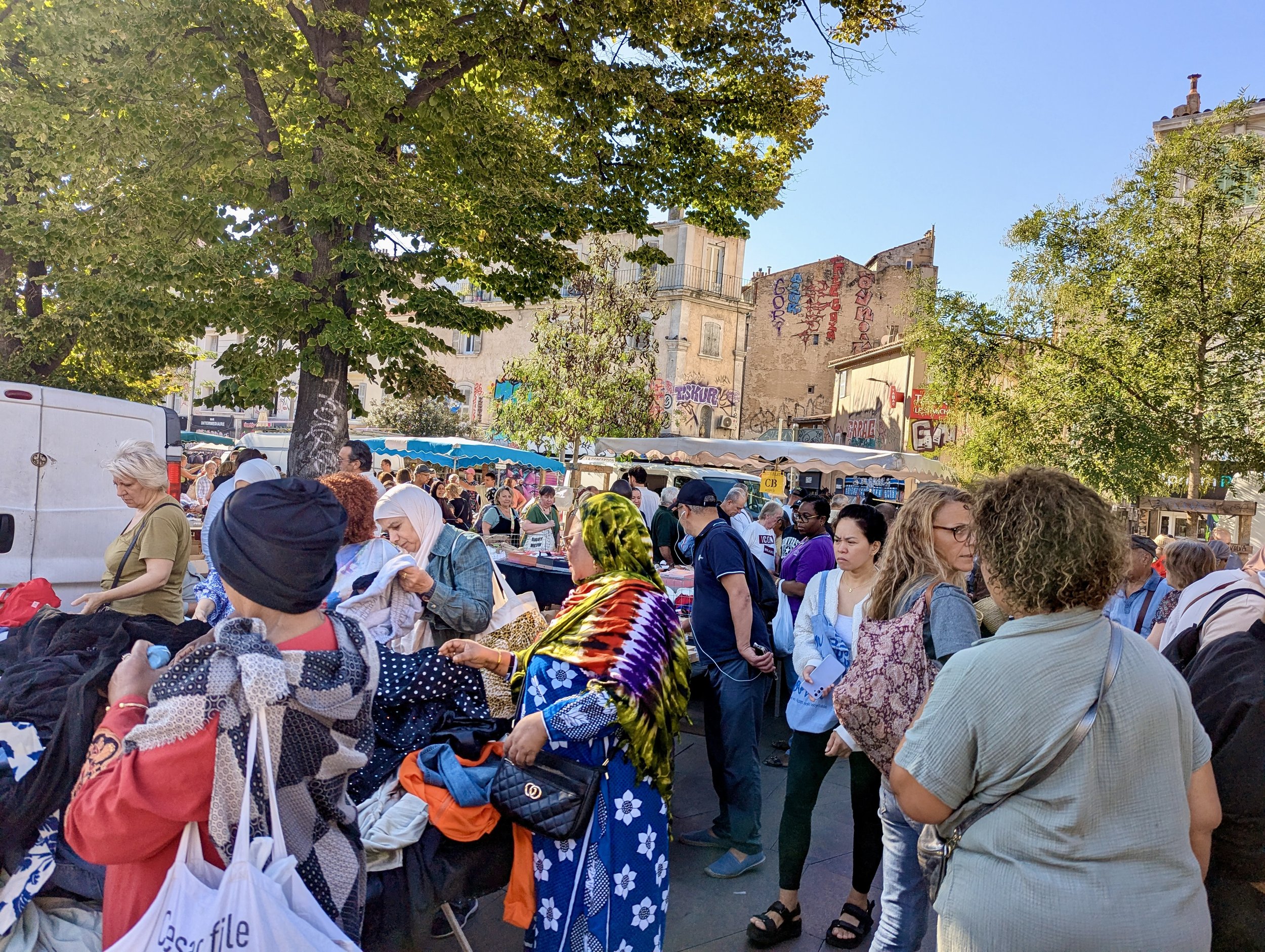
There’s a market in Place Jean-Jaurès on Tuesday, Thursday, and Saturday from 7:30 to 13:30, but it’s what I call a bucket of bras market - not quite a swap meet, but more along those lines. Most things are new, and it’s mostly cheap housewares, cheap clothes, cheap shoes, cheap jewelry, knockoff purses, cheap cleaning products, and, of course, cheap bras and underwear. It has the vibe of things that fell off the back of a truck, and it’s somehow always packed. Don’t expect to find food or produce, or handicrafts, so not a great market for someone looking for some cool souvenirs or lunch. It’s ideal if you’re trying to outfit an apartment for under 100 euros or get back to school clothes on a budget.
There was a fantastic makers market on Sunday when we were visiting, but I don’t know if it’s something that’s a regular occurring event, but it was fantastic and we got a lot of great things directly from the artists or creators, including some great postcards, a bag, and a scarf.
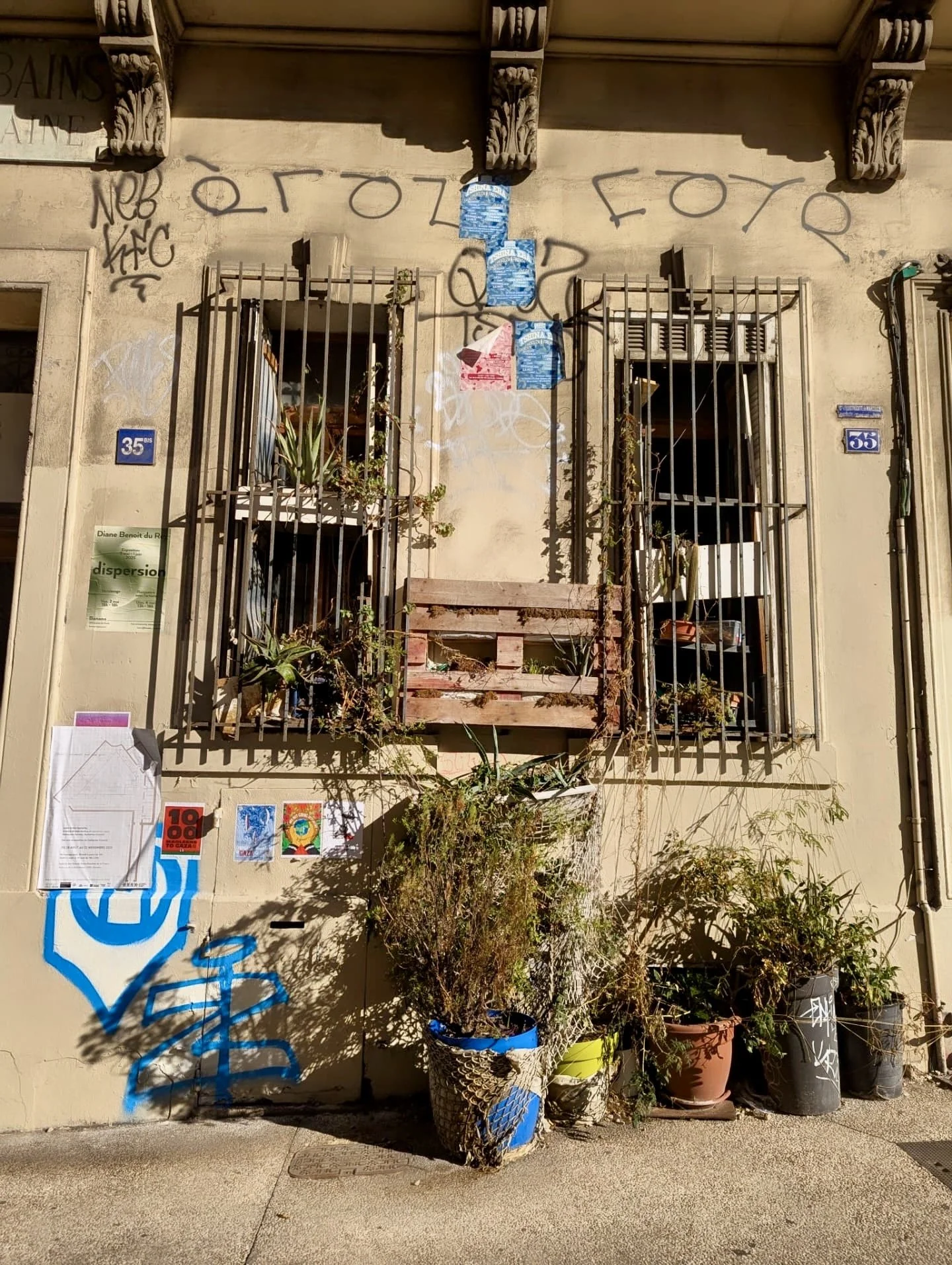
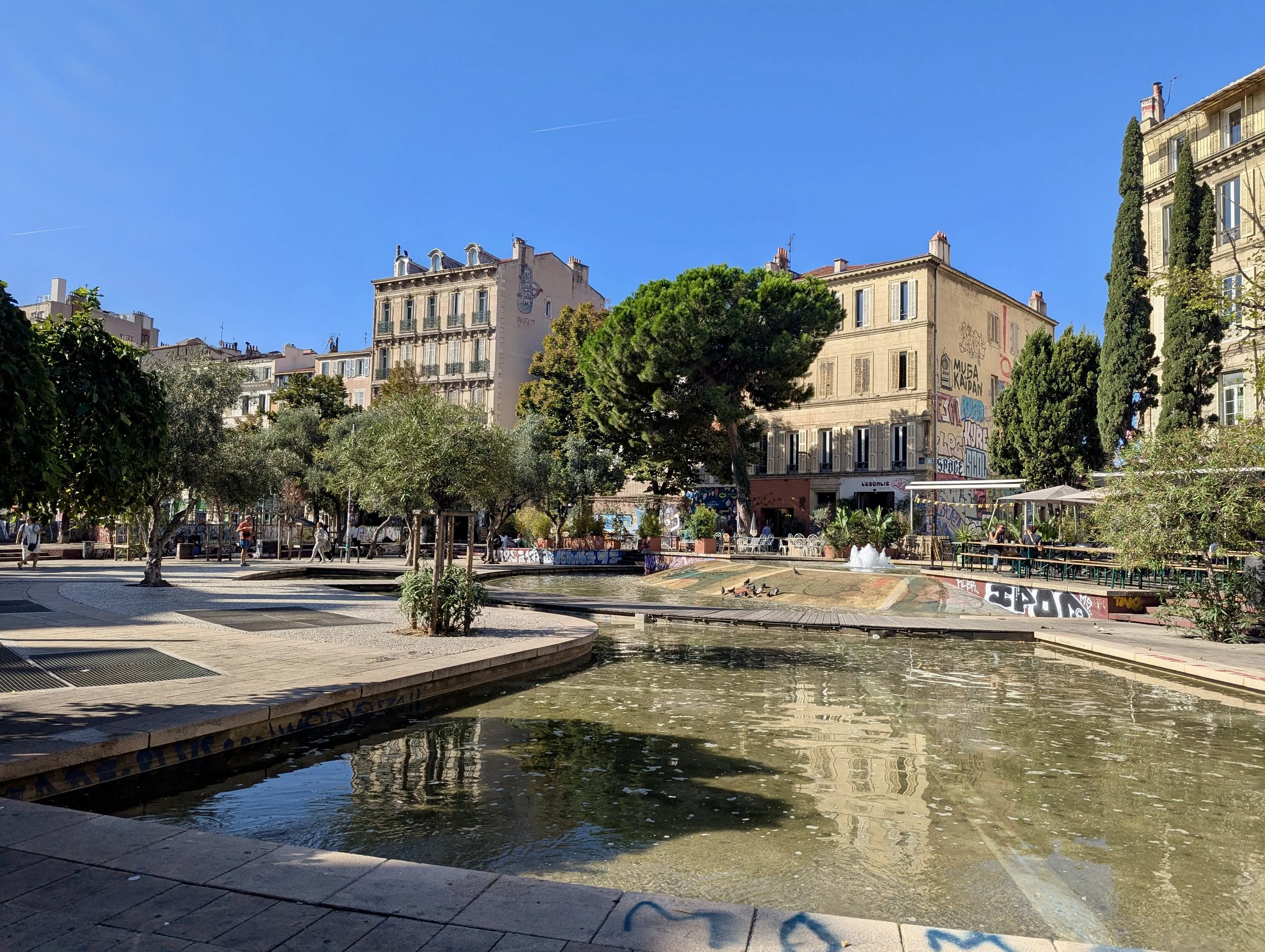
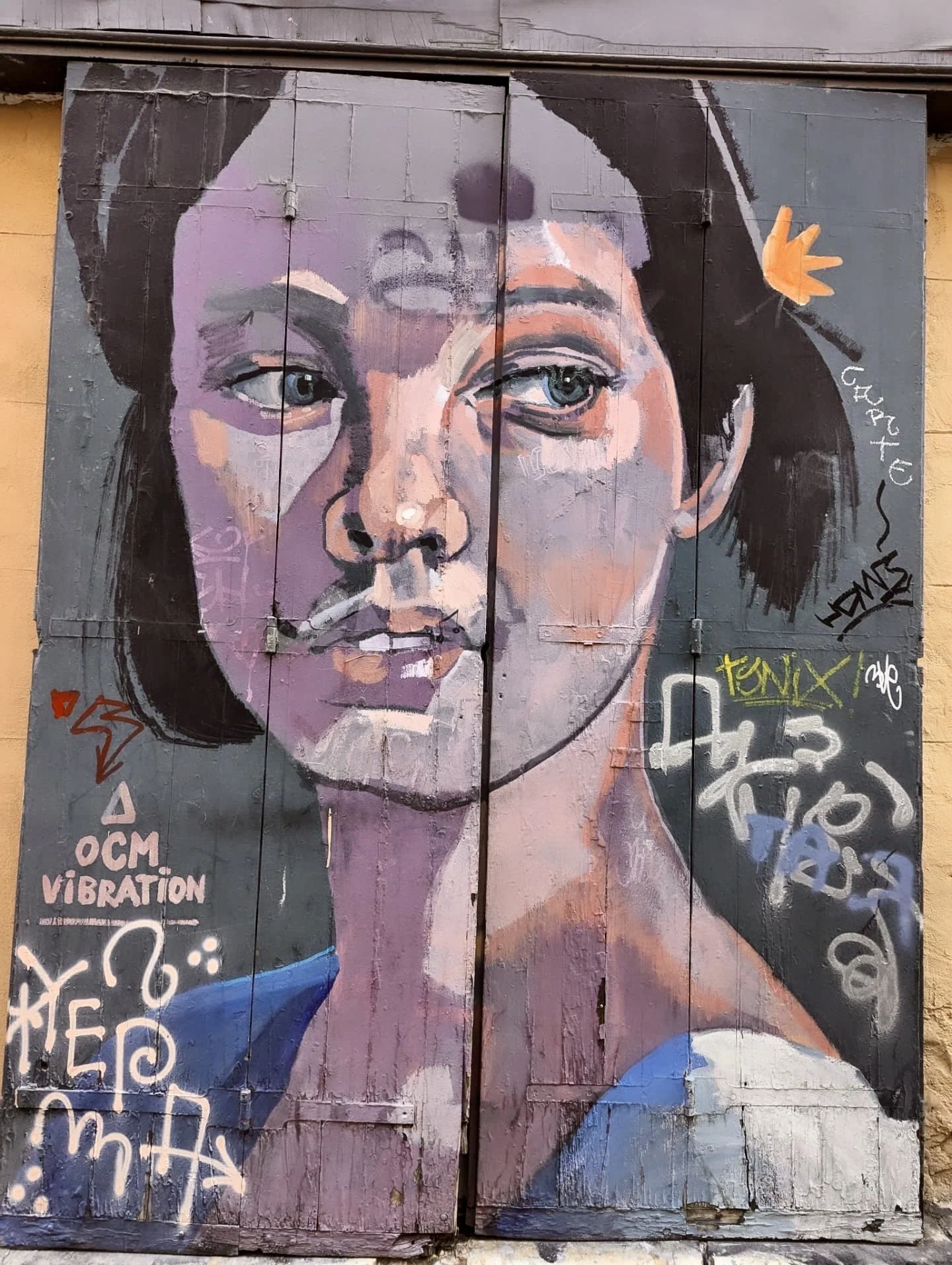
Vallon des Auffes/La Corniche Kennedy, 7 ème
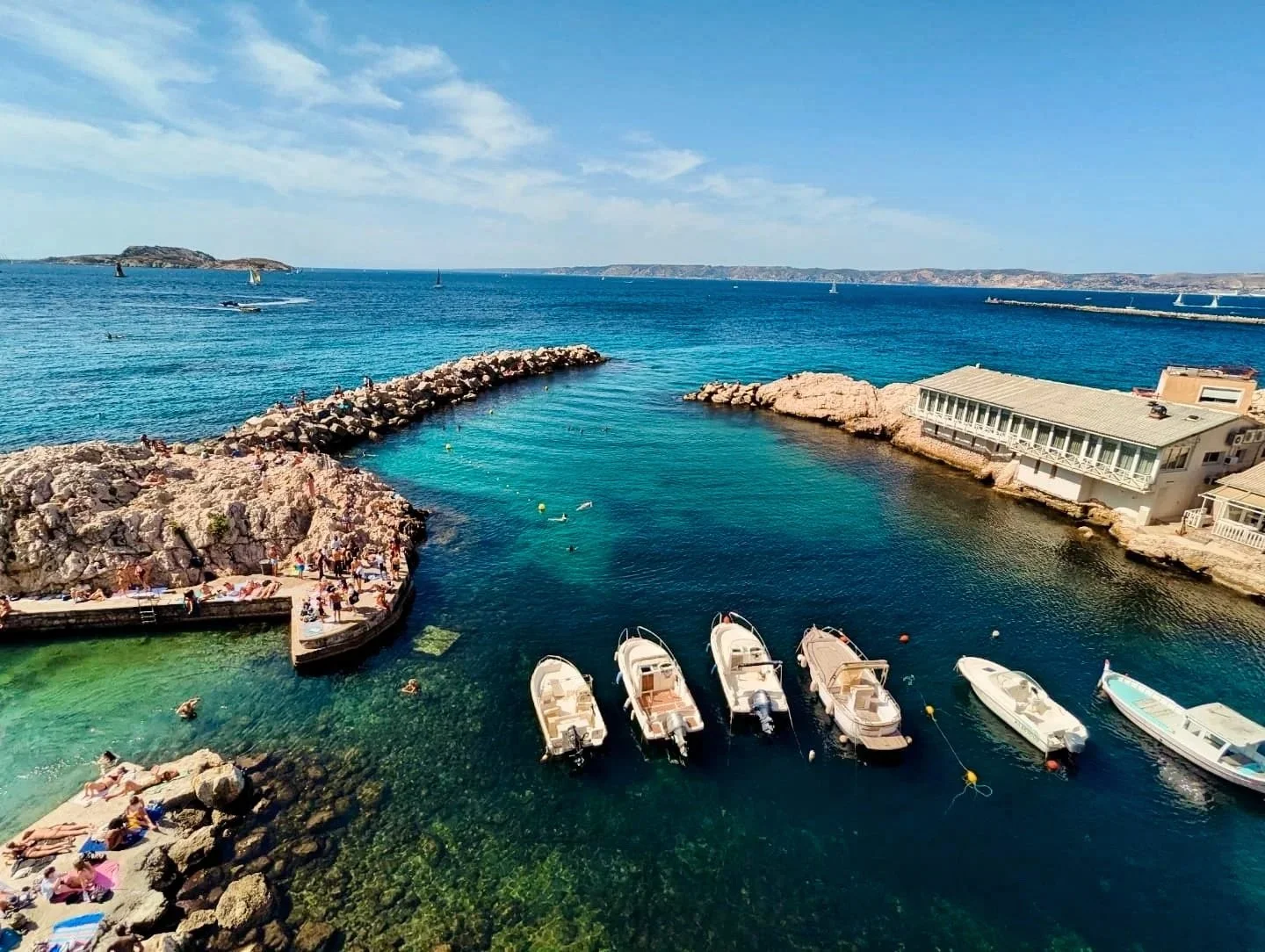
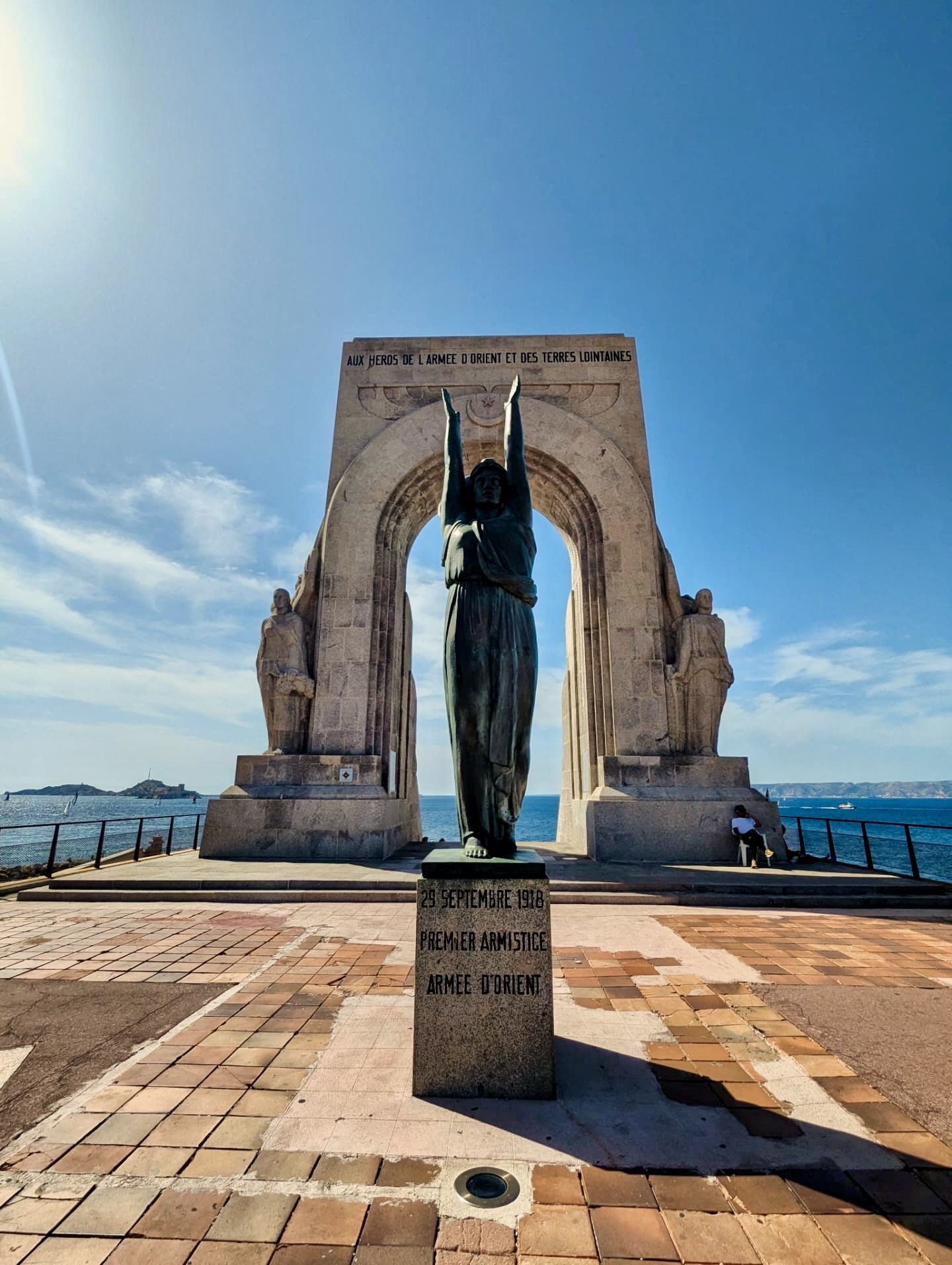
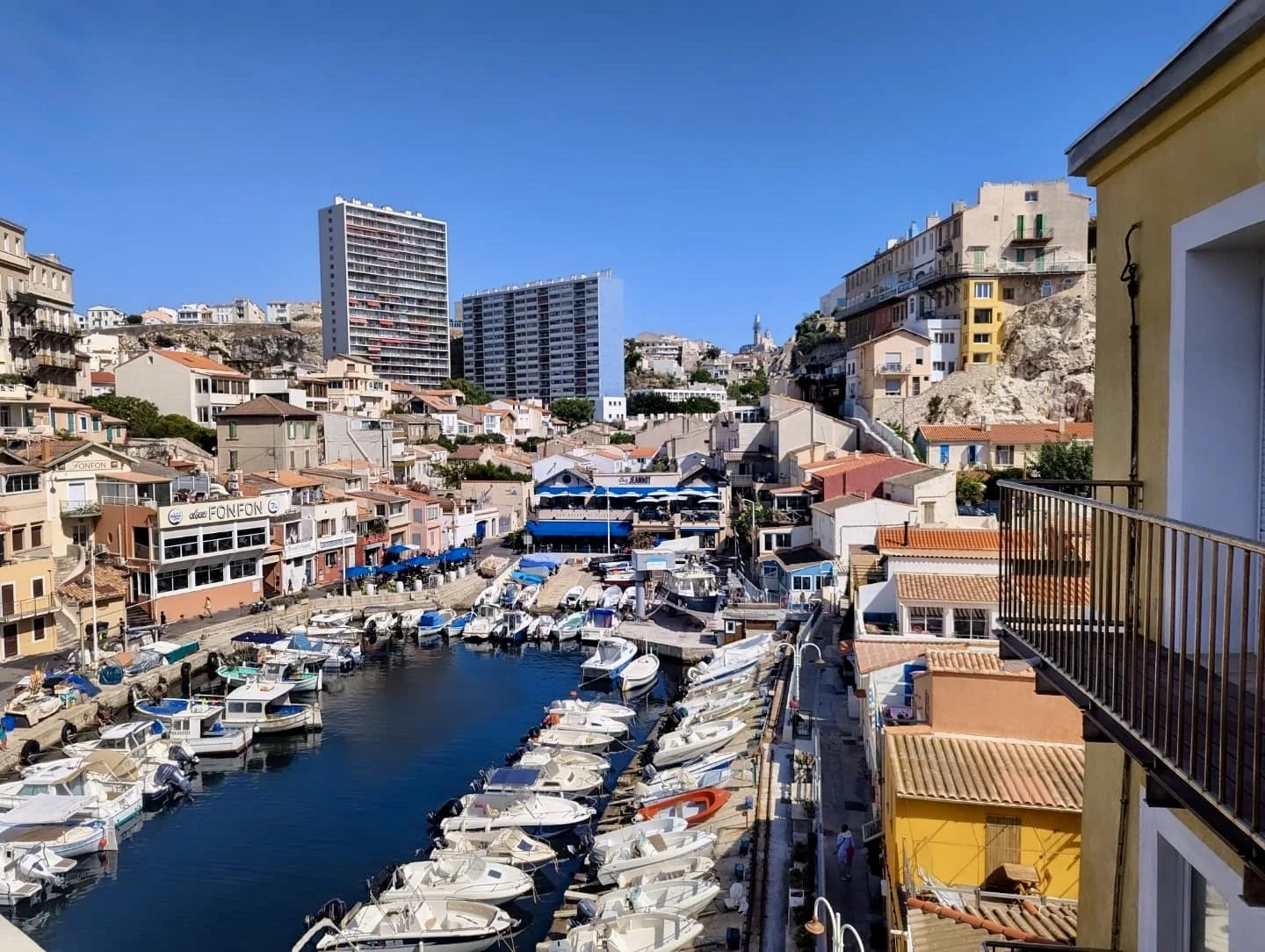
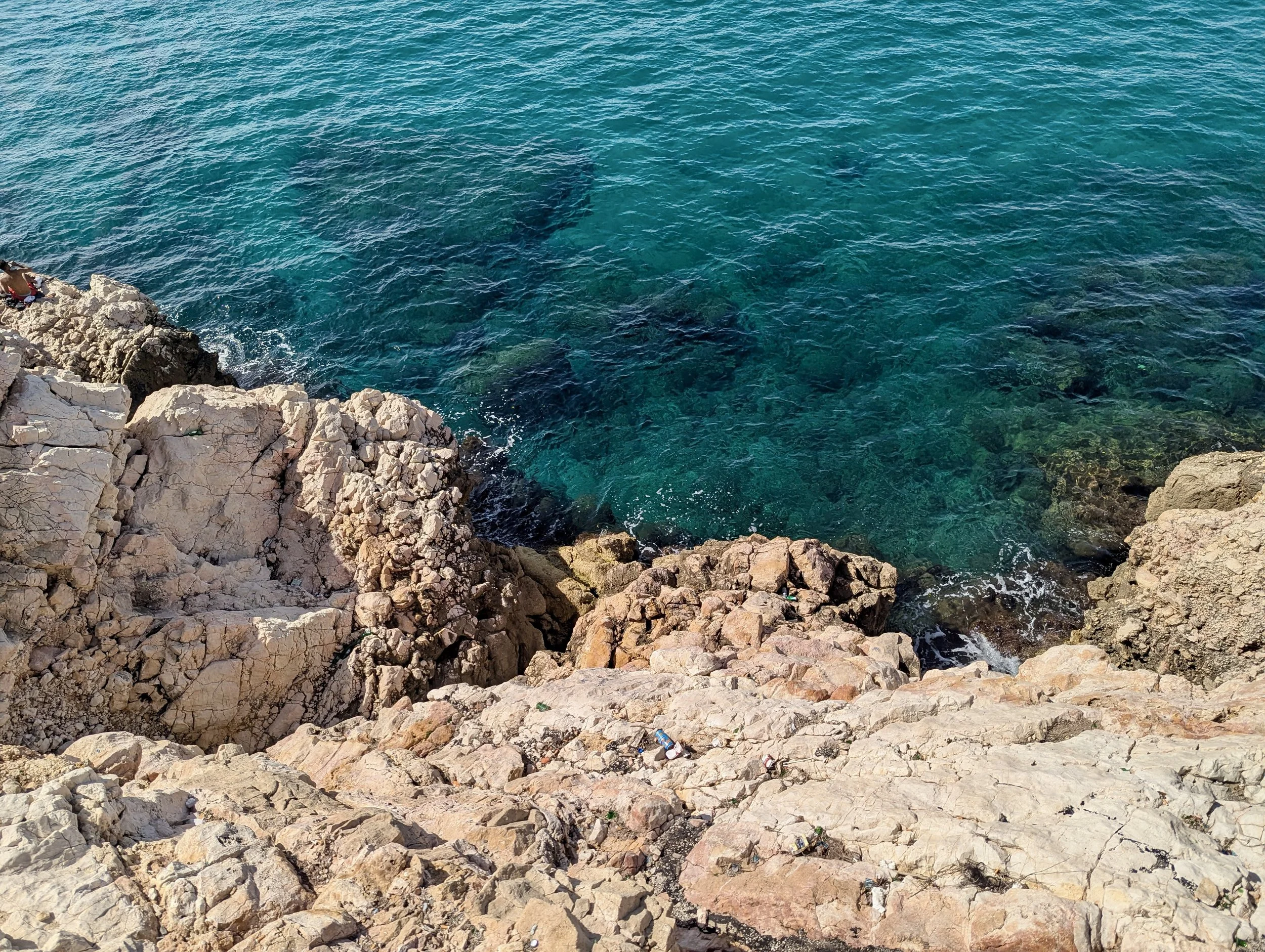
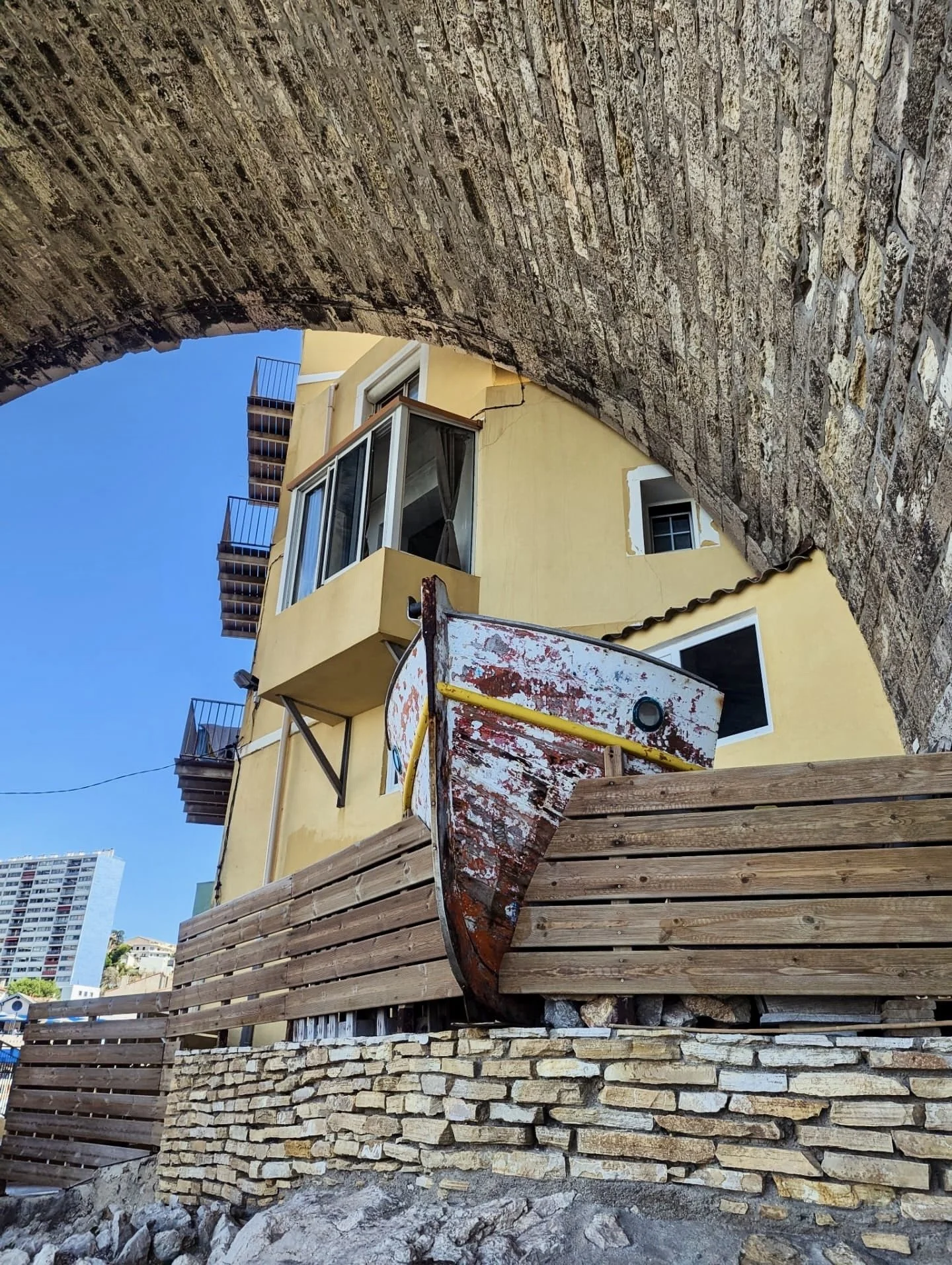
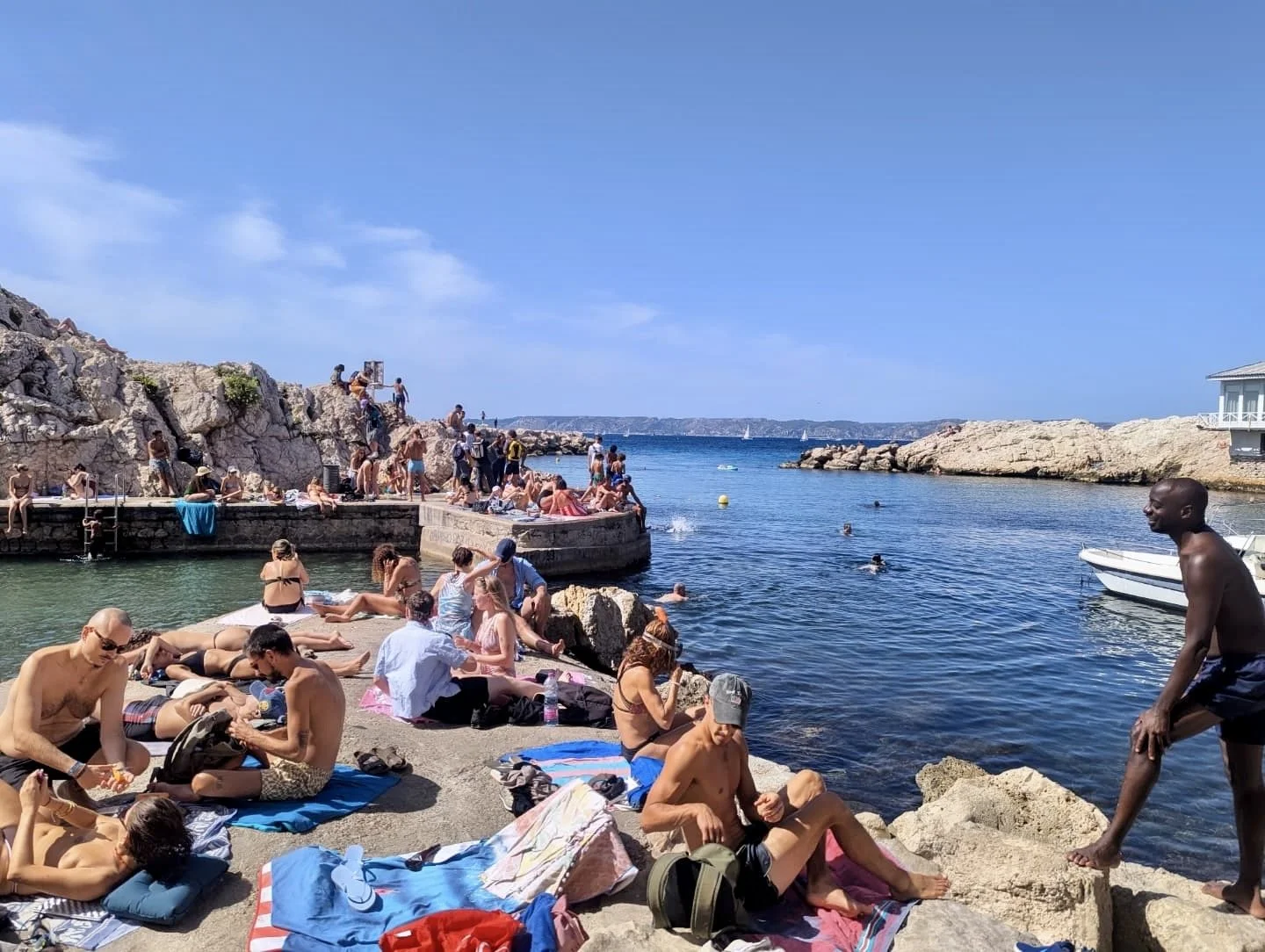
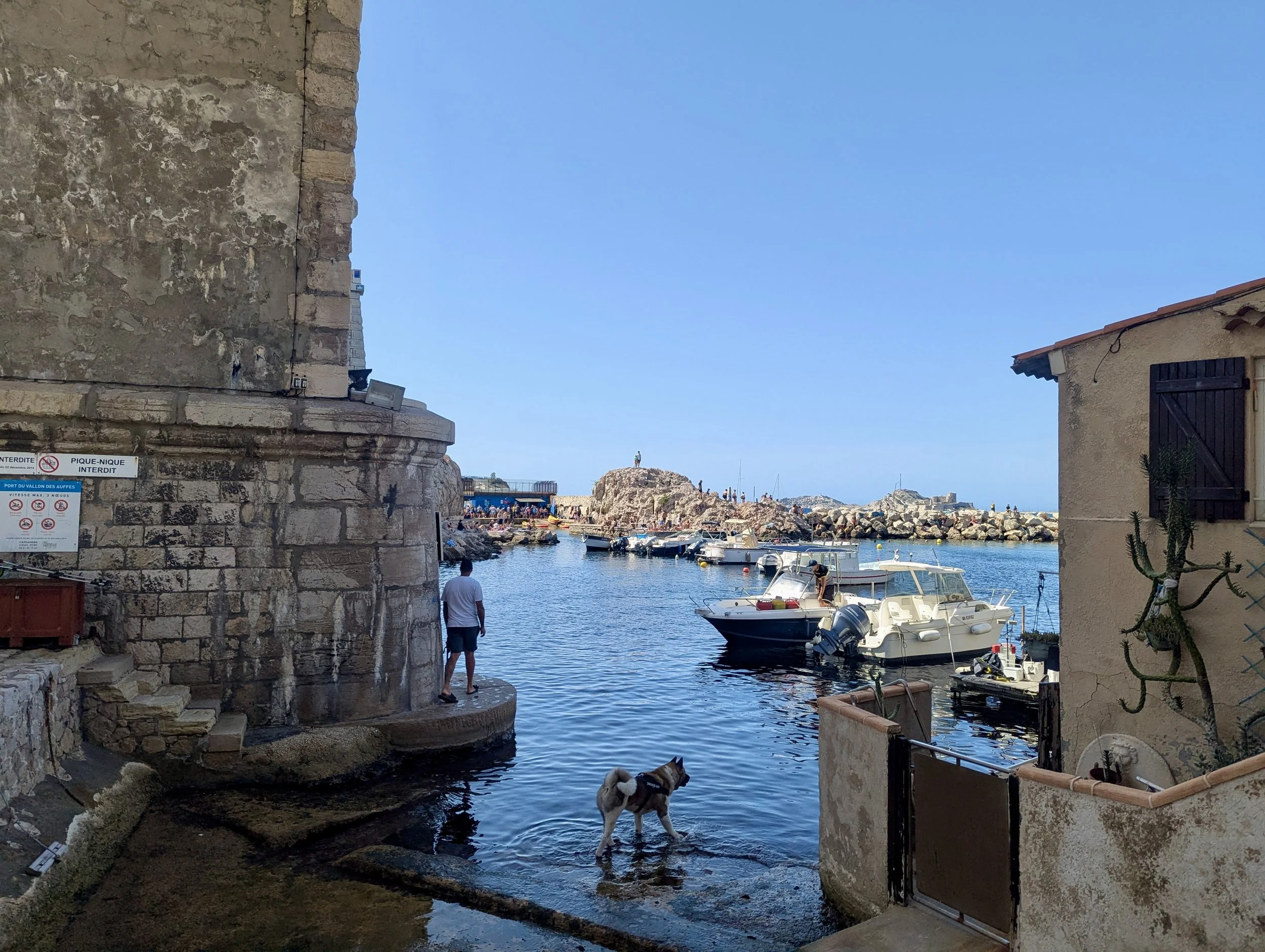
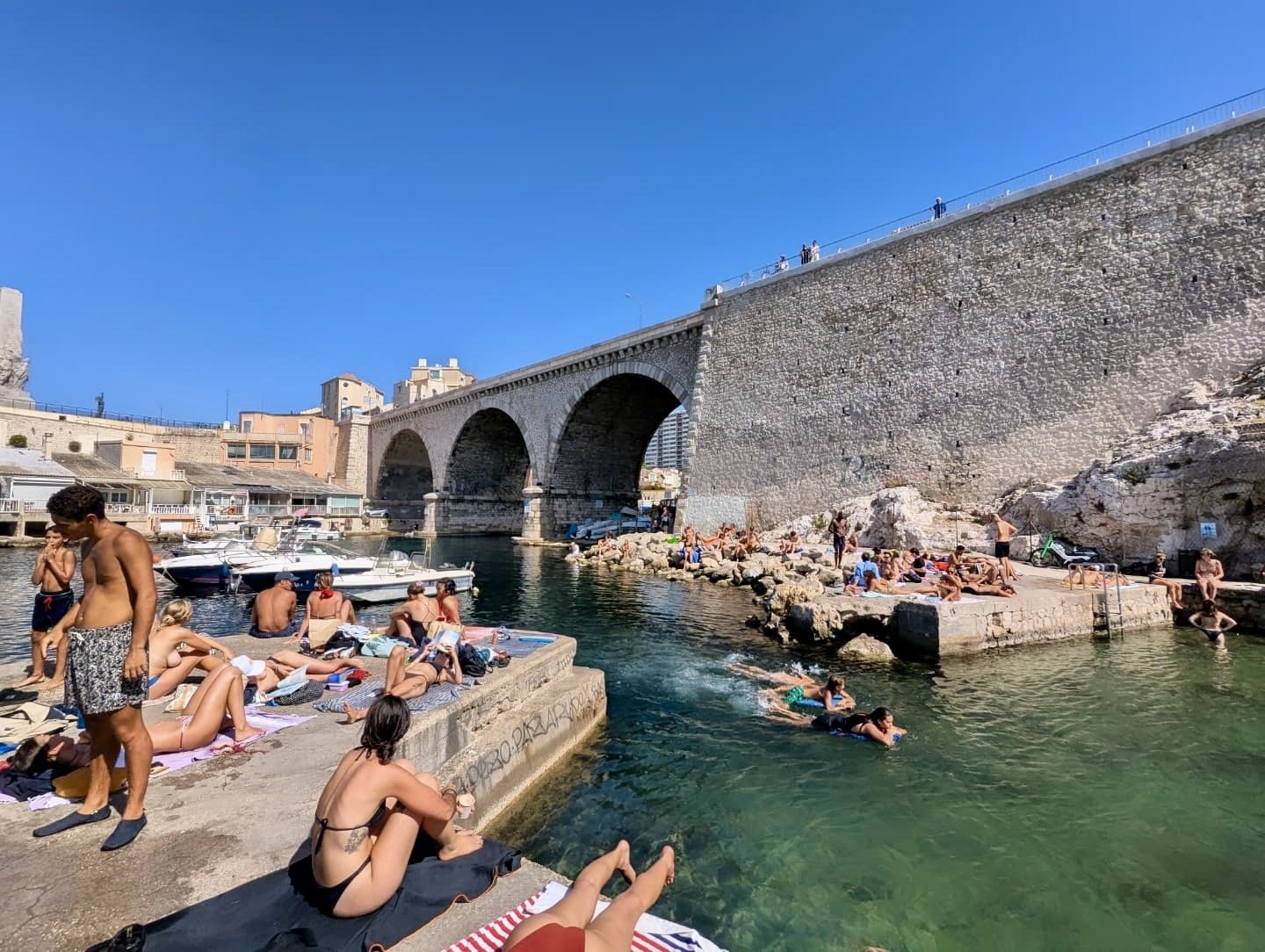
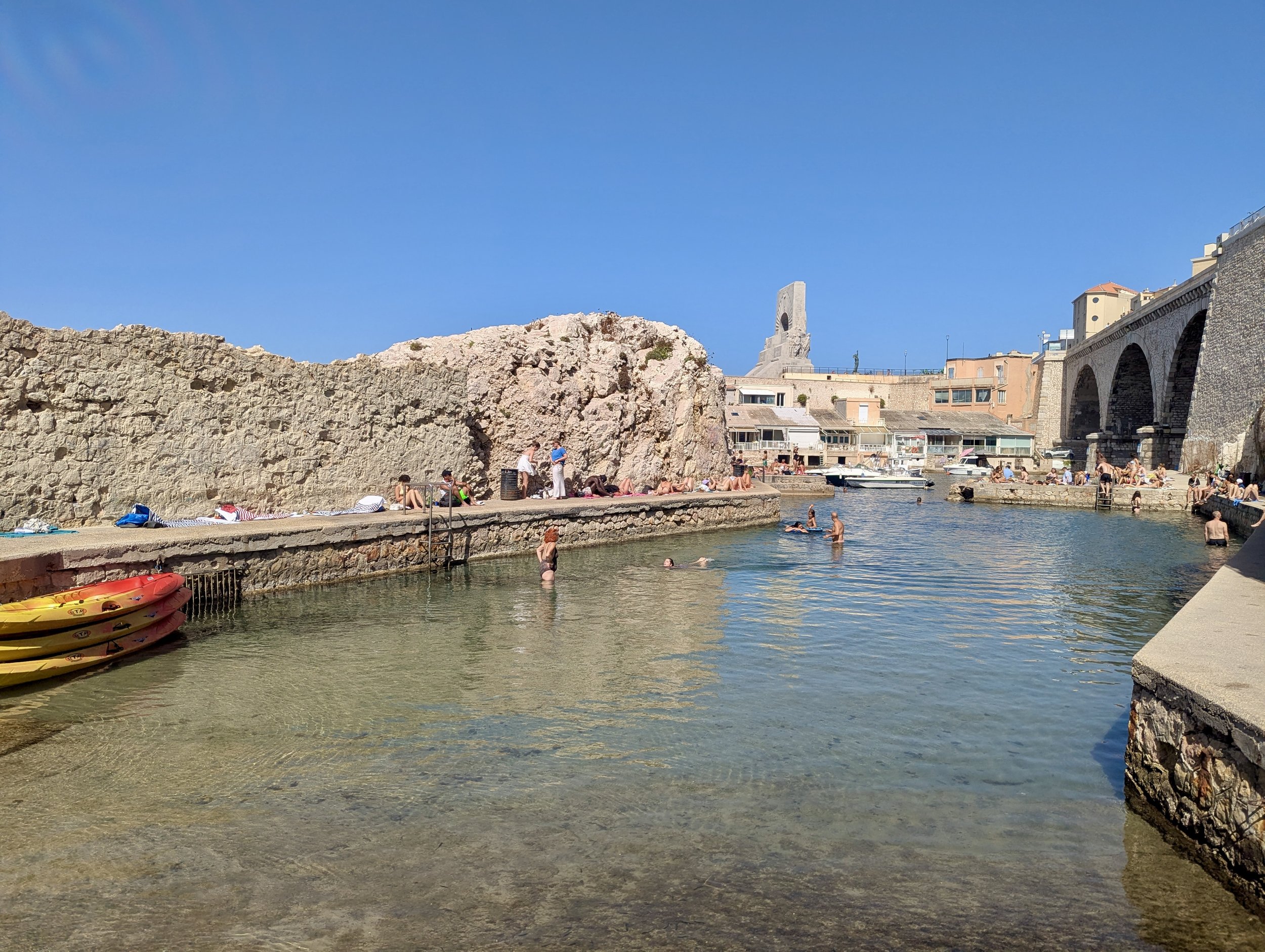
This is a spectacular little pocket of Marseille, so picturesque it feels like a movie set. Turning to to the sea you can walk out on the esplanade and see the Monument aux Morts de l'Armée d'Orient, built in 1924 for the Great War. Turning inland you can clearly tell an old fishing village was folded into the magic of the city. Easily accessible by bus #83 from Vieux Port, which continues on to the beaches. Like much of Marseille, beach access is mostly rocks (this doesn’t stop the Marseillais, on sunny days you’ll see people stretched out on rocks along the sea soaking up the sun, lizard-like) but the Vallon also boasts La Piscine Maritime des Auffes, a seawater swimming pool. On hot weekends it’s packed, so be prepared to come early or squeeze in, as you’ll find towels spread out along the narrow edge. There’s a little cafe that rents paddle boards and other gear if you want to explore the area from the water.
Outside of the Vallon you can stroll La Corniche Kennedy all the way to the Prado beach, passing plenty of viewpoints along the way. La Corniche is a moderately busy road, but one Sunday a month it’s closed to cars and everyone comes out to stroll. The rest of the time, keep to the sidewalk and you’ll be fine.
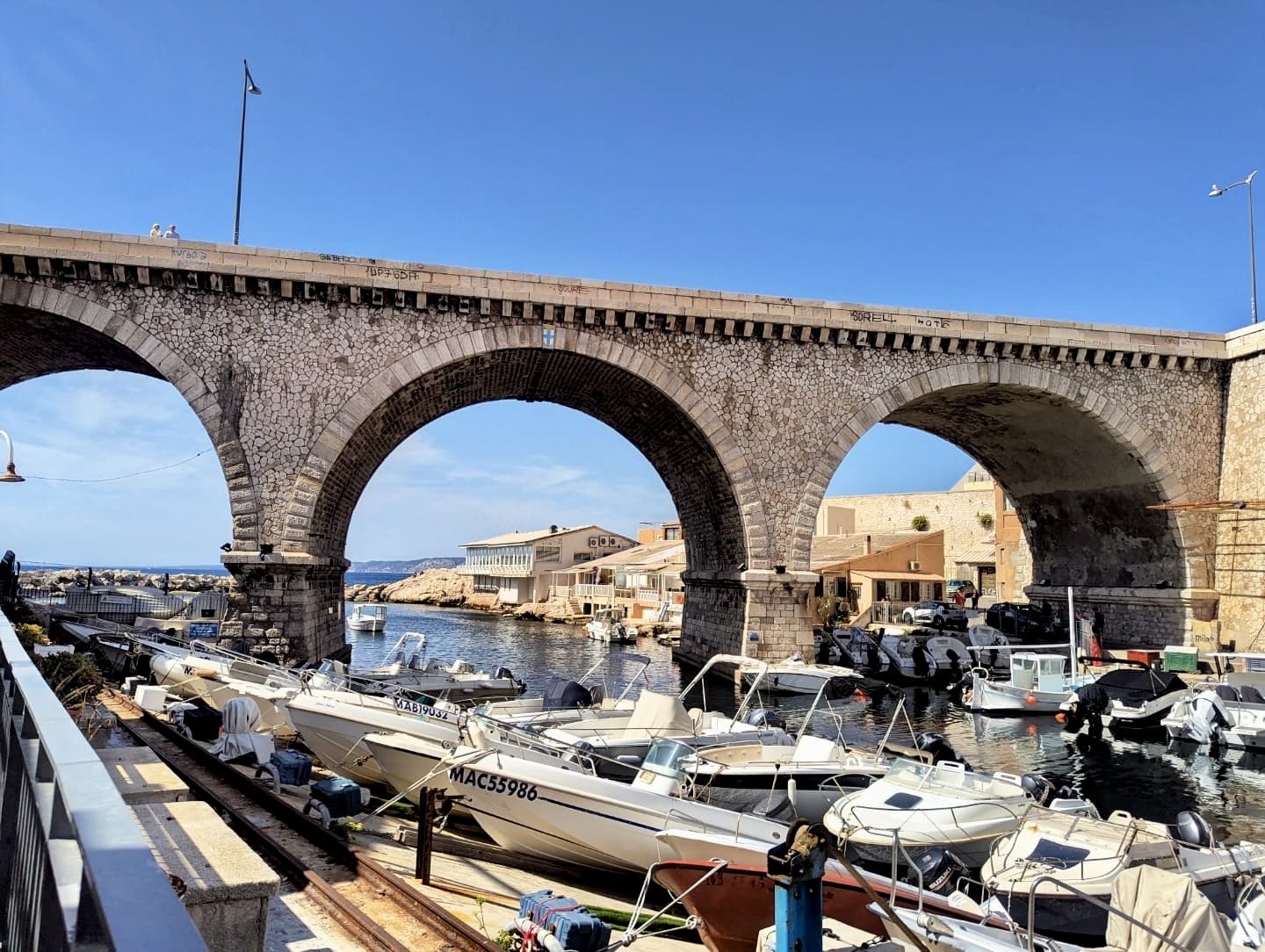
Parc National des Calanques (8 ème)
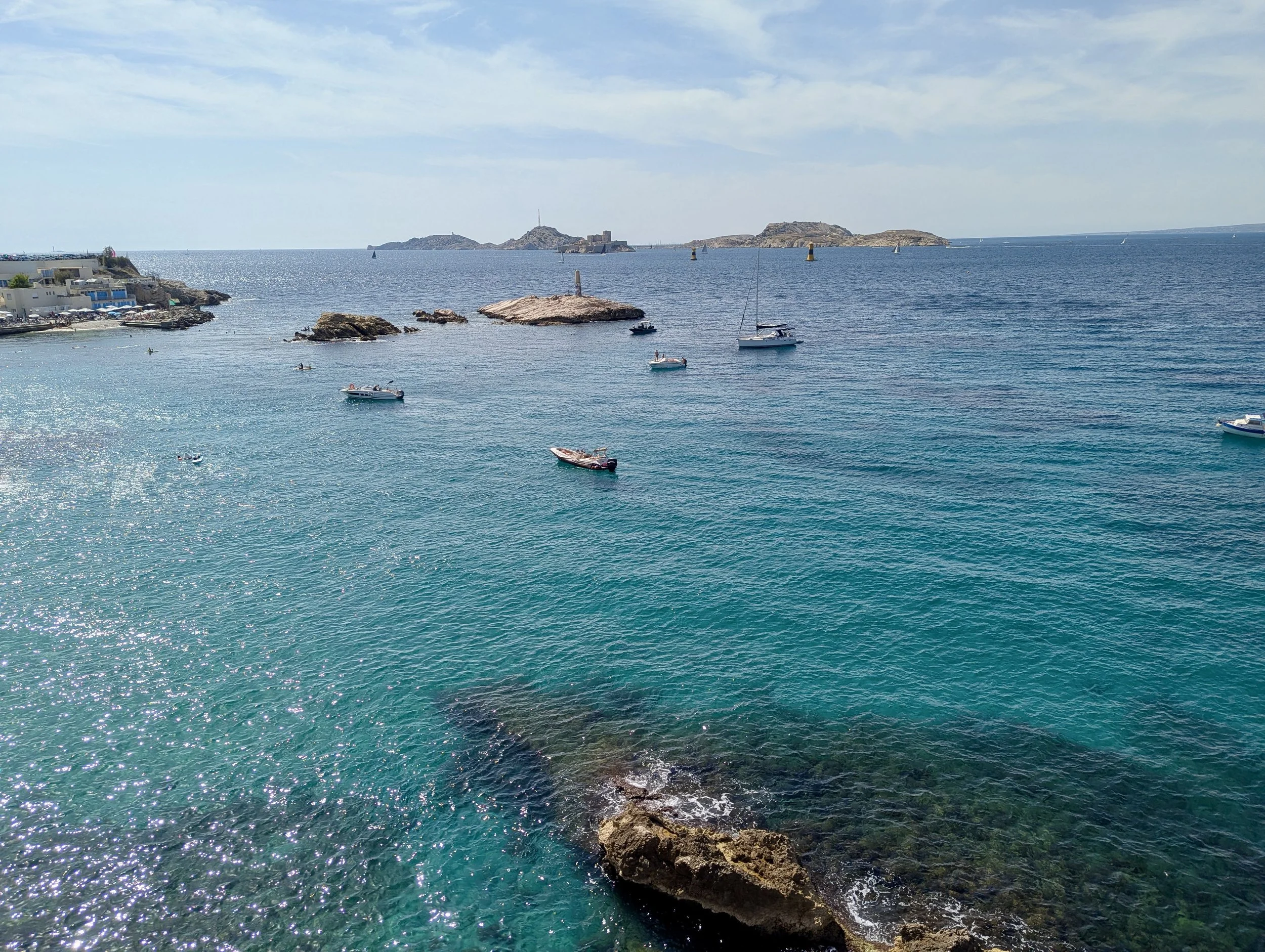
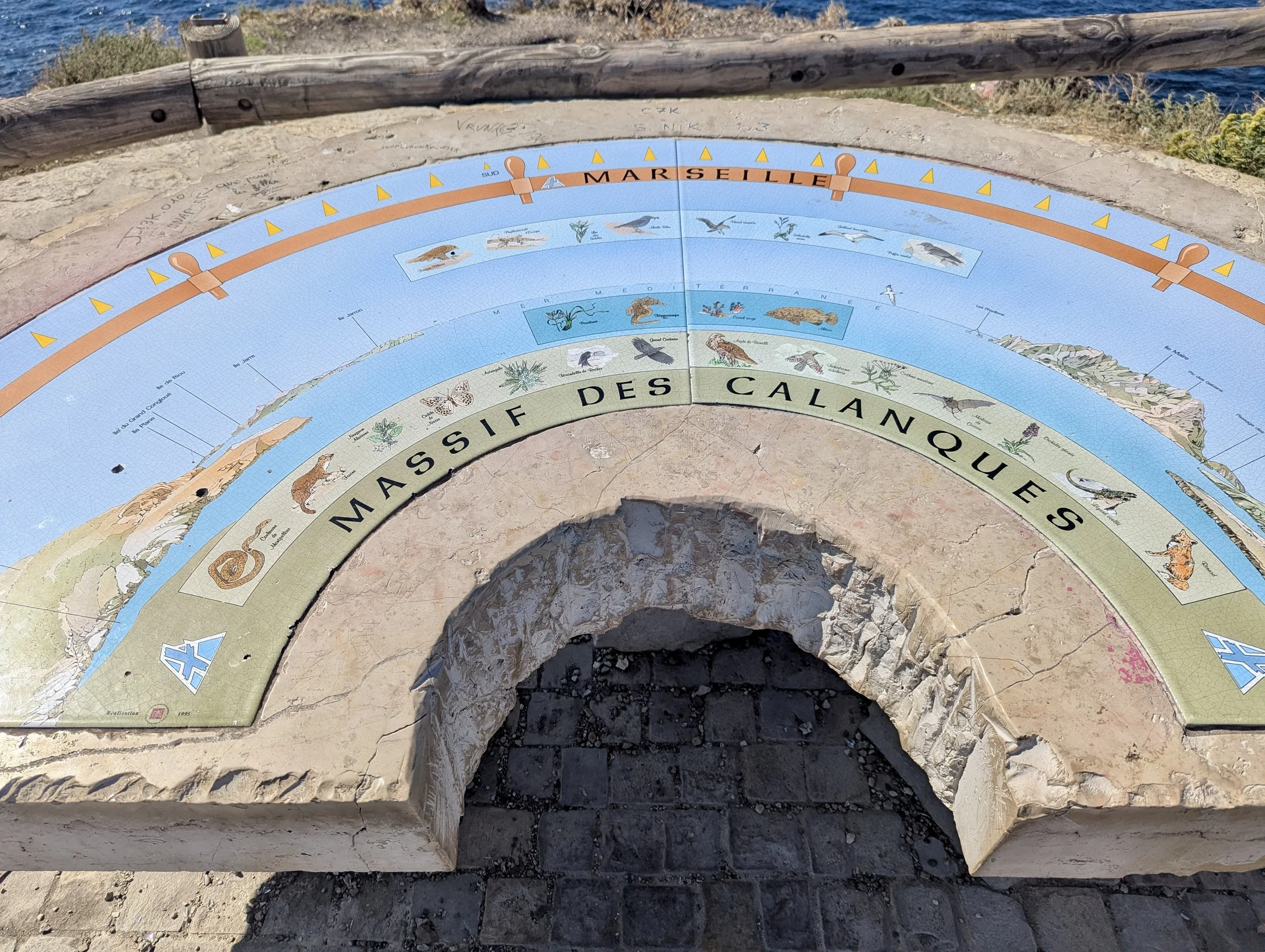
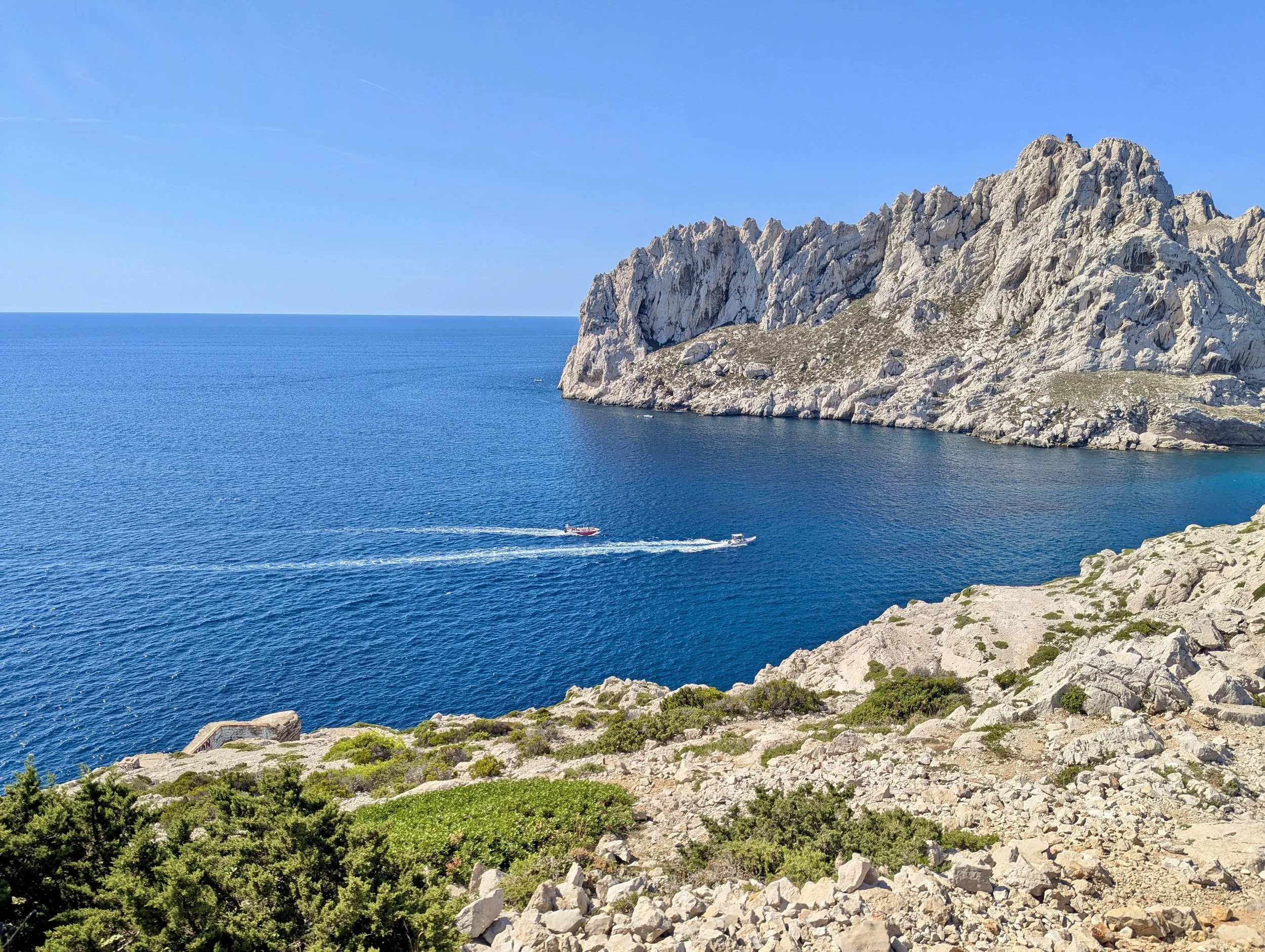
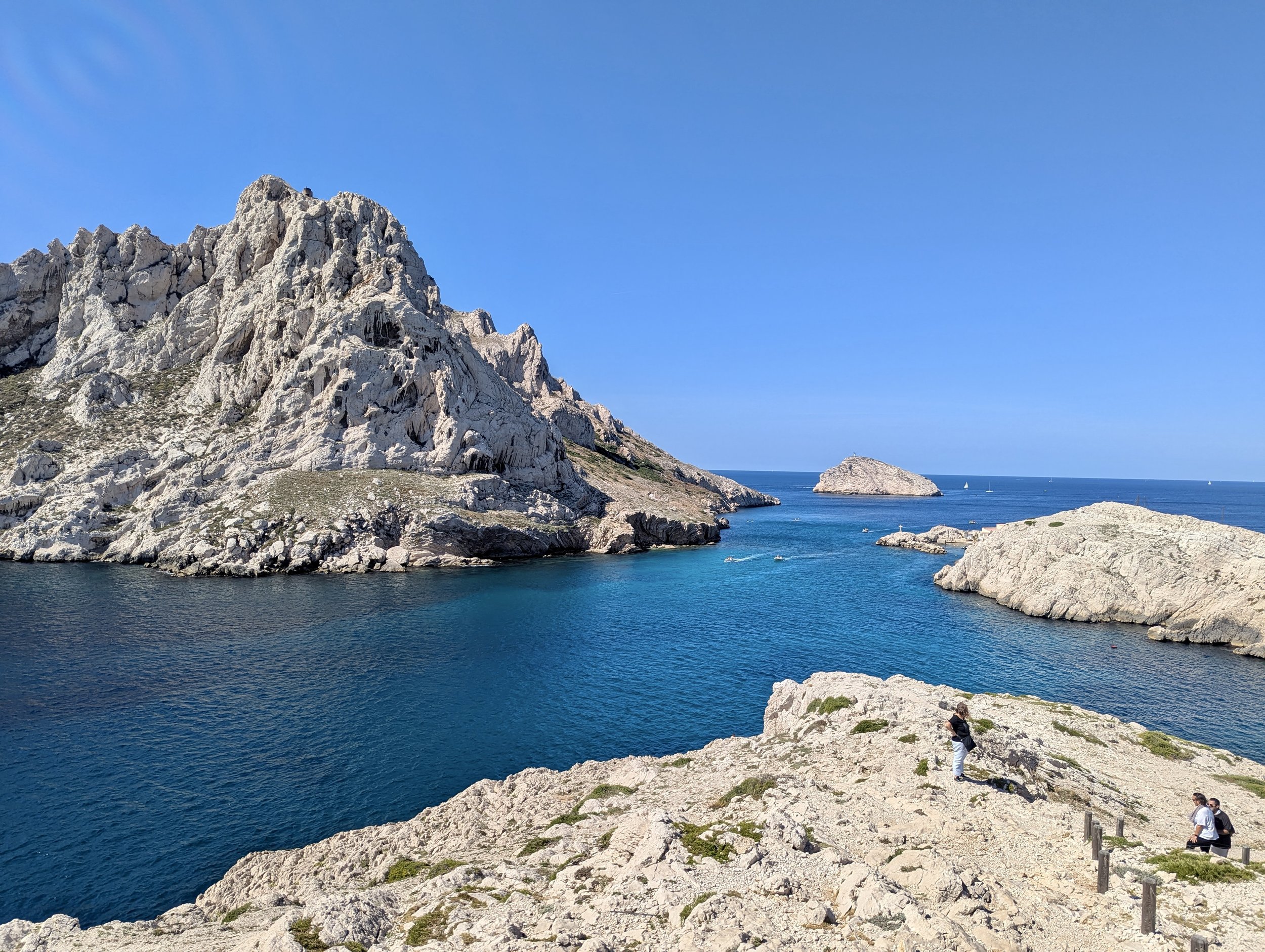
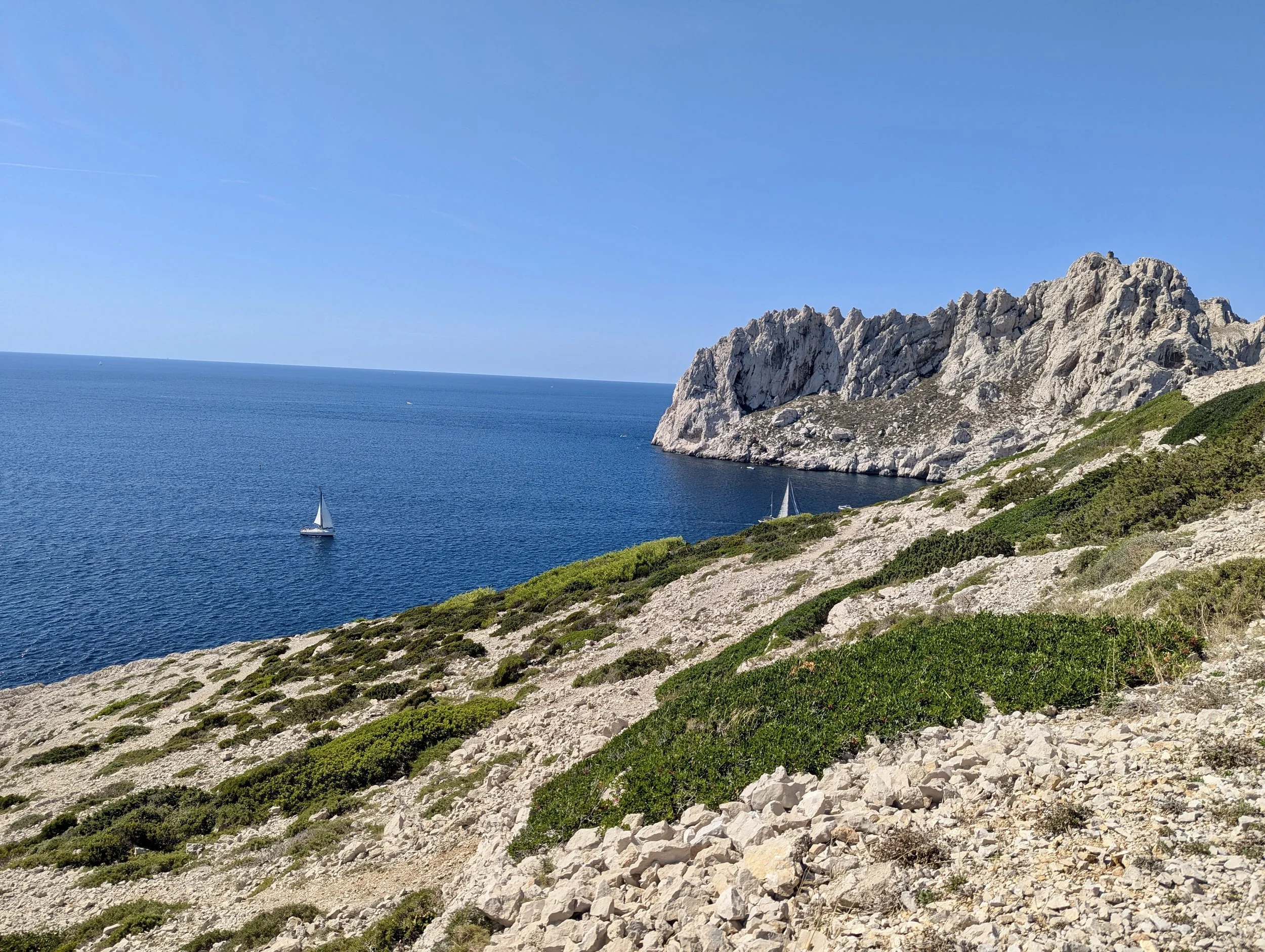
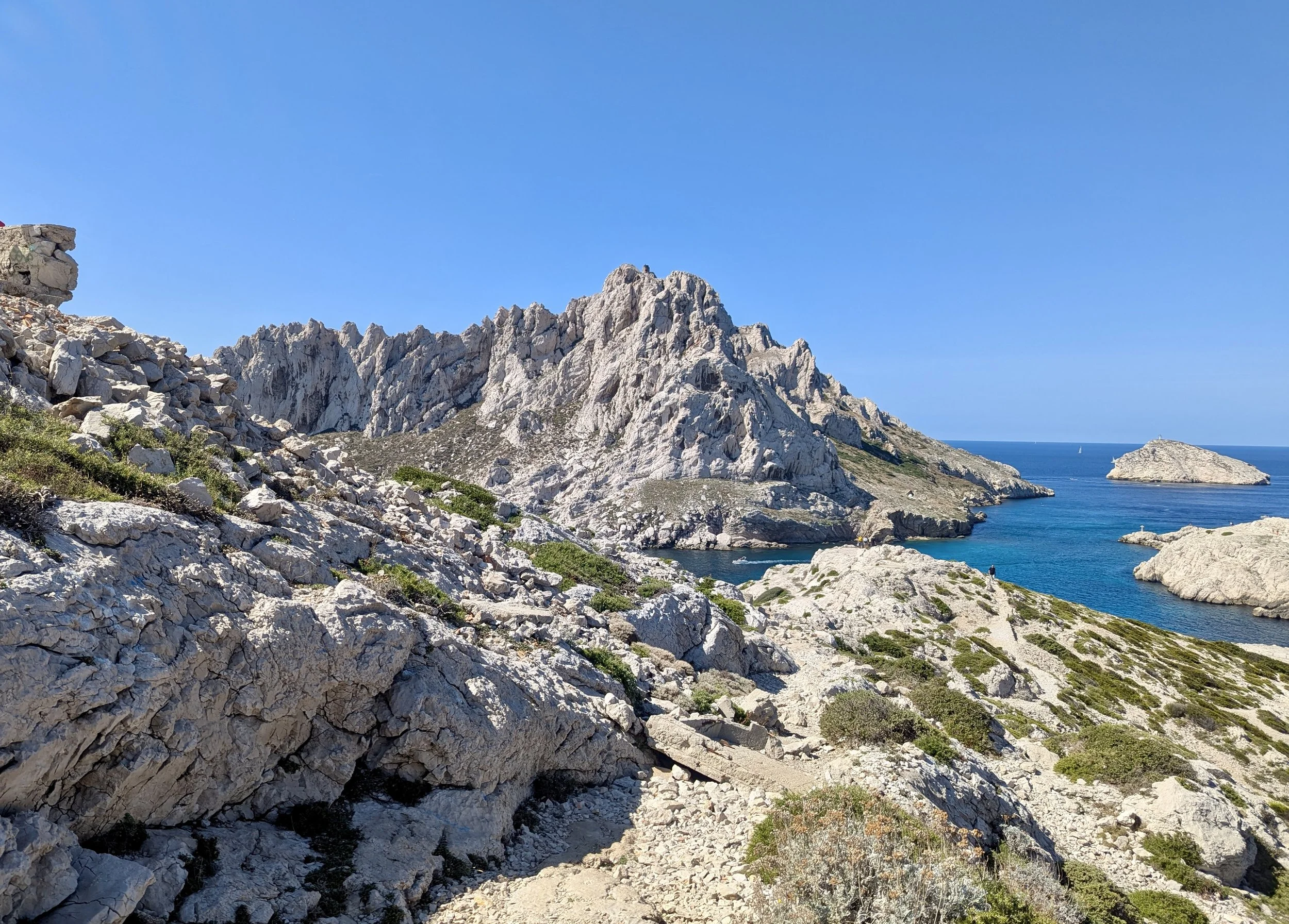
If you’ve ever seen those idyllic pictures of crystal clear turquoise water and white beaches with the rugged white cliffs, this is it. Limestone rock formations line the coast, making up the unique coastline. Les Calanques of Marseille are, to name a few, Sormiou, En-Vau, Sugiton, and Mounine. Twenty-five of the twenty-eight calanques in this region are located in Marseille, and many reachable by public transportation. Surprisingly, this is a natural wonder that isn’t easier to visit by car, as motor vehicle traffic is heavily restricted to preserve the area, especially during high season, so don’t bother renting a car to try to get closer, it’s not going to be much help.
With twenty-five different calanques to visit, each a little different, you want to be sure to do some research into which one is right for you. Do you want to go hiking, climbing, diving, or sailing? Are you looking to hit the beach, or just grab some amazing views from a cliffside? How much time do you want to spend out in nature? Do you want to take a tour, or go on your own? There are boat tours, kayaking tours, and diving tours, so you can enjoy the outdoors to the fullest, depending on your interests.
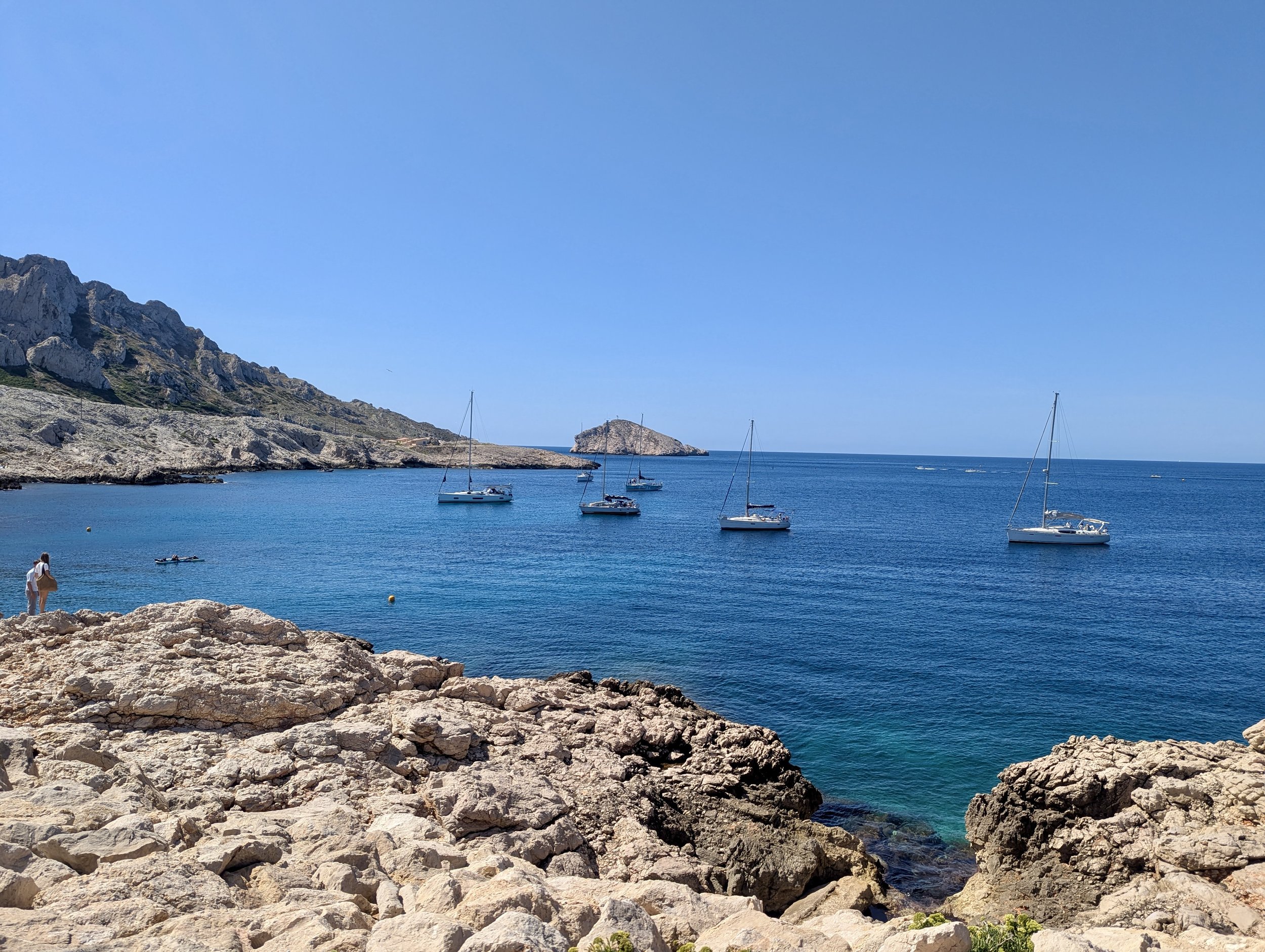
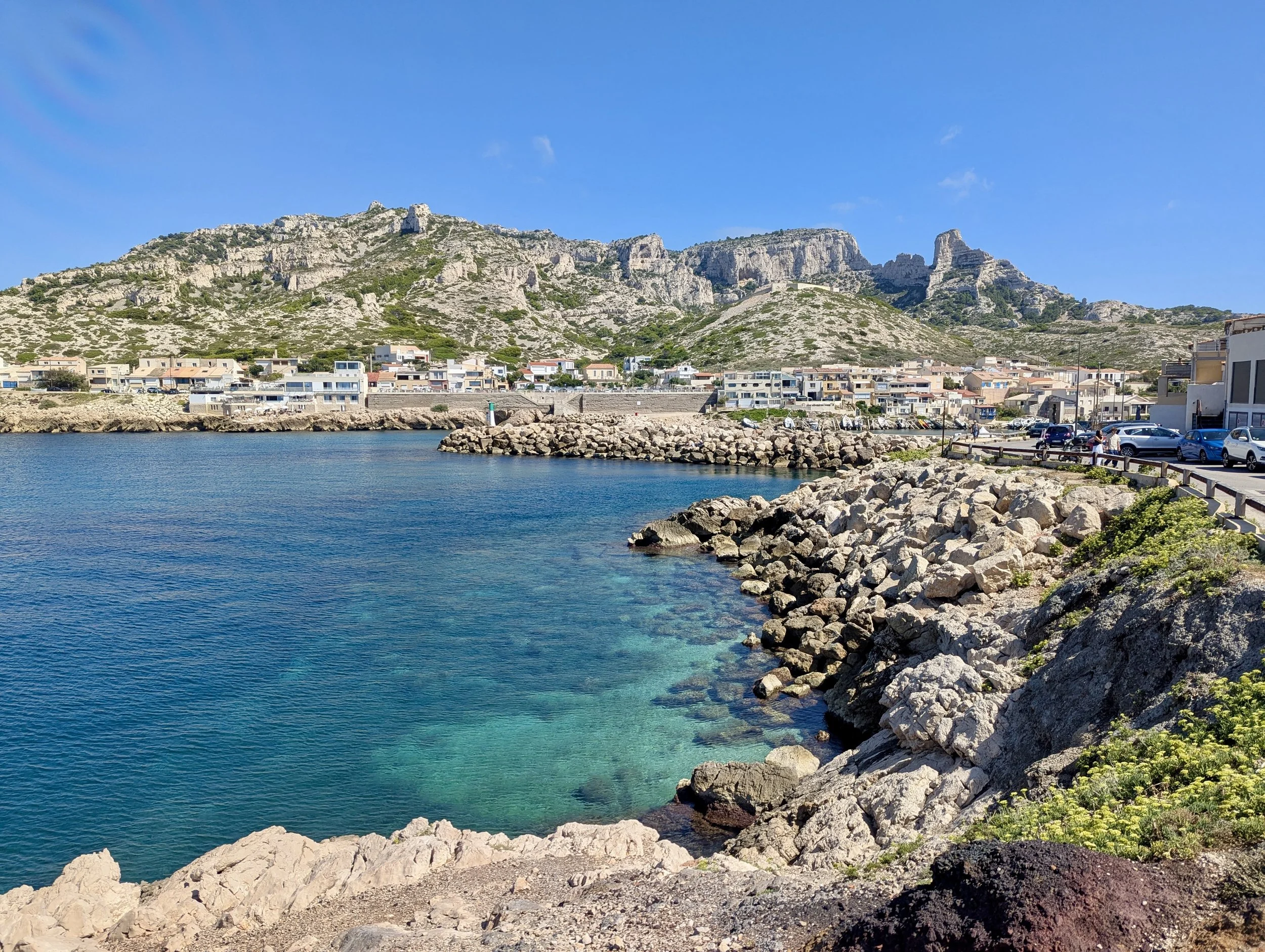
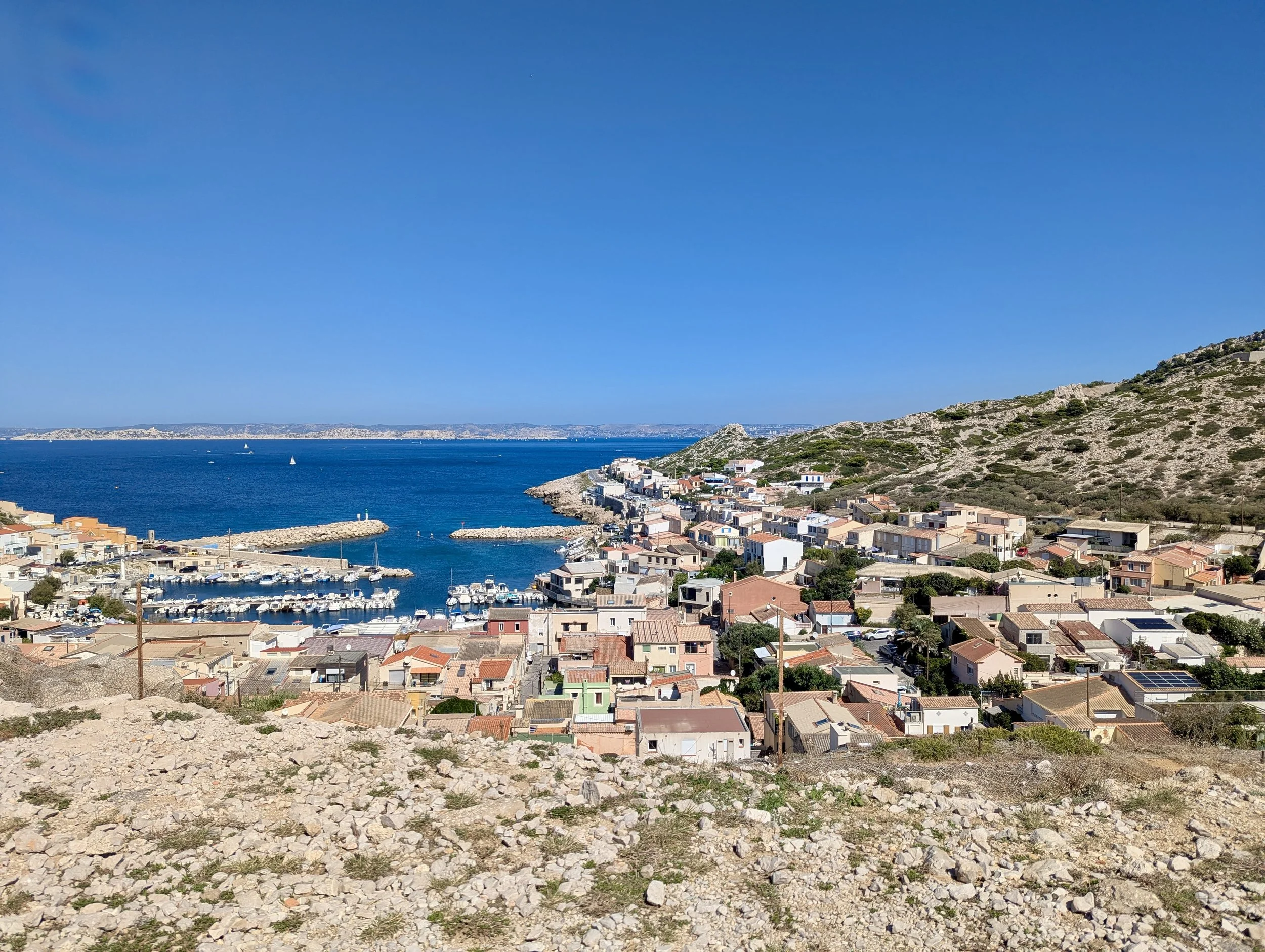
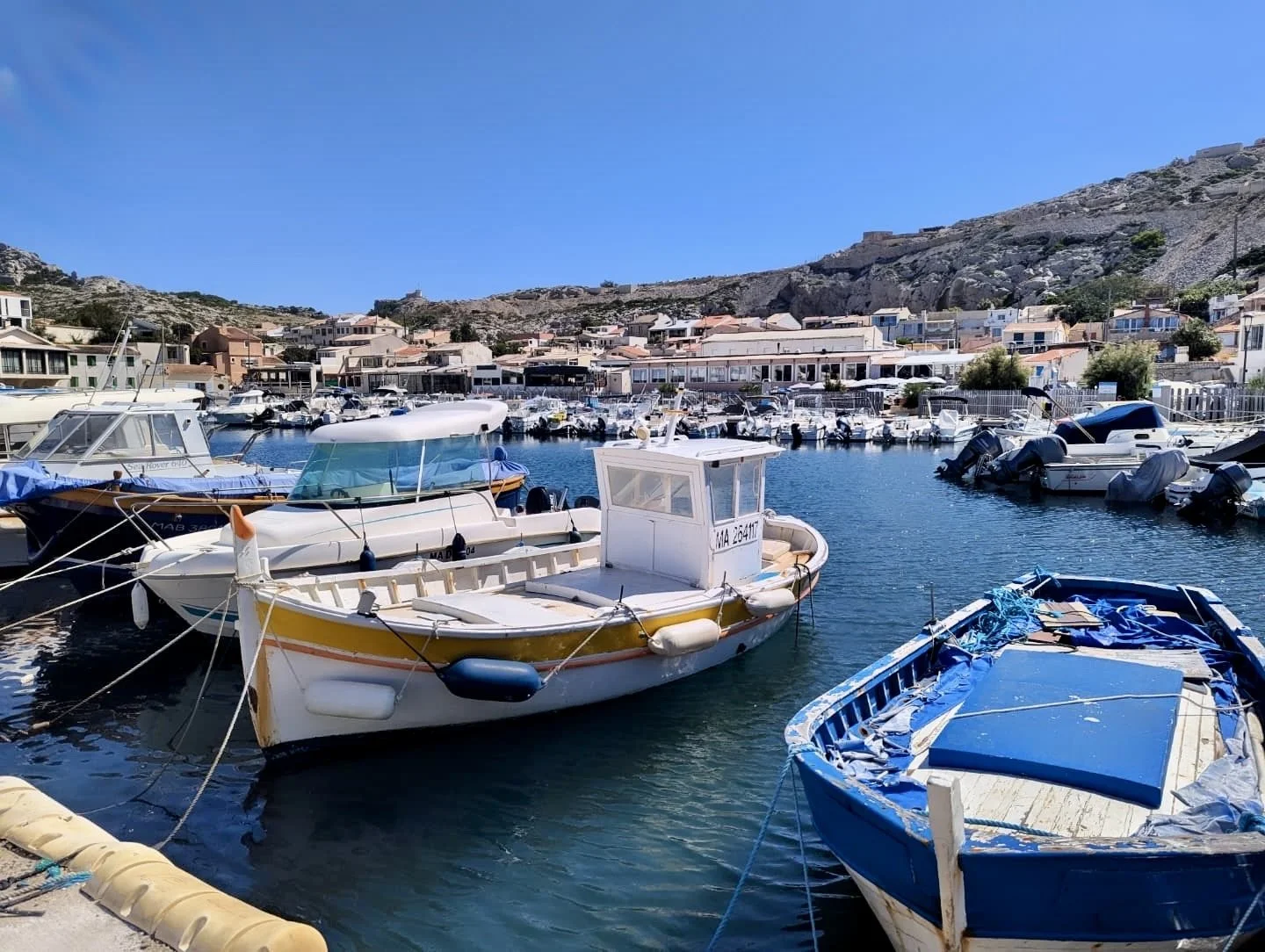
I kept it simple for our visit, not really knowing what to expect, and knowing that we didn’t pack hiking boots or sturdy shoes that would allow for any serious hiking. We’d be using public transportation to get there, and we didn’t want to spend the whole day in transit, so I settled on Callelongue. We we grabbed the #20 bus toward Madrague de Montredon and rode it to the end of the line, then transferred to the #20 toward Callelongue, where we again got off at the end of the line, at the tiny village and port of Callelongue, which is little more than a tiny port. Our plan was to take an easy hike that would lead us down to Les Goudes, where we’d catch the ferry back to Vieux Port via Ponte Rouge so we could enjoy a boat ride on the way back to mix it up.
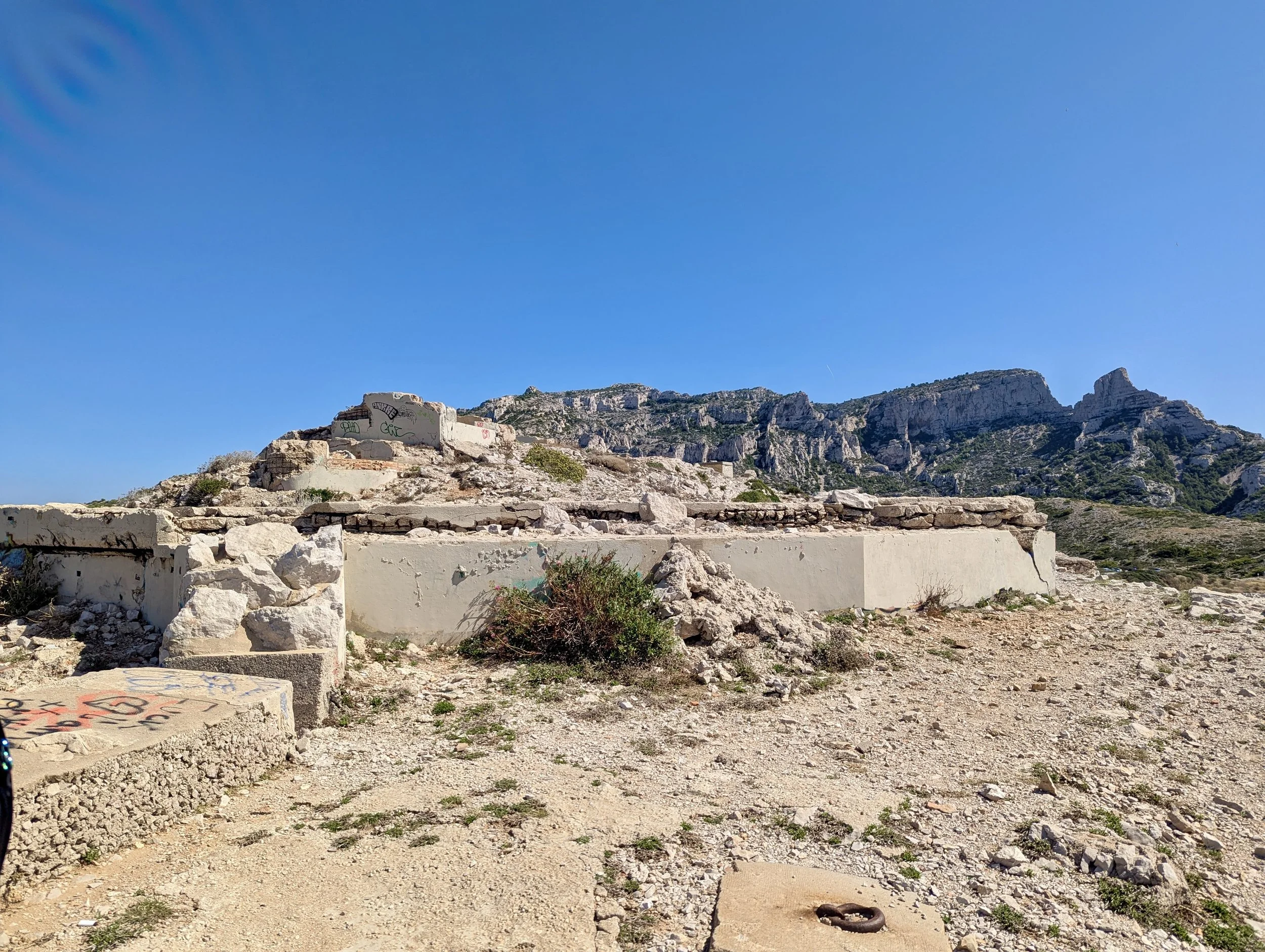
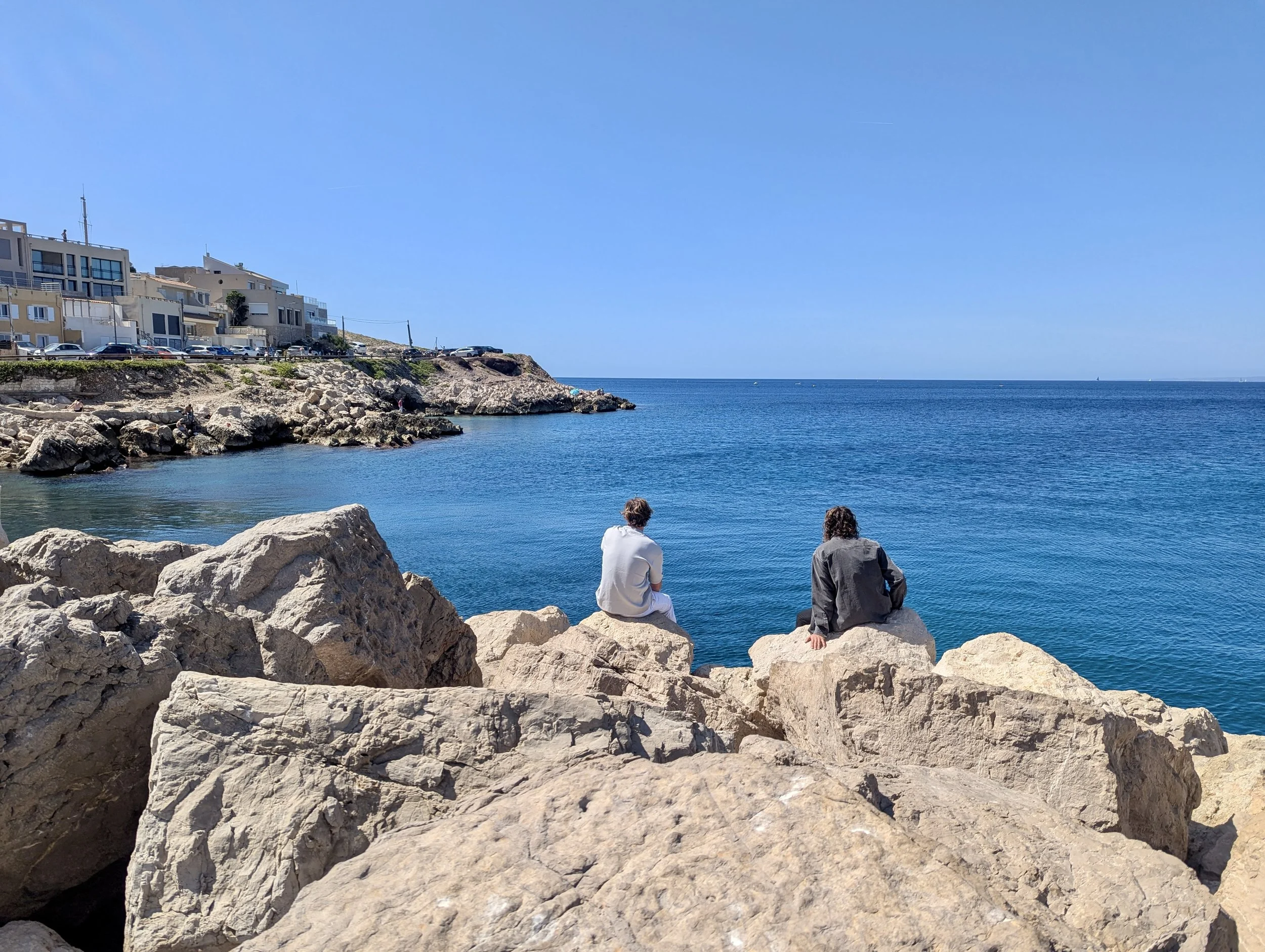
We took this hike which was ideal for our purposes, aka it can be done in flip flops and wasn’t very long or difficult. Starting at the bus stop we walked back through a parking lot toward the water, then went past some old WWII bunkers, and totally missed the téléscaphe that we were supposed to see since we were so distracted by the stunning views.
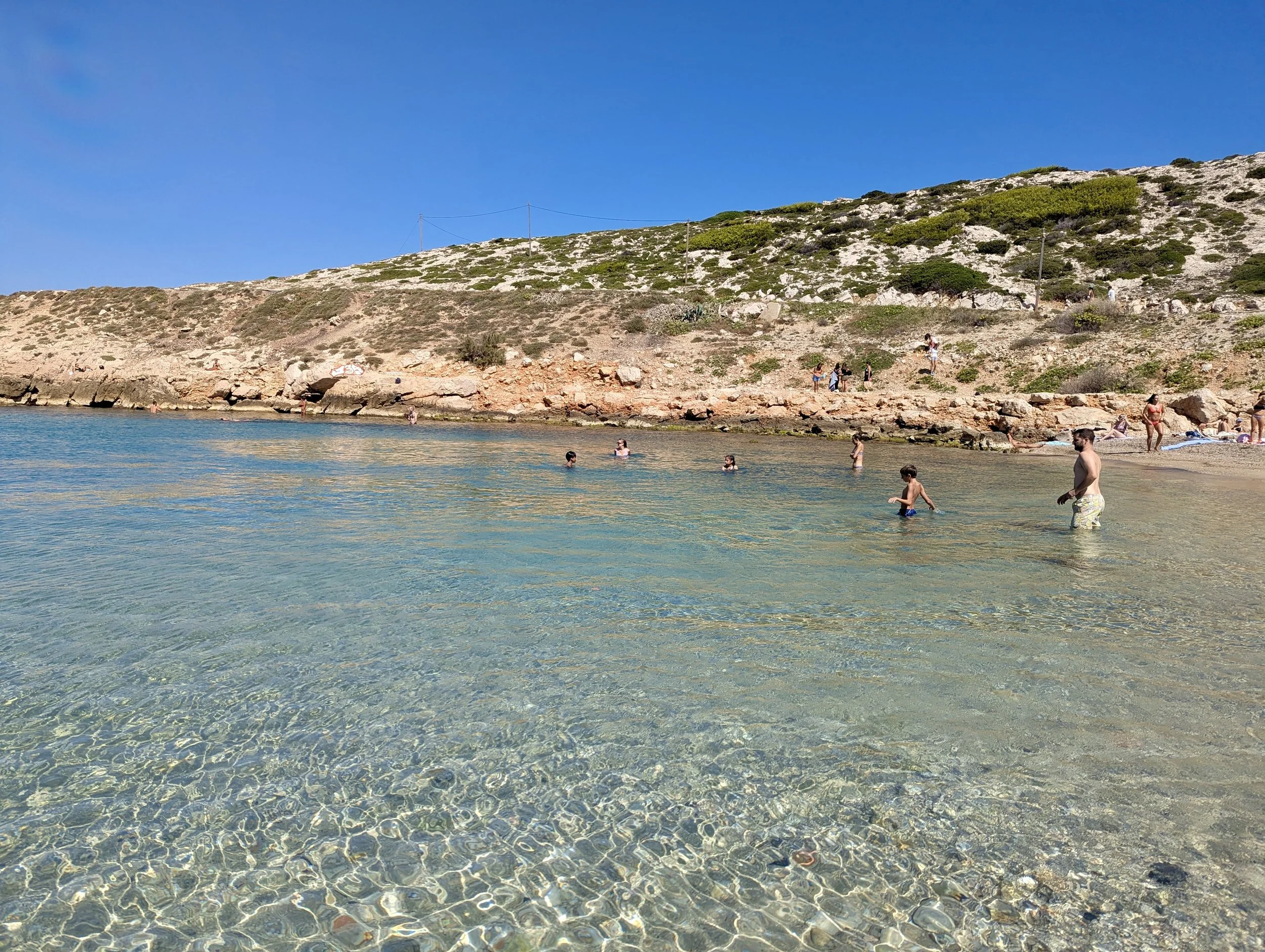
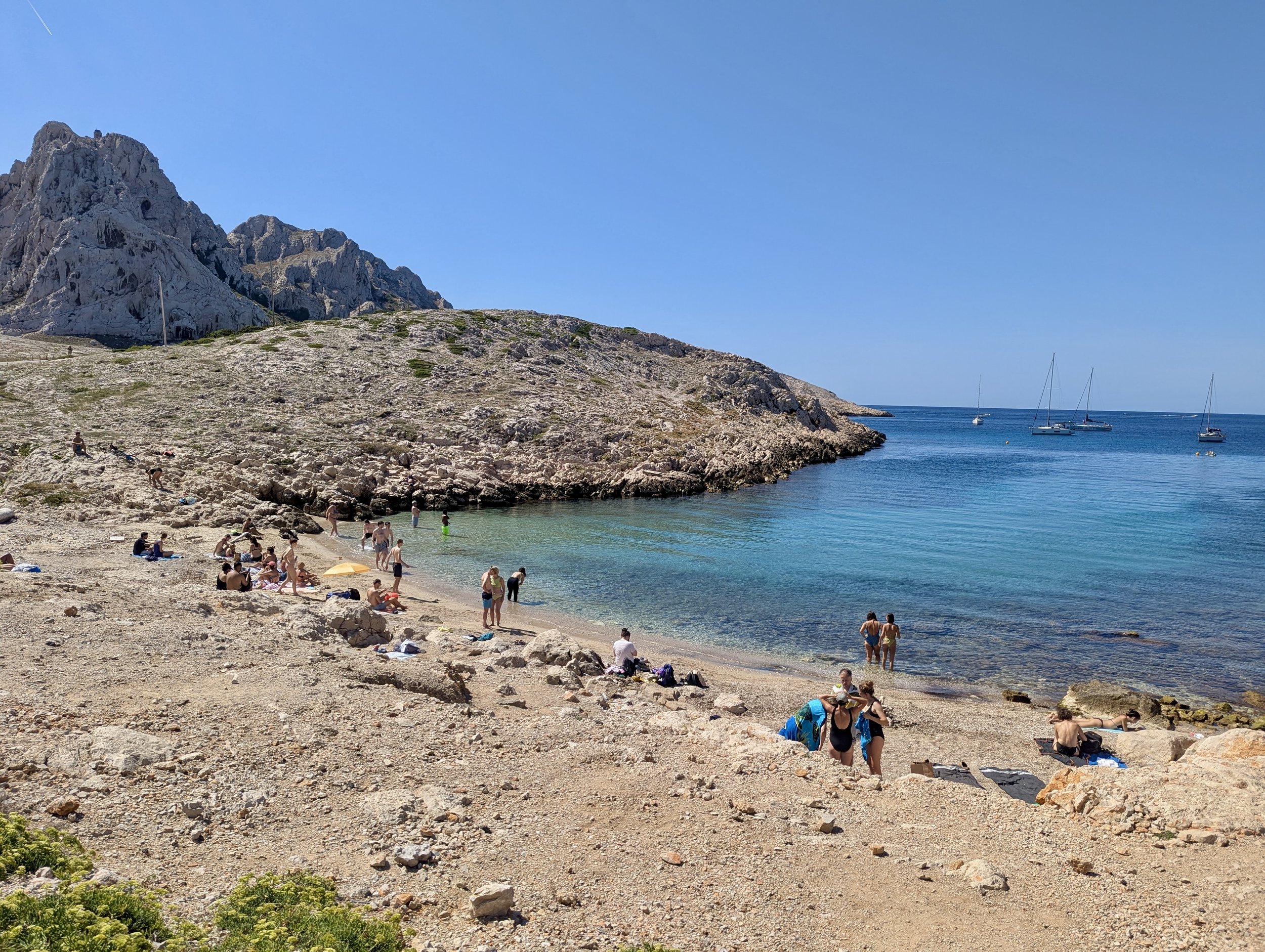
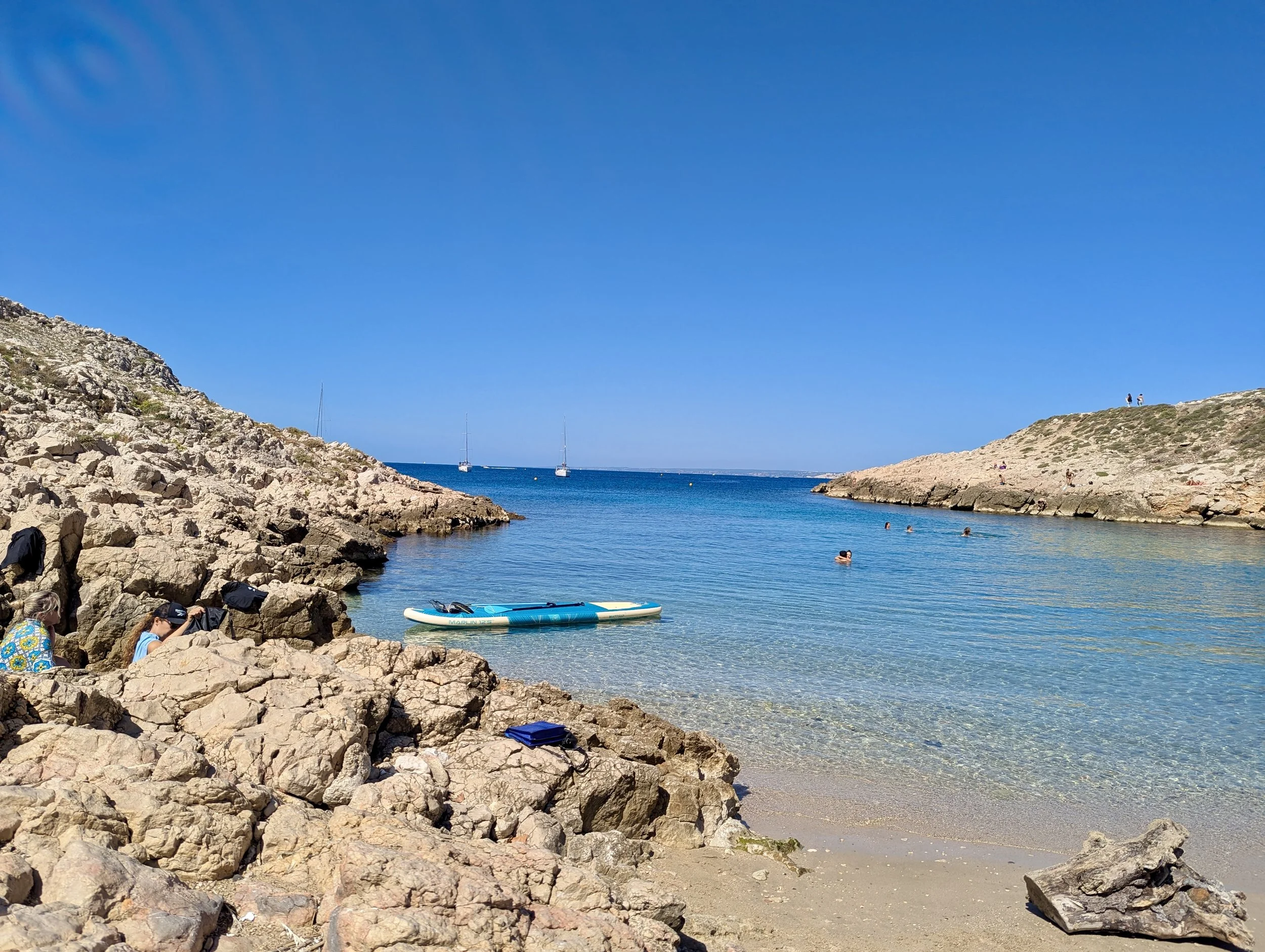
I wasn’t sure what the swimming situation would be, it’s unclear which calanques are nice places to take a swim and which ones are just too rocky, but we’d packed our suits and towels so we’d be prepared if the opportunity presented itself. Worst case scenario, we’d just go to one of the beaches we’d passed on our way out. We were very happy to see that there was a nice, quiet, sandy swimming area in the cove right at the bottom of the hill leading toward Les Goudes (it doesn’t even warrant any sort of notation on the map). There were maybe ten groups of people on the beach or in the water, so we found a space to stash our stuff and had a nice picnic lunch followed by a refreshing dip in the sea. The water isn’t as warm as I was expecting, but it’s still a lot warmer than any of the lakes in the Pacific Northwest, so after getting used to it (I am a total baby when it comes to cold water) it was the perfect way to cool off after a hot morning climbing around on the rocks.
After we’d soaked up enough beach time we did some fancy towel sleight of hand to get changed back into dry clothes (we really needn’t have bothered; half the people at the beach were topless) and continued on to Les Goudes to catch the ferry back to town. We made our way there with no problem and got to the ferry dock, which was unnaturally empty and quiet. After hanging out for a while with no activity at all I looked the schedule up again. The Les Goudes stop is seasonal, and the last day of that stop . . . had been the weekend before. Every trip I am reminded to double-check these sorts of things. It wasn’t a big deal, we just grabbed the same bus we’d taken to get out to the park to head into town, but instead of doing the same journey home we got off the bus at La Ponte Rouge to grab the ferry to Vieux Port (this one ran through the end of September, which is probably what had confused me initially, plus the first ferry was still running when I’d run directions before we were actually on our trip).
The 20+ minute wait was pretty dull, but since we got there so early there was only one family ahead of us so we knew we’d be guaranteed a spot on the boat. By the time the ferry finally arrived there was quite a crowd, so I was glad to be toward the front of the line. We were able to buy tickets as we boarded and we grabbed seats in the front and enjoyed a nice, breezy boat ride back to town, coming into Vieux Port between the two lighthouses that guard the entrance.
Where We Ate
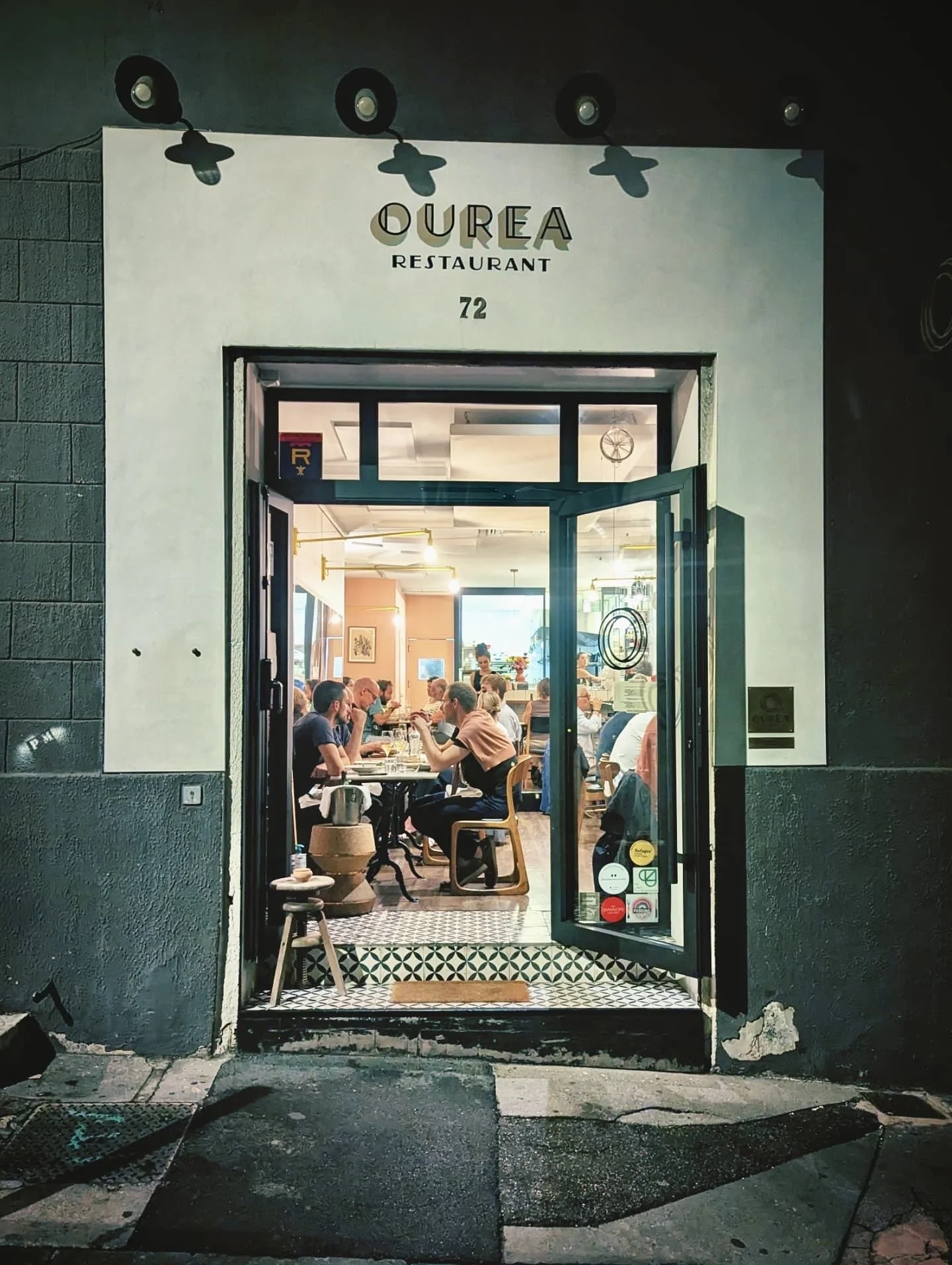
Ourea (Mediterranean) 72 Rue de la Paix Marcel Paul, 6 ème
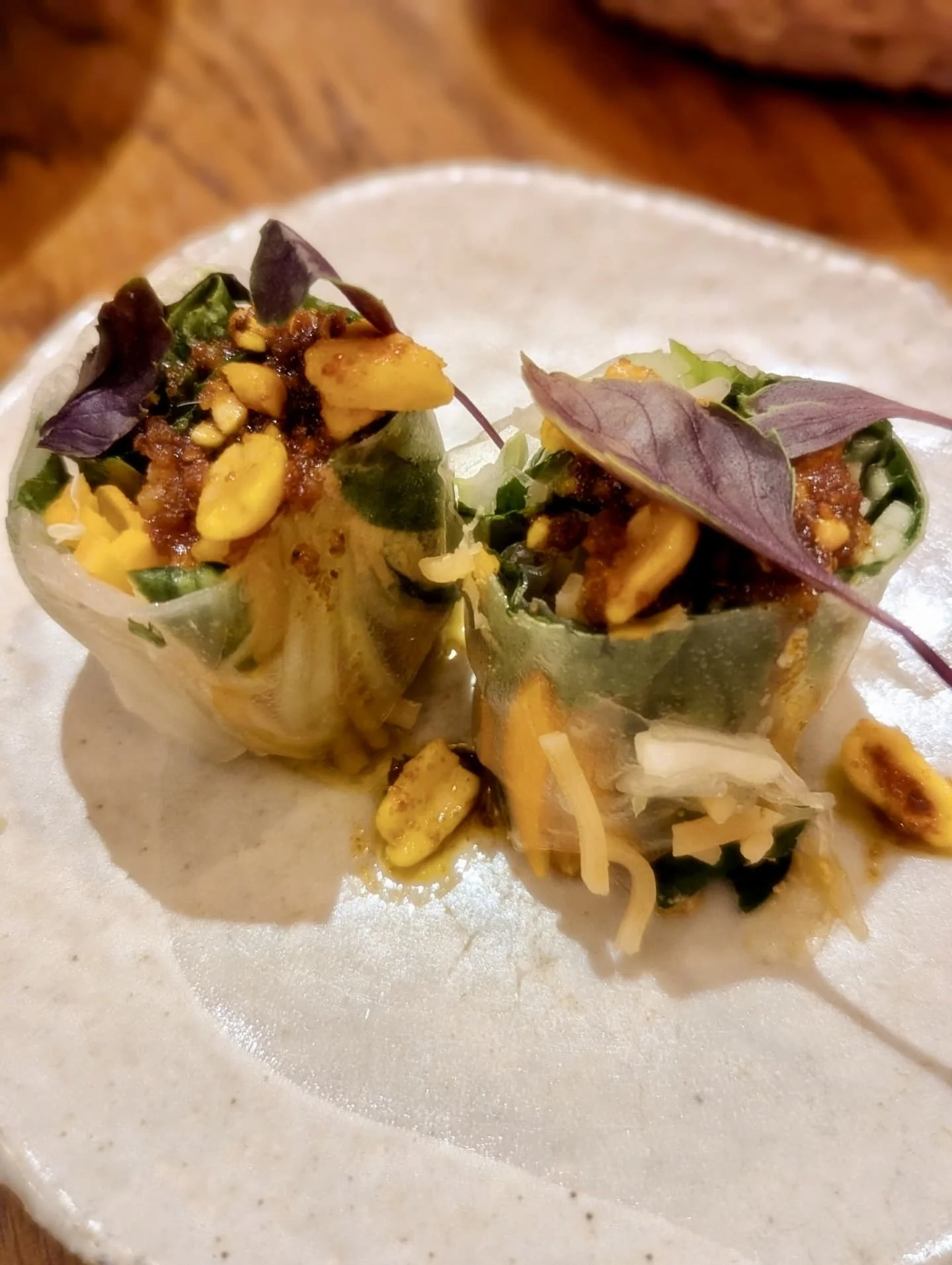
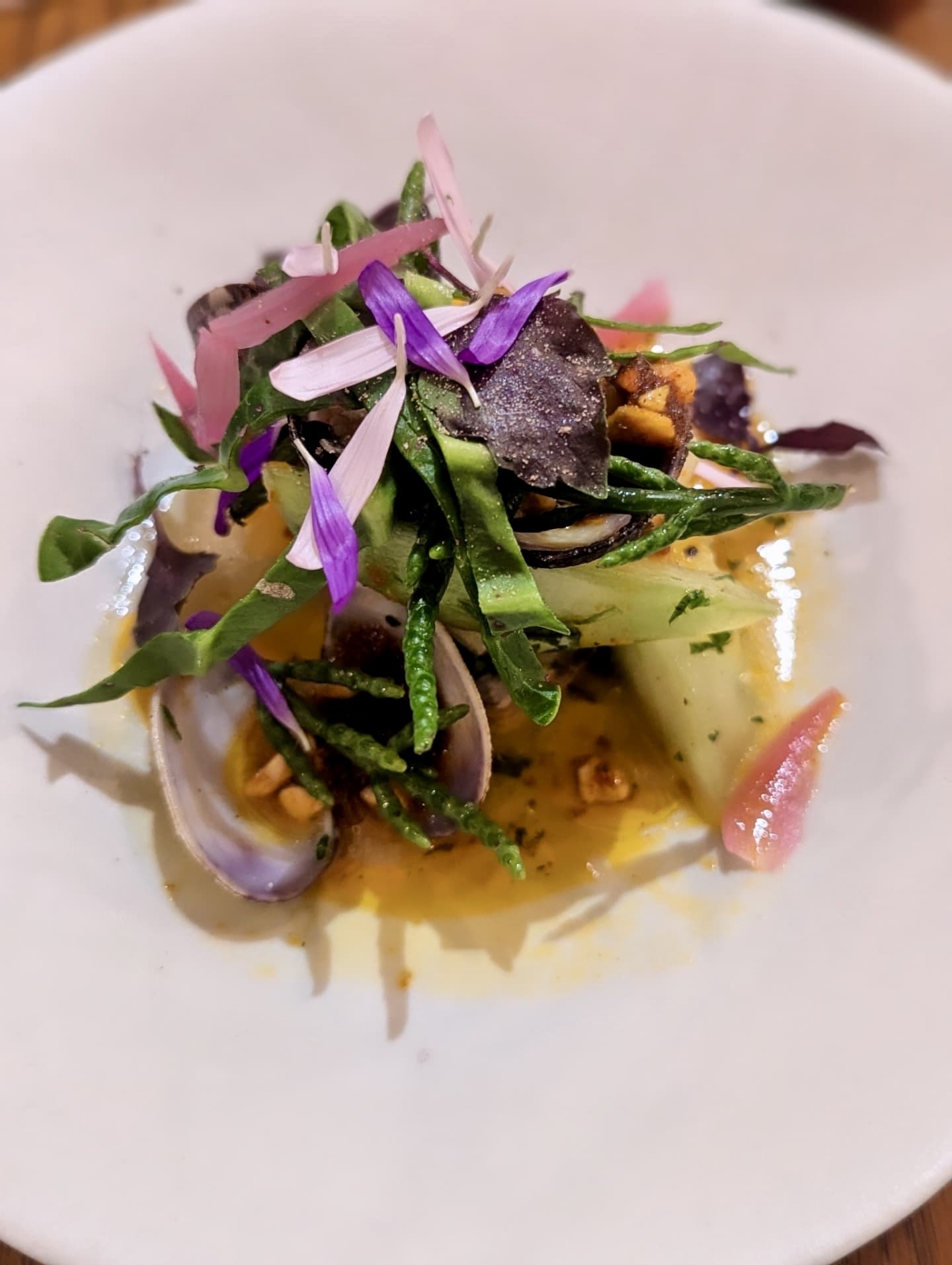
This was our first meal in Marseille, and it set the bar very high. It’s a lovely little spot with a lot of charm and great service. We ordered the five-course tasting menu (easy to modify to pescetarian for me, there was only one dish that had any meat and they substituted tuna for the beef component). The food was fresh and beautifully presented, the service was stellar and the meal was well-paced, and the desserts were wonderful.
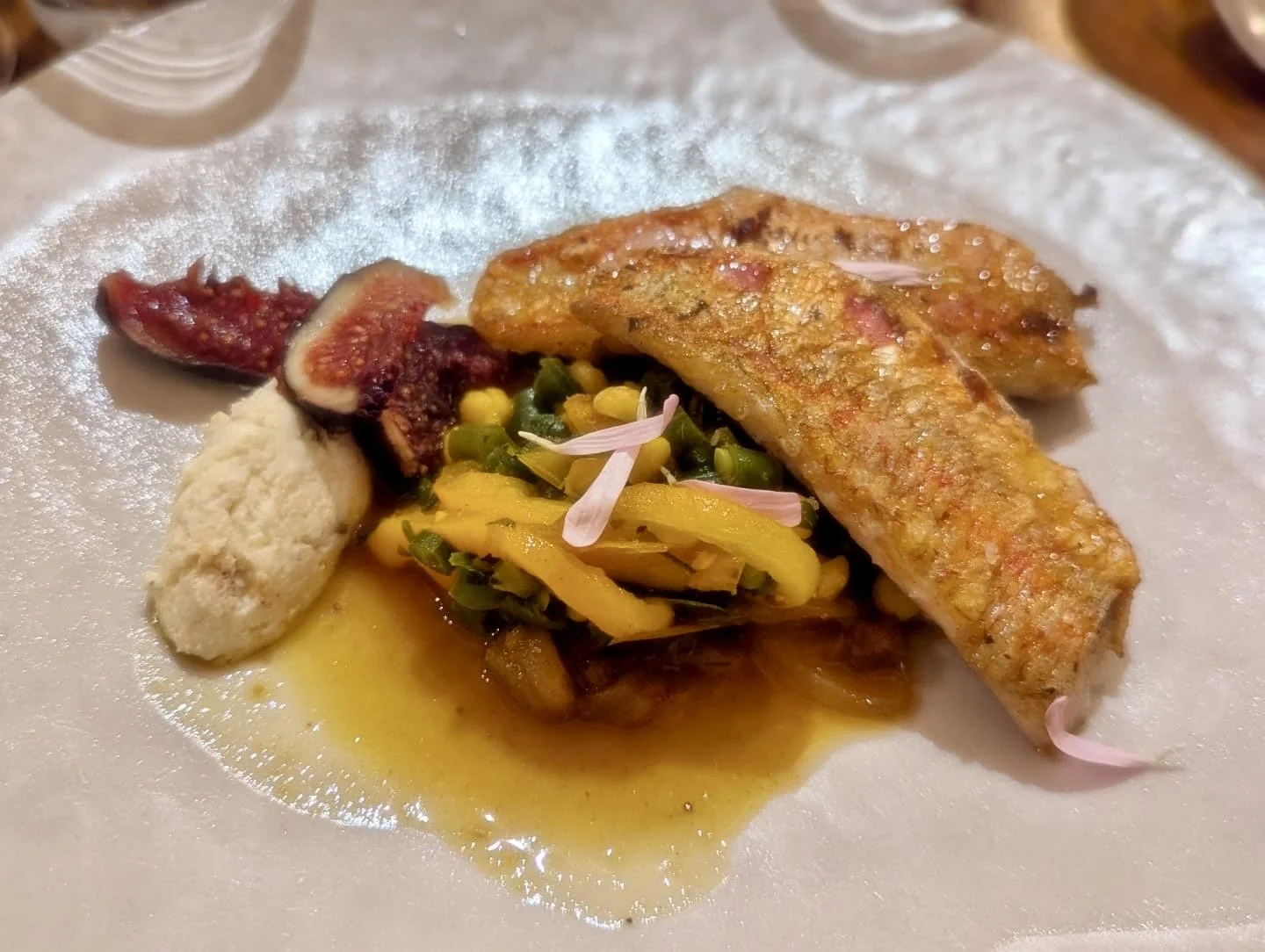
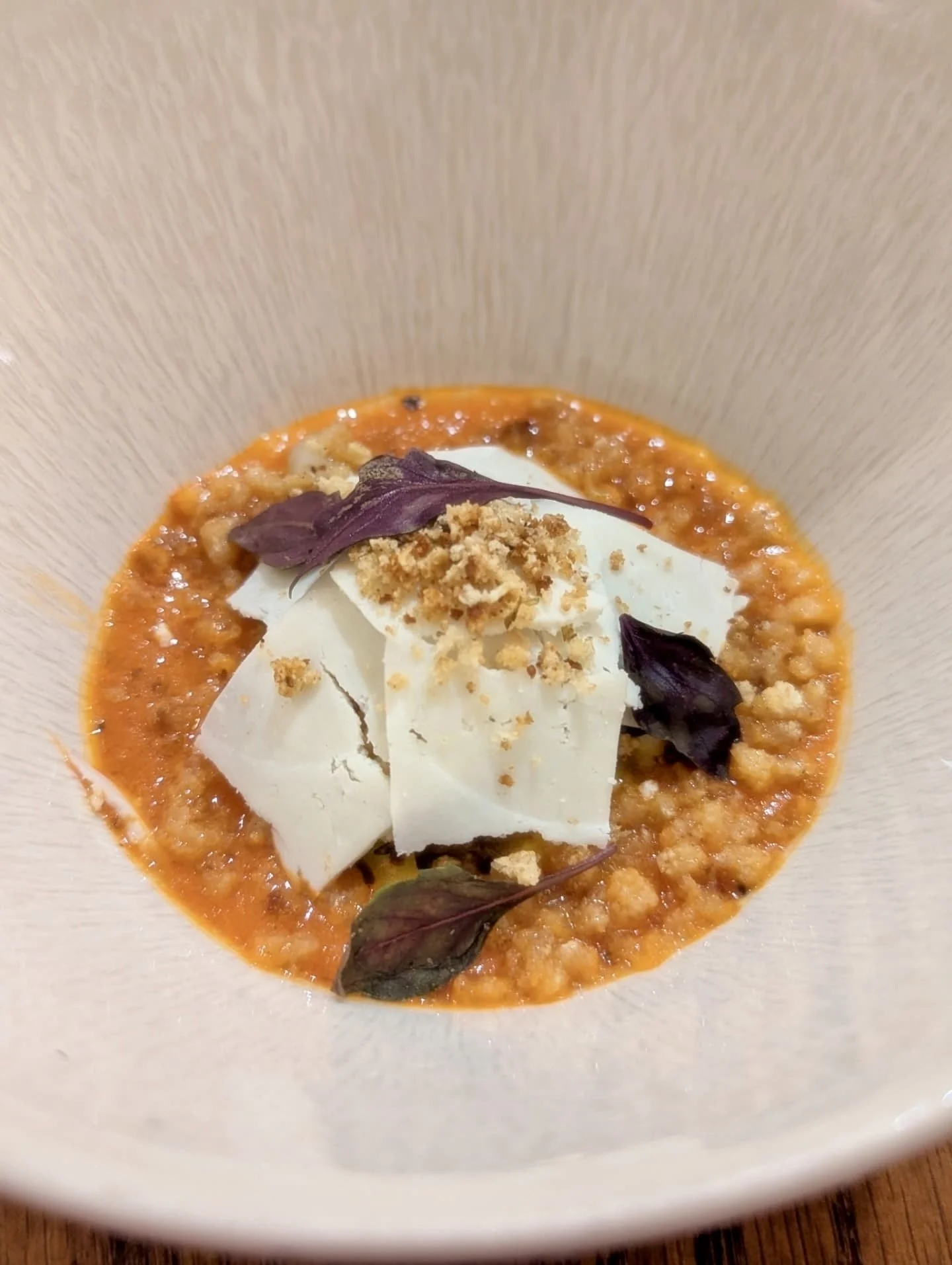
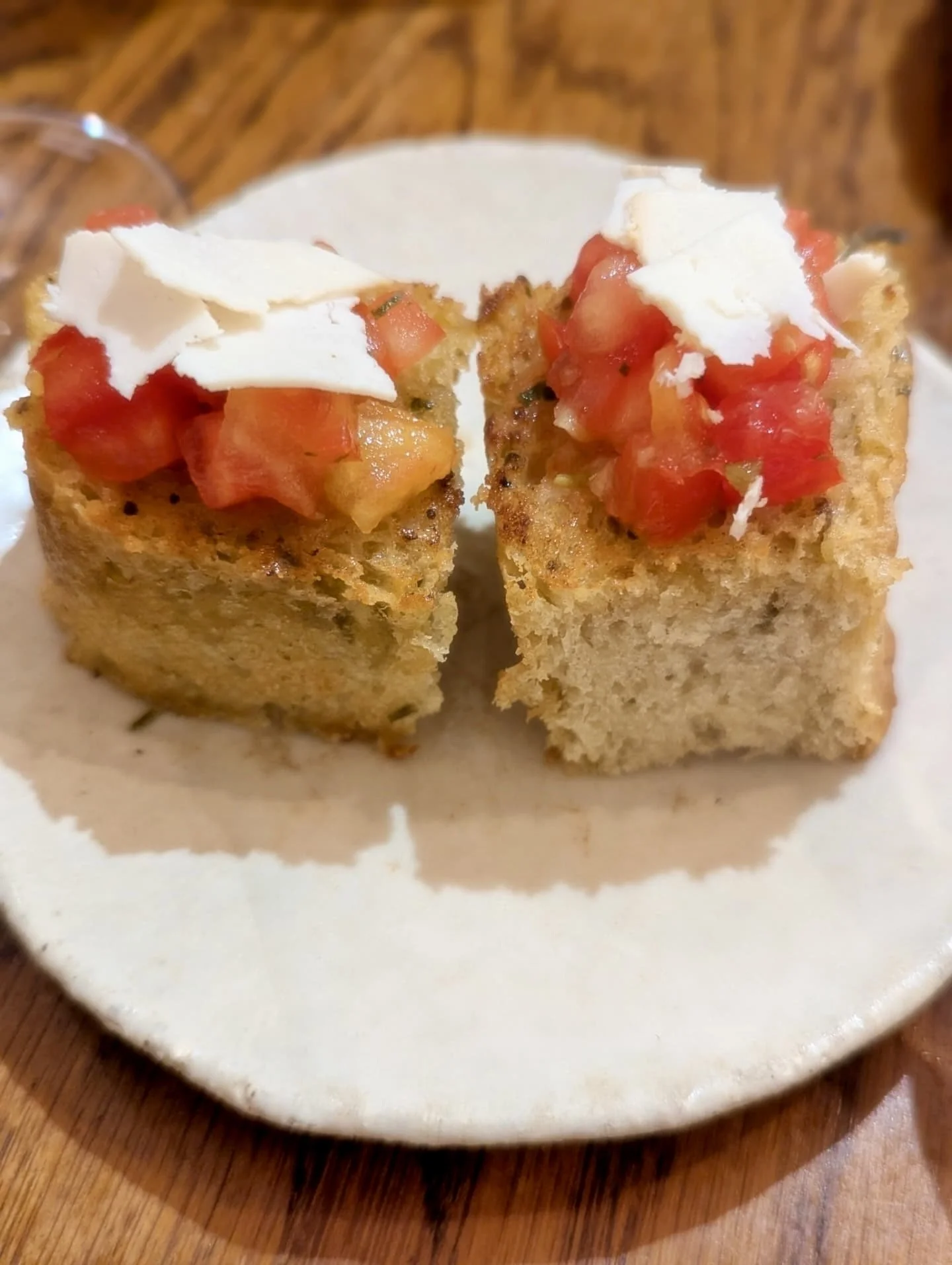
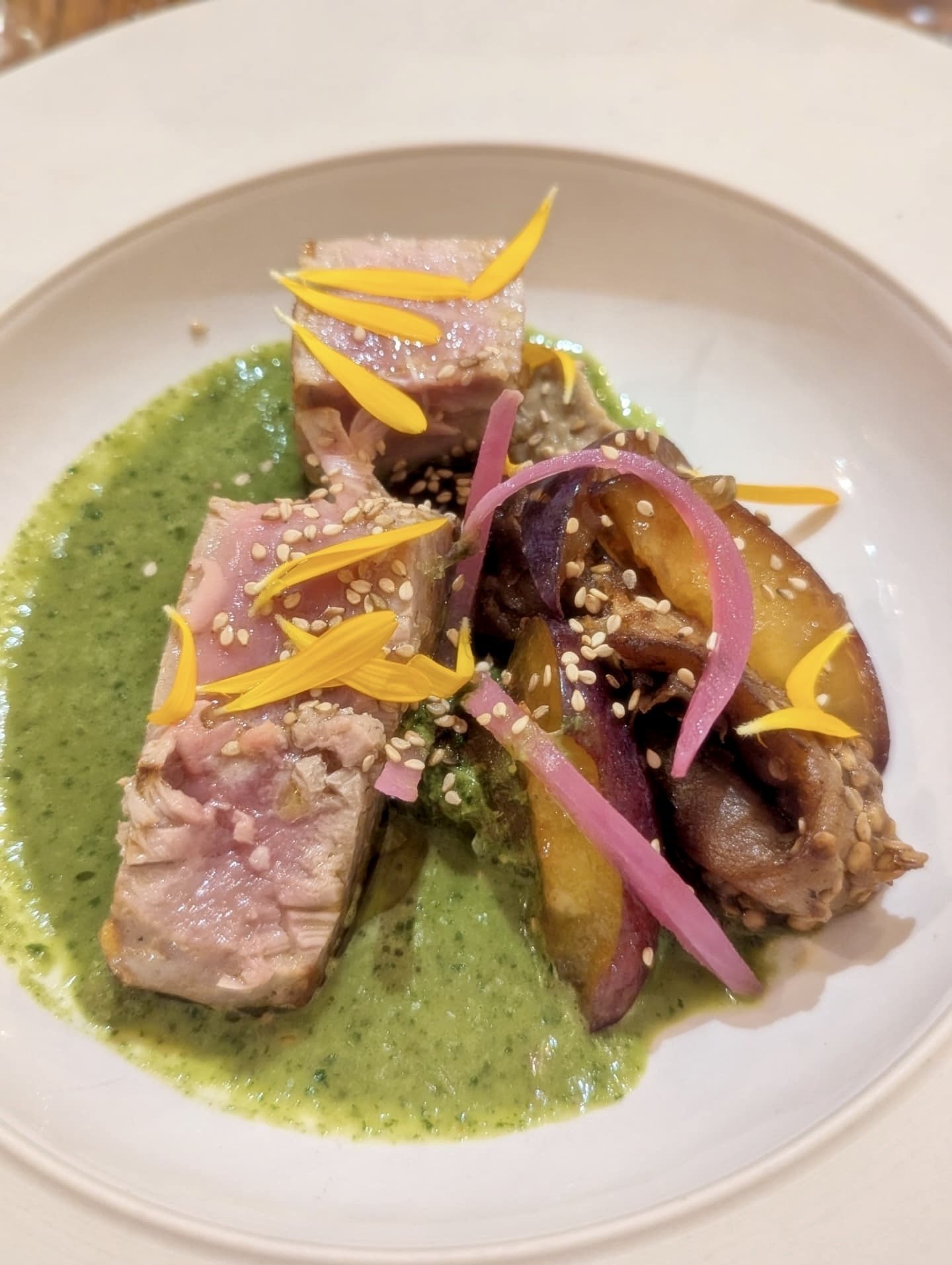
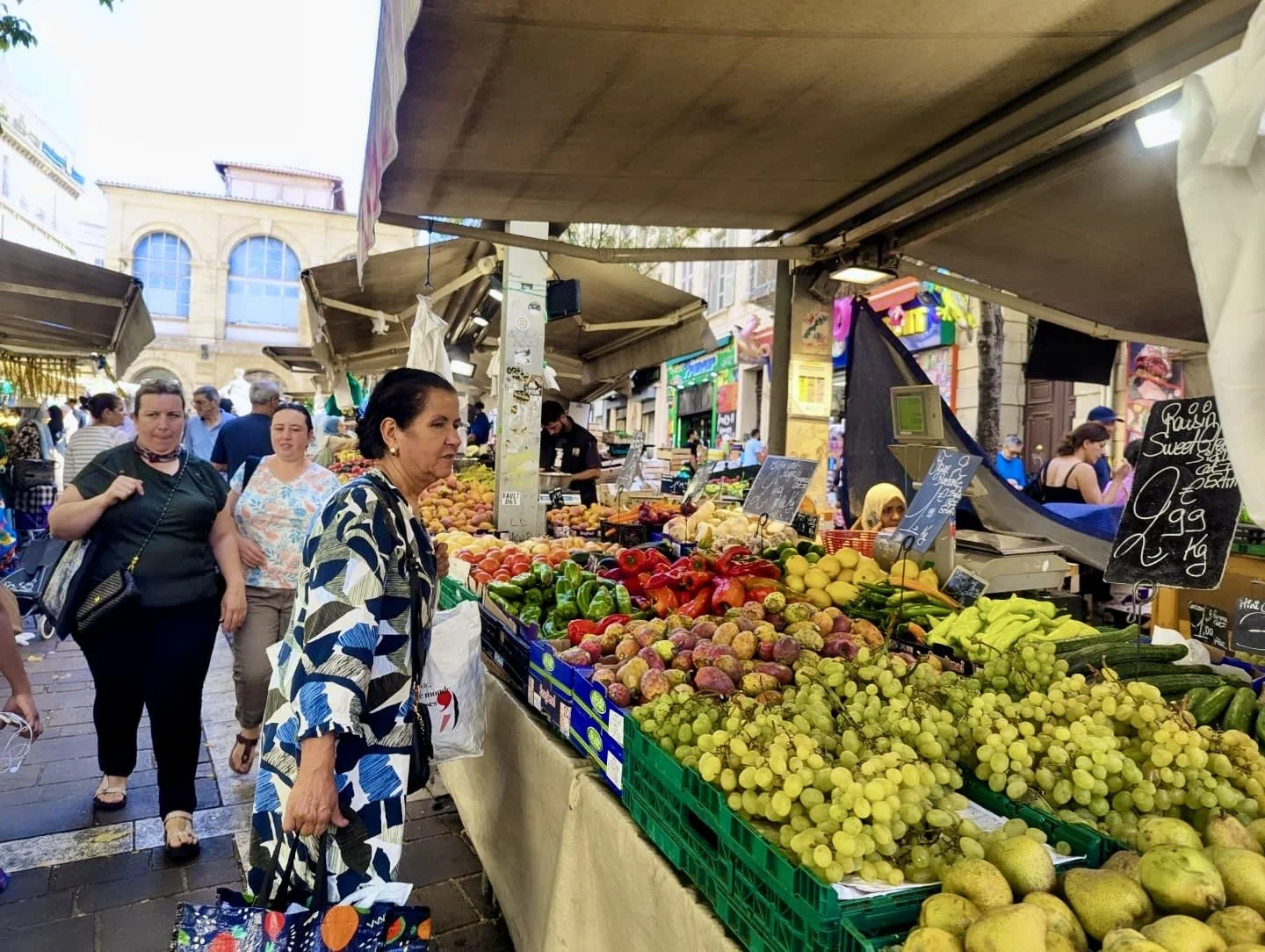
Marché de Noailles/Marché des Capucins, Pl. du Marché des Capucins, 1 ème
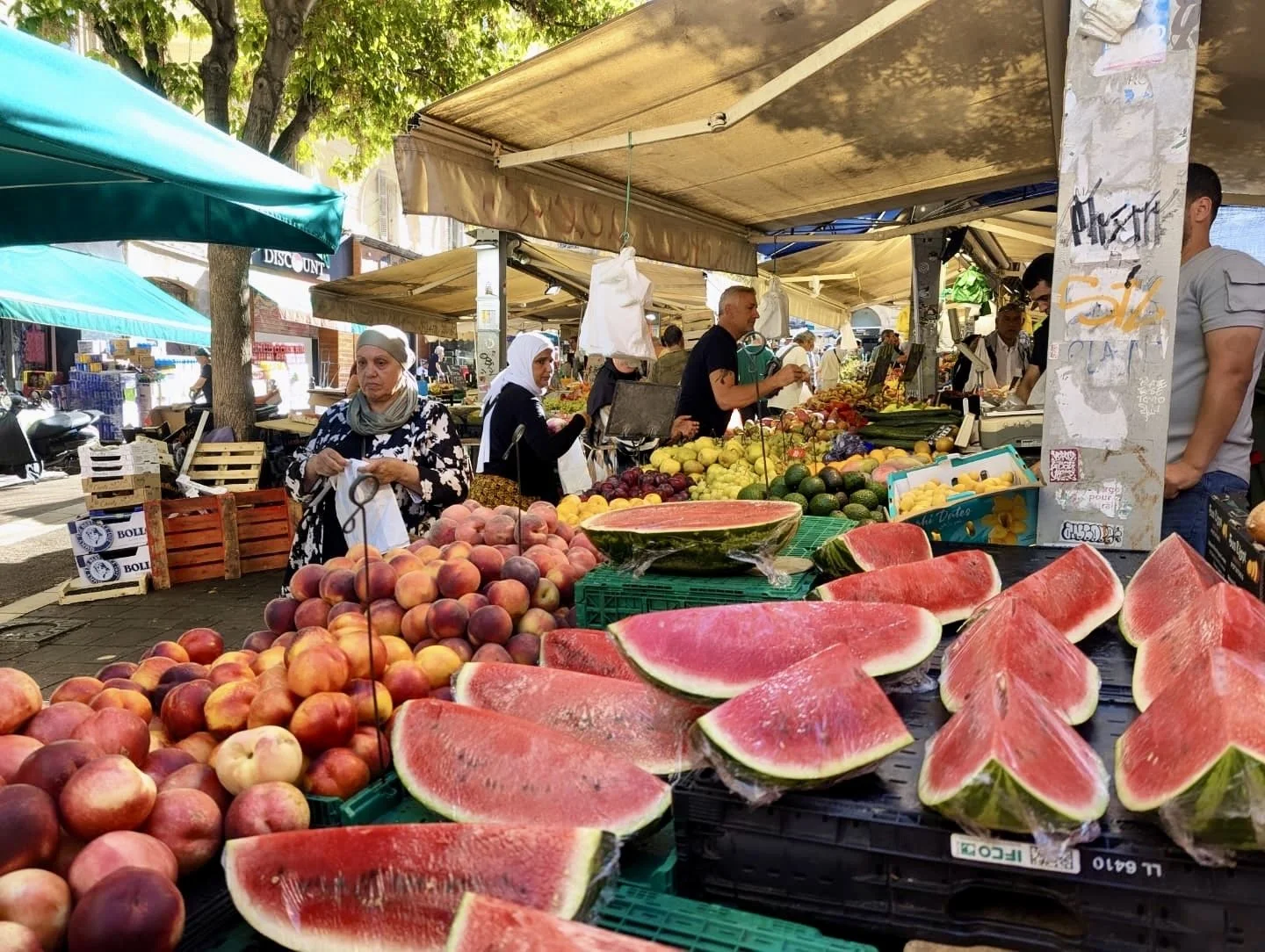
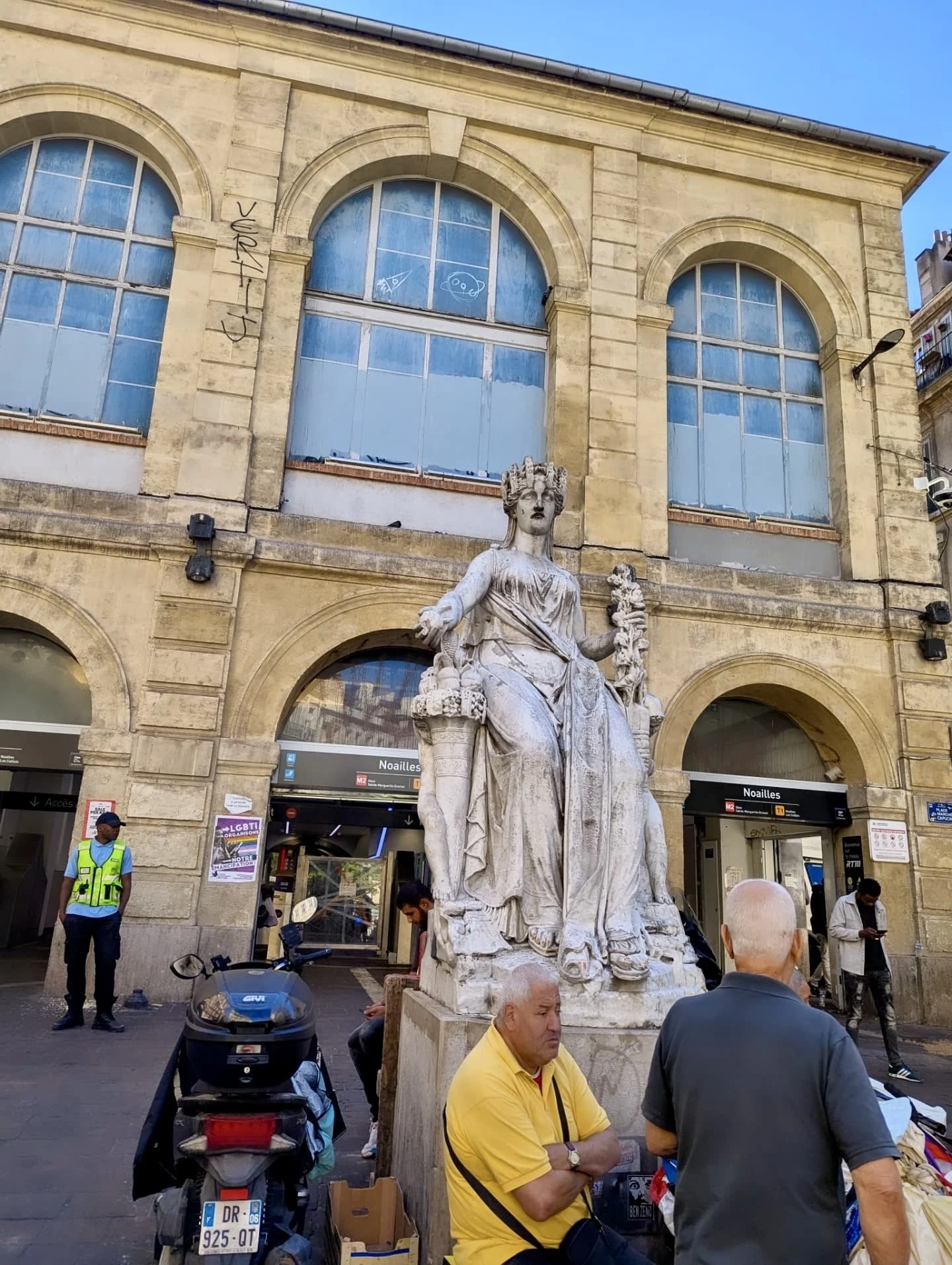
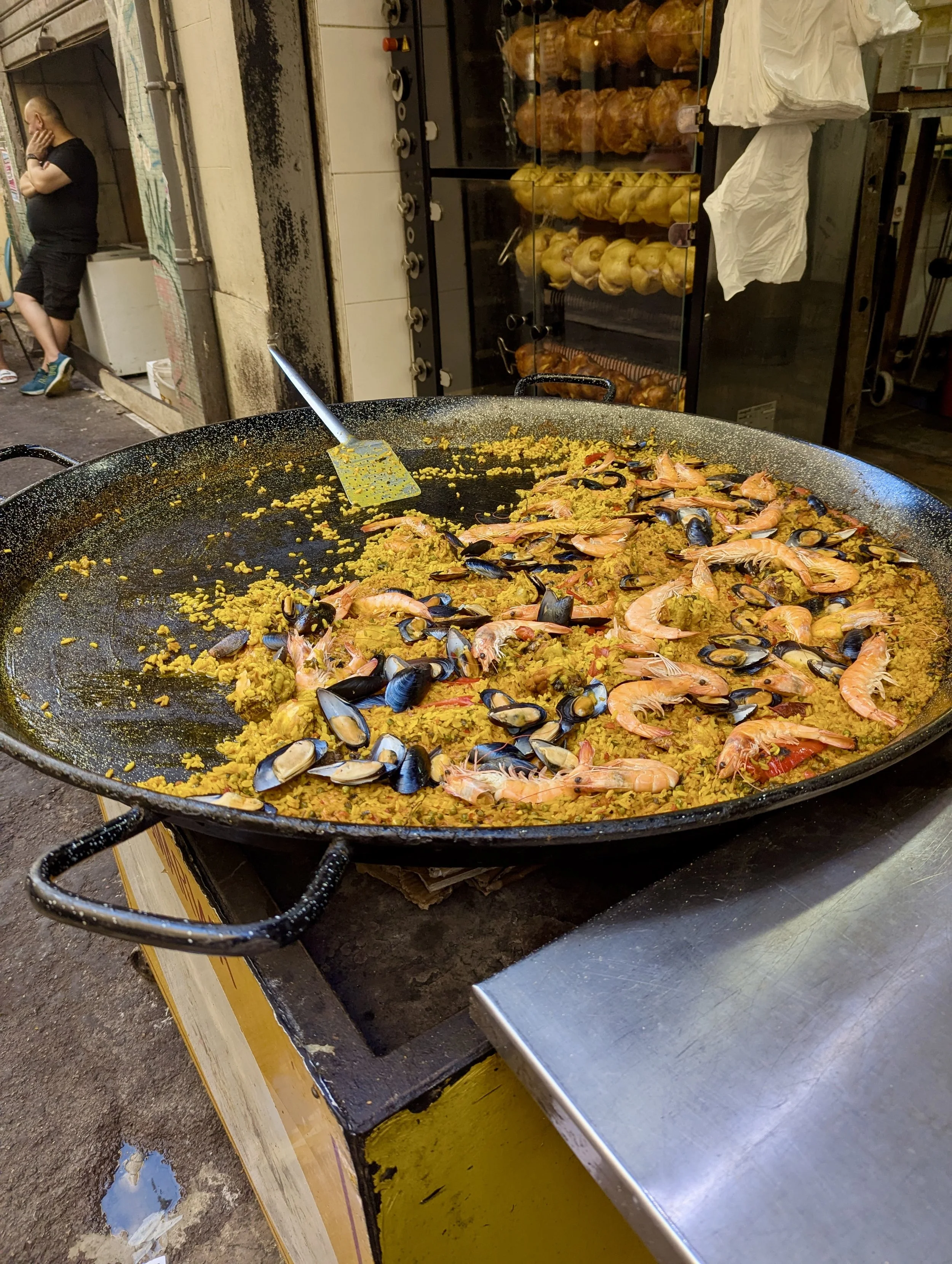
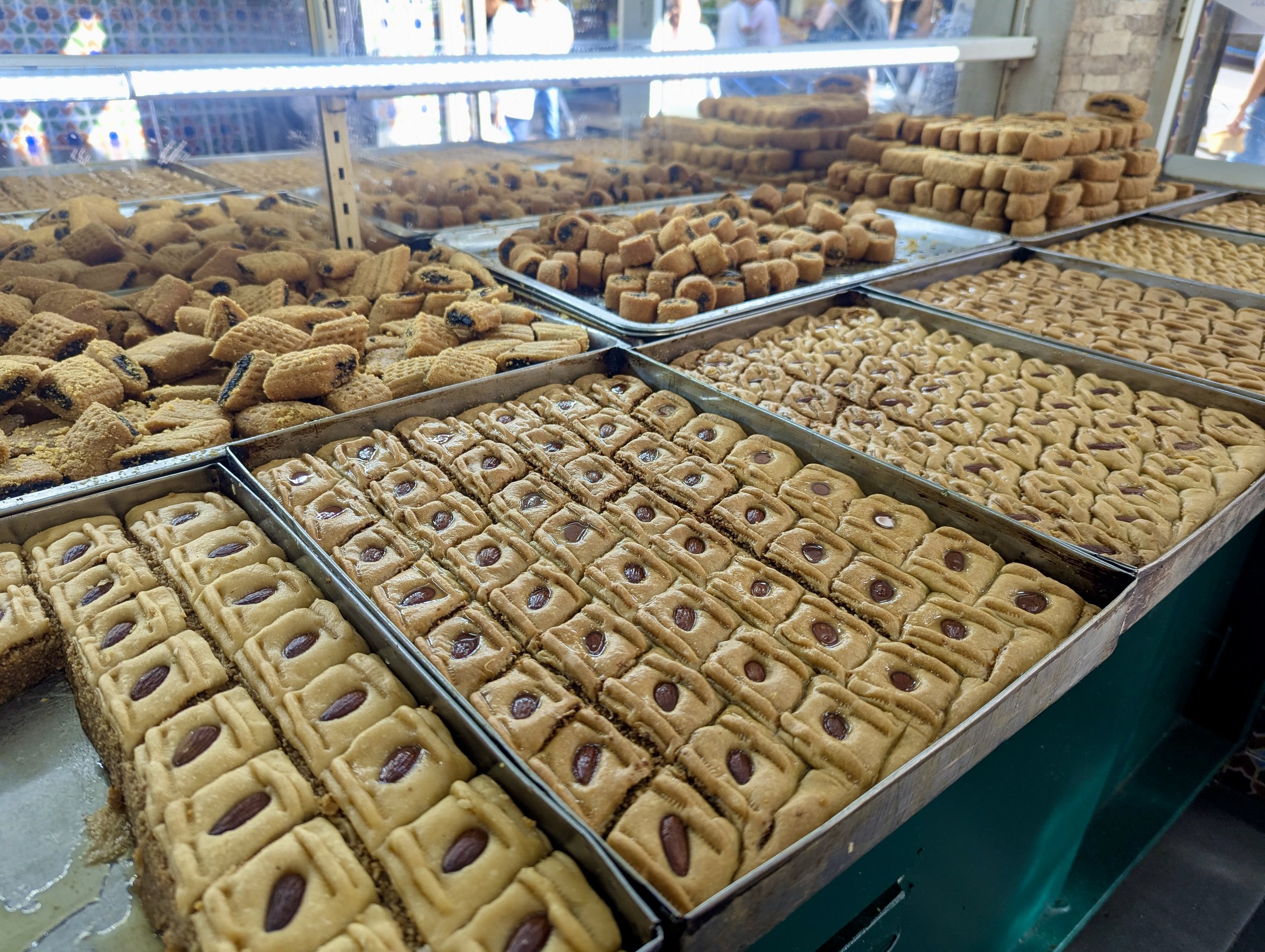
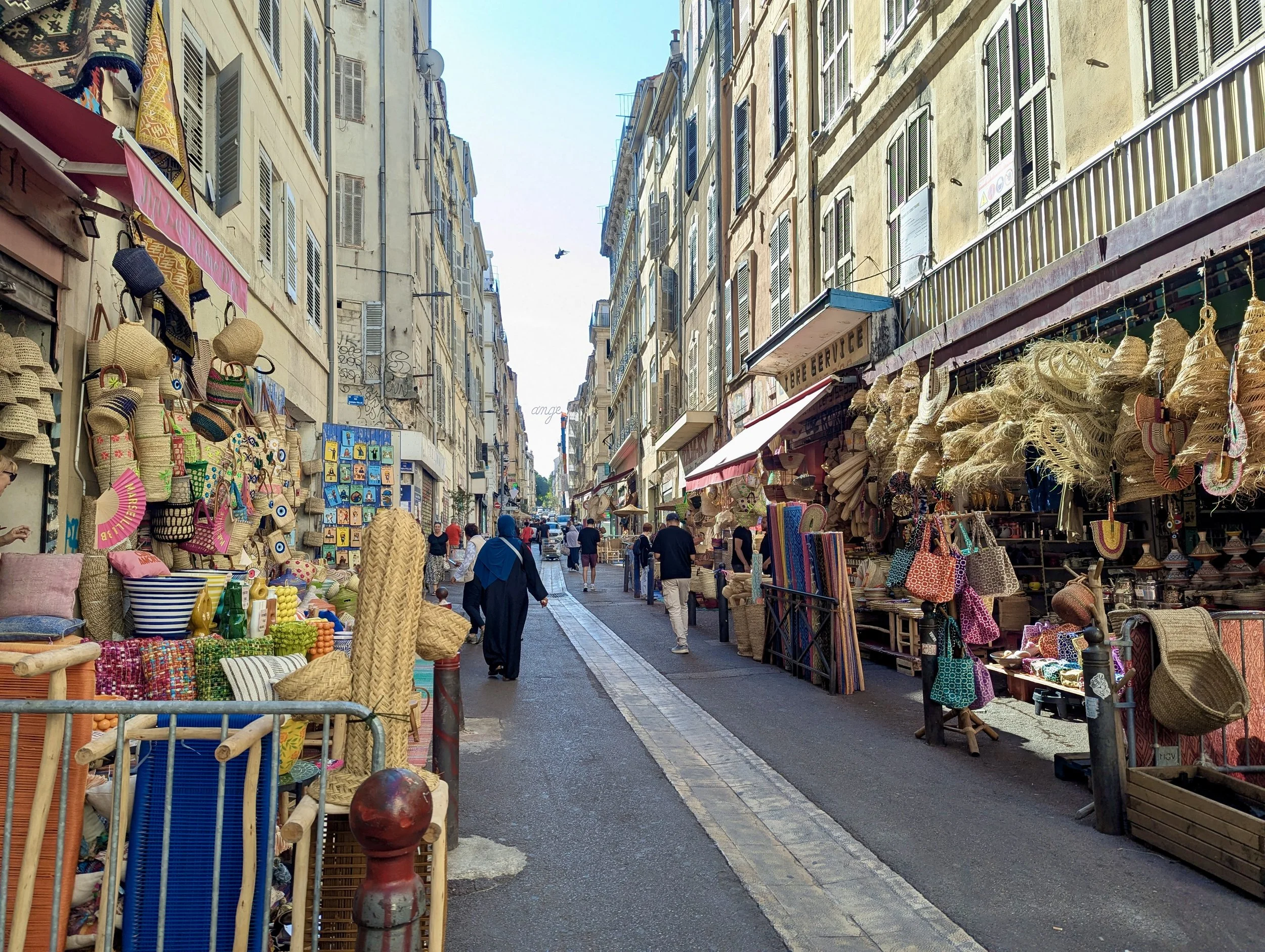
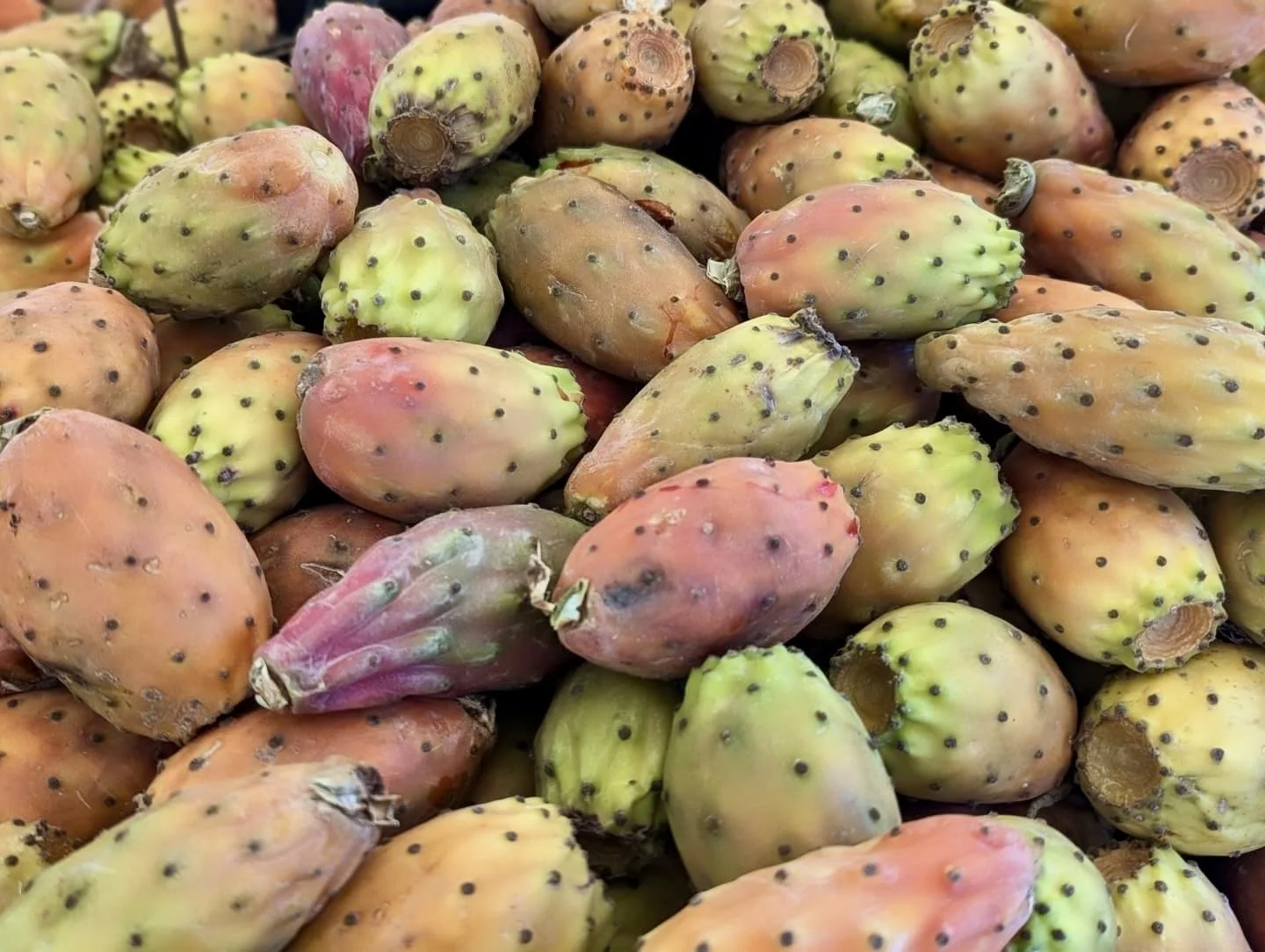
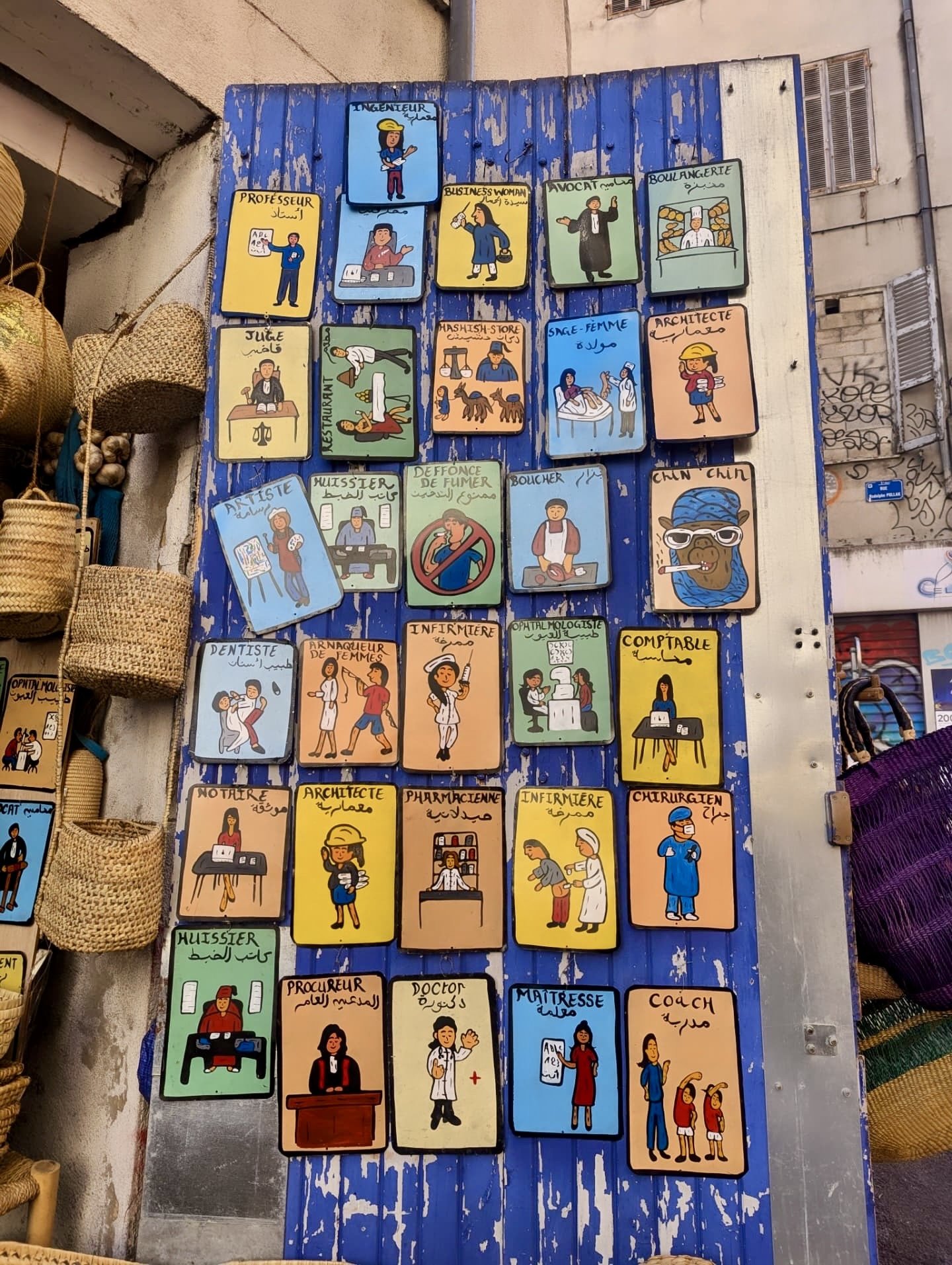
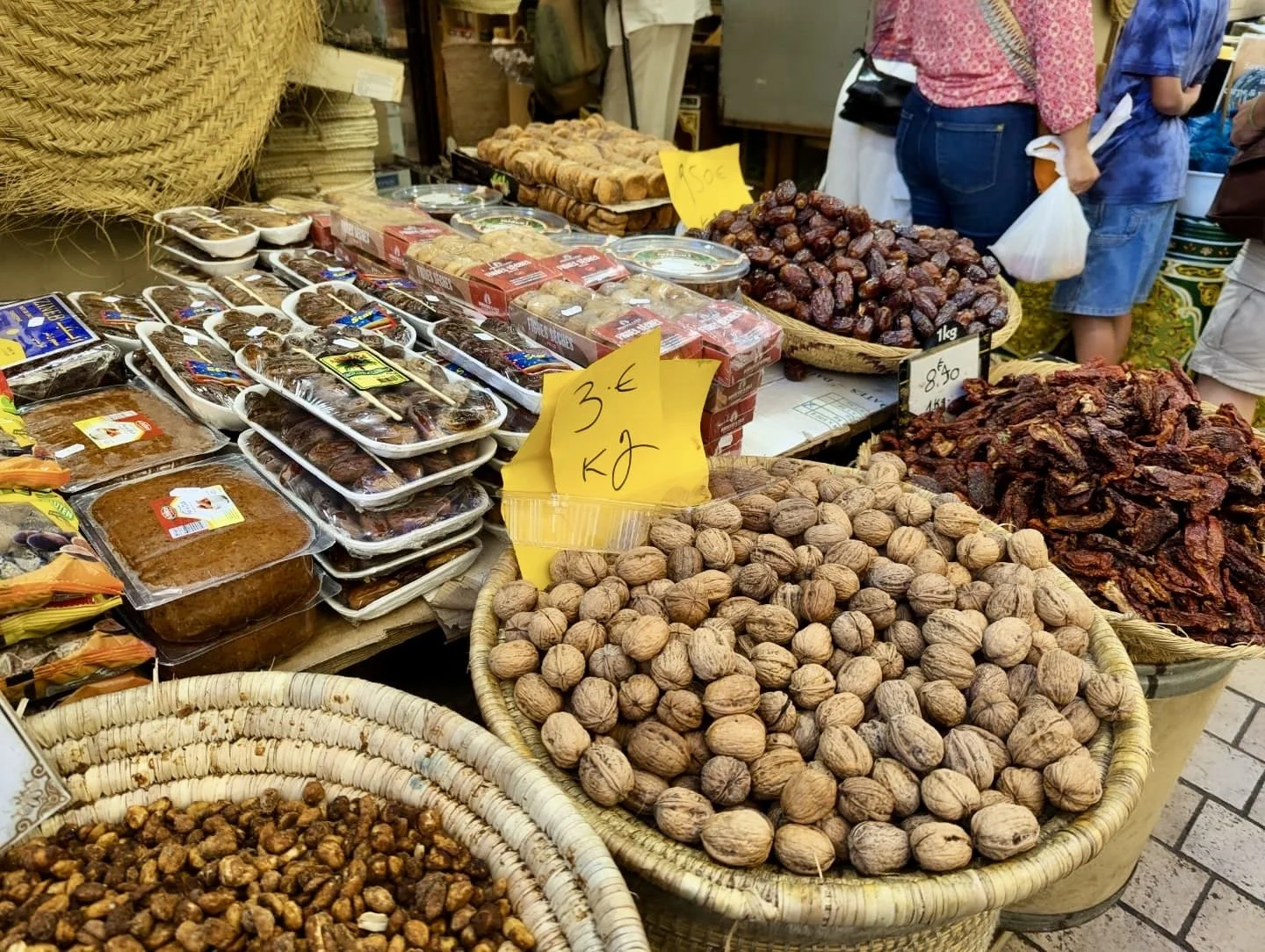
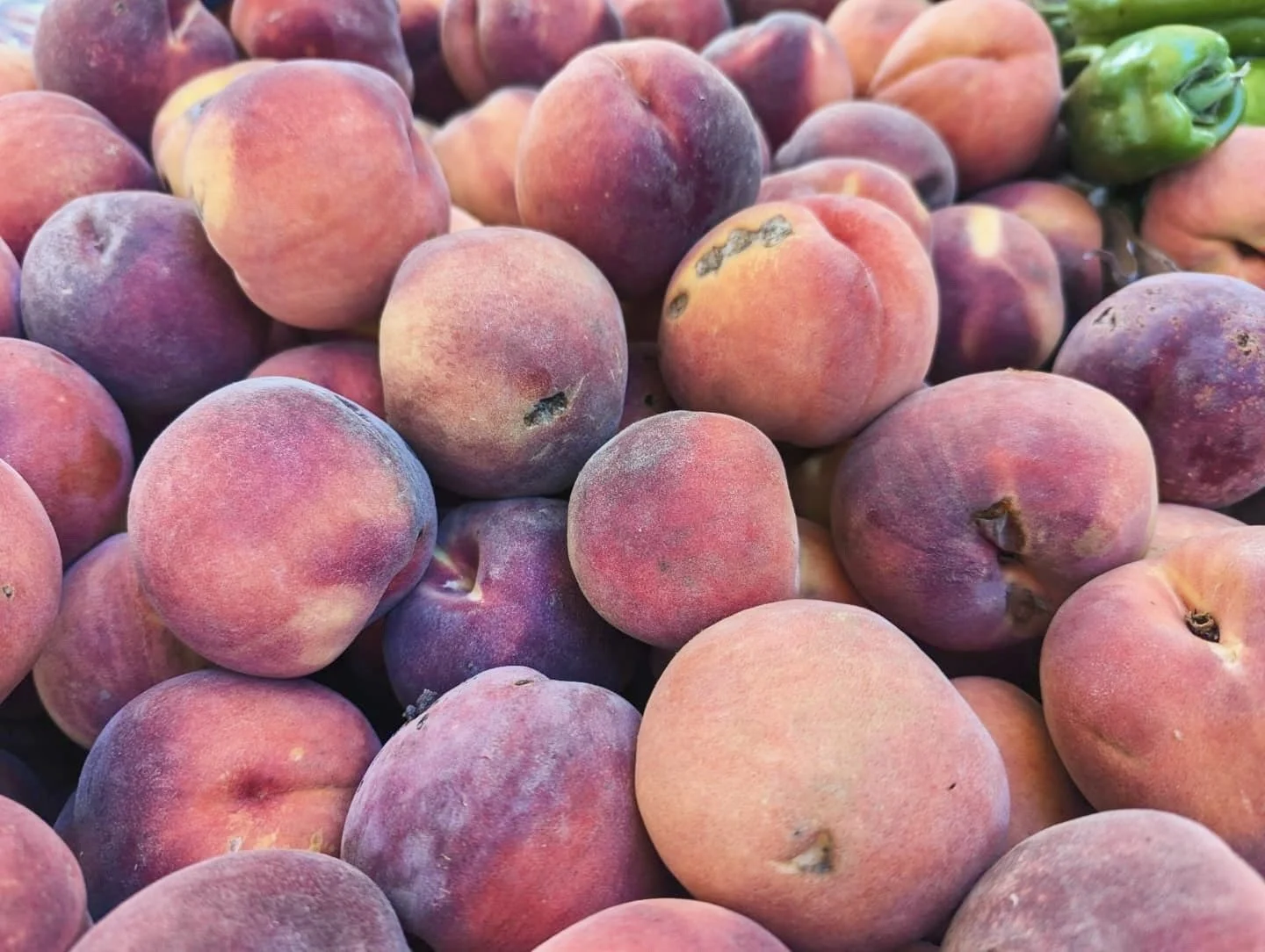
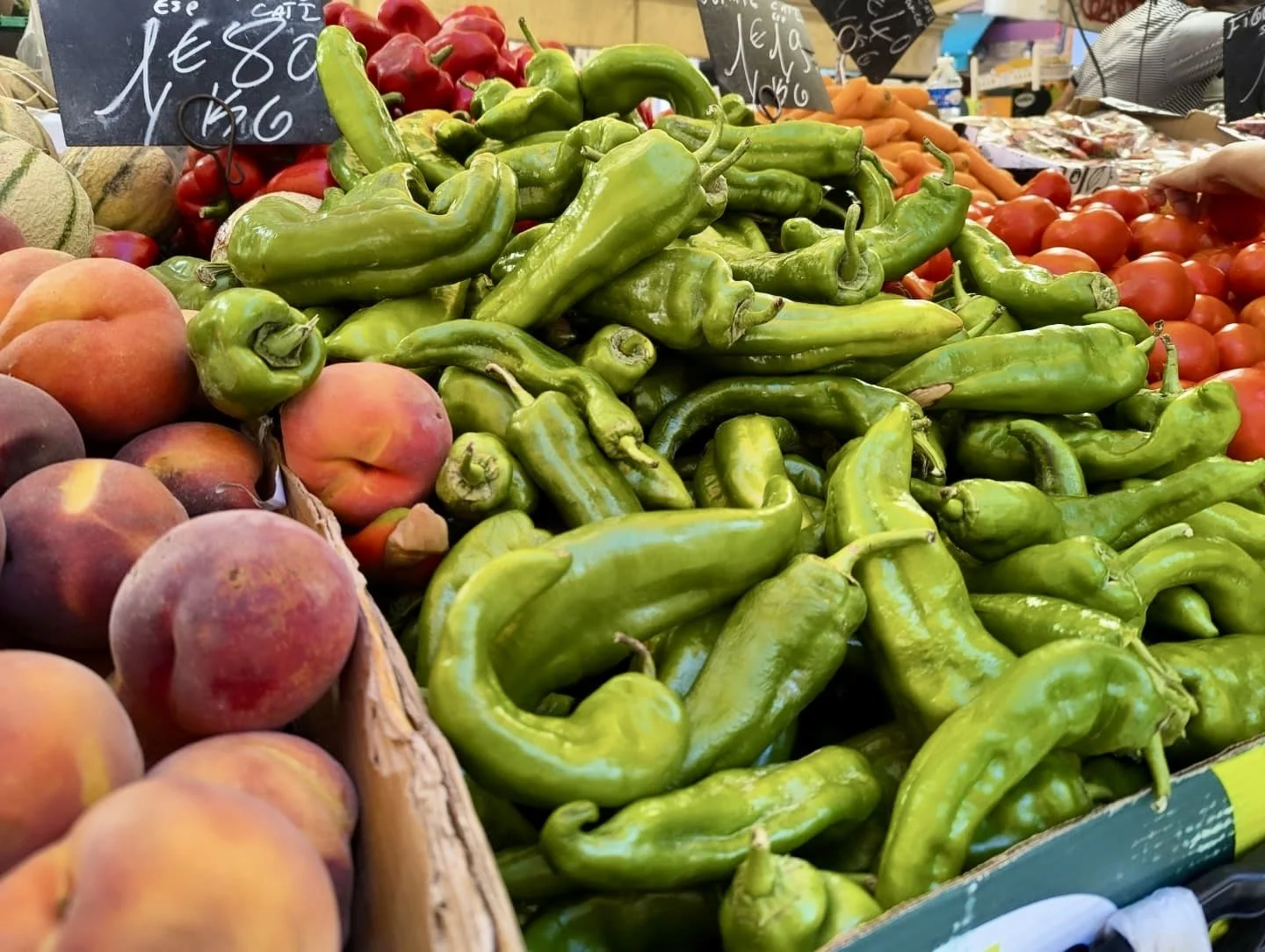
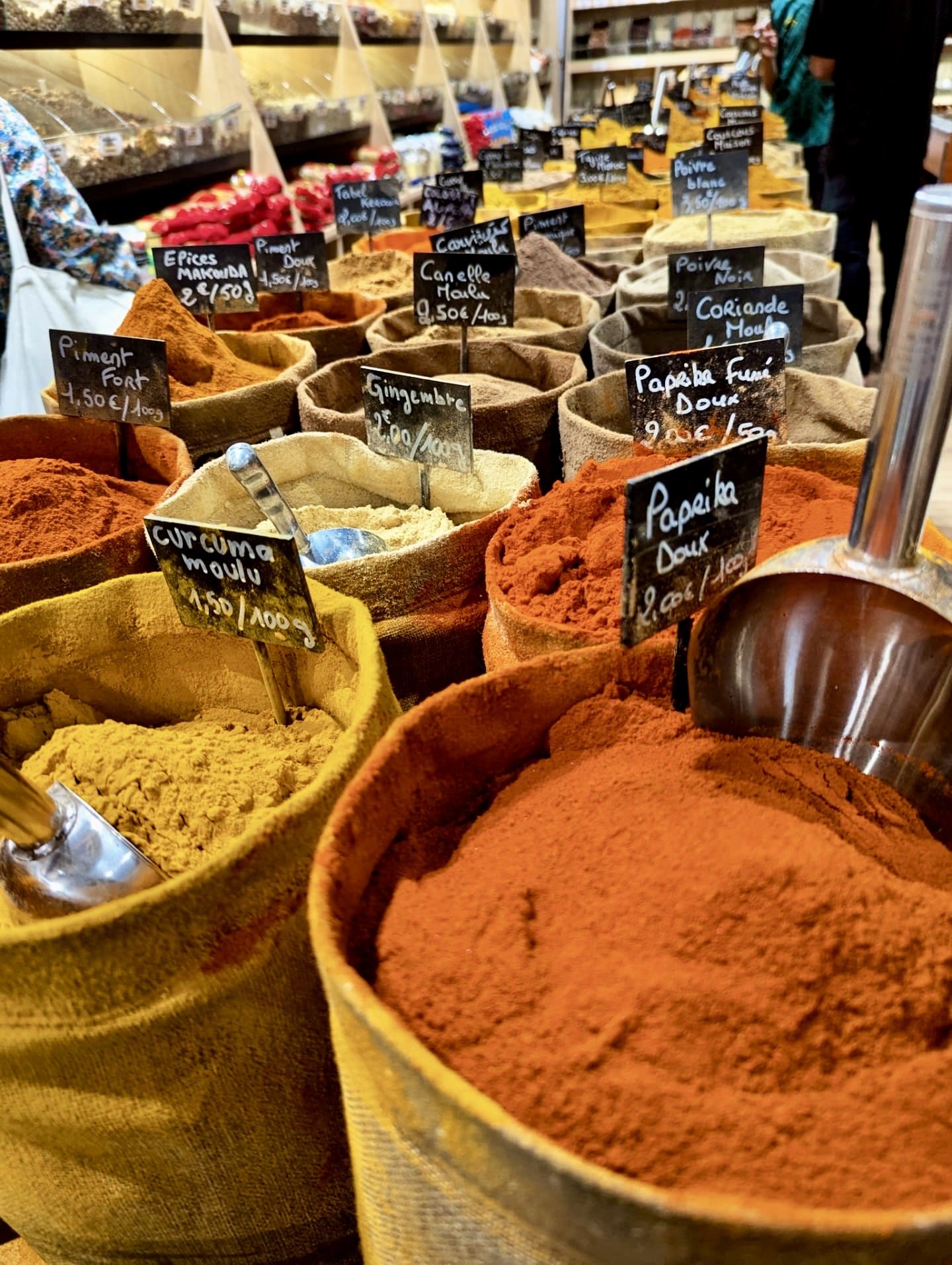
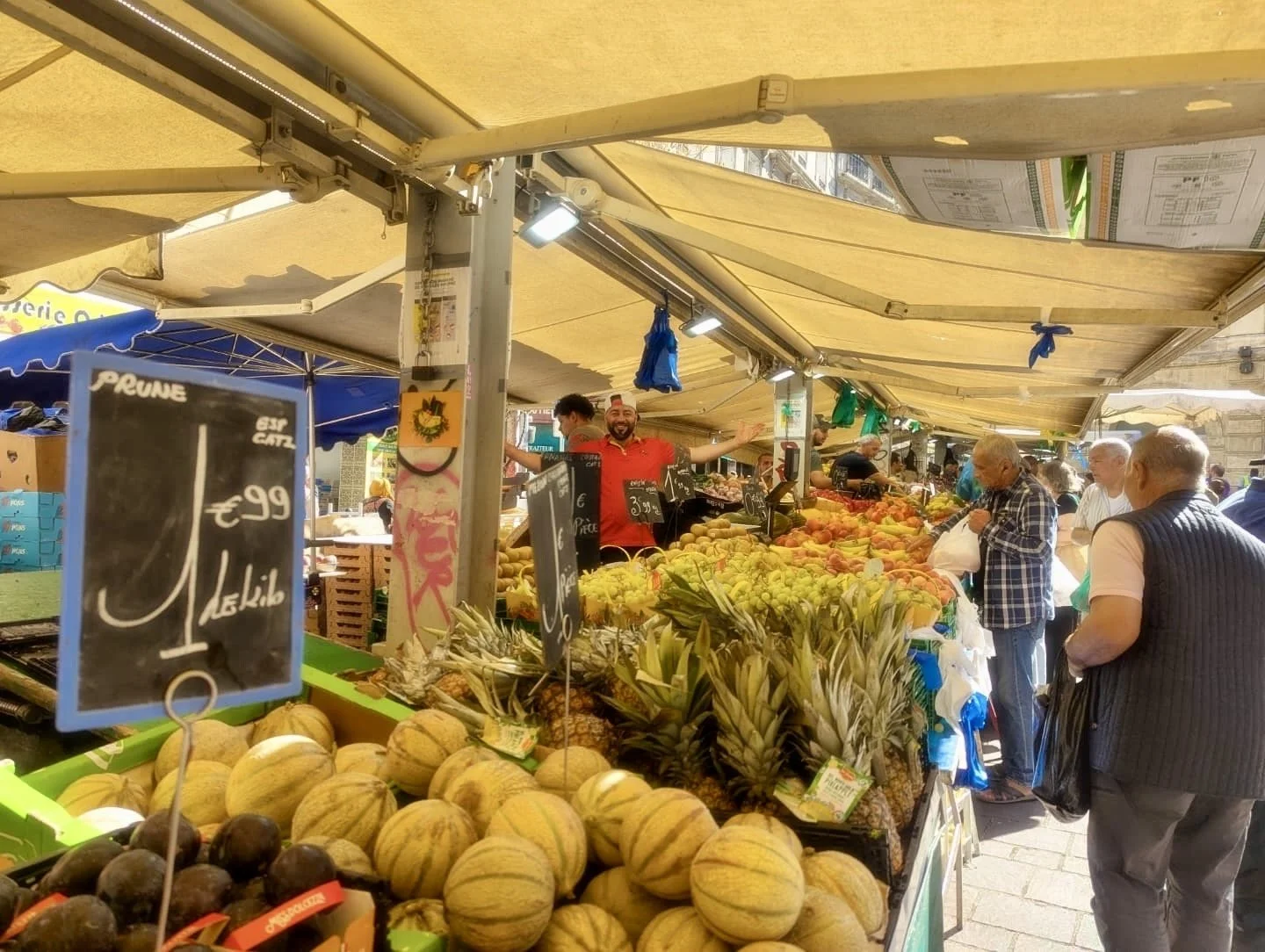
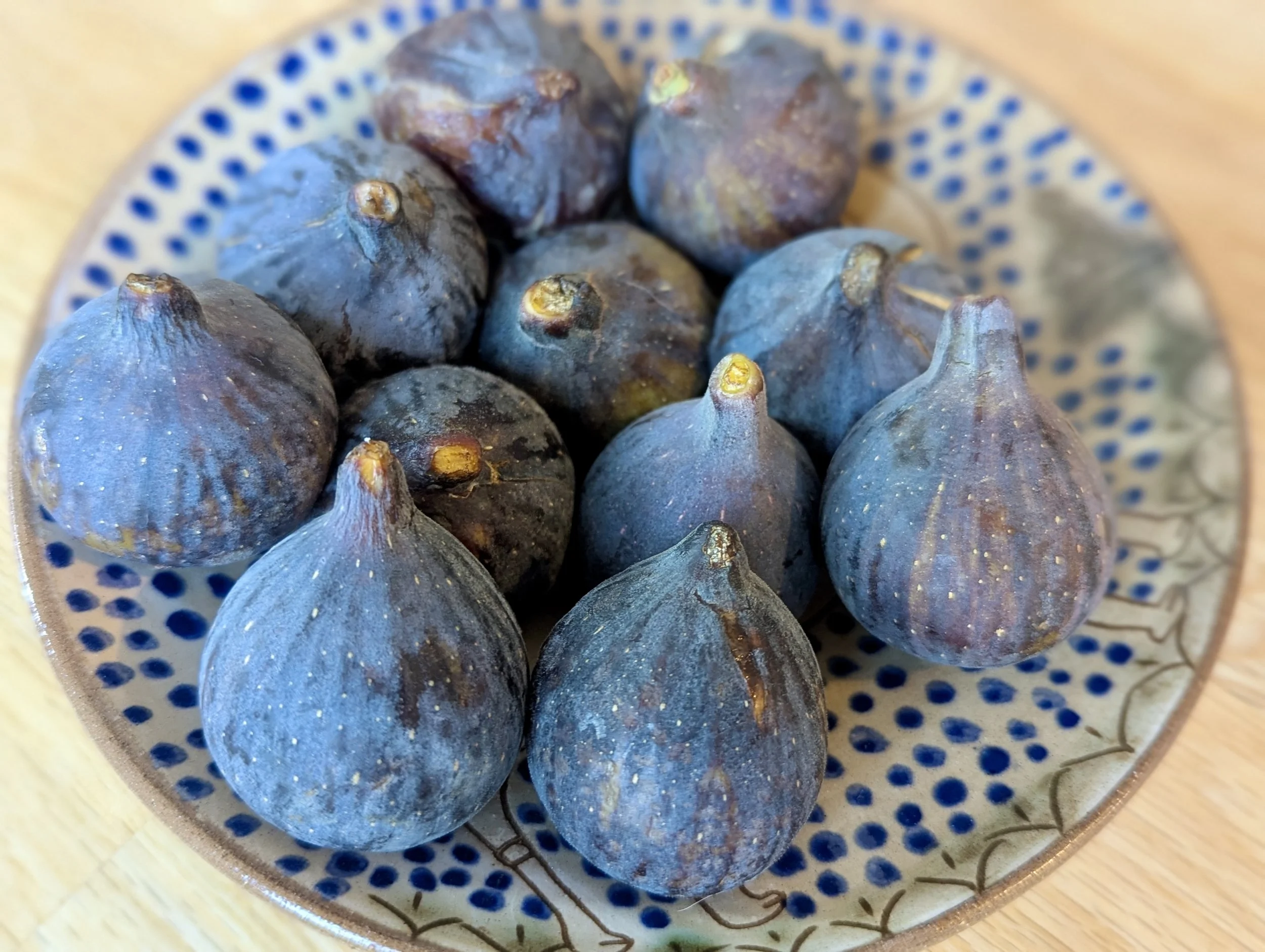
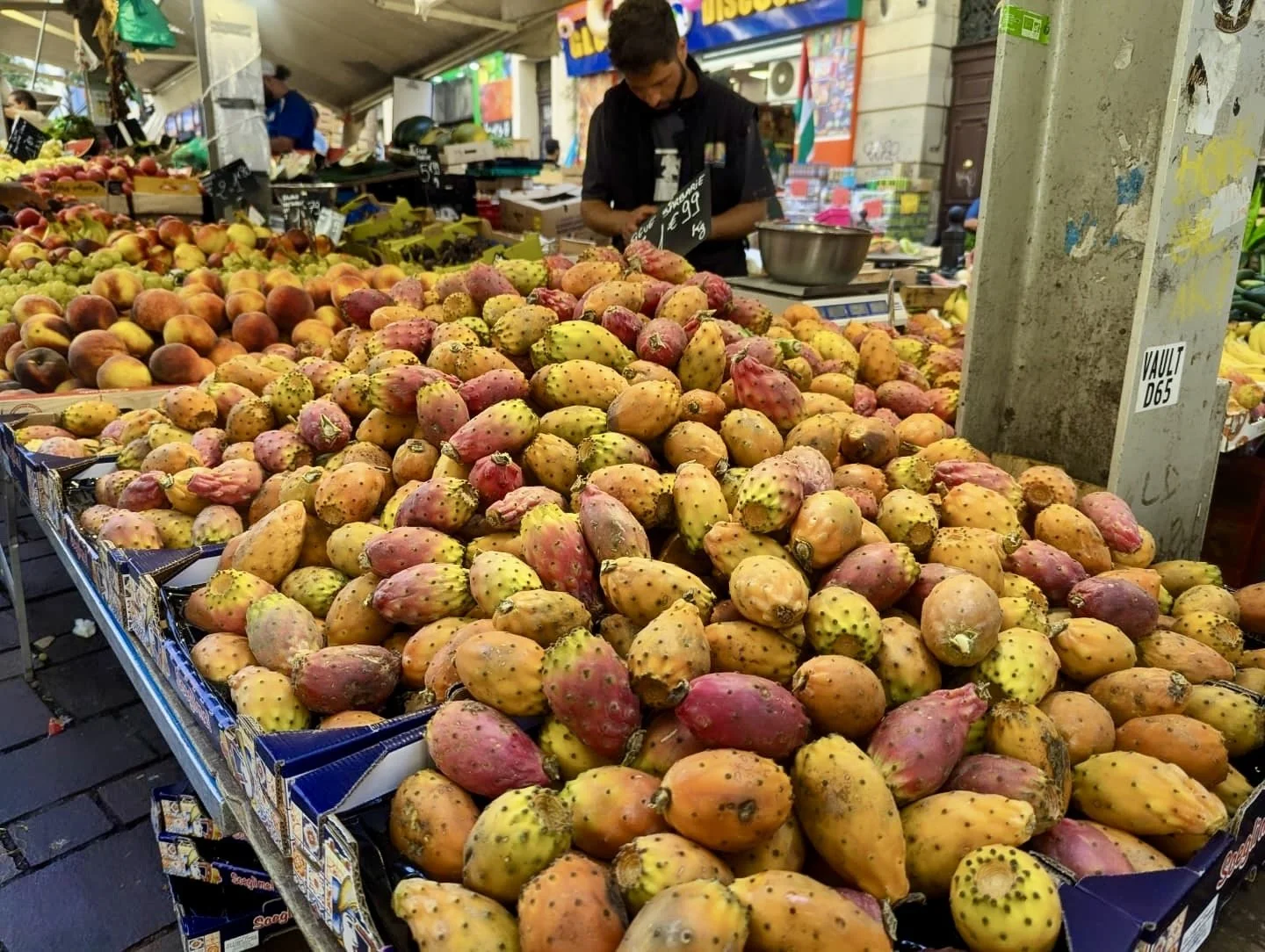
A trip to the local market is a necessity for me, and this was an especially good one. The least expensive market in town, originally founded in 1956, it’s a popular stop for locals and visitors alike. With it being an easy walk from our apartment and from Vieux Port we ended up visiting several times, either to shop for produce or to grab a quick snack at one of the nearby food stalls. The fruit and veg sellers have stands in the center of the square, and, like many long-standing open-air markets in France, the surrounding streets are full of other food shops - fromageries, boulangeries, boucheries (many halal, as the neighborhood has a large African/Middle Eastern population), and spice stores. The neighborhood is packed with great restaurants with cuisines from around the globe: Tunisian, Moroccan, Senegalese, Latin American, Thai, not to mention the usual pizza, burgers, kebabs, and cafes. Colorful, fun, and bustling, some streets feel like you’re stepping back in time, others feel like you’ve been transported to another country.
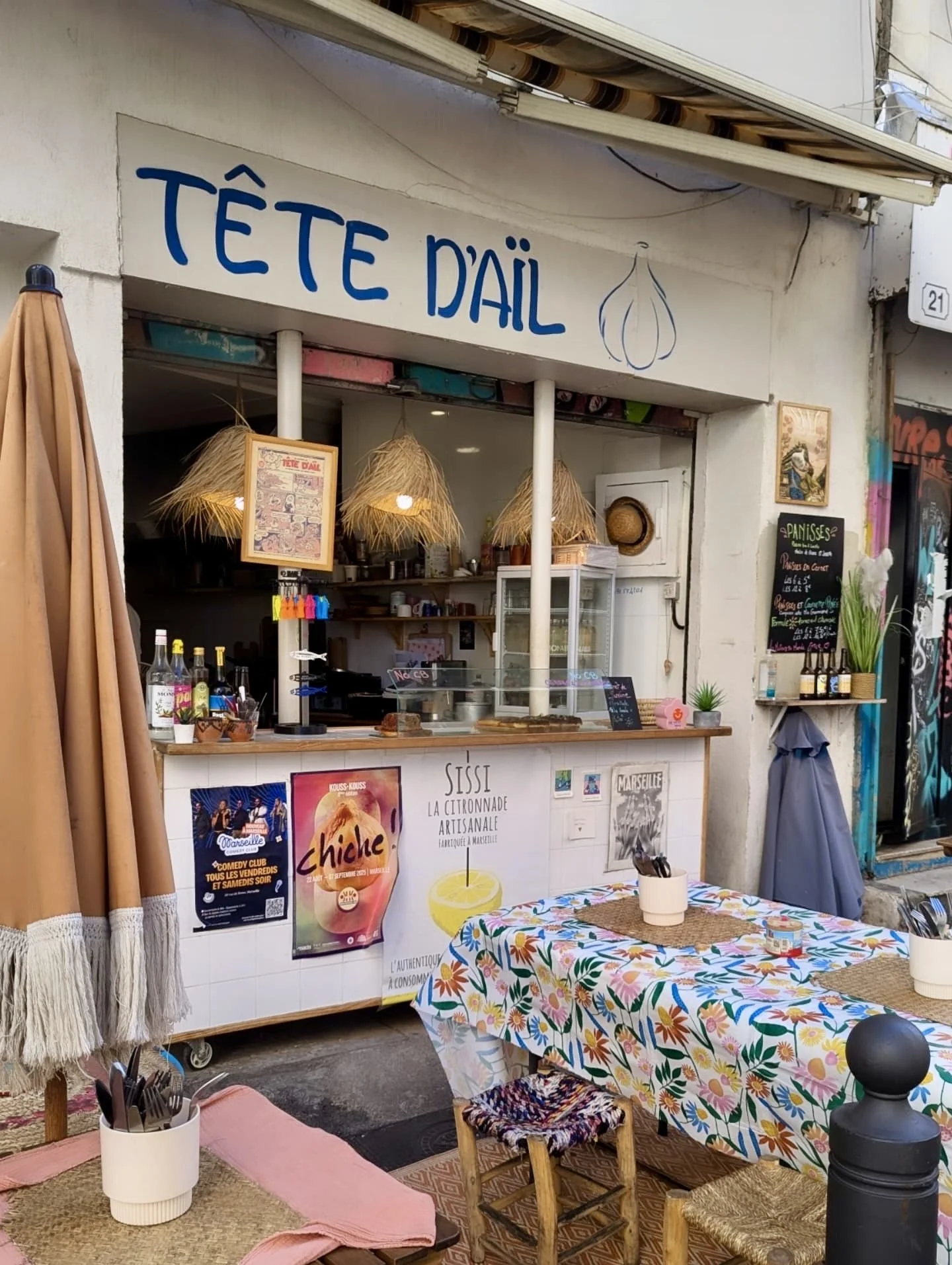
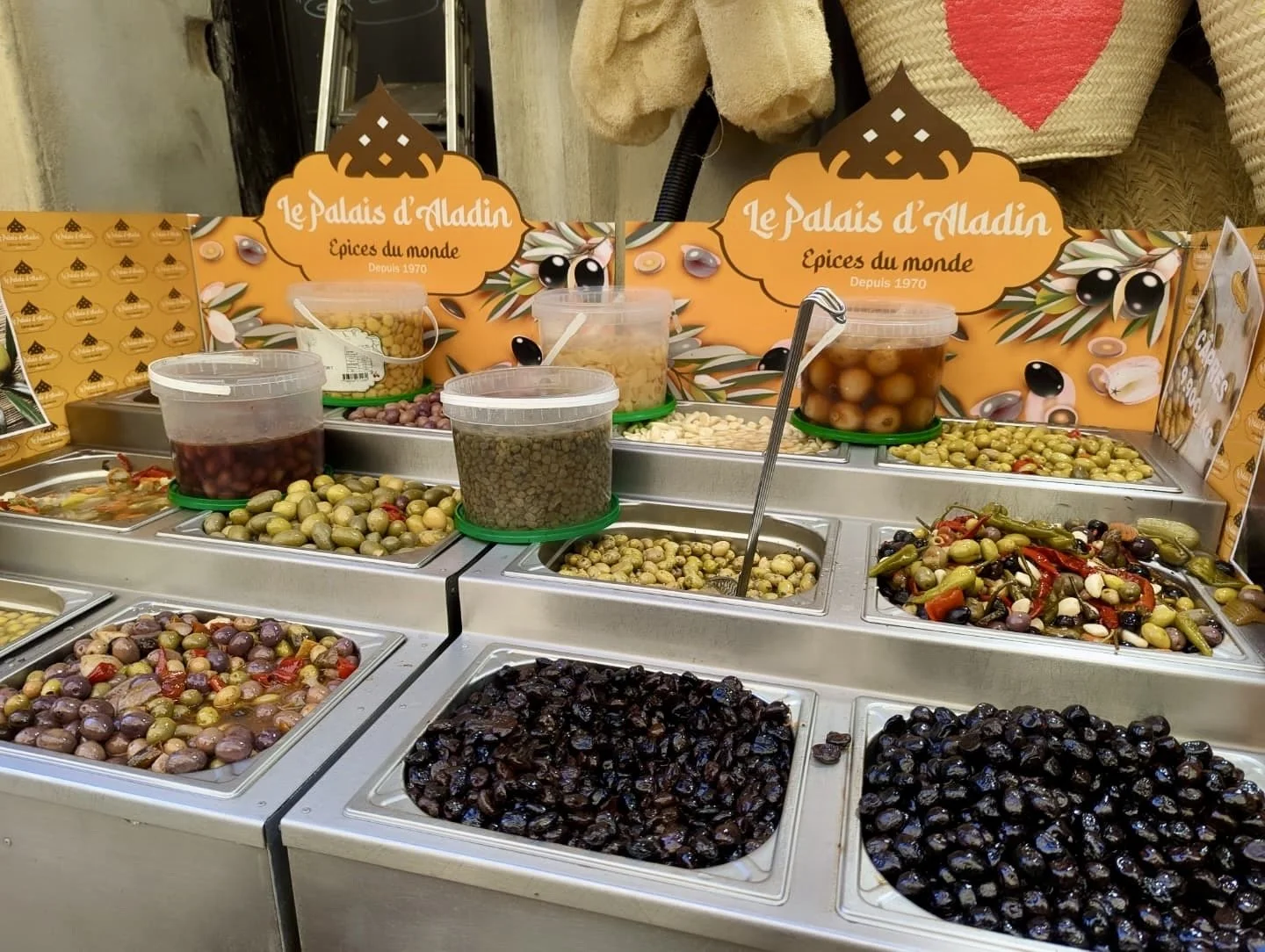
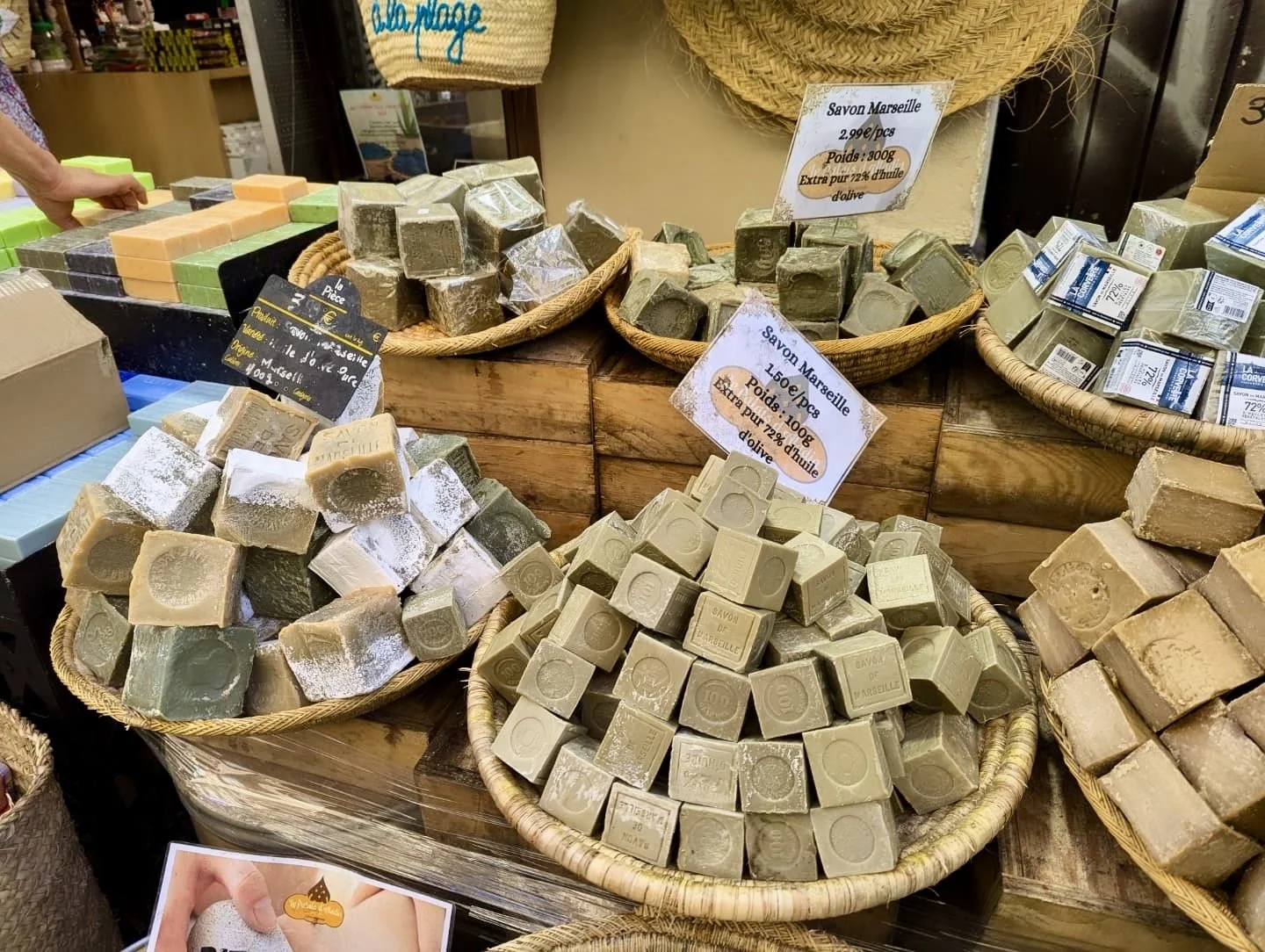
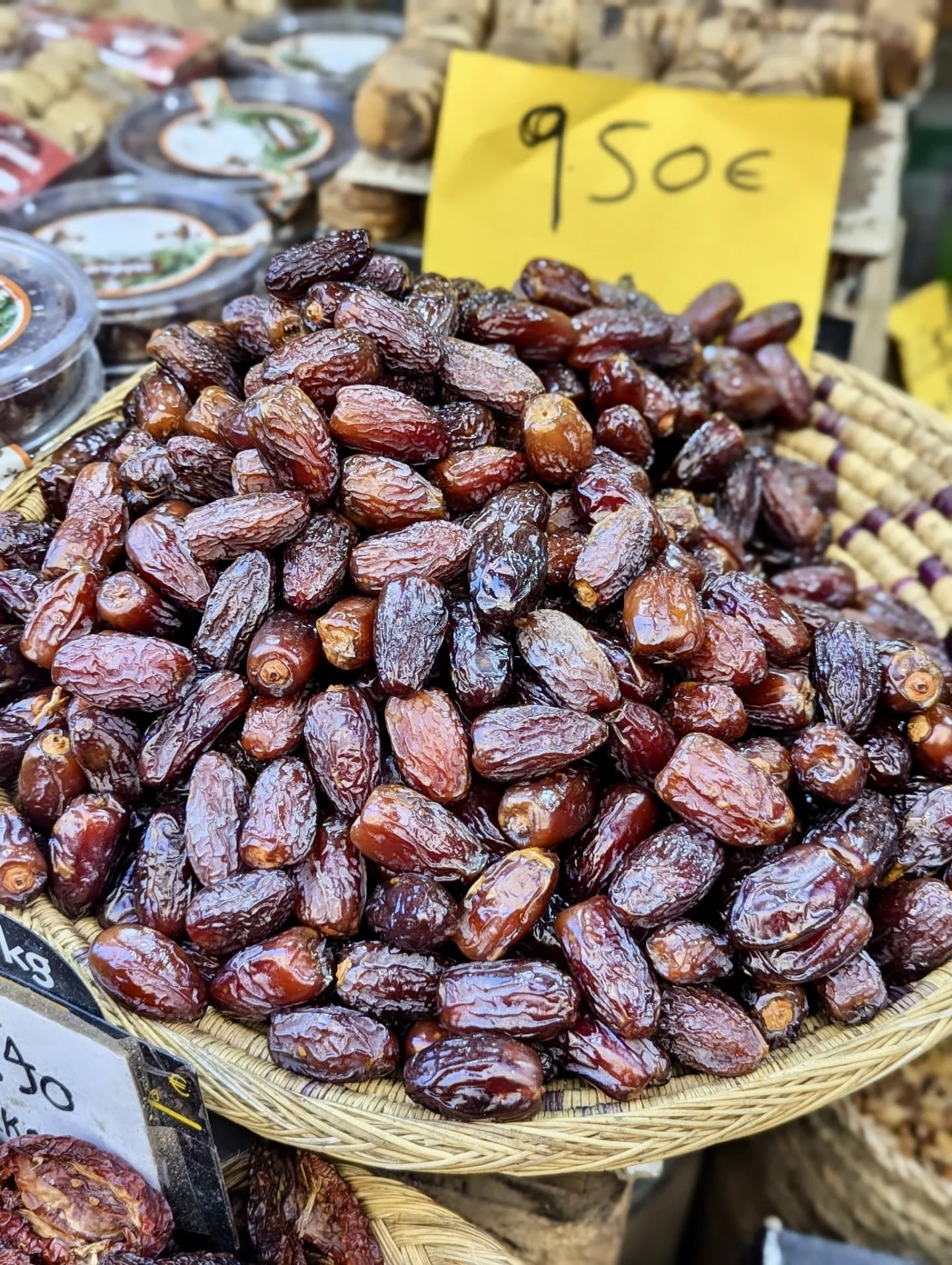
La Boulangerie Merlin (boulangerie) 94 Rue Saint-Savournin, 1 ème
Such a lovely neighborhood bakery with a friendly staff that was less than a block from our apartment; great baguette, and they have roulés à la cannelle (cinnamon rolls, done Scandi-style) which are almost impossible to find in France.
Mijoba (seasonal) 79 Bd Vauban , 6 ème
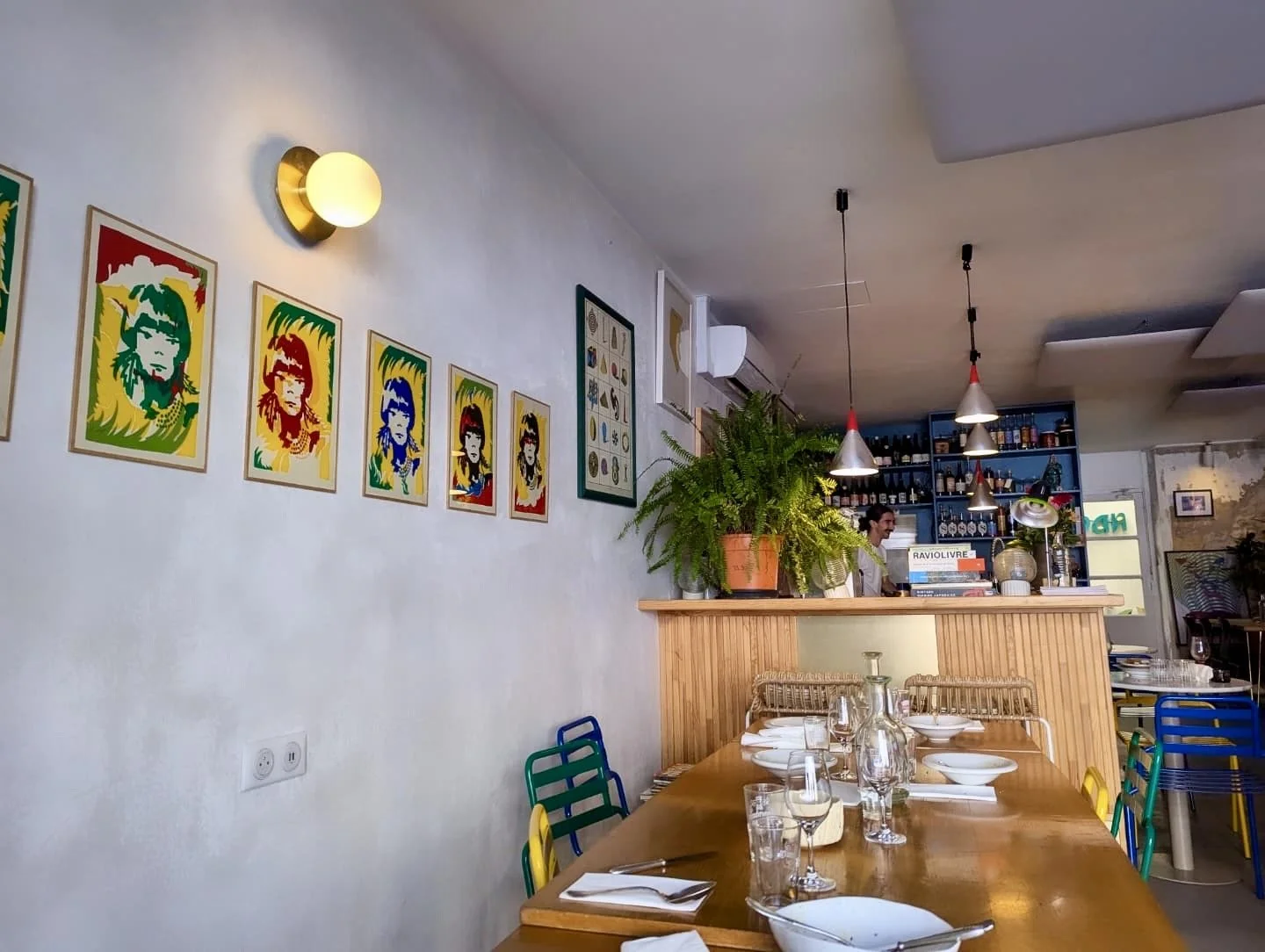
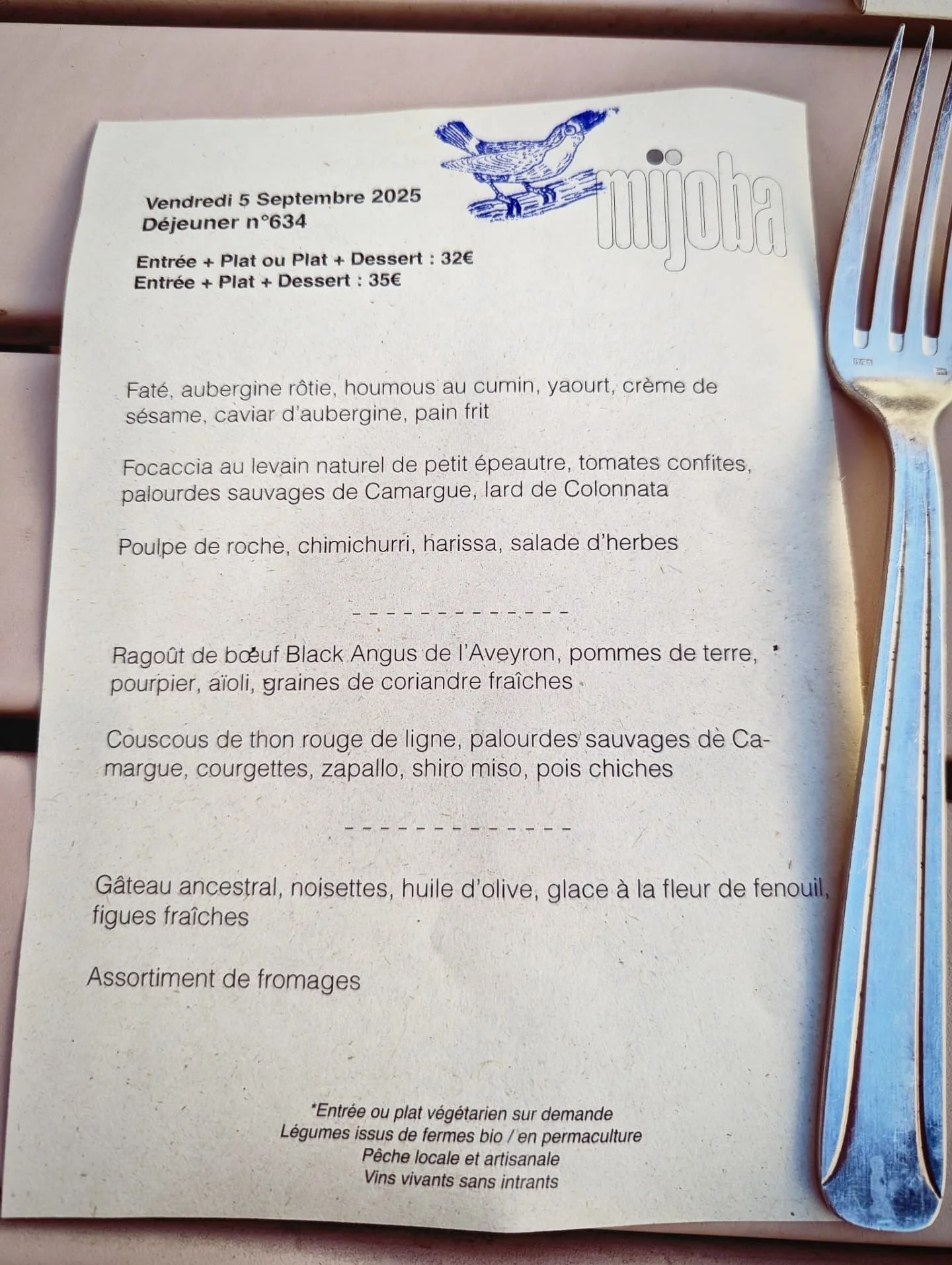
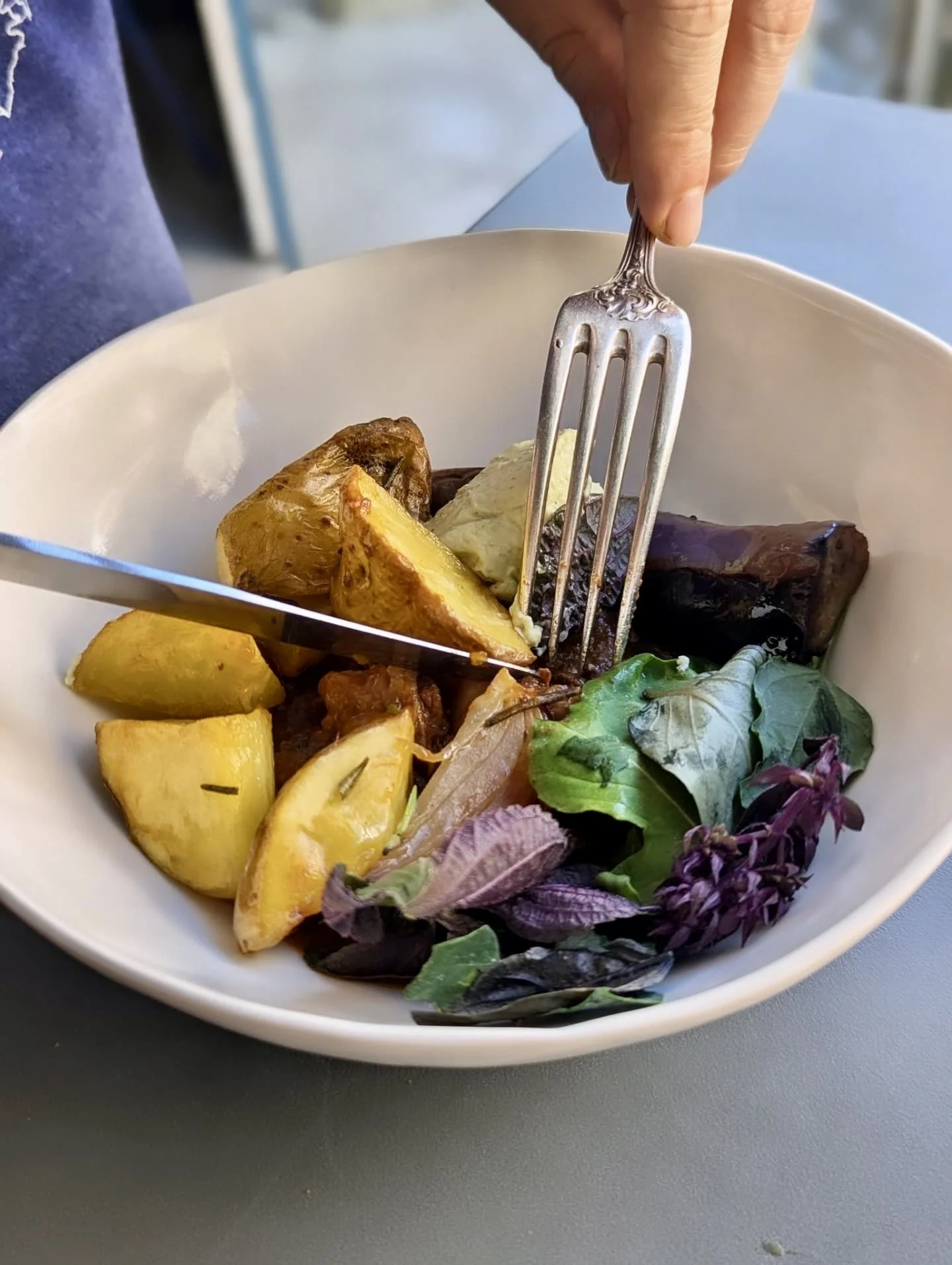
Located in the Vauban neighborhood, this gem is well worth the climb up the very steep hill (or just take the bus). Chef David Mijoba is originally from Venezuela, and that influences his cooking, but overall it’s just really fresh and inventive. We had a lunch reservation and the dining room was presided over by an absolute wizard of a server who looked after the entire restaurant on his own, keeping everyone happy and charmed. Service was leisurely but not too slow, giving us time to linger over each delicious dish.
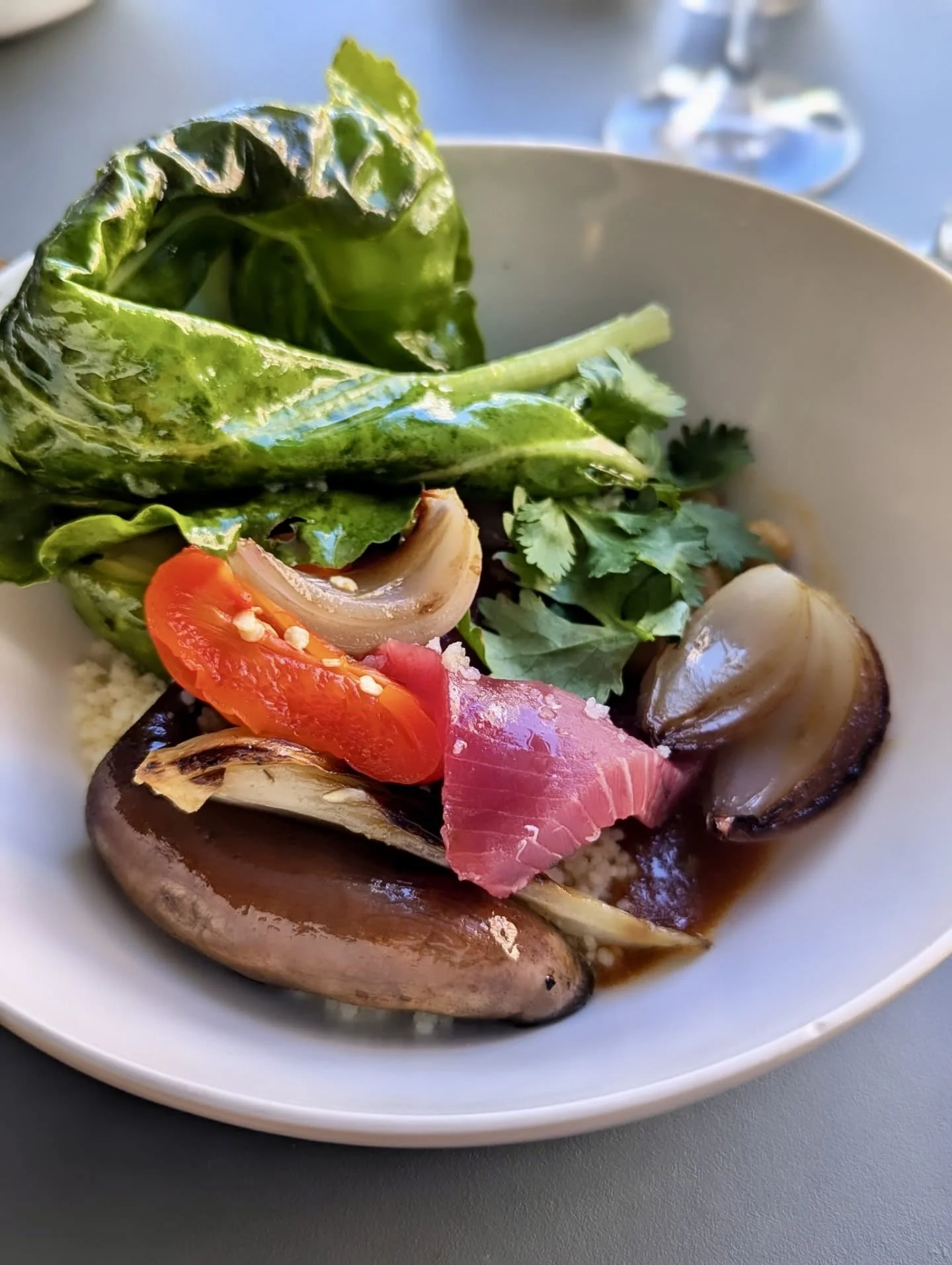
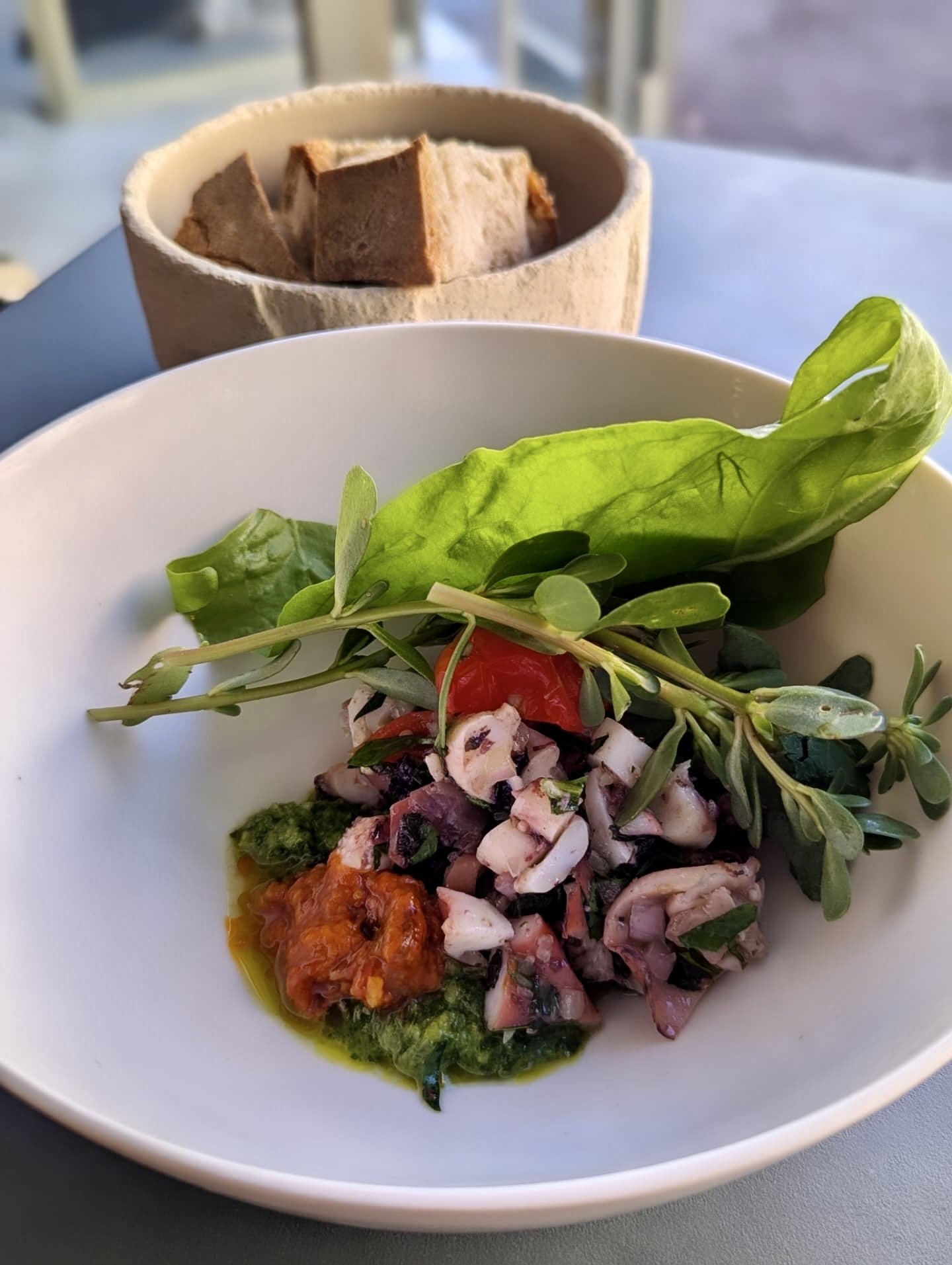
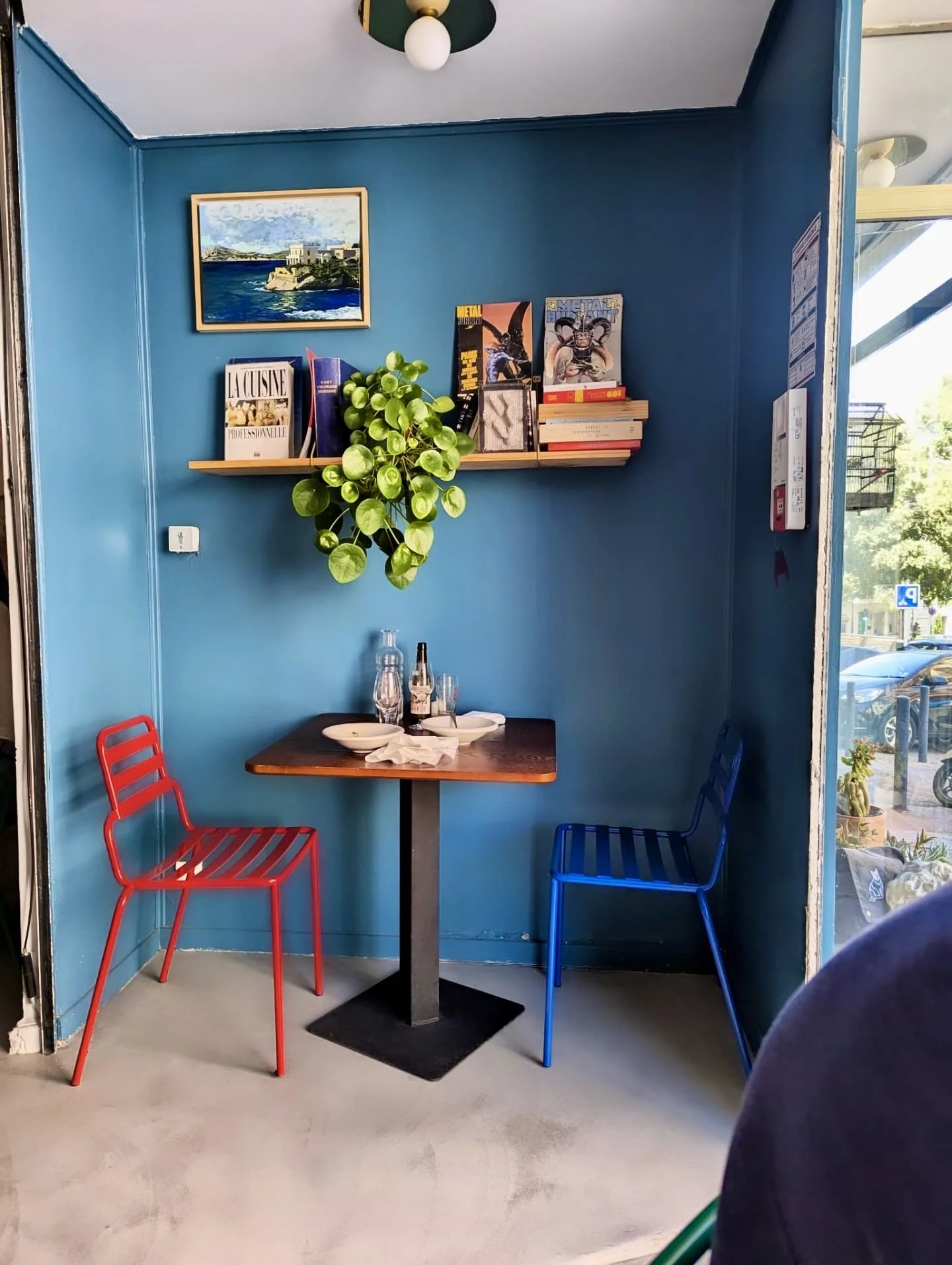
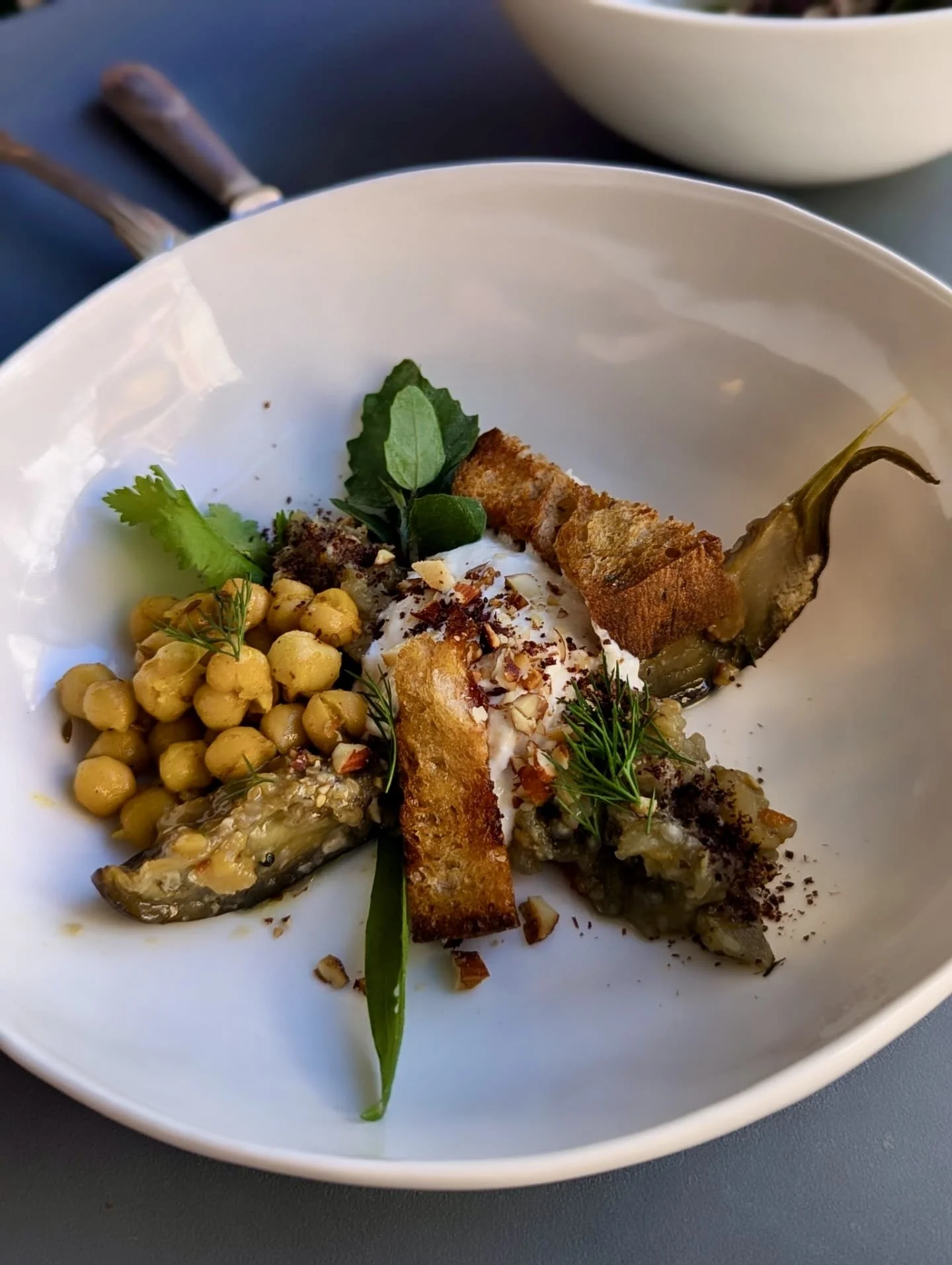
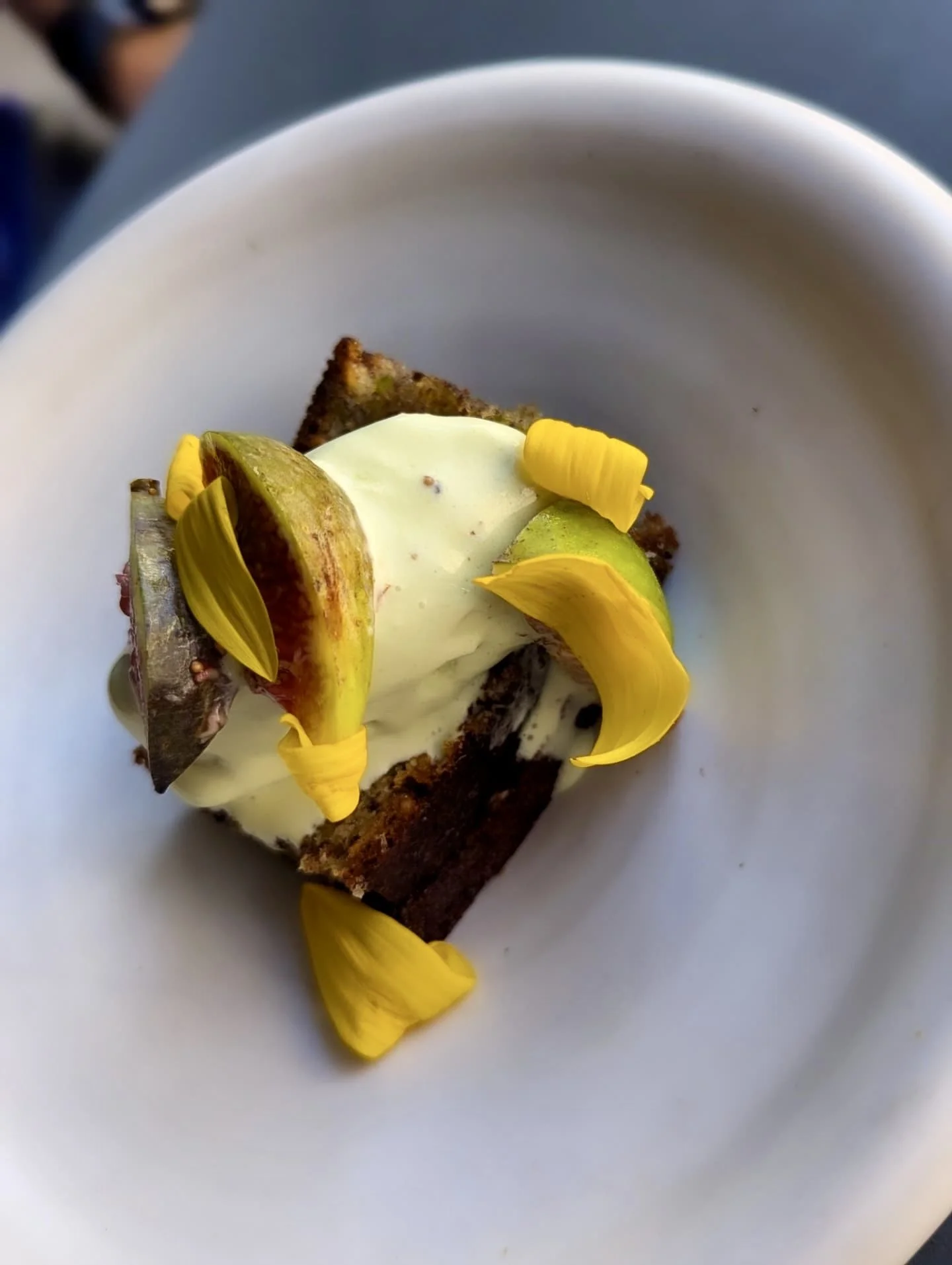
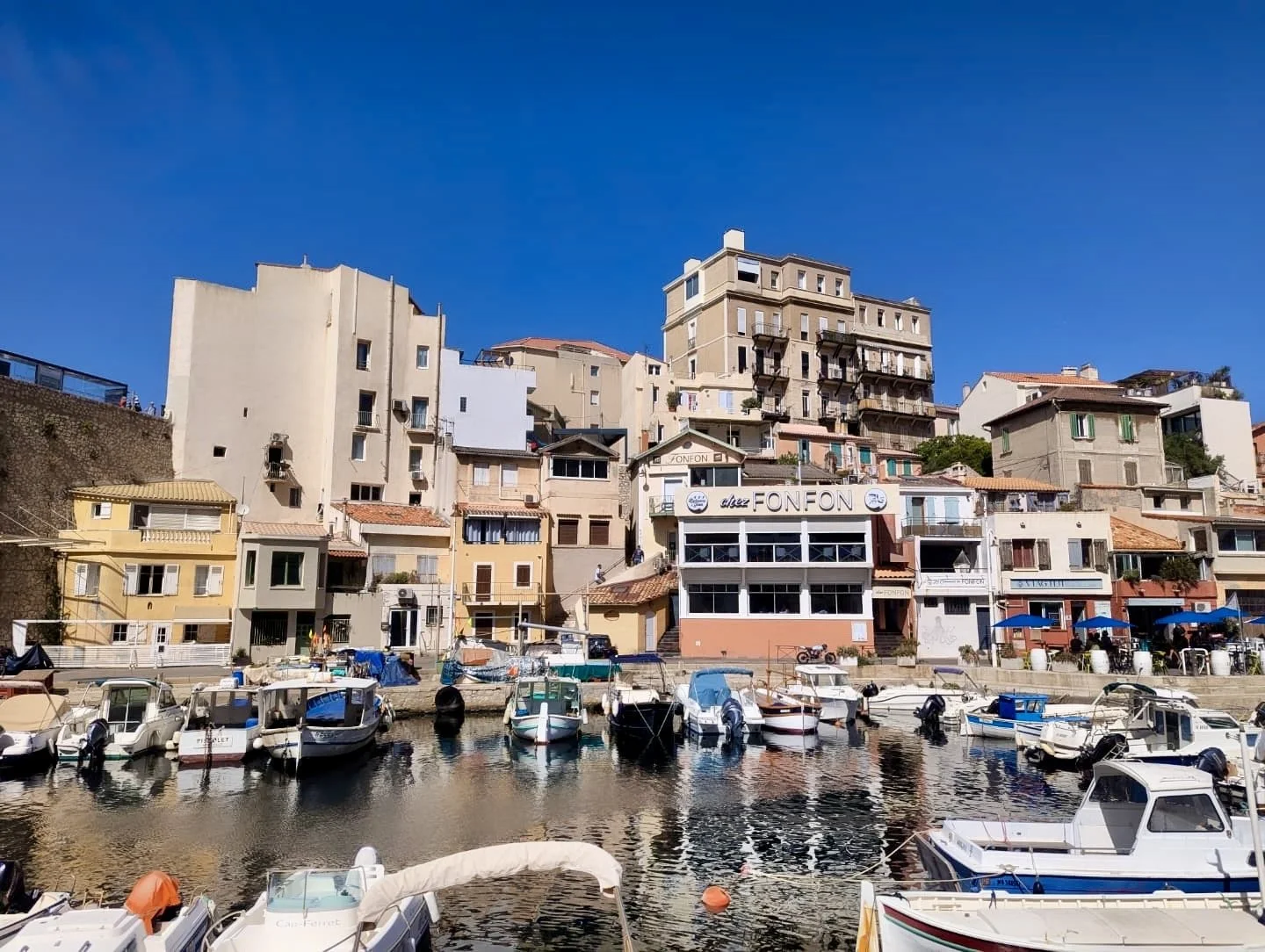
Chez Fonfon (seafood) 140 Rue du Vallon des Auffes, 7 ème
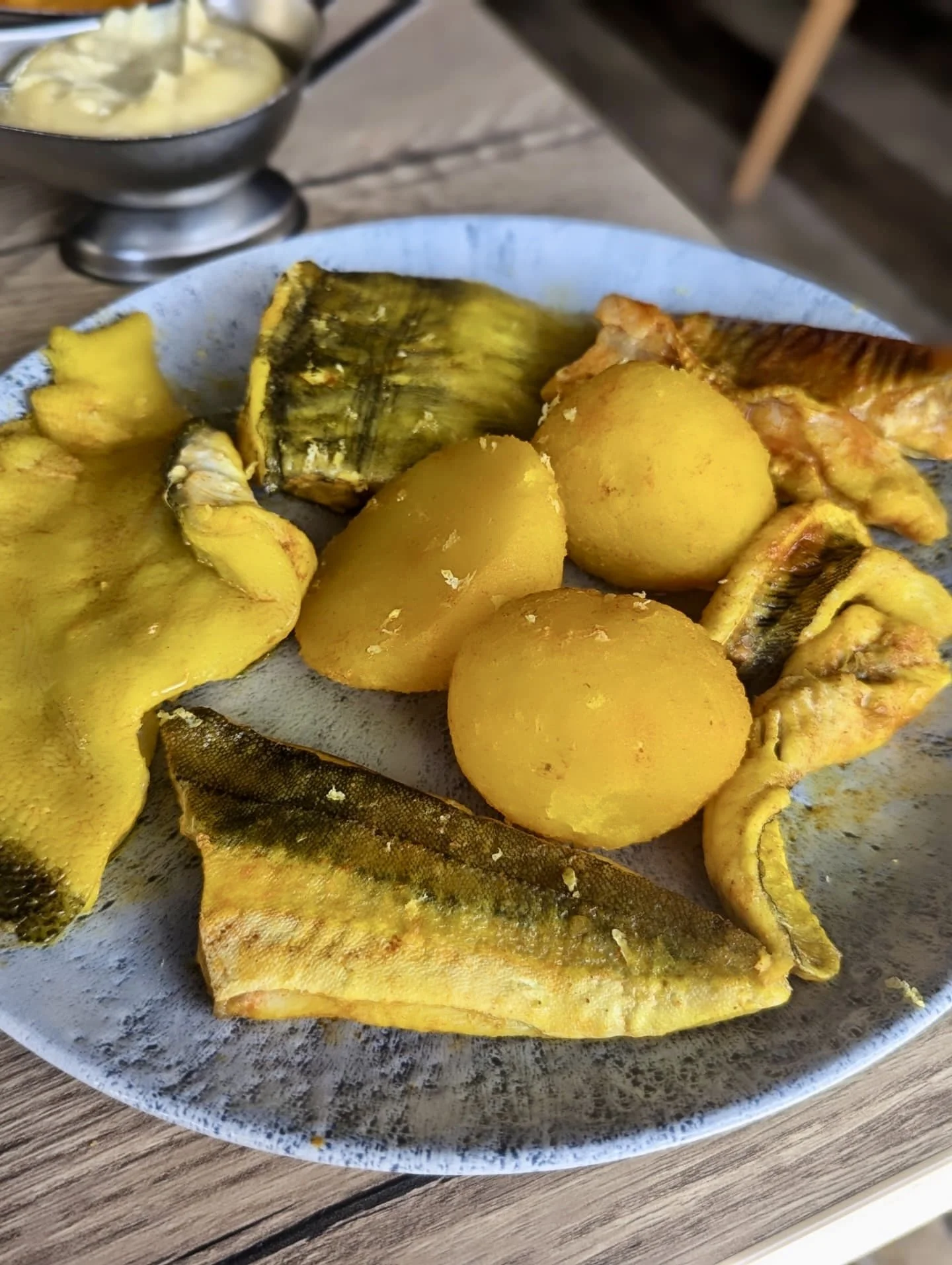
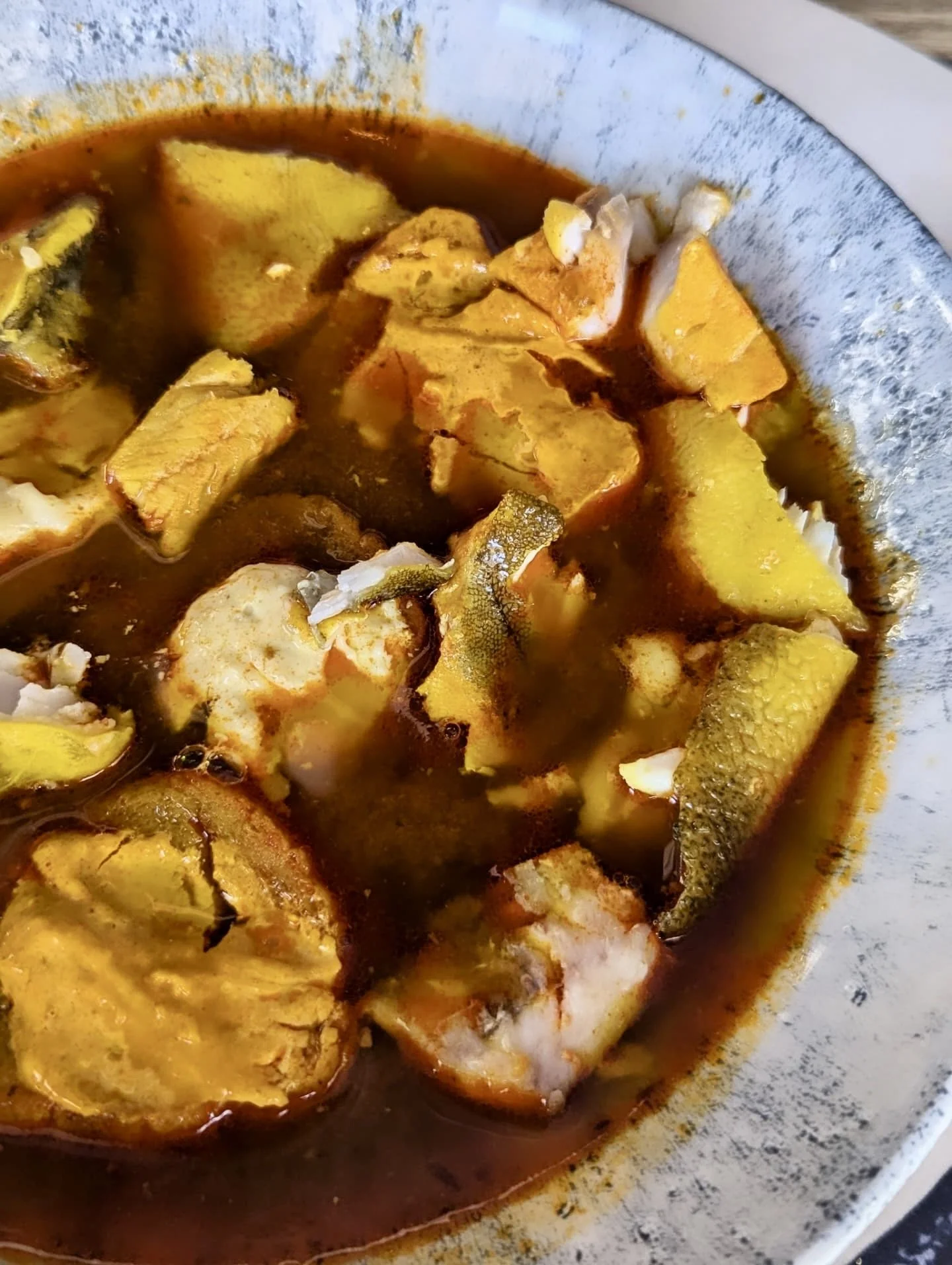
Bouillabaisse is a must try in Marseille if you eat fish, and it was definitely something I was looking forward to tasting. Lots of places serve a version of the dish, but do some research if you want the real thing. I settled on Chez Fonfon - well rated, opened in 1952, located in the Vallon des Auffes which I wanted to visit, they take reservations, and open for lunch on Sunday. It’s not inexpensive; at 65€ it was one of the most expensive meals of our entire trip, but it’s worth the splurge, but not an everyday place. The restaurant is lovely, two stories with nice views of the boats docked in the Vallon. It was busy but not packed for our Sunday lunch, and there was a mix of tourists and locals, including a family of three or four generations enjoying what appeared to be a celebratory lunch of some sort. Most of the table ordered the bouillabaisse, and I shamelessly watched them for tips.
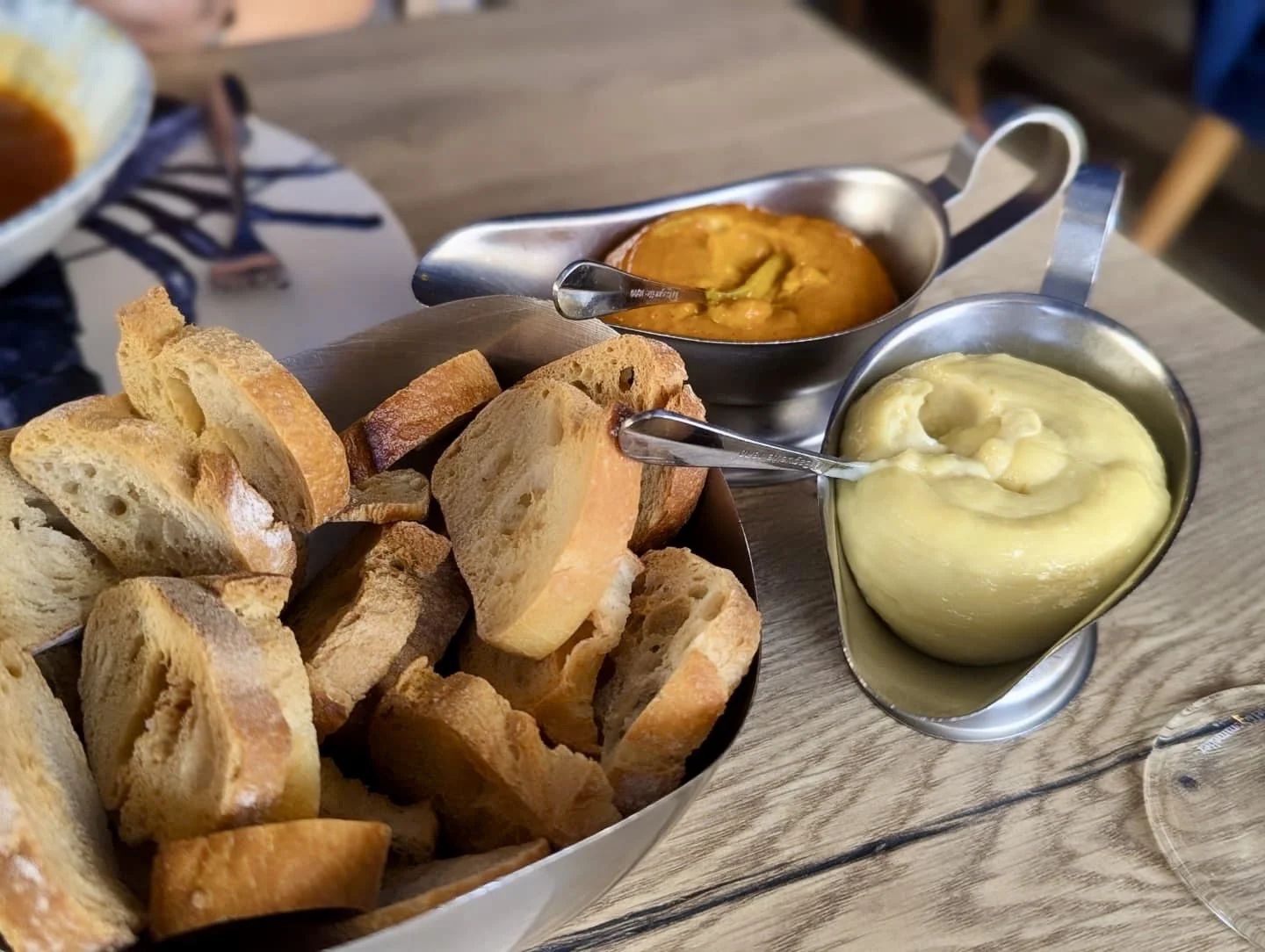
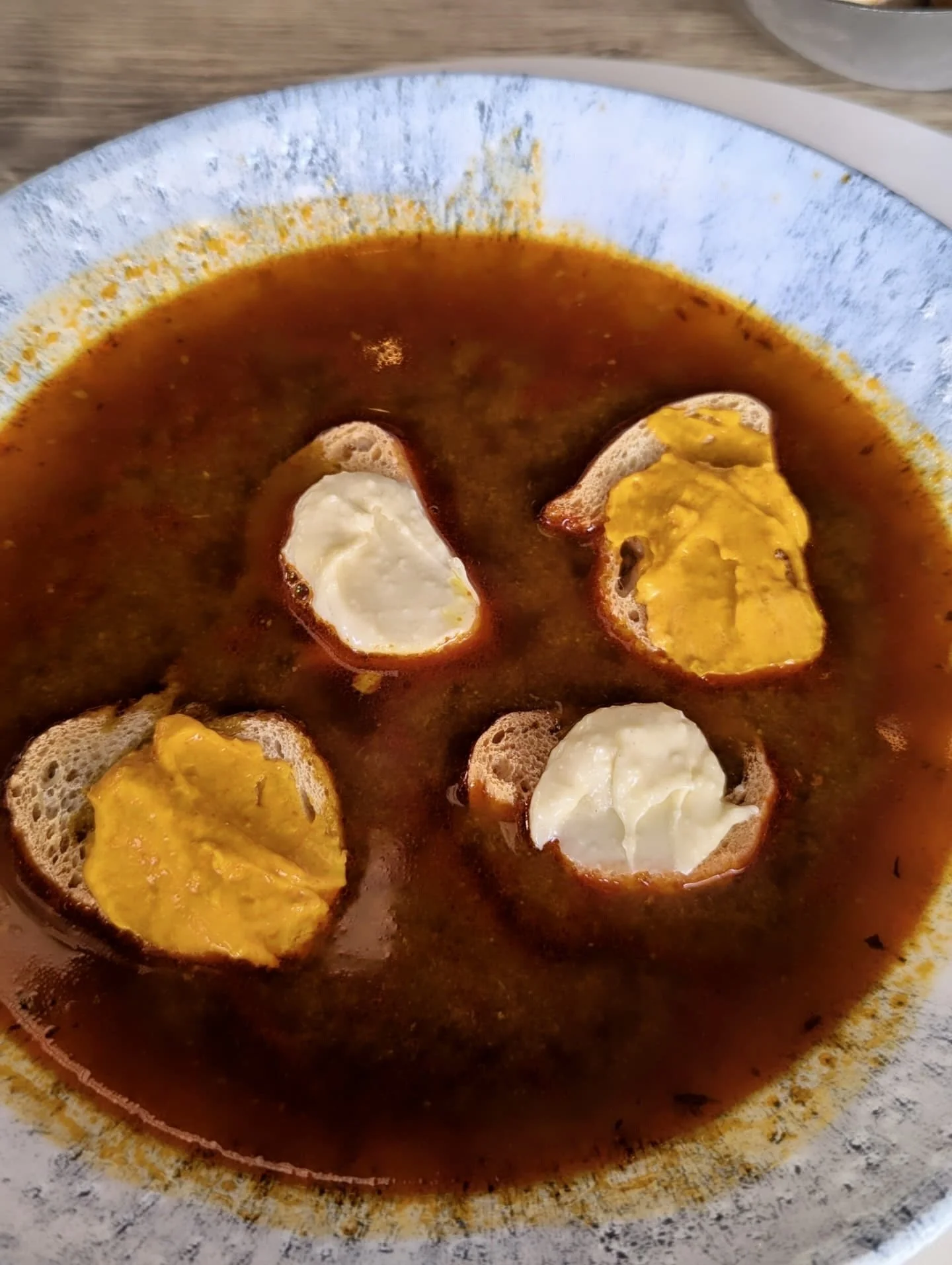
Warning: if you plan to get the bouillabaisse, arrive HUNGRY, don’t mess around with any starters, and ignore the bread basket. It is a seriously large and hearty dish, you will definitely be full and you will probably not be able to clear your plate. We both ordered the bouillabaisse, and a nice bottle of white wine. It’s sort of a choose your own adventure type meal; you’re served a couple of scoops of the broth from a server with a tureen, and there’s a basket with croutons, a dish with aioli and a dish with rouille, and each person gets a plate with saffron-poached potatoes and fillets of four or five different kinds of fish (Fonfon does a mix of what’s fresh that day, you’ll typically see scorpionfish, red mullet, monkfish, gurnard, weever, wrasse, conger eel, and turbot). The broth is rich and flavorful, made with garlic, saffron, celery, fennel, herbes de Provence, cayenne pepper, and olive oil, and (according to the oldest members of the family I was watching) you take the croutons, slather them with aioli and rouille, and float them in the broth. Once they’ve soaked a bit, start adding potatoes and fish to your liking, and tuck in. It’s a really delicious meal, but very filling. I didn’t come close to finishing my portion, and Geoffrey attacked his like a champ, including accepting another scoop of broth (I think I recoiled when the server asked me if I wanted more), and he was so ridiculously full to the point of discomfort.
If I went again, I’d do only two croutons, one with aioli and one with rouille instead of two of each, and focus more on the fish, but even then I don’t think I’d clear my plate, it’s a LOT of fish, even without anything else added. I’m glad we each had our own portion, but it’s definitely enough for two people to share, though I don’t think they’d let you do that. Going with a group of three or more I’d plan to order something else for at least half the table and just share the bouillabaisse; there’s plenty of other delicious sounding dishes on the menu.
L'Eléphant Rose à Pois Blancs (ice cream), 25 Rue des Trois Rois, 6 ème
Another great spot for ice cream (the name means “the pink elephant with white polka dots"), this place is popular and generally pretty packed. Good flavors, lots of sorbets, and they do crêpes as well.
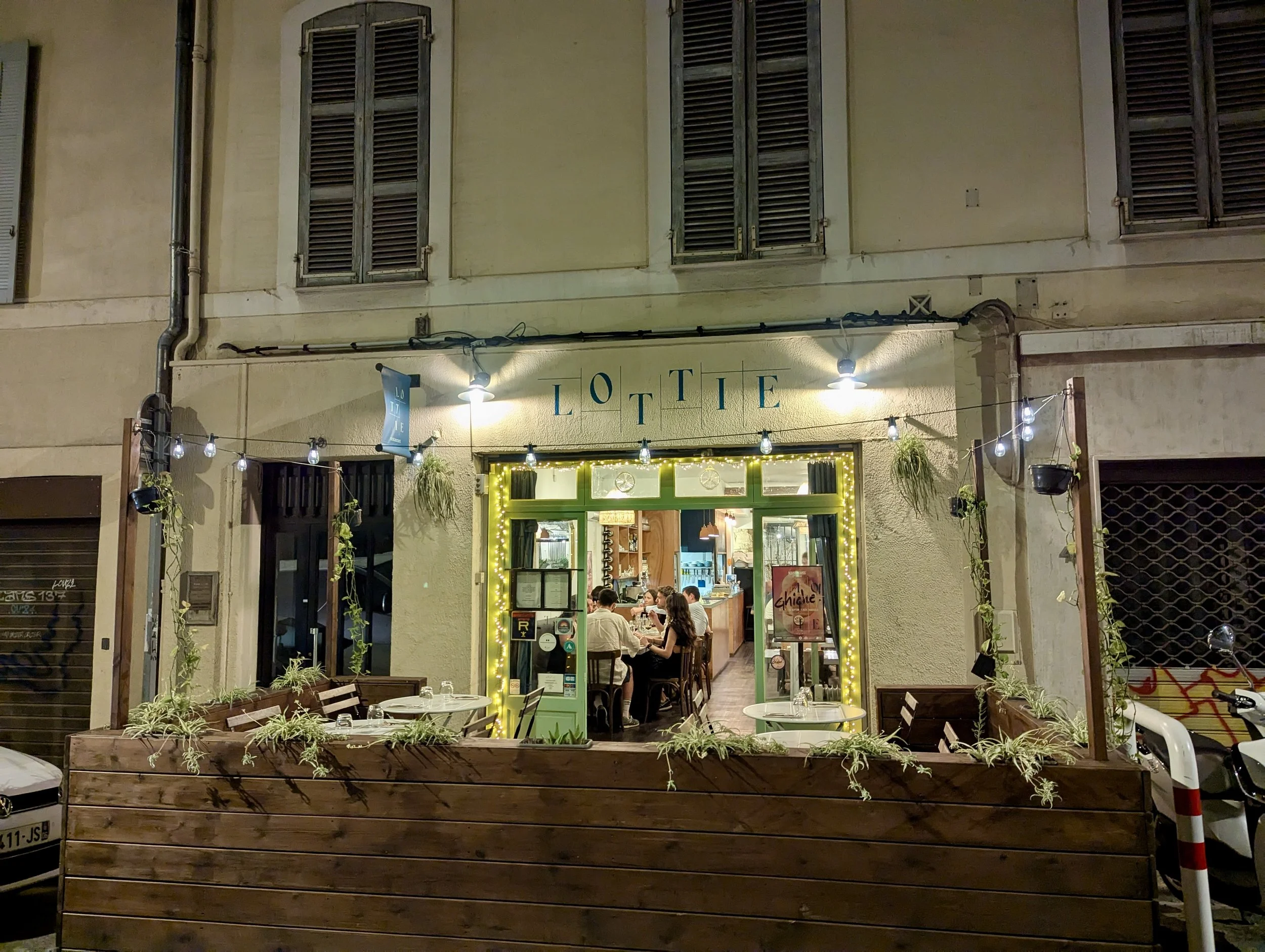
Lottie Restaurant (French) 39 Rue de la Paix Marcel Paul, 1 ème
This is an intimate little restaurant just a couple of blocks off of the busy Vieux Port, but far enough away to escape the tourist crush. Helmed by Chef Charlotte Baldaquin, one of the few female head chefs (only about 17% of French head chefs are women) the food is well-prepared, local, and affordable, and the mostly natural wine list nicely compliments the food. Our dinner was delicious and not too heavy, and the only negative was the large party of what appeared to be coworkers celebrating a birthday at the table next to us.
Vé! Mes Glaces (ice cream) 36 Rue des 3 Frères Barthélémy, 6 ème
French ice cream is typically great, landing somewhere between gelato and American ice cream, usually with excellent flavors. This spot didn’t disappoint, and they had lots of vegan options. A hot night in Marseille screams for ice cream, and we visited a couple of times.
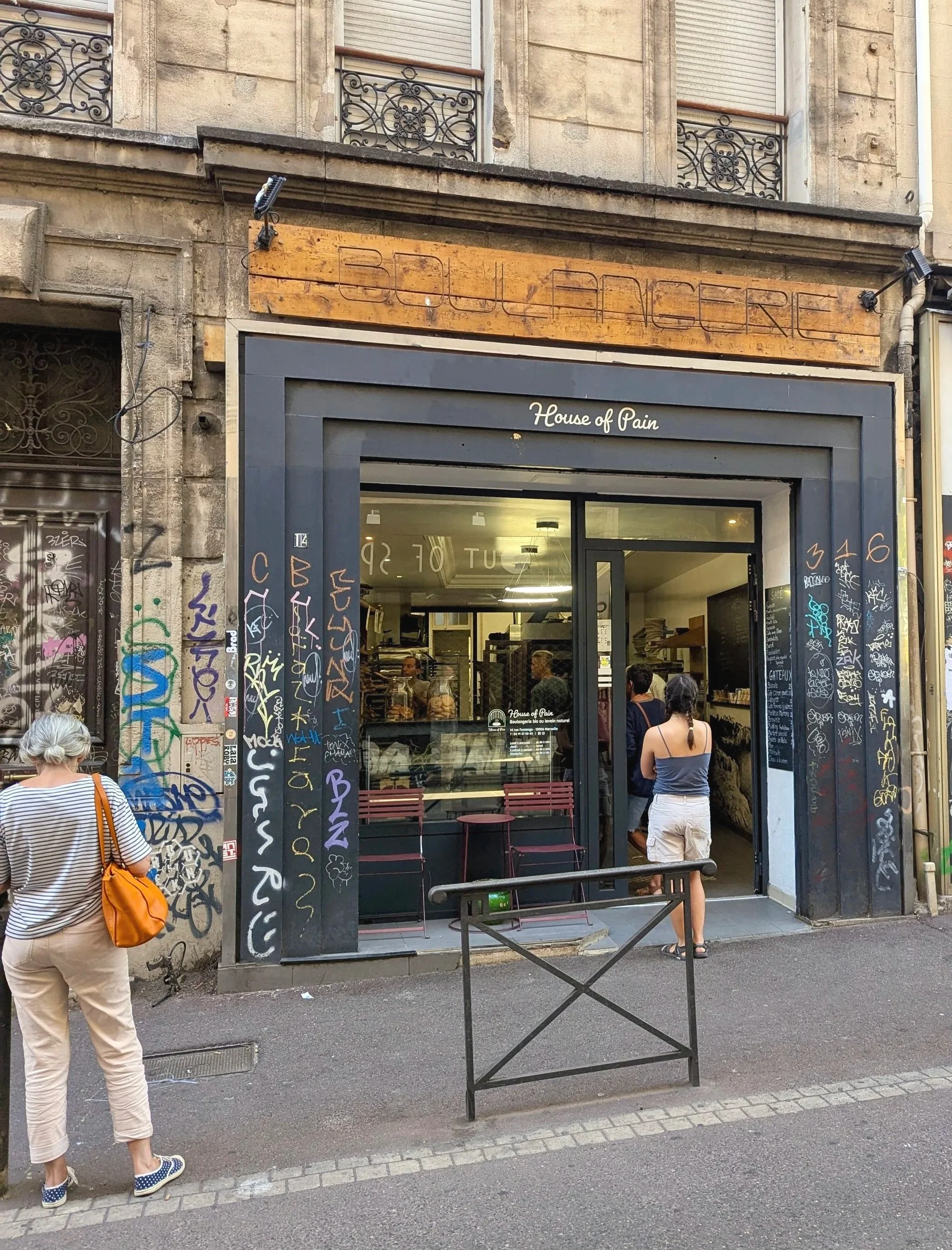
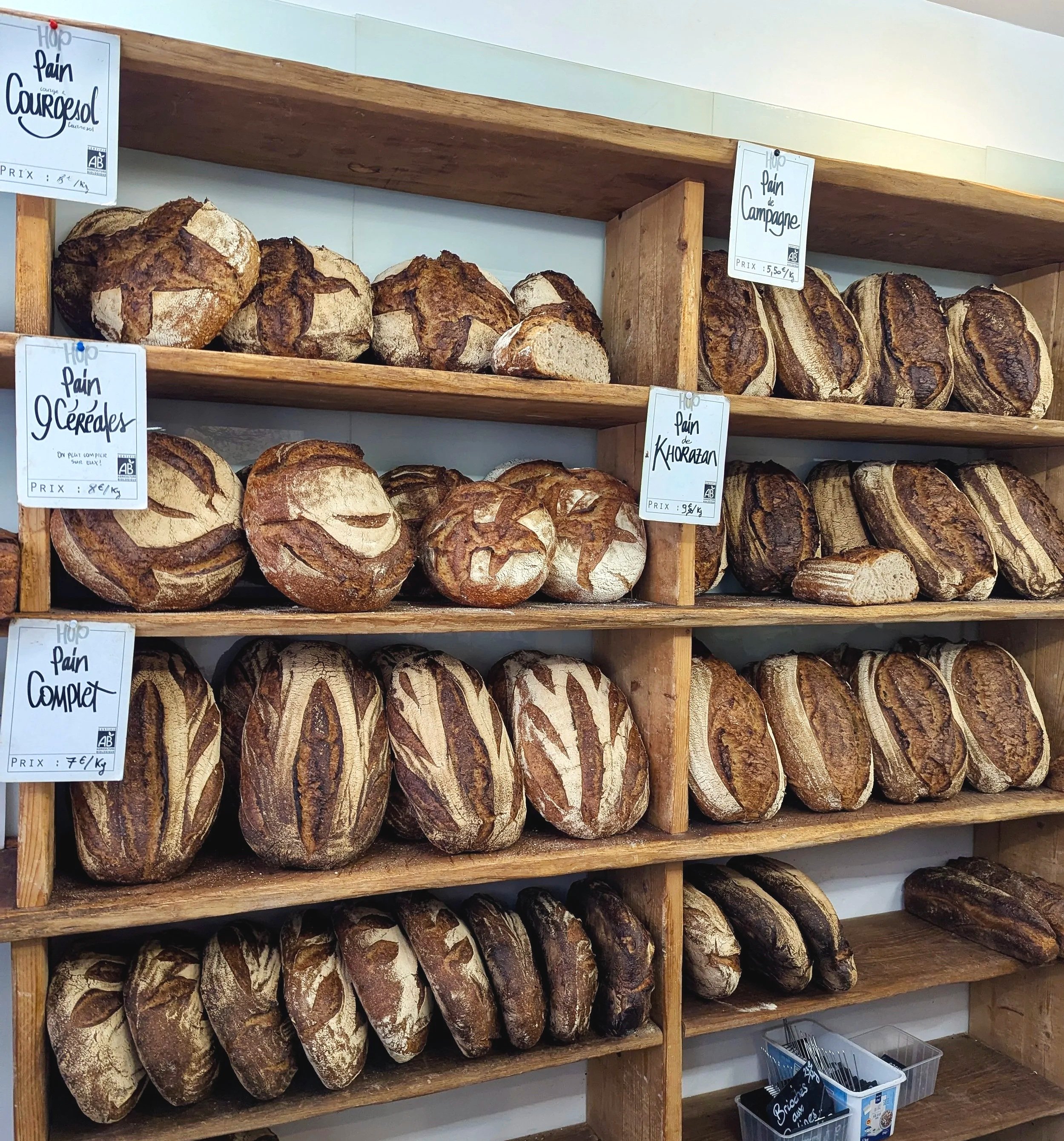
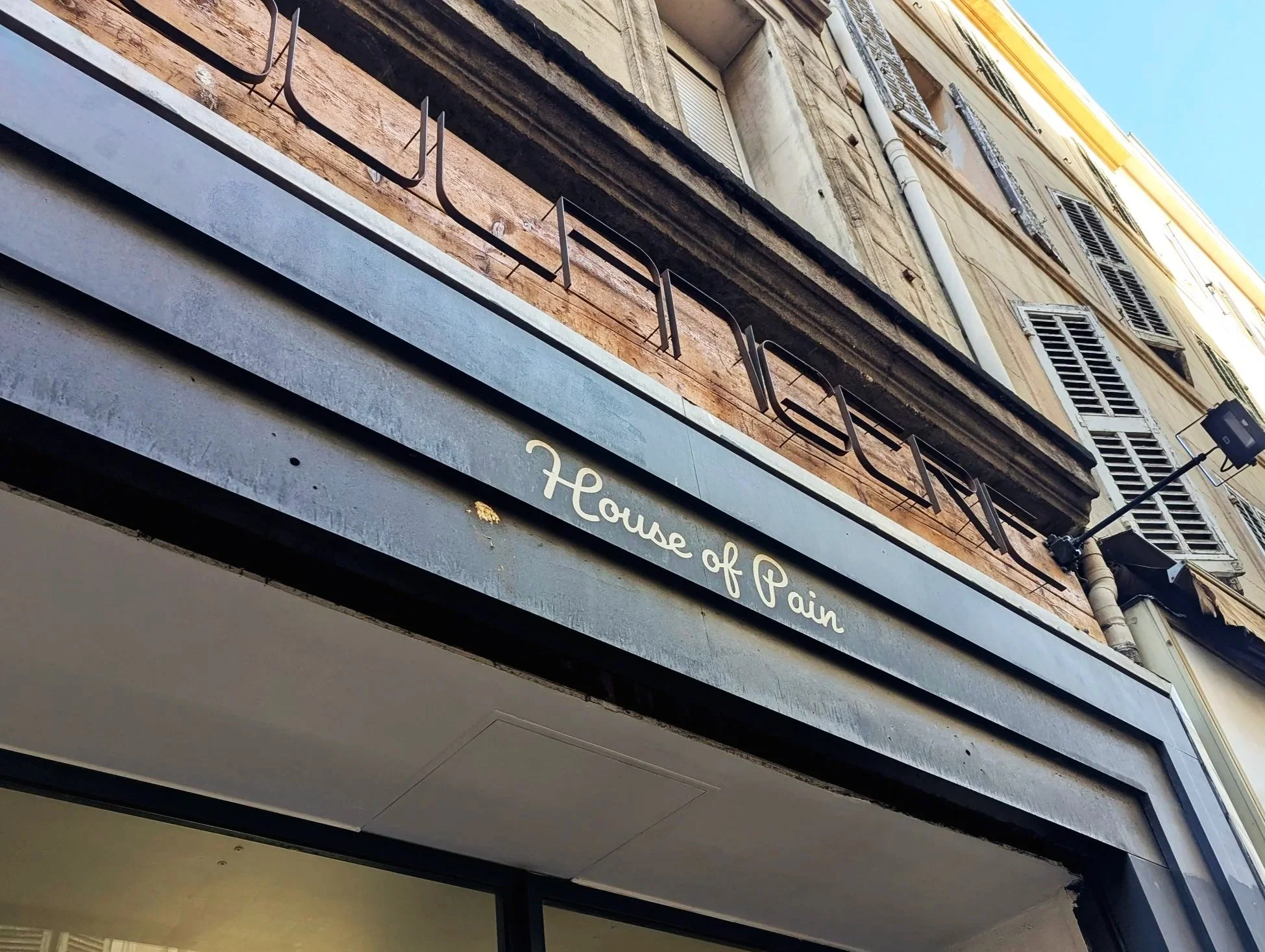
House of Pain (boulangerie) 14 Rue Fontange, 6 ème
With a name like that, you have to go, plus it’s an excellent bakery. Located between Place Jean Jaurès and Cours Julien they bake amazing bread, fougasse, and pastries, plus they’re open Saturday AND Sunday morning.
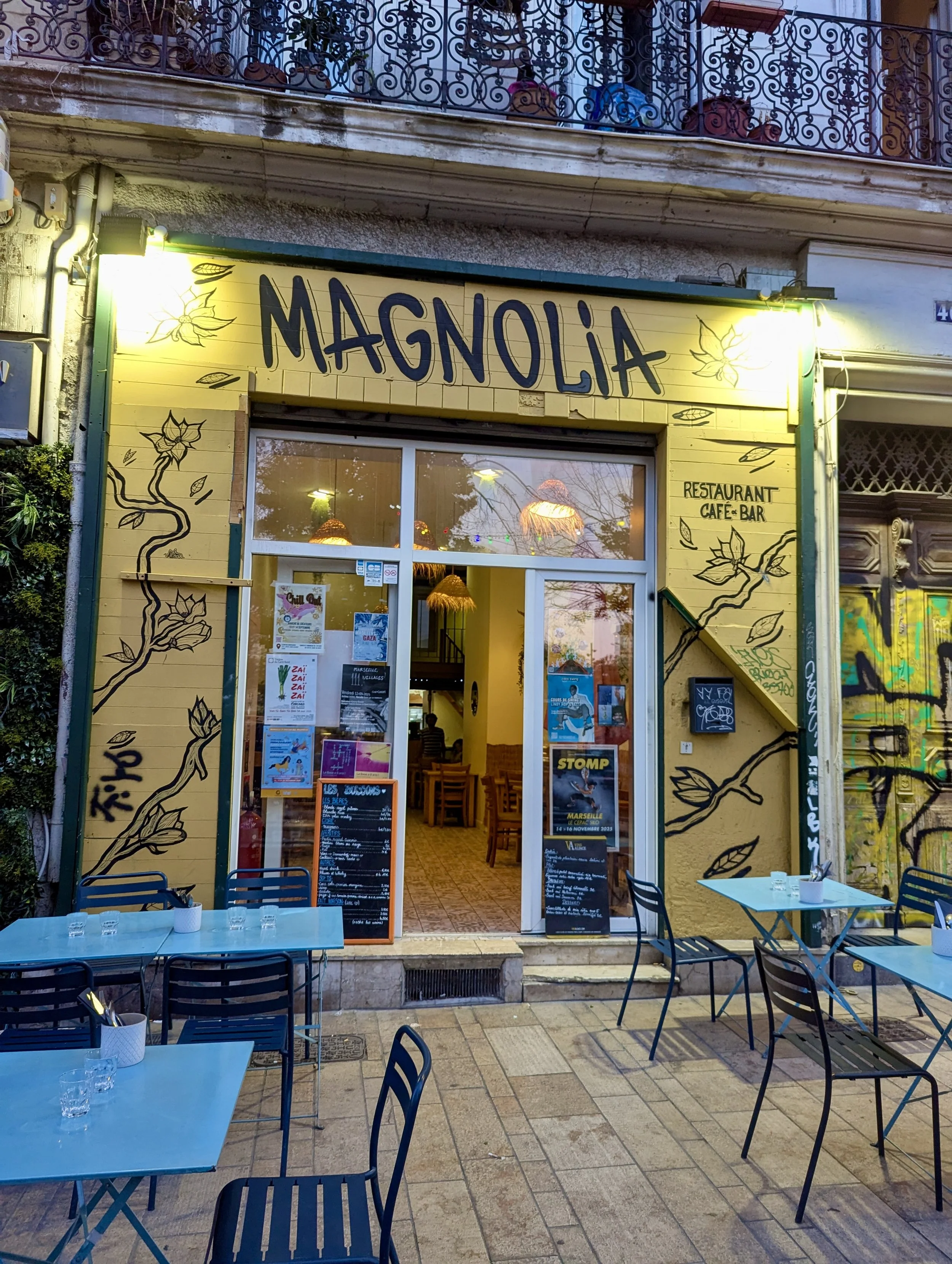
Le Magnolia (Vietnamese) 40 Pl. Jean Jaurès, 1 ème
After a long, hot day out at Les Calanques we decided on grabbing takeout to enjoy dinner at home. I had noticed a Vietnamese place on the square and decided to check it out. There’s a large Vietnamese population in France thanks to imperialism, and I’d never had French Vietnamese food, so I decided to give it a try. I ended up getting a halloumi bánh mì, which wasn’t something I’d have thought would go on a bánh mì, but it was great.
Mon Café (café) 10 Pl. Jean Jaurès, 1 ème
Another great cafe on Place Jean Jaurès with outdoor seating, good coffee, and good service.
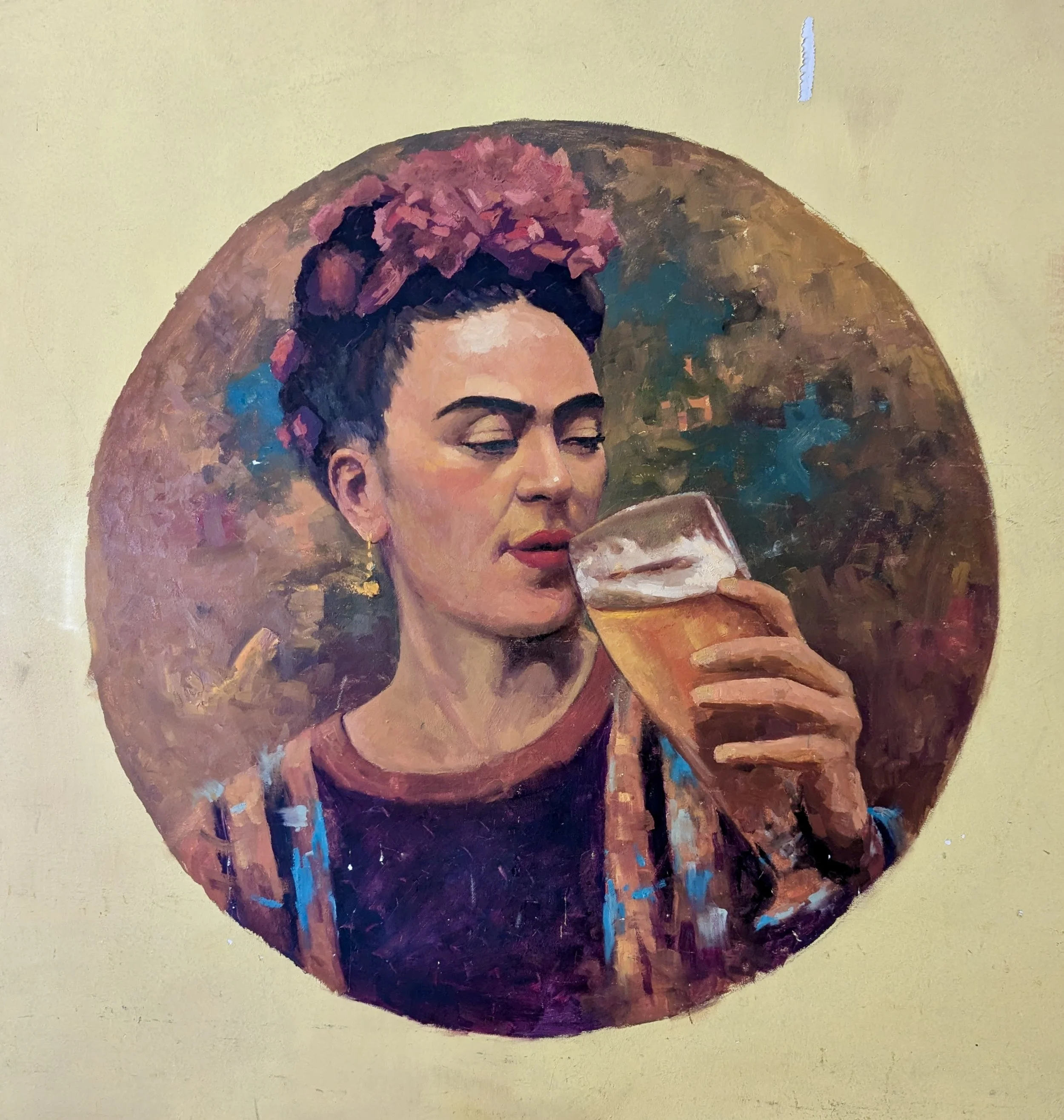
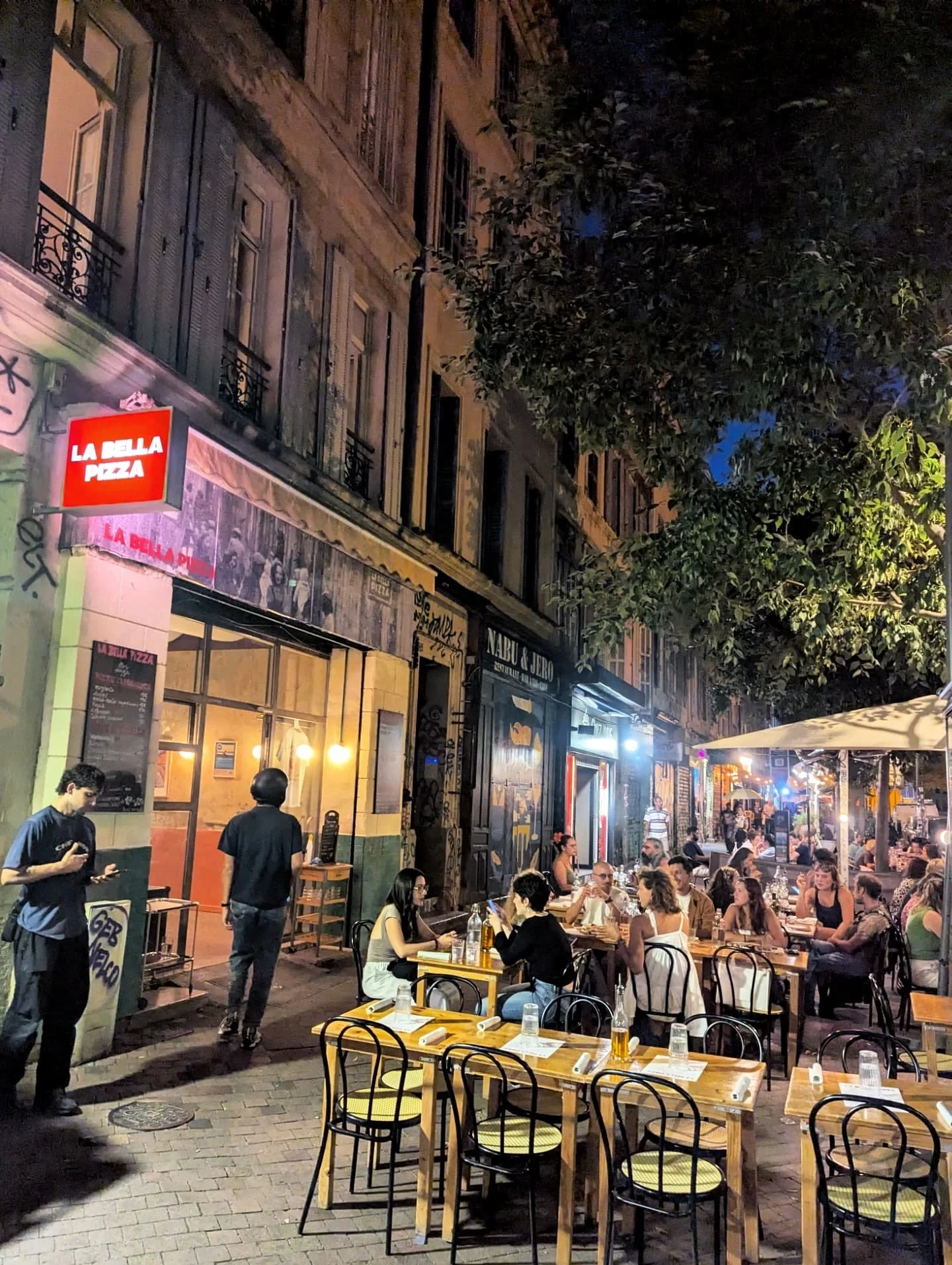
La Bella Pizza, 26 Pl. Notre Dame du Mont, 6 ème
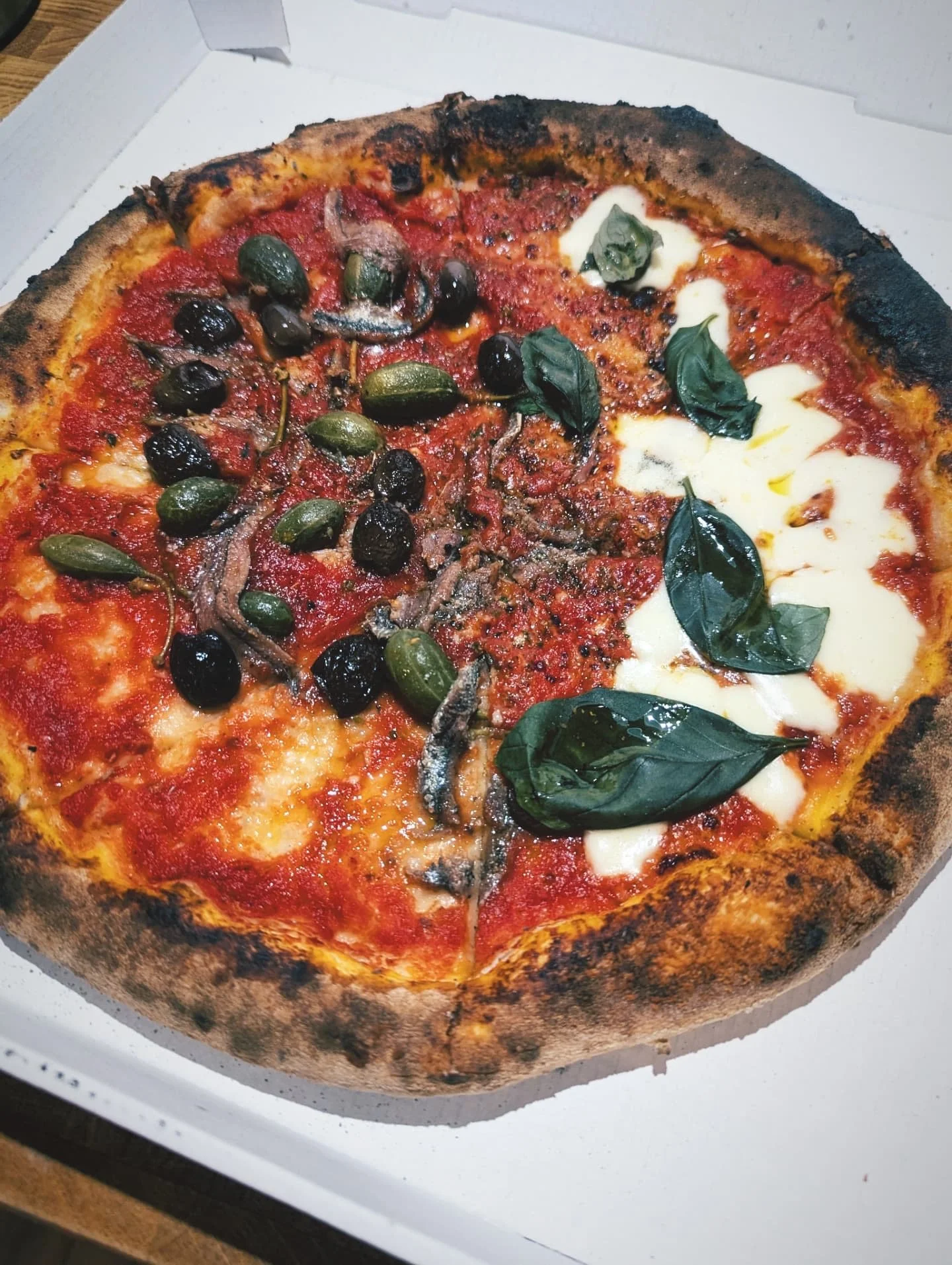
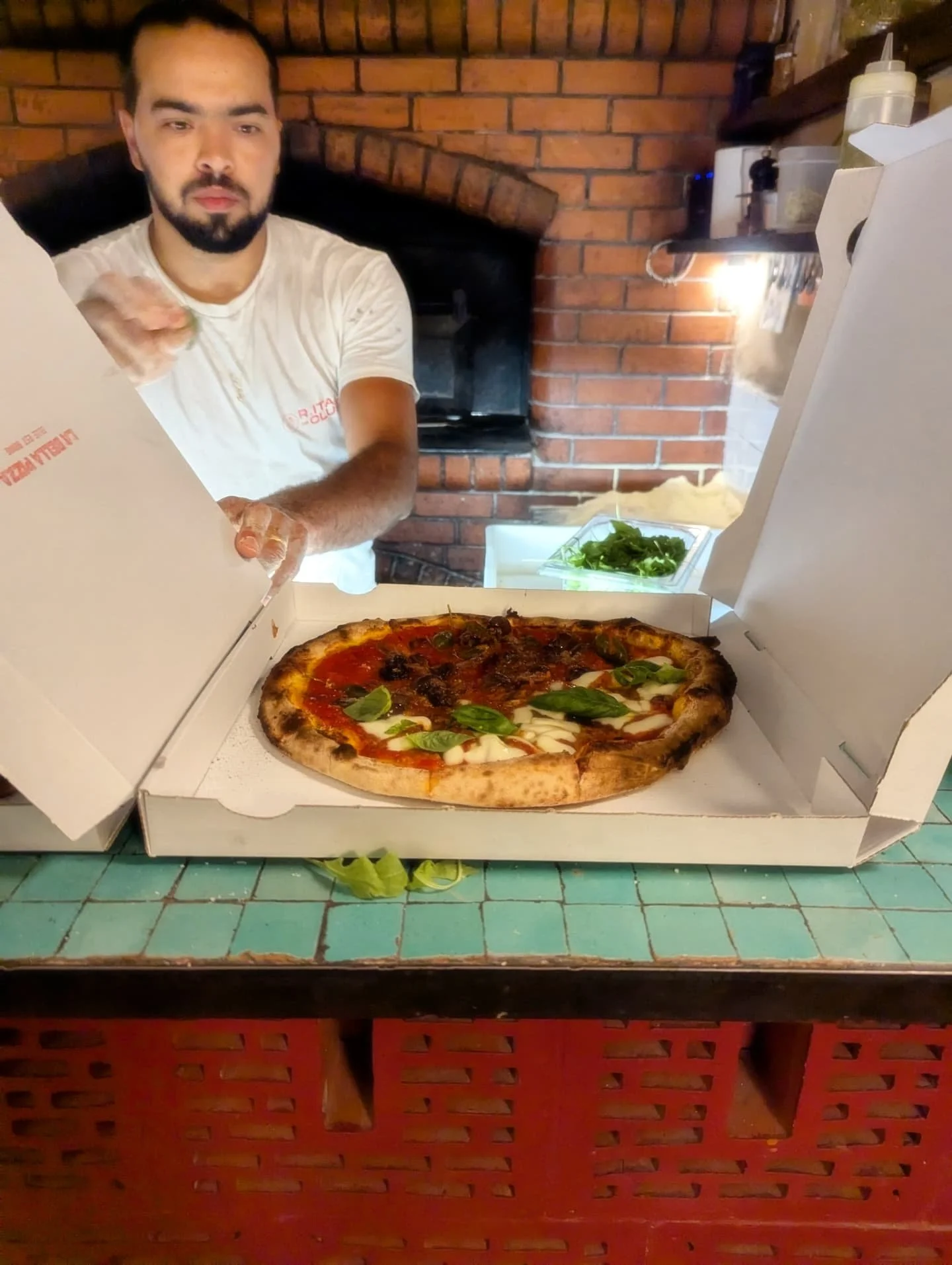
Pizza in Marseille is its own special thing, with some distinctive differences from Italian pizza. The dish was brought by Neapolitan immigrants back in the 1920s, and, naturally, it caught on. While the Marseillais version is slightly different, with the dough having its own unique preparation, and Emmental cheese standing in for fresh mozzarella, it’s a lot more like a Neapolitan pizza than, say, a deep dish pie or an American-style meat lover’s pizza. While you can certainly find lots of different toppings, including classic Italian-style pizza and all kinds of combos, if you’re going for traditional Marseillais pizza, the best choice is the moitié/moitié (half and half): half Emmental cheese and basil, and half anchovies, olives, and capers (La Bella Pizza use the GIANT capers; they’re so big at first I thought they were whole green olives). We ordered a takeaway pizza online and walked down to the shop to pick it up, along with a bottle of rosé, and hiked home with our feast for an easy dinner at home.
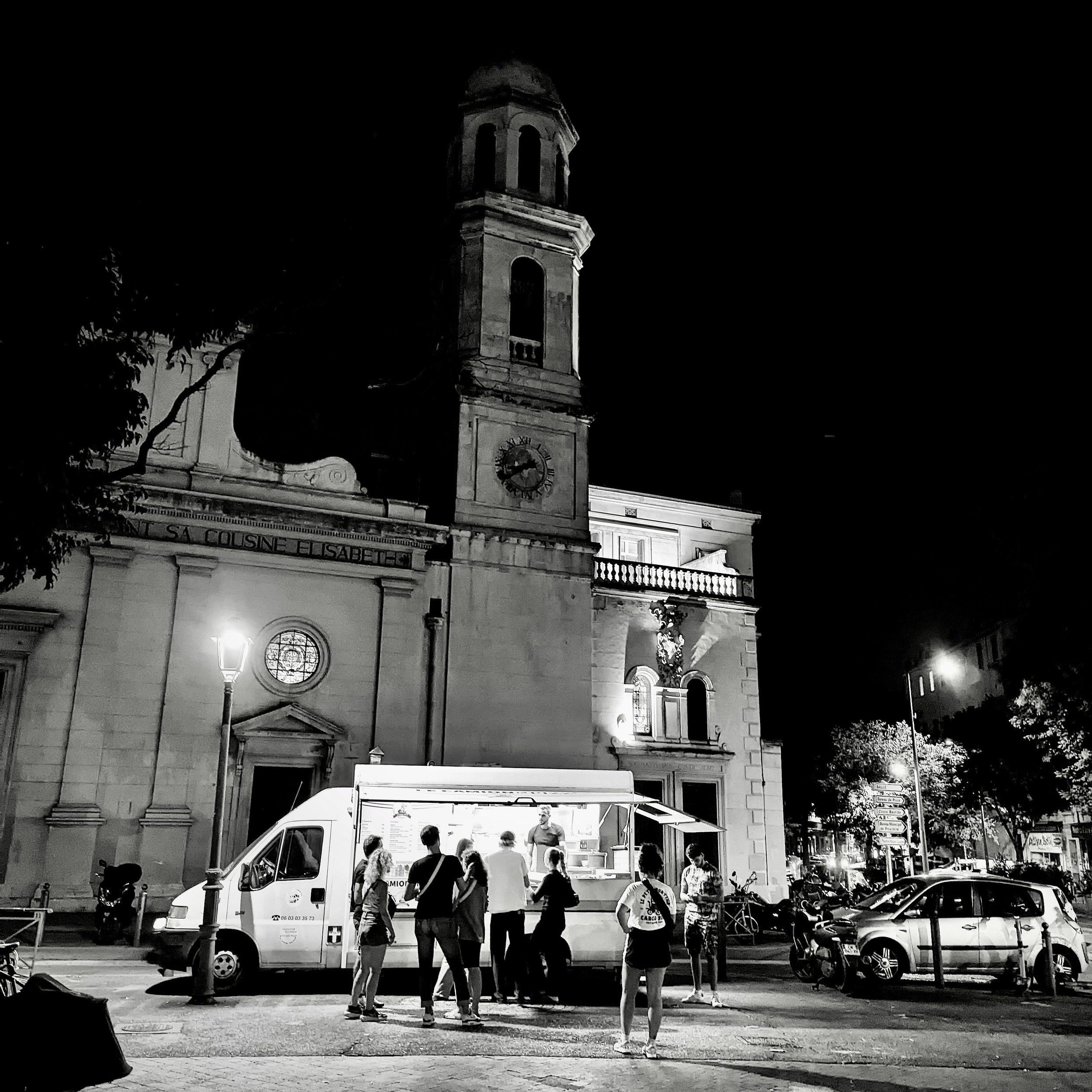
Pizza trucks are also a big deal in Marseille (there was one parked just down the street from La Bella Pizza). Great for a quick meal or snack, they’re all over the city and a good late night option.
Toïa (Marseilles) 7bis Quai de la Joliette, 2 ème
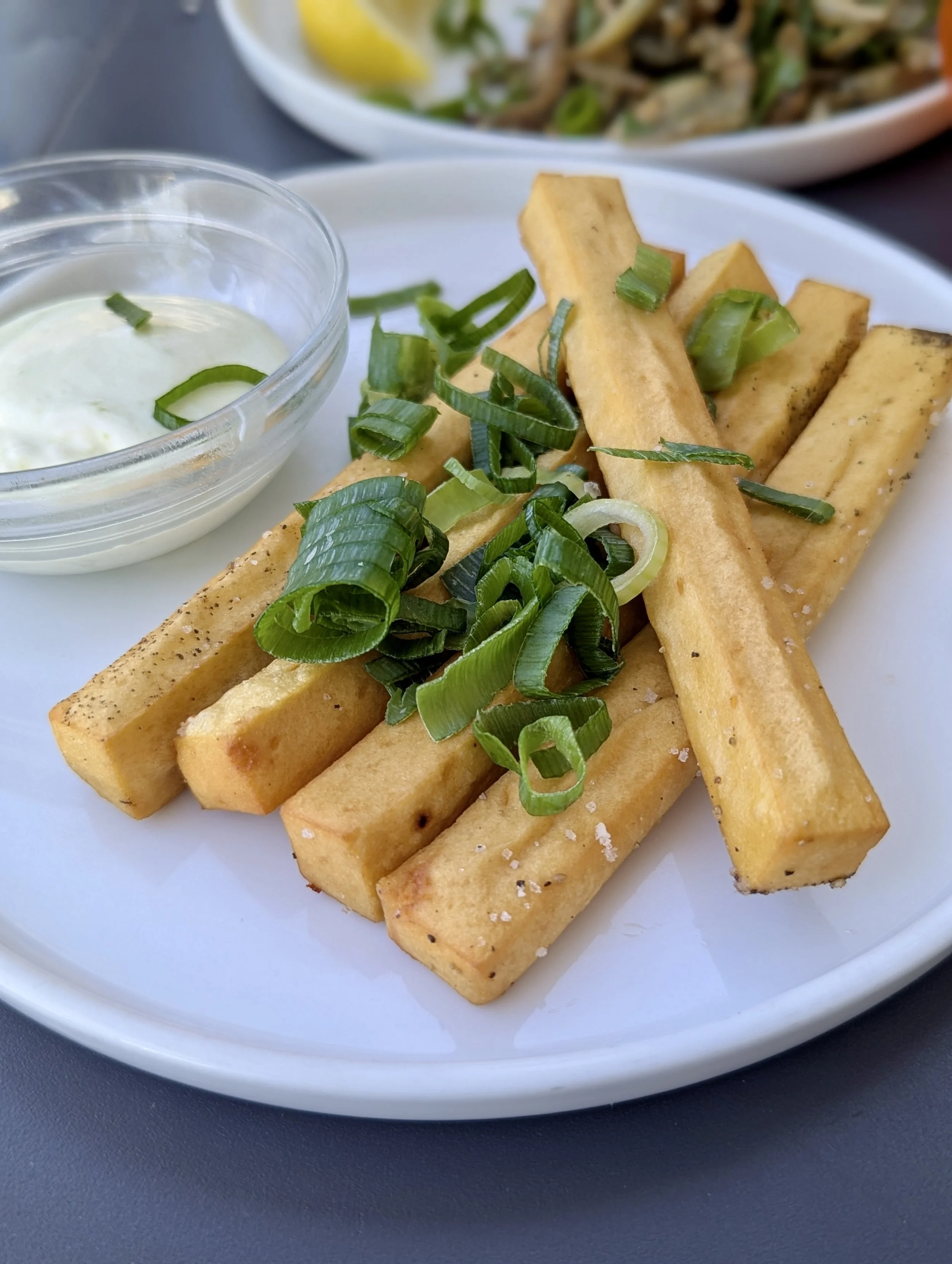
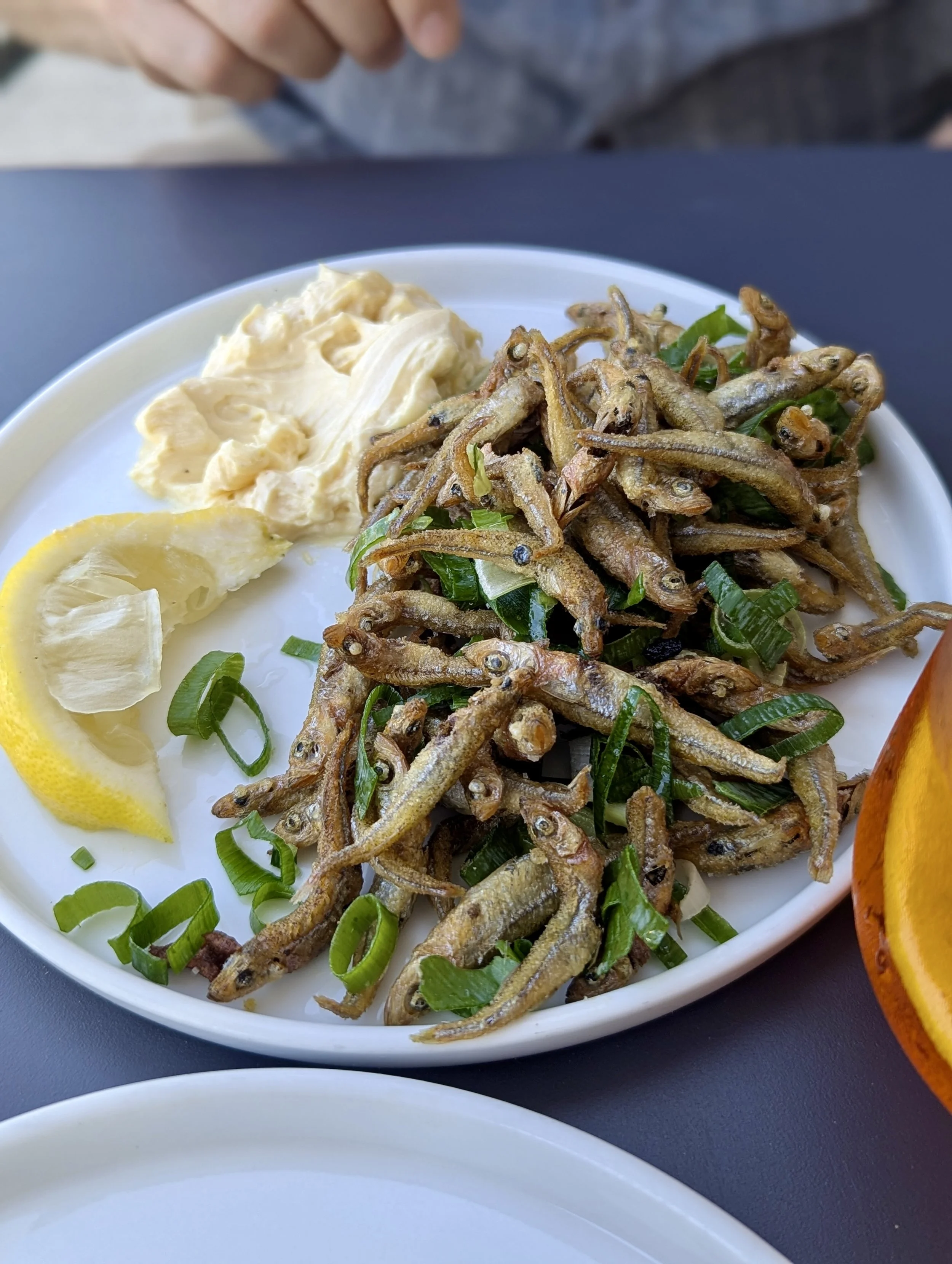
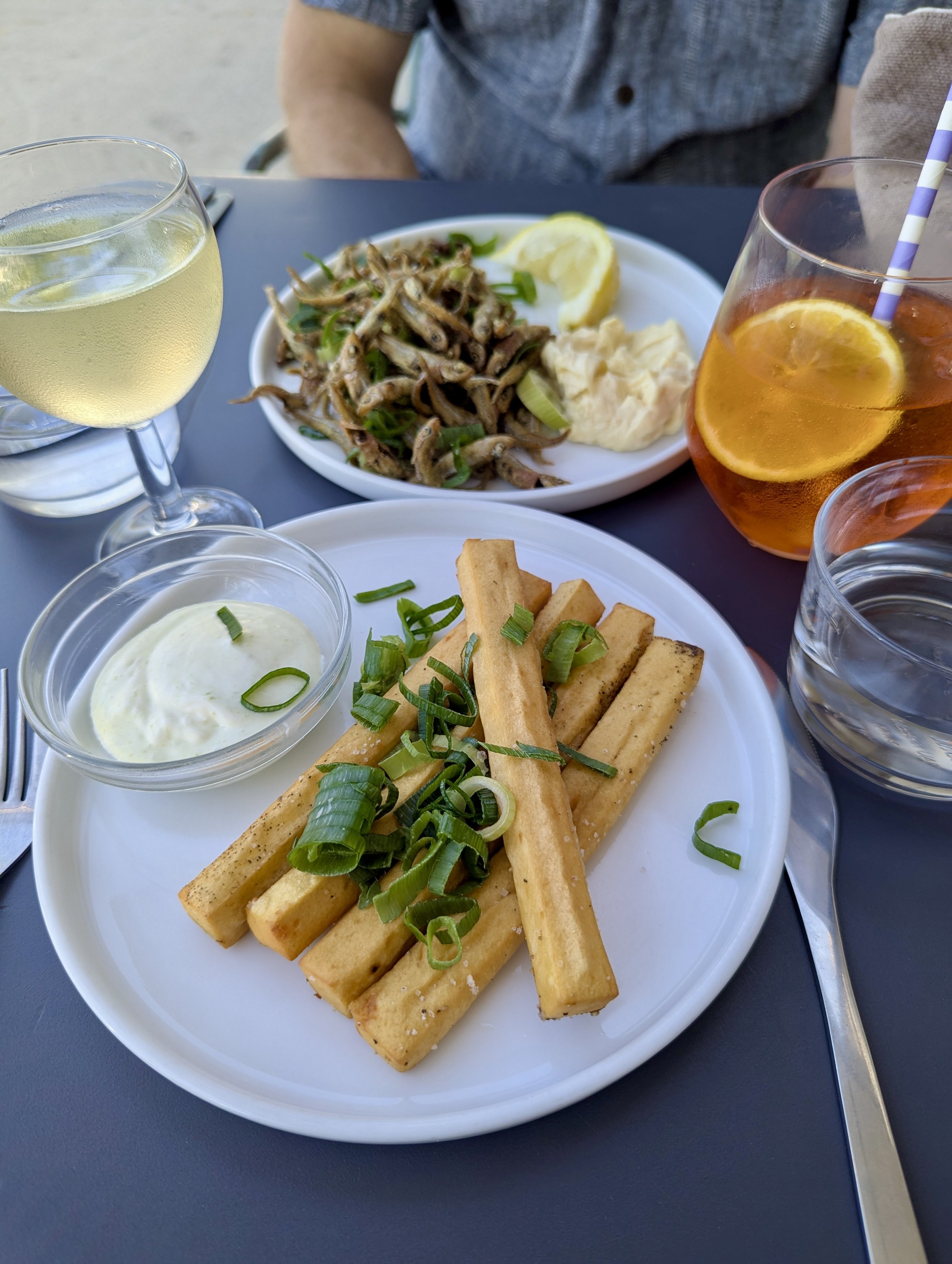
This was really our only culinary misstep in Marseille, and it really wasn’t that bad, just not as mind-blowing as everywhere else we ate. We popped in after spending the morning touring the Cathédrale La Major and before taking a quick pass through Le Panier neighborhood to grab a quick lunch before heading home to get ready to catch the ferry to Corsica. It started out great, we ordered panisses with a spiced dipping sauce and fried fish with aioli and lemon, plus a glass of white wine and an Aperol spritz. If we’d left it there we would have been fine, but we’d ordered more. I had the fish of the day, which was just okay; white fish with not much seasoning, which was unremarkable but certainly edible. Geoffrey ordered a dish of gnocchi which was unfortunately overcooked and mushy. The sauce was decent, but the poor preparation on the gnocchi ruined the dish. It was a disappointment to end our dining in Marseille on such a low note, but it happens - we may have just ordered the wrong dishes, or the chef was having an off day. I’d go back for just drinks and snacks.
Au Petite Nice (café) 28 Pl. Jean Jaurès, 1 ème
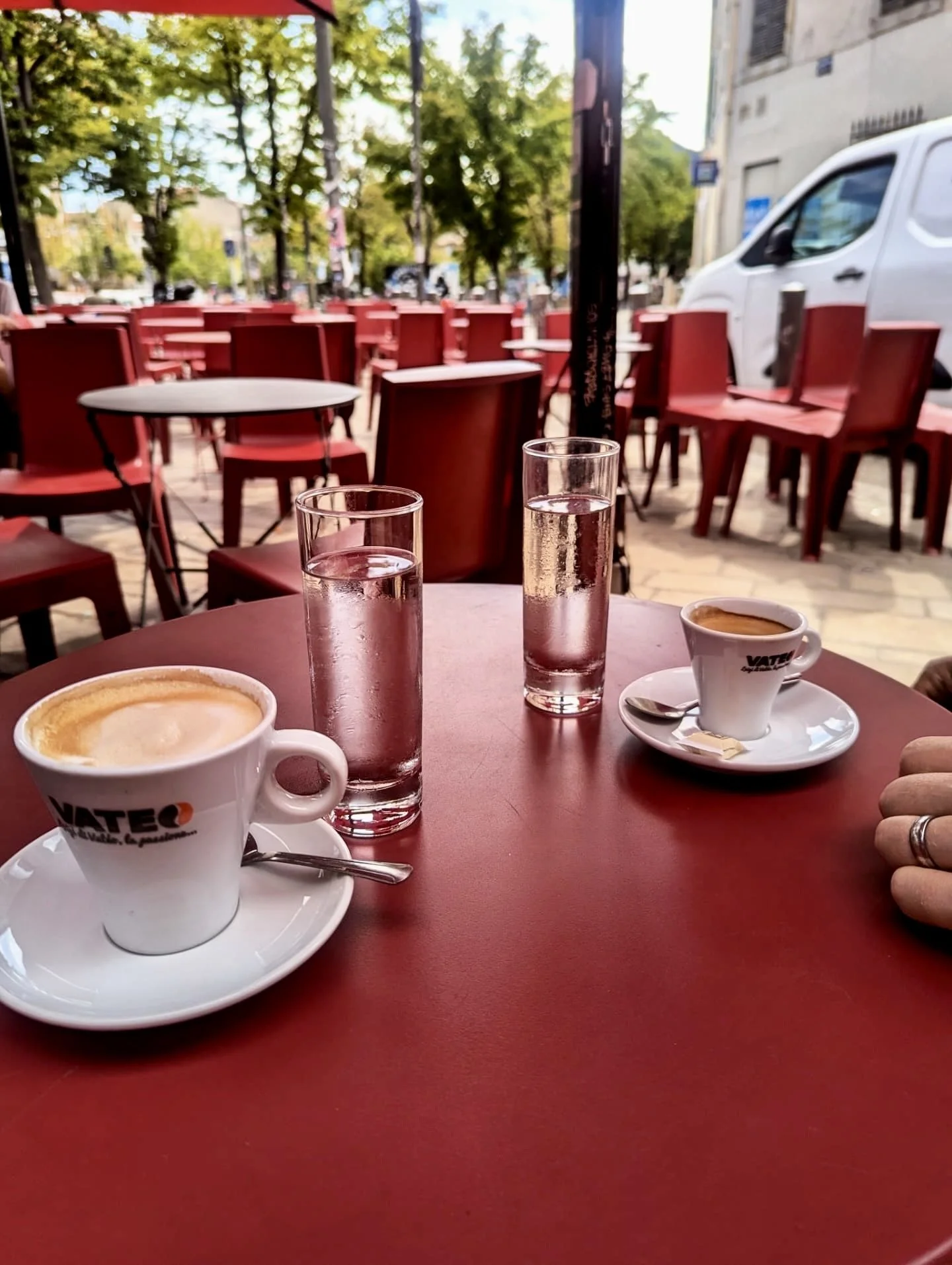
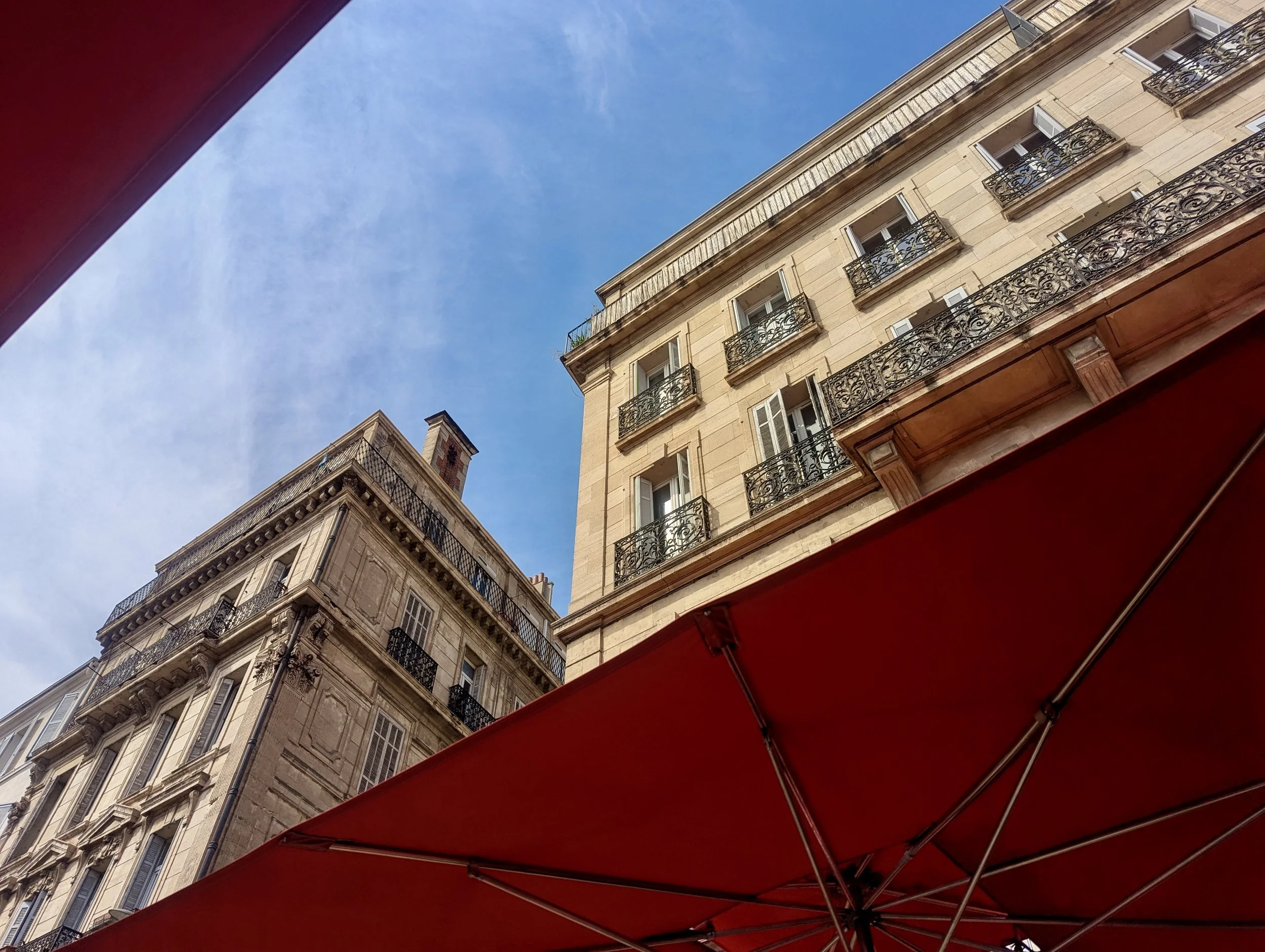
Great cafe right on Place Jean Jaurès, grab a table on the square, order a coffee or a drink, and watch the world go by.
Fresh Prim's (juice bar) 2 Pl. Jean Jaurès, 1 ème
Amazing Congolese juice bar right on Place Jean Jaurès - lovely service, delicious flavor combos, and great prices. The melon-peach-orange juice that I had was perfect for a hot, sunny day in Marseille.
Next Trip
I have quite a list of things we didn’t see in Marseille (we didn’t go to one single museum somehow - blame the gorgeous weather) so I definitely have an excuse to come back. Honestly, other than sleeping and some indoor dining, we were outside for the bulk of our trip. Some things to see next time:
Les Calanques - while we did spend some time exploring, there are so many more to see
Parc Longchamp/Musée des Beaux-Arts, Bd Jard. Zoologique (4 ème) - museum/park/scenic spot; we didn’t even come close to this part of town. There’s lots to see outside of the museum
L'Estaque (16 ème) - a small suburb to the north, this is supposed to be a great little beach area reachable by either train or ferry from the Vieux Port. Cezanne lived and painted here at one point.
Friche la Belle de Mai 41 Rue Jobin (3 ème) - part gallery, part performance space, part food hall, this converted tobacco factory is supposed to be a great art space.
Mucem - Musée des civilisations de l’Europe et de la Méditerranée 1 Esp. J4, (2 ème)
Musee d'art contemporain de la Ville de Marseille 69 Av. d'Haifa (8 ème)
Parc Borléy/Château Borély - Musée des arts décoratifs, de la faïence et de la mode de la Ville de Marseille 132 Av. Clot Bey (8 ème)
Cité Radieuse Le Corbusier 280 Bd Michelet (8 ème) - designed to satisfy all the modern needs of its residents in one place, this Le Corbusier designed building was groundbreaking in its time. Now a UNESCO World Heritage site, it’s part hotel, part apartment building, part living museum.
Fort Saint-Nicolas and either/both of the lighthouses of Vieux Port
Les Îles des Frioul (7 ème) - an archipelago of four islands just off the coast of Marseille, reachable by a ferry from Vieux Port. île d'If is one of the smaller of the islands, home to le Château d'If (if this sounds vaguely familiar, it’s the setting for The Count of Monte Cristo) and a lighthouse. Les Îles des Frioul are larger, with lots of forts, beaches, and calanques (the archipelago is part of the Calanques National Park).
Places to Eat:
Le Consolat 100 Rue Consolat, (1 ème) Asian-French fusion
La Boîte à Sardine 2 Bd de la Libération (1 ème) - hyper-fresh rotating seafood, lunch-only, Tuesday through Saturday. This was high on my list as it’s got great reviews, but it just didn’t fit in with our plans (we’d arrived late afternoon on a Thursday and left Monday afternoon).
Pizza trucks - lots to check out, we walked by a couple but didn’t get anything.
North African food - Tunisian, Moroccan, and/or Algerian
Chez Magali (Chichis Frégis et Panisses) 42 Plage de l'Estaque (16 ème)
PAIN PAN ! Boulangerie de quartier 29 Rue des 3 Frères Barthélémy (6 ème)