Lyon
La Ville des Lumières
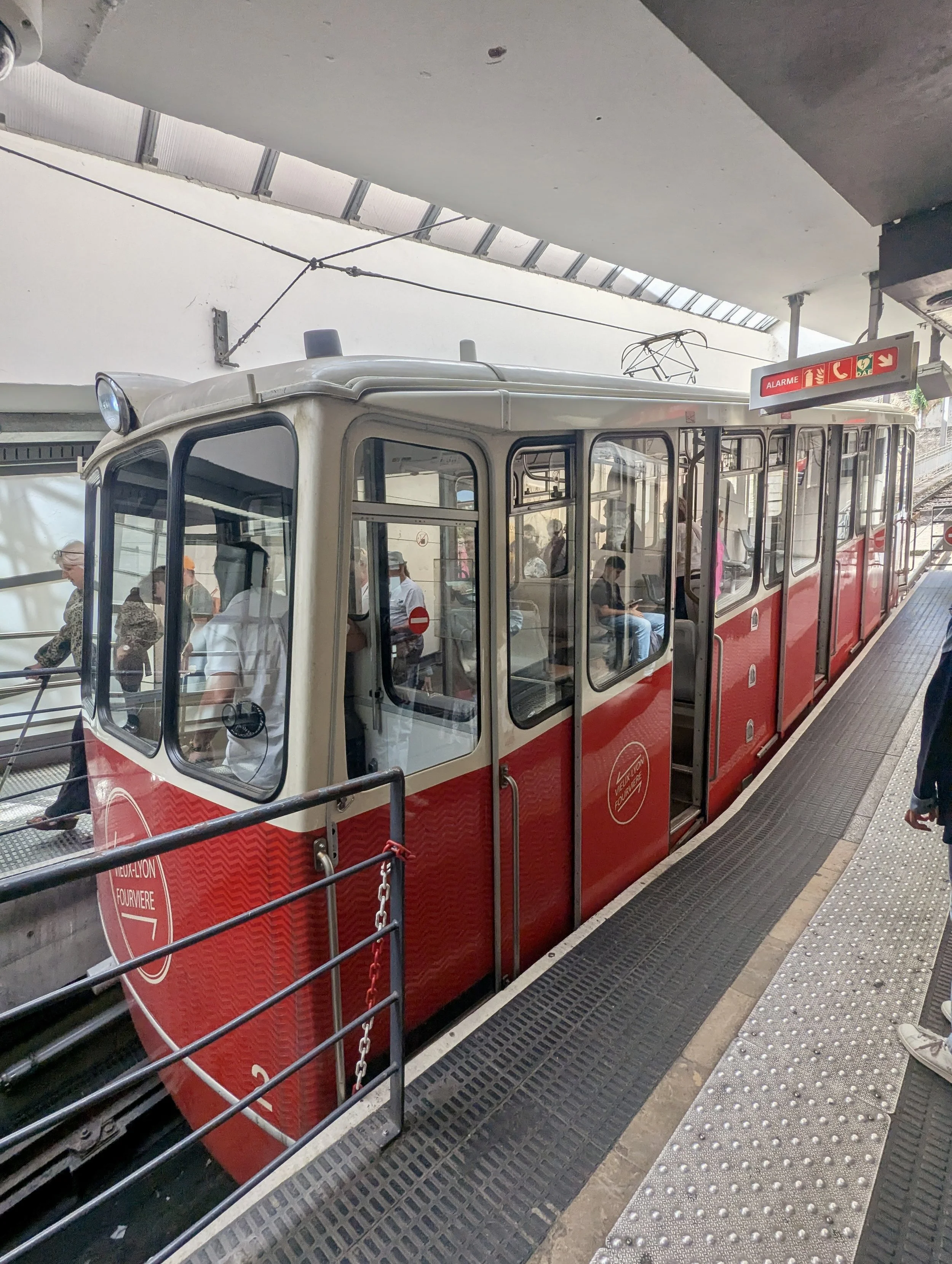
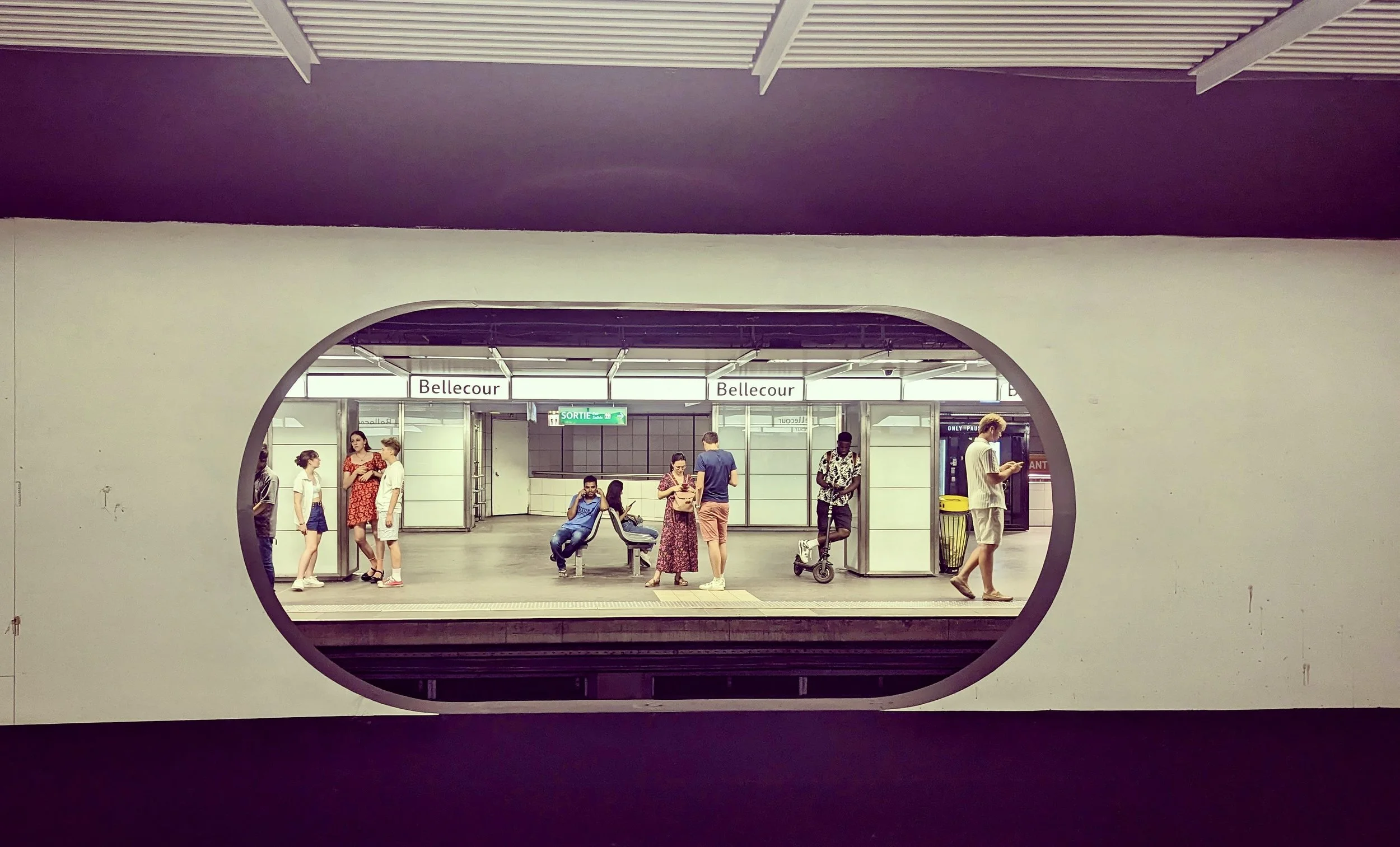
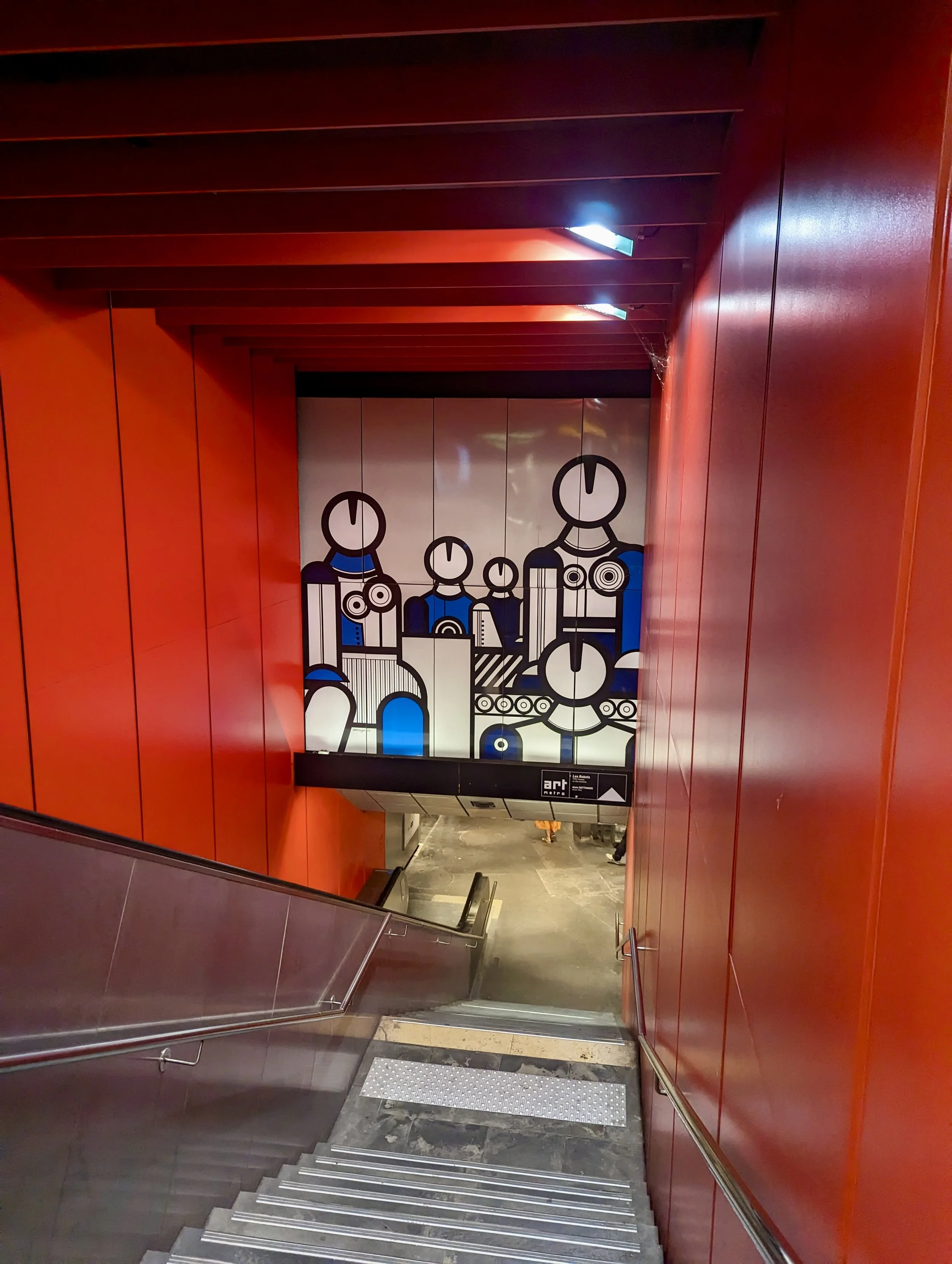
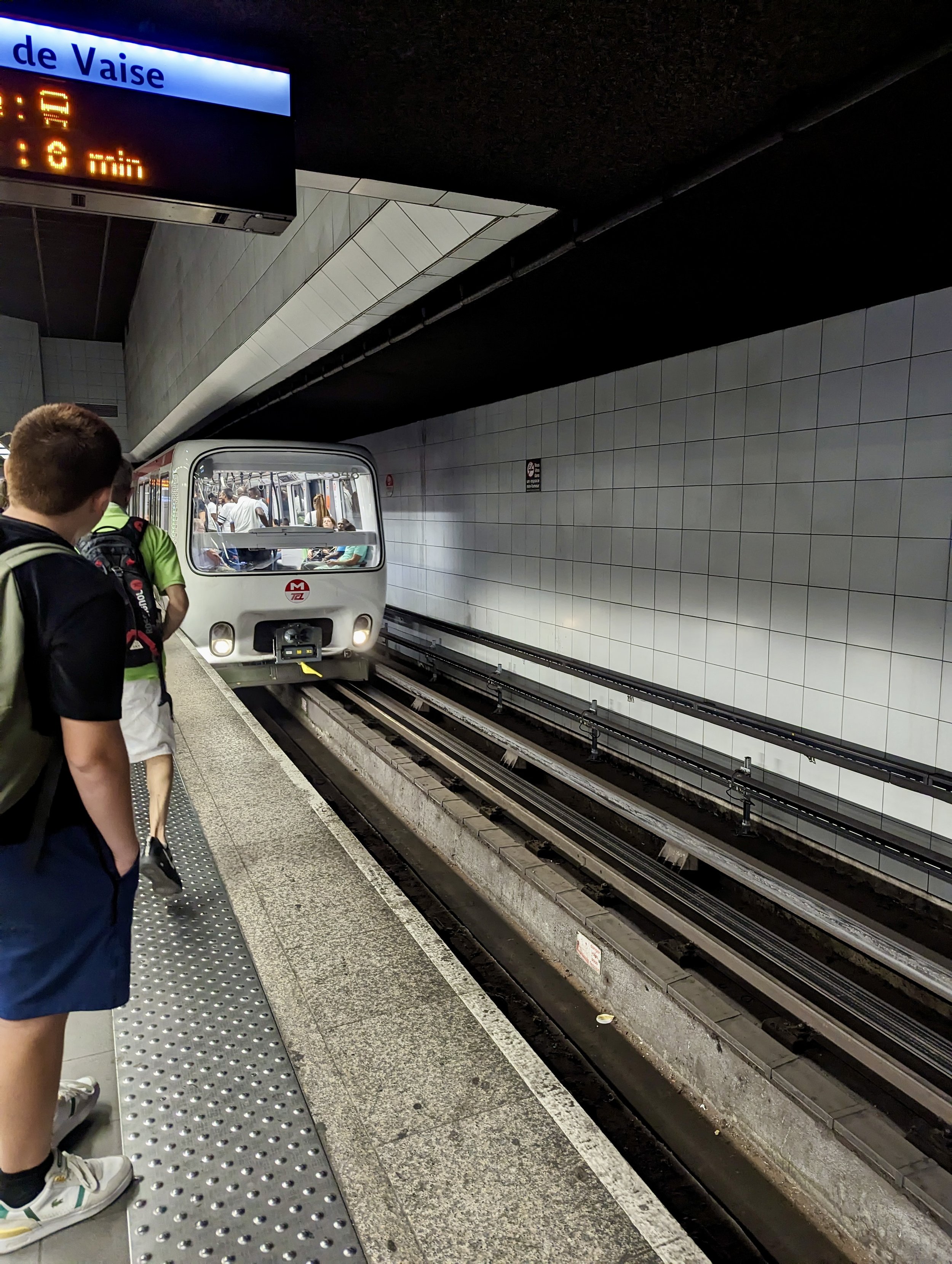
Travel: Plane (flying into Aéroport de Lyon-Saint-Exupéry/LYS is quick and painless, it’s an easy journey into the city via the Rhonexpress); train (there’s a TGV station right at the airport, plus the busy Gare de Lyon Part-Dieu with tons of trains all over France and beyond); Métro de Lyon (great metro helps you zip around town quickly, with four lines), funicular (Lyon’s got hills, and there are two funiculars lines in town, near Fourvière hill); and walking (my preferred mode of transportation, Lyon is a great walking city with a lot of pedestrianized streets in the city center).
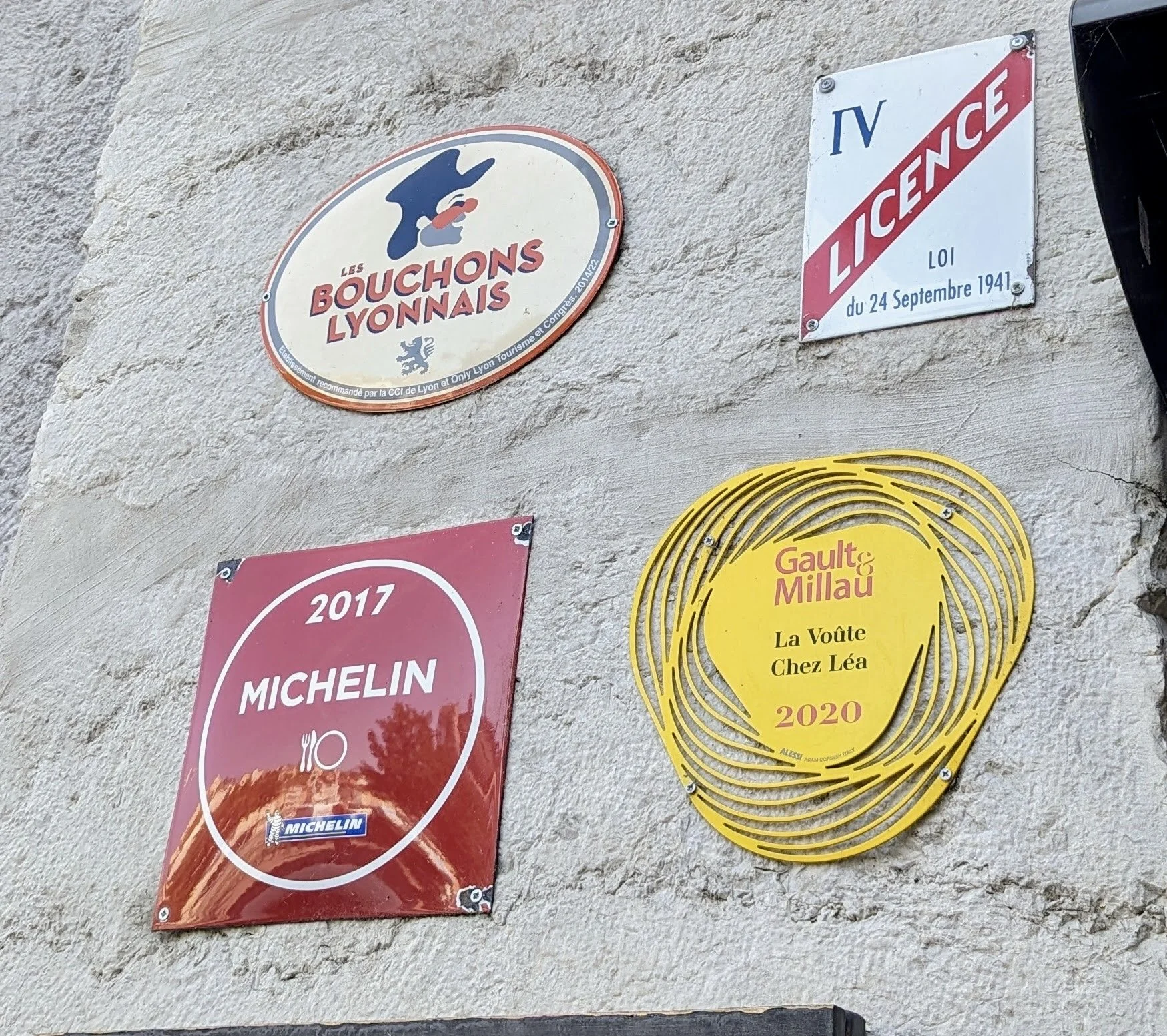
Eat: Lyon is a gastronomy destination, known for its UNESCO-status bouchons, pralines roses are a speciality confection of Lyon which you’ll see featured in all kinds of desserts and pastries, quenelle Lyonnaise are rich dumplings made with pike served in a sauce, Saint-Marcellin cheese, cervelle de canut which is a cheese dish (the name means silk weaver’s brains, but it’s vegetarian since silk weavers couldn’t afford lamb’s brains),
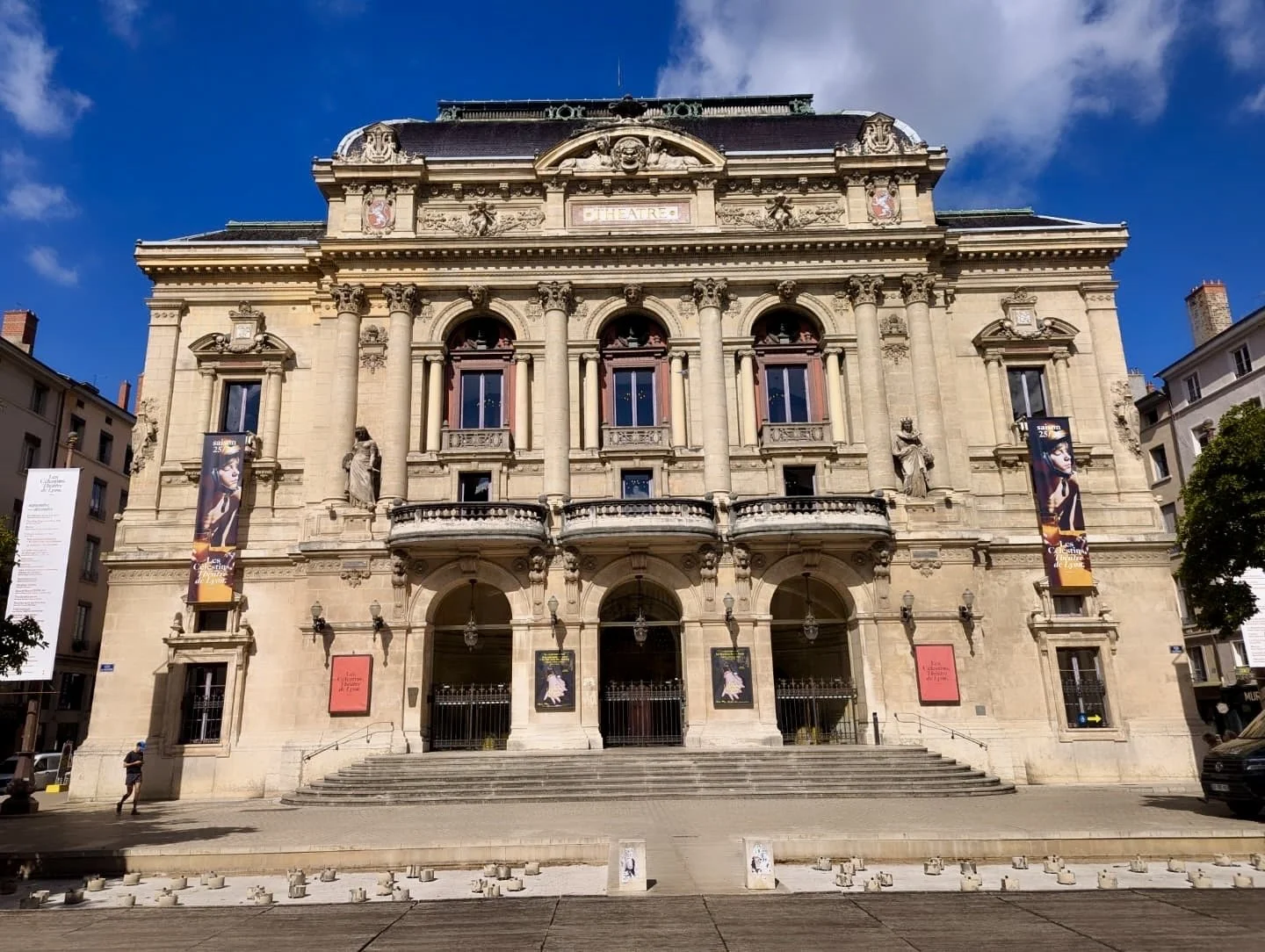
Sleep: Hôtel des Célestins http://www.hotelcelestins.com/ , 4 Rue des Archers - 3-star hotel in the second arrondissement of Lyon, close to the Place Bellecour and the Bellecour Metro stop, is an excellent home base to explore the city. Friendly staff, a nice continental breakfast, and the perfect location across from Théâtre de les Célestins. There’s an elevator, a nice variety of rooms, all with nice, comfy beds. A longer stay than a few days would warrant a more apartment-like location in my opinion, and there are a lot of AirBNB options throughout the city.
Repeat: Absolutely, I’ve already been there twice and wouldn’t hesitate to go back again
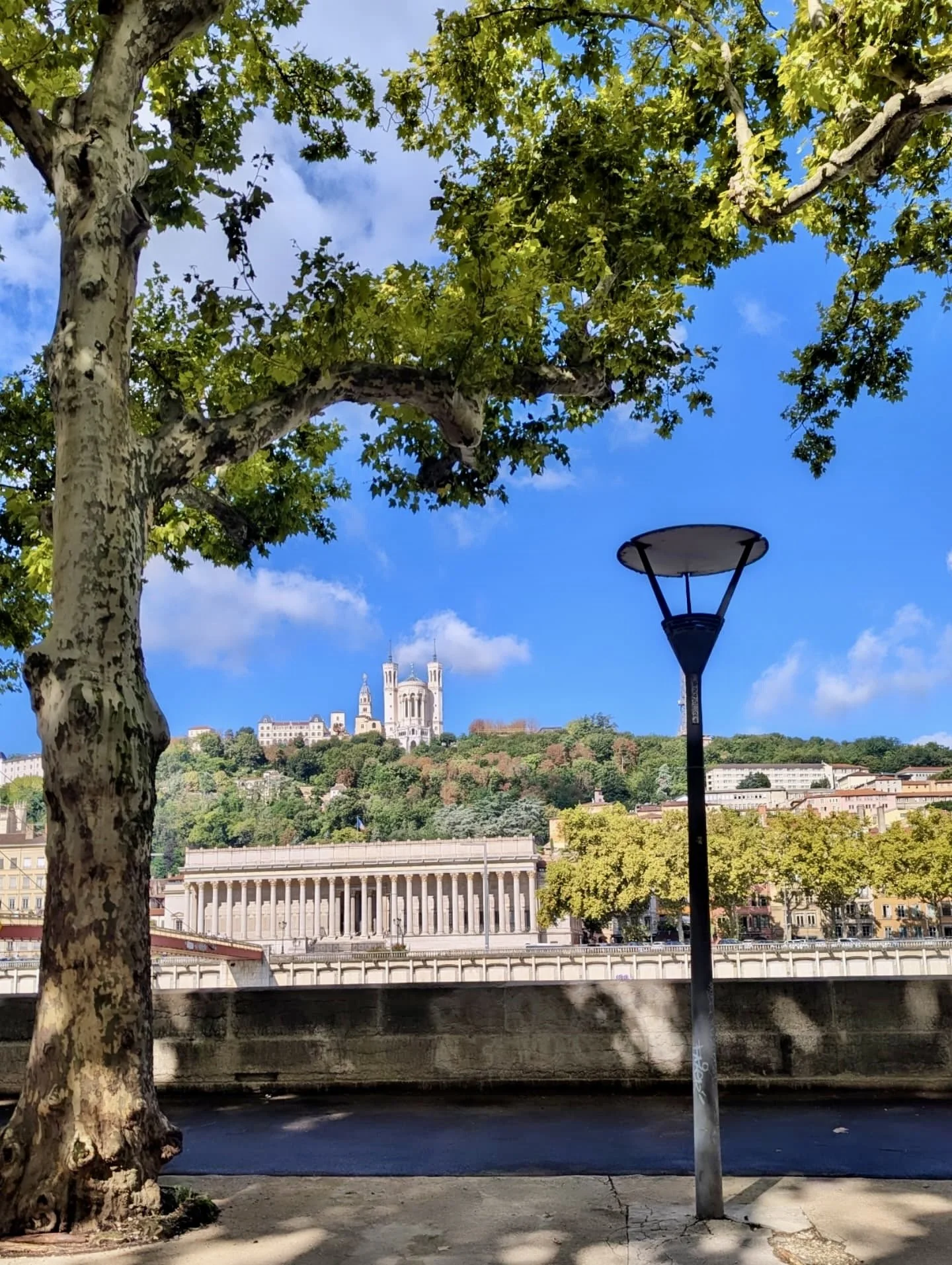
Lyon is by no means undiscovered or particularly off the beaten path (it’s the third largest city in France after Paris and Marseille) but it does tend to get bypassed on lots of people’s first (or second) trip to France. Located in southeastern France in the Auvergene Rhône Alpes region it’s a bit out of the way if you’re hitting the Paris-Normandy-Provence trail, but it’s absolutely worth the detour, especially for food-lovers, or if you’re planning to visit Burgundy. Dijon is about an hour and a half direct train ride, and it’s less than two hours by high-speed train from Paris.
If you’re a little intimidated by big cities, if the idea of starting your trip in Paris overwhelms you, or if you just want to recover from jet lag in a city with a slightly less frenetic pace, Lyon is an excellent starting point. The airport is easy to navigate, ground transportation to get into town is straightforward, and it’s a lot less touristy than Paris (and less expensive) but has much of the same charm. It’s got a lot more in common with the City of Light than, say, Marseille, which has a distinctly Provençal flavor and feels like an altogether different place than its northern sisters - and while I love Marseille, I would not call it relaxing. There’s plenty to see and do (and eat) but not overwhelmingly so, and if you stick primarily to the historic center you barely even need to use the Metro (but if you do, it’s clean, fast, and efficient). Roman ruins, grand cathedrals, a first-class fine art museum, and plenty of unique local history and sights to explore make it a wonderful place to spend a few days getting your bearings.
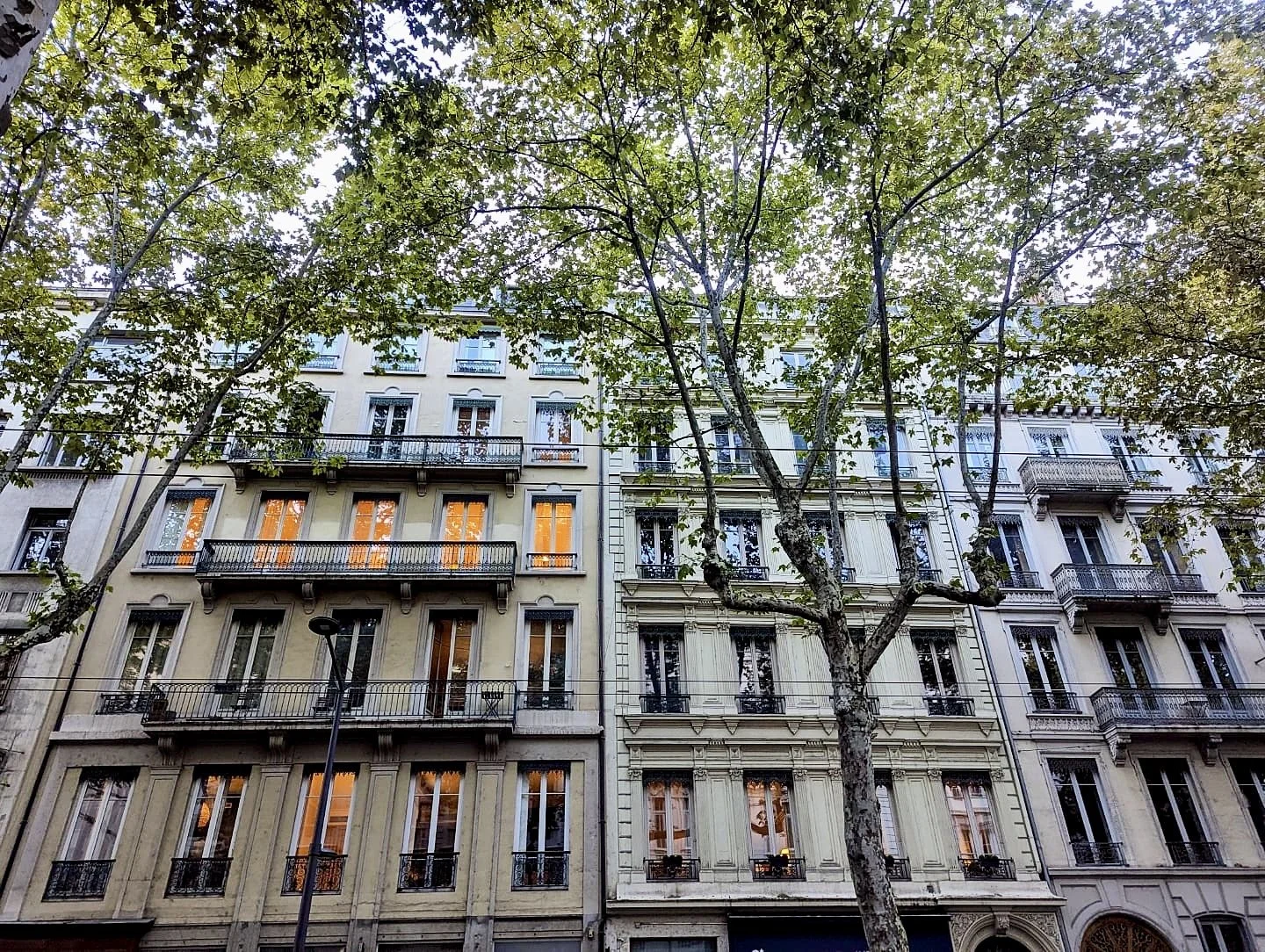
Nestled between two rivers, the Rhône and the Saône, criss-crossed by bridges, and surrounded by hills, it’s easy to pick a point of interest (cafe, church, boulangerie, mural) and just wander the neighborhood from there. The city is divided into nine arrondissements - as a tourist, you’ll probably spend most of your time in the first through the sixth, and you can easily stay on the Presqu’île (literal translation: almost an island, it’s a peninsula dipping down between the two rivers) in the first and second and have an excellent time.
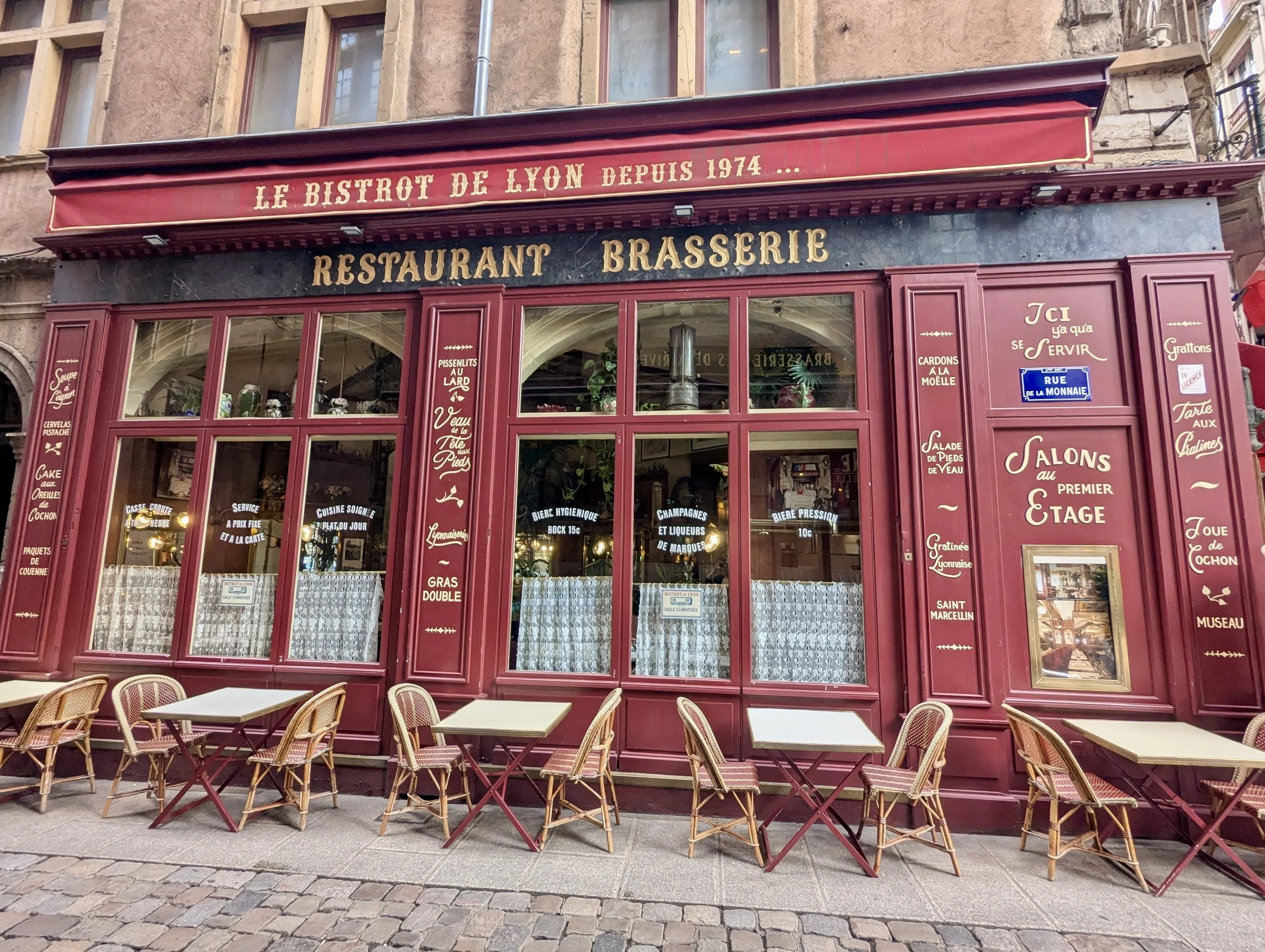
Lyon is a city made for eaters
Lyonnaise cuisine is fairly rich, heavy, and MEATY - you do NOT want to pop in for a quick lunch at a bouchon before a run. The traditional fare of the bouchon involves delicacies like tripe and calves’ brains that can make picky eaters nervous and send vegetarians heading for the hills. However, the restaurant scene in Lyon is much more than just bouchons; there are lots of modern French places, cafes, bistros, and more than enough Michelin stars to go around. There’s also a great mix of different international food options, like Lebanese, Vietnamese, Korean, Italian, Chinese, Japanese, and more. If you’re feeling indecisive or if you’re with a group with very mixed appetites, Les Halles de Lyon Paul Bocuse has a little something for everyone. Don’t worry, nobody’s going to go hungry.
Places We Ate
M Restaurant (Modern French), 47 Av. Maréchal Foch, 6 ème
I like to hit the ground running by making a reservation at a good restaurant for the first night in town to set the mood for a trip. Already having a table booked also saves you the headache of trying to make a decision when you’re braindead from a long travel day and too hungry to be decisive. Unfortunately, our flight to Lyon was delayed and we ended up checking into our hotel with only half an hour to settle in and make it look like we hadn’t been awake for the last 24+ hours straight before heading to dinner.
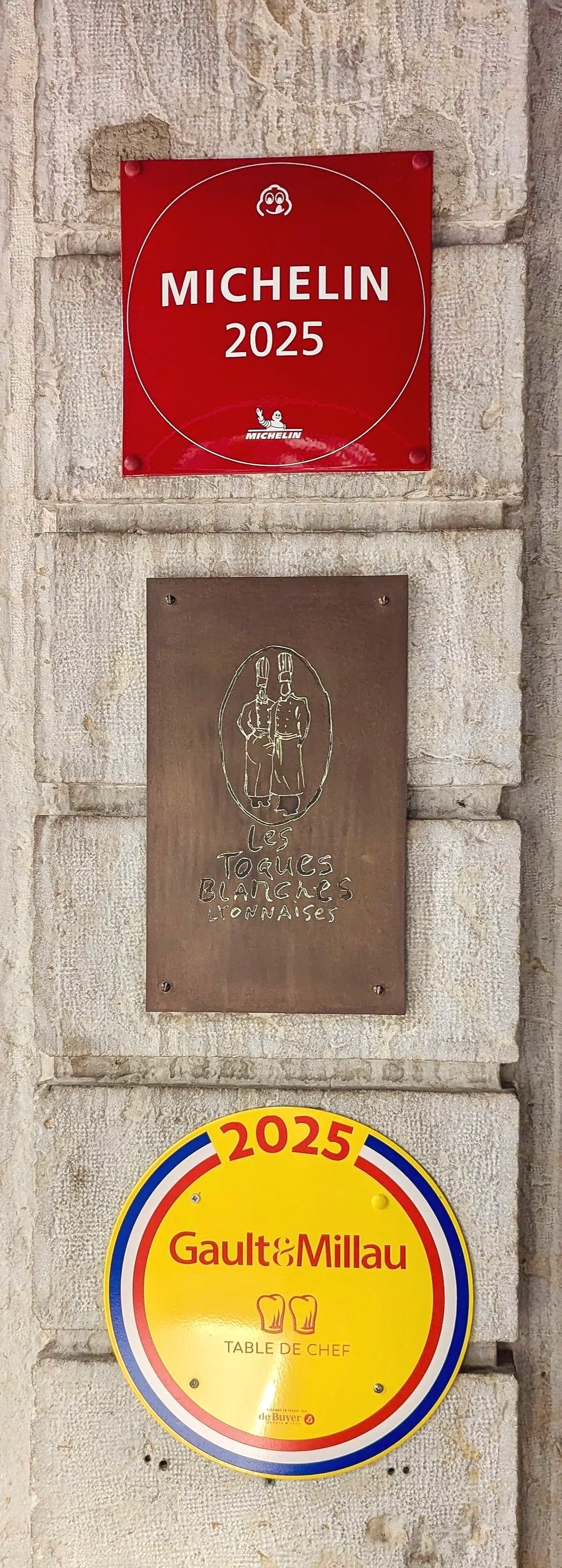
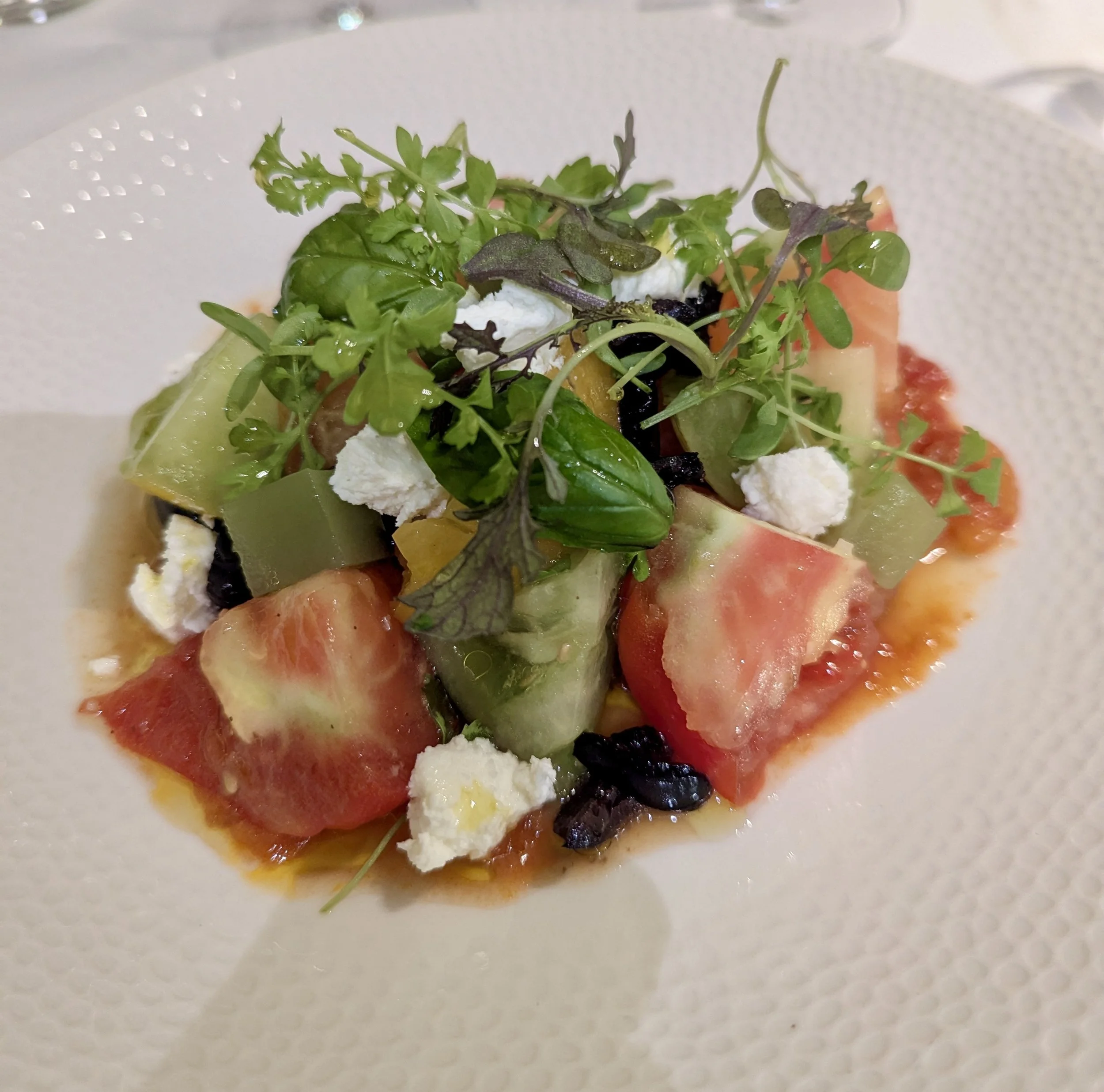
M Restaurant was a great choice to set the tone for our trip for a lot of reasons: it’s nice but not too fancy; their menu is fantastic; they have a MICHELIN Bib Gourmand rating, the renowned guide’s distinction for exceptional food at a great value; and they’re open on Mondays, which is frequently a challenge with restaurants the world over as many are closed Sunday and Monday. Our reservation was for 8 PM, which is typical dinnertime in France, but eating a leisurely-paced multi-course meal starting later at night was not the best choice for two wrecked travelers. The meal was wonderful, as was the wine, and I would definitely go back, but we were a little too exhausted to appreciate it as much as we should have under different circumstances.
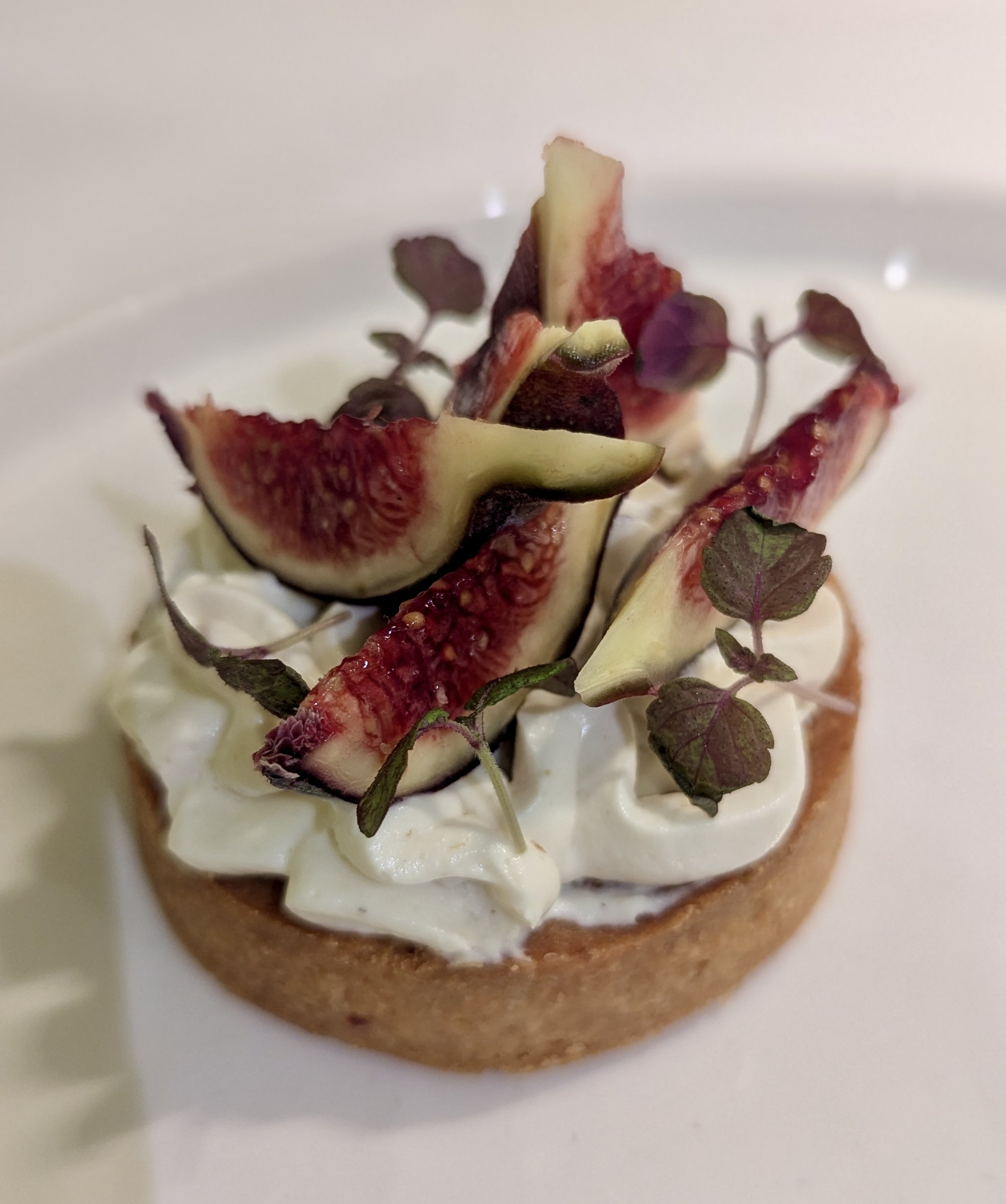

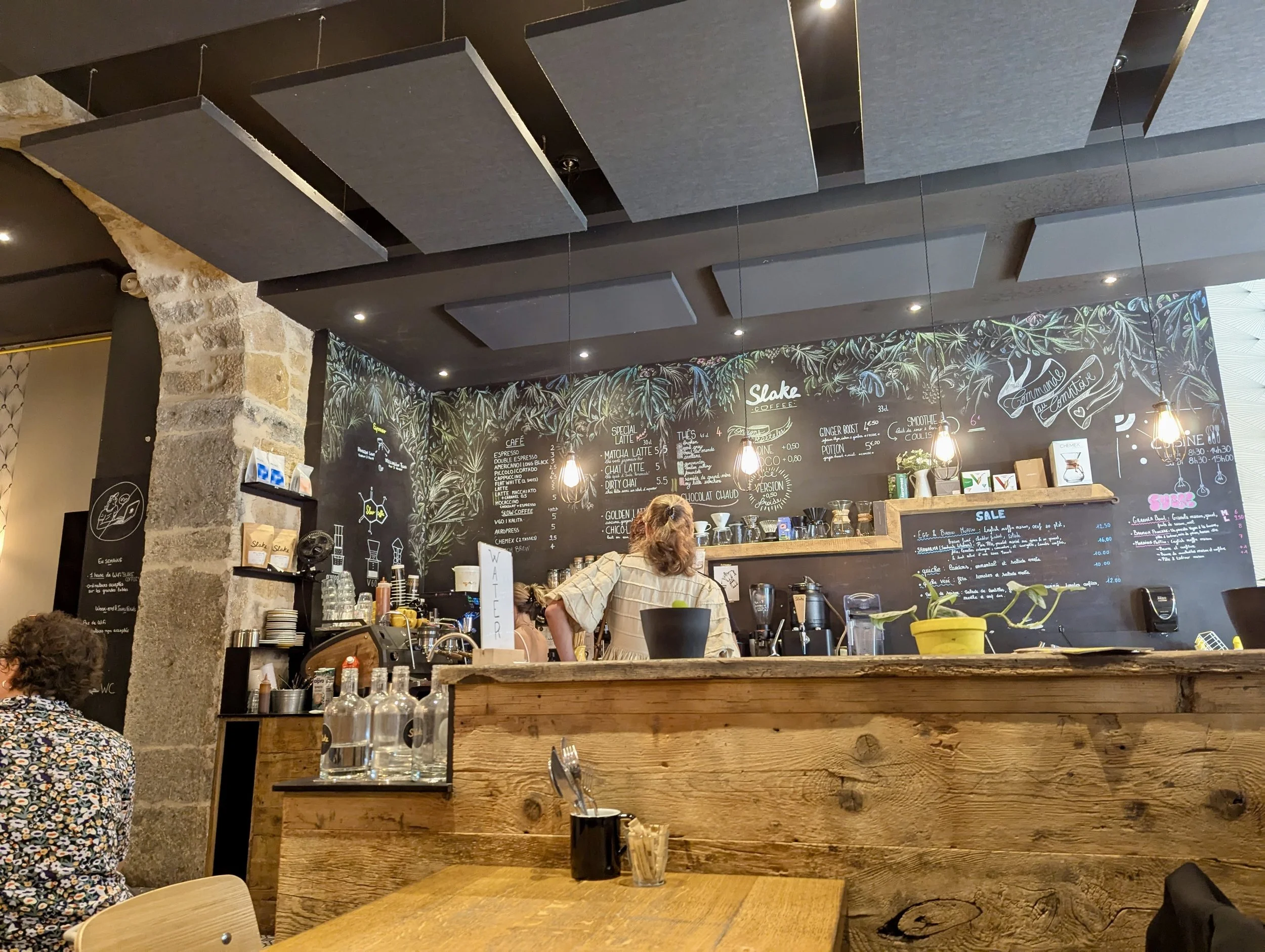
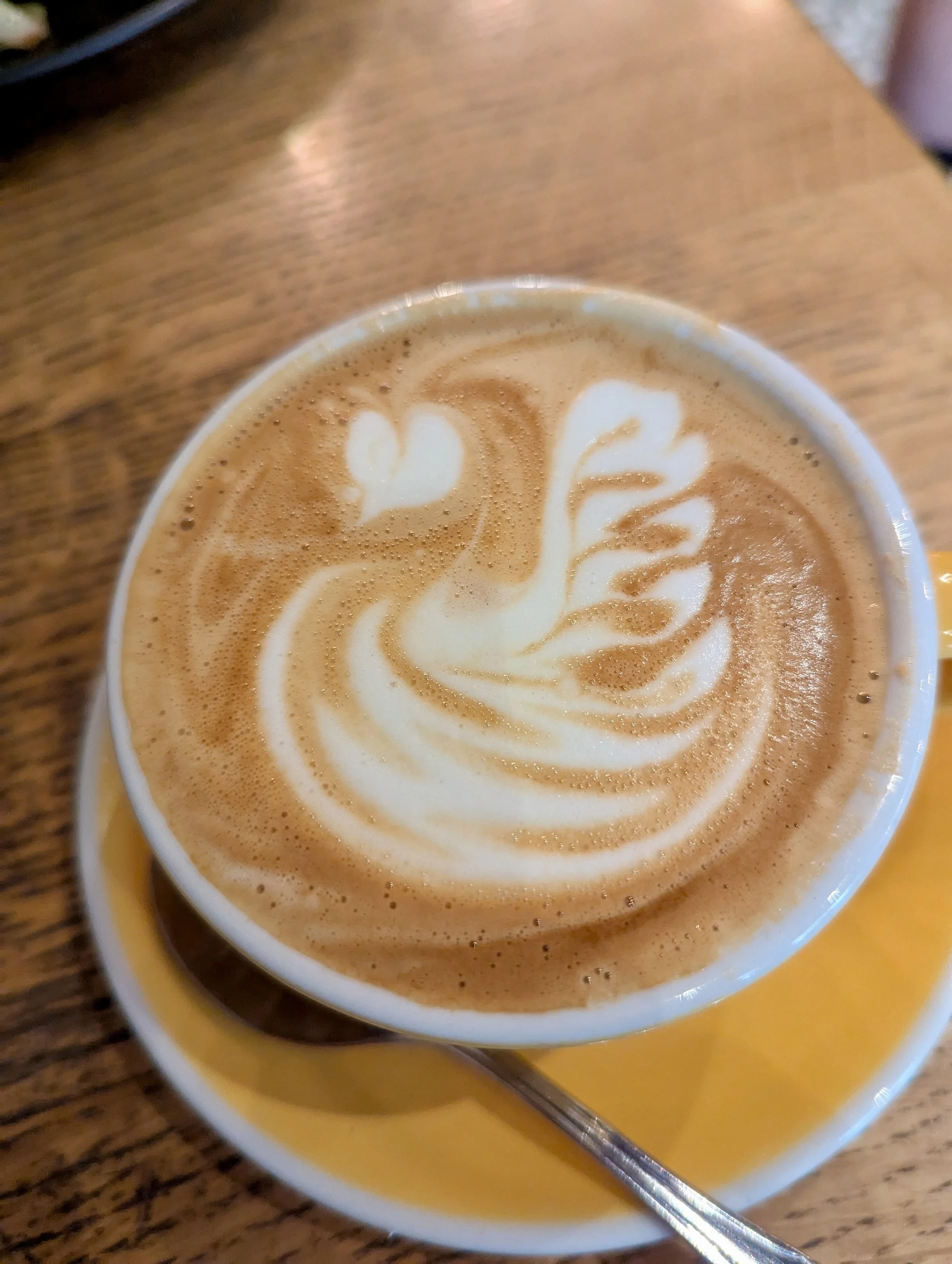
Slake Coffee House (cafe/breakfast), 9 Rue de l'Ancienne Préfecture, 2 ème
Another favorite that warrants repeat visits, the coffee is great (not your standard French cafe mediocre brew) and they have some more North American-standard breakfast/brunch items if you need a little more than the traditional French breakfast of un café and a cigarette to start your day.
I’m not a big breakfast person as far as eating a giant plate of bacon and eggs, but I do need something to start my day, and a café crème and a pain au chocolat is the best breakfast on the go for me - quick, tasty, and inexpensive. The one problem is that where you find good coffee you don’t typically find good pastries. This means that either it’s a two-part meal, or, if you can get your coffee à emporter, you can also grab your pastry to go as well and find a nice park, square, or riverside to enjoy the best of both worlds. This is a great stop to grab your coffee of choice and get a great pastry at. . .
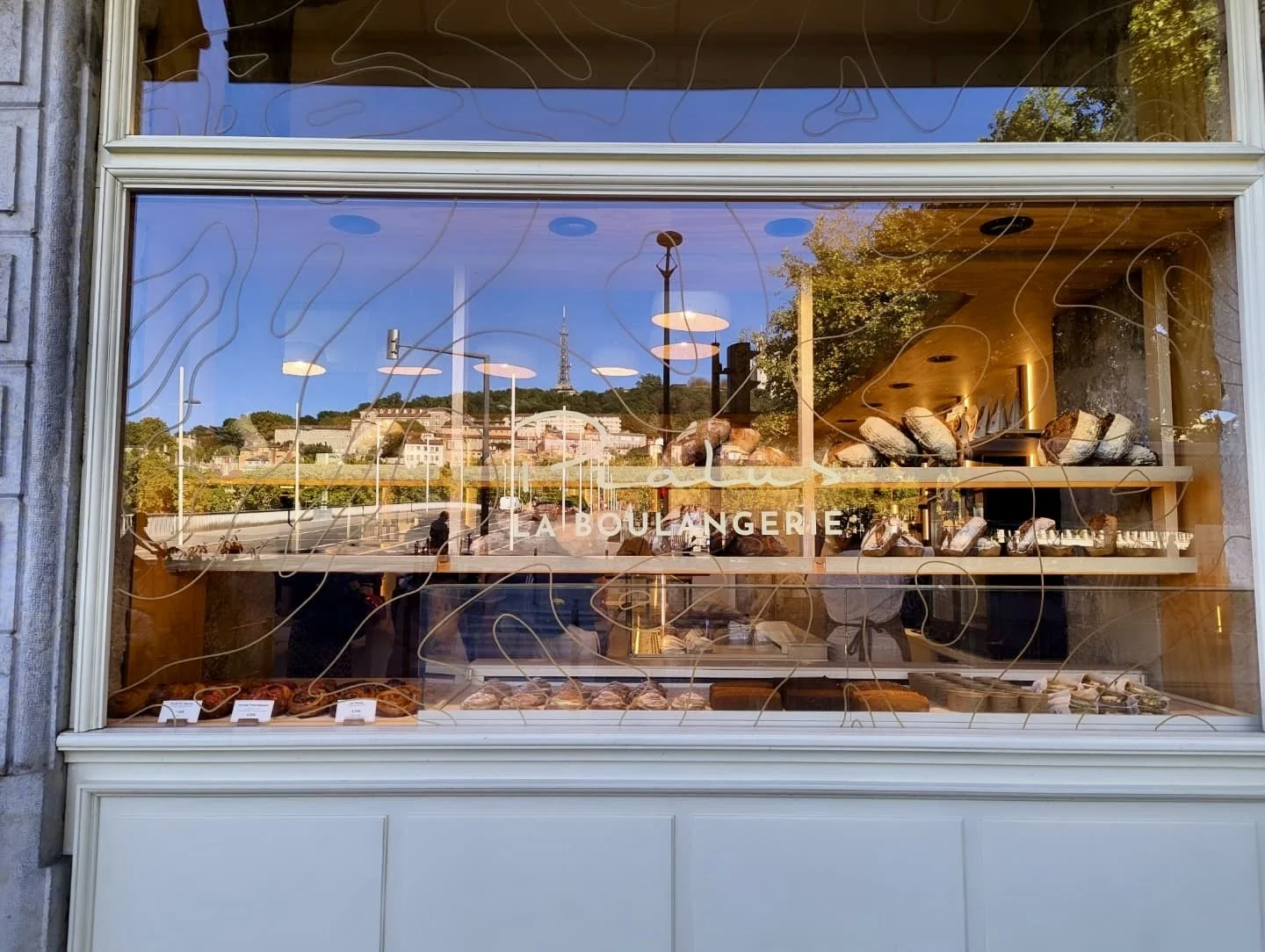
Pralus La Boulangerie (boulangerie), 18 Quai Saint-Antoine, 2 ème
This Lyonnaise institution has a few locations around town and they’re known for their pralines roses (almonds candied in pink sugar) which feature in several of their pastries, including brioches and escargot au pralines. The bread is organic and made with local flour, and they have some excellent sandwiches to grab for a picnic or to tide you over on a train ride. They also have a chocolate shop/pâtisserie just two streets over at 32 Rue de Brest if you want to check out more specifically sweet offerings.
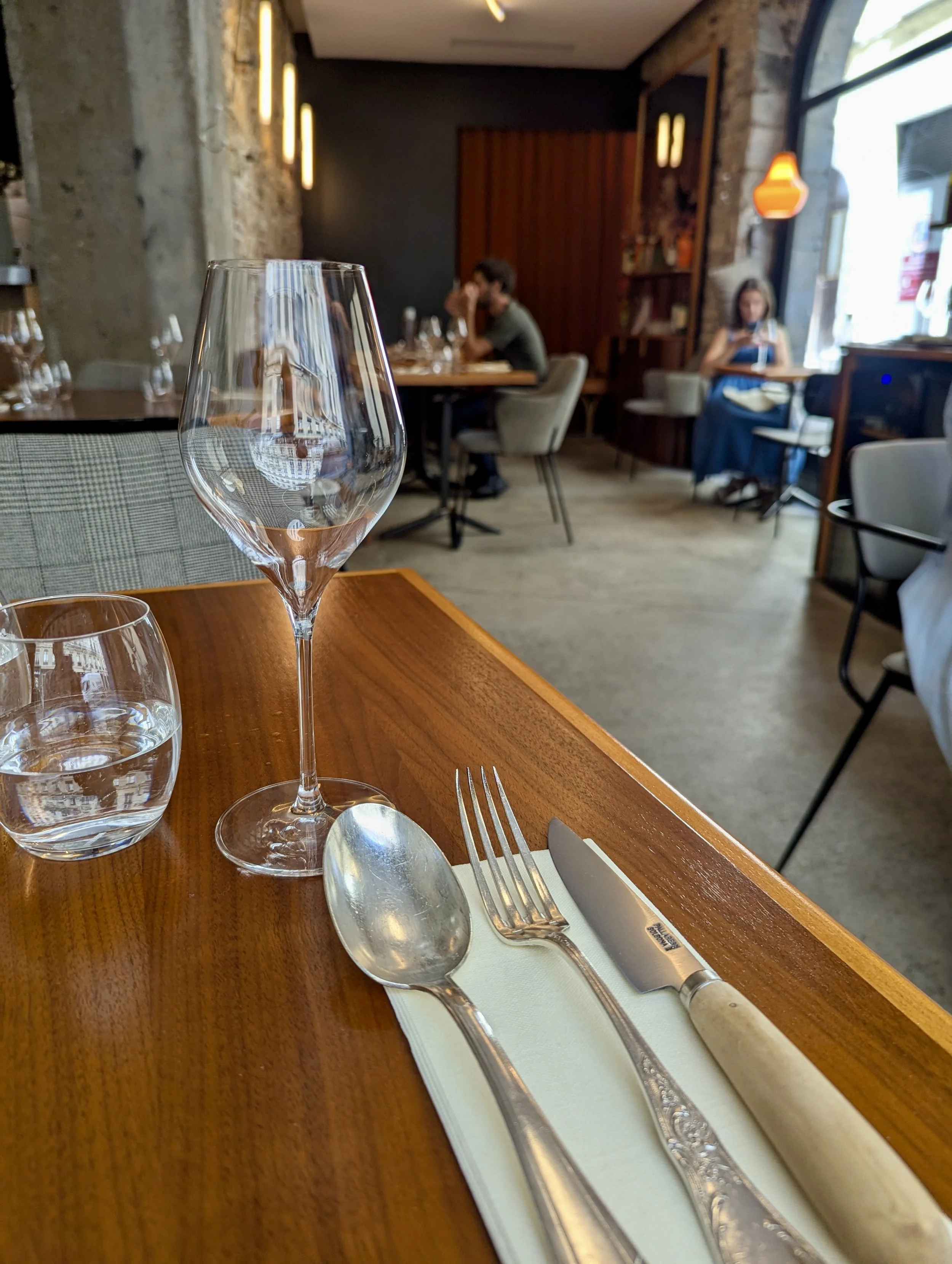
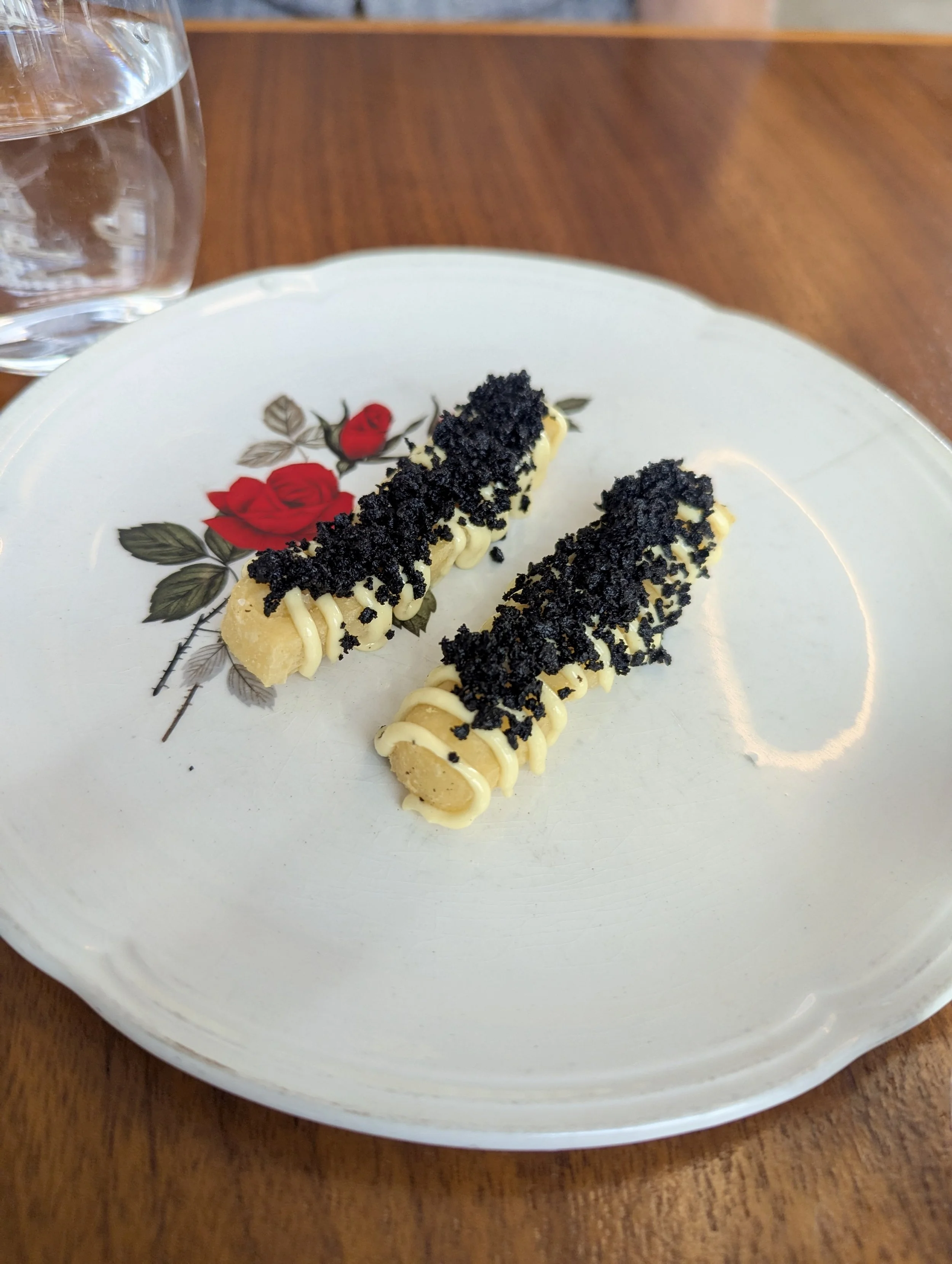
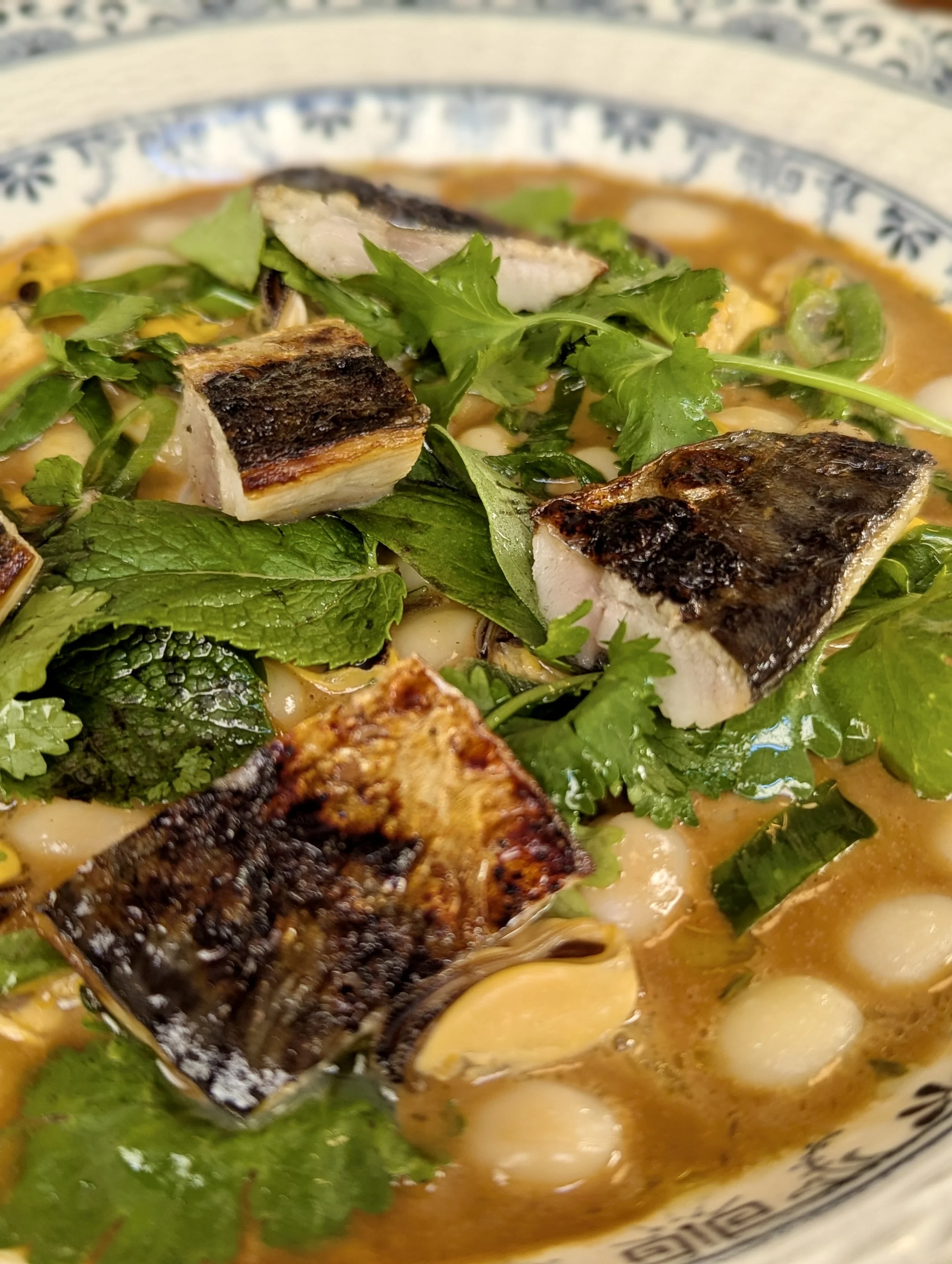
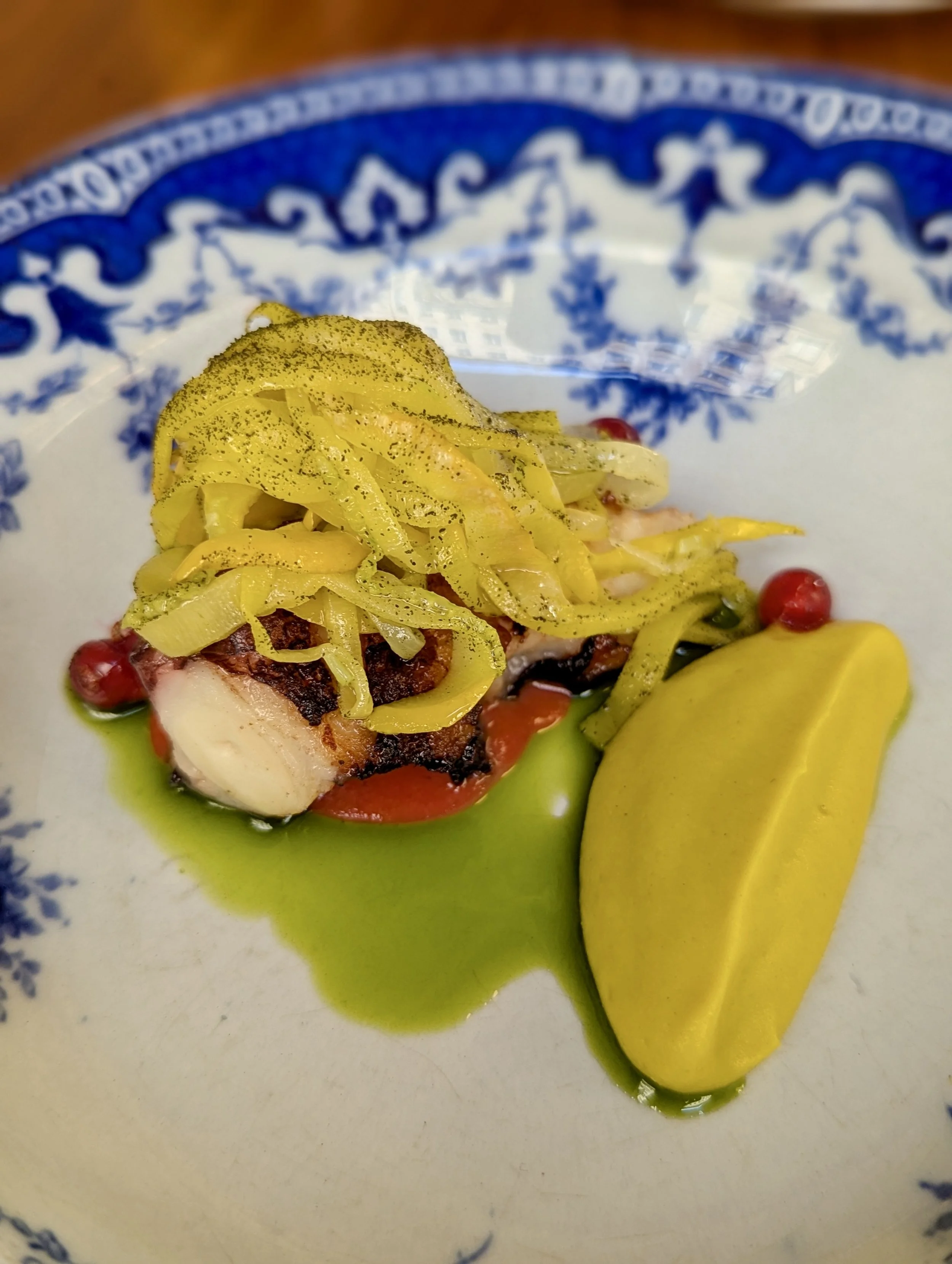
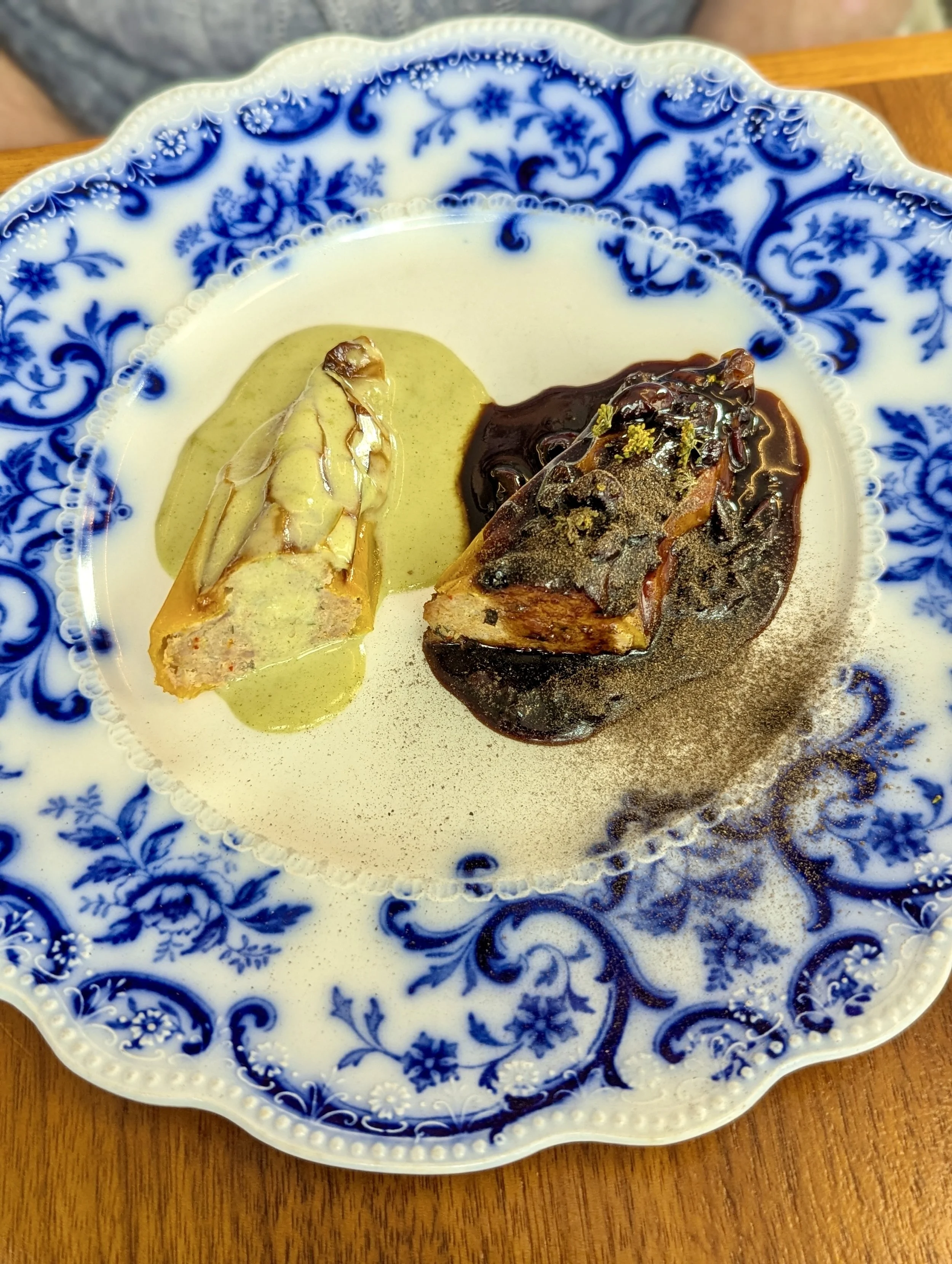
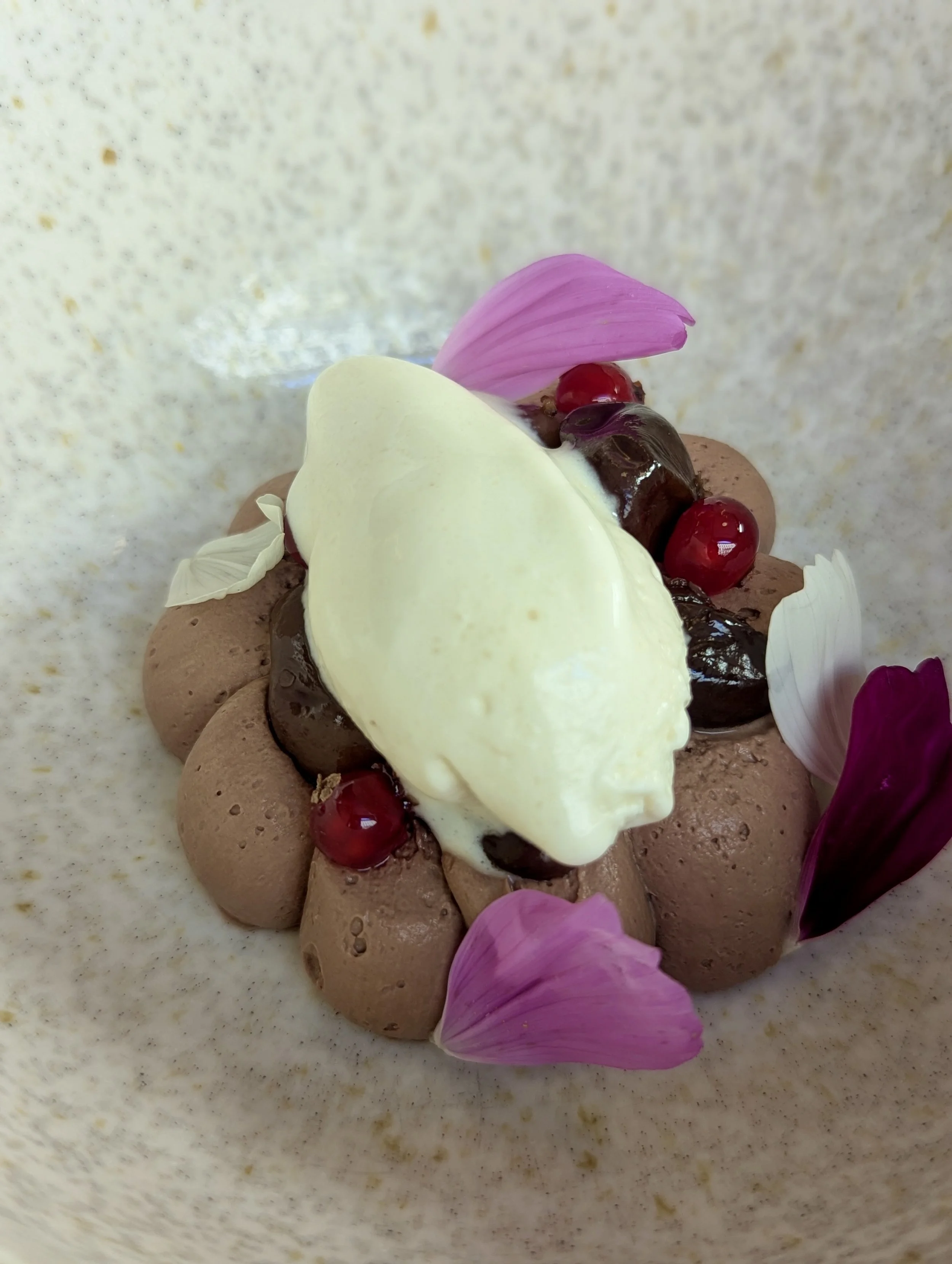
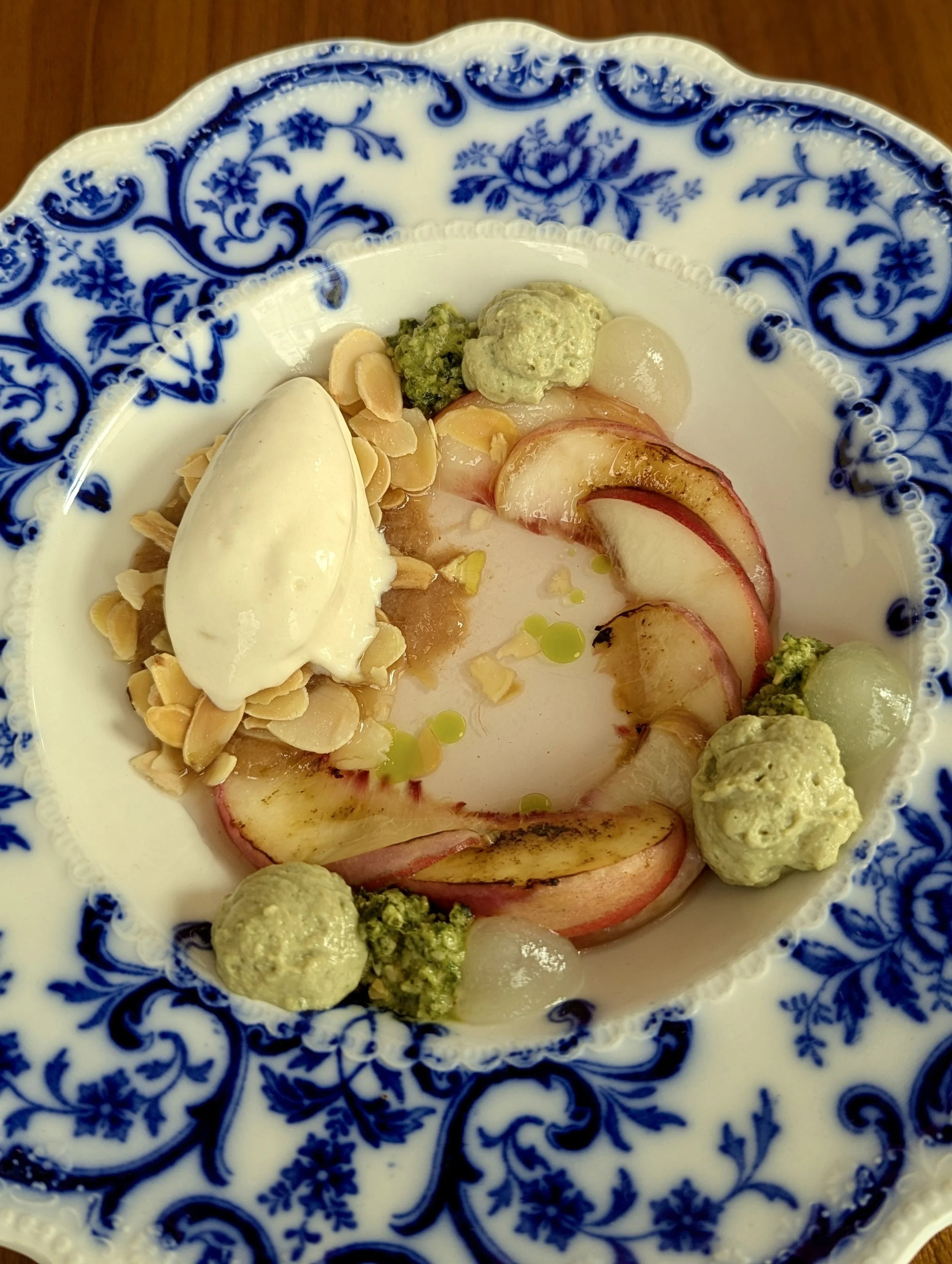
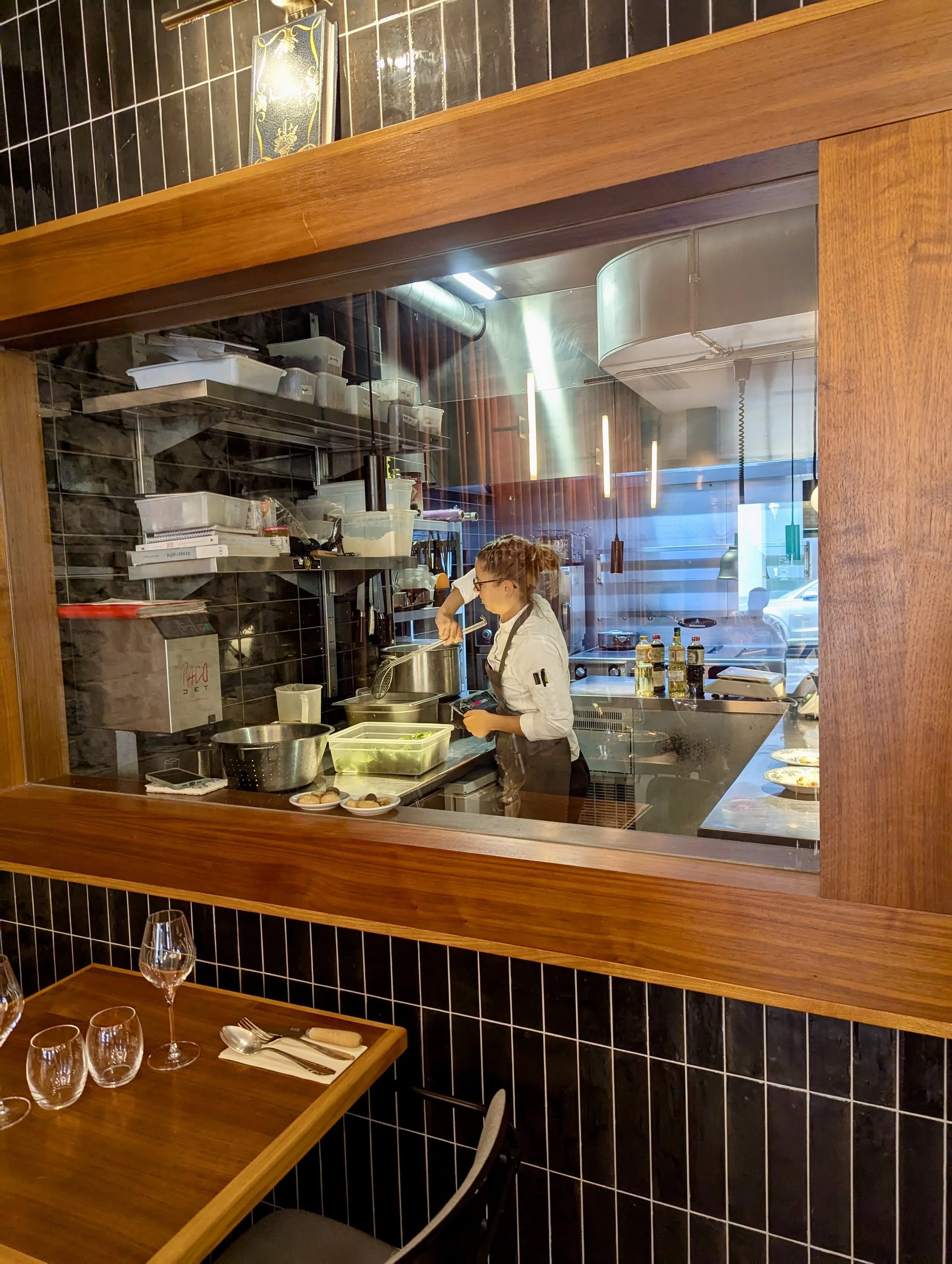
Regain (Modern French), 3 Rue d'Algérie, 1 ème
We enjoyed an excellent lunch at this beautiful restaurant after a morning spent at the museum. Wonderful menu, great service, good location, this is definitely worth a visit, and the lunch portions were perfect.
Note: if, like me, you’ve tried to enjoy prix fixe meals for dinner at high-end restaurants and have left feeling like a goose being prepped to become foie gras, try lunch instead. Prices are a little lower, portions are a little smaller/more manageable, quality is still great, and you have the rest of the afternoon to walk around and digest. Not all restaurants serve lunch, but it’s a great option to be able to enjoy more delicious meals without having to go to bed with an overly full stomach.
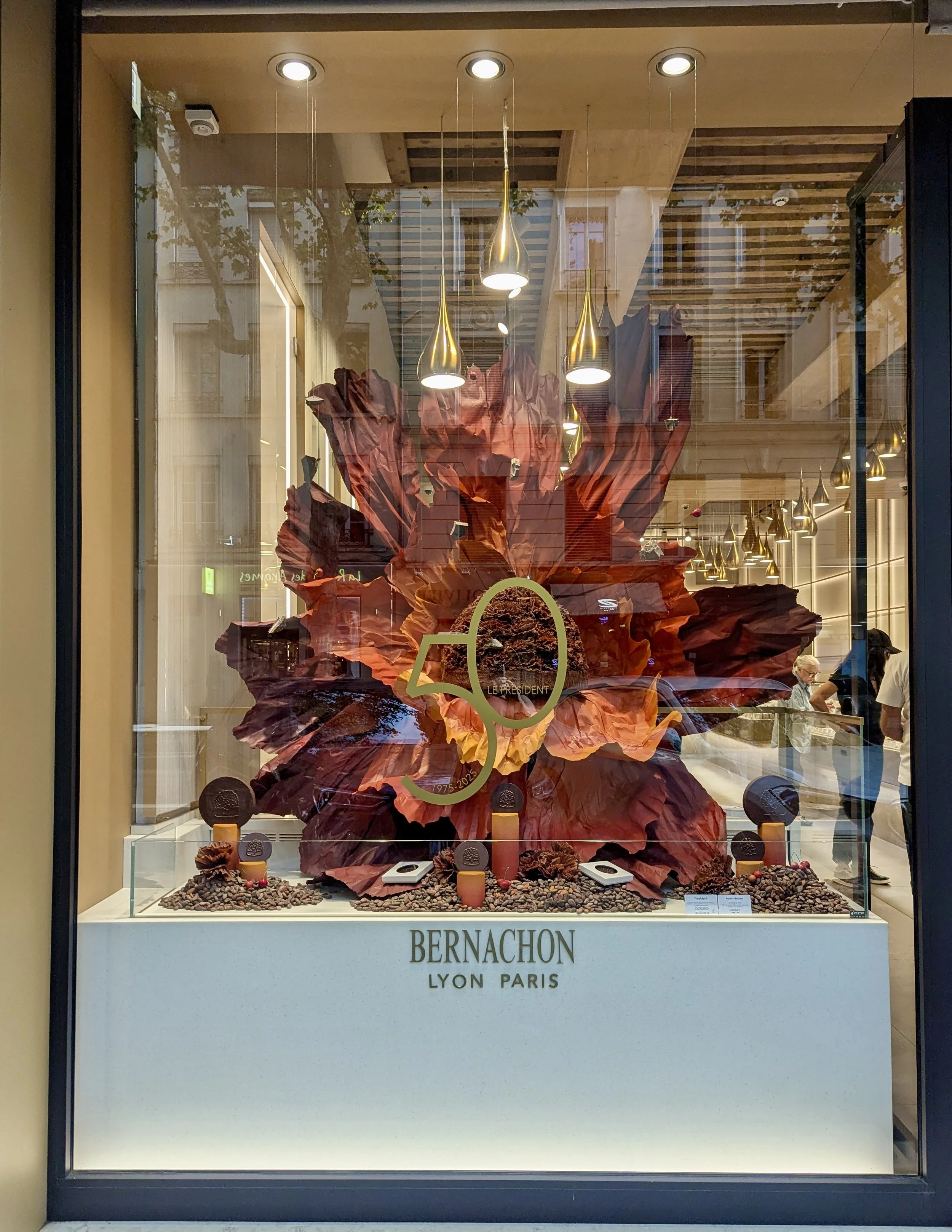
Bernachon Chocolats (chocolatier), 42 Cr Franklin Roosevelt, 6 ème
Since opening their first chocolate shop in Lyon in 1953, Bernachon has been a Lyonnaise institution. Still a family-run shop, they also have a tea room (same location) and opened a Paris outpost. Their chocolates are elegant and delicious, with a ton of truffle options to choose from if you want to create your own selection. I chose about a dozen different truffles and a bar of dark chocolate, and they all turned out to be excellent. Prices are what you’d expect for high-end chocolate, but I didn’t feel like I was breaking the bank, and being able to choose your own truffles is always a preference to getting stuck with a pre-packed box of all the same truffles or a variety that you didn’t choose where you end up paying as much for the fancy packaging as you do for what’s inside.
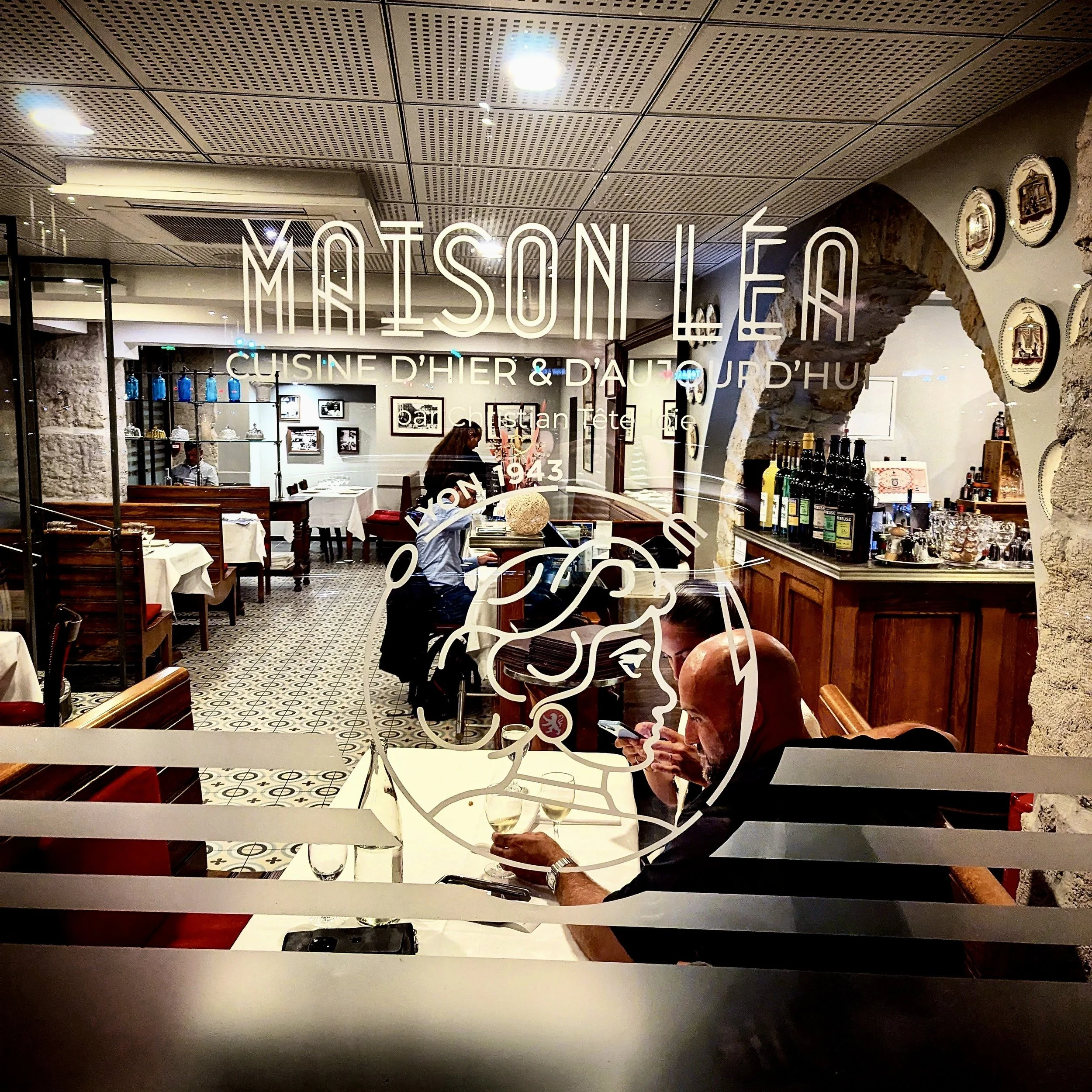
Maison Léa (Lyonnaise), 11 Quai des Célestins, 2 ème
Maison Léa is a bit of a hybrid bouchon/Lyonnaise restaurant (they also have a traditional bouchon just around the corner). I have enjoyed two dinners here, and both were delicious. There are two prix fixe menus, the Bellecour Menu for €43 that features bouchon classics, and the Fourviere Menu for €54 which is more standard French, as well as an a la carte menu, which has a little of everything, including a couple of vegetarian options. We ordered from the the Bellecour Menu, which was pretty similar to what was offered on my last visit. I had the quenelle Lyonnaise, which for a pescatarian, is one of the few choices on a bouchon menu, everything else is meat, meat, meat. Even my starter unexpectedly had pork.
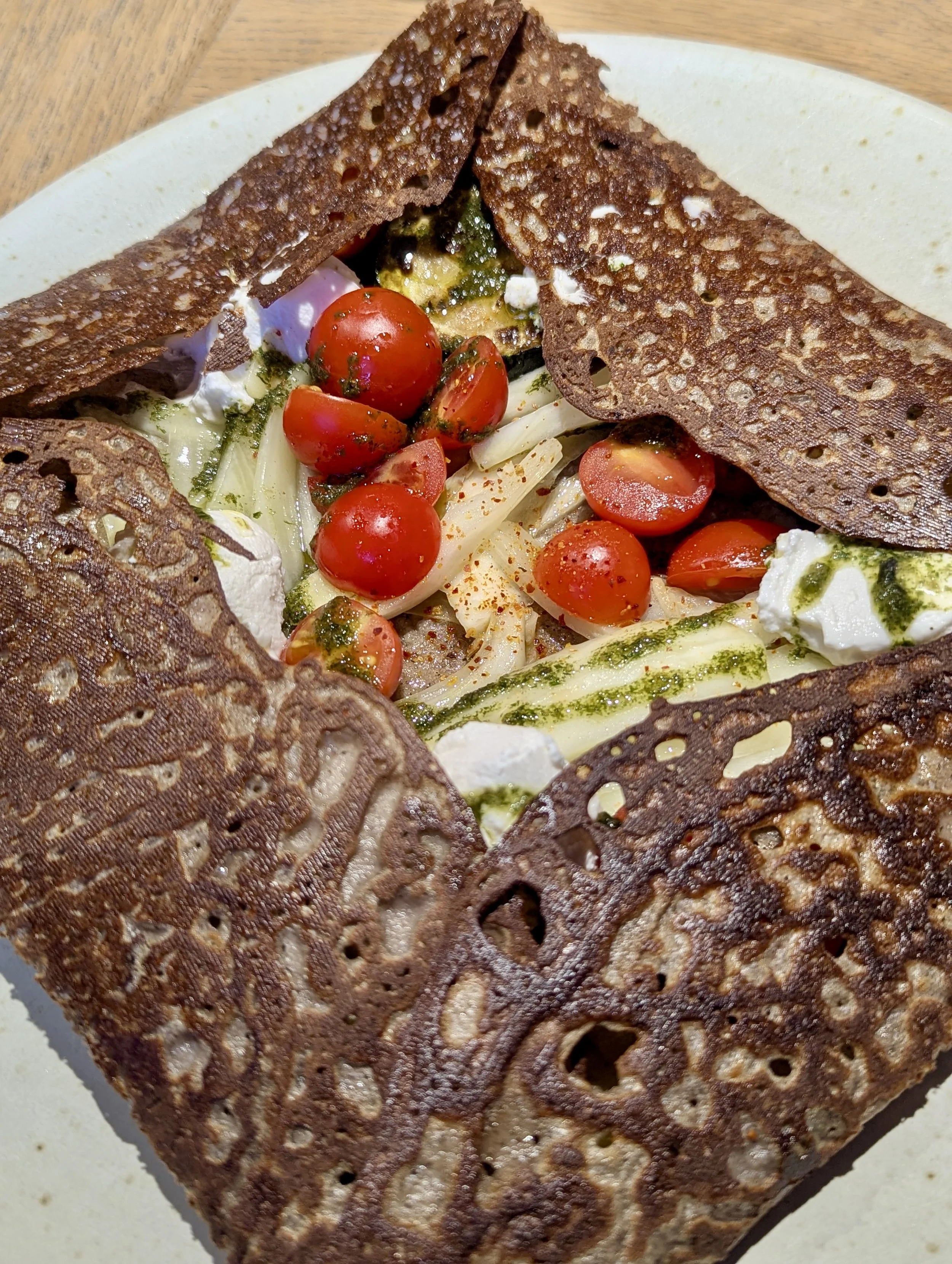
Breizh Café (Breton crêpes), two locations: 3 Pl. d'Albon, 1 ème, & 36 Bd des Brotteaux, 6 ème
Excellent, ever-growing French chain, I always try to include a meal here when I’m in France. This was my first visit to one of their locations outside of Paris, and it didn’t disappoint (we ate at the one in the 6 ème). The quality is always great, the menu features sweet and savory options, and they have the perfect white wine or cidre pairings. It’s easy to have a lighter meal here, a nice dinner option after a heavy lunch at a bouchon.
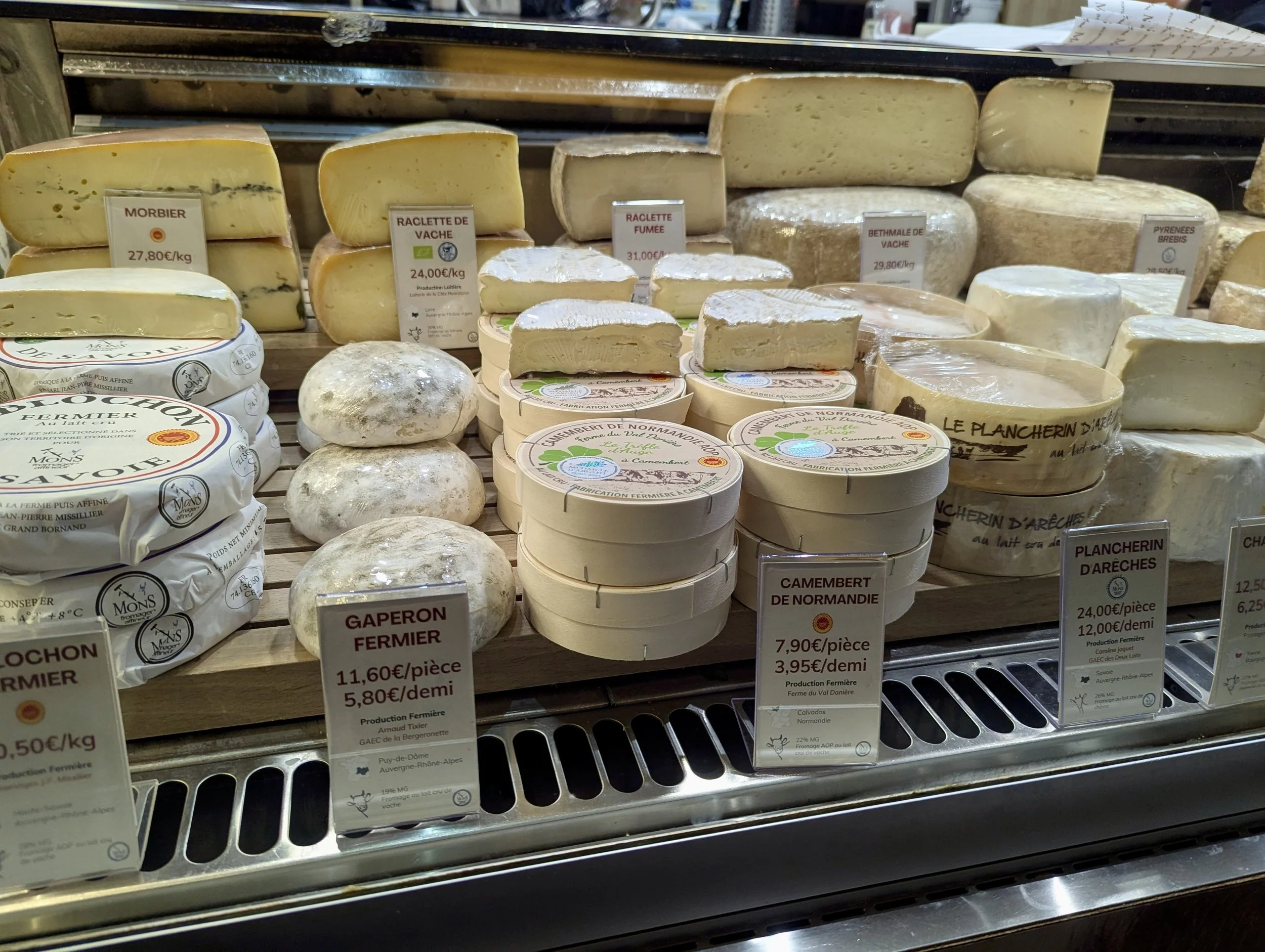
Les Halles de Lyon Paul Bocuse (food hall/market) 102 Cr Lafayette F, 3 ème
Learn from my mistake - while they’re technically open until 7:30 PM (1 PM on Sundays) not all the stalls/vendors are open later in the evening. We arrived around 6:30 or so on a Wednesday with plans to shop for a picnic dinner and most of the vendors were either closed or in the process of closing. Maybe it has been an especially slow day so they were just cutting their losses and getting out of there early, it wasn’t clear, but we ended up leaving without buying anything to avoid having to make a food decision under pressure. There were some restaurants and wine bars still open, but that was it. If you want to see it in all its glory, get there by mid-afternoon.
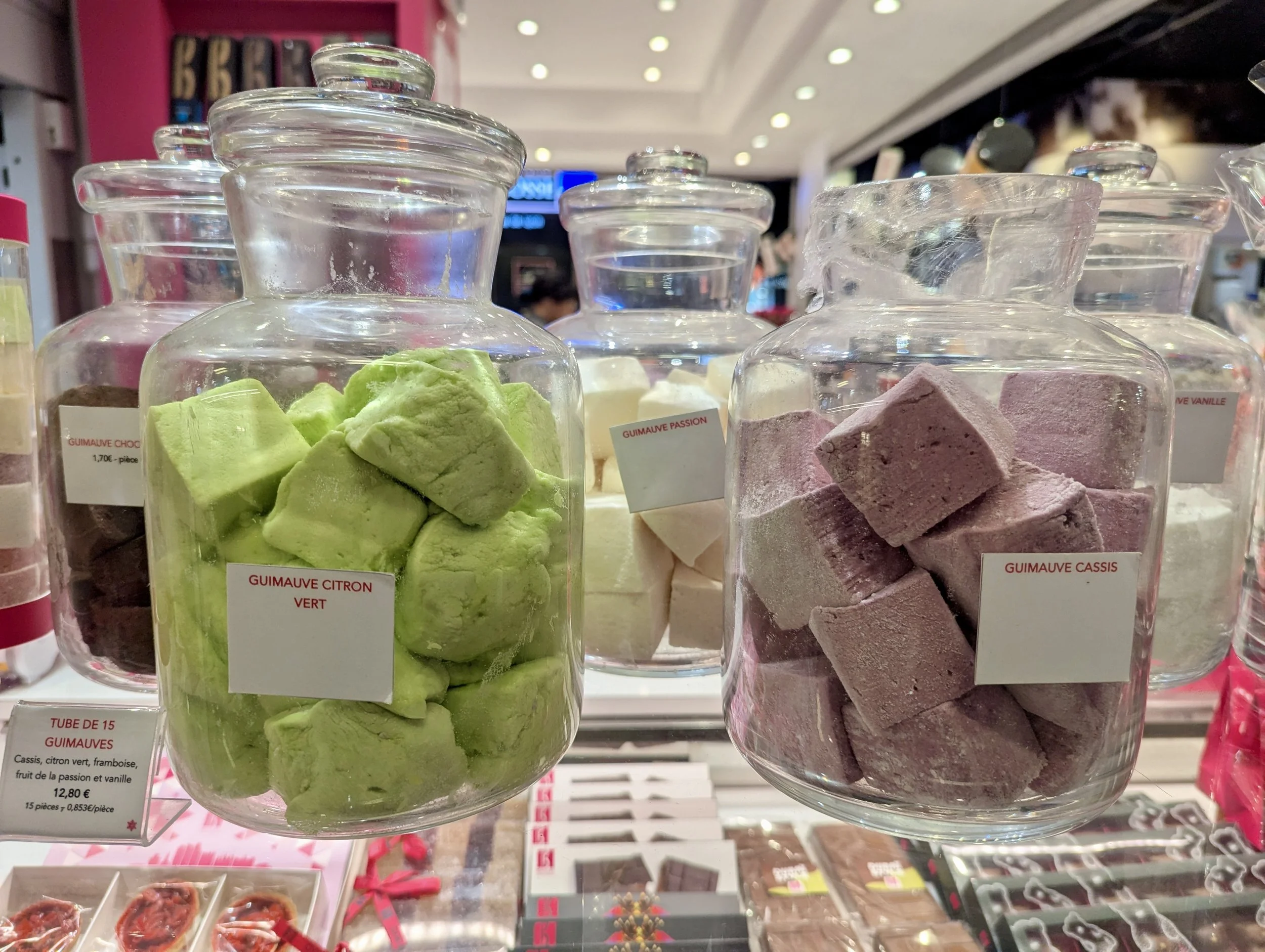
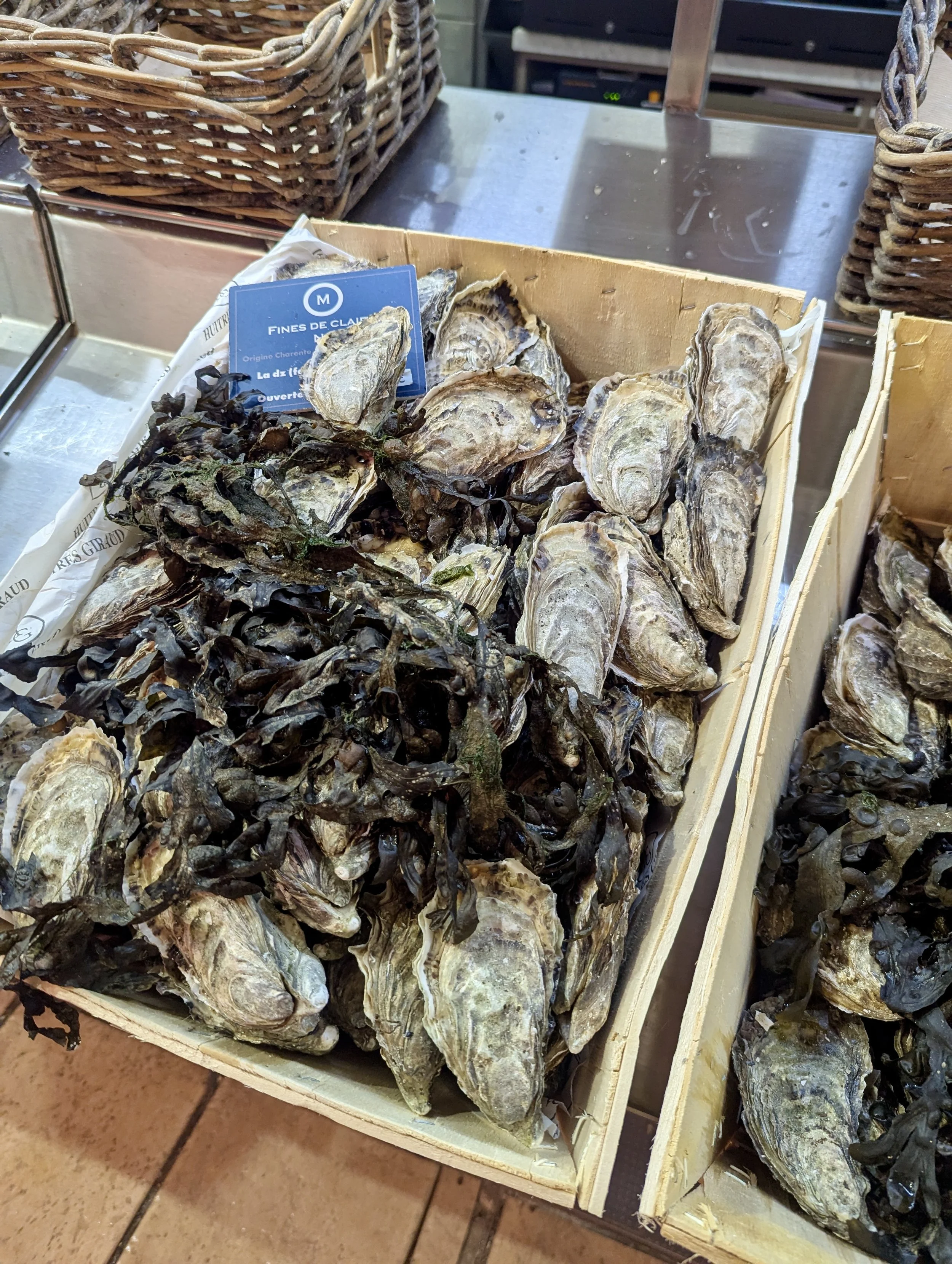
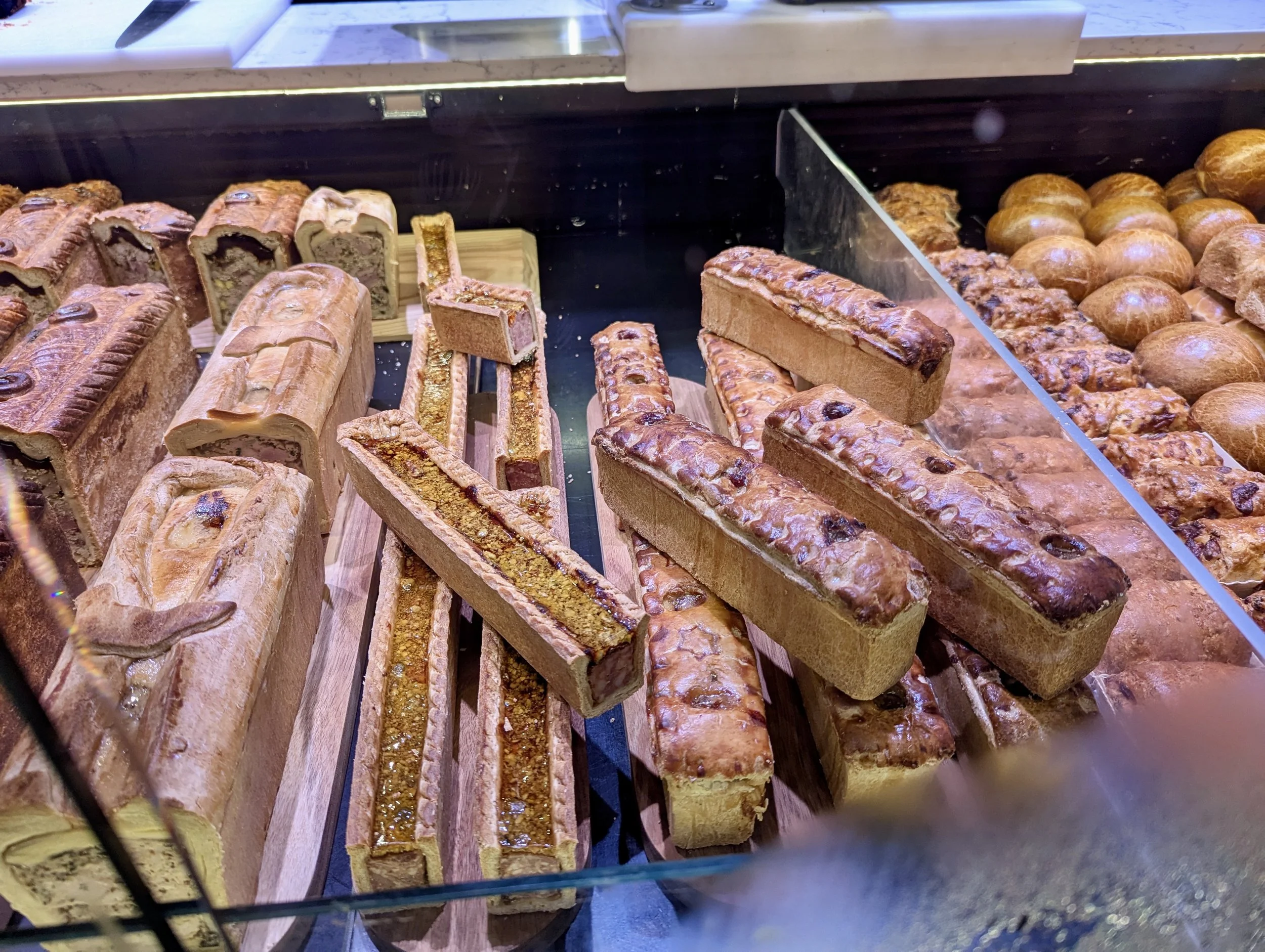
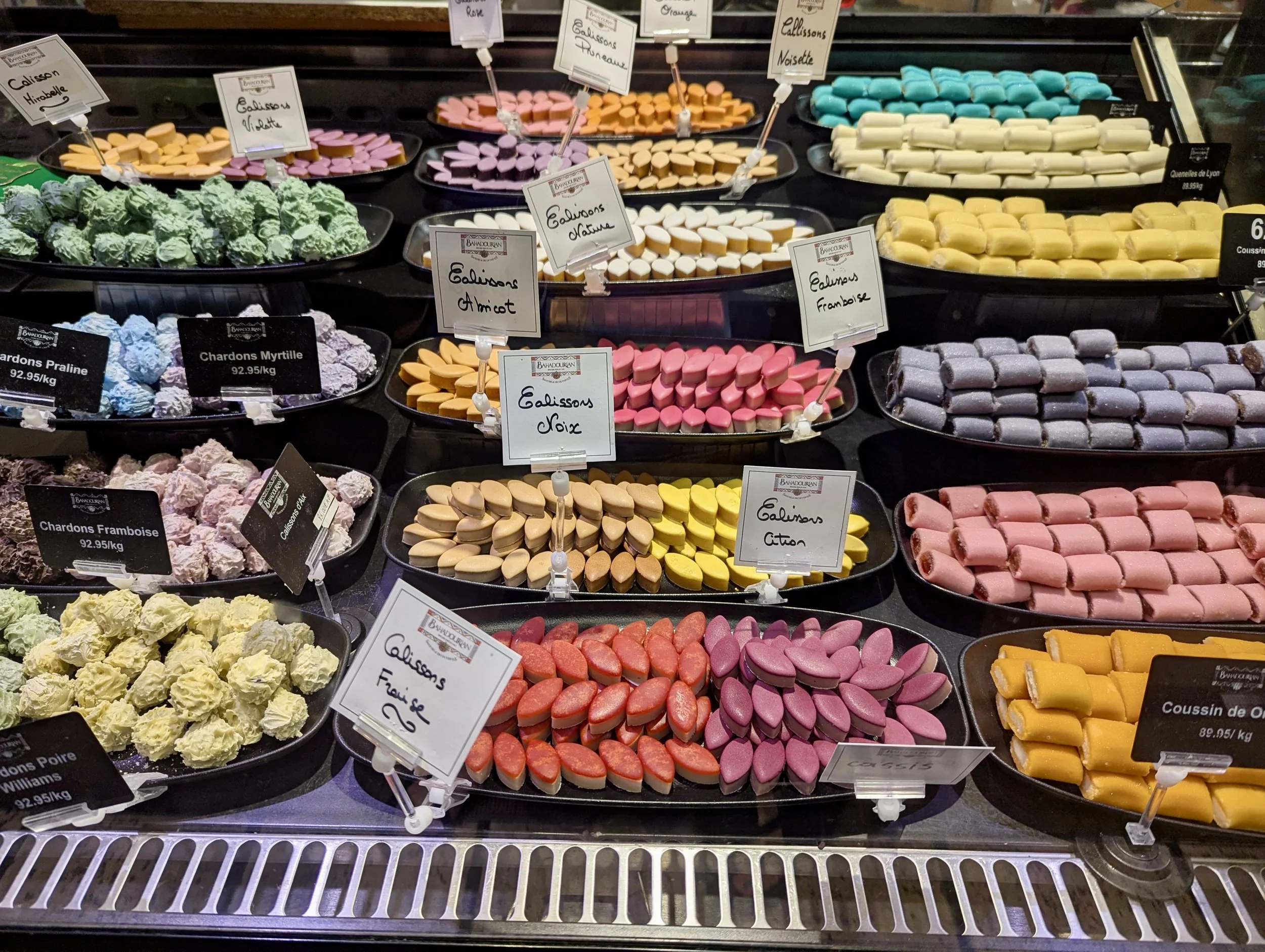
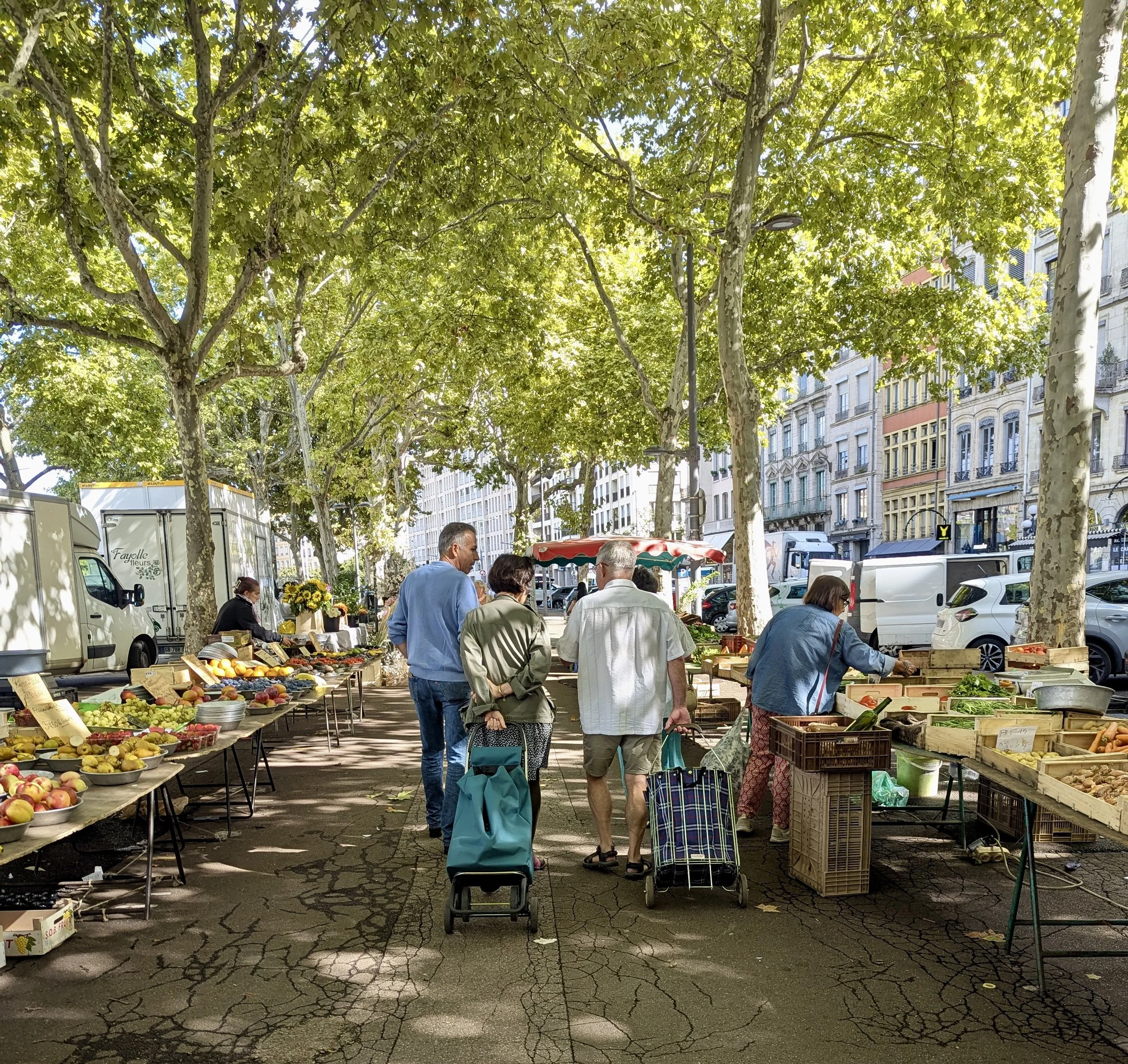
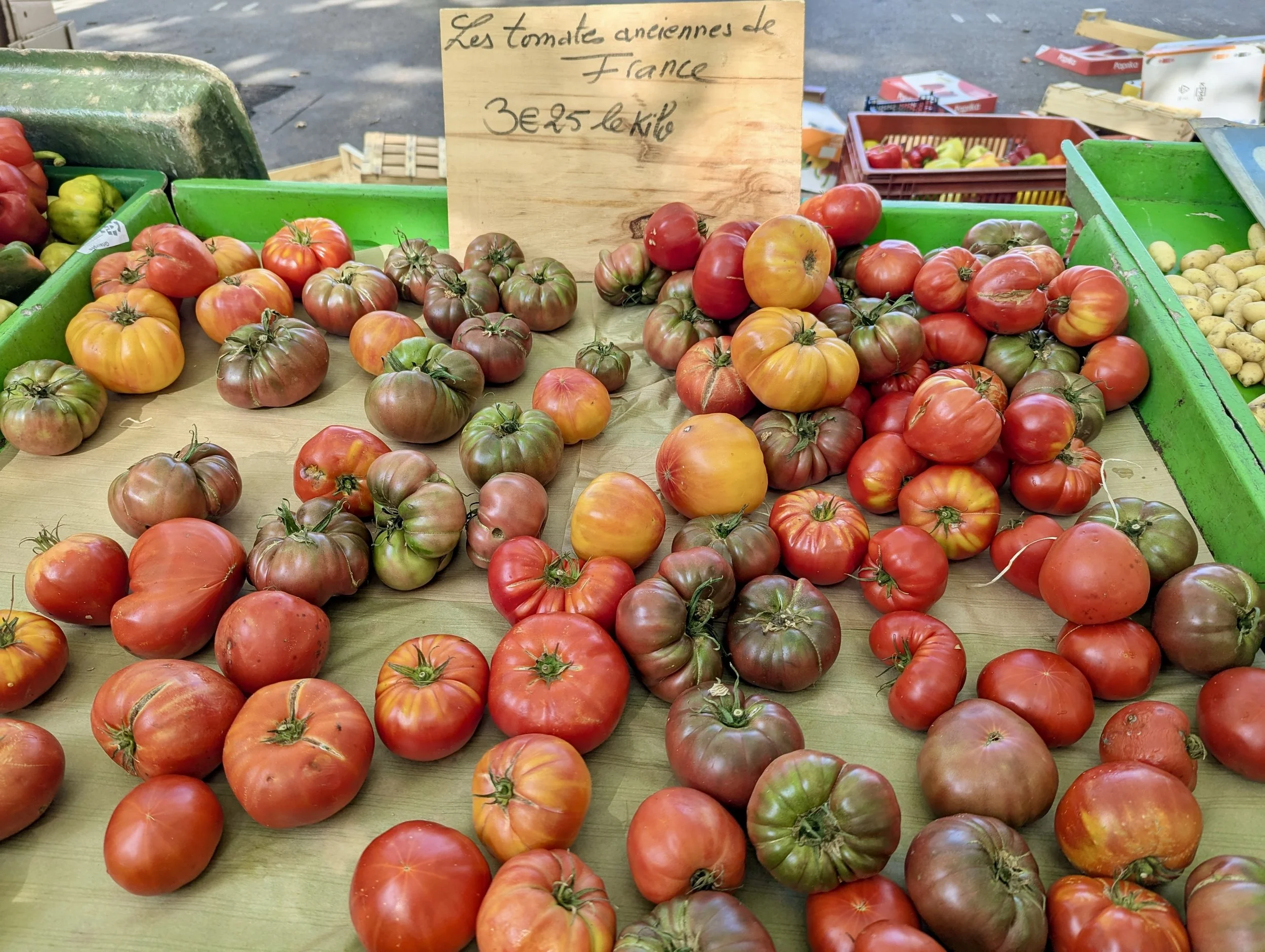
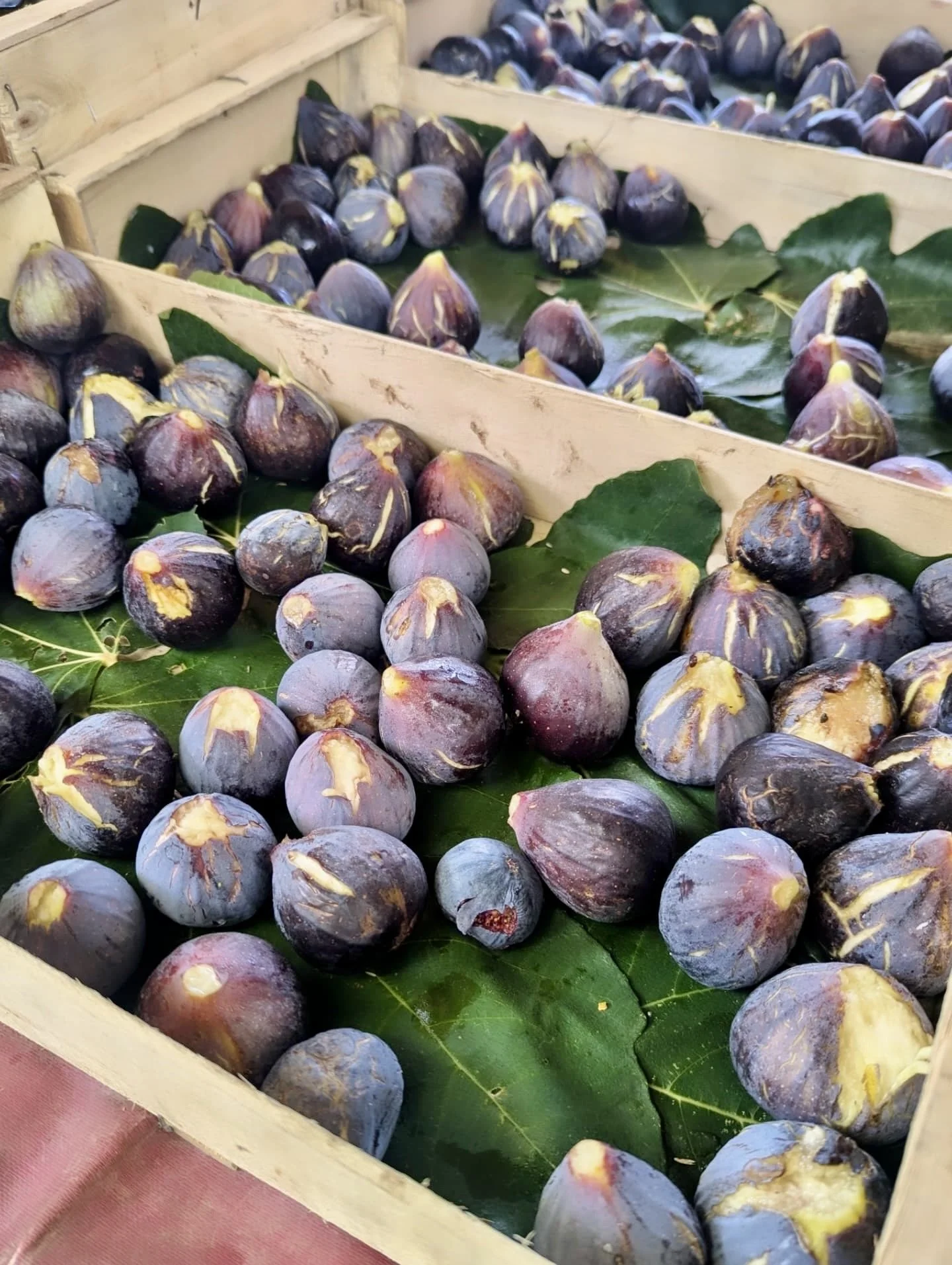
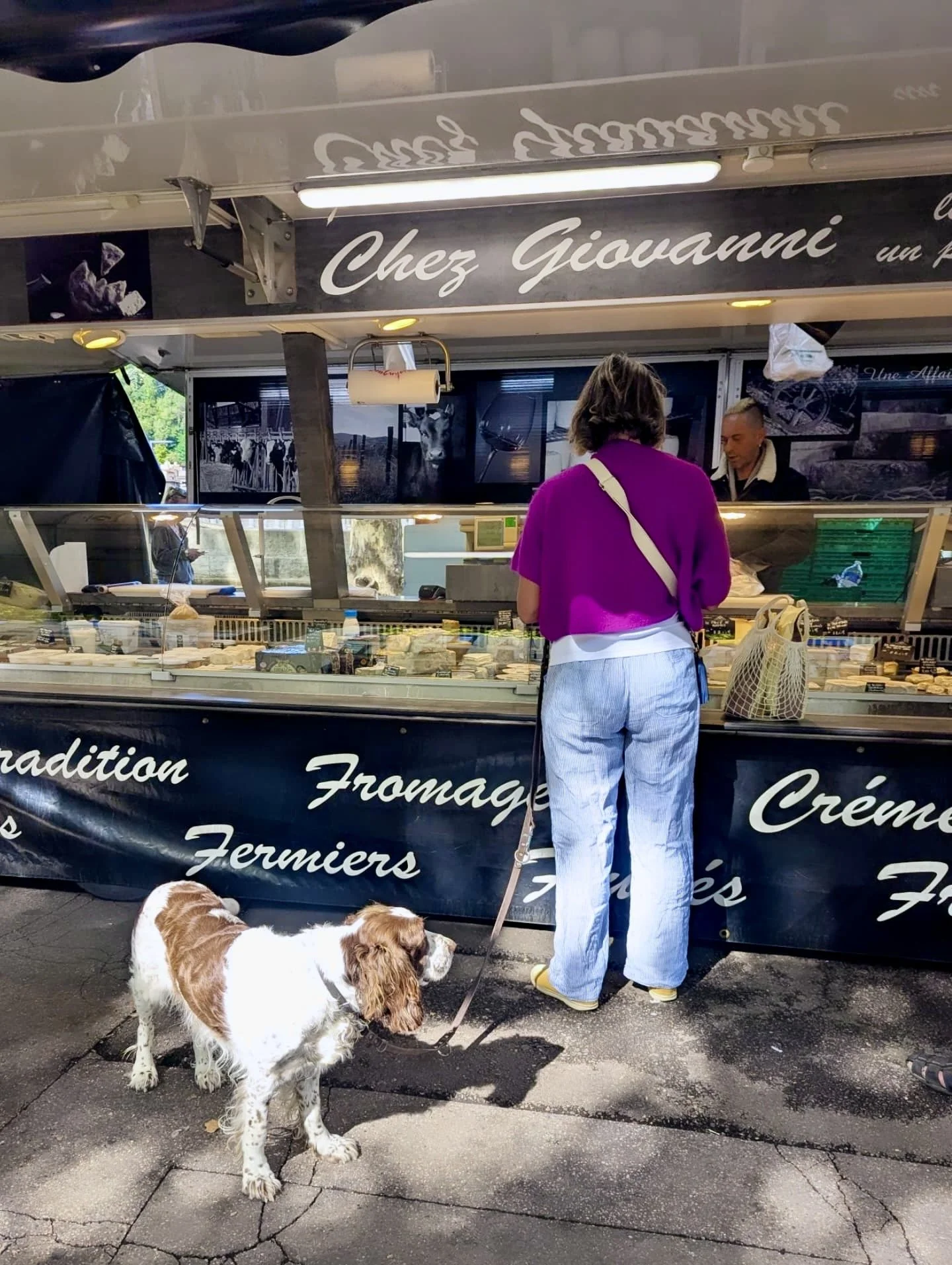
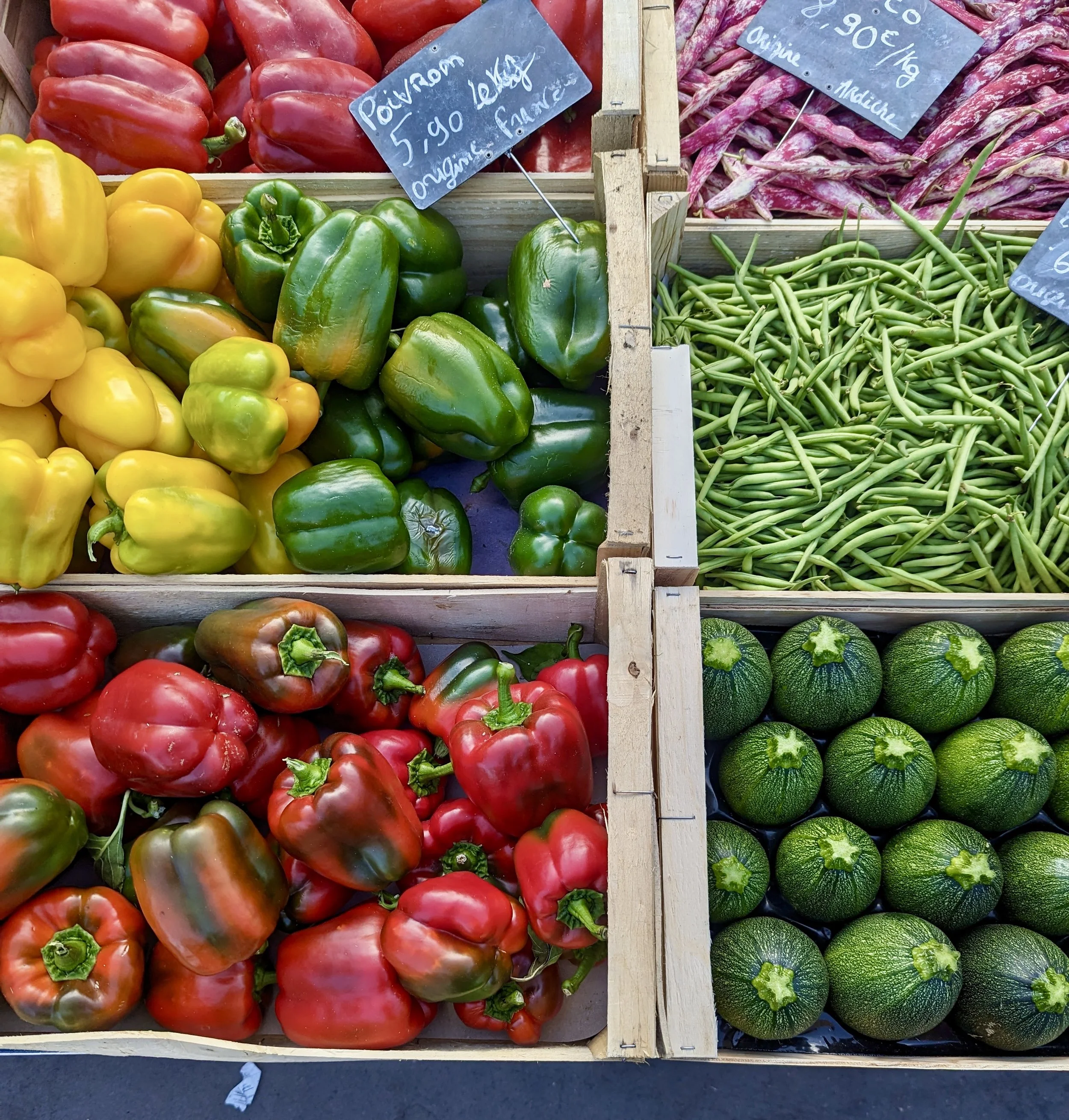
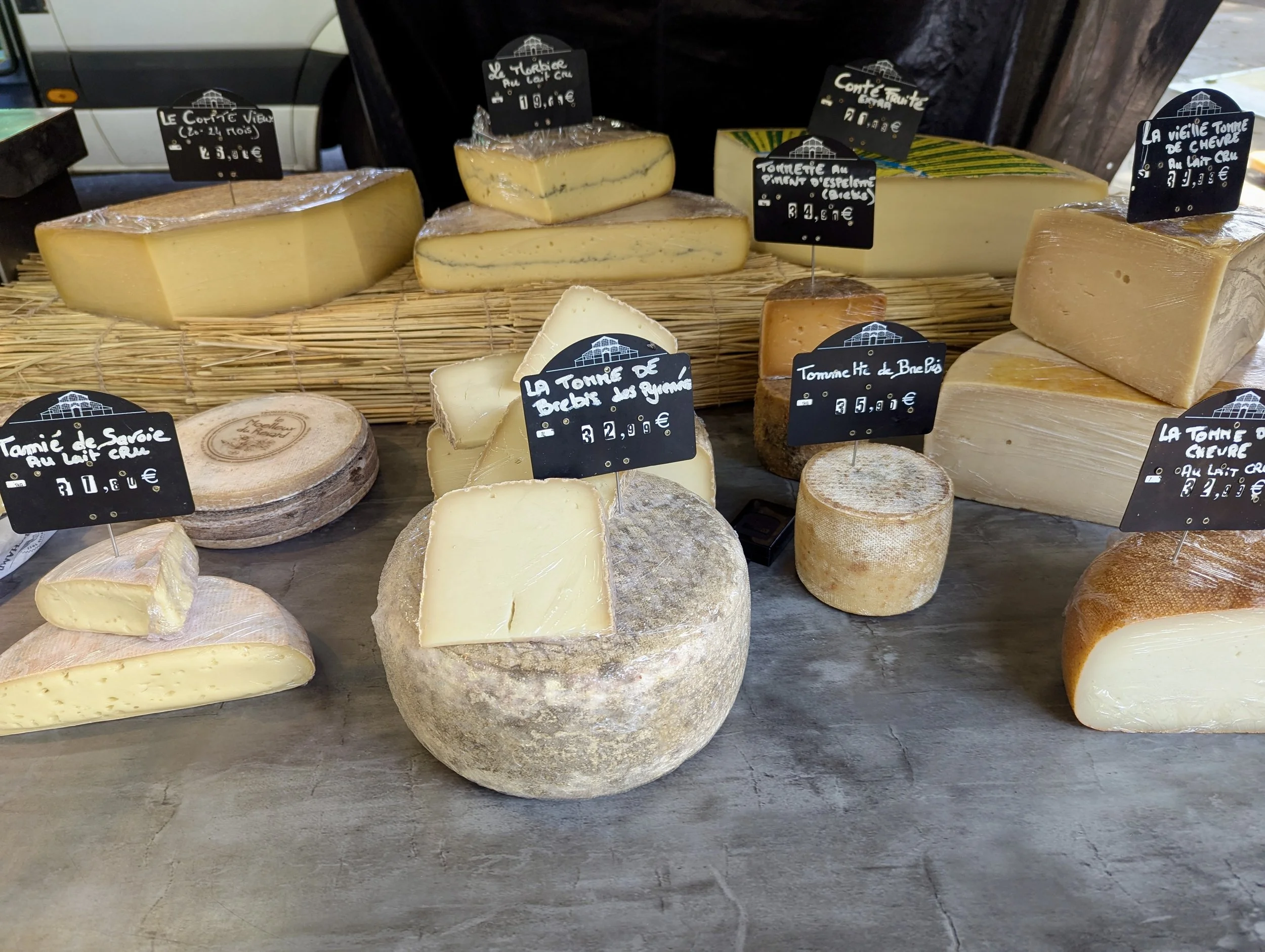
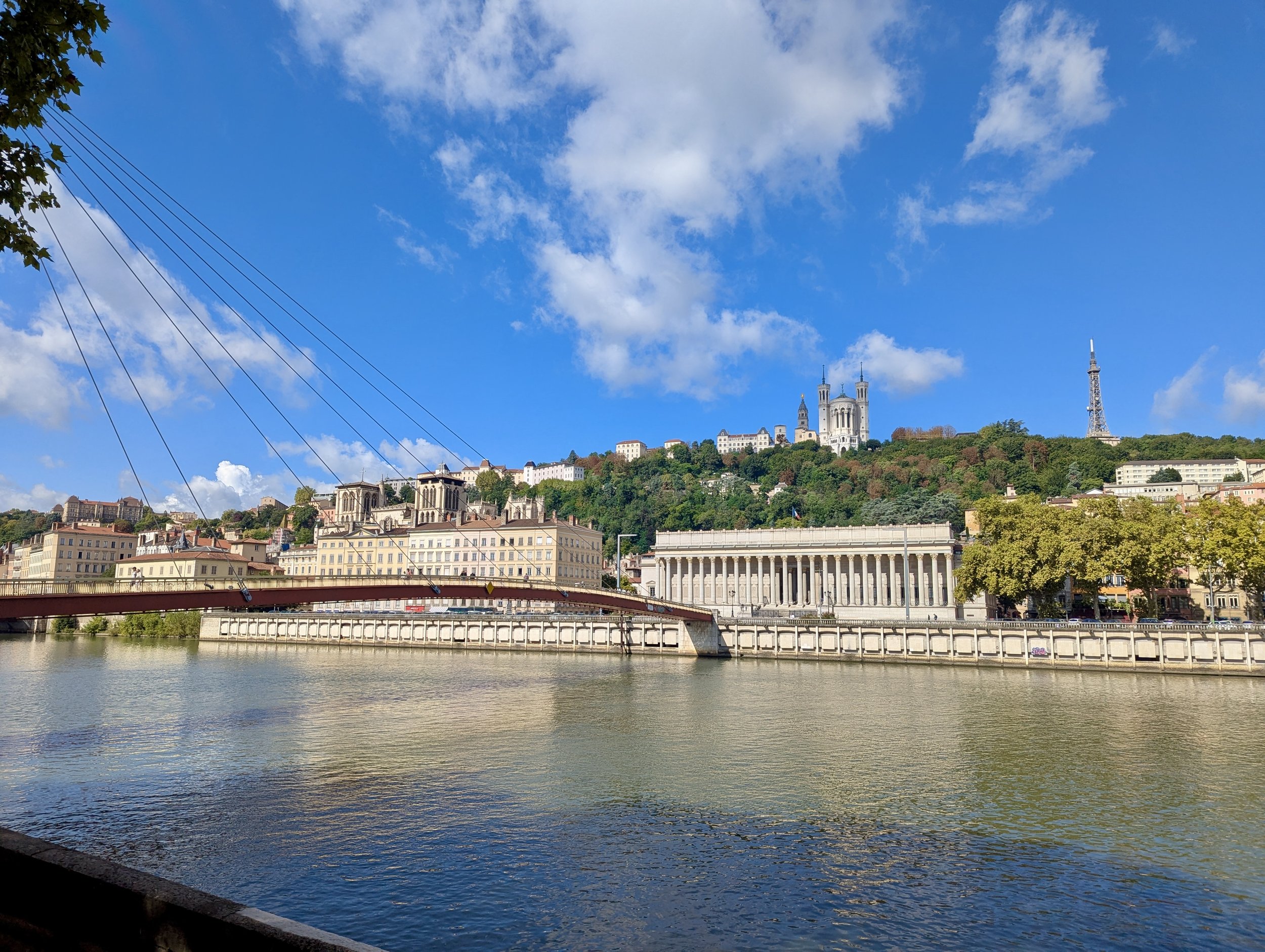
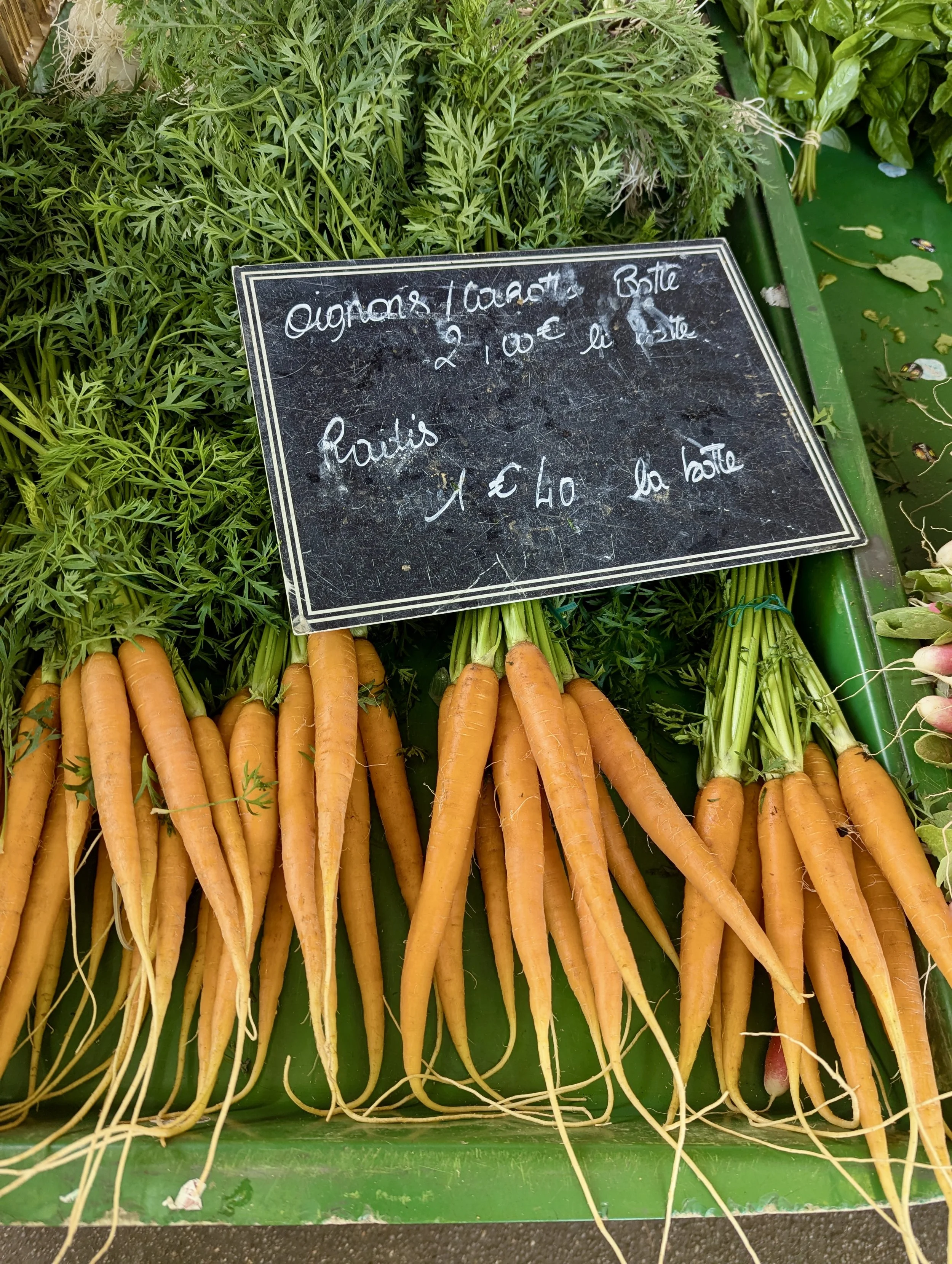
Marché Saint-Antoine (outdoor food market) Quai des Célestins, 2 ème (closed M & W) This is the ideal sized marché located along the banks of the Saône, between the Passerelle Pierre-Truche and the Pont Bonaparte. A nice variety of vendors selling produce, cheese, meats, fish, flowers, and a few brocantes (flea market stalls) are arrayed along the river to make for a very pleasant shopping trip with a beautiful view. The smaller size makes it easy to take it all in without feeling overwhelmed, but there’s enough of a mix that you can shop around to be sure you can find what you’re looking for, since not all vendors have the same offerings. If you’re looking to build a picnic, they’ve got everything you need (walk up the street to grab some bread at Pralus La Boulangerie) for a riverside meal.
Things to Do
Lyon is the perfect city for strolling - along the river, through Place Bellecour, through the narrow streets of the Presqu’île, or in the Parc de la Tête d'Or.
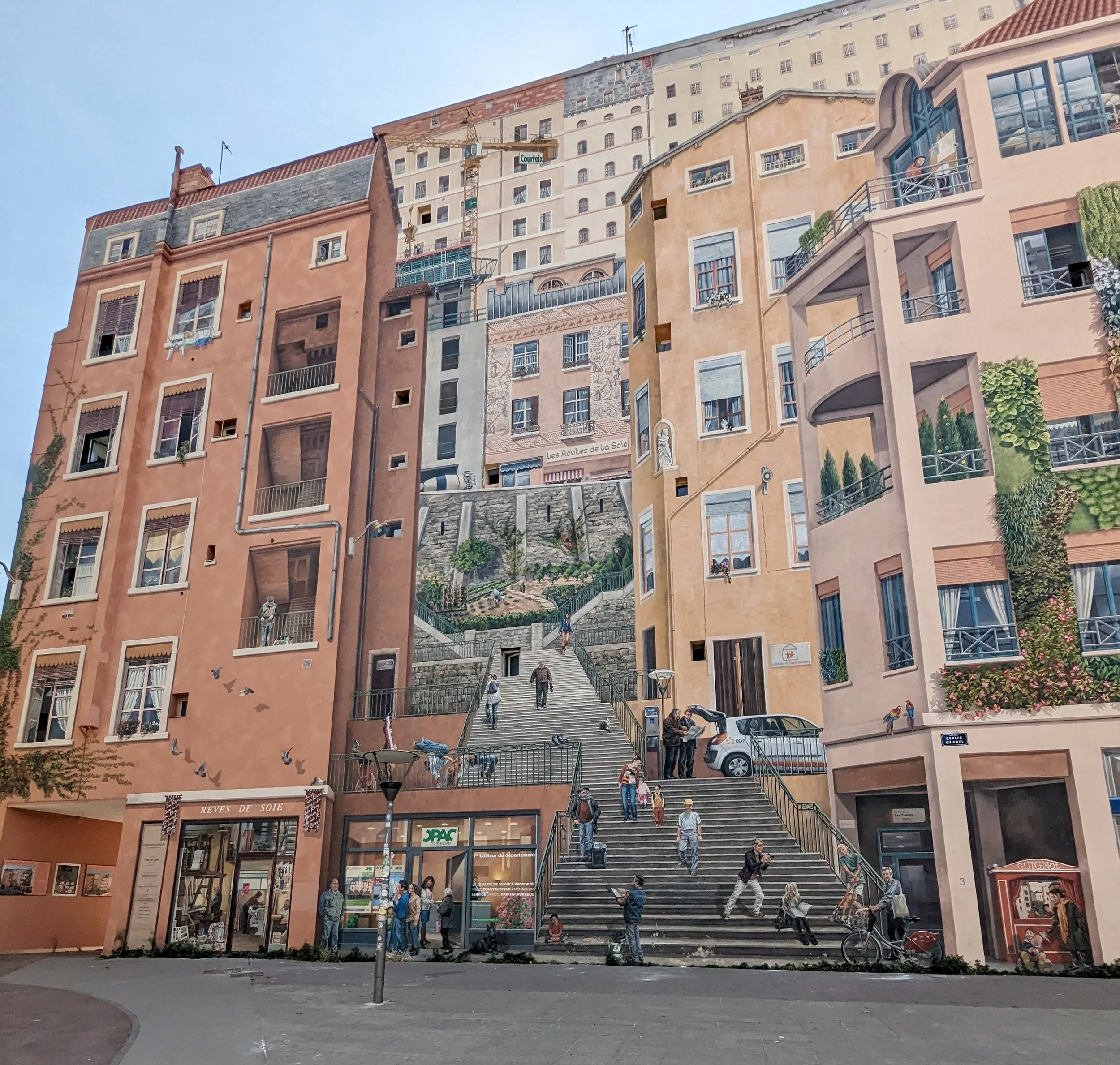
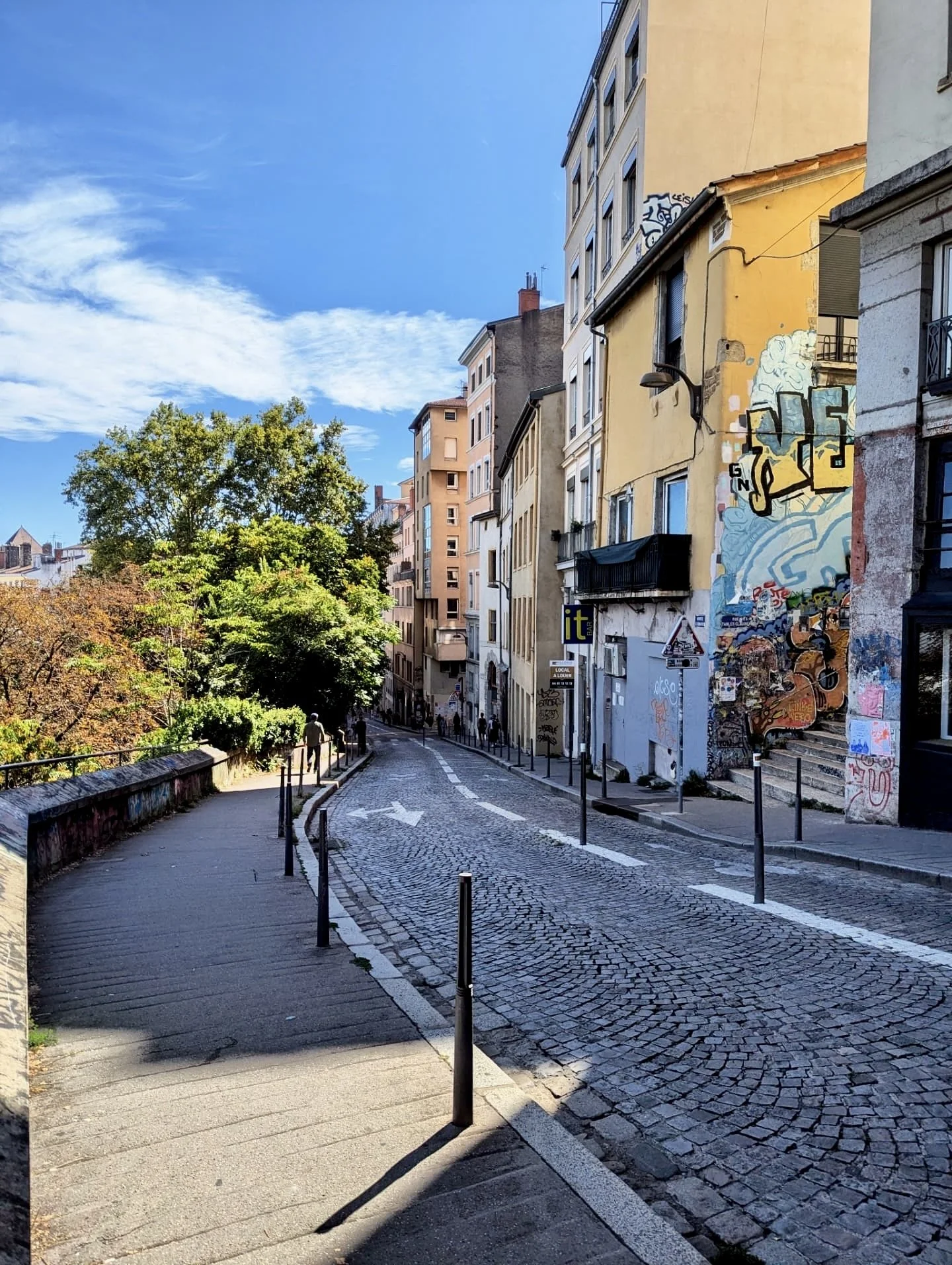
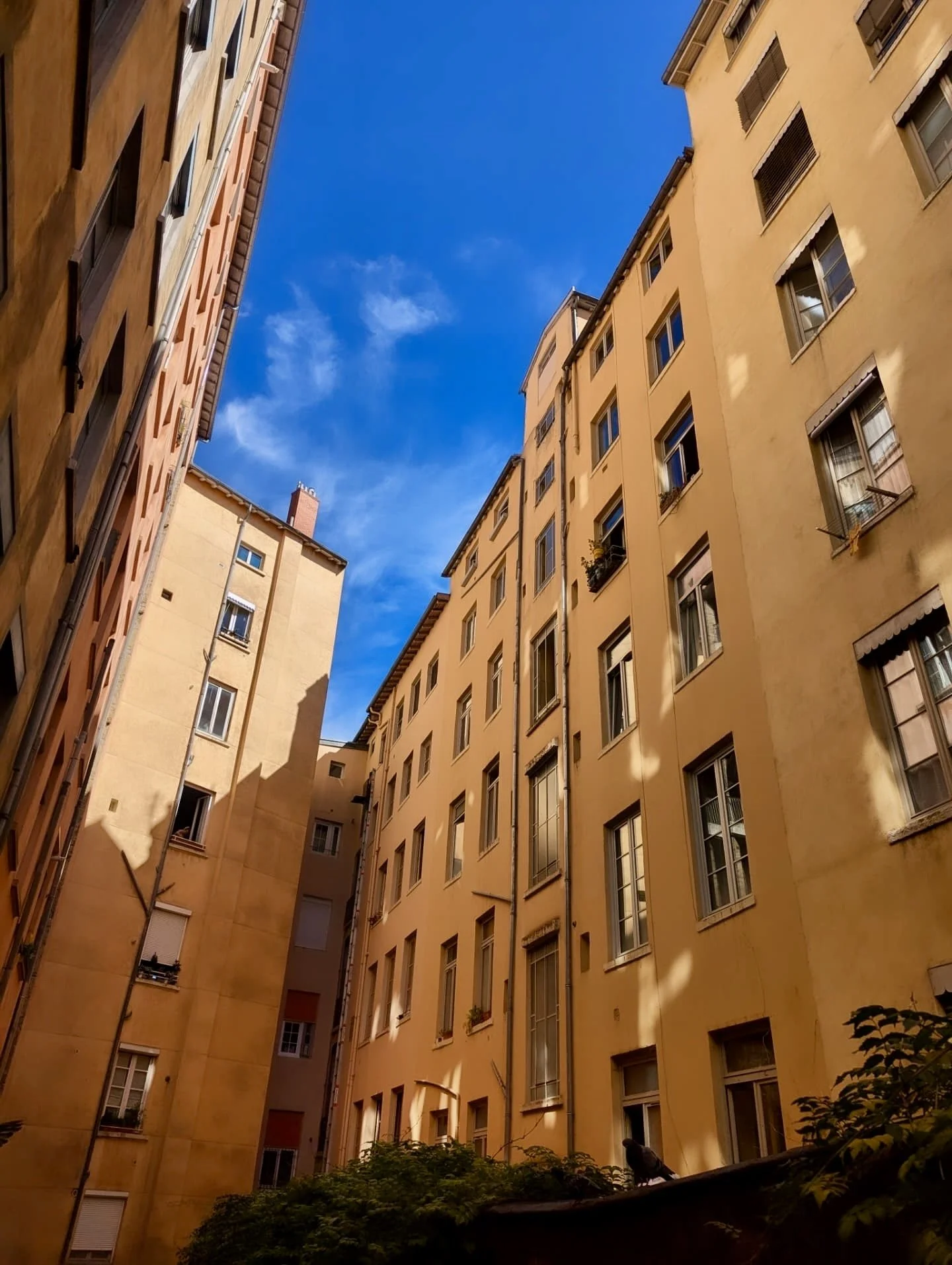
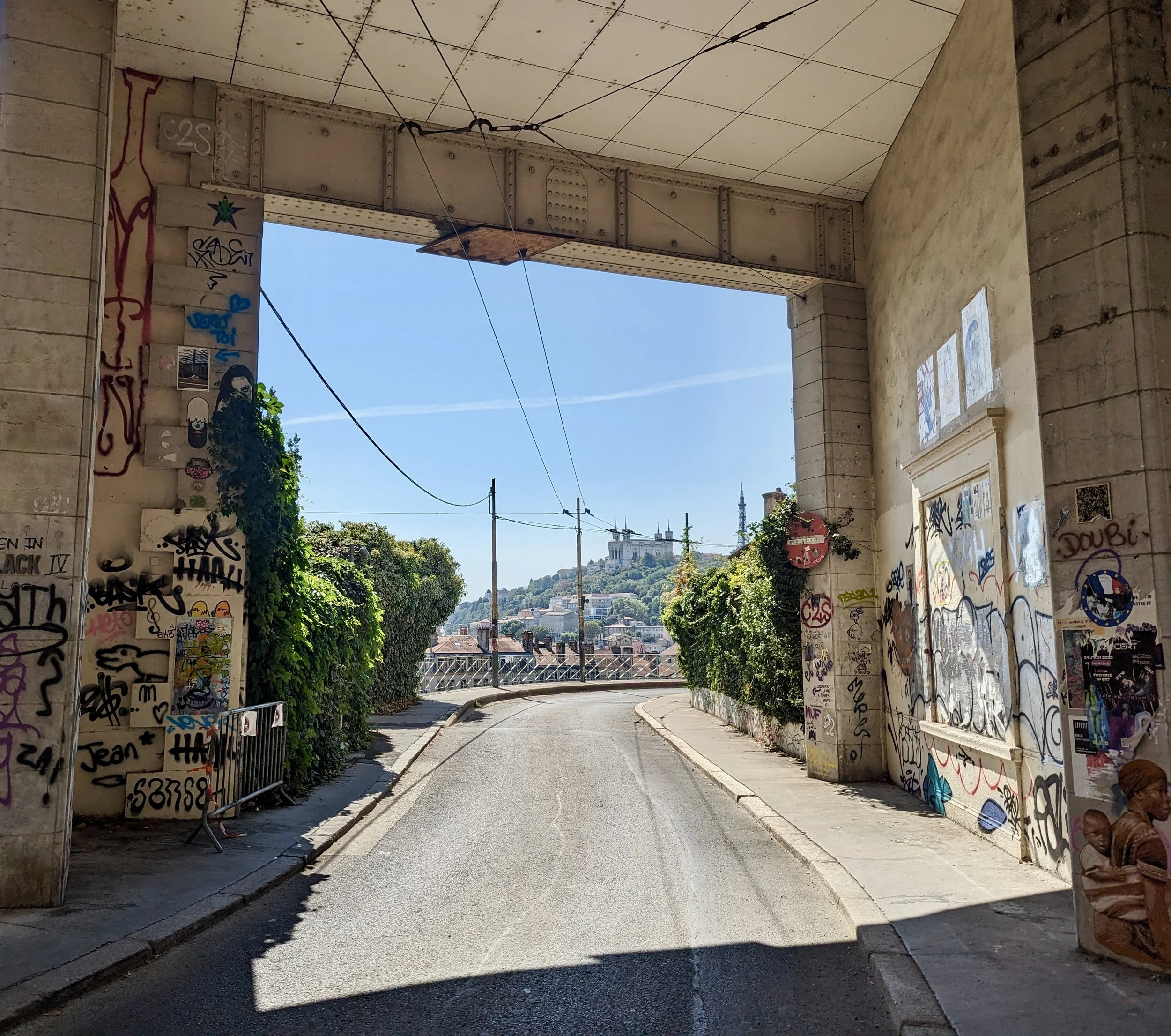
La Croix-Rousse Neighborhood (4 ème - street art, traboules, views)
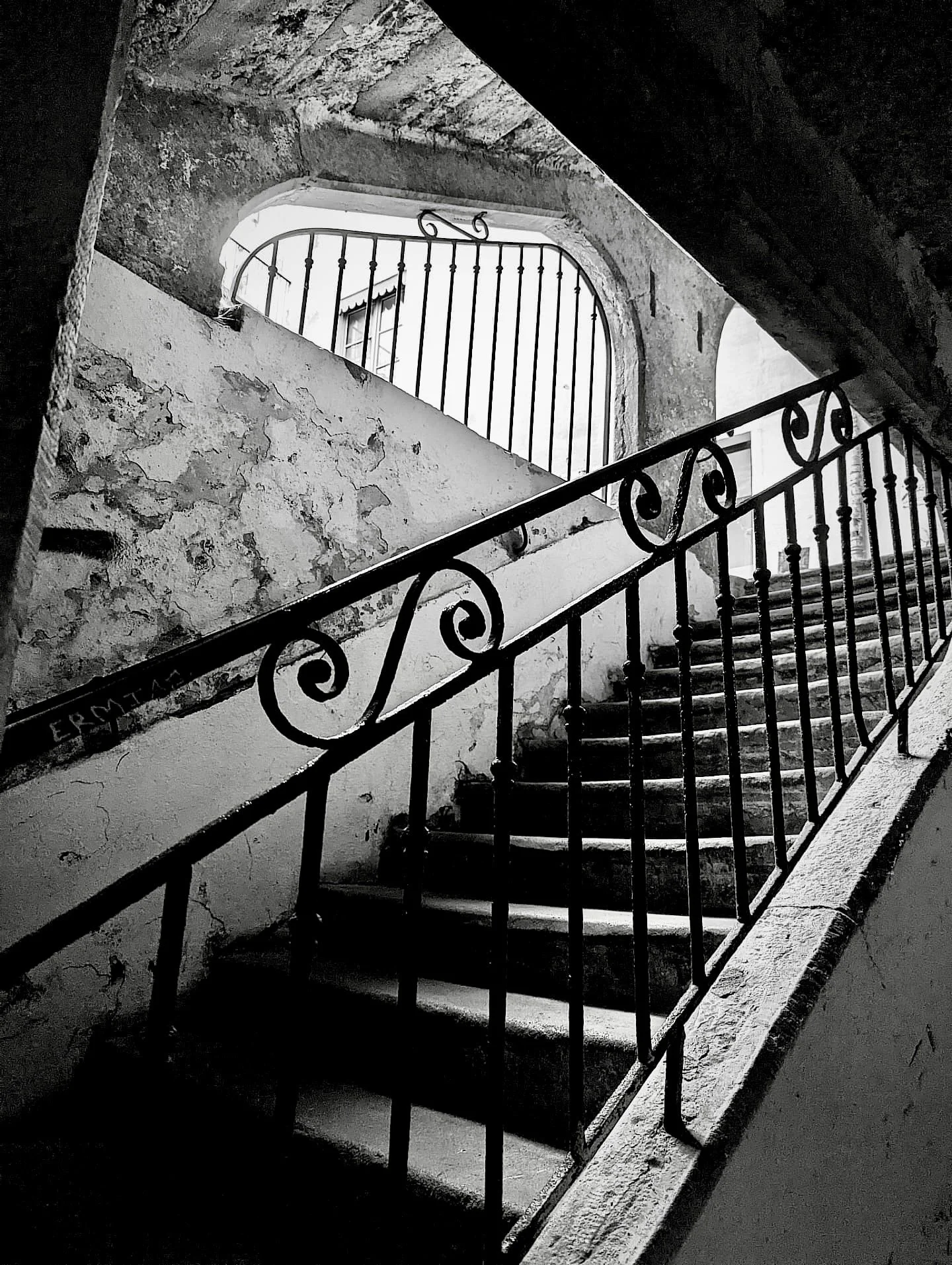
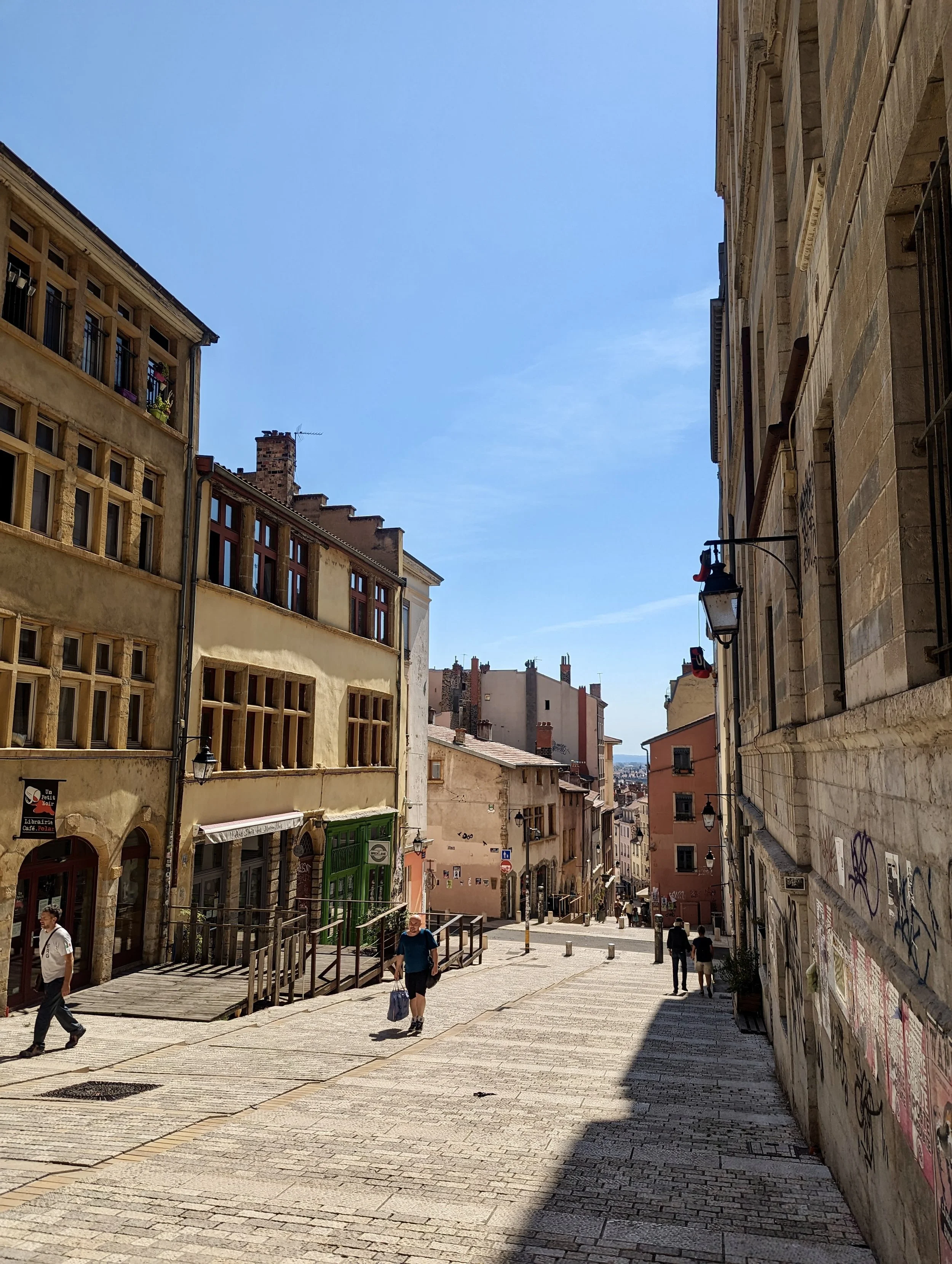
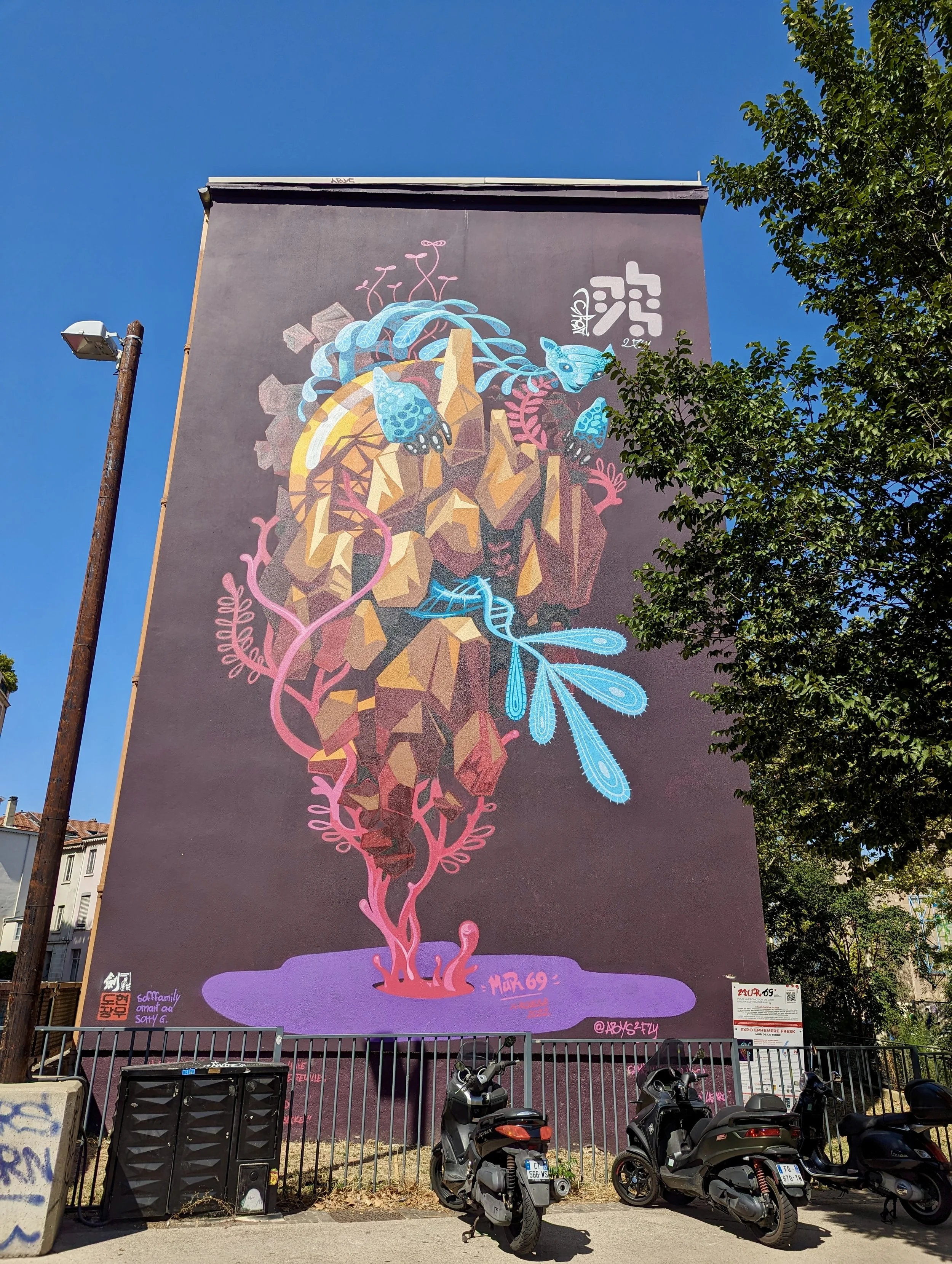
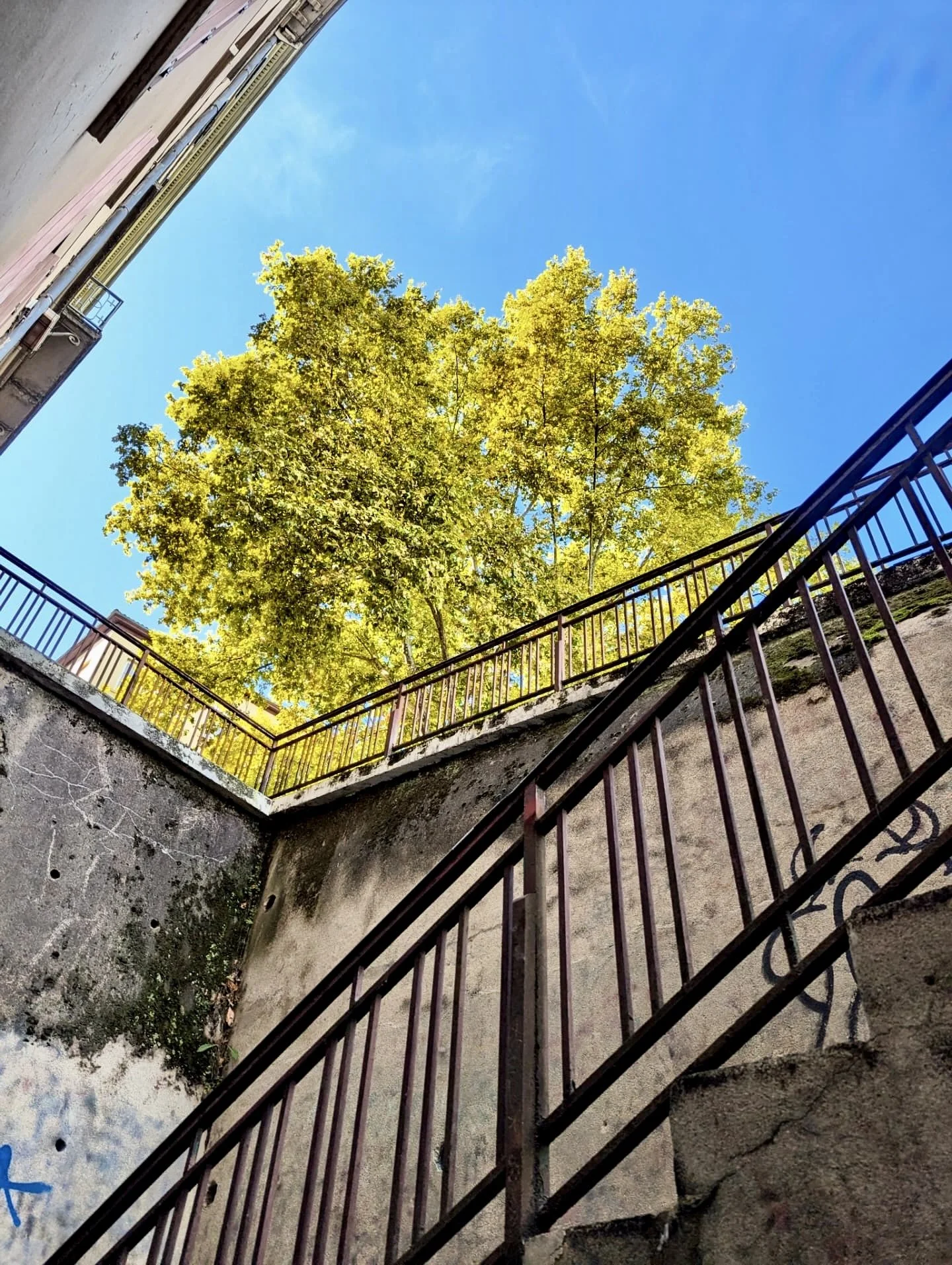
Just to the north of the first arrondissement this neighborhood was historically where les canuts (the silkworkers) lived and worked. I’d recommend starting at the Mur des Canuts mural and just wander downhill from there, you really don’t need a destination or a set route. There are lots of scenic viewpoints of the city and cool staircases to enjoy as you make your way back into town.
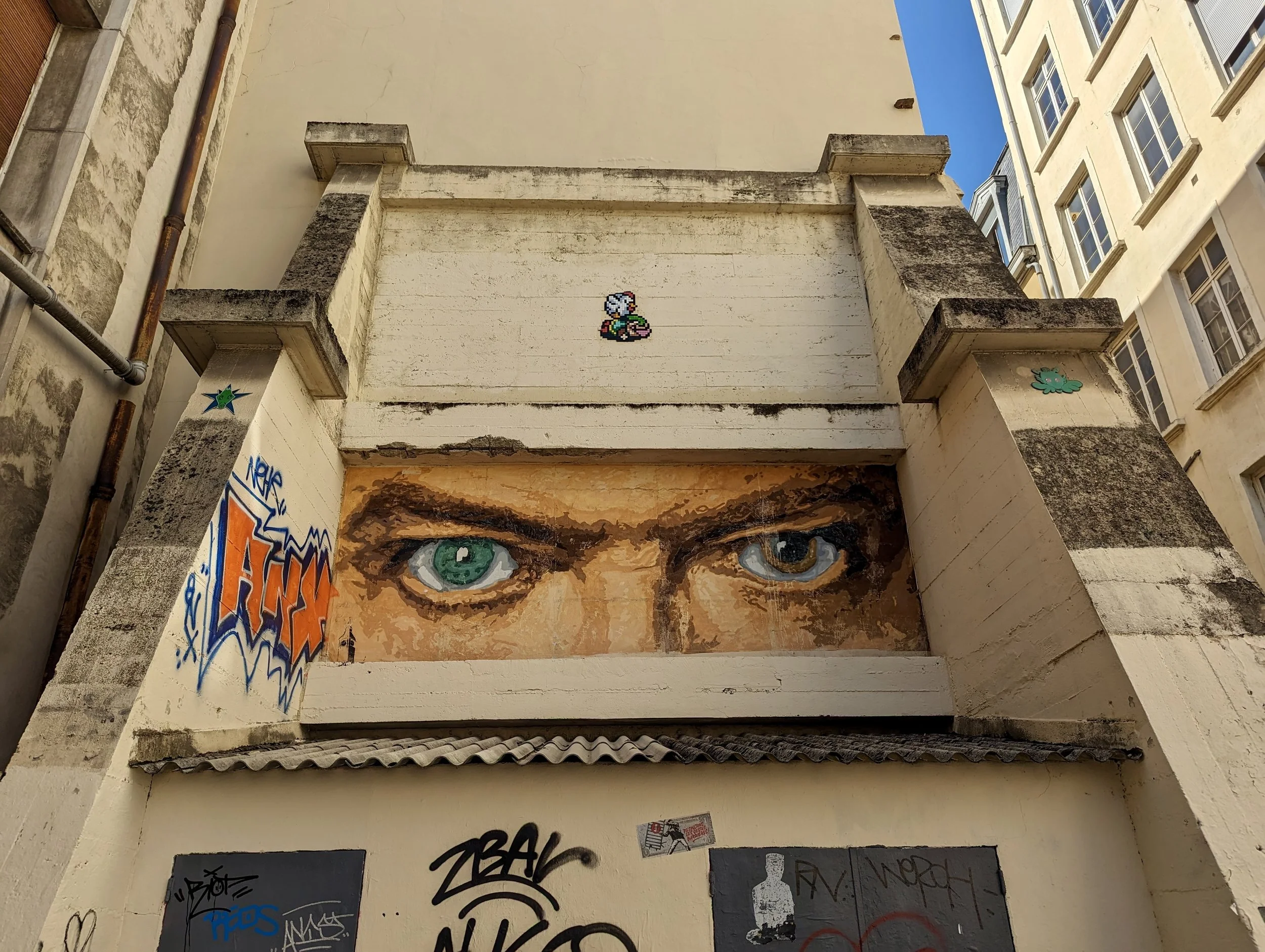
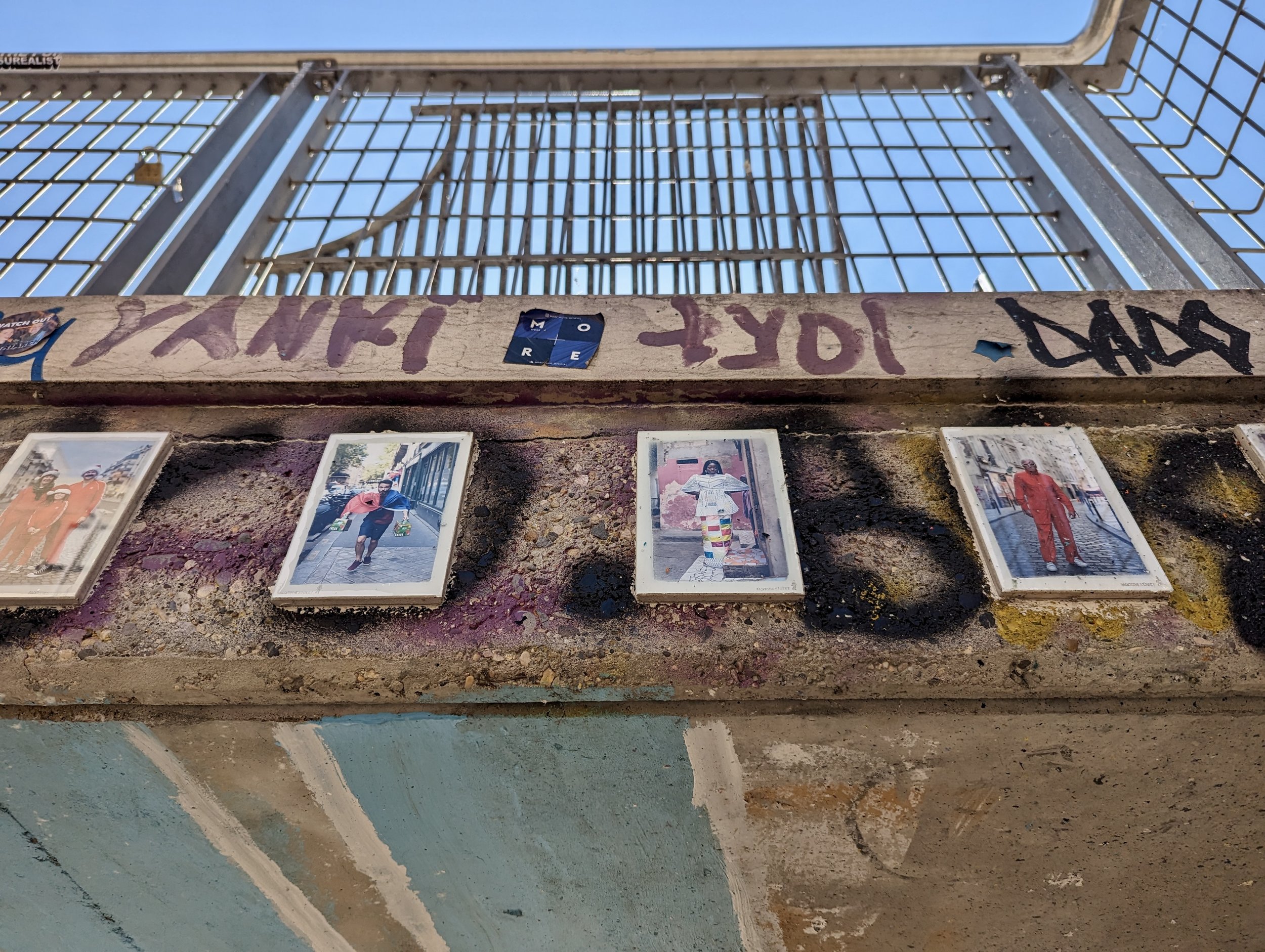
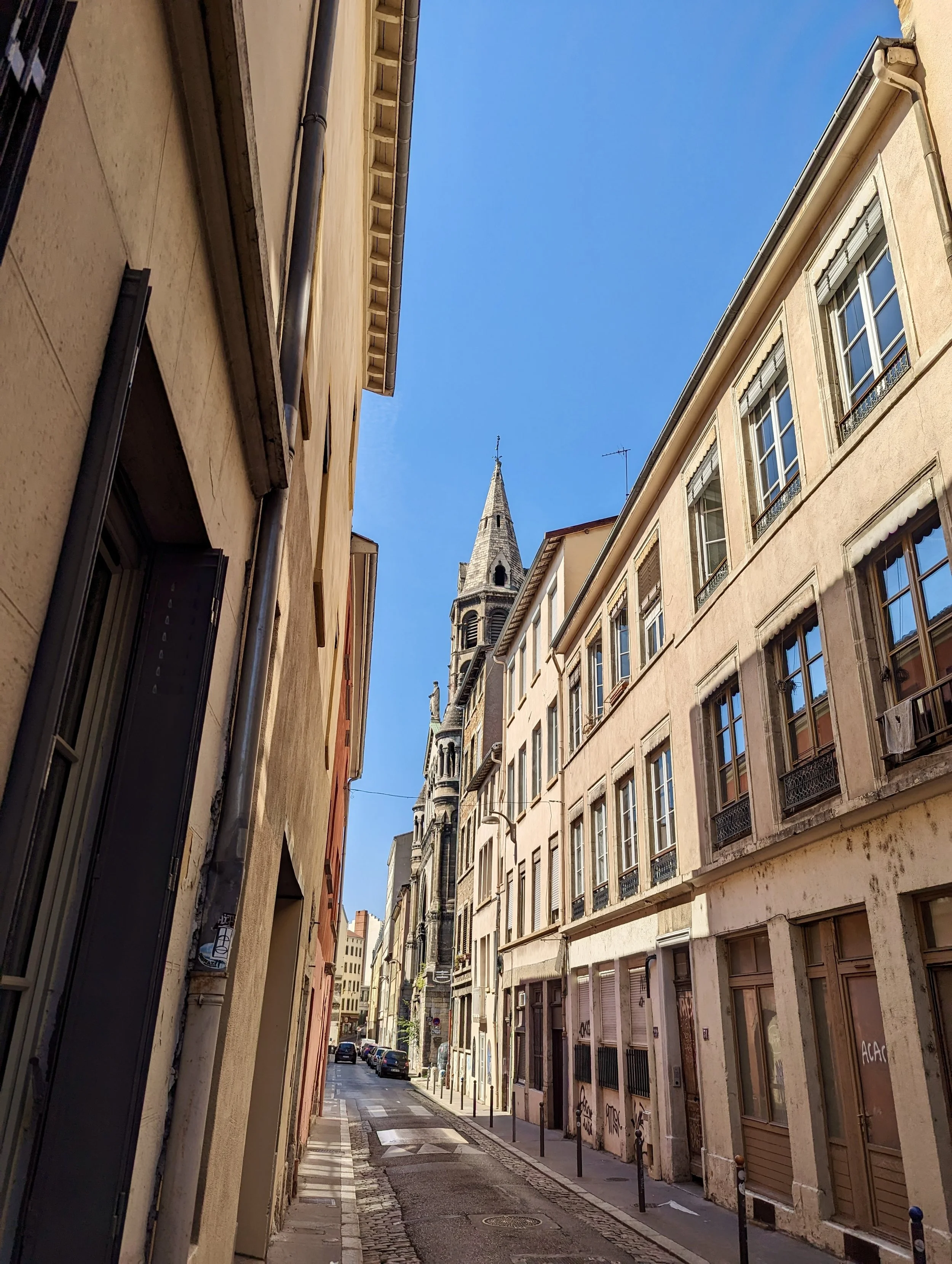
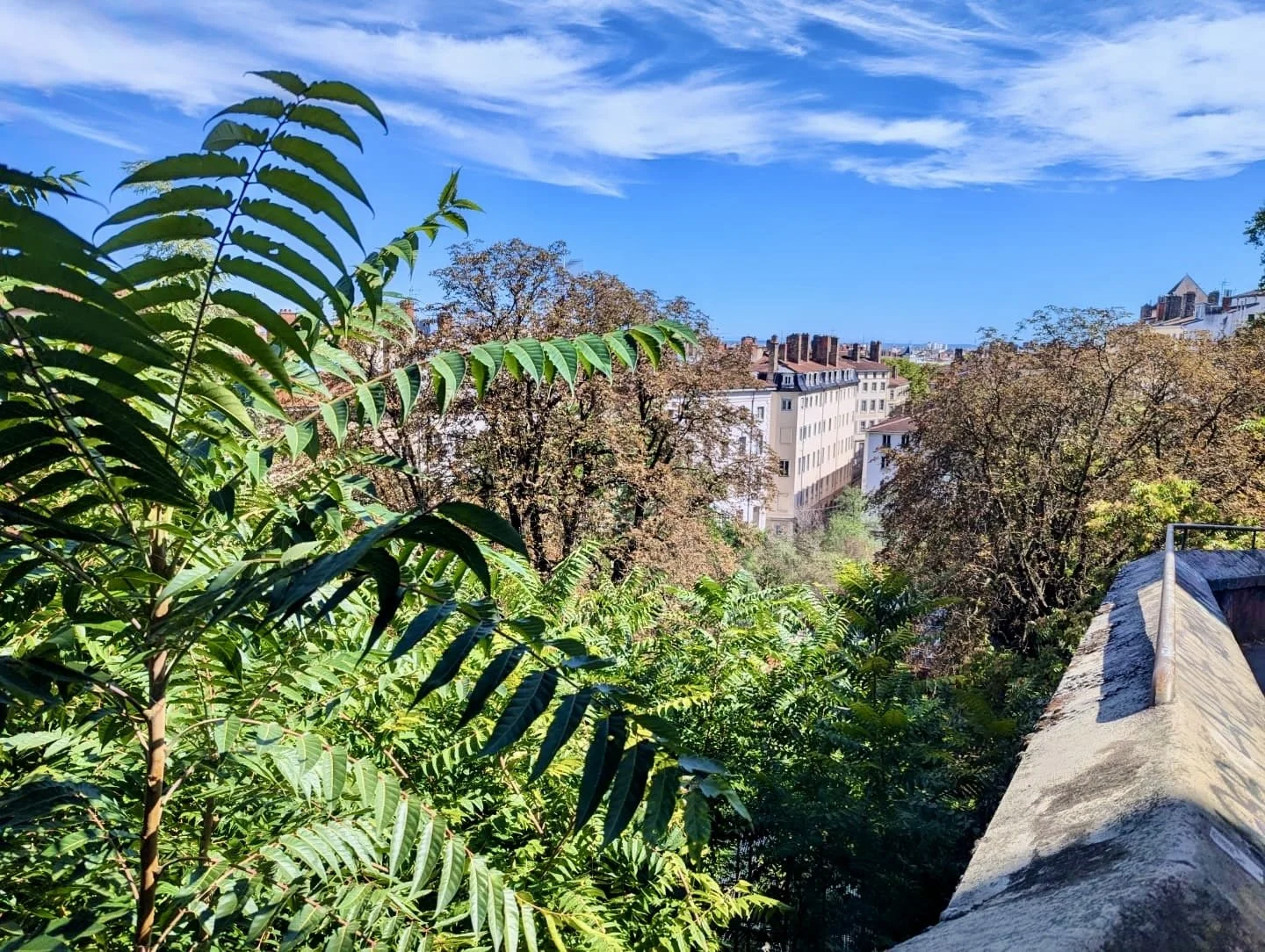
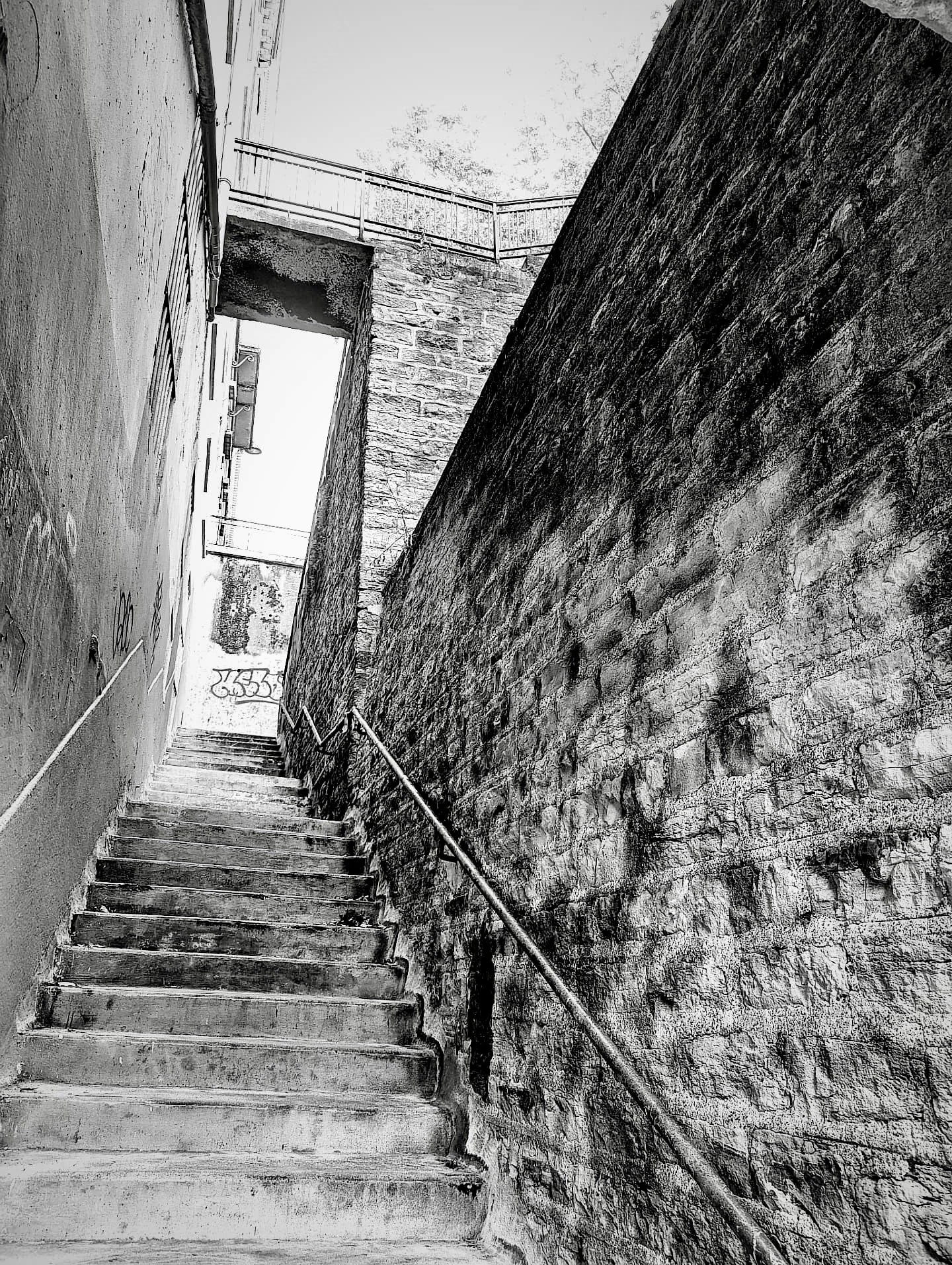
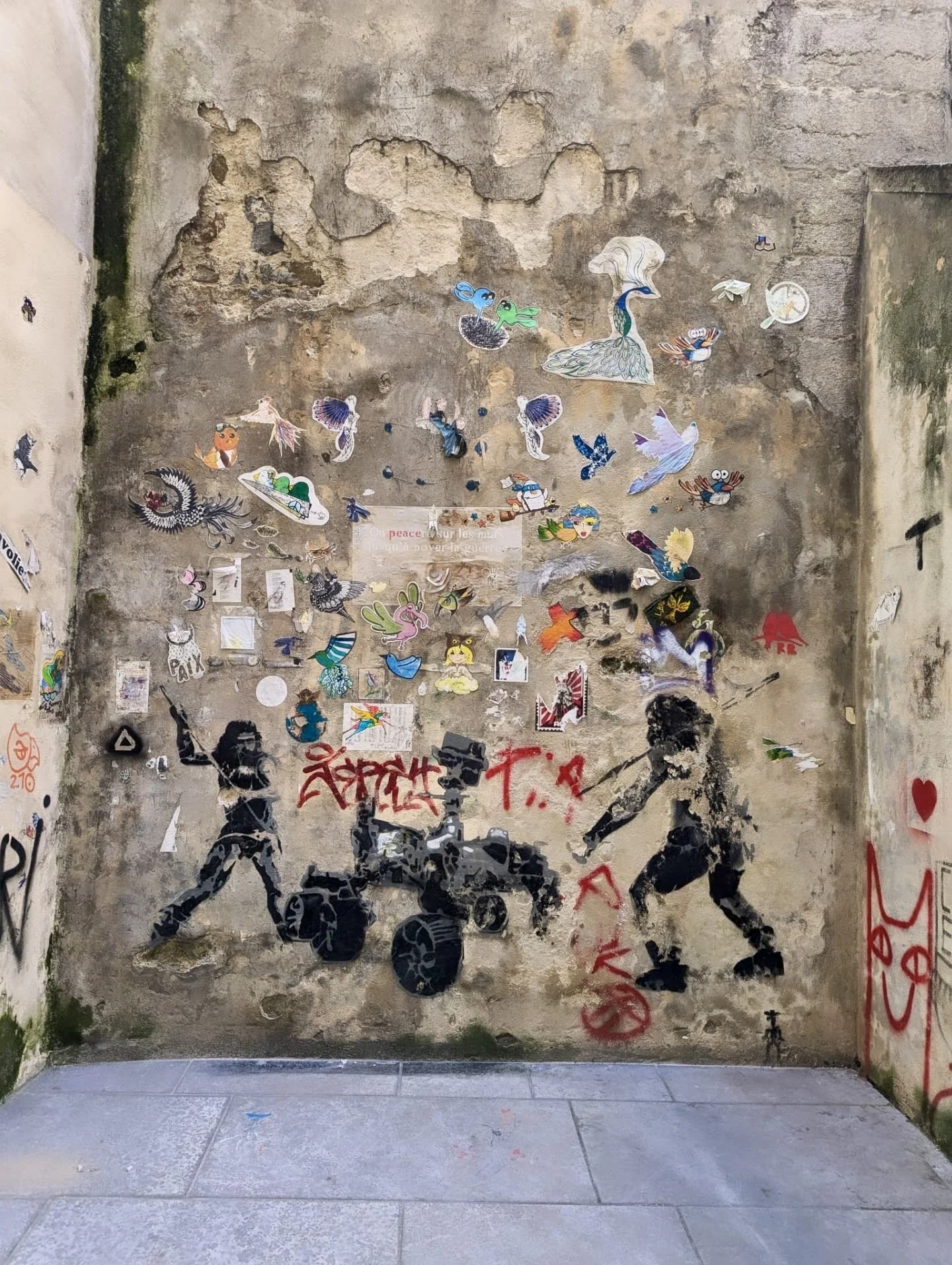
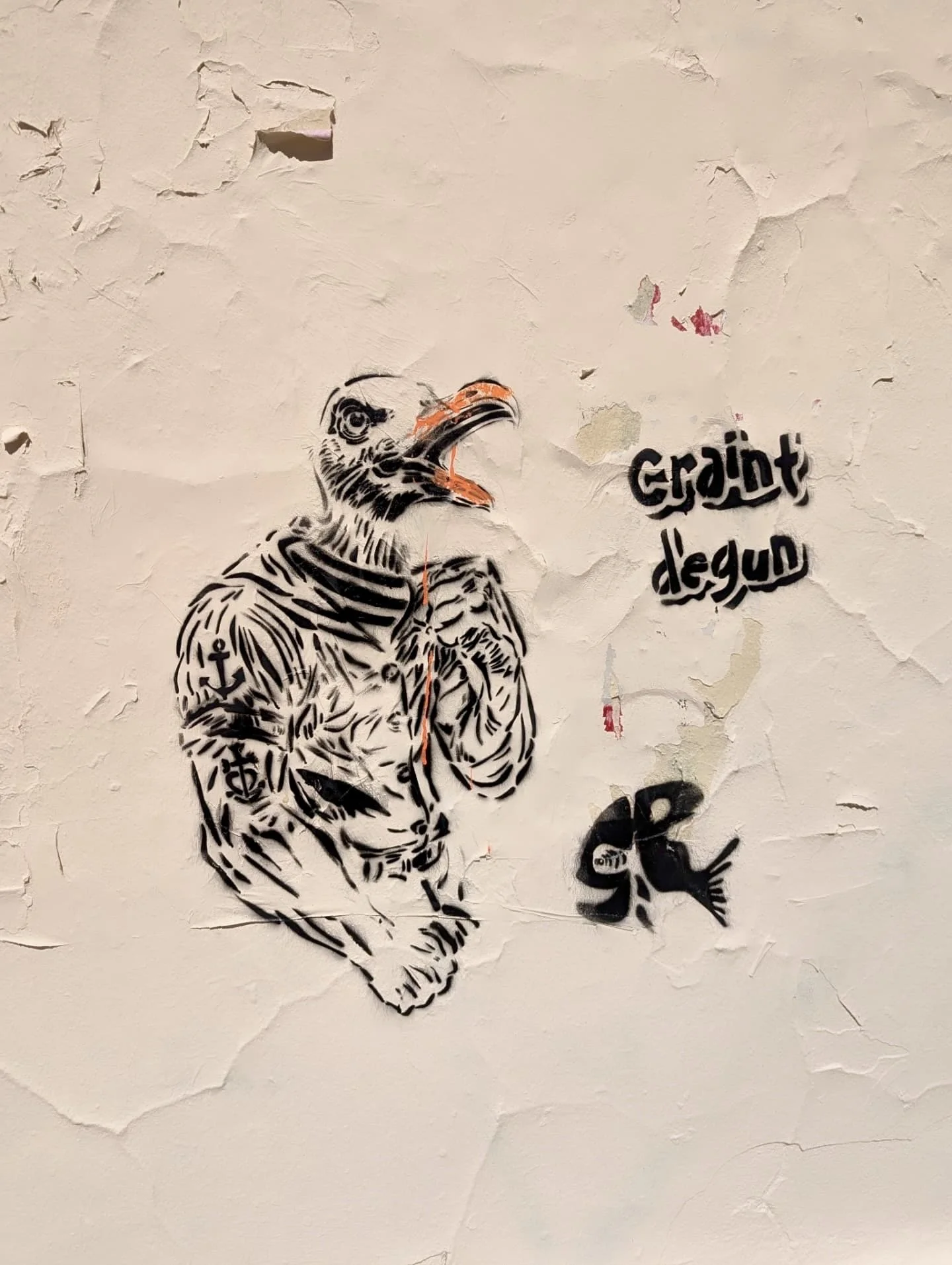
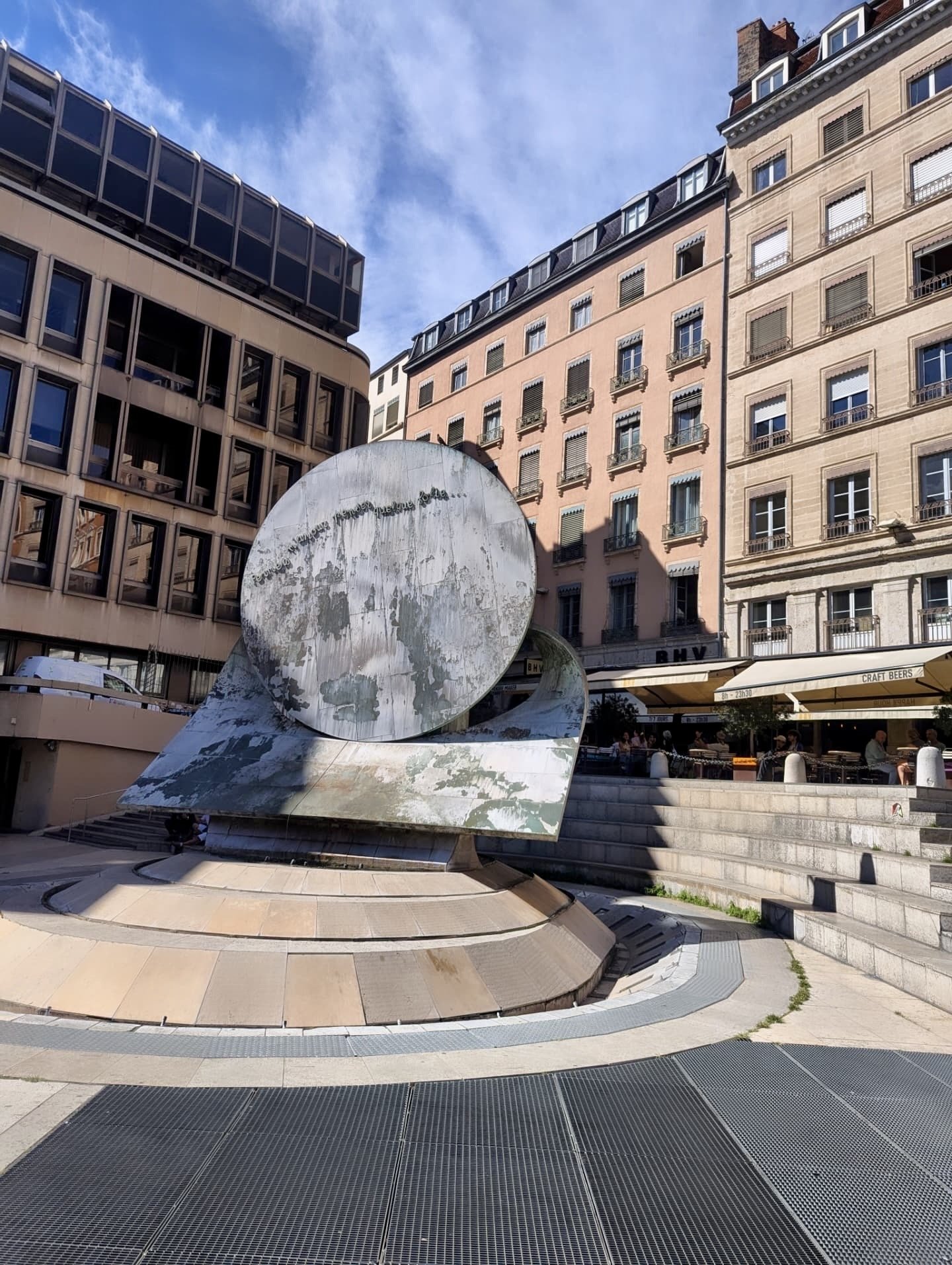
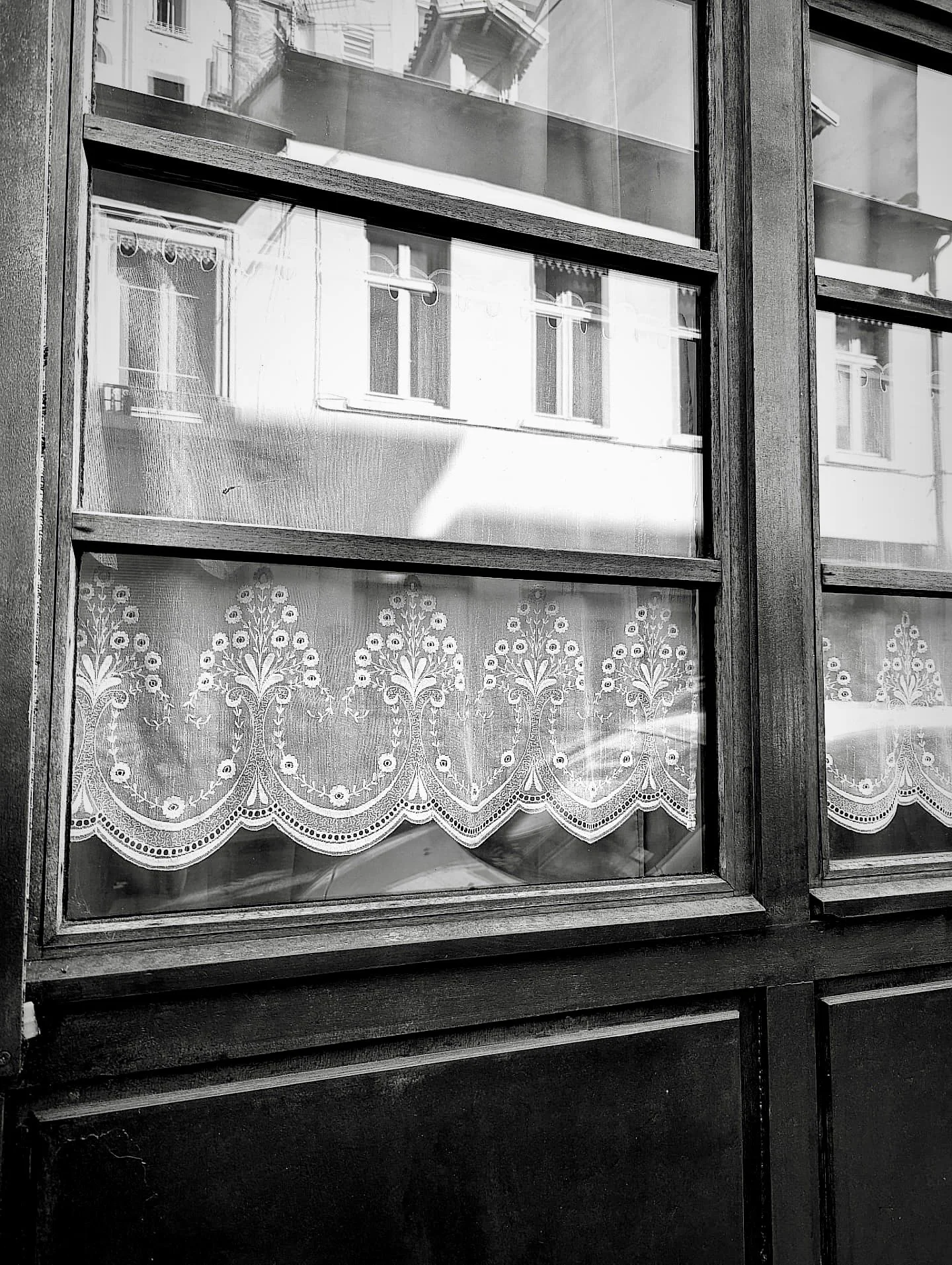
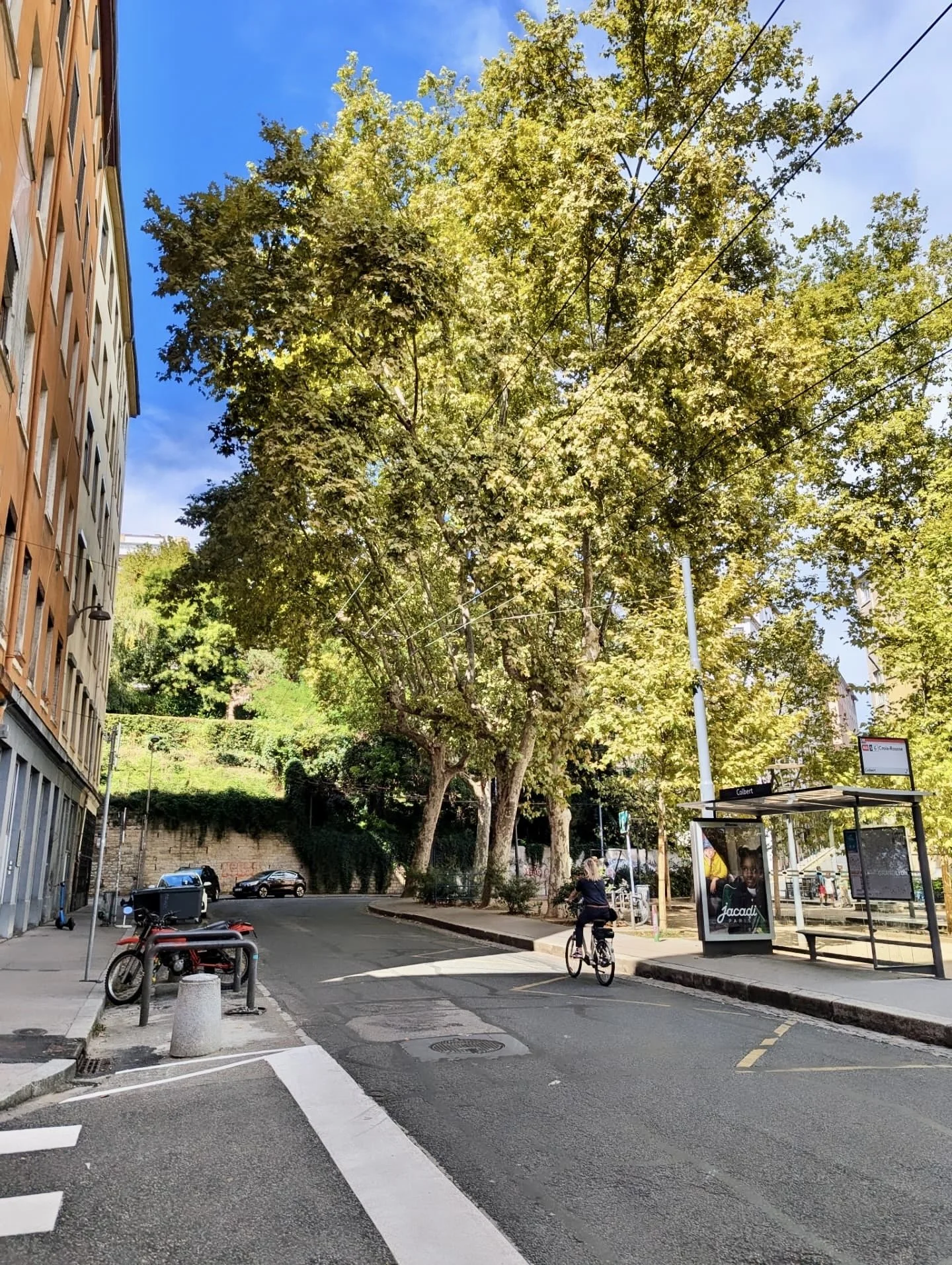
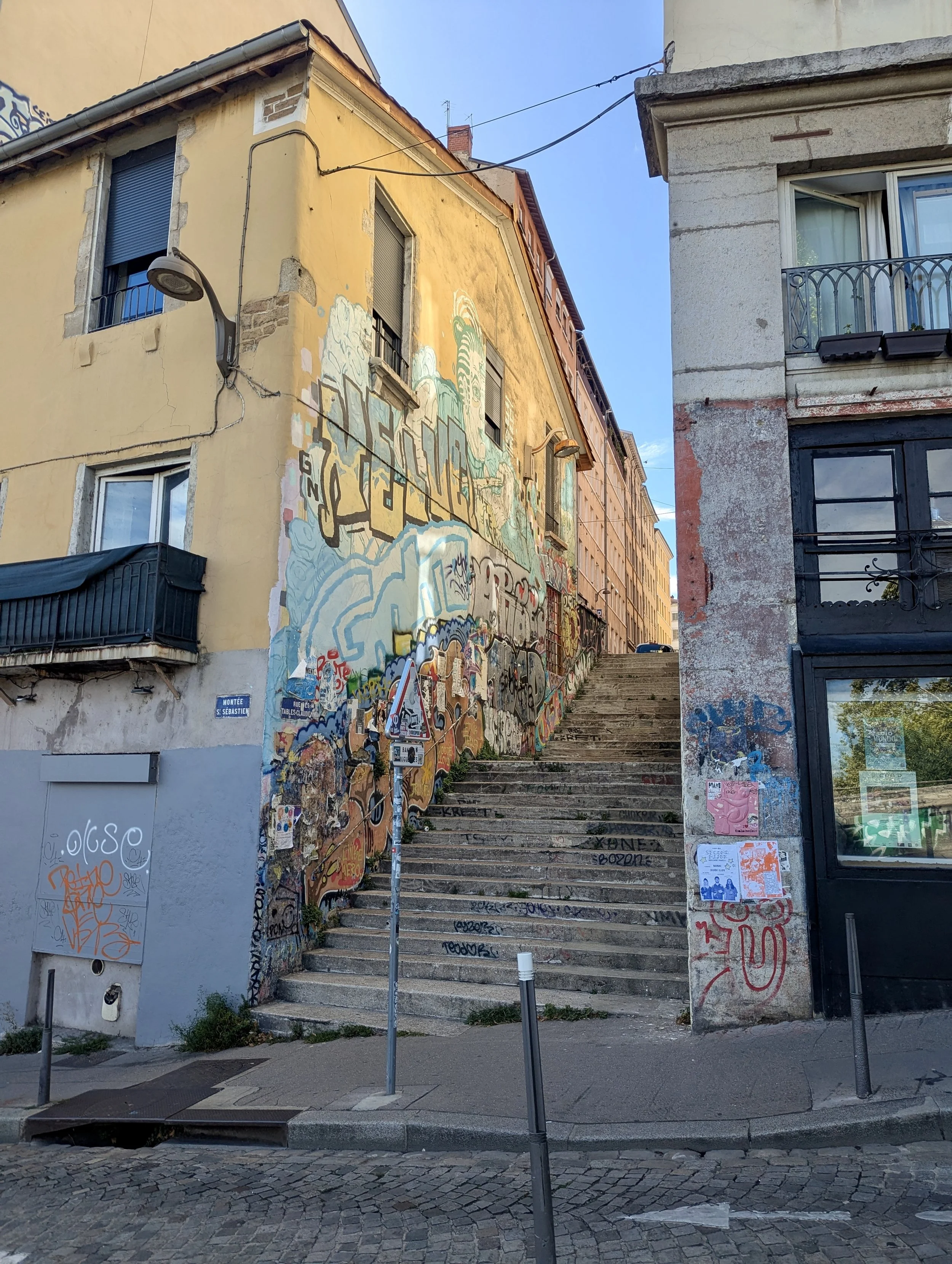
Traboules (mostly Croix-Rousse, some in Vieux Lyon)
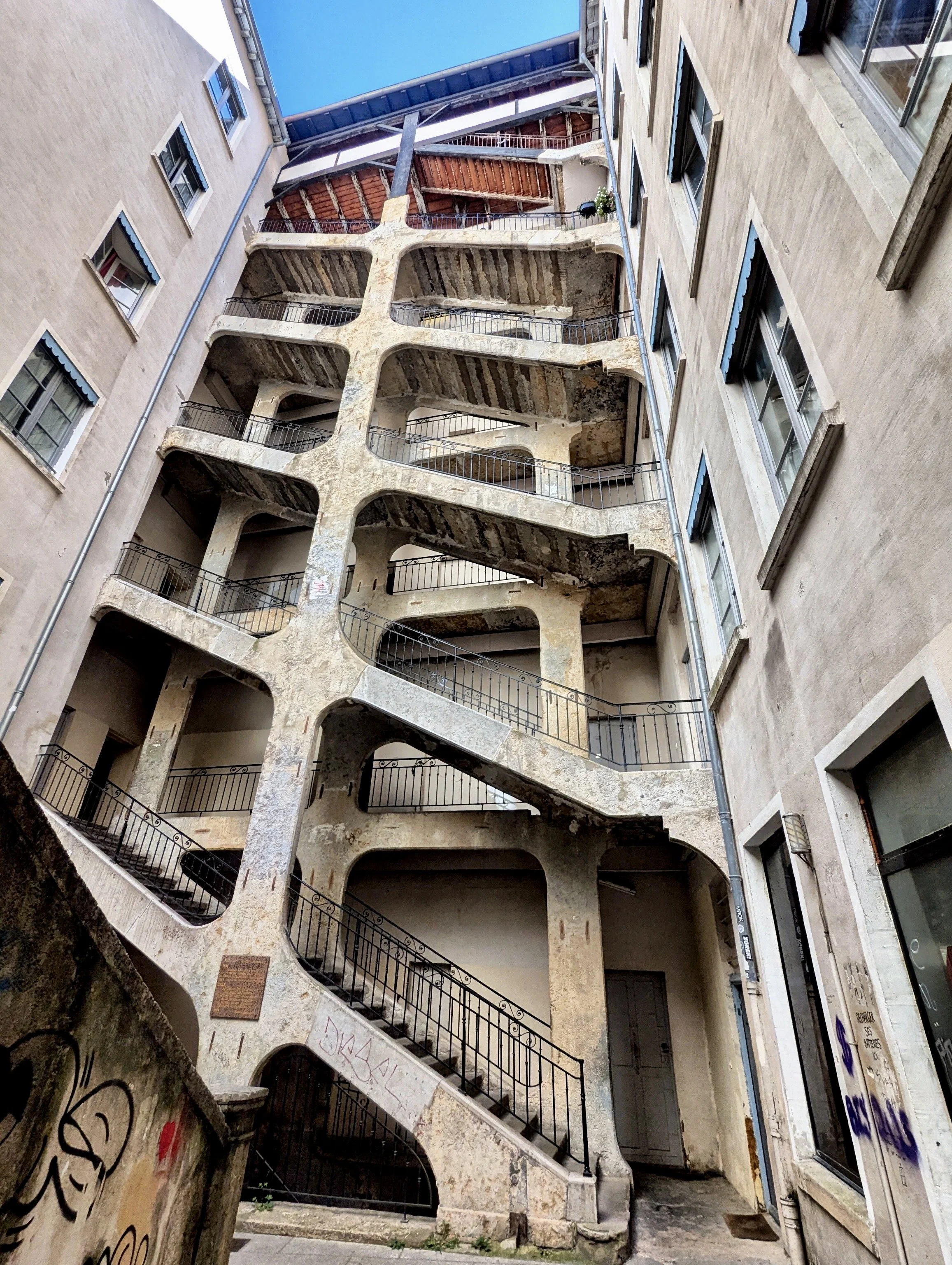
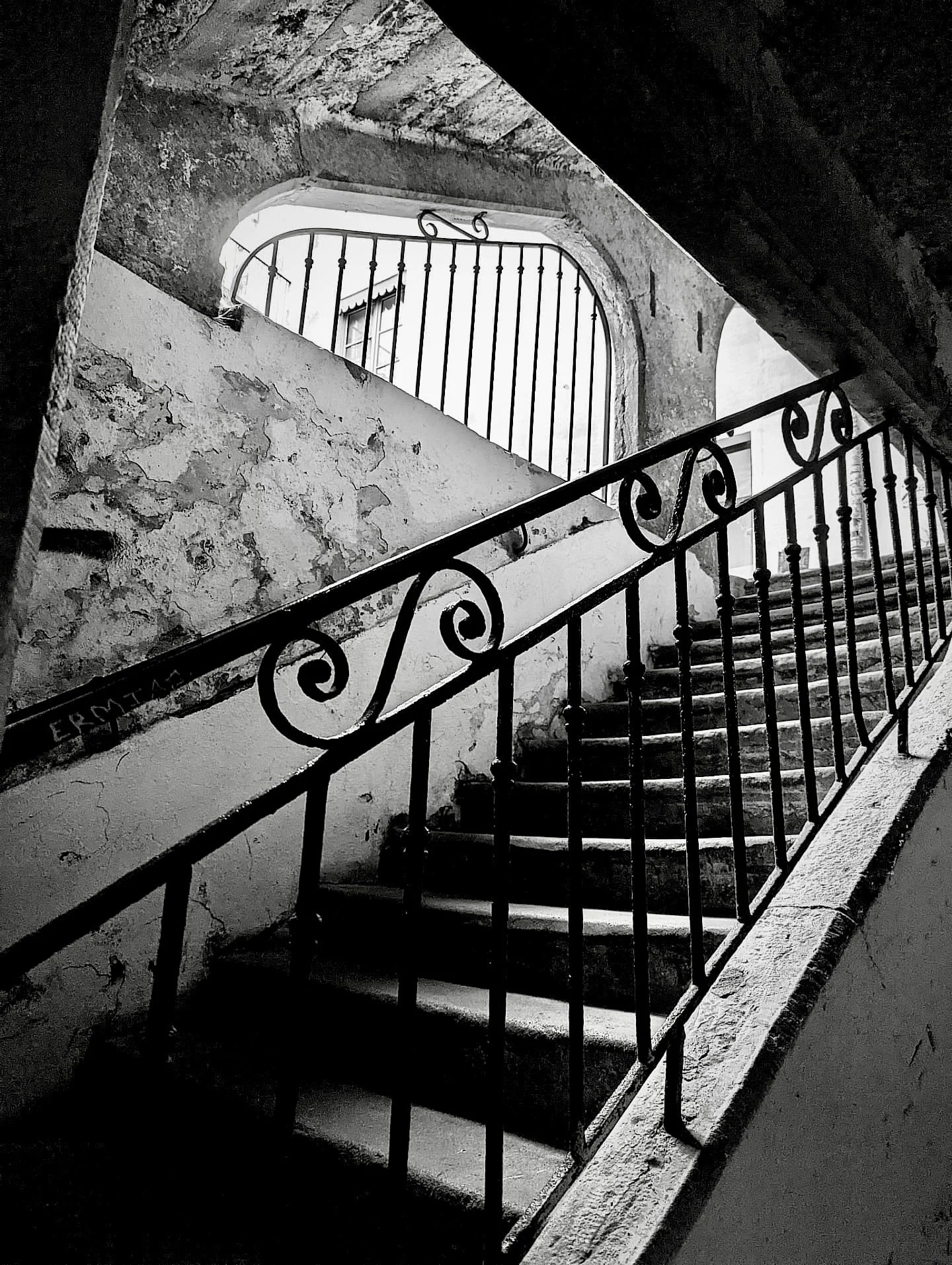
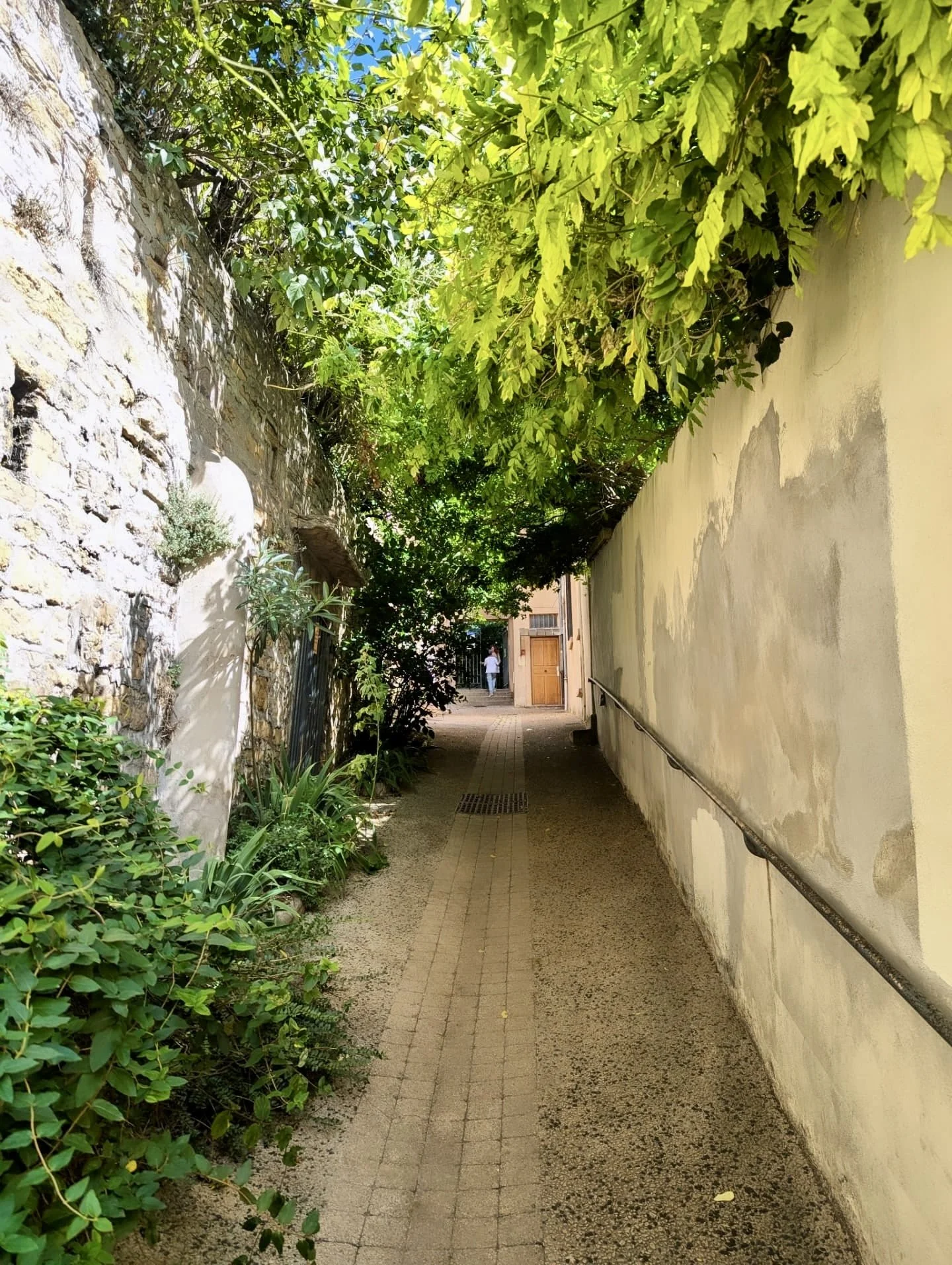
Located primarily in the Croix-Rousse neighborhood, these covered passageways allowed the silk workers to transport their wares without getting them wet. Many of them still exist today, but they can be a little tricky to find. We went in search of one and just couldn’t quite tell where to go to follow the trail that didn’t involve going through a person’s front courtyard, so we gave up and went in search of another (Traboule et Cour des Voraces) which we successfully found. The Vister Lyon site gives you some addresses if you want to do a DIY tour, but they also offer guided tours. Having struggled to find a couple of them, even with an address, I think this is one of those times it’s worth it to spring for the tour - they’re pretty affordable and not a huge time commitment, and you won’t worry that you’re wandering into somebody’s courtyard where you shouldn’t be.
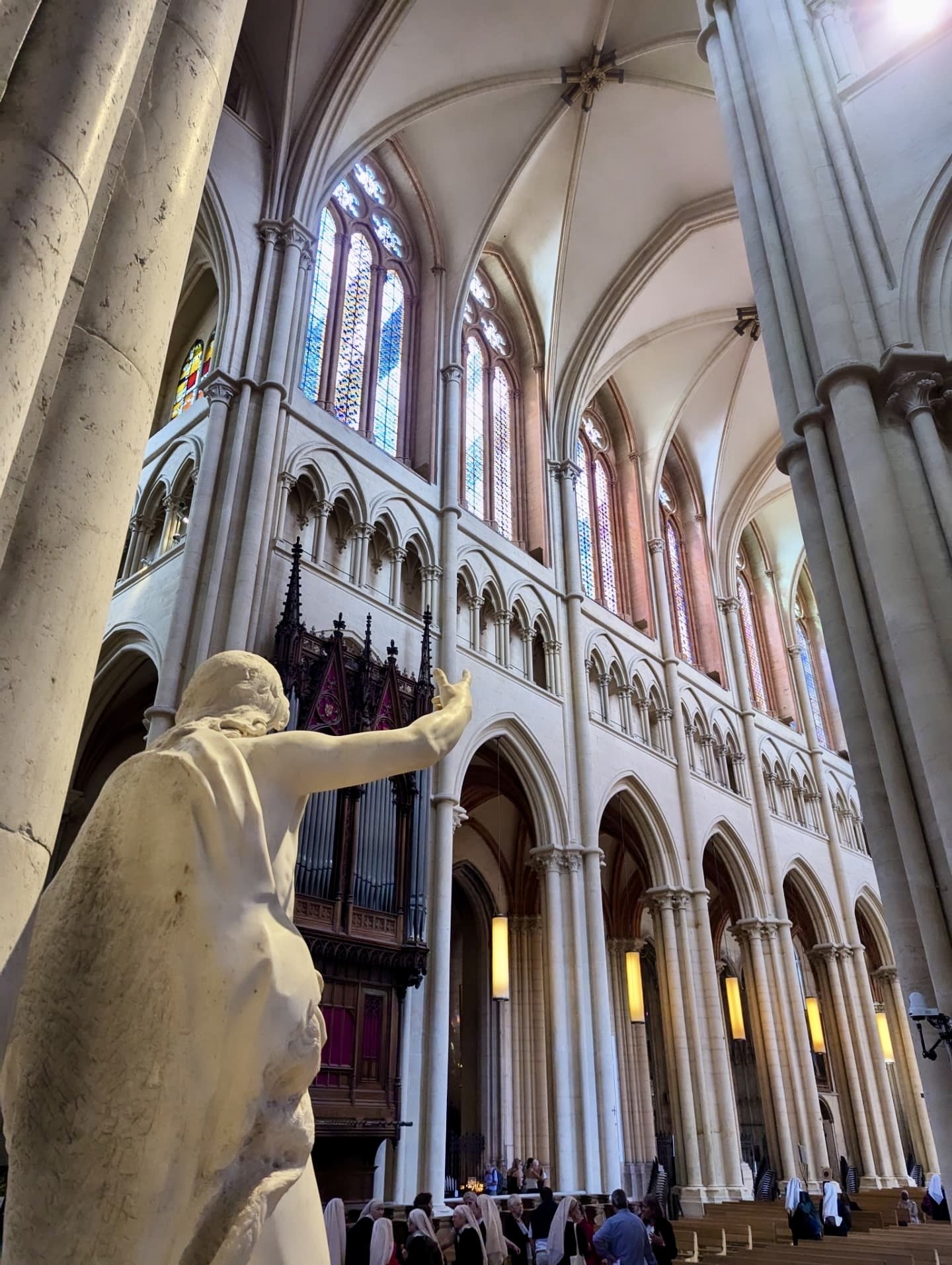
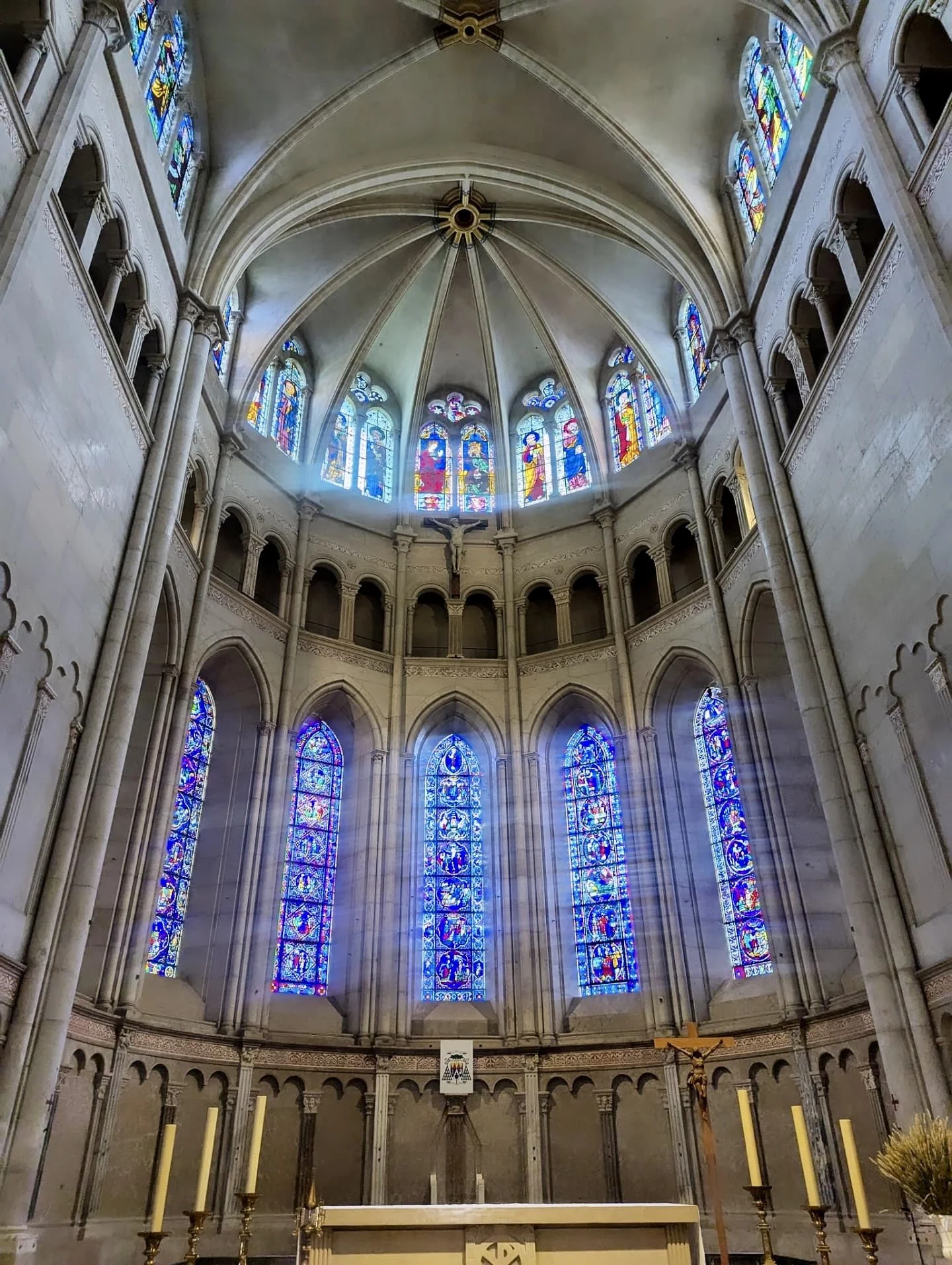
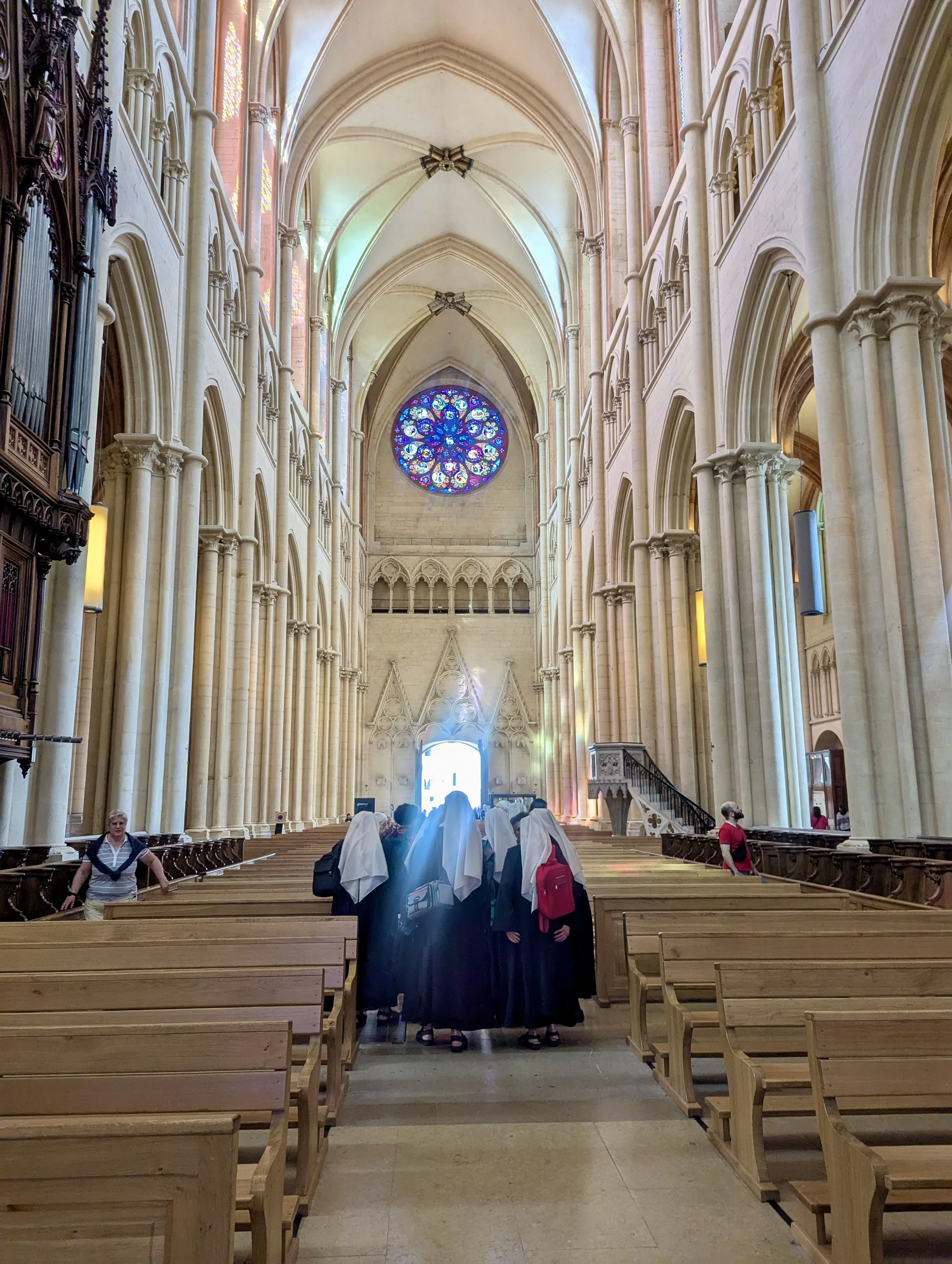
Cathédrale et Primatiale Saint-Jean-Baptiste (5 ème) 6 Avenue Adolphe Max
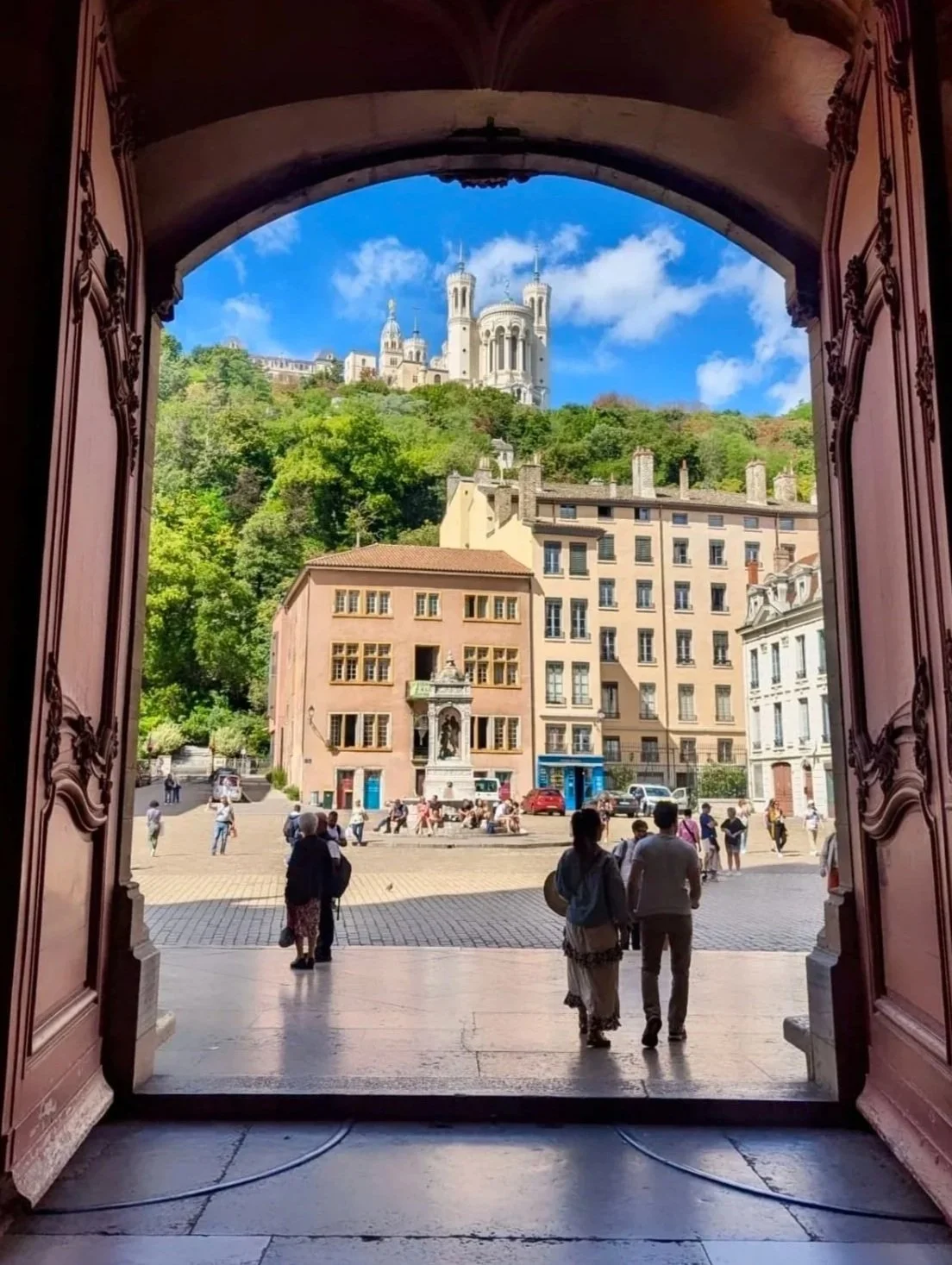
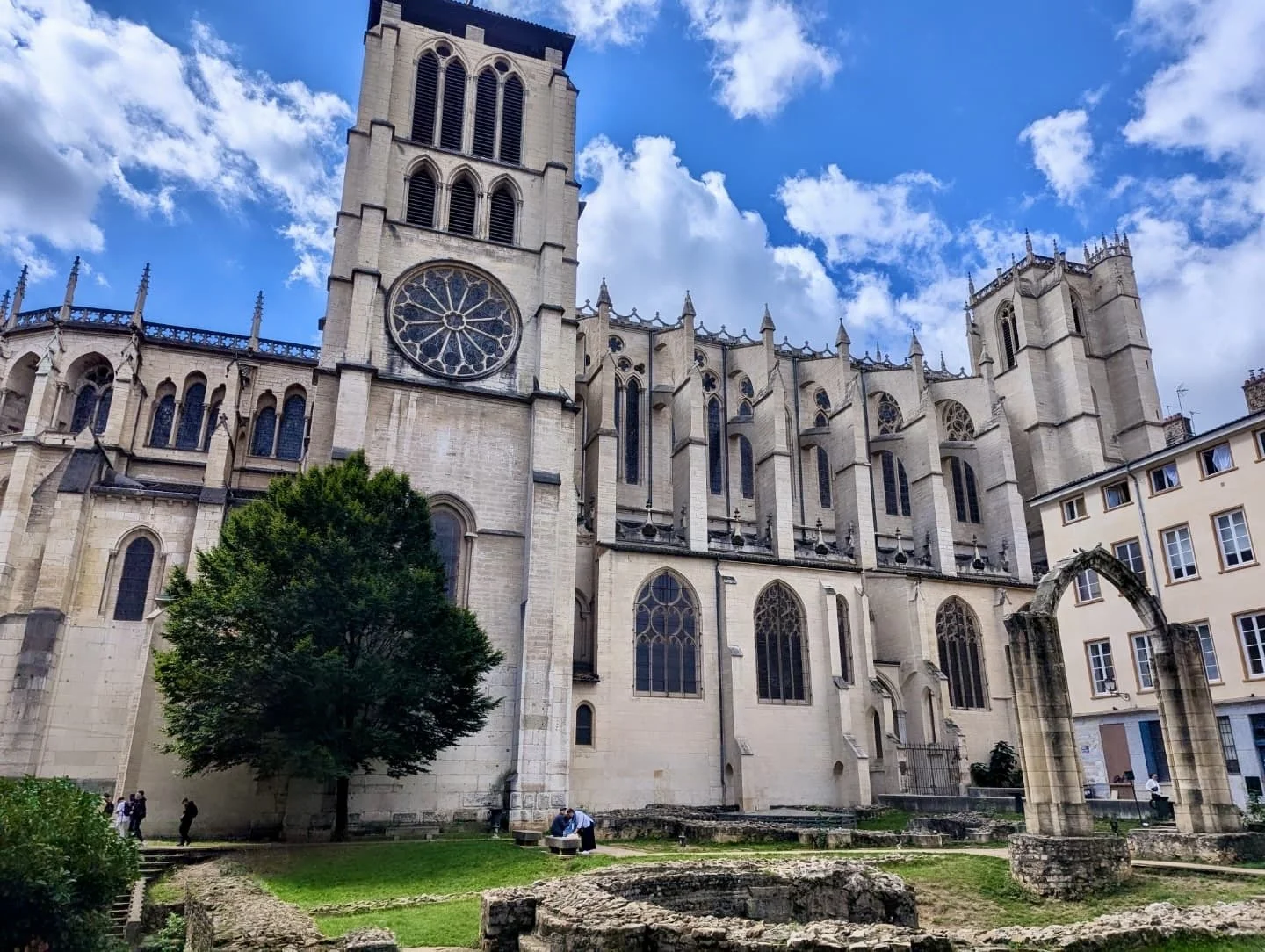
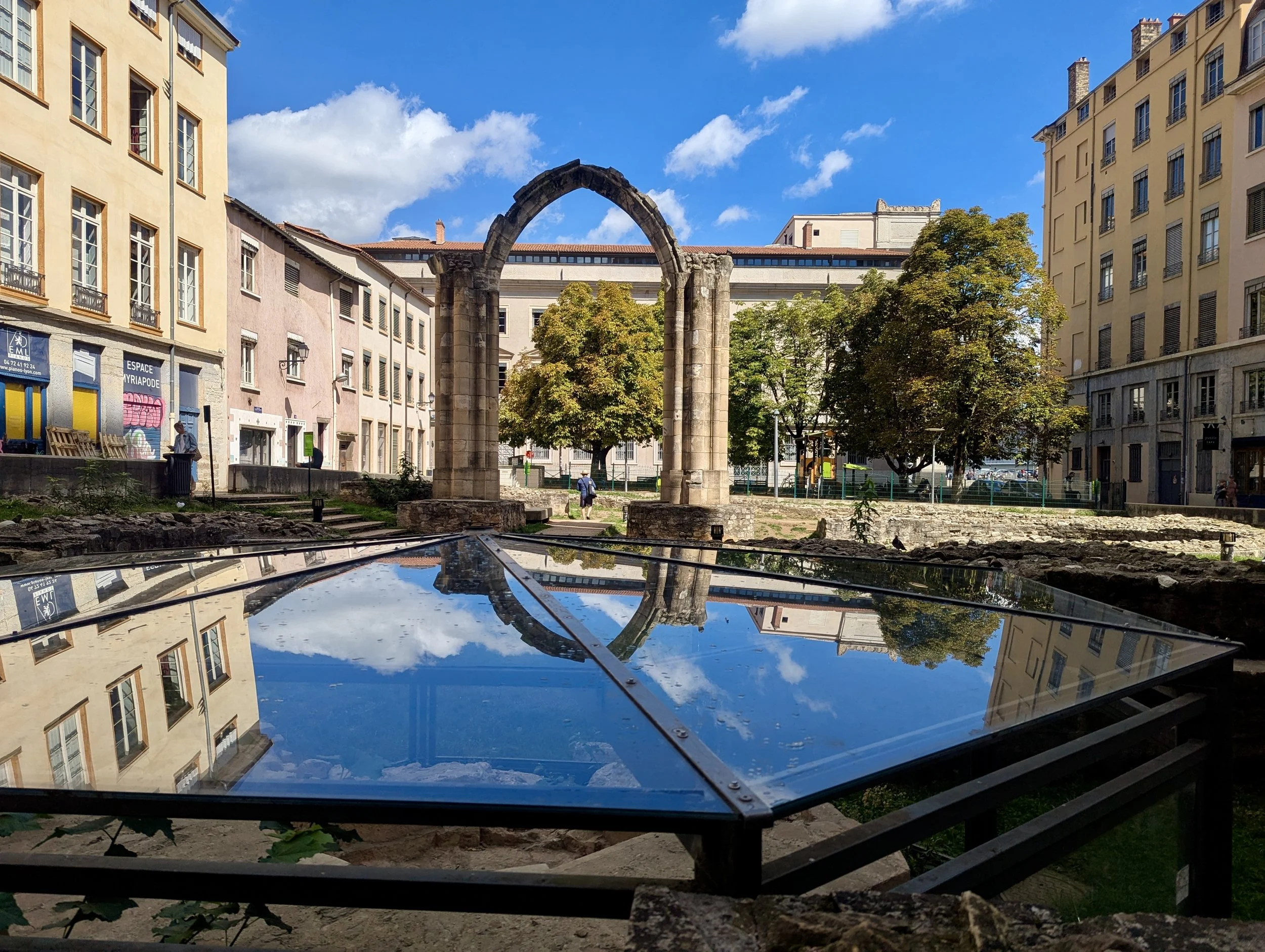
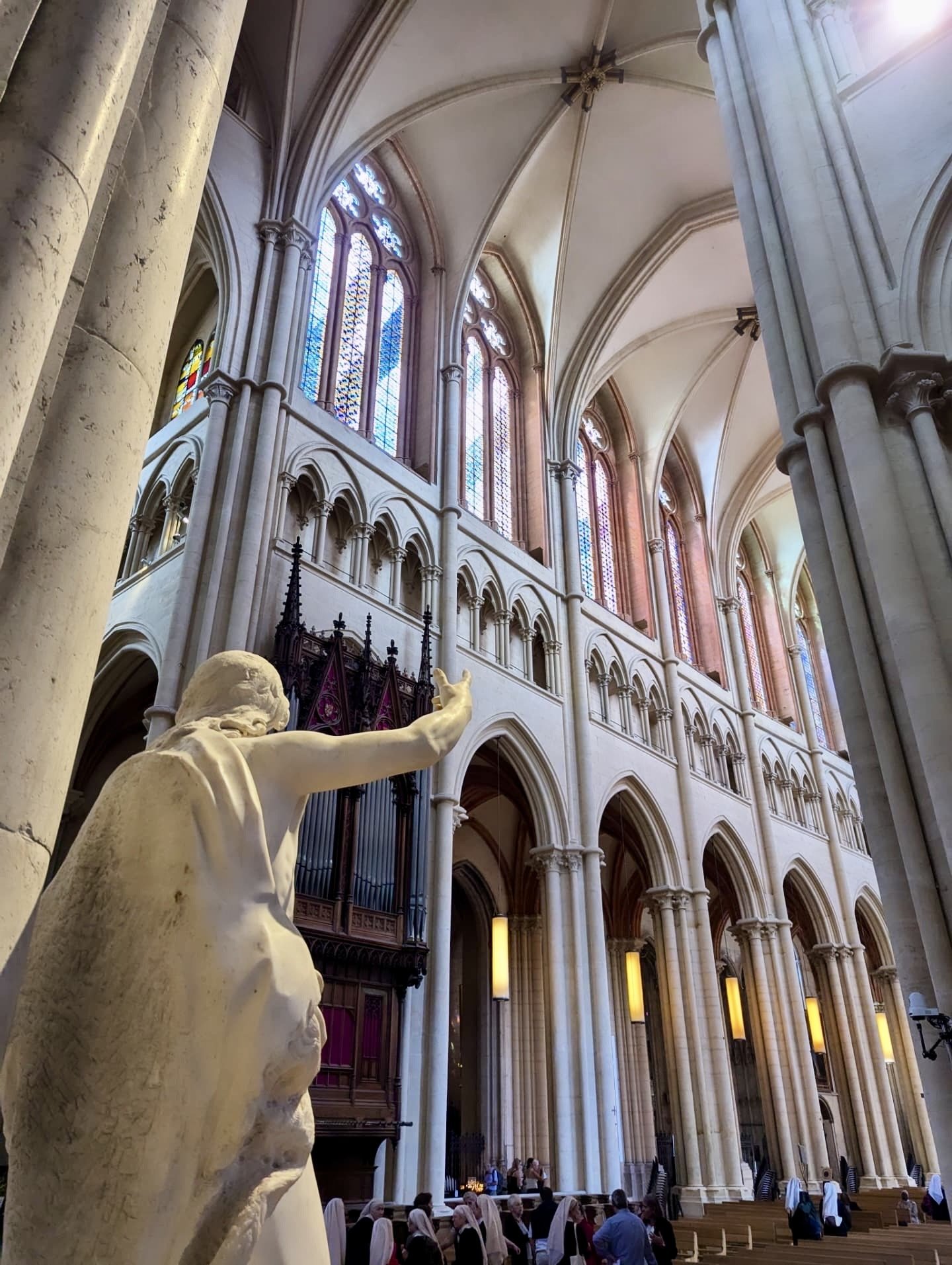
This church is a must-see if you’re a fan of spectacular churches, and if you’re not, it might turn you into one. Built on the site of two 4th-century churches that were destroyed during the French Revolution, it features some really beautiful geometric stained glass windows. The ruins of some of the original churches remain, so if you approach from the front be sure to have a wander around the back to see the original foundations. The cathedral is easily accessible from the river, just at the base of Fourvière Hill.
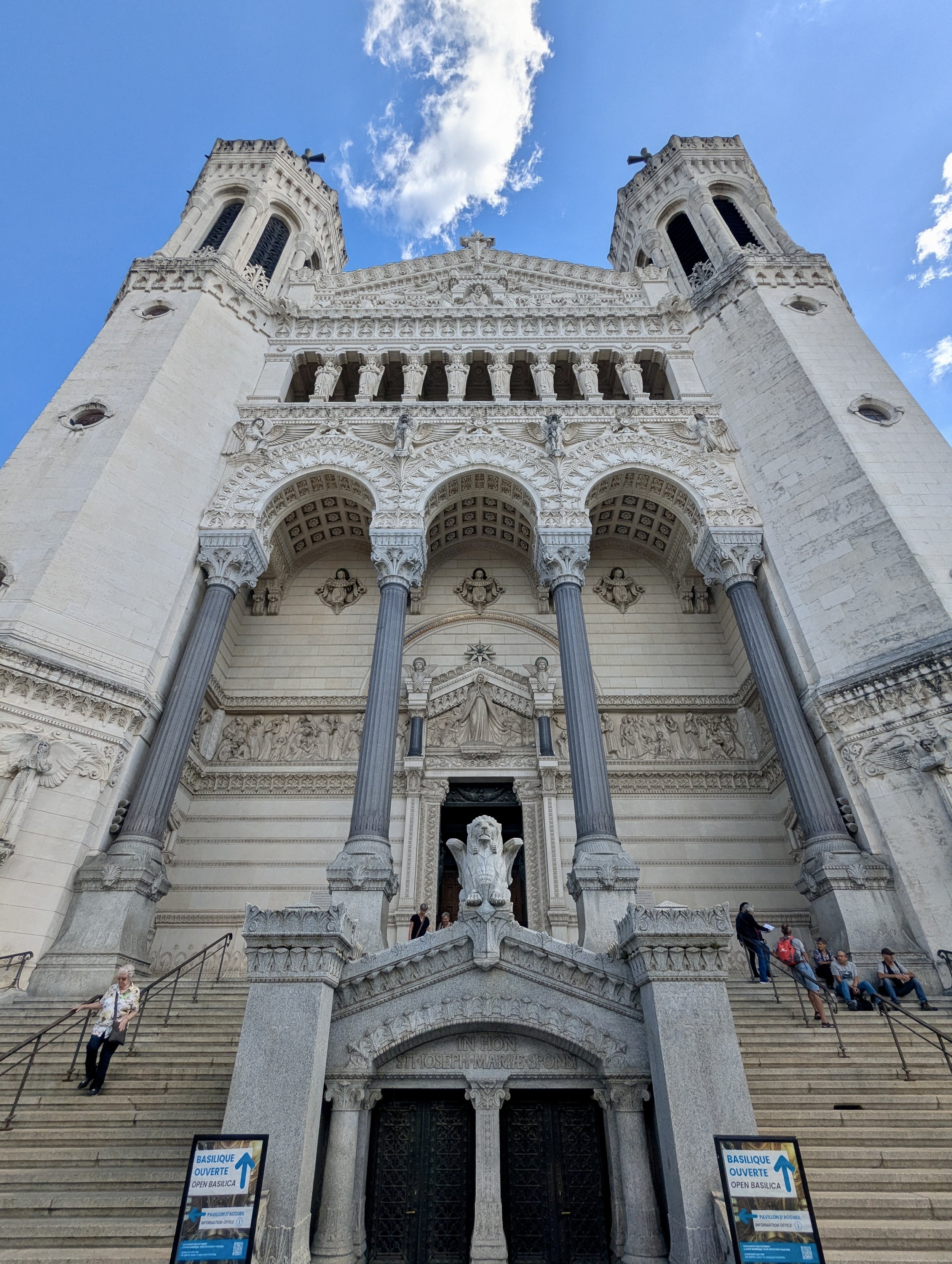
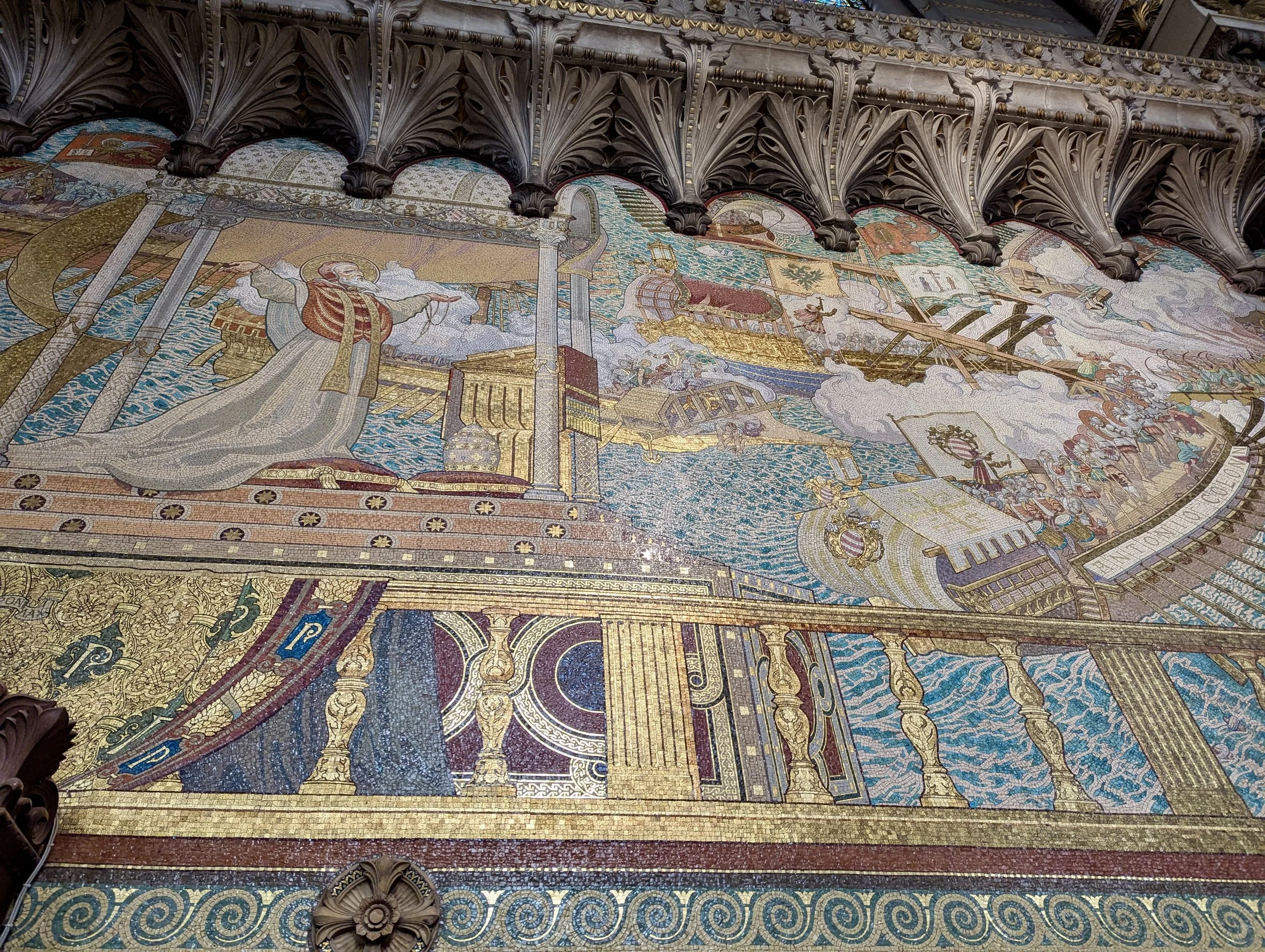
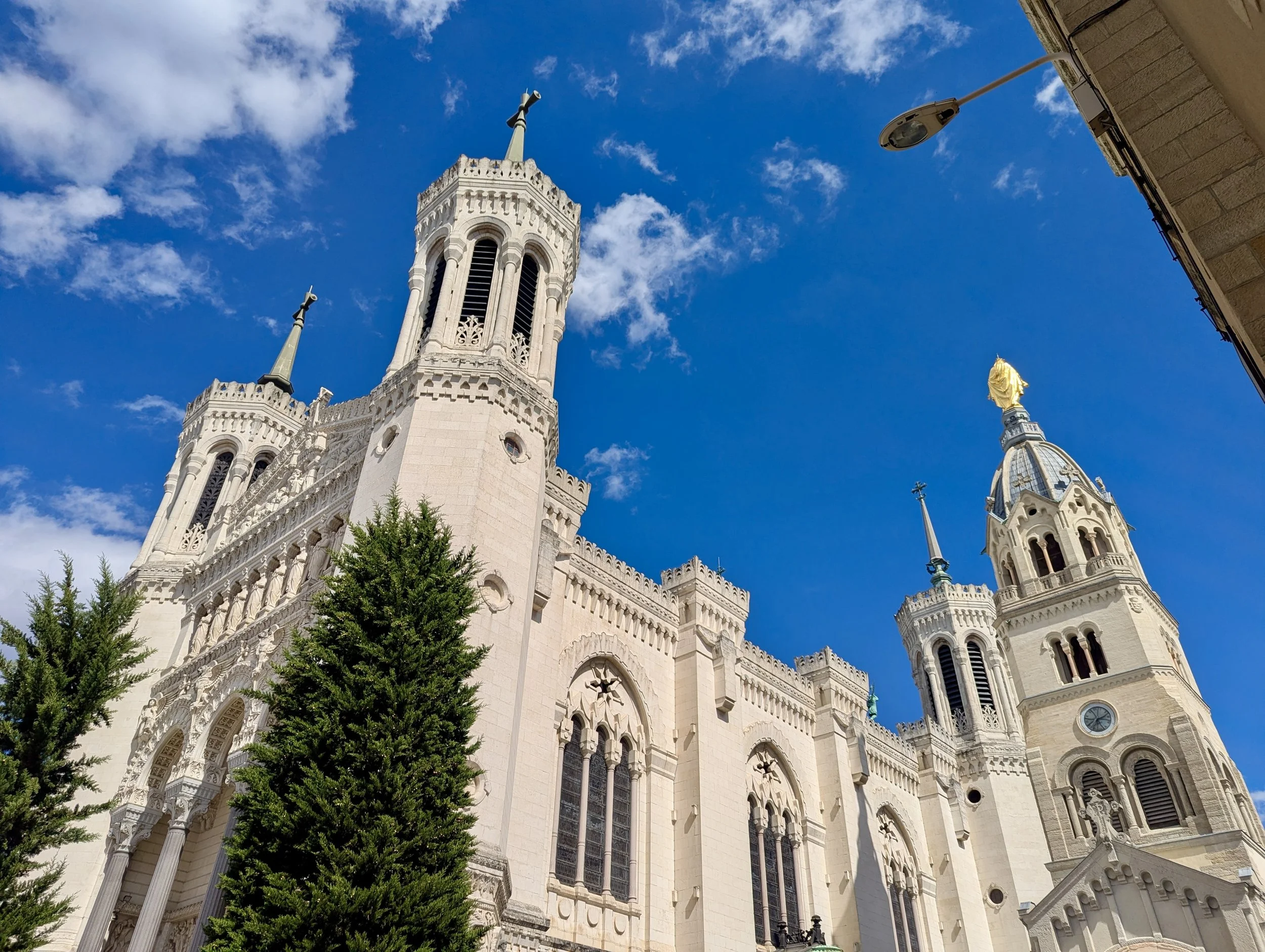
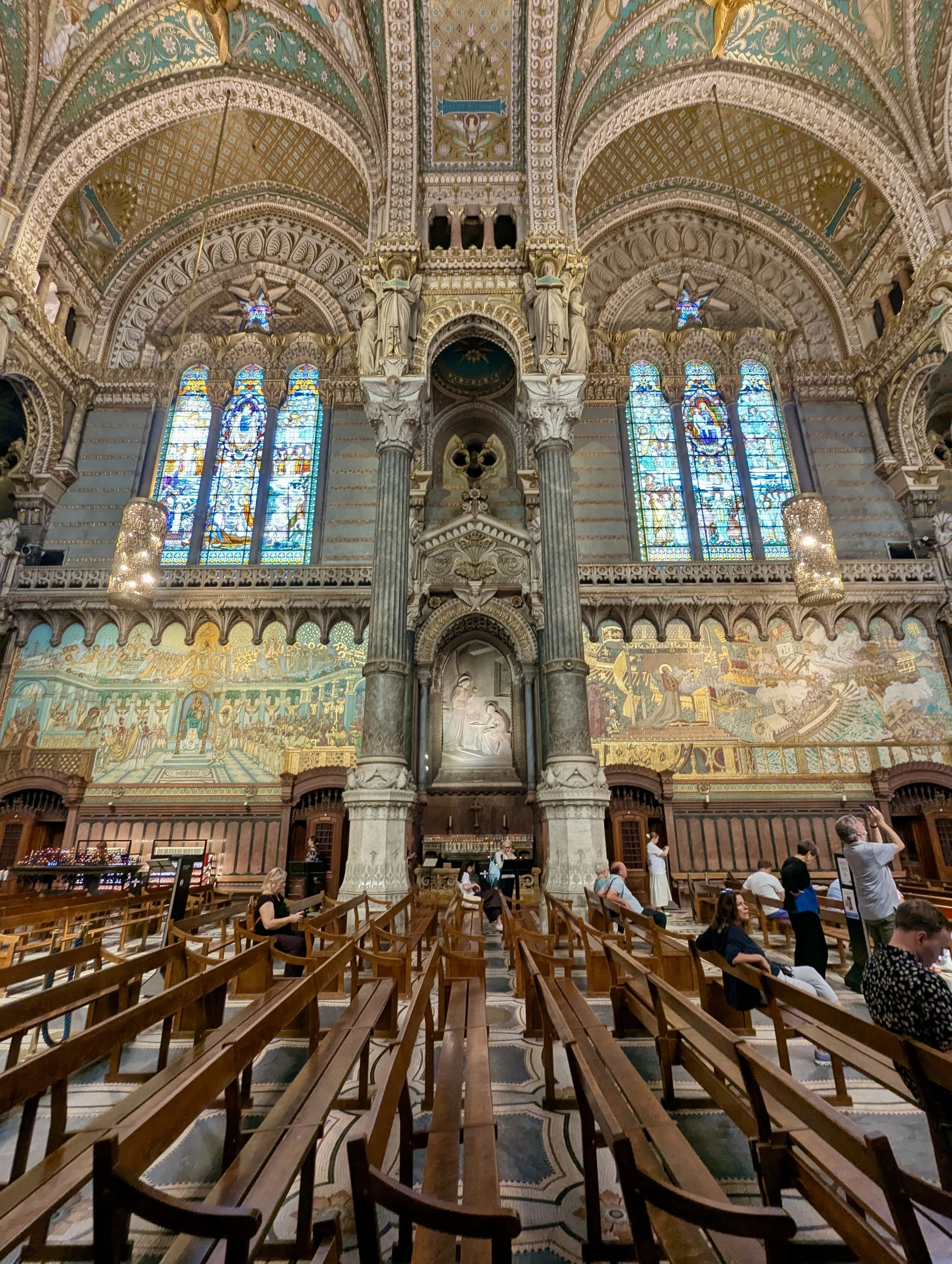
Basilique Notre-Dame de Fourvière, 8 Pl. de Fourvière (5 ème)
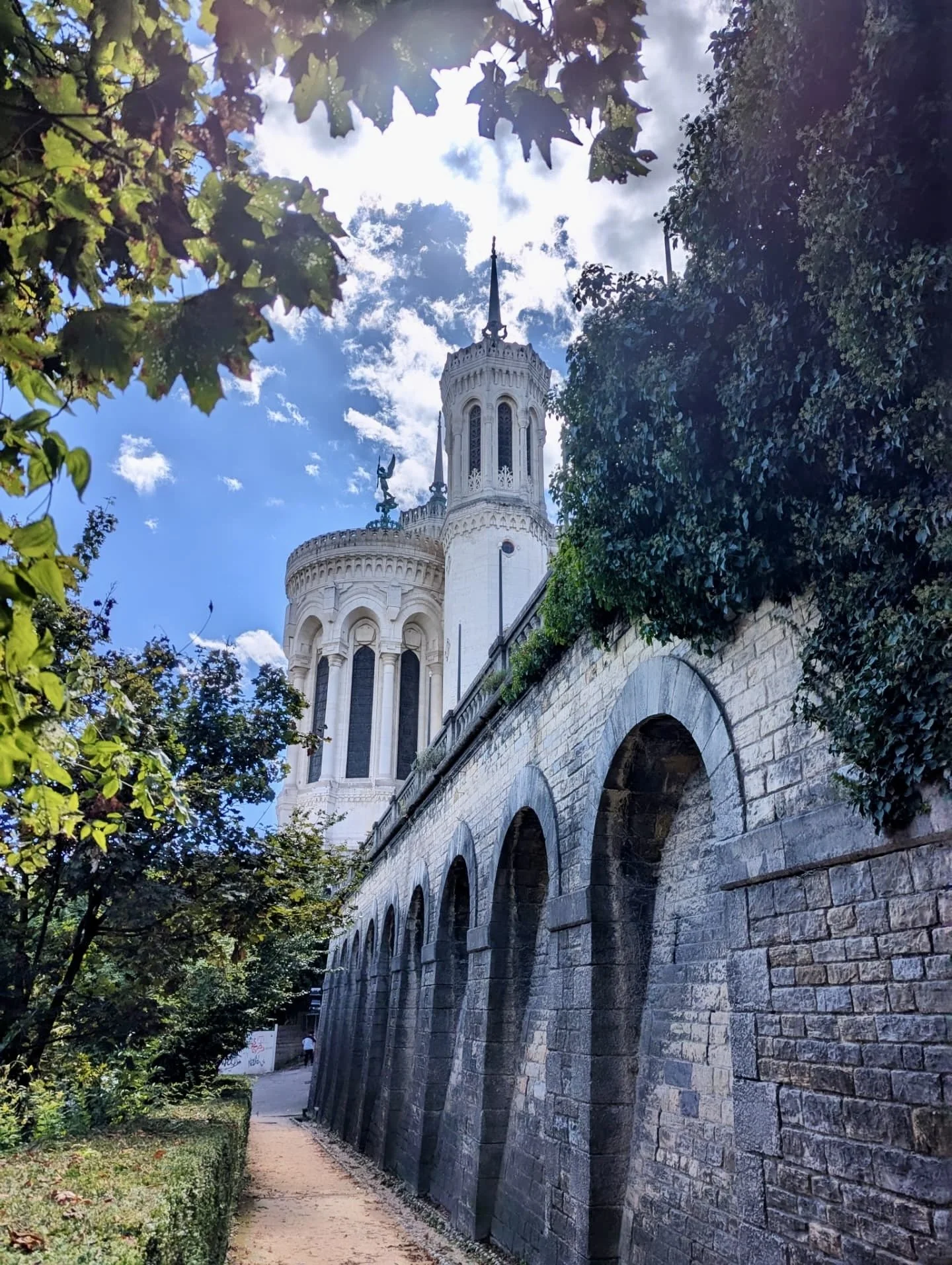
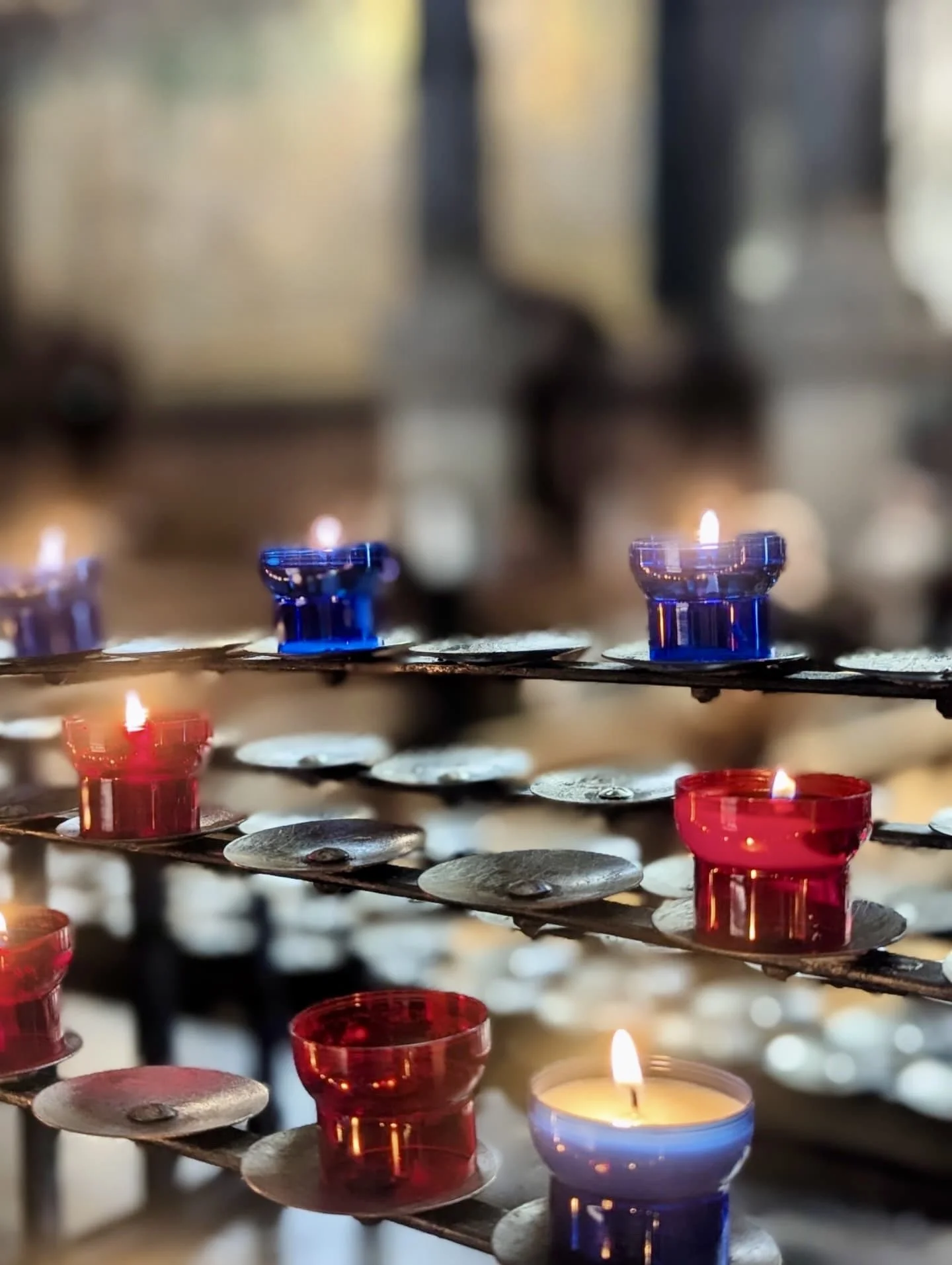
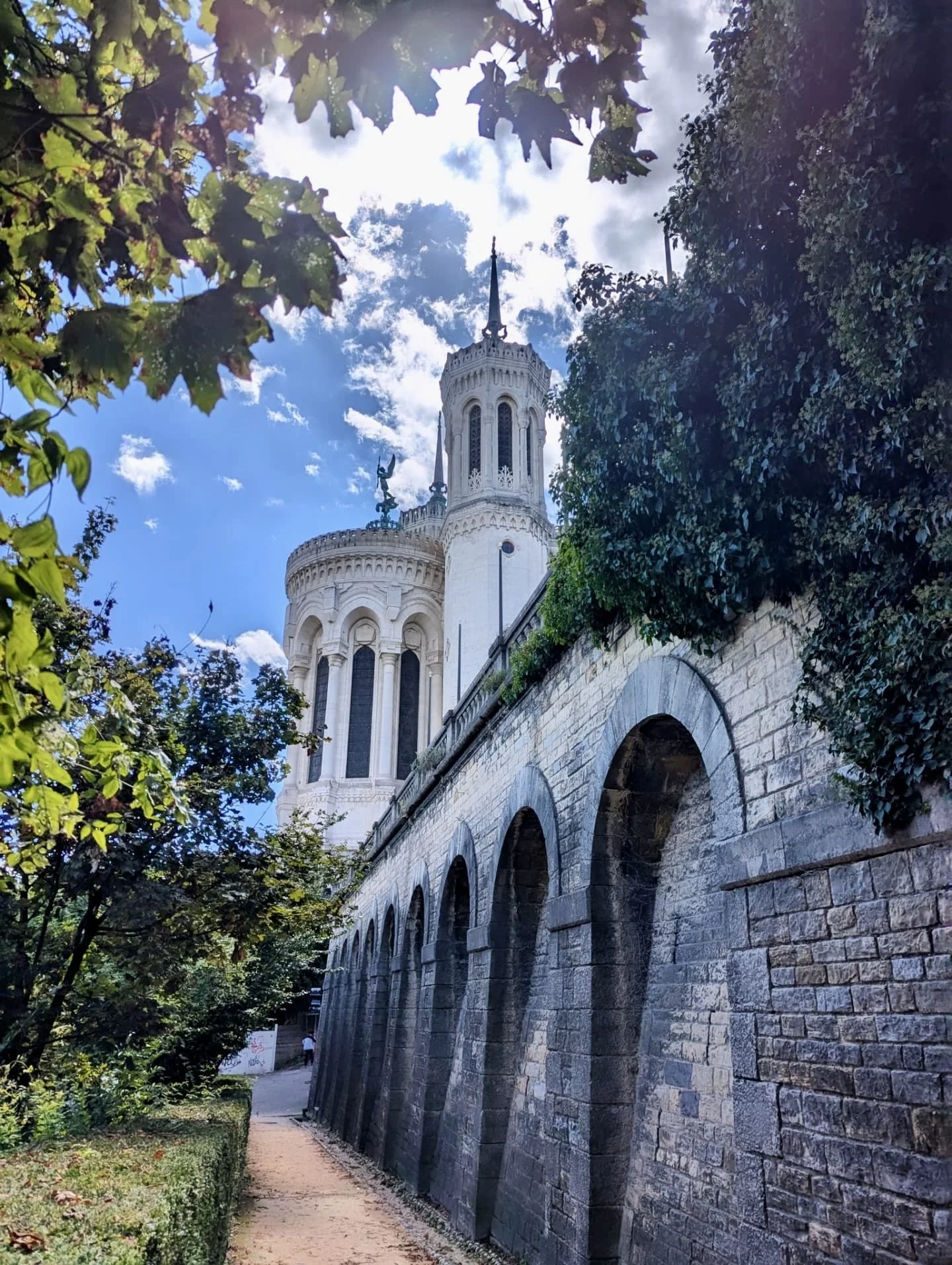
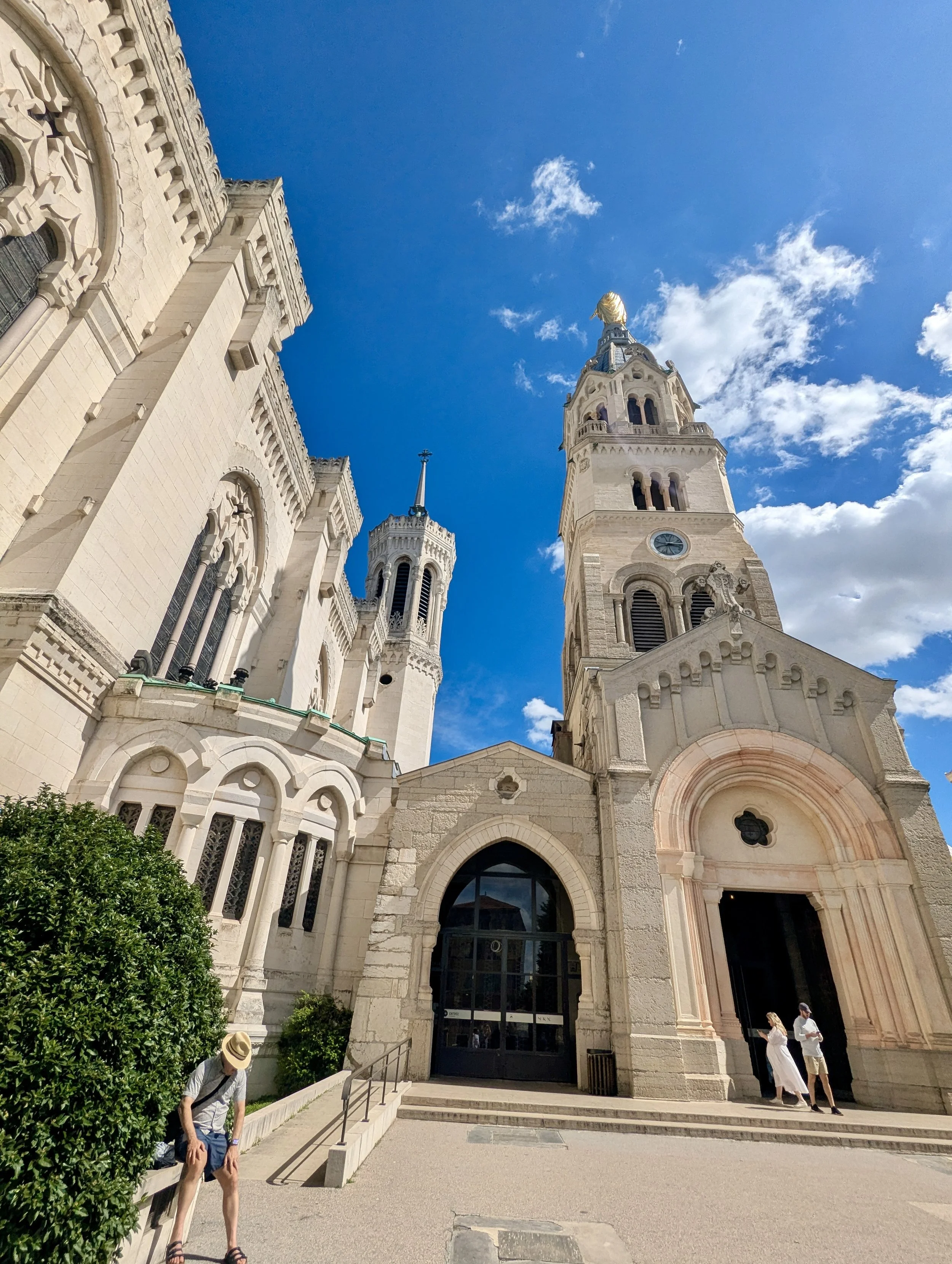
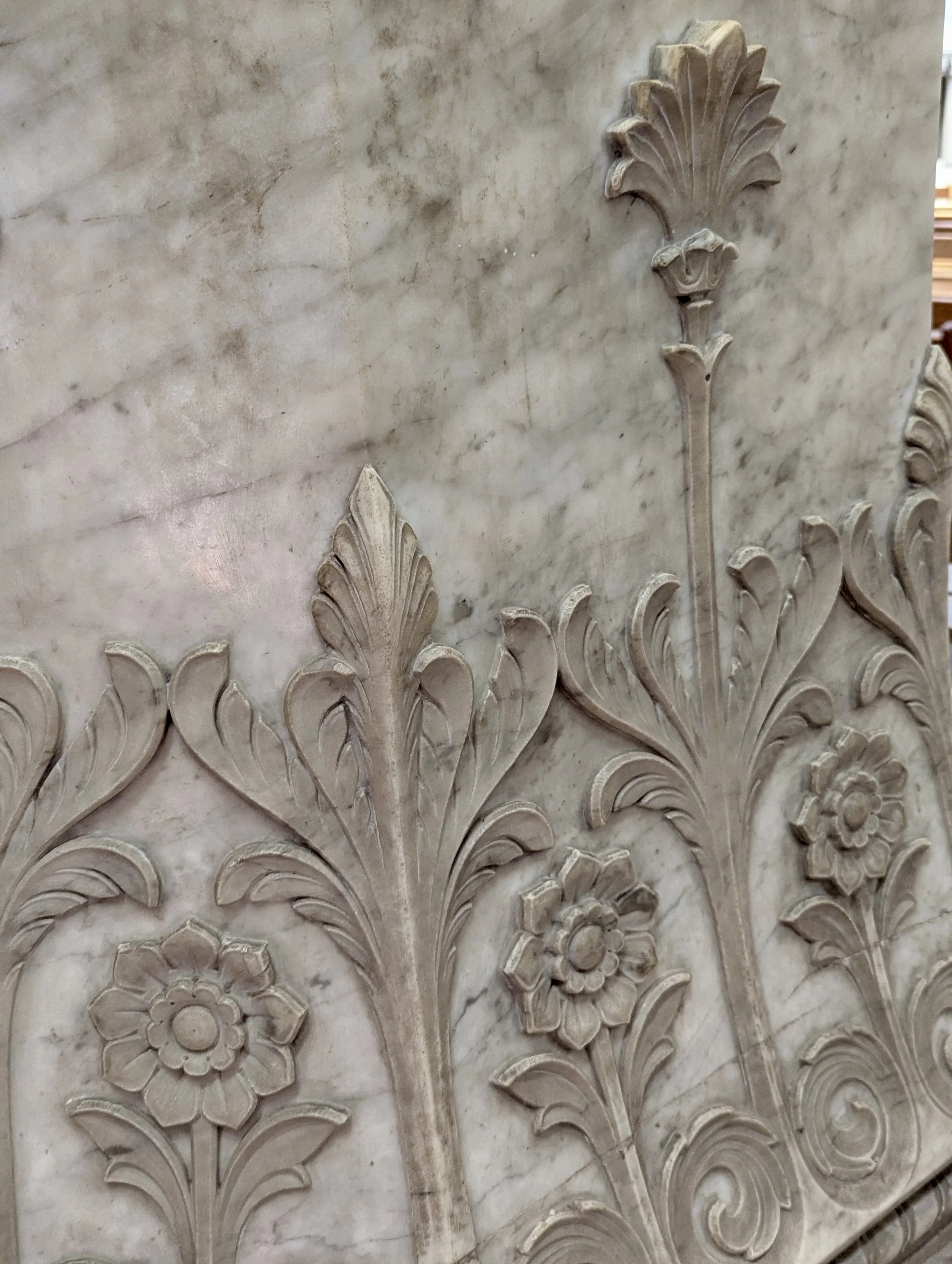
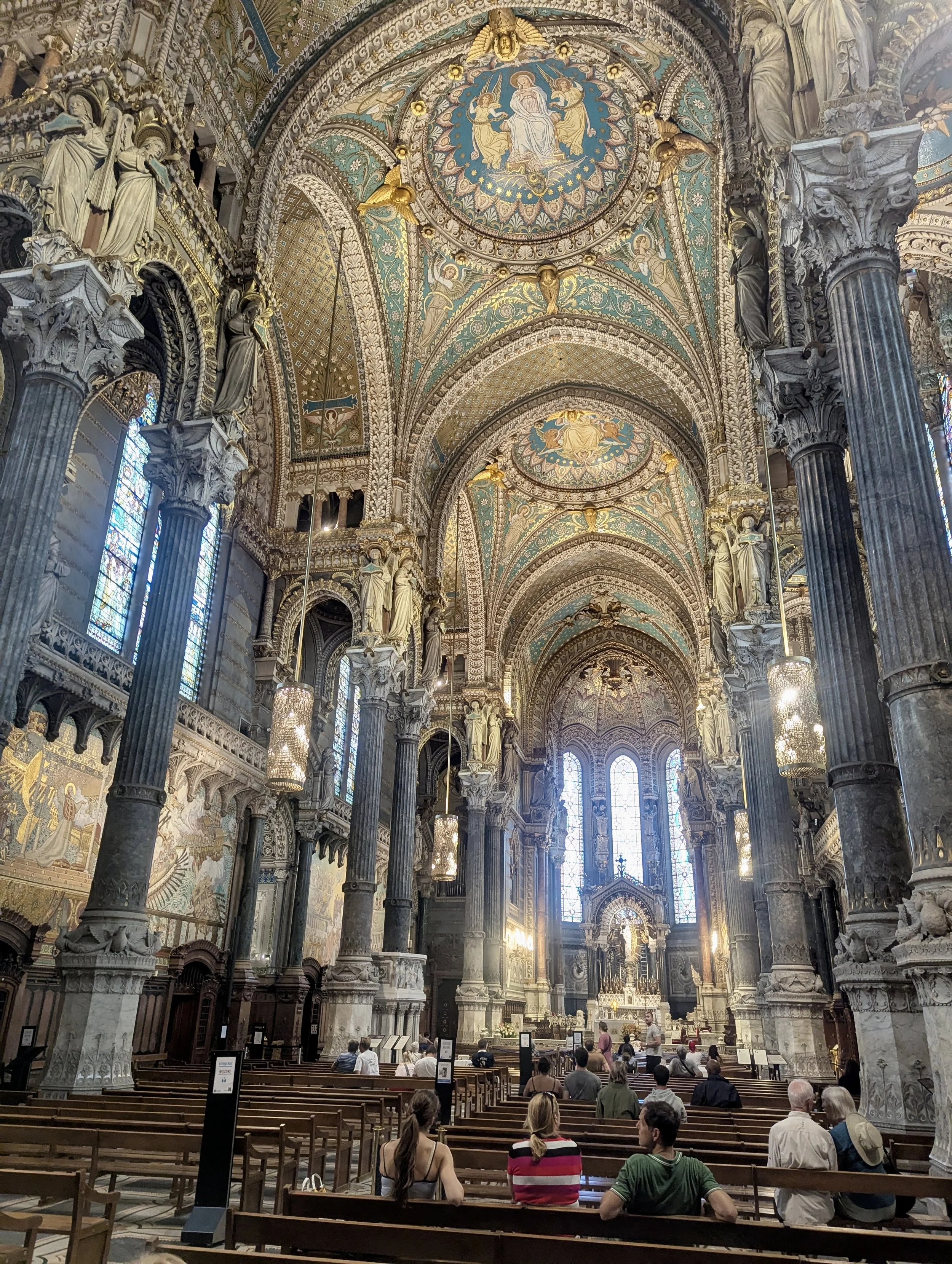
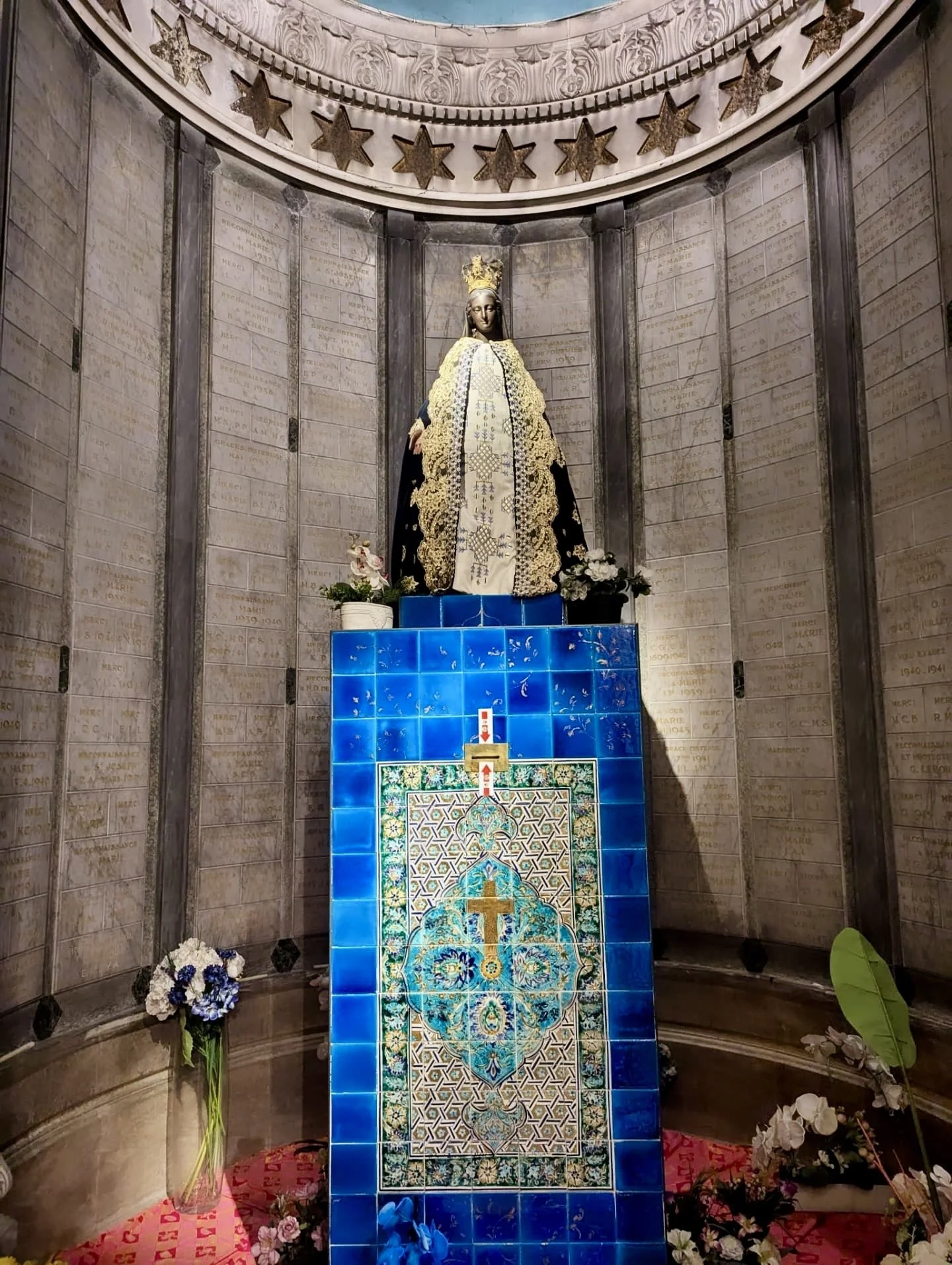
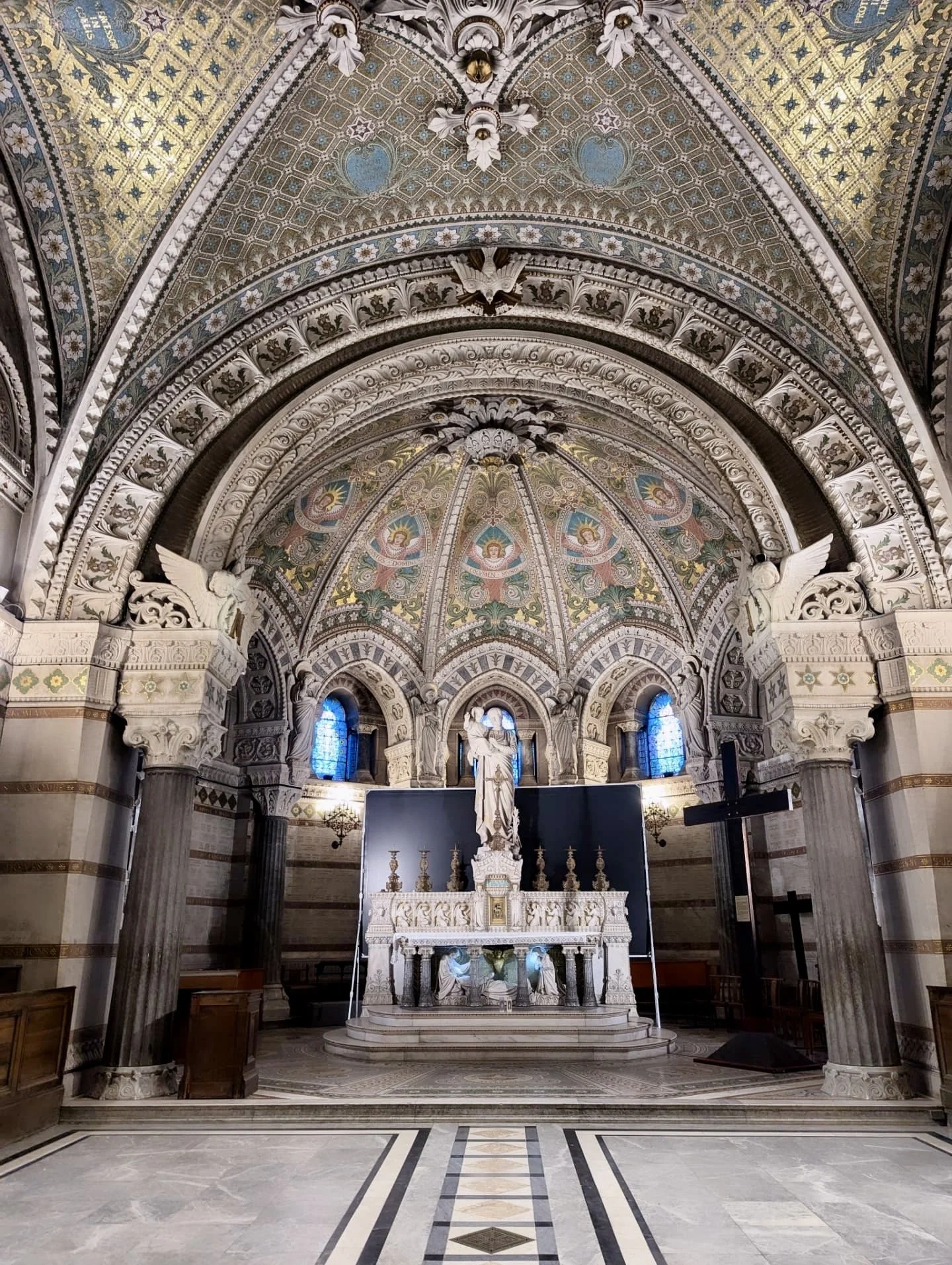
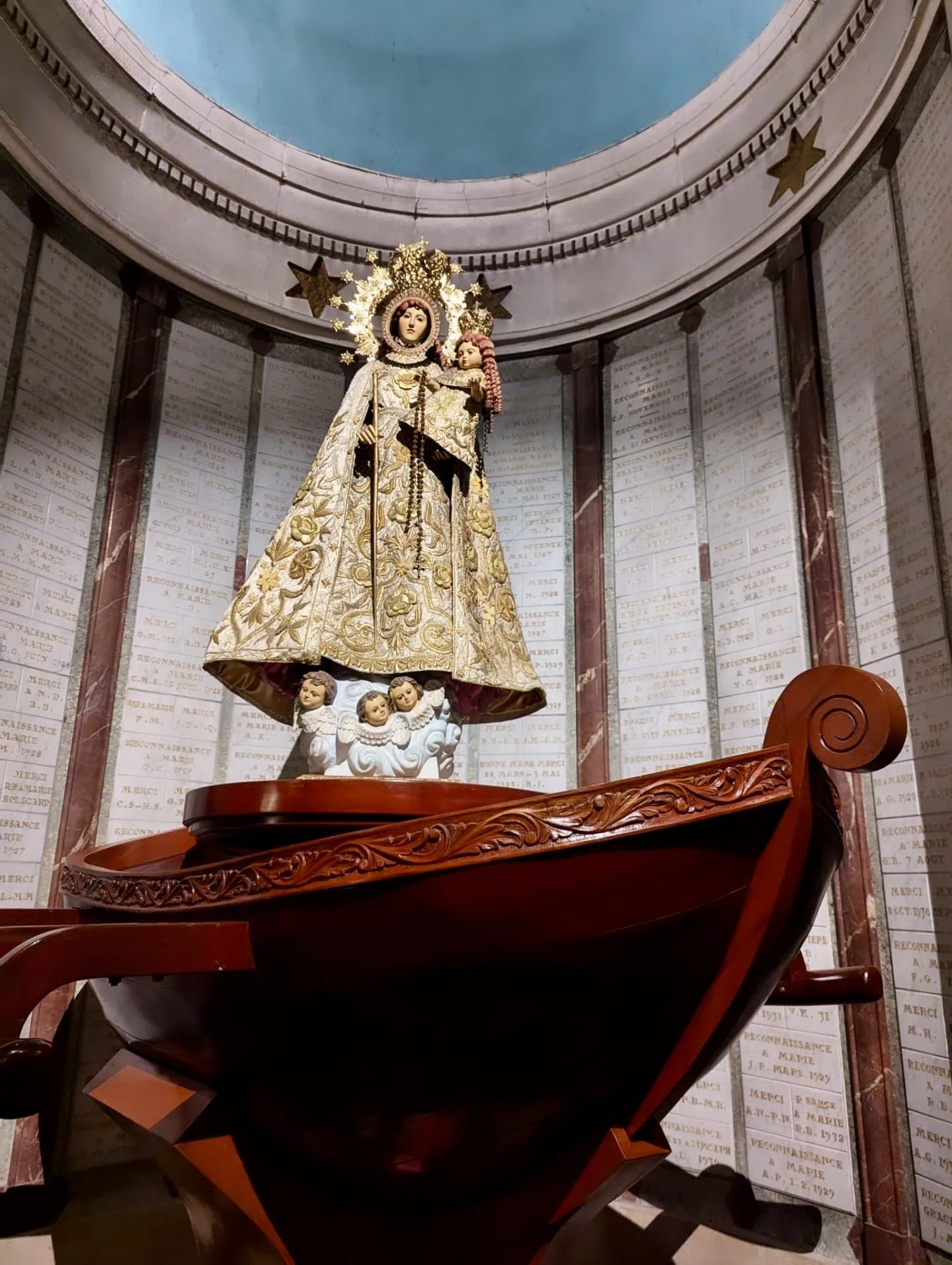
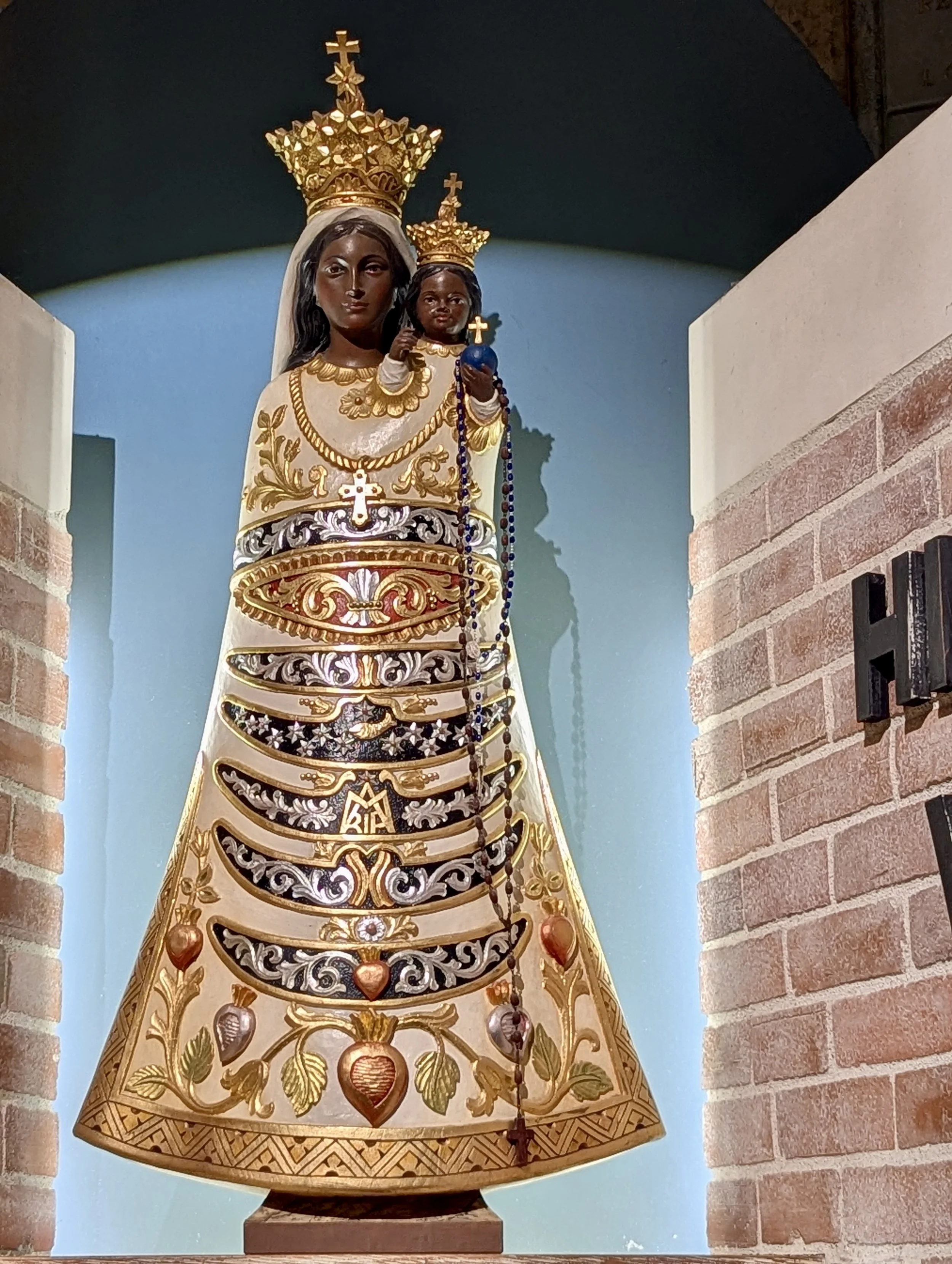
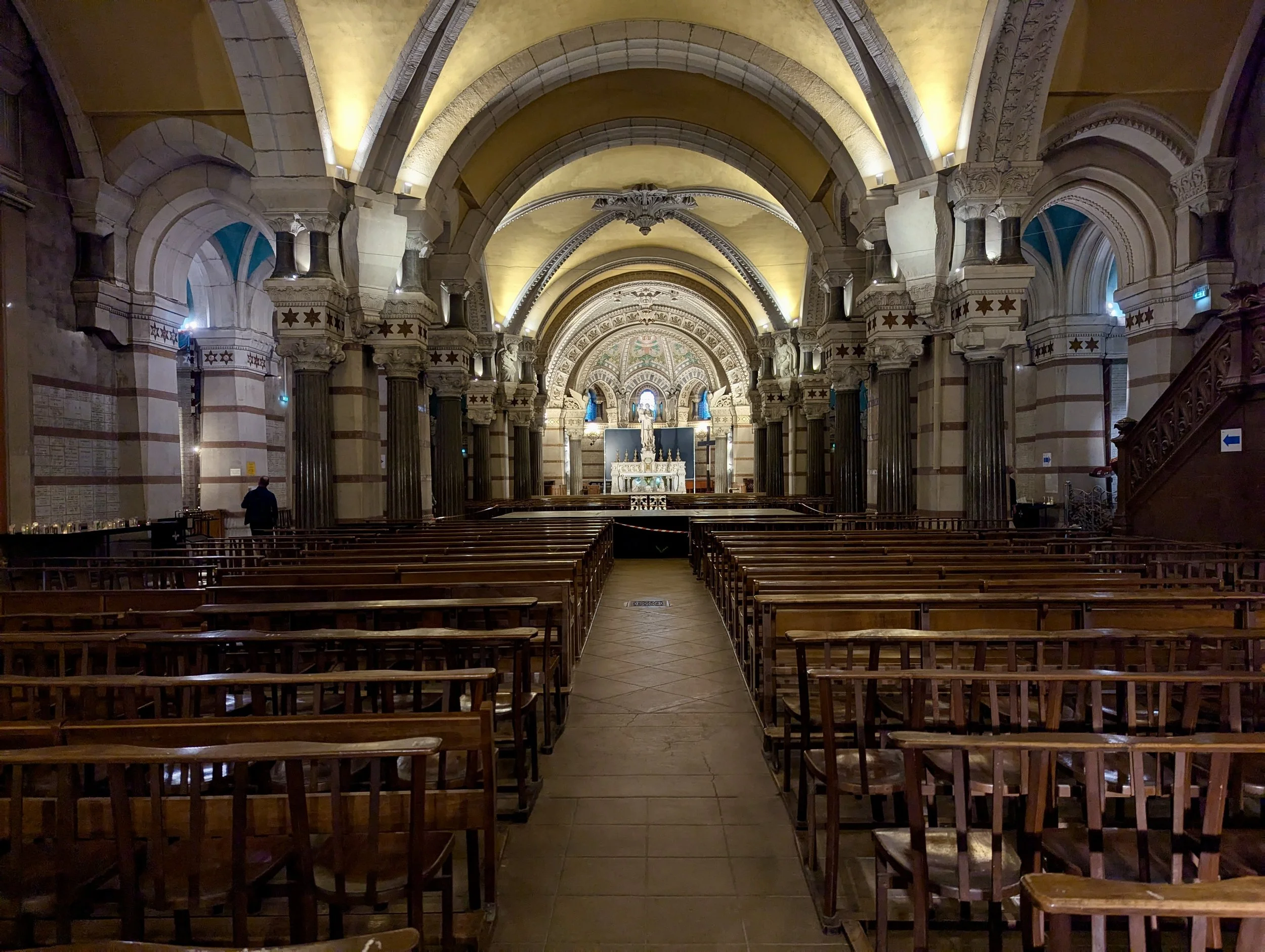
At the top of the hill is the unmissable basilica. It’s a relatively new church, construction began in 1870 and the church was consecrated in 1896, and its nave is loaded with beautiful mosaics, stained glass windows, and sculptures. The interior is fairly small, and, unlike the layout in many Catholic churches, the chapels aren’t located immediately off of the nave, they’re in La Chapelle de la Vierge, off to the right. Founded in 1174, partially demolished in 1562 during the Wars of Religion, then rebuilt, finally completed in 2008, it’s a very unique chapel. There is a beautiful selection of Madonnas from different countries (Poland, Lebanon, Mexico, China, and more).
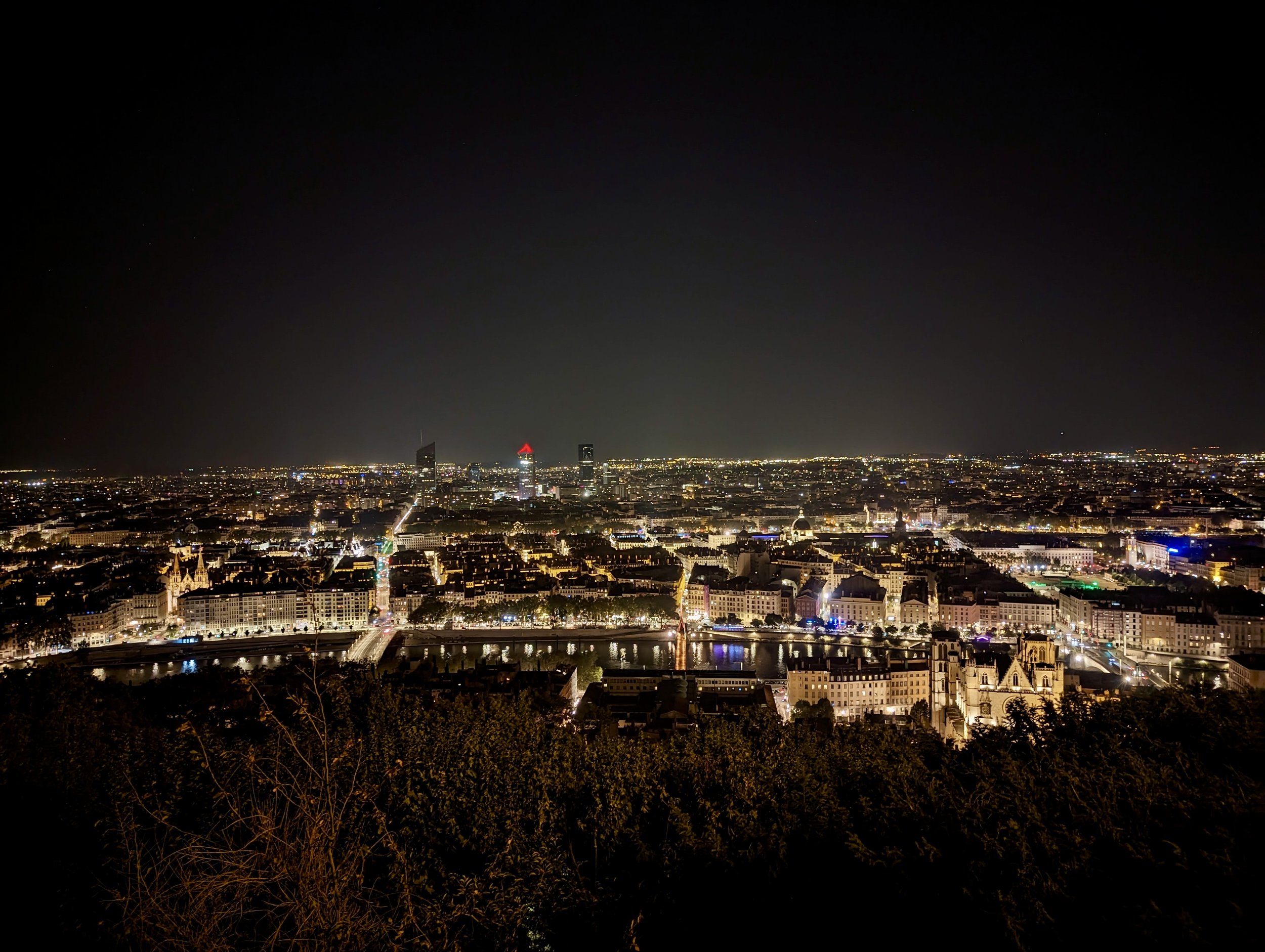
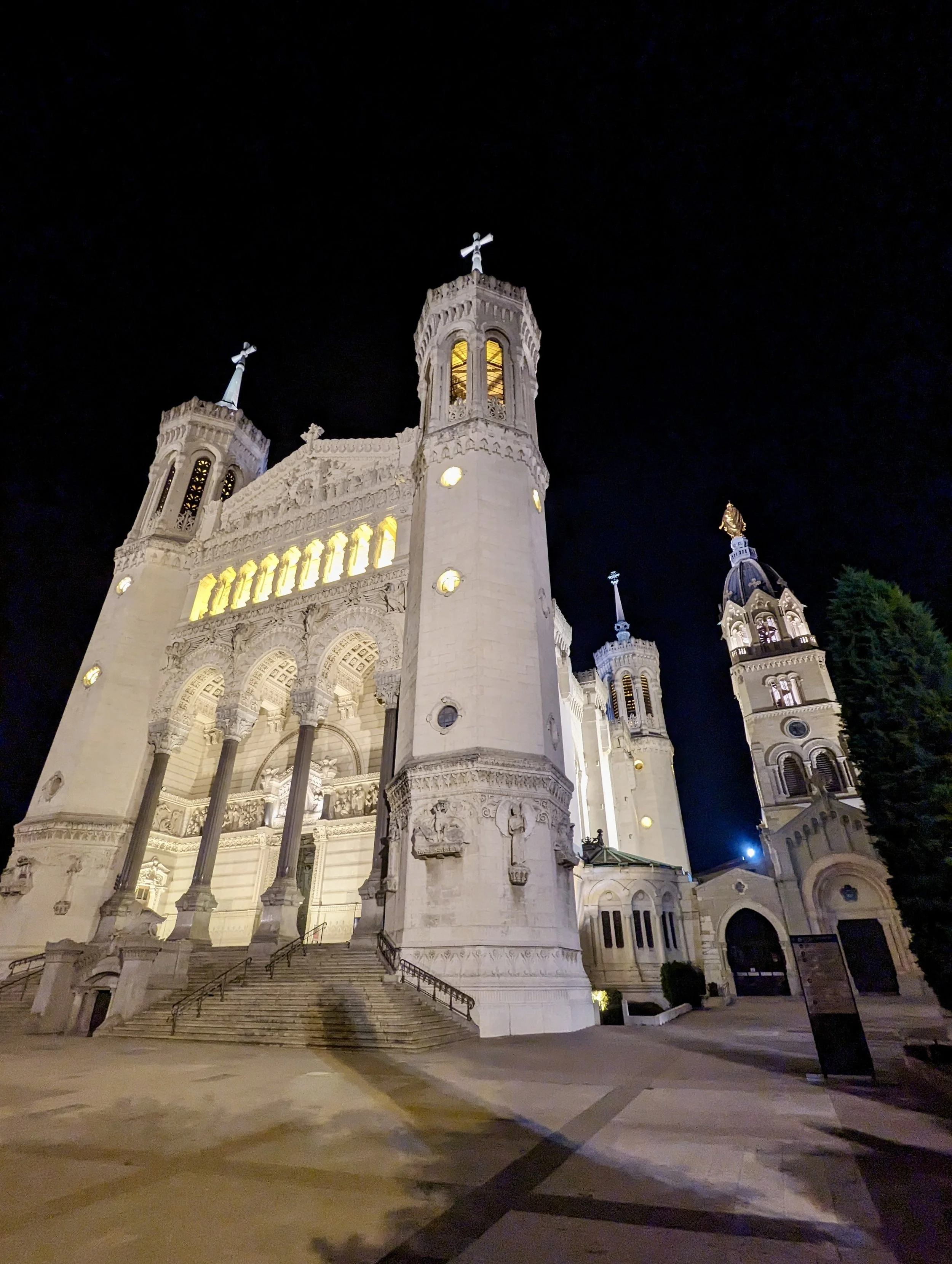
The exterior, with its four white octagonal towers visible from all over Lyon, is a symbol of the city. Be sure to walk around and take a look at the beautiful details carved into the walls. The view from the park at the top is magnificent, day or night. This is definitely one of the top sites in town, and it’s generally pretty busy. As it’s at the top of the hill, I’d recommend taking the funicular (easily reached from the cathedral at the bottom of the hill). Entrance to the church is free if you’re doing a self-guided tour, but tours are available.
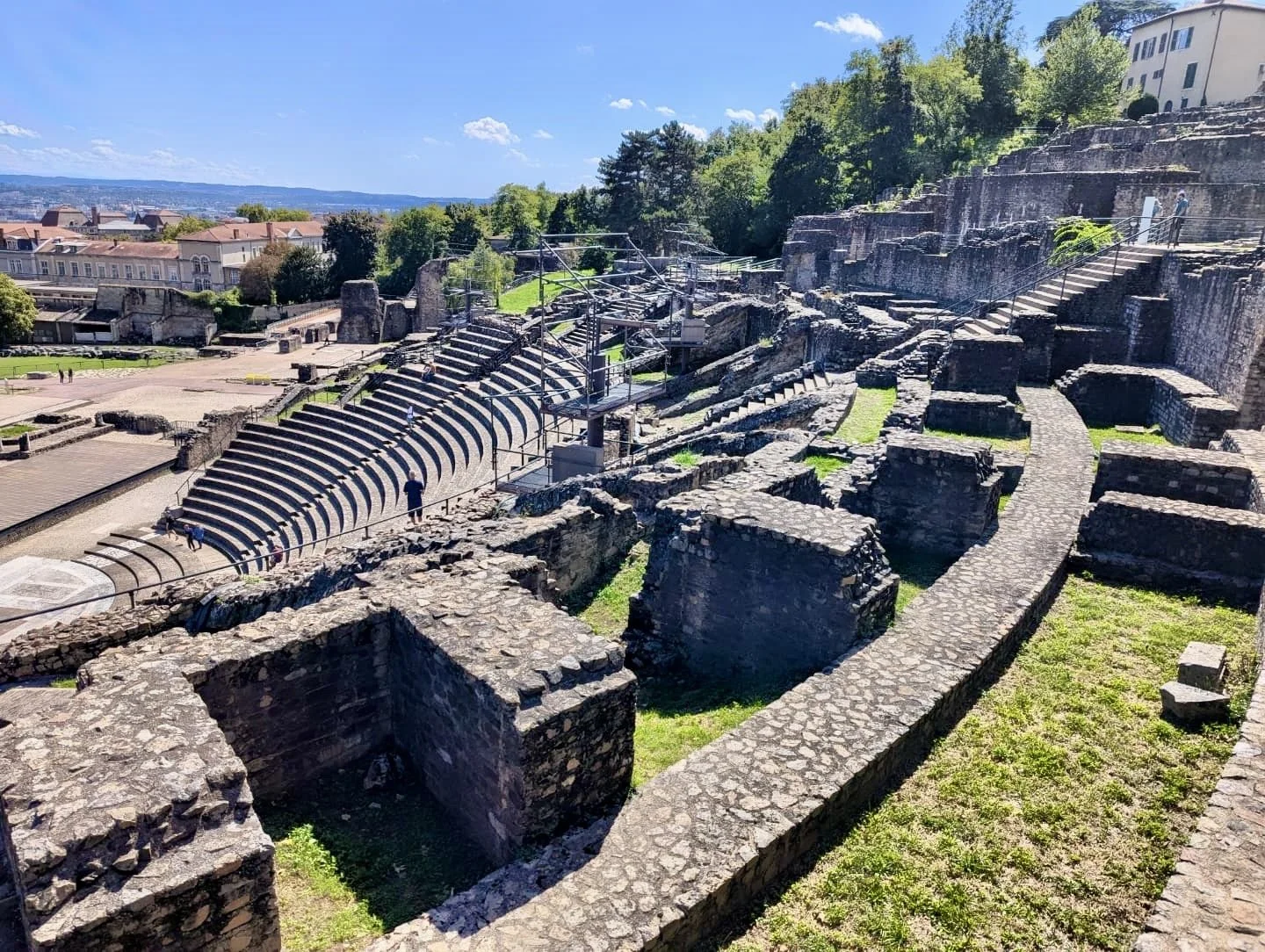
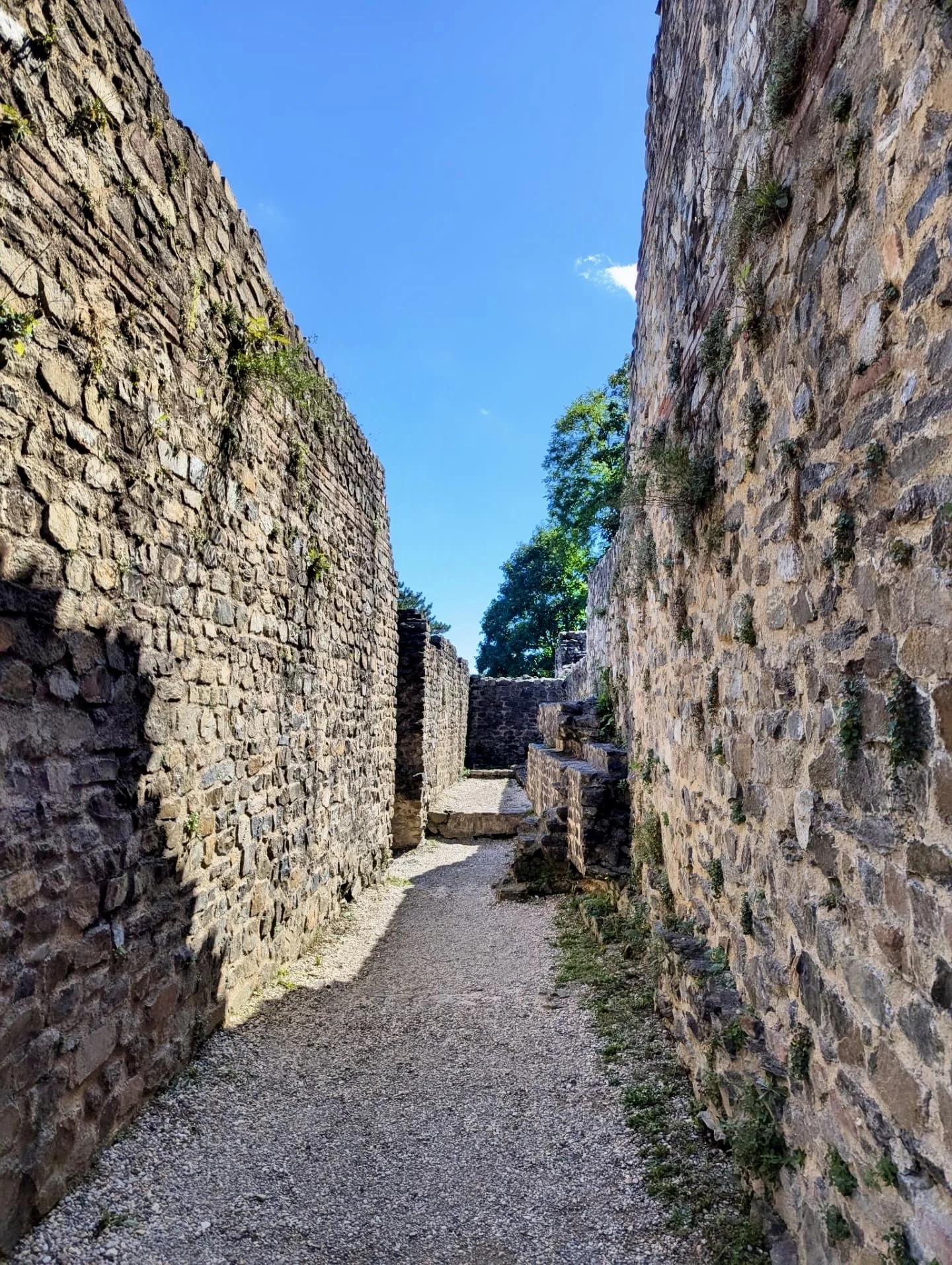
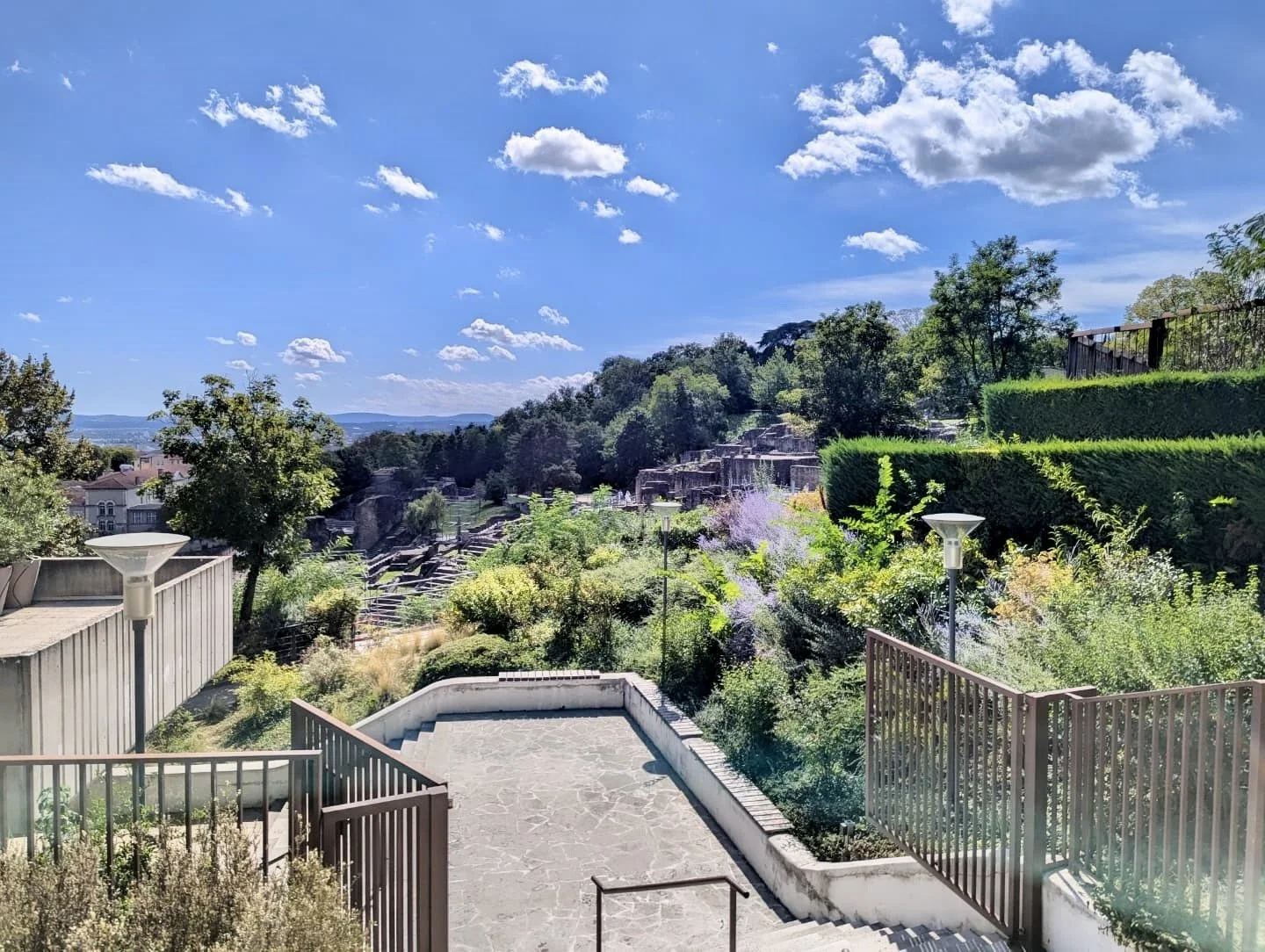
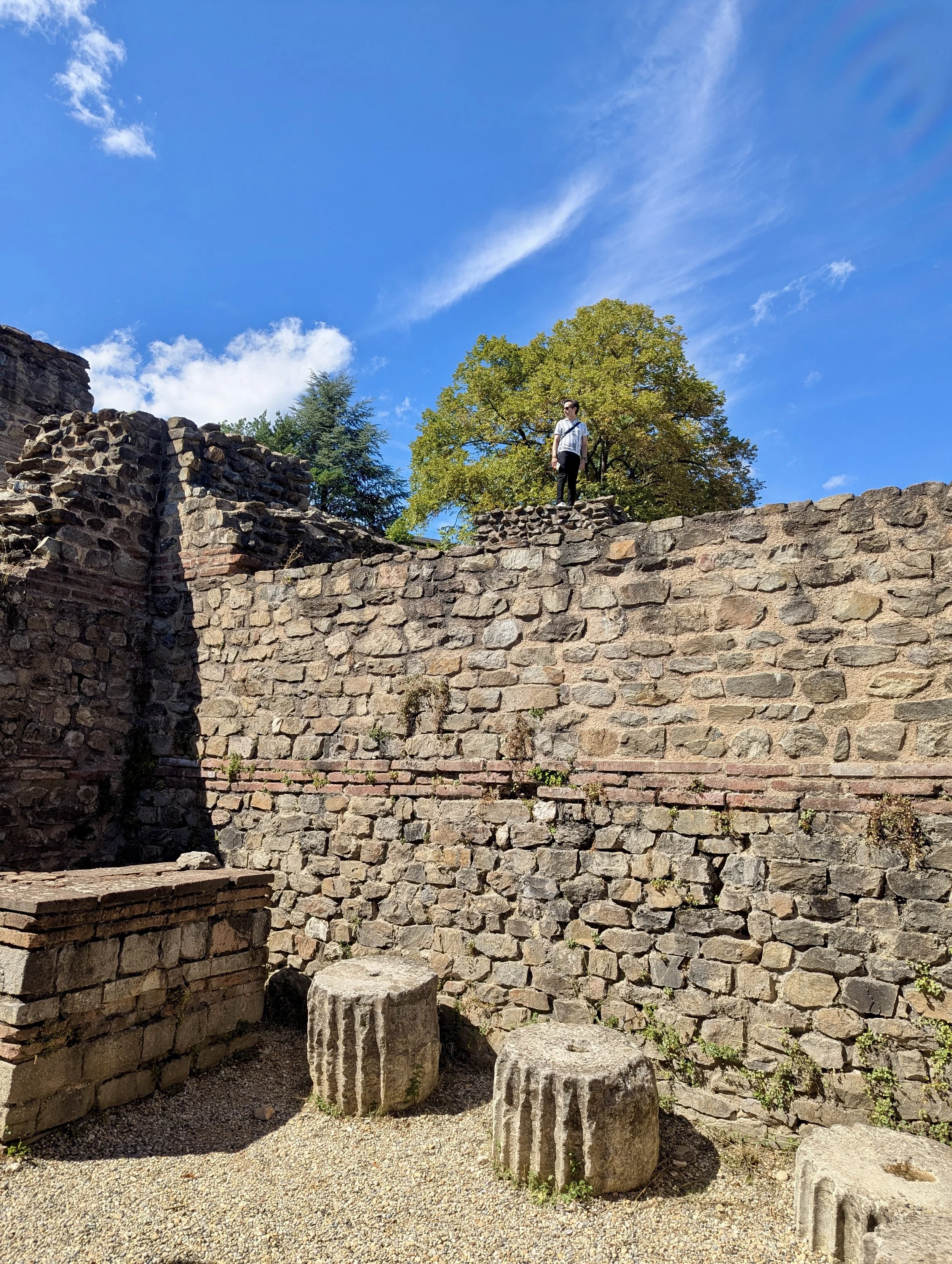
Théâtre Gallo Romain/LUGDUNUM - Musée & Théâtres romains (5 ème), 17 Rue Cleberg
Just a short stroll away from the basilica you can travel even further back in time, to the pair of well-preserved Roman theater. The ruins are free, but if you want to pay you can also visit the museum (I haven’t been). The ruins are quite nice, and still in use today for outdoor concerts and festivals. Visit the museum, or just wander the ruins, then grab the funicular back down the hill.
Quai Augagneur (Rhône riverbank, 3 ème)
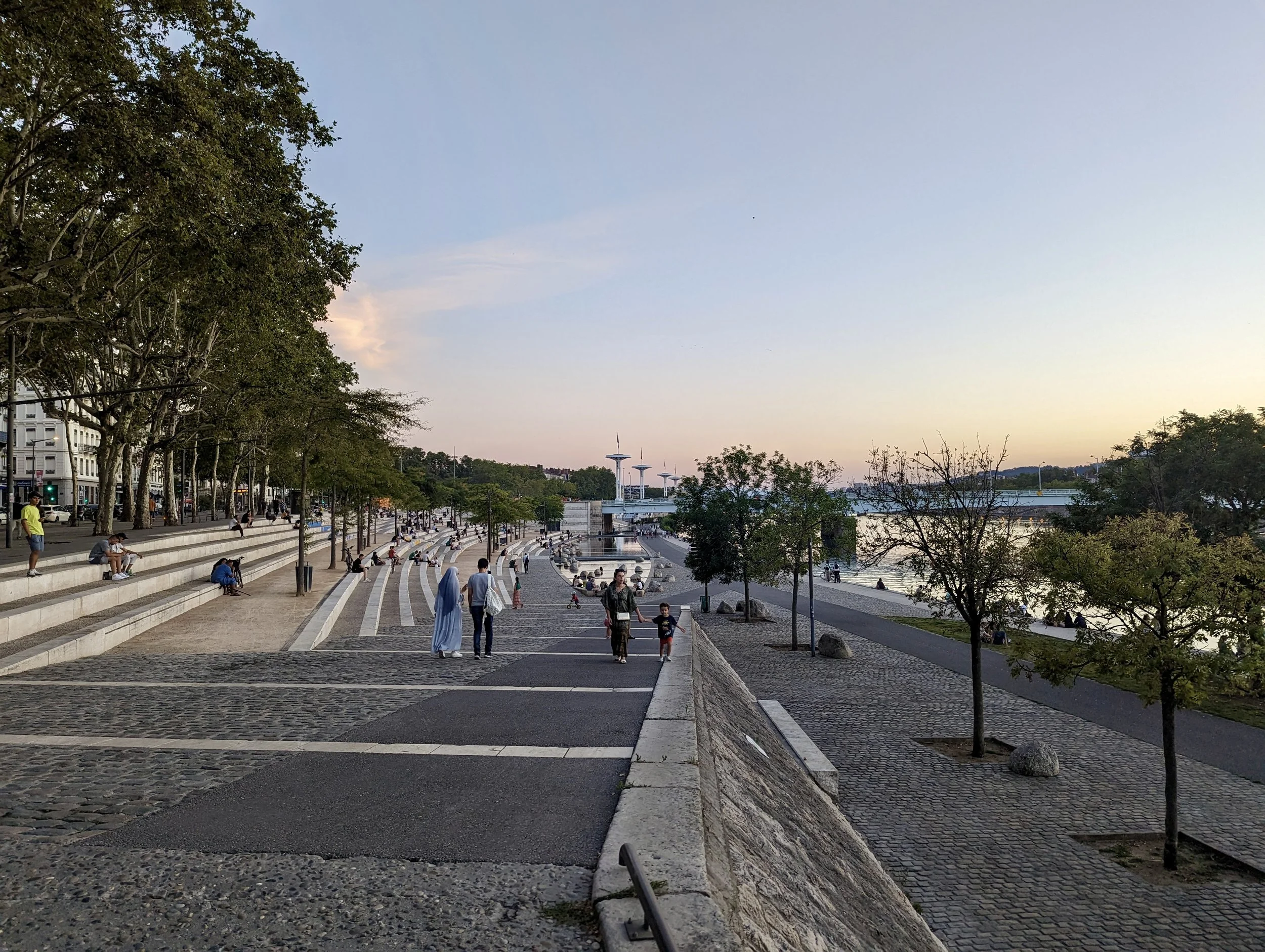
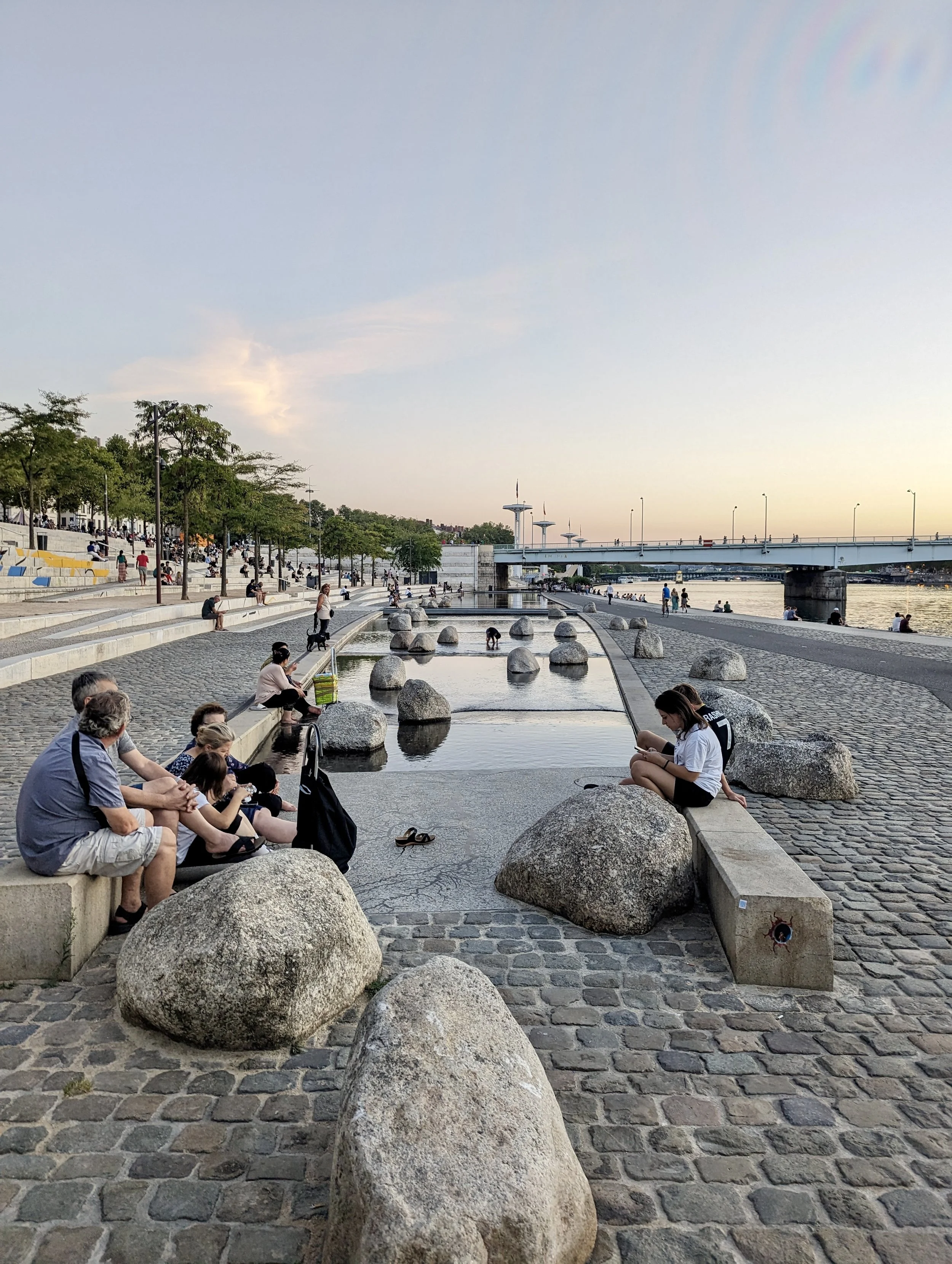
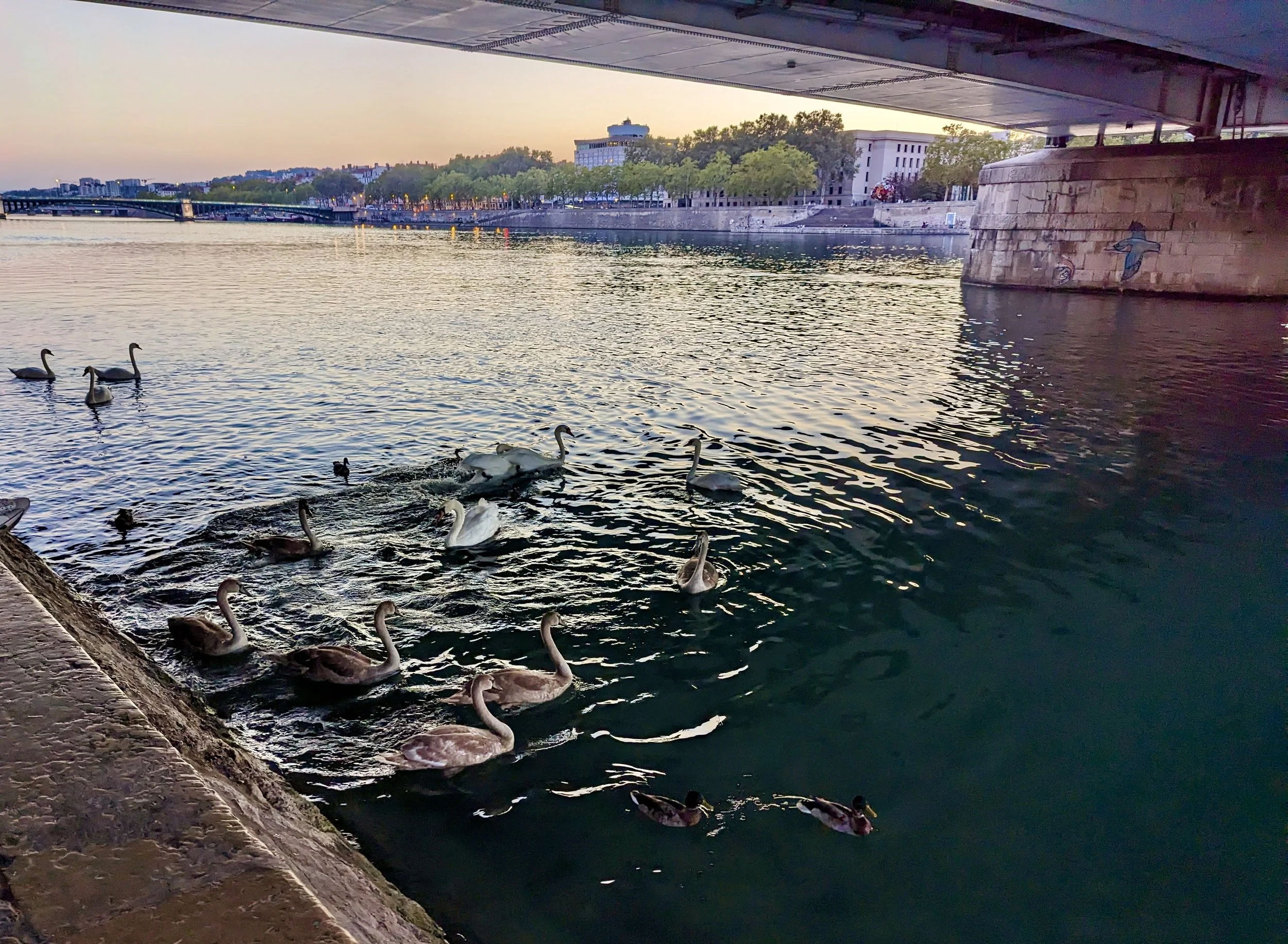
Anywhere along the river (either the Rhône or the Saône) will provide options for a place to sit and watch the world go by, but the park along the right bank of the Rhône between Pont Wilson and Pont Guillotière is especially pleasant. The riverbank park has a paved trail for running, skating, or cycling, and there are deep stairs leading up to the road.
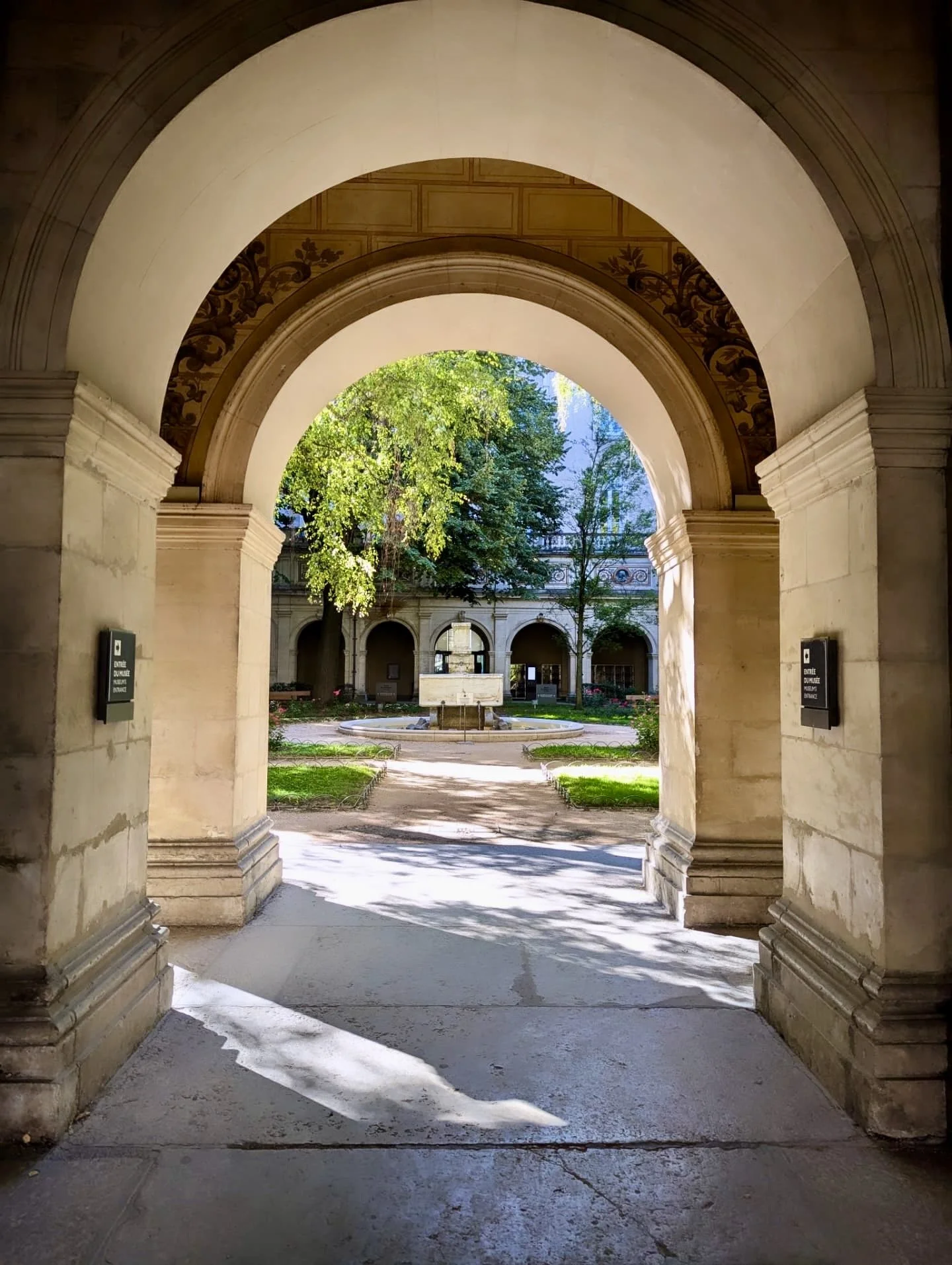
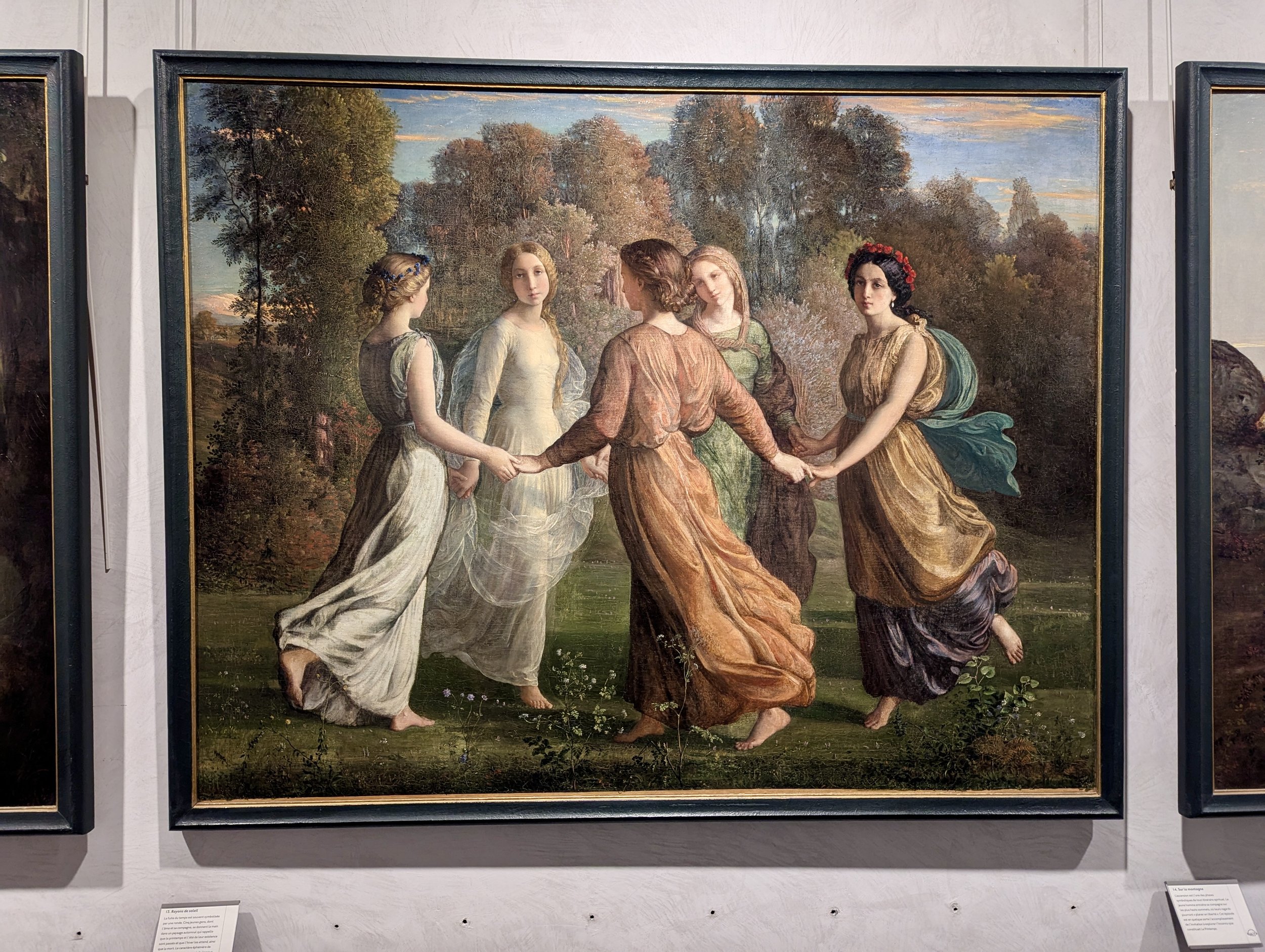
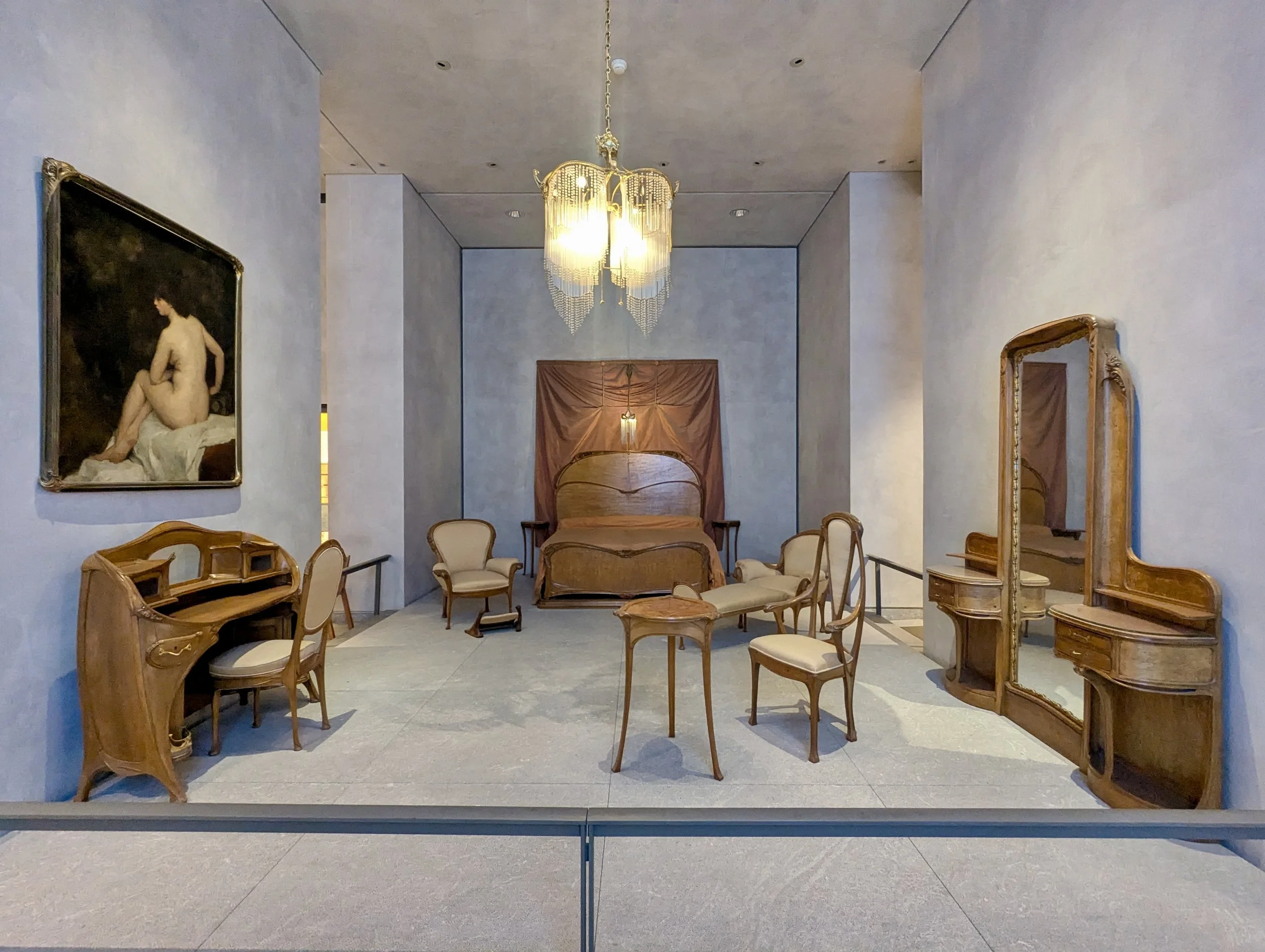
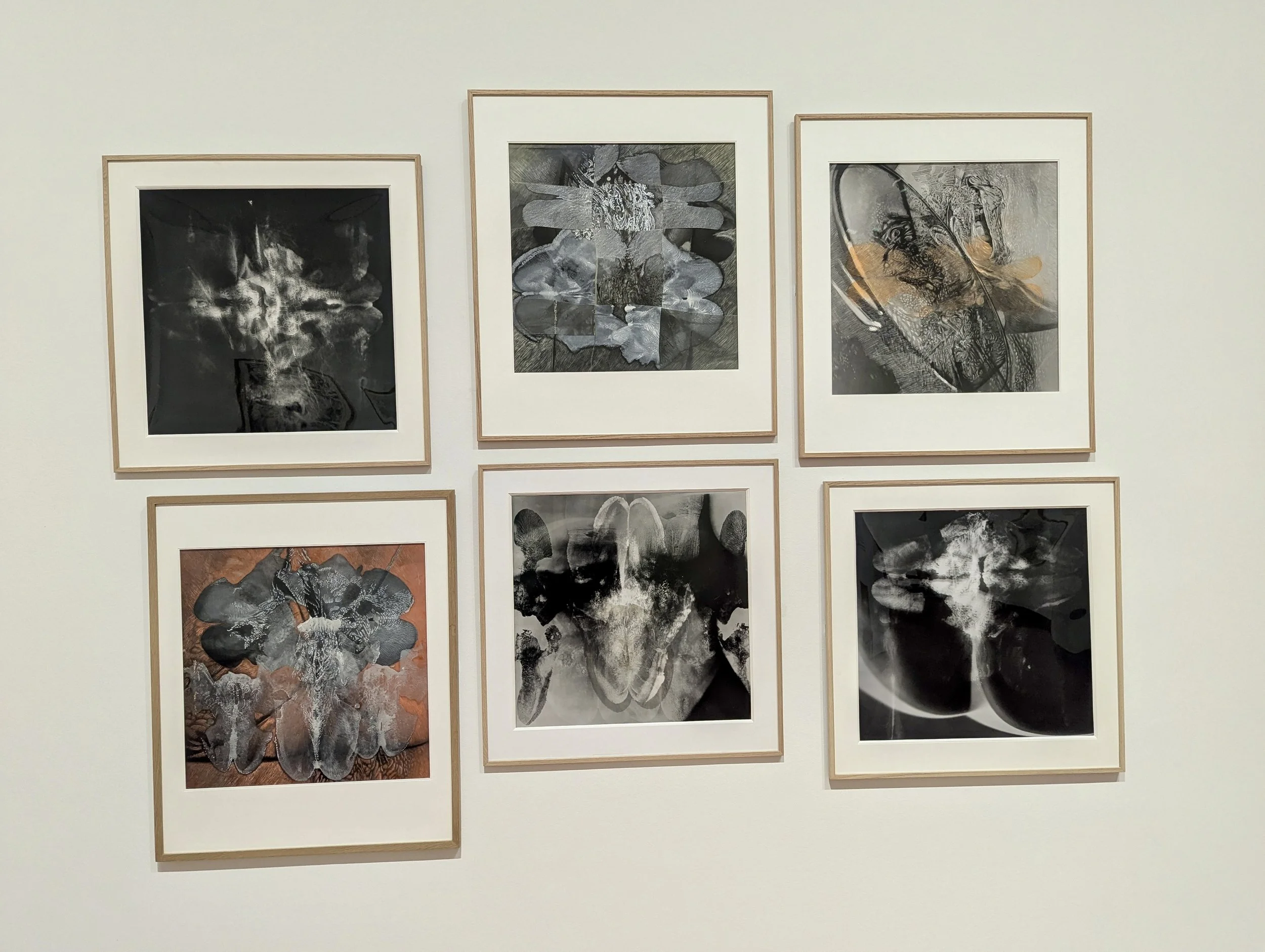
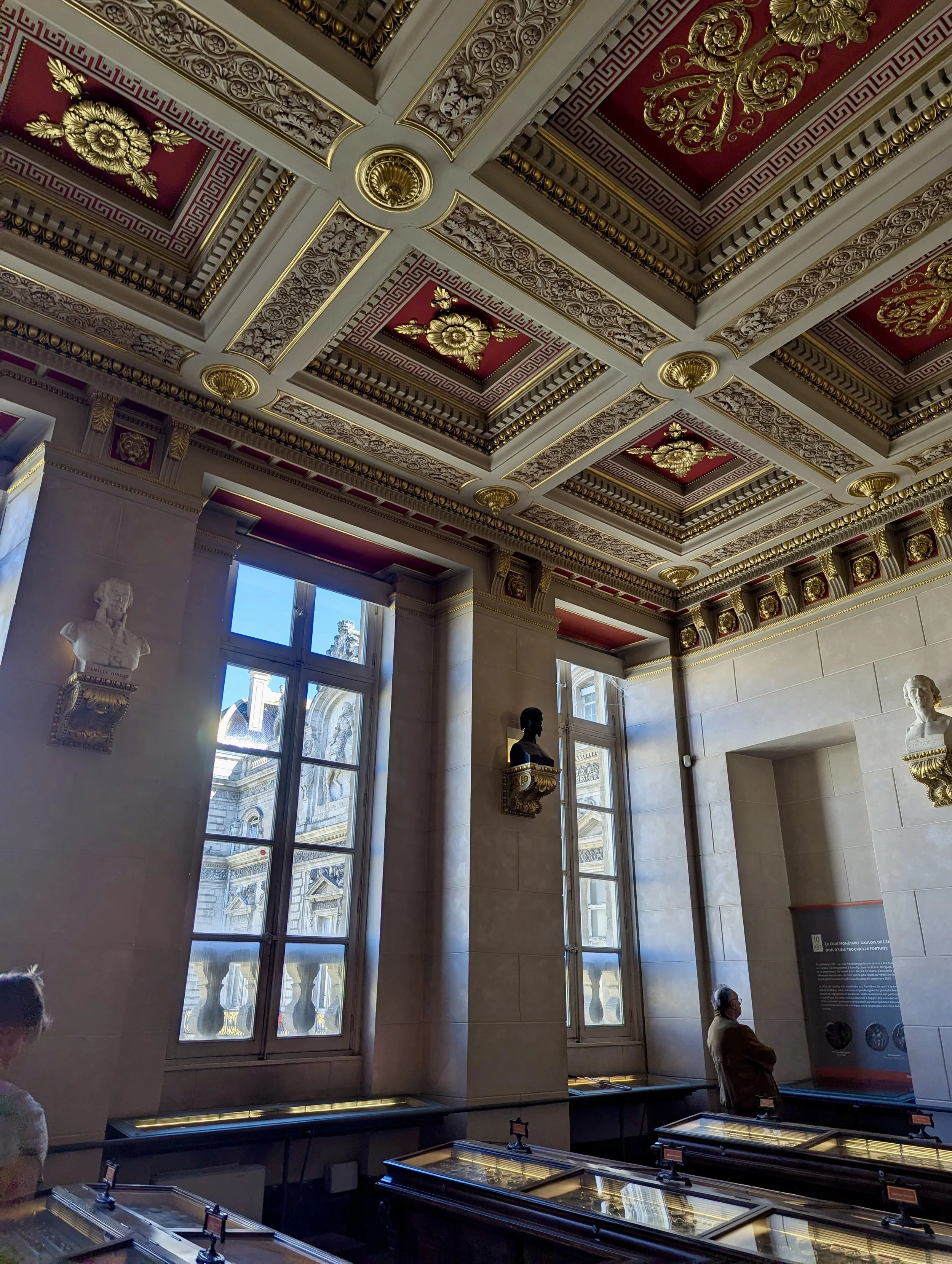
Musée des Beaux-Arts de Lyon, 20 Pl. des Terreaux, 1 ème
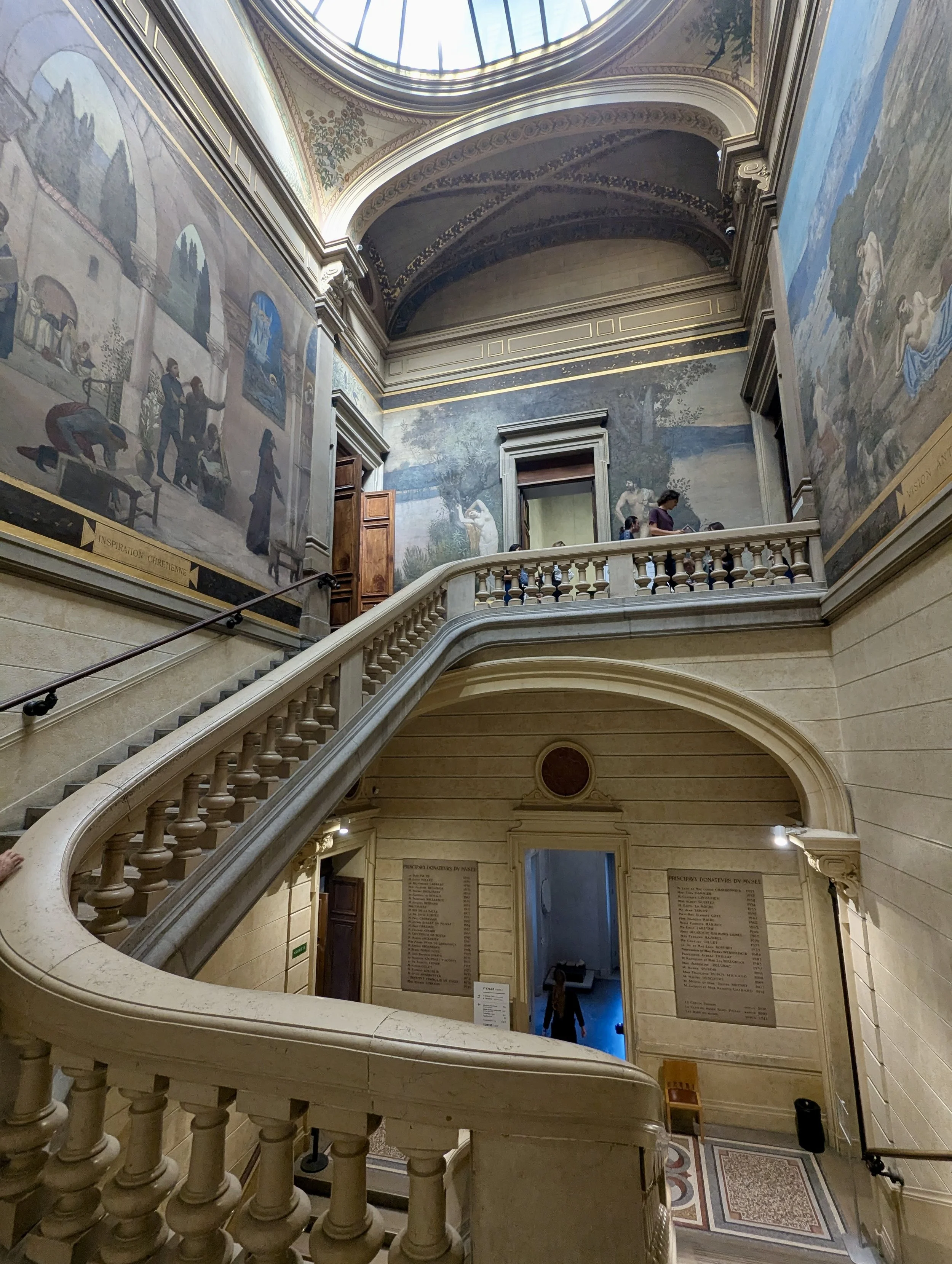
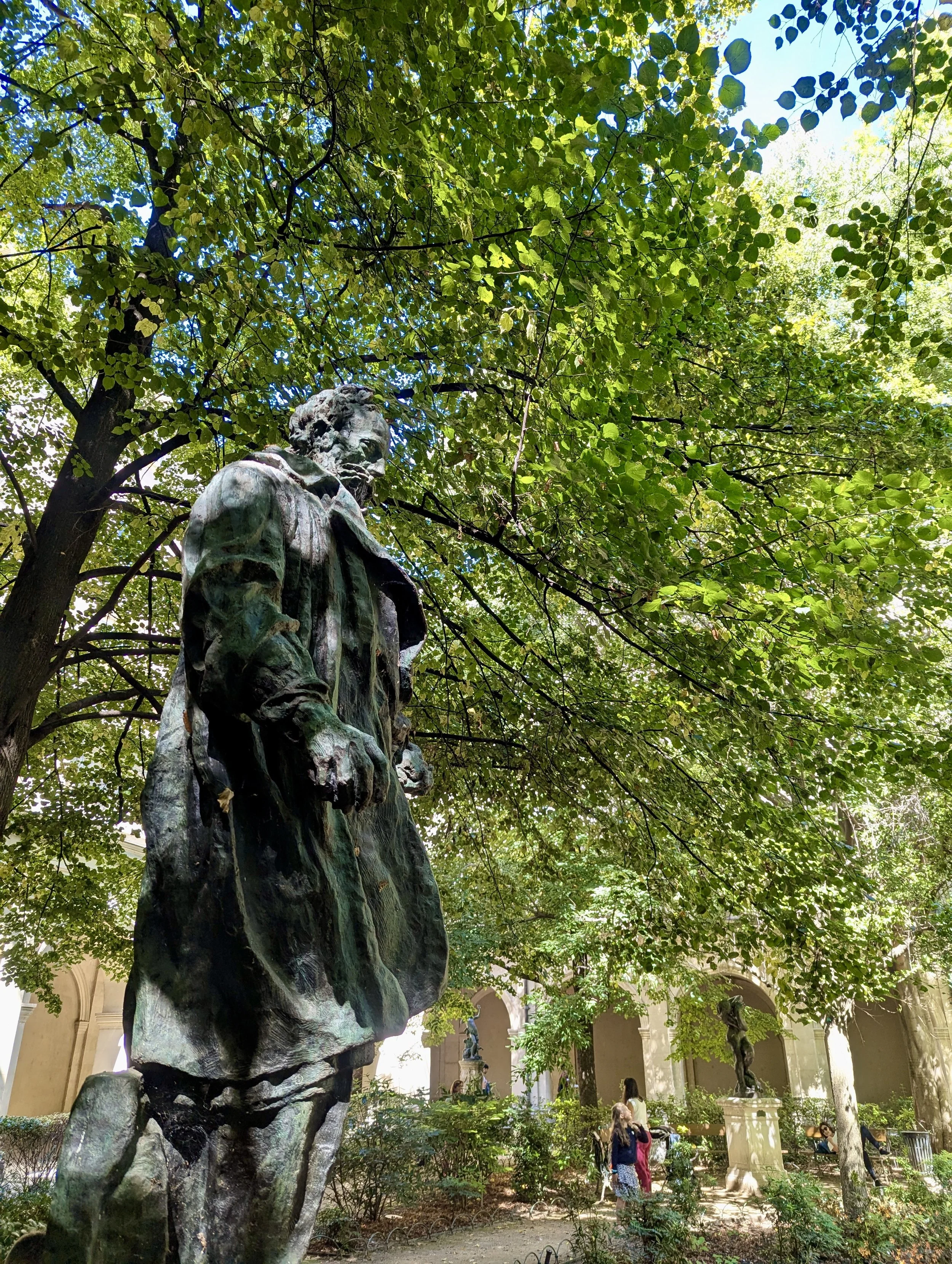
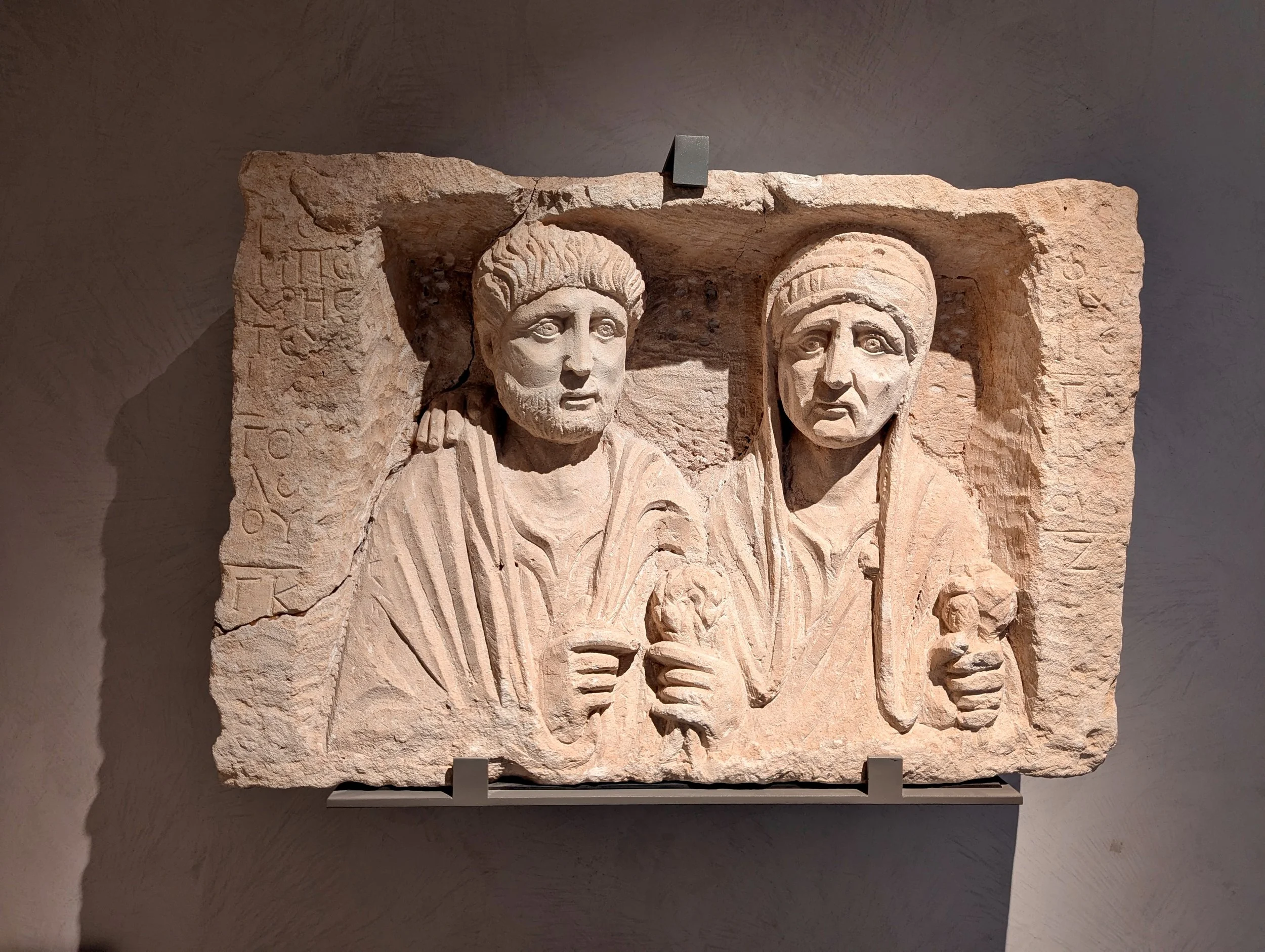
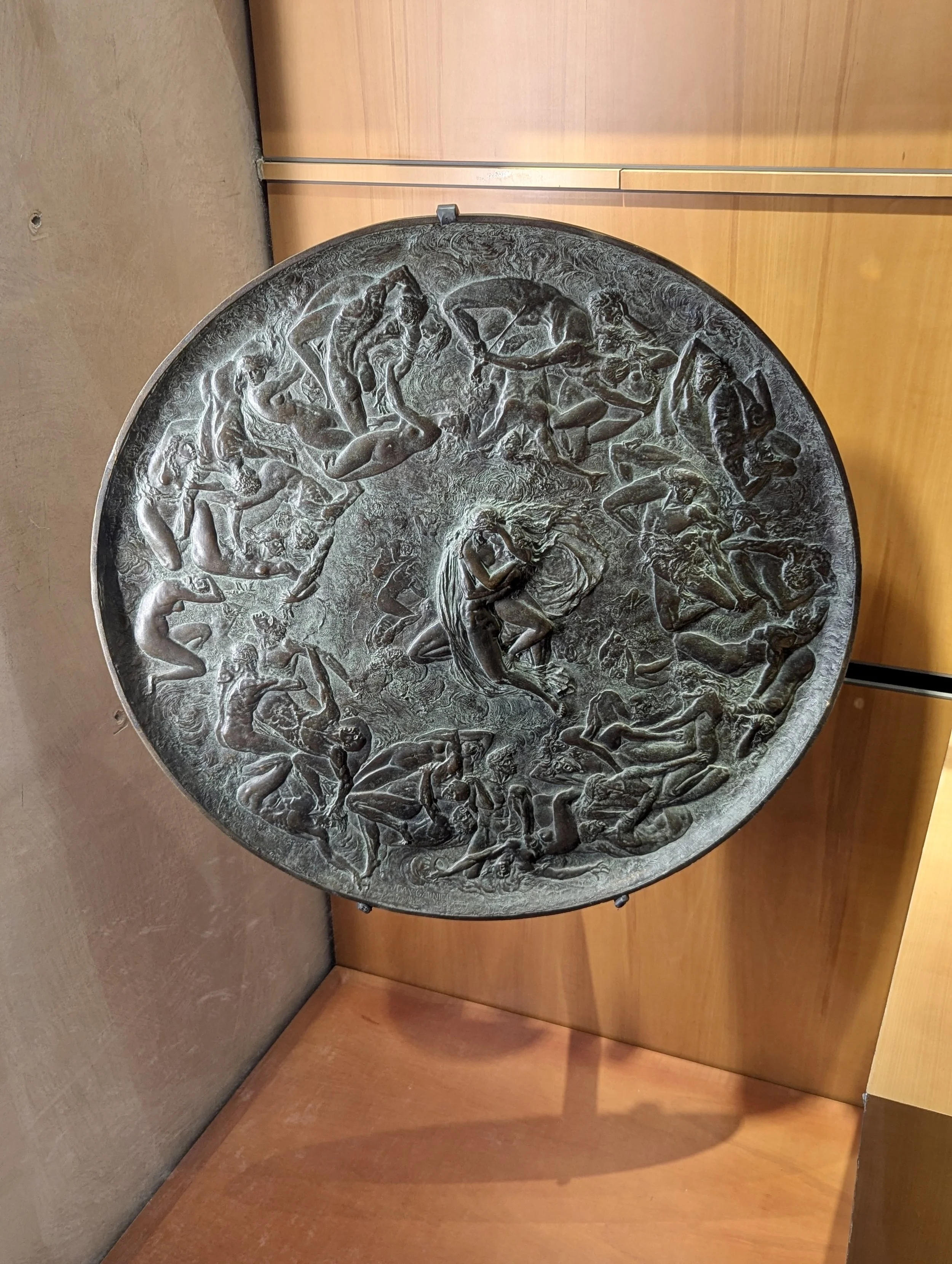
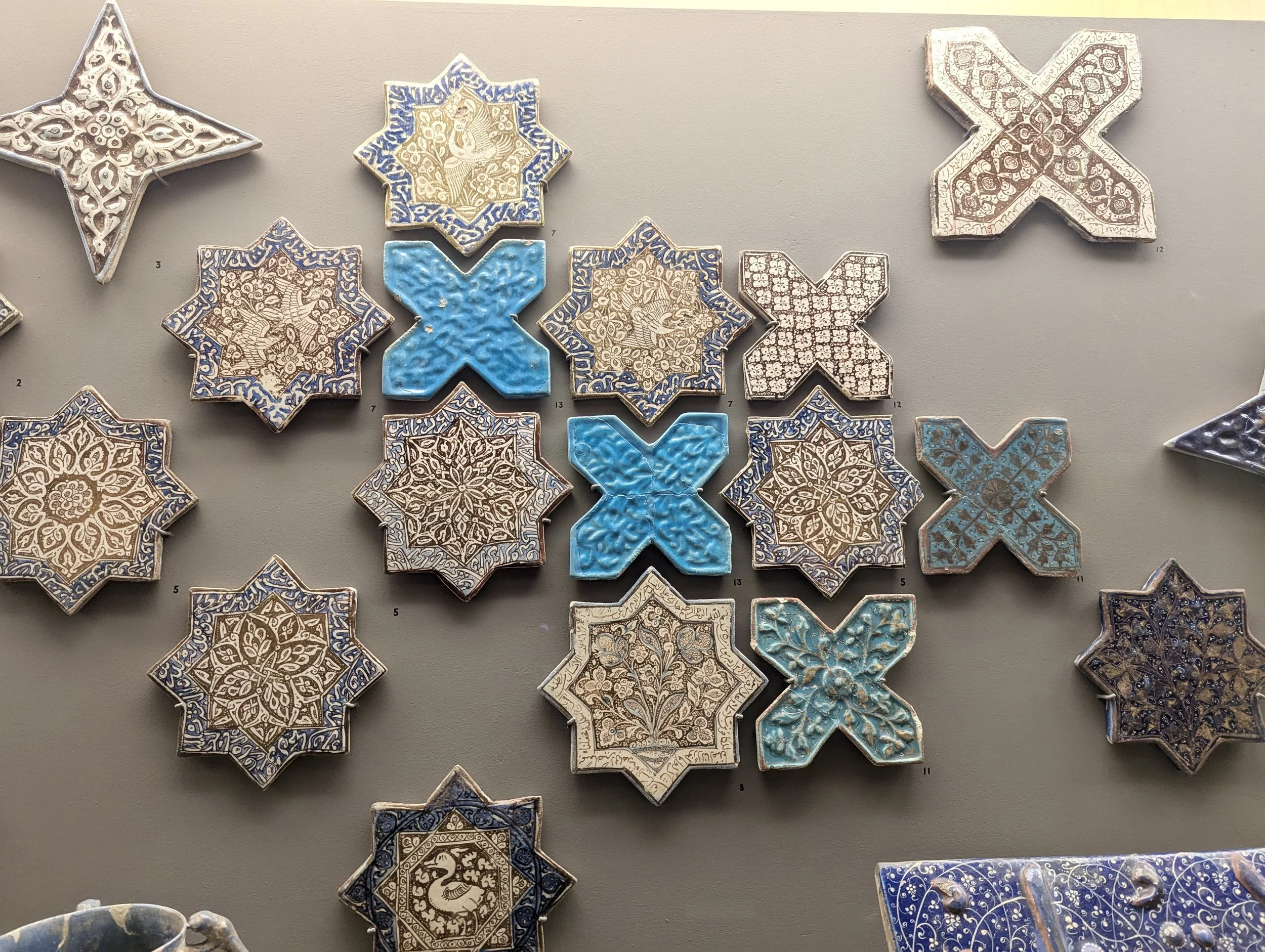
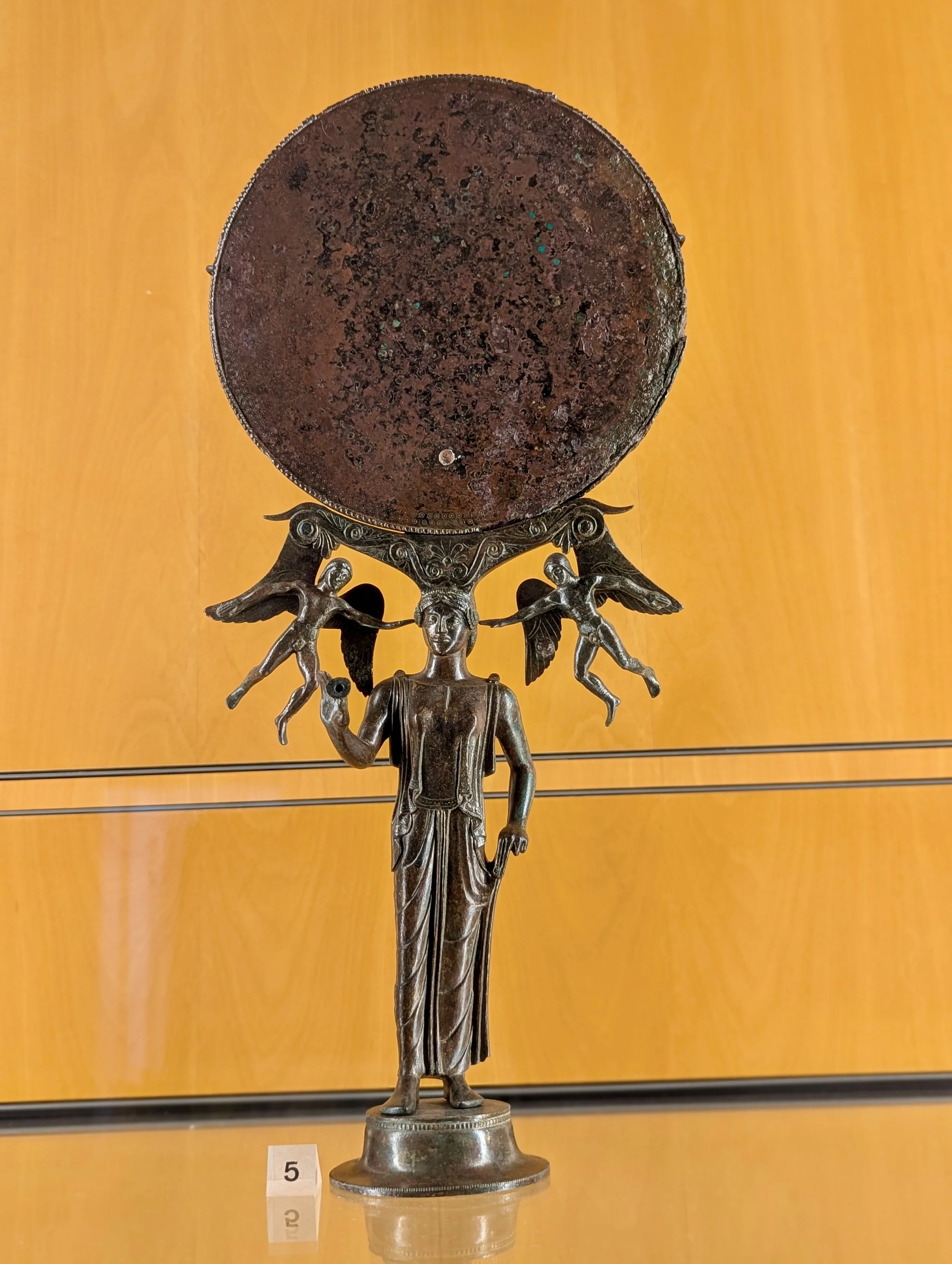
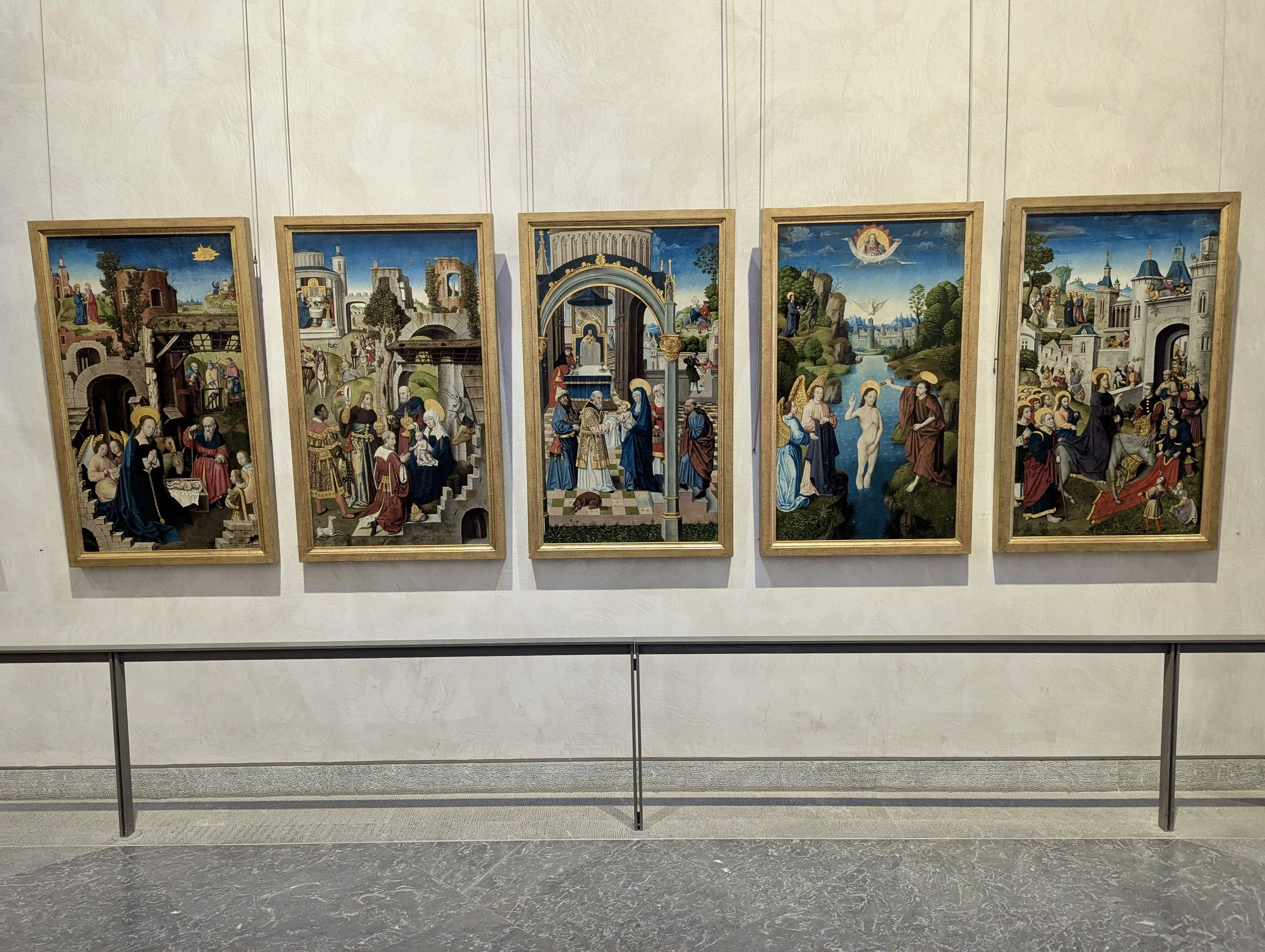
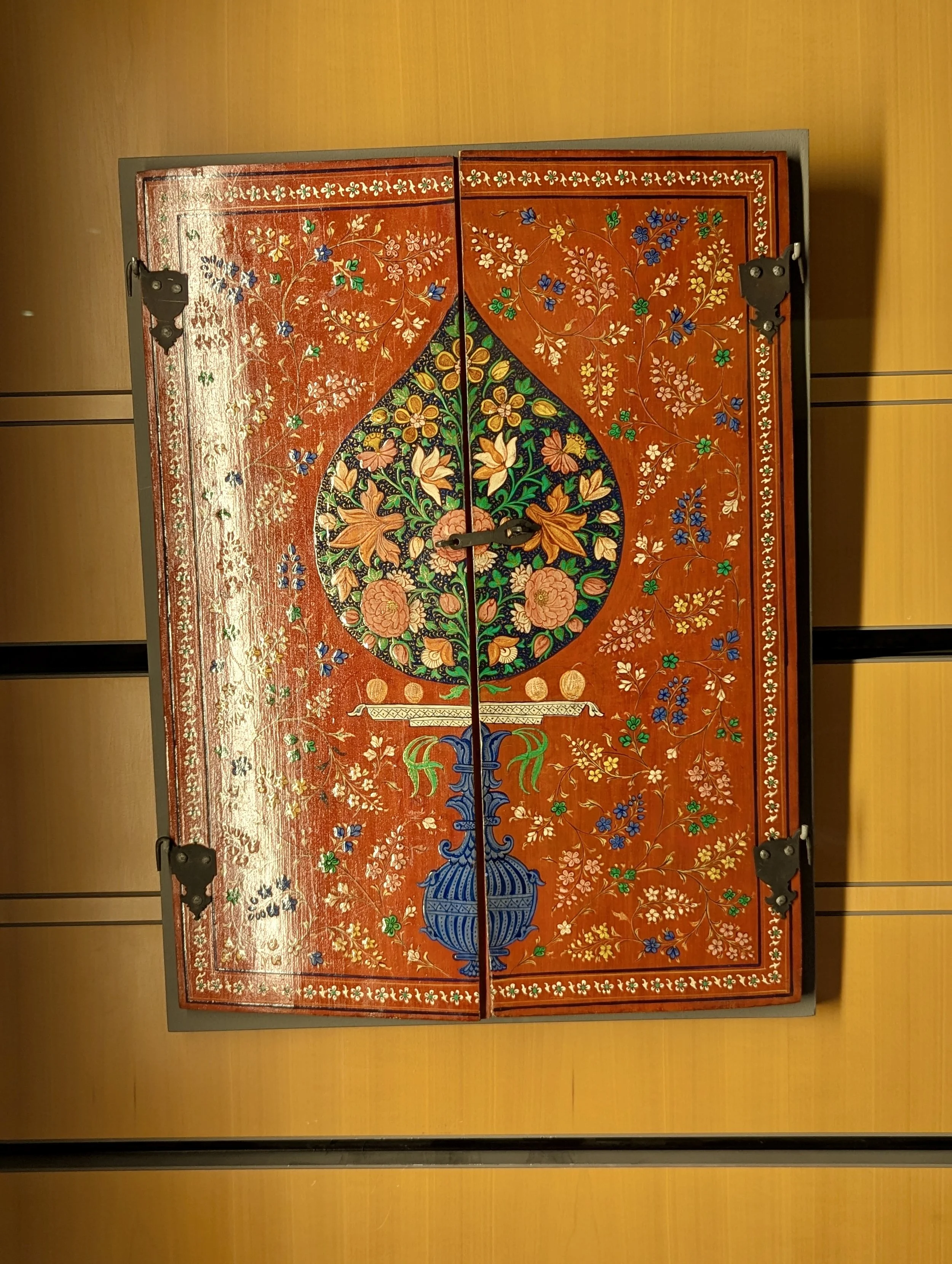
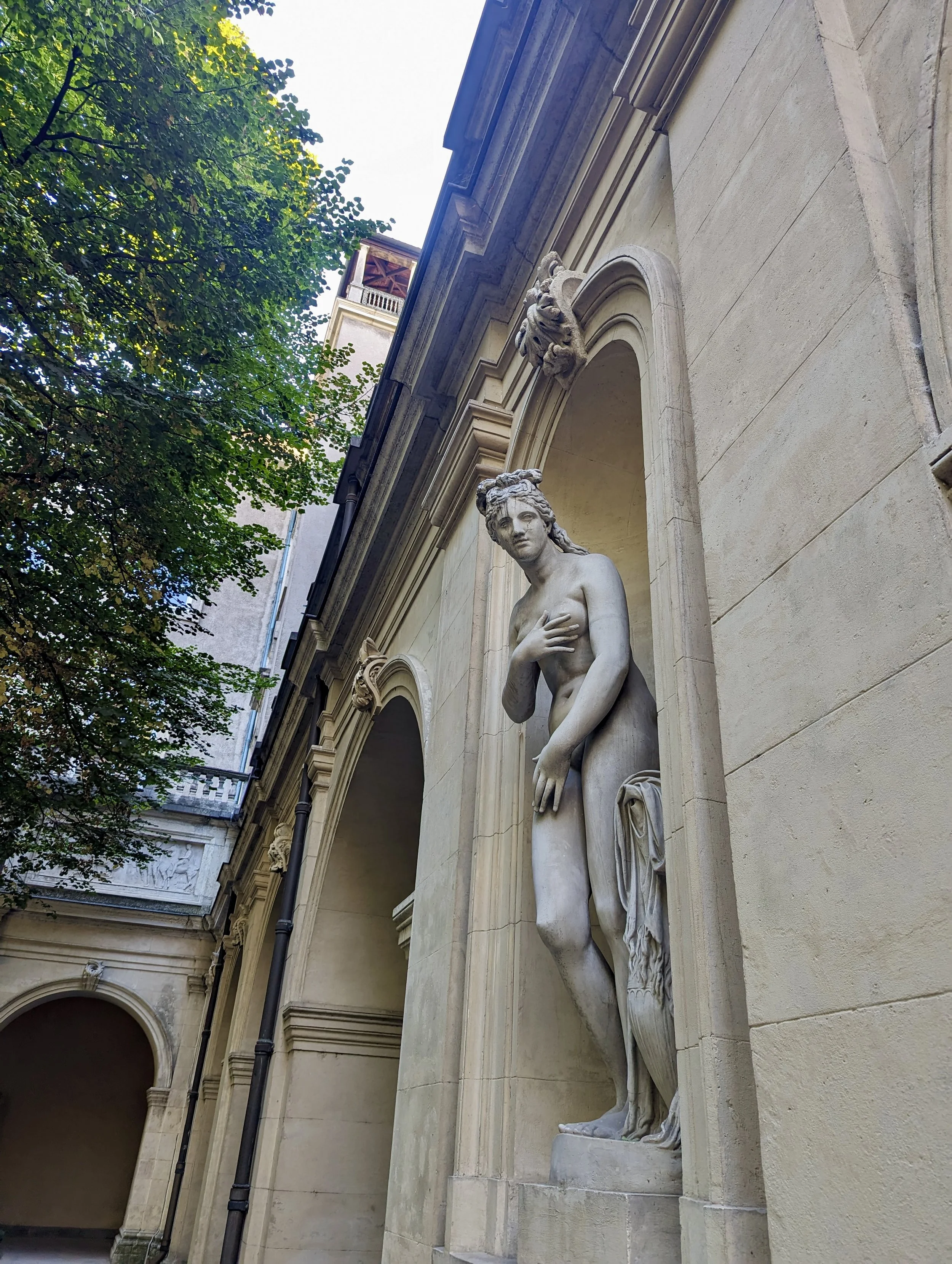
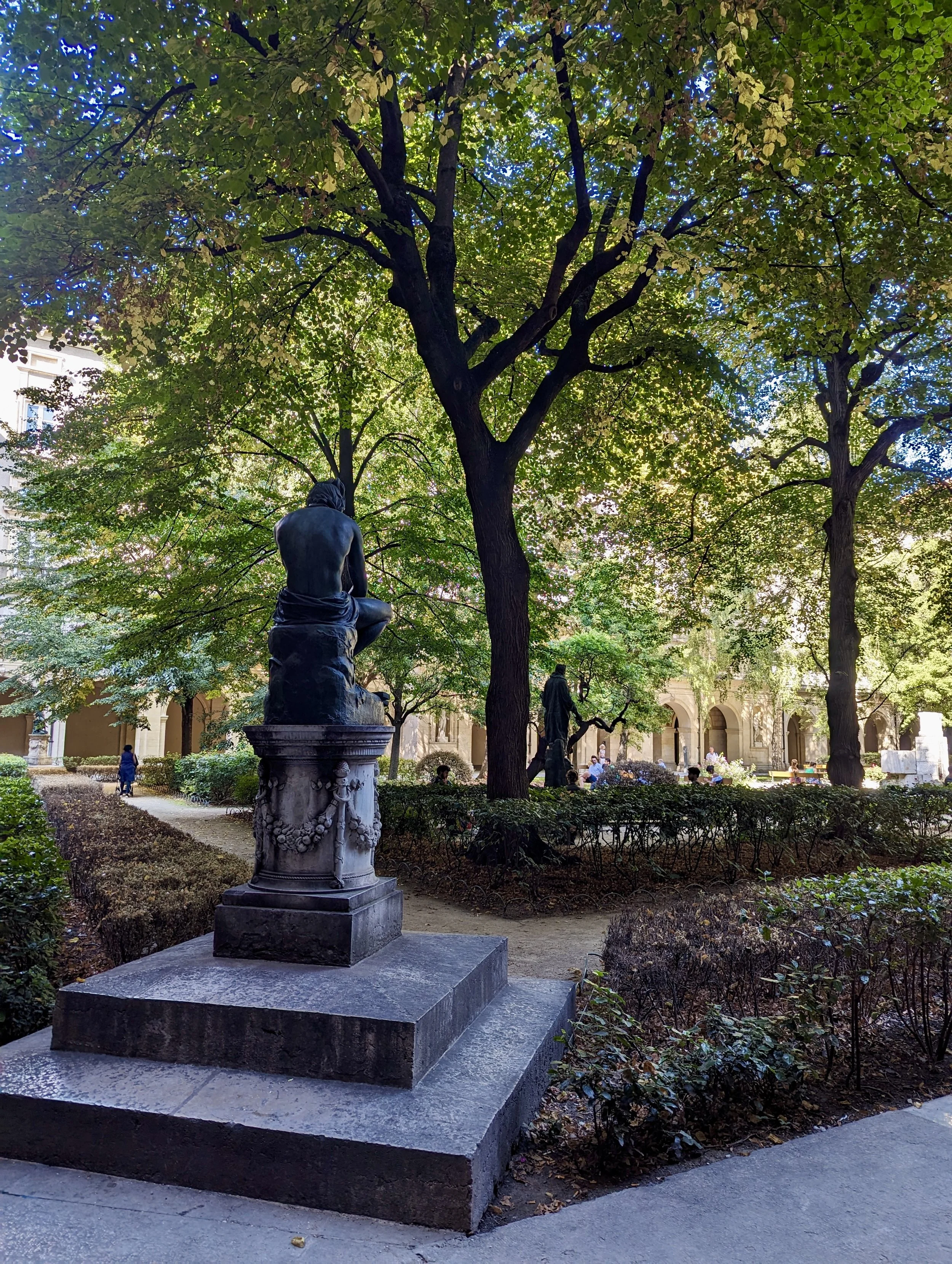
Lyon’s fine art museum is housed in a 17th-century former abbey across the street from the busy, bustling Place des Terreaux. The collection is large and ranges from Egyptian/Etruscan/Roman antiquities up to the 1990s.
If you’re an art fan and enjoy museums, it’s certainly worth a visit. If you’re not wild about museums don’t worry about skipping it; the collection is nice but there aren’t any major, can’t be missed blockbusters. If you’re in town on a rainy day a visit would be a good way to pass some time and stay out of the elements.
The inner courtyard is a lovely, shady oasis on a hot day, and it’s accessible without a ticket to the museum, so if you’re passing and just want a peaceful break from the city grab a bench (and pop inside for a restroom break).
Église Saint-Nizier, Pl. Saint-Nizier, 2 ème
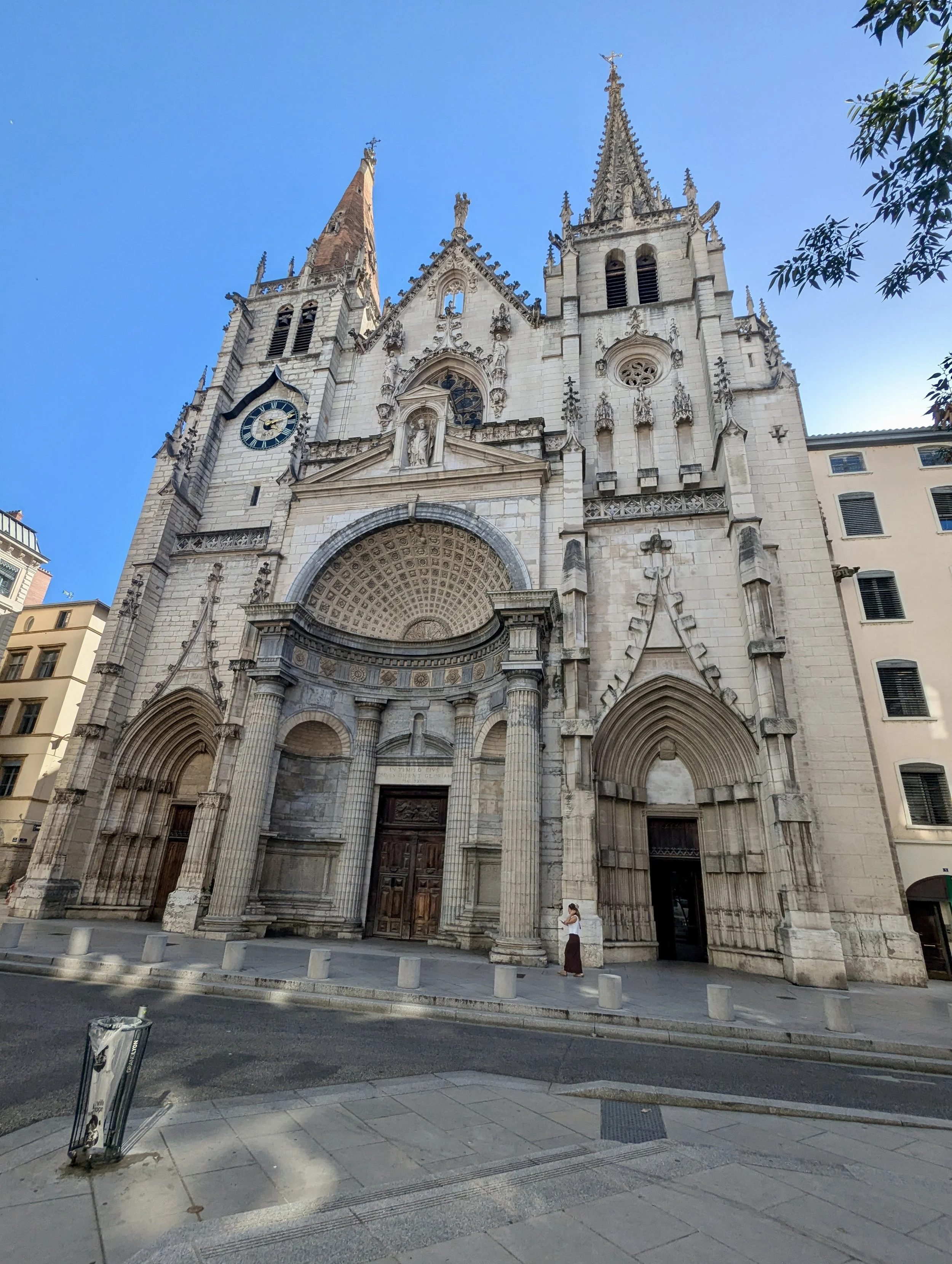
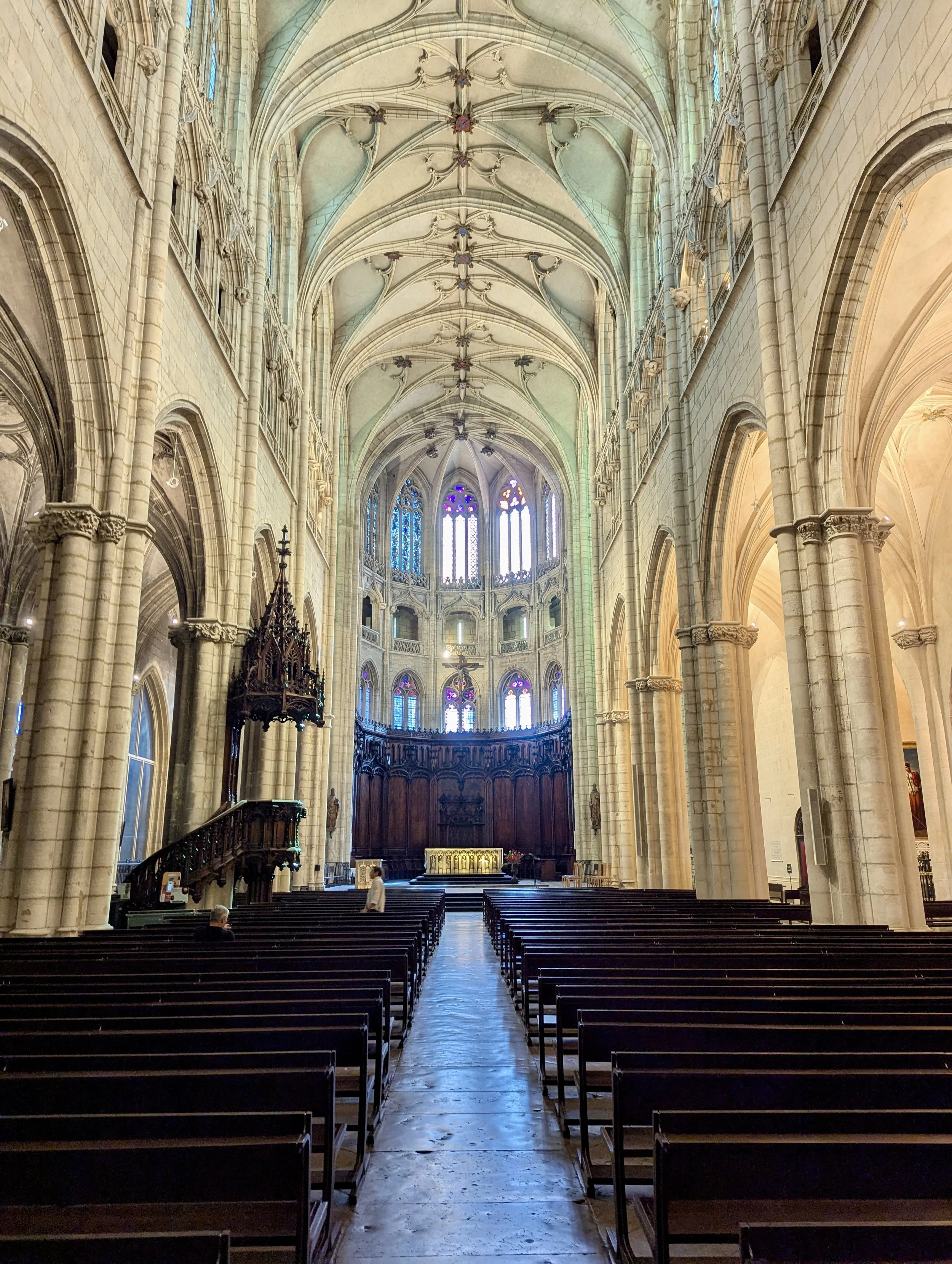
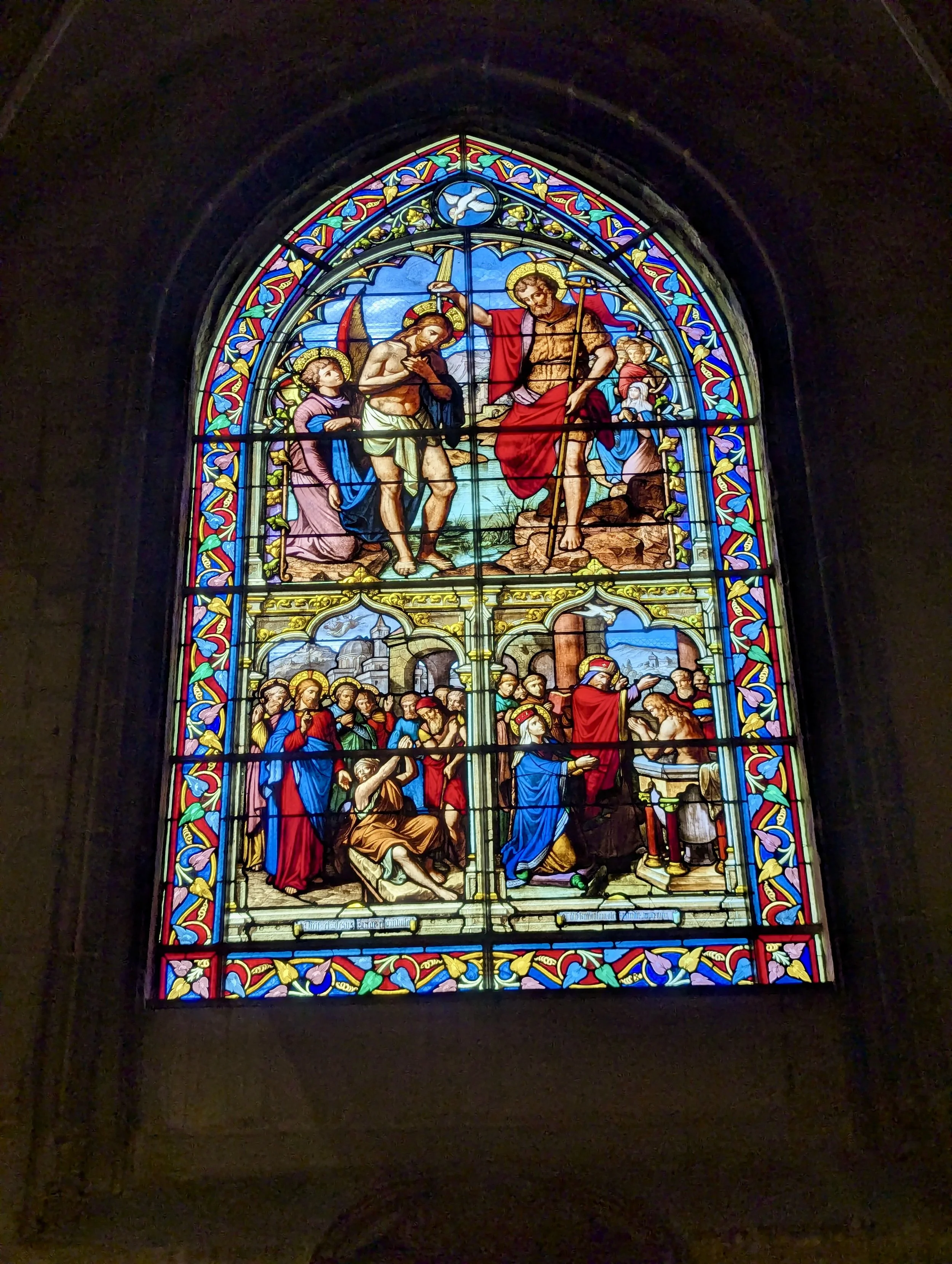
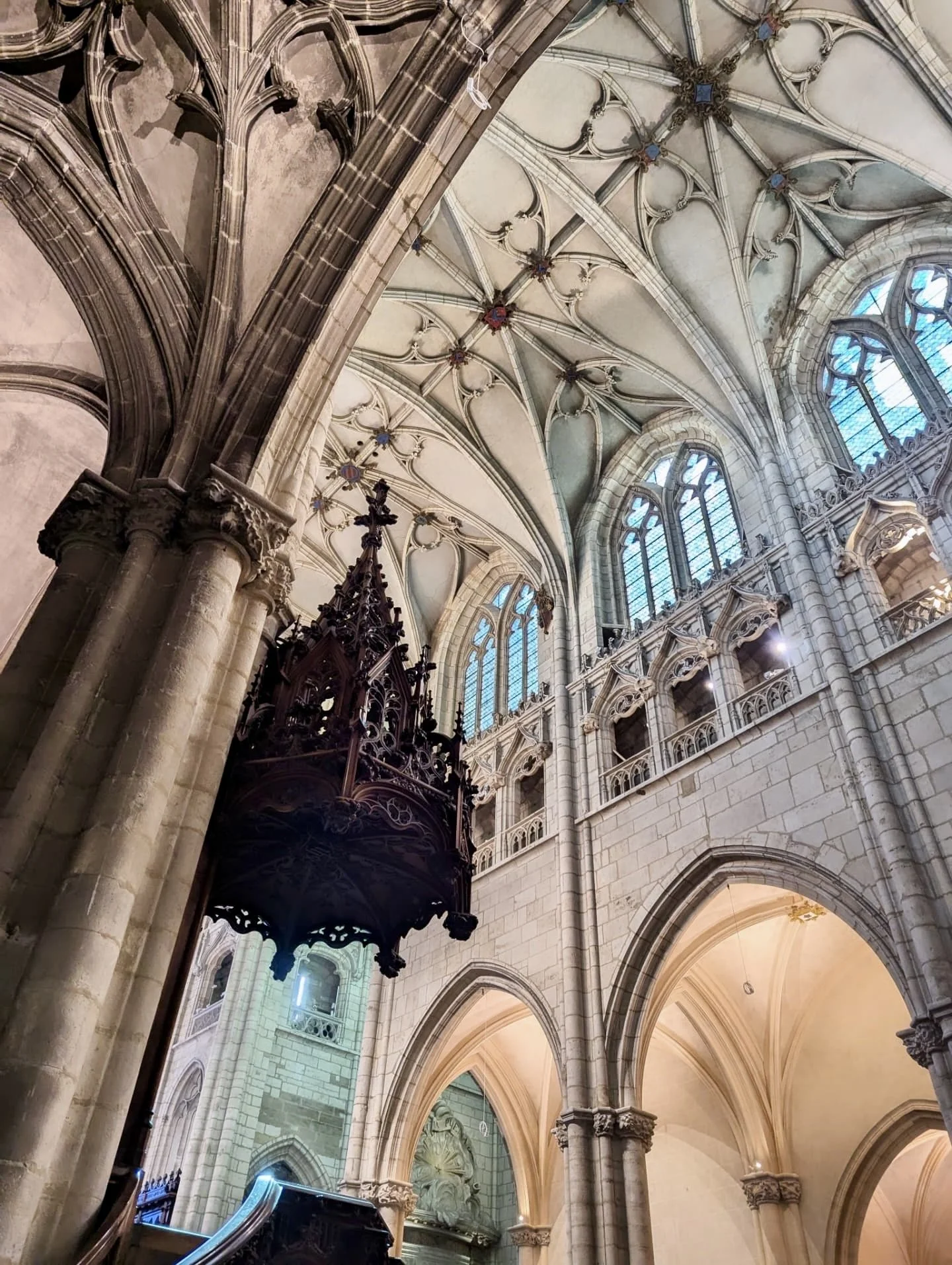
Not far from the art museum is a lovely church. When in Europe, I’m generally on a one-a-day plan for visiting churches, from grand cathedrals to small, neighborhood temples. This one is more of a quick visit, lovely stained glass windows, beautiful interior.
Place Bellecour, L'Hôtel-Dieu de Lyon, and Surrounding Area
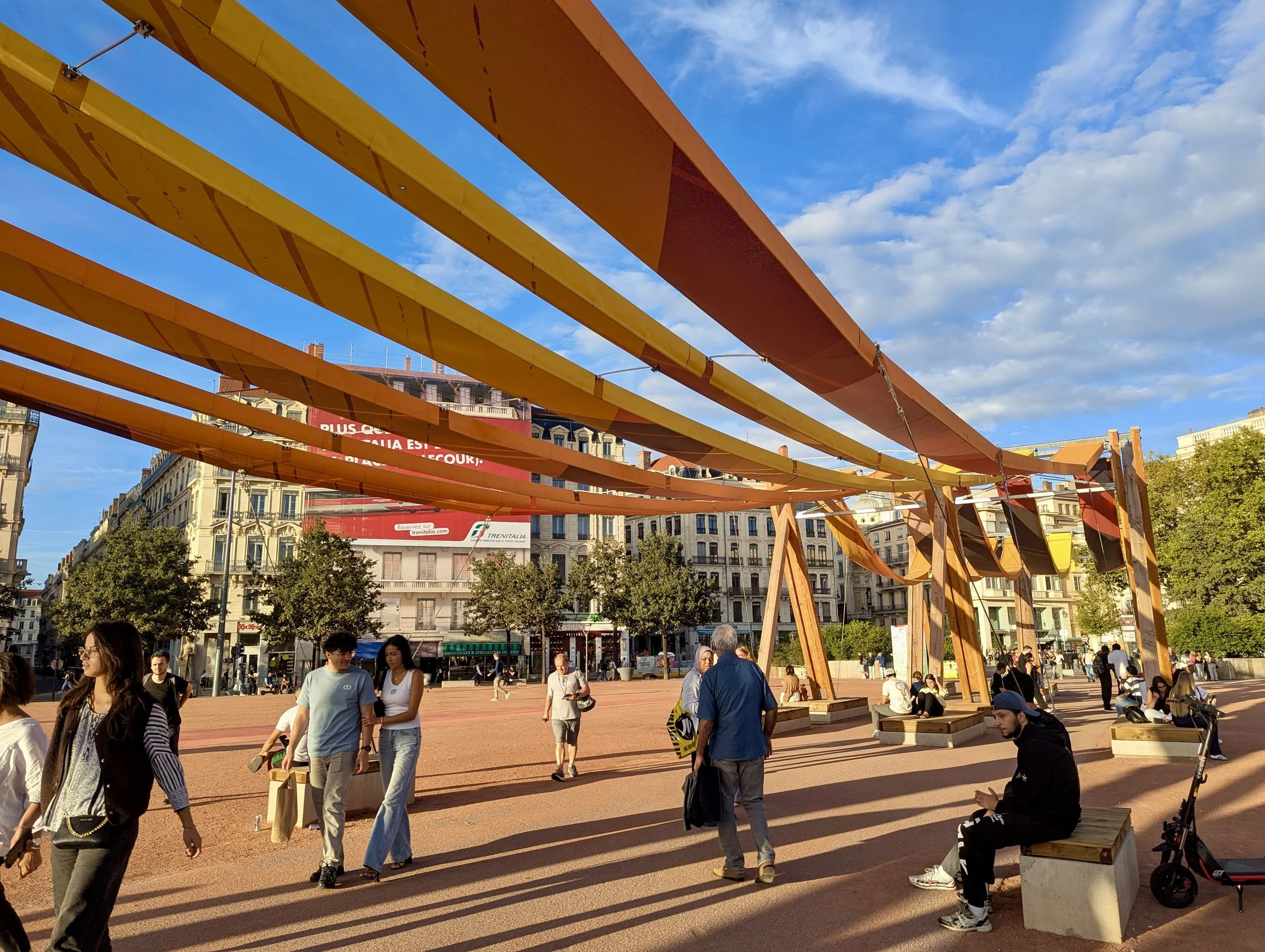
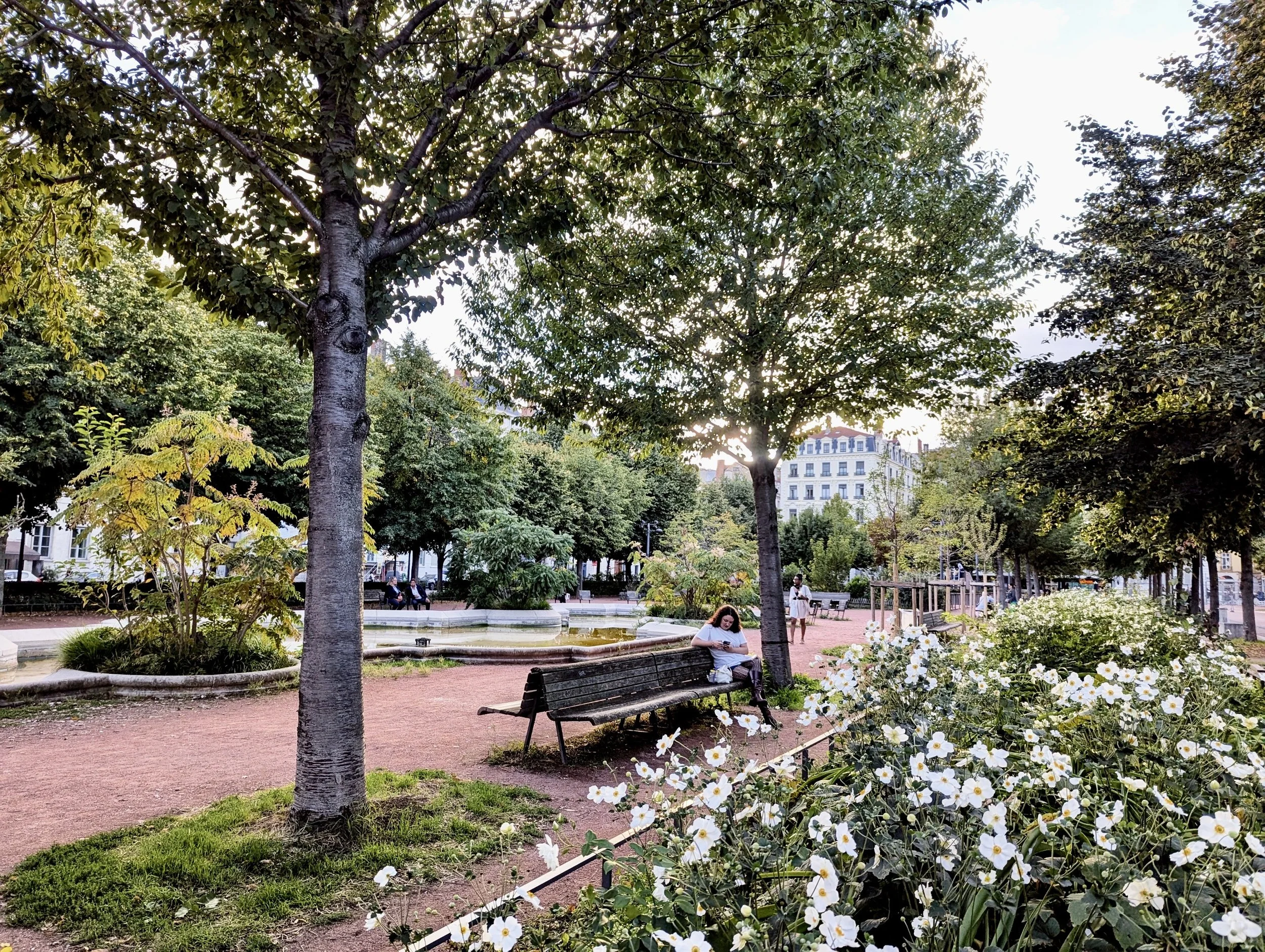
Central Presqu’île you’ll encounter Place Bellecour, the largest pedestrian-only square in Europe. There’s a Metro station, tourism office, and a recently added woven canopy of sorts to provide some shade while crossing the red clay covered area when it’s hot. On the south side of the square there’s a lovely little park with benches, water features, and some trees for shade.
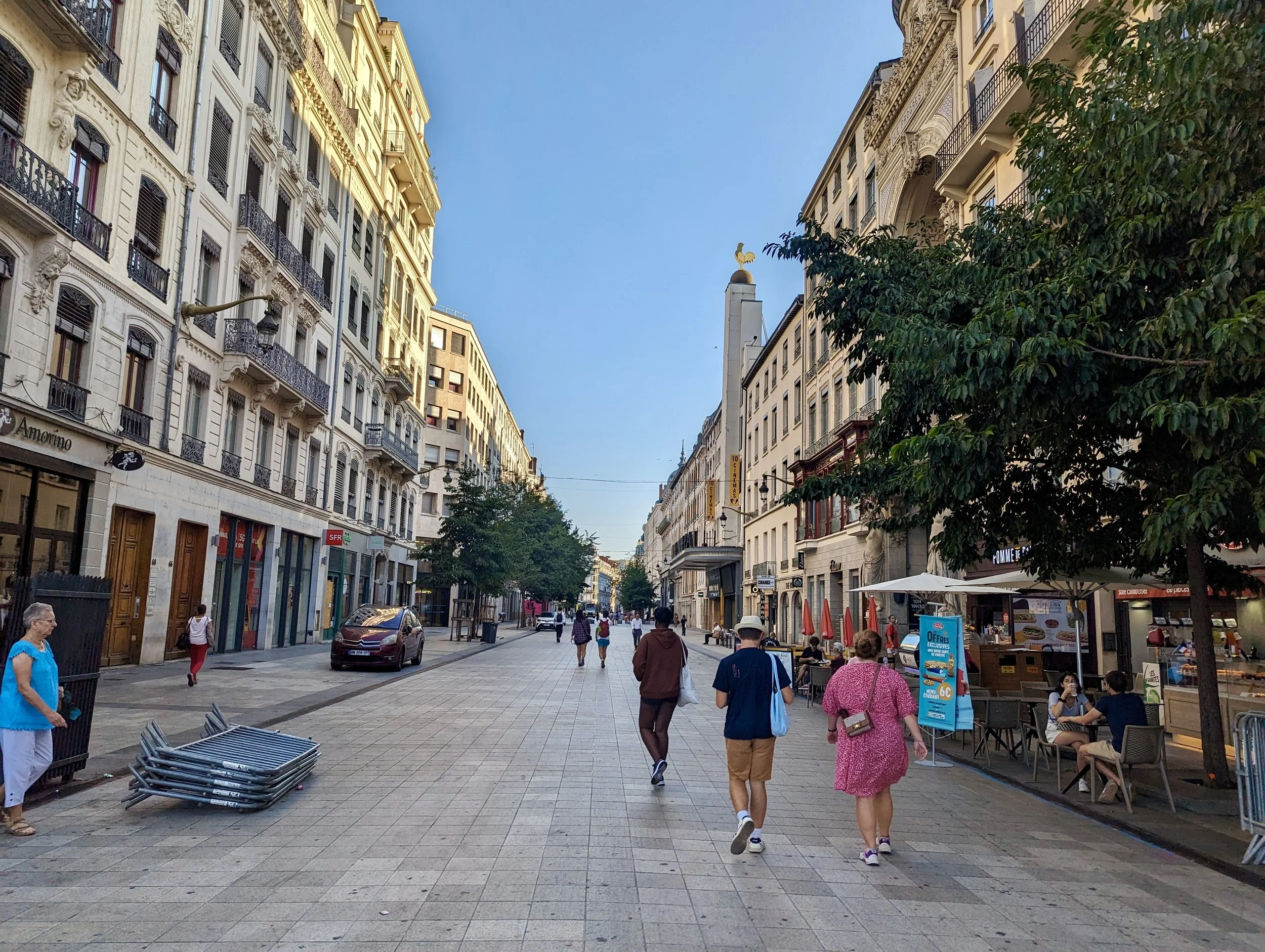
Just a couple of blocks from the square is the pedestrian area of town. You’ll find more national/international chains along here, some good (FNAC, the French super-media store, with books, TVs, cell phones, and music) and others less good (Five Guys, Starbucks, Zara, and McDonald’s) line rue de la République. It’s a pleasant stroll, though you’ll want to venture off the main drag if you’re looking for a good meal.
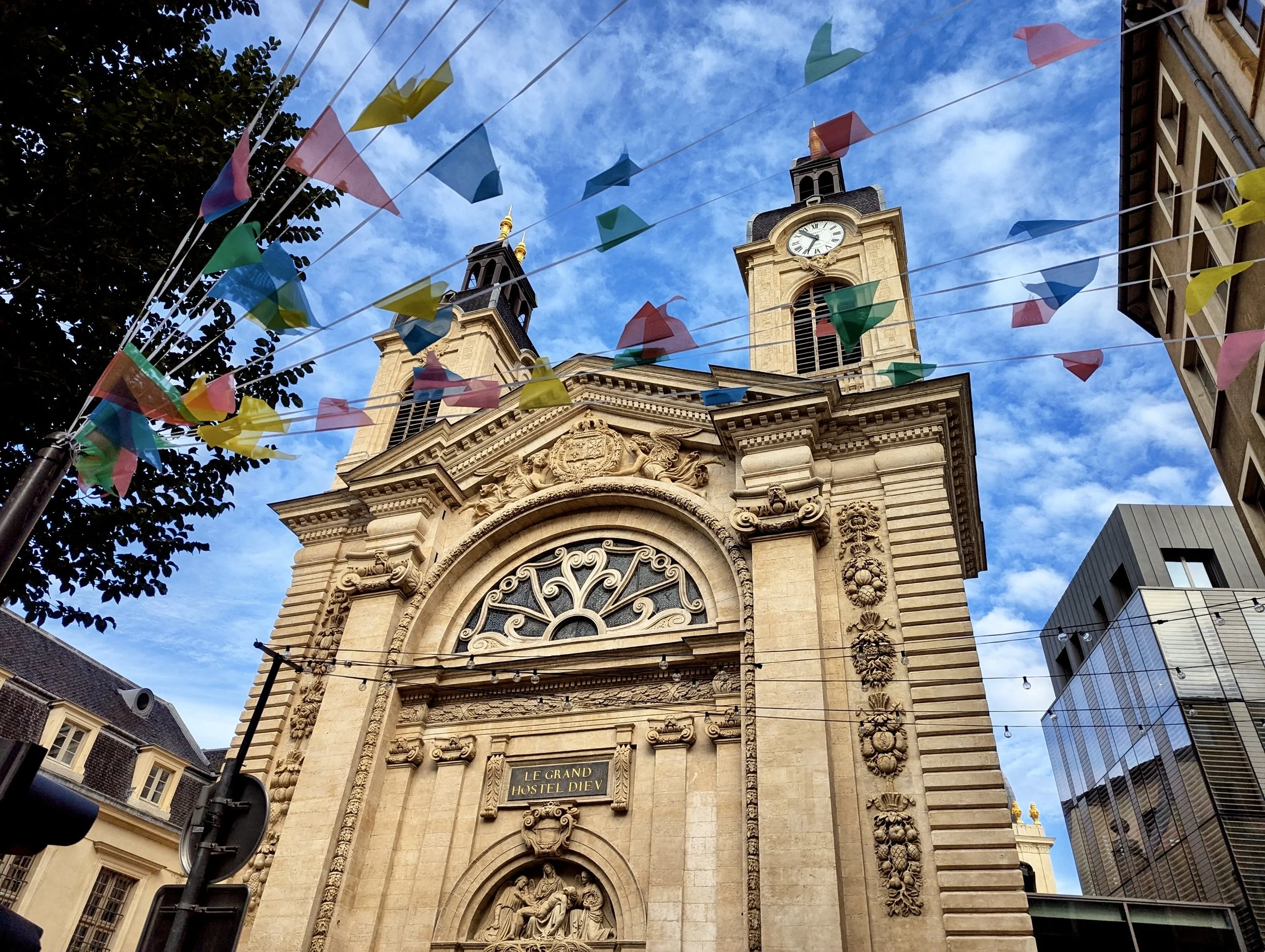
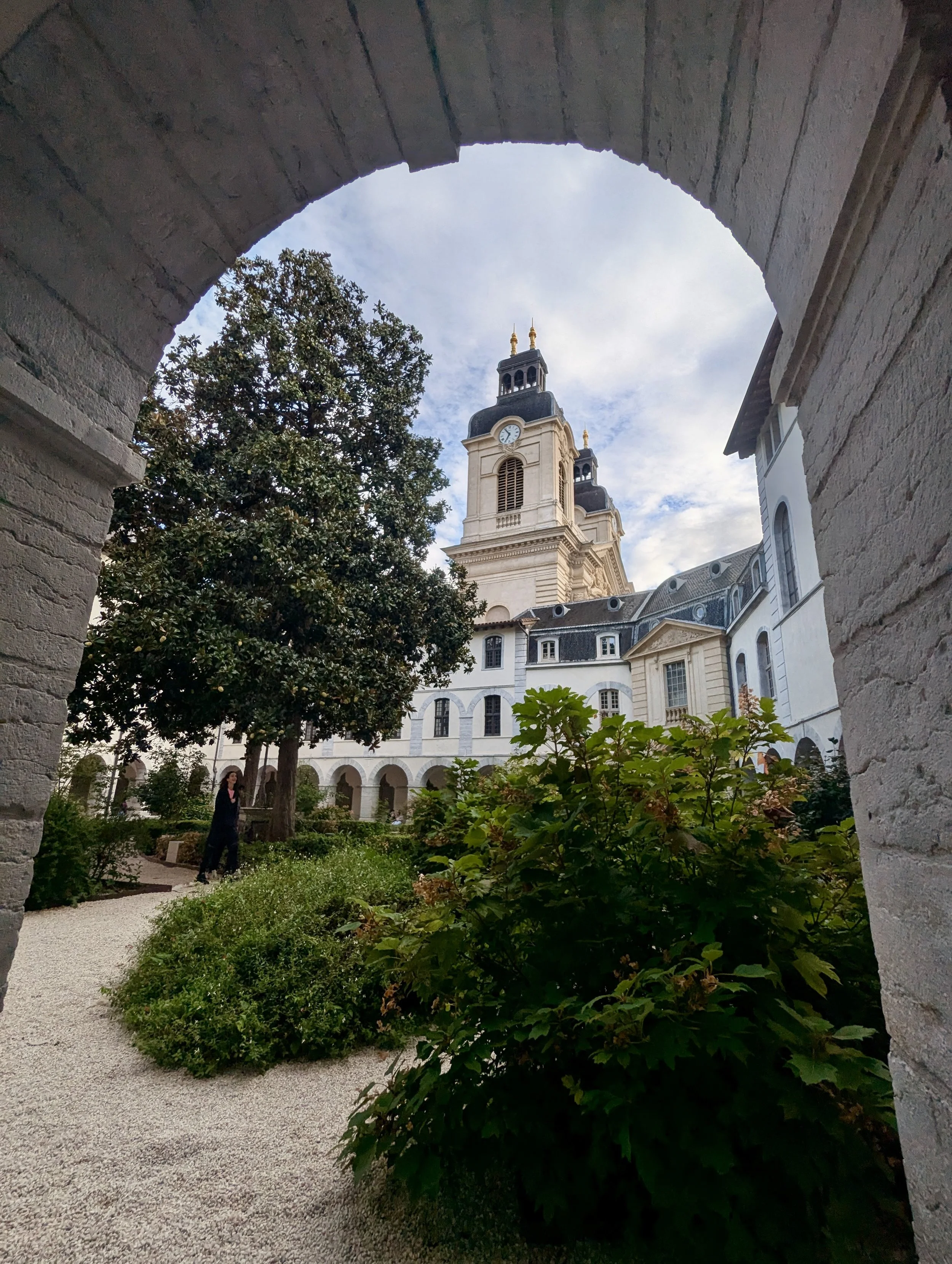
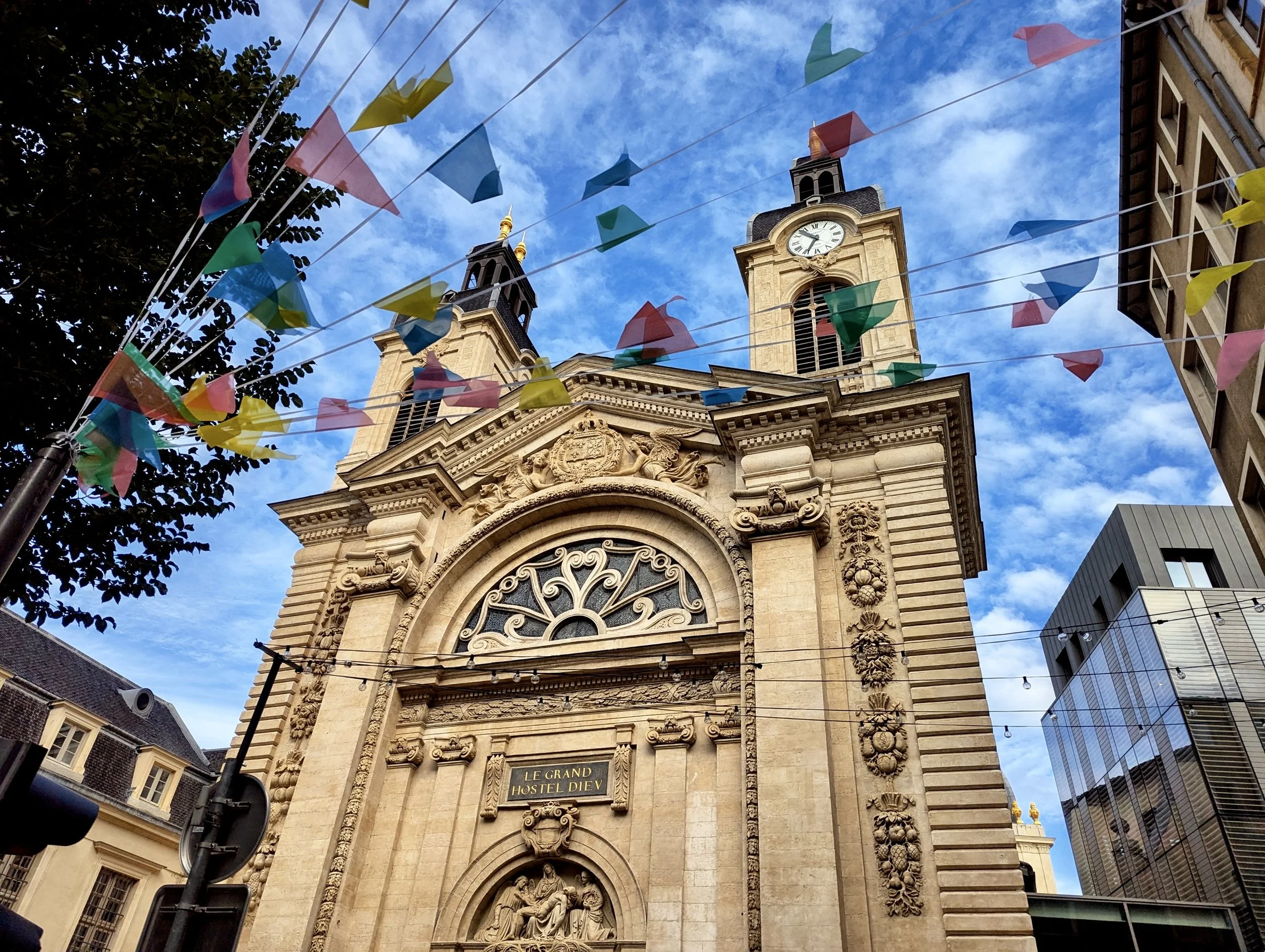
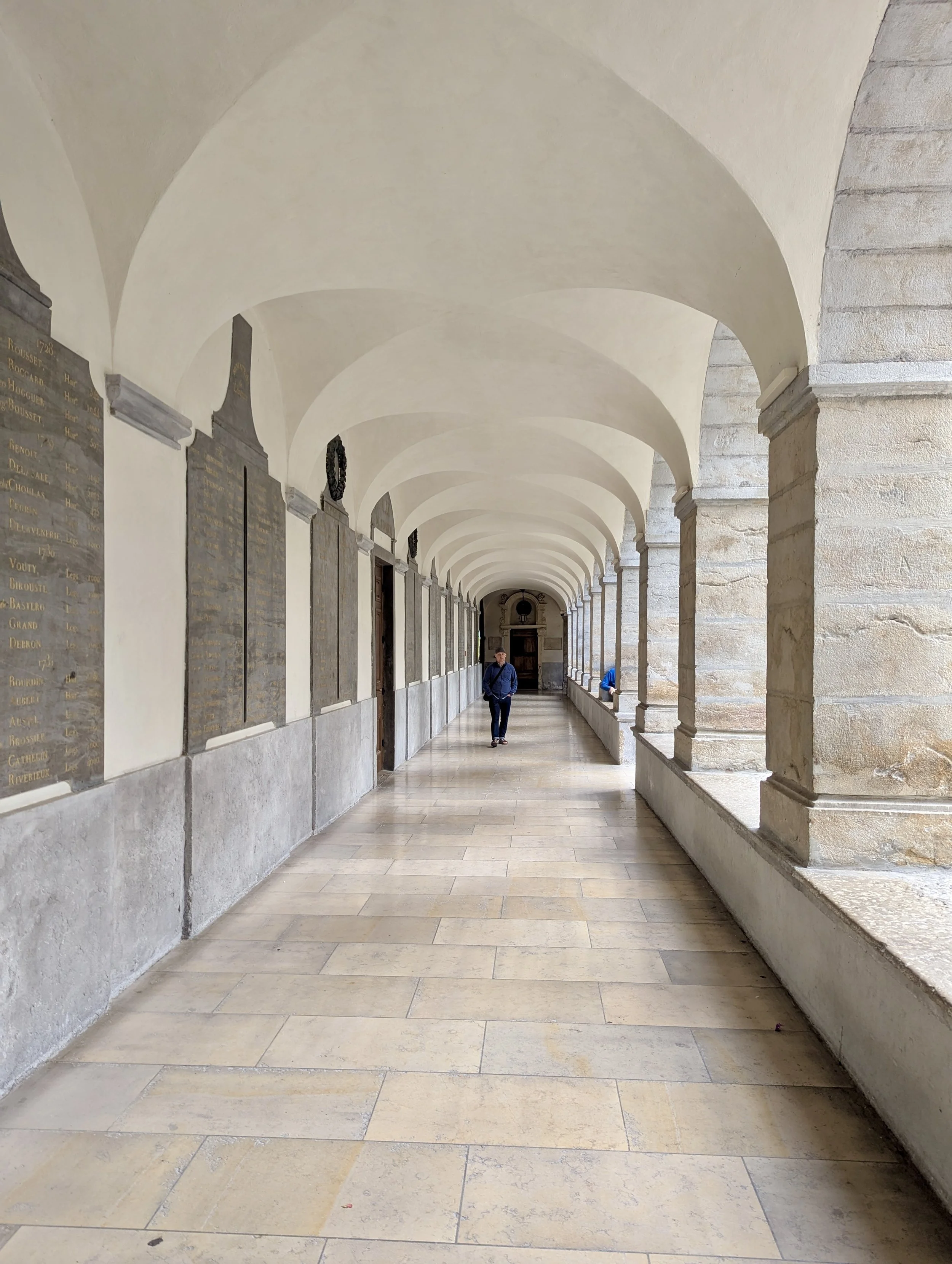
At the edge of the pedestrian zone you’ll find Le Grand Hotel-Dieu de Lyon, a former hospital, now converted to a fancy commercial space. There are some upscale boutiques and restaurants, but you can also visit the cloisters of the old chapel for a nice break (and find a decent public restroom). The building is immense, and runs along the Rhône river - the view of it from the other side is quite nice.
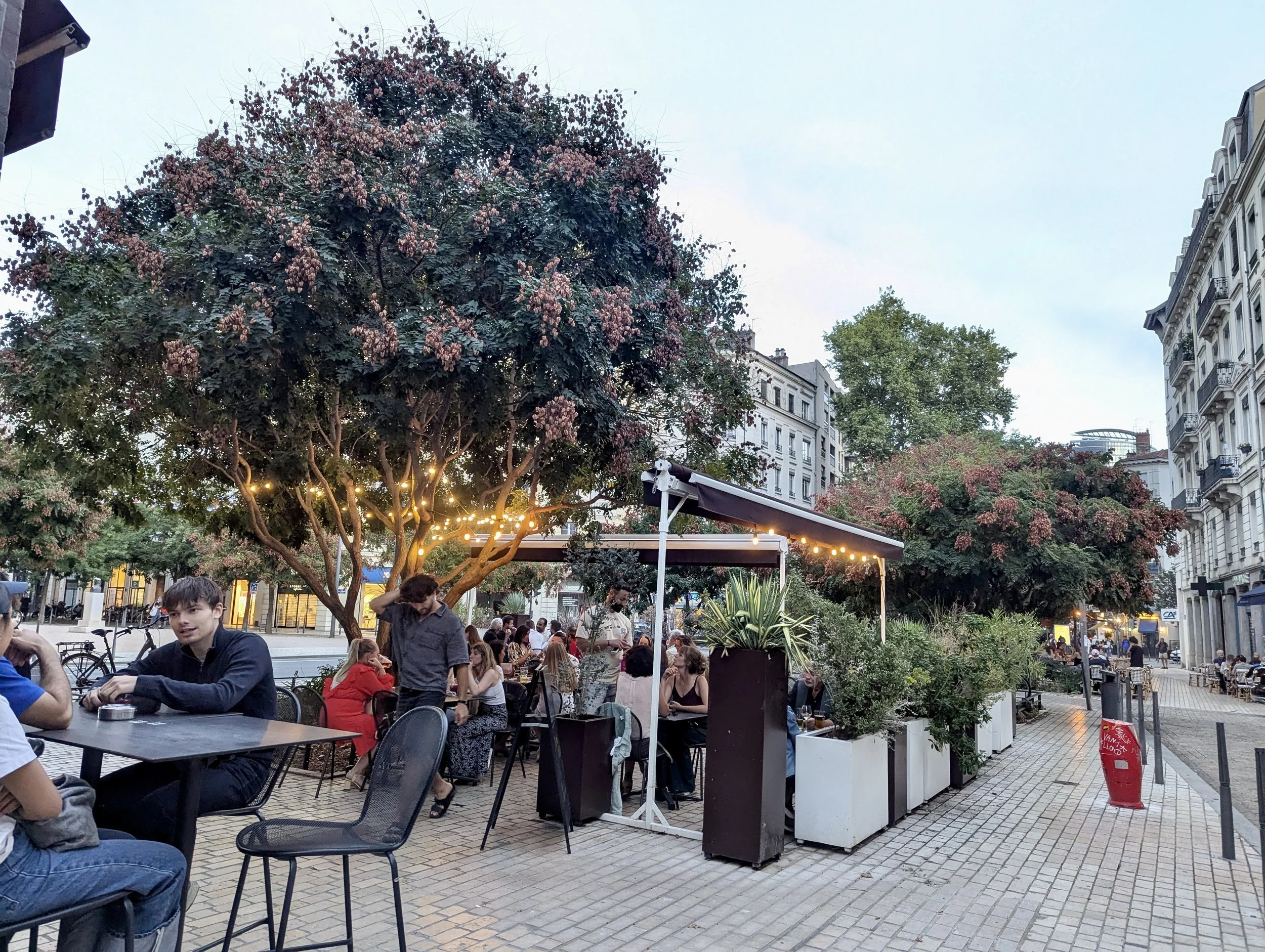
Heading across town toward the Saône you’ll encounter some nice, smaller-scale squares. Place de Célestins, directly in front of the theater of the same name, is quiet, lined with benches, and enjoyed by locals exercising their dogs, letting their small children get some practice riding their scooters, or enjoying some sun or shade. Several good cafes line the square, and you can grab a coffee or glass of wine, depending on the time of day.
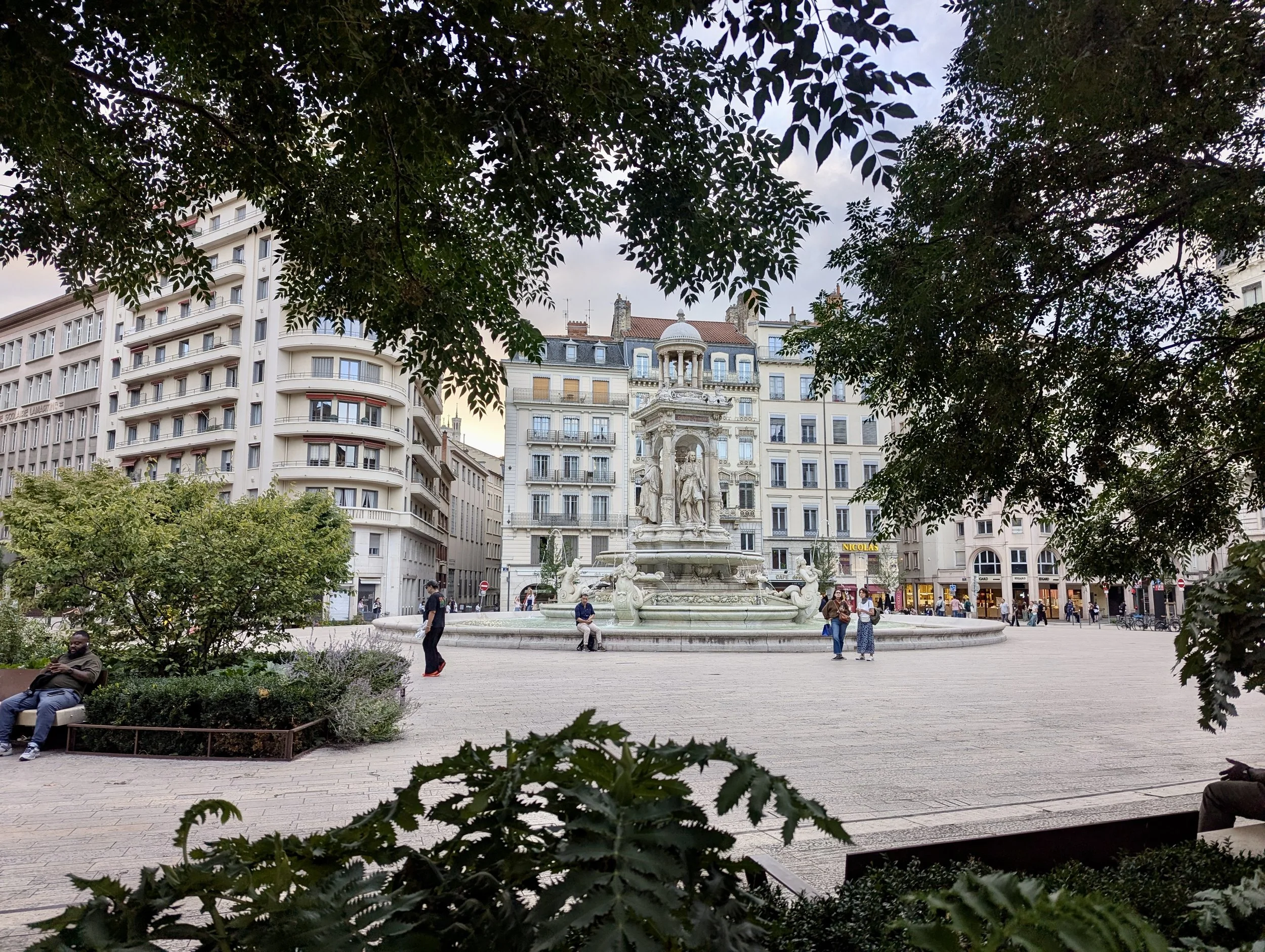
Just a few blocks northeast you’ll find Place des Jacobins, a slightly busier but still small square, with a lovely white marble fountain in the center. Another spot to find some good food or coffee, as well as some smaller boutiques, this is worth a visit if you’re in the area.
Next Visit
As I said at the beginning, Lyon is definitely a place I’ll visit again. Some things that I’d plan on for future visits:
a do-over at Les Halles de Lyon Paul Bocuse
Musée des Tissus et des Arts Décoratifs - the museum is in the midst of a major renovation and has been closed for the past few years, and likely will be for the next few, as I couldn’t find a projected completion date on their website. I’ll keep checking back before each visit.
Traboules, but this time with a guide
Musée d'art contemporain de Lyon - it’s always good to have a museum you want to visit as an option for bad weather.
Parc de la Tête d'Or - located in the 6 éme, between the Rhône and Université Claude Bernard, this park contains the zoo, botanical gardens, rose gardens, a performance space, and leads into the Parc Naturel de la Feyssine, which is more of a nature preserve that continues along the river.
Marché des Bouquinistes - I love the bouquinistes in Paris along the Seine, and I just learned that Lyon has them as well. Along the banks of the Saône, at 9 Quai de la Pêcherie in the 1 éme, it looks like it would be worth a visit.