Corsica
L'Île de Beauté
Corsica Overview
Travel: by ferry (100% recommend Corsica Linea, 100% DO NOT RECOMMEND Moby!), by train
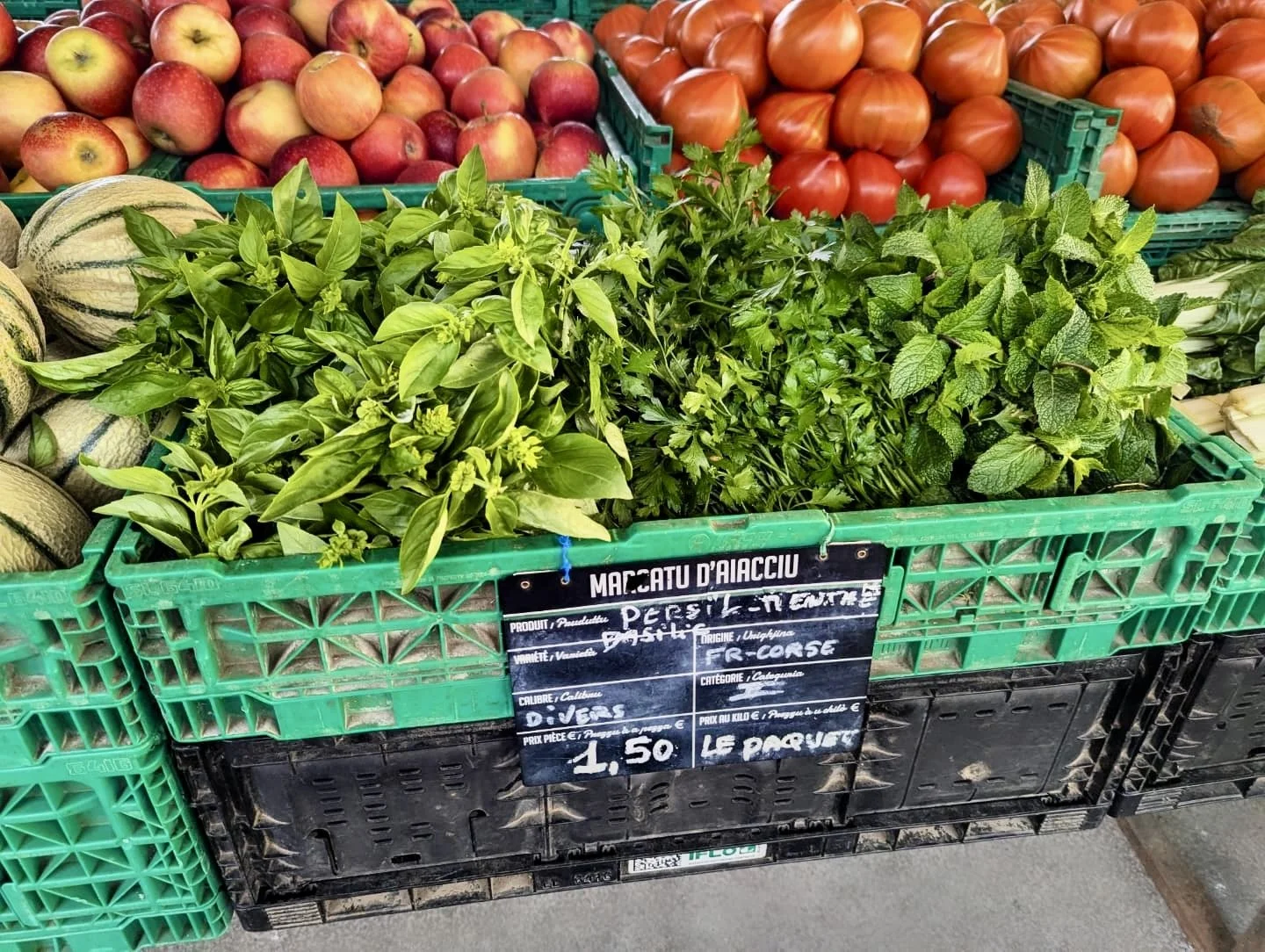
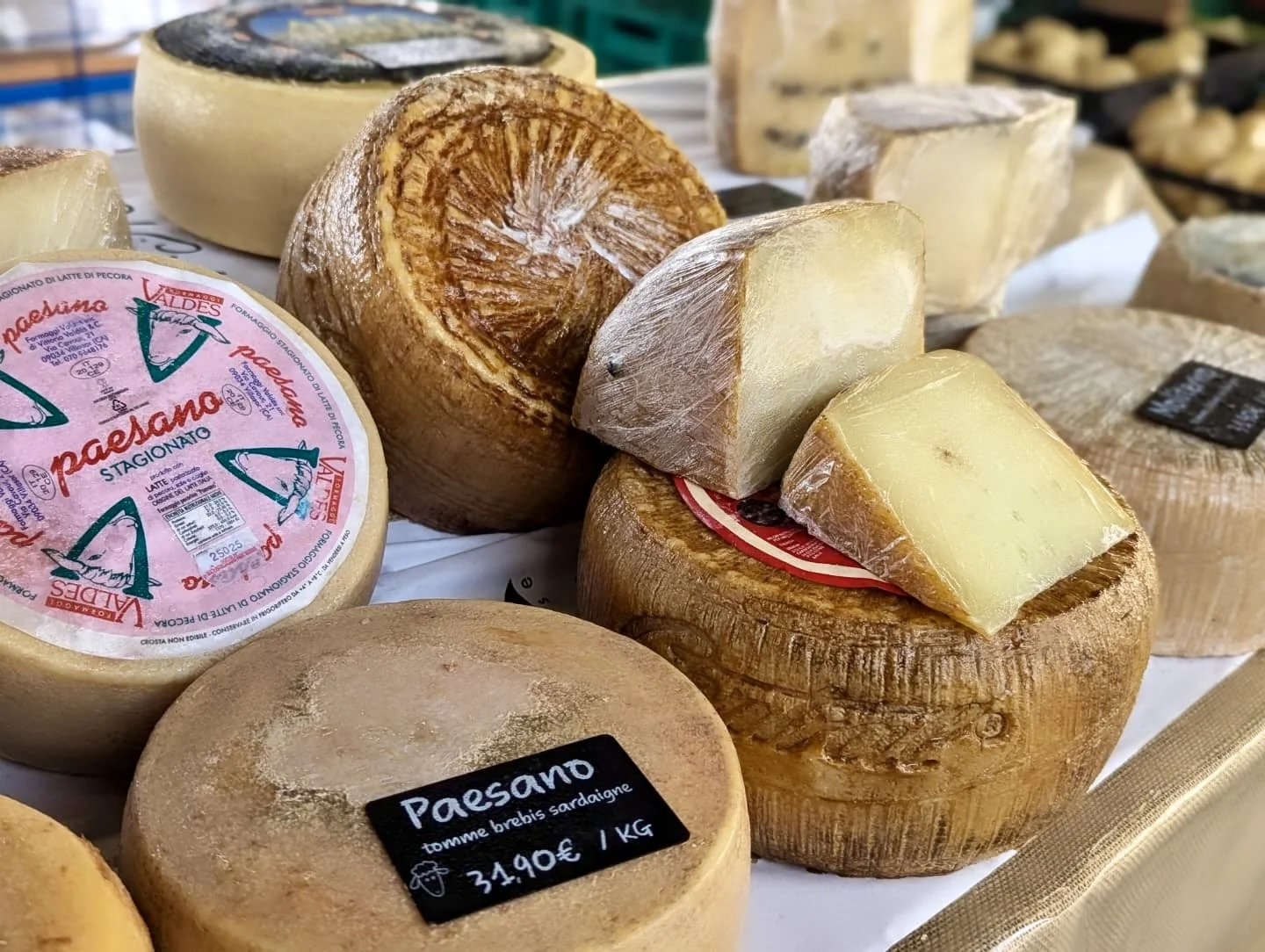
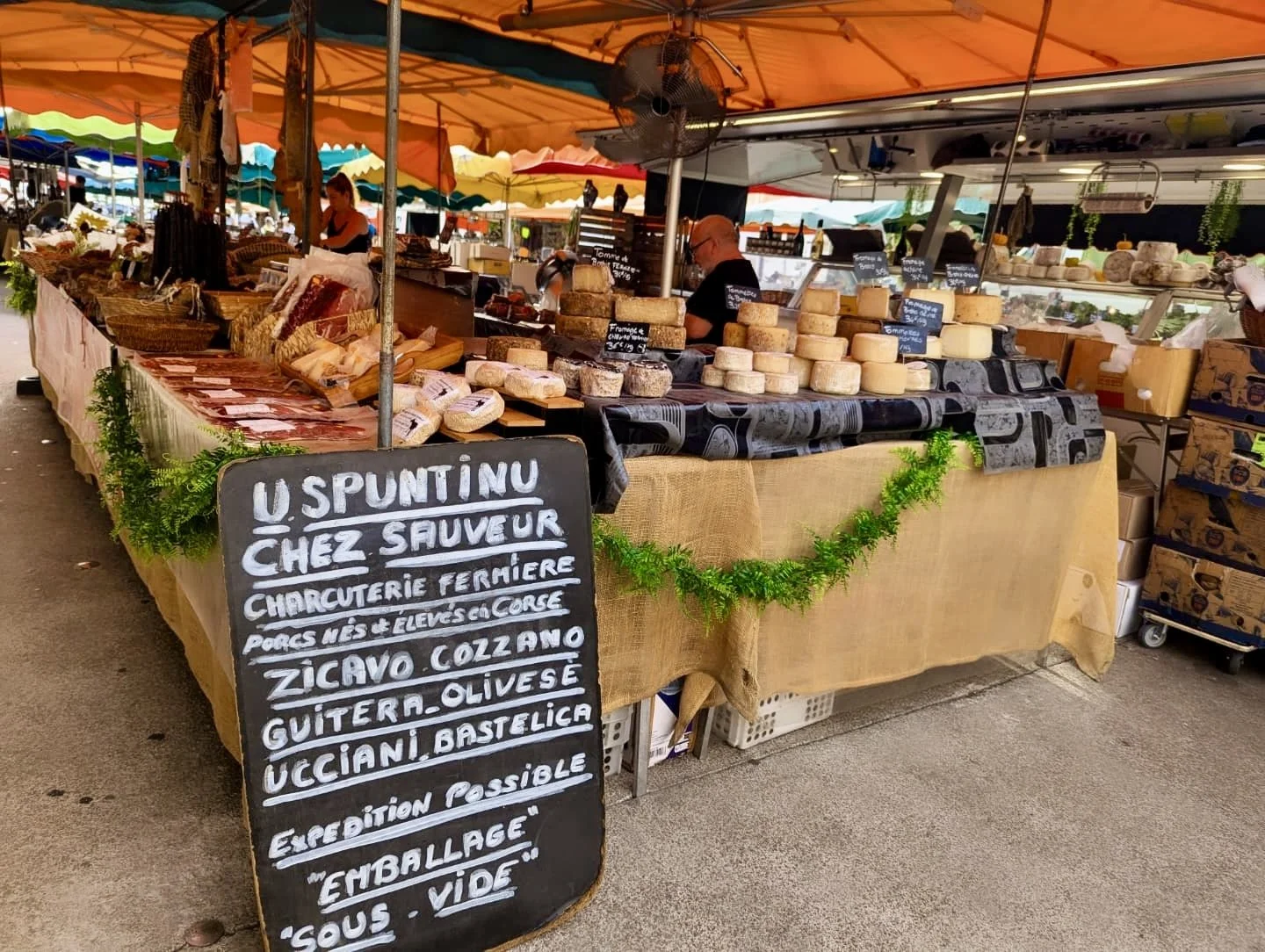
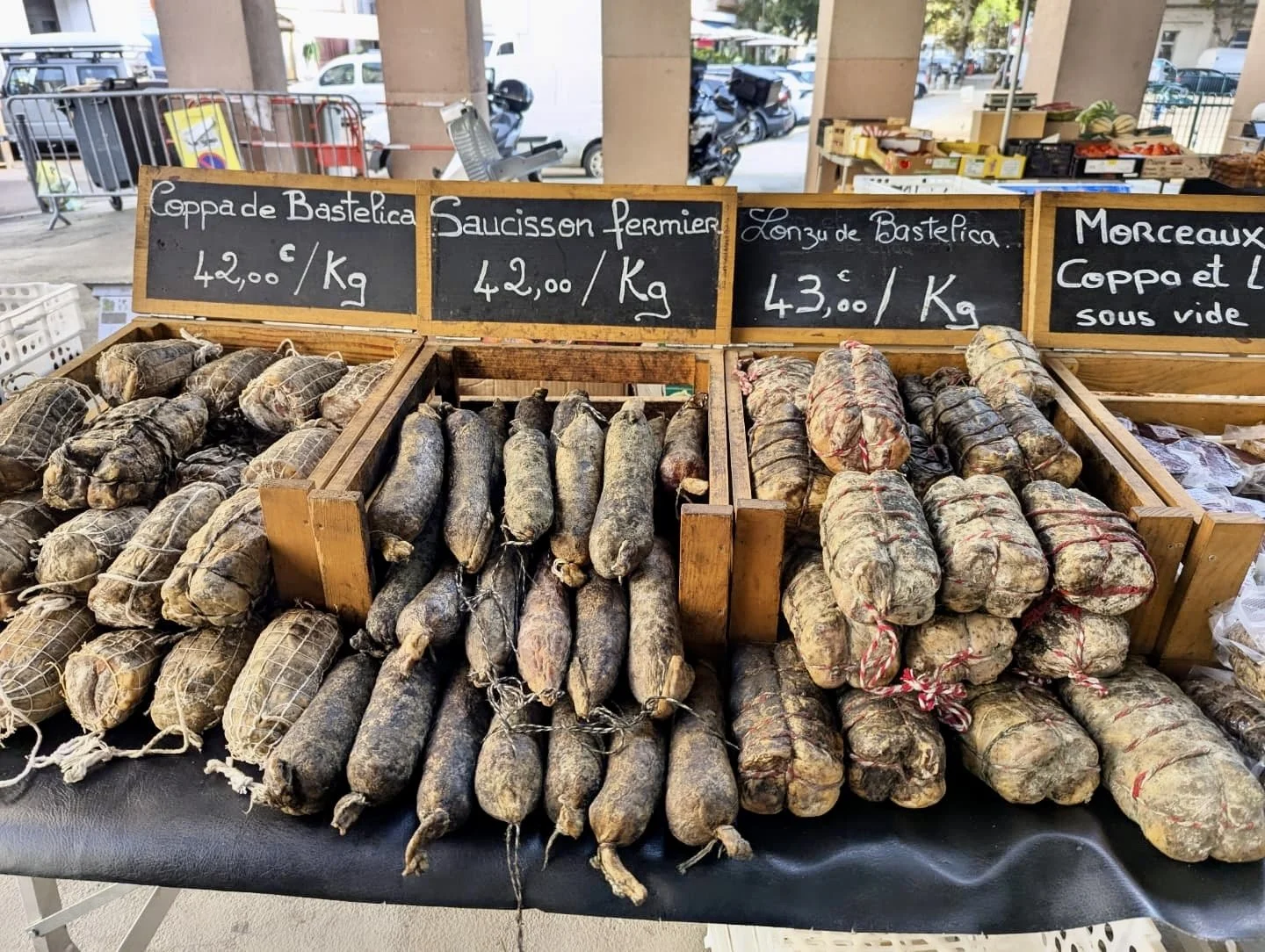
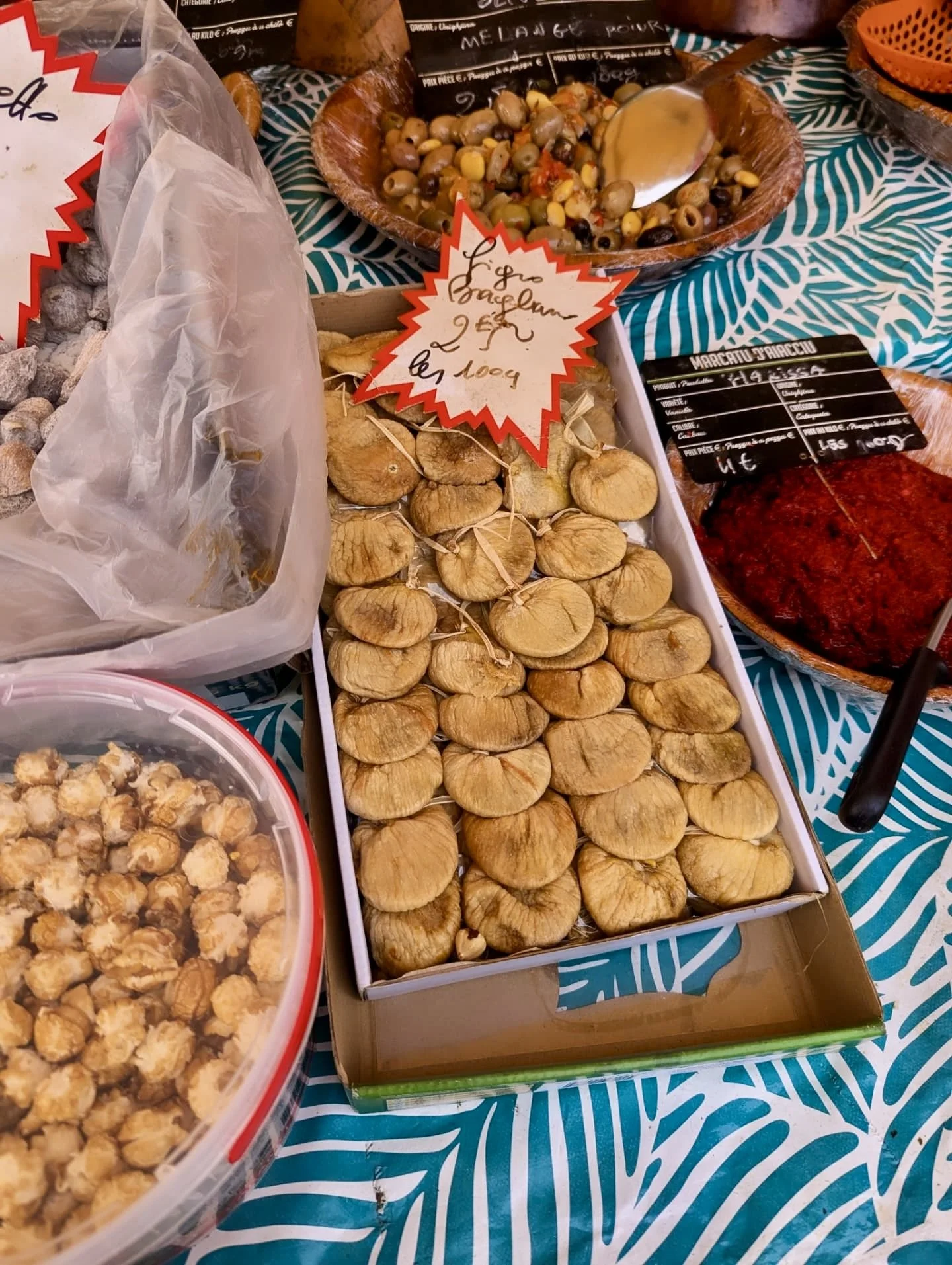
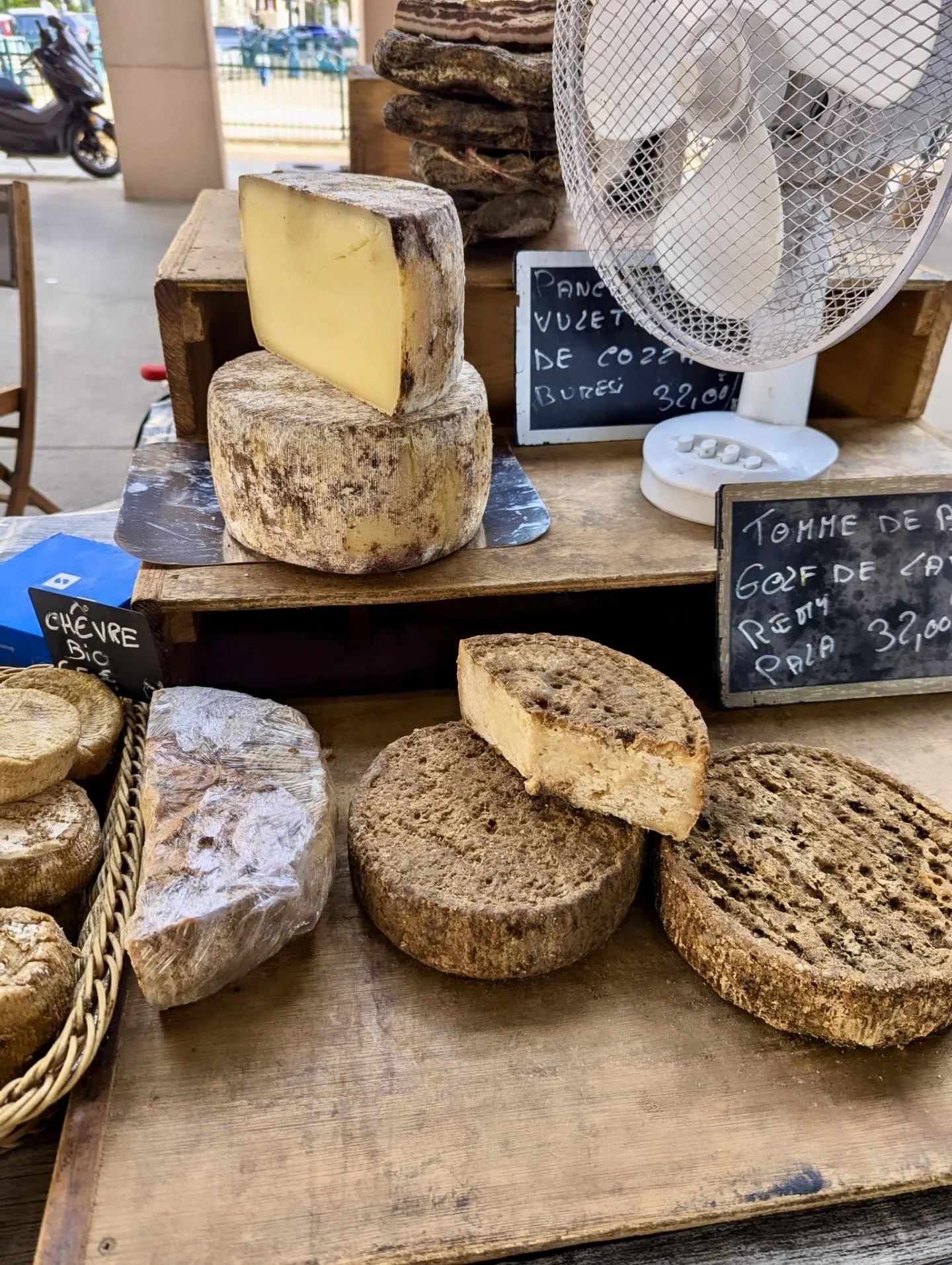
Eat: Seafood, pasta, local cheeses and sausages, if you’re in Ajaccio be sure to hit the marché and stock up on local produce and cheeses, it’s a lovely place to visit.
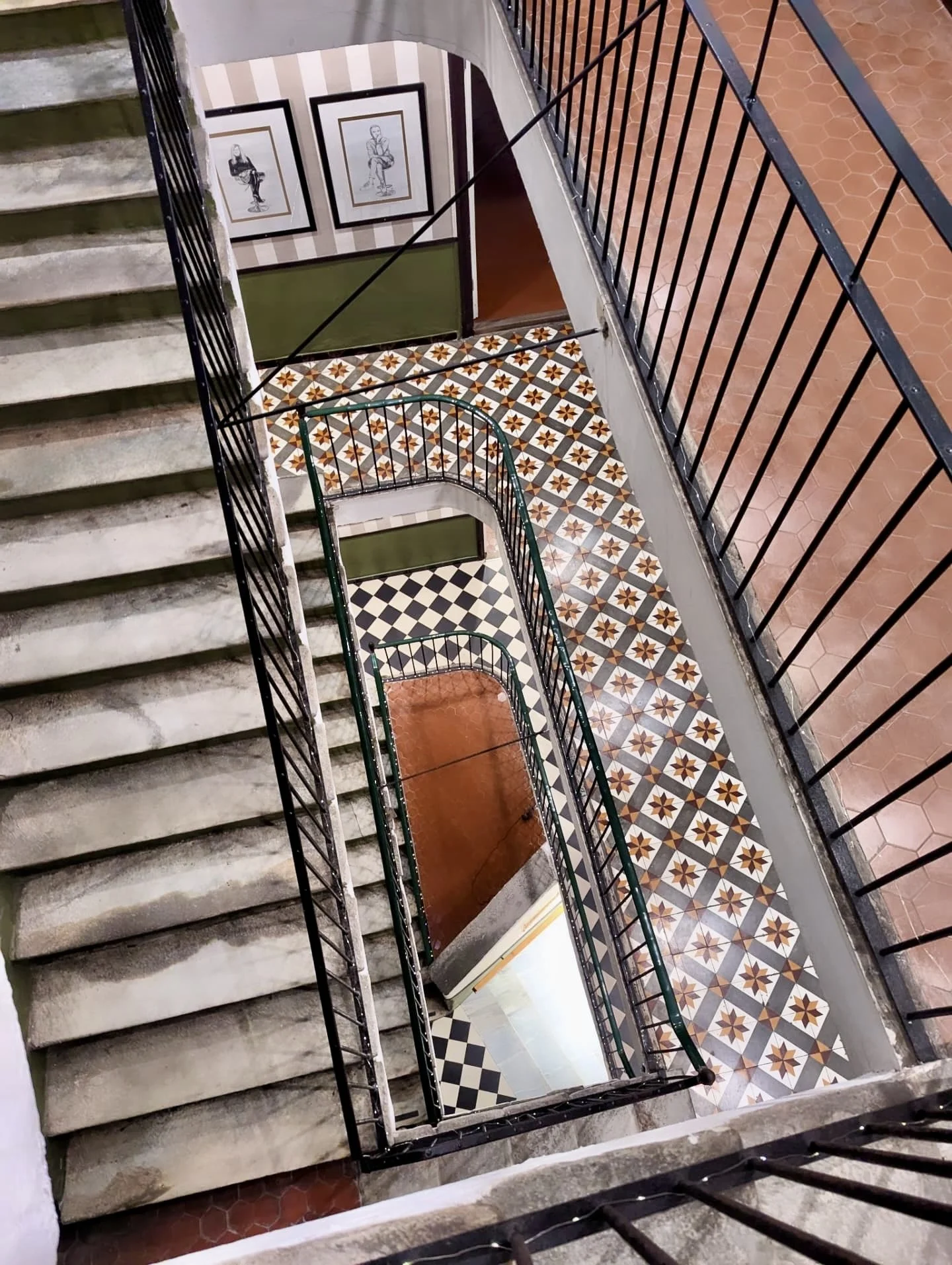
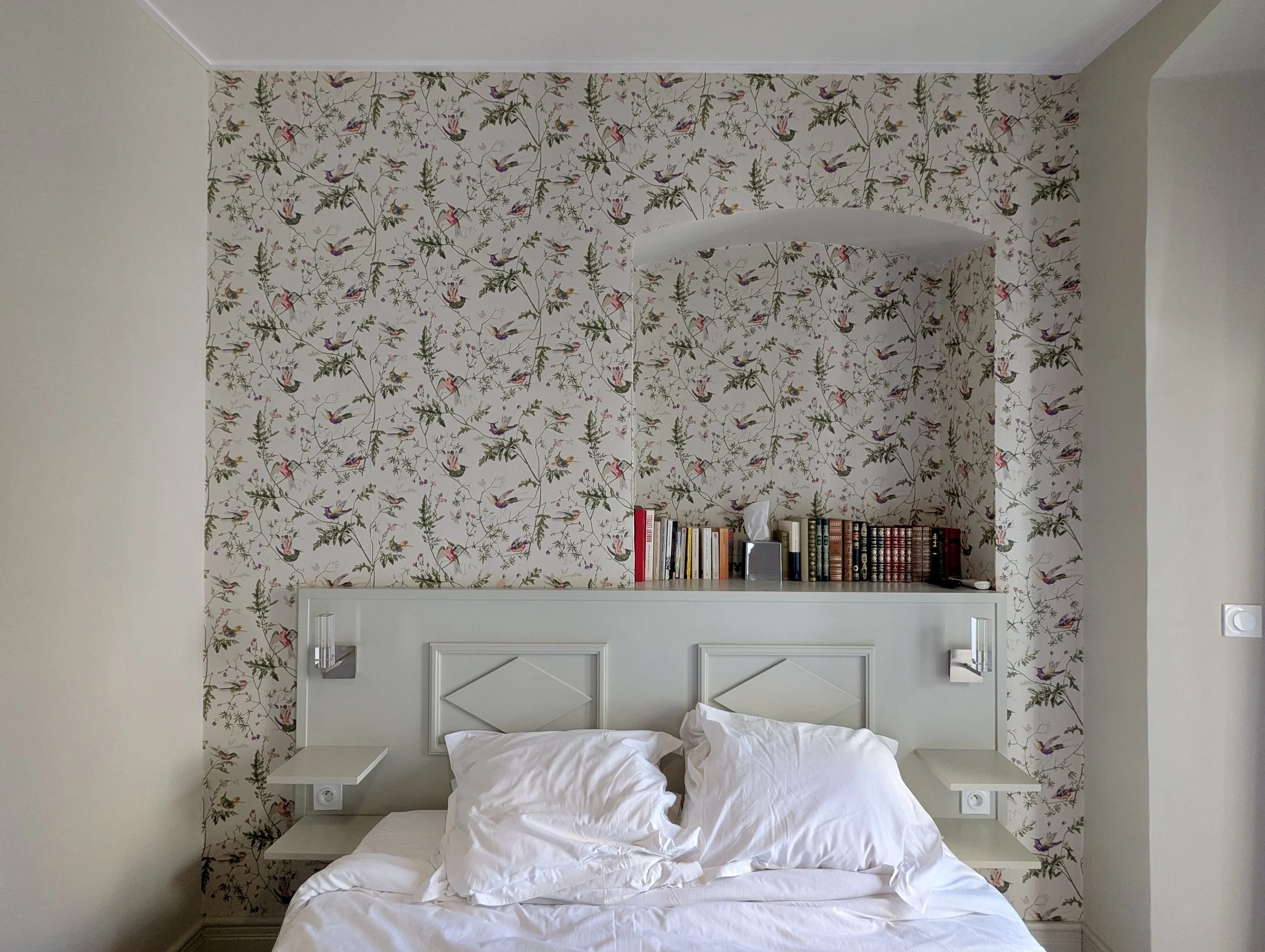
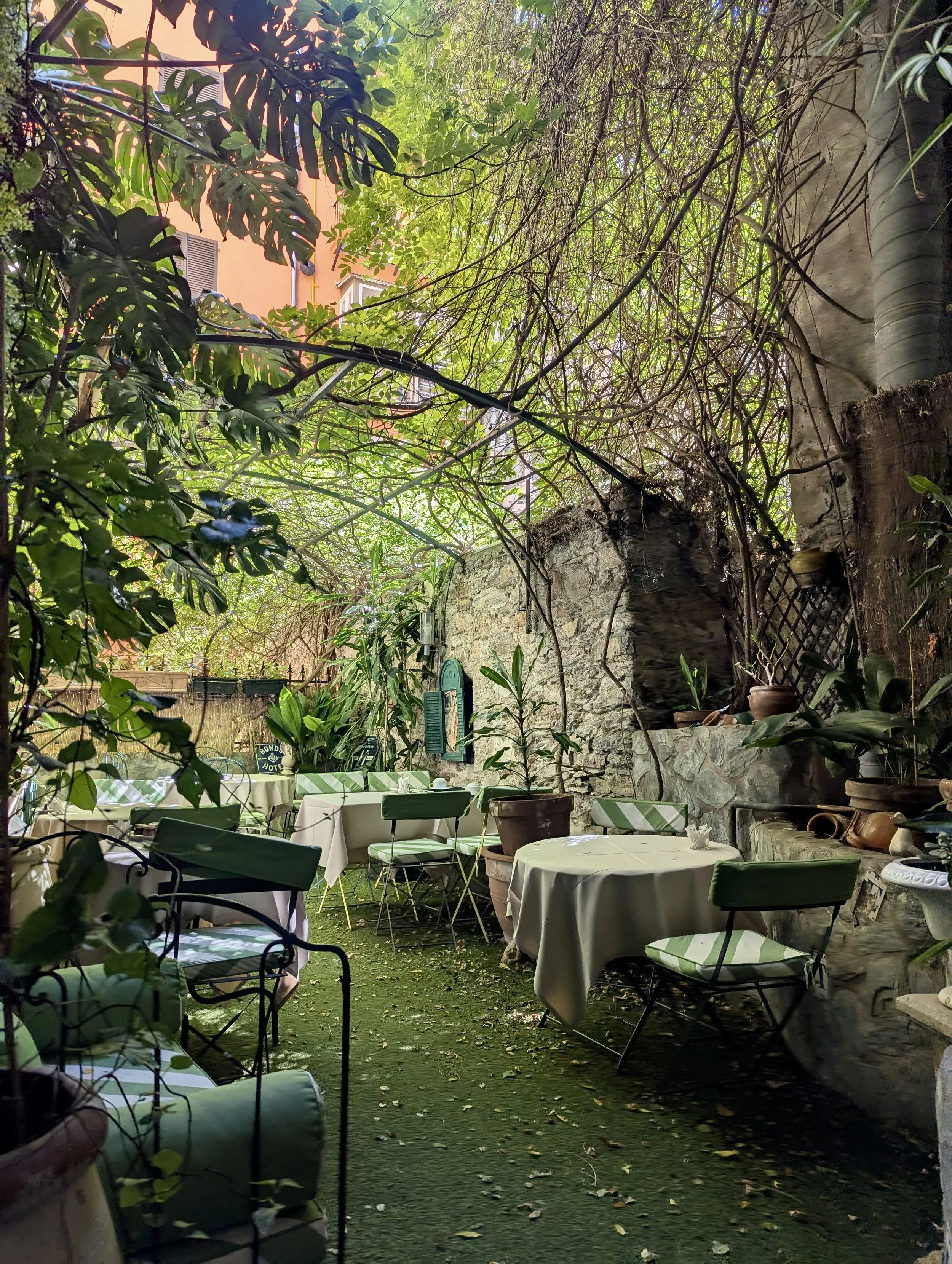
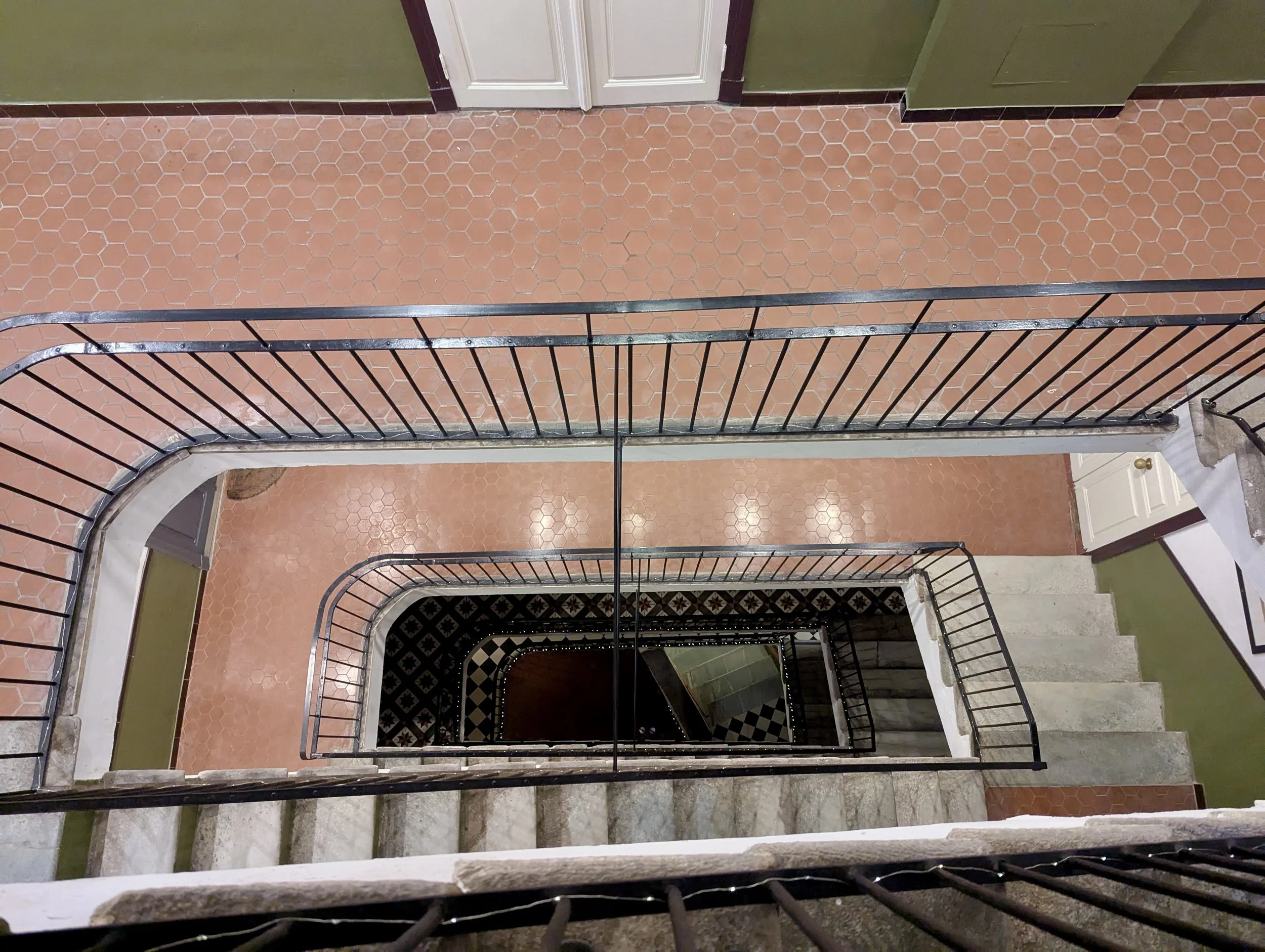
Sleep: In Bastia, Hotel Central Bastia 3 Rue Miot - Lovely hotel with lots of public areas, great central location, you can walk everywhere, really interesting & unique rooms with cool art throughout. We had a room with a desk, mini fridge, and a small balcony at the top of the hotel. There’s no elevator or bellhop, so check what floor you’re on when you book if that’s a concern, and if it’s not, be aware that you’ll be getting your steps in. You can store your bags if checkout time is before you plan to leave.
Repeat: Probably not, at least not without a car. I’ll explain below.
Corsica wasn’t originally in my travel plans on our France/Italy trip last year, but when I looked at how long it would take to get from Marseille to Genoa via train (a solid day of travel, and too many changes for it to be any fun) my eyes shifted to the water. Marseille is a port city, and so is Genoa, so what about a ferry? Sadly, no direct ferries exist, but adding a detour through Corsica would do the job. Some research into sailings and how to get around the island led me to settle on an overnight ferry from Marseille to Ajaccio on the southern coast of the island, then a train journey across the island to Bastia in the northeast, where we’d spend four days/three nights before taking a five-hour ferry to Genoa.
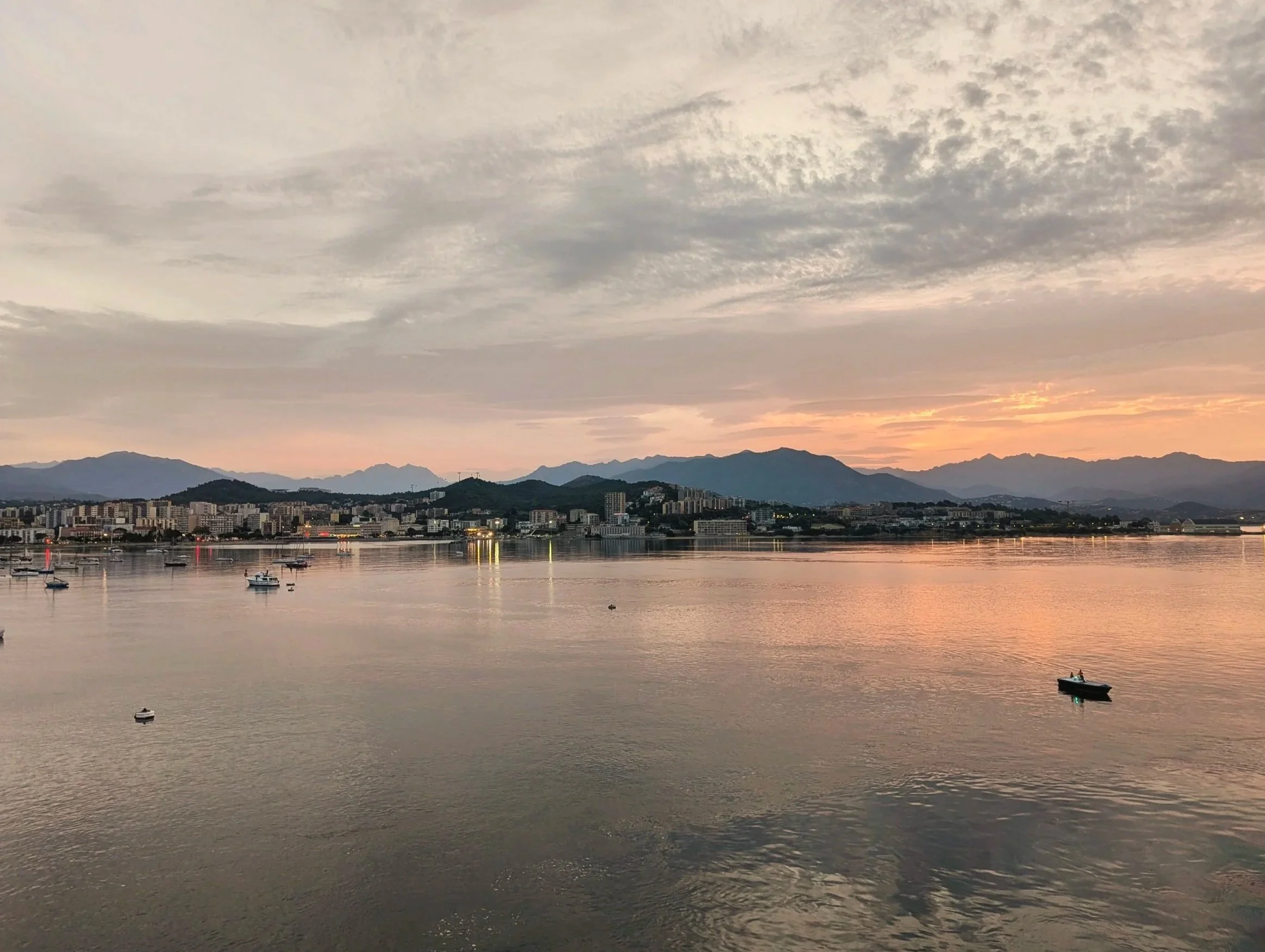
Sunrise over Ajaccio, Corsica
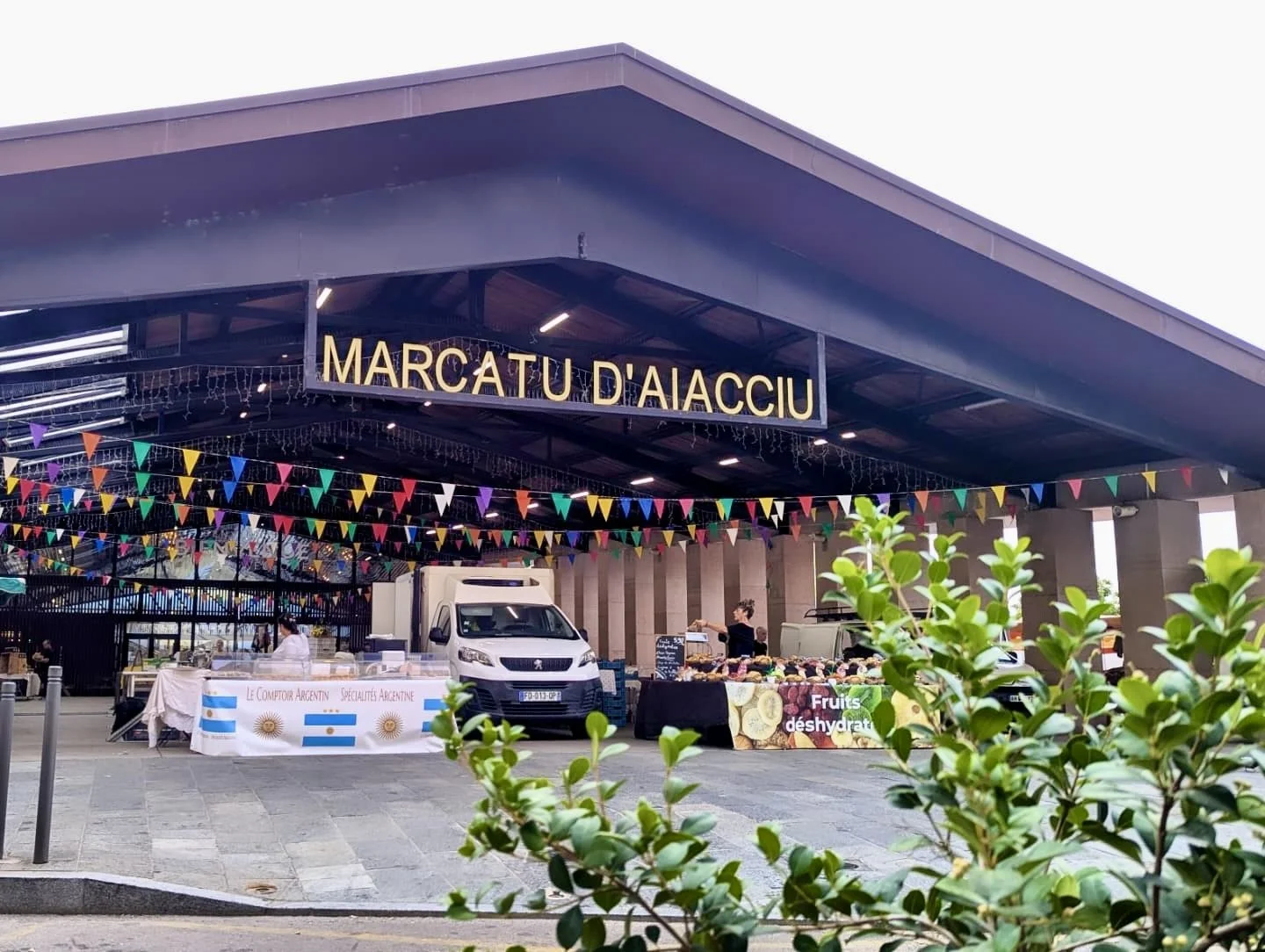
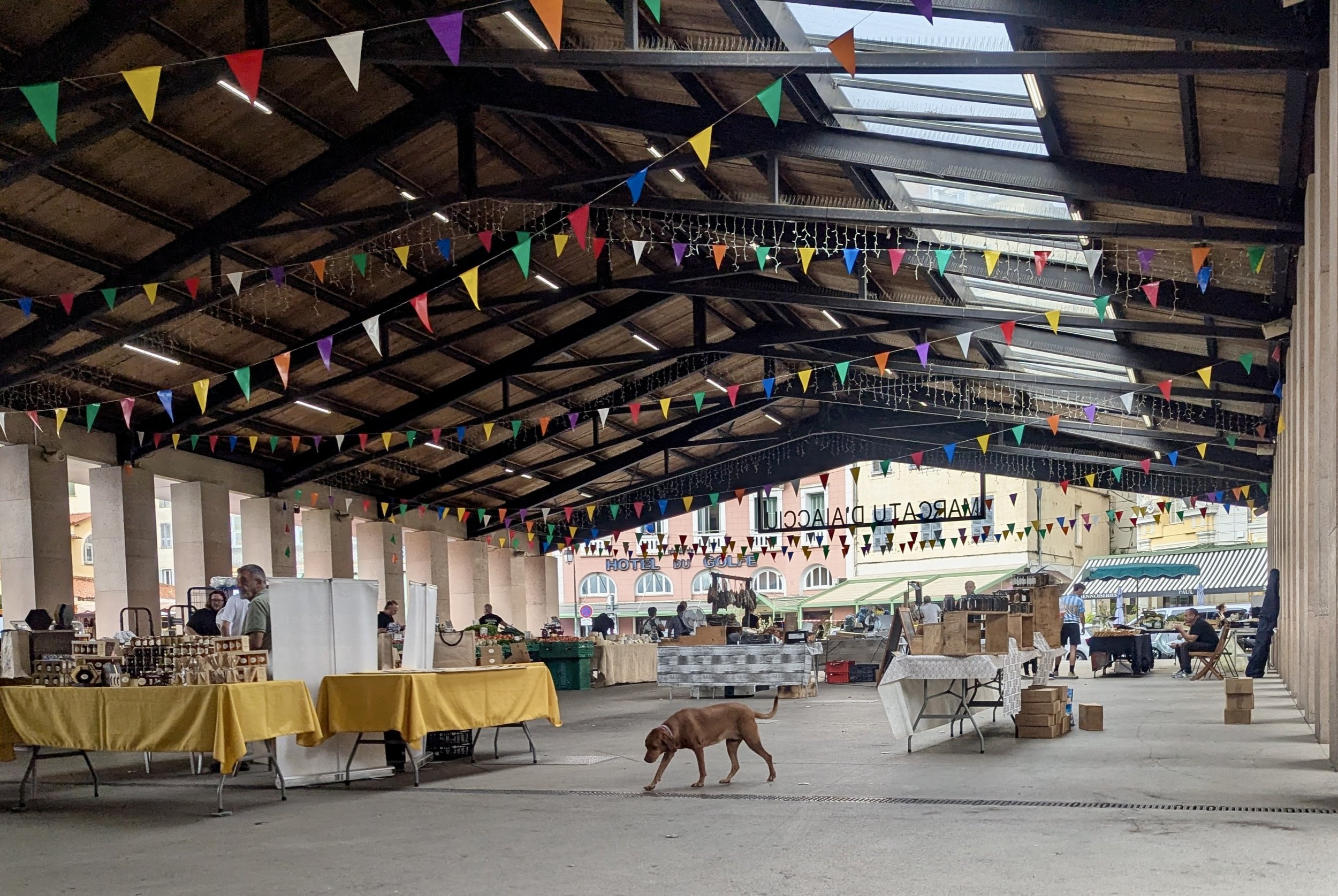
Ajaccio (Aiacciu in Corsican) was our first stop on the island. The capitol of Corsica and the birthplace of Napoleon, this is the biggest city on the island, and I really wish we’d spent more time here. There aren’t a ton of guidebooks for Corsica, but the ones I found weren’t all that flattering when talking about Ajaccio, which, in retrospect, I really don’t get. While we didn’t spend more that a few hours there, everyone we encountered was friendly, and there are some nice museums and churches, plus beaches that are accessible without a car. I really wish we could have visited Musée Fesch, which is open delightfully early, at 9:15, but you can’t check bags or bring in anything larger than a small backpack, so that was out for us. There’s often the option to leave bags at a train station so you can roam around less encumbered, but there is virtually NO information about any of the Corsican train stations online as far as facilities and services available to confirm if that was an option, so we didn’t even attempt it. I honestly don’t recall if there were options for leaving bags at the station when we were there - there may have been lockers, but I wouldn’t swear to it.
Our ferry docked right on time, and we walked less than 10 minutes into town, where we grabbed coffee and some pastries before leisurely exploring the marché which was excellent: it has an indoor food hall, a covered area with vendors, and another bunch of vendors on the square along the side. It’s open every day but Monday from 7:00 to 13:00 (the food hall is open to 14:00), so it’s an easy visit. Great produce, fun local products like cheese and sausages (and most vendors are happy to give you a taste), with a generally festive vibe.
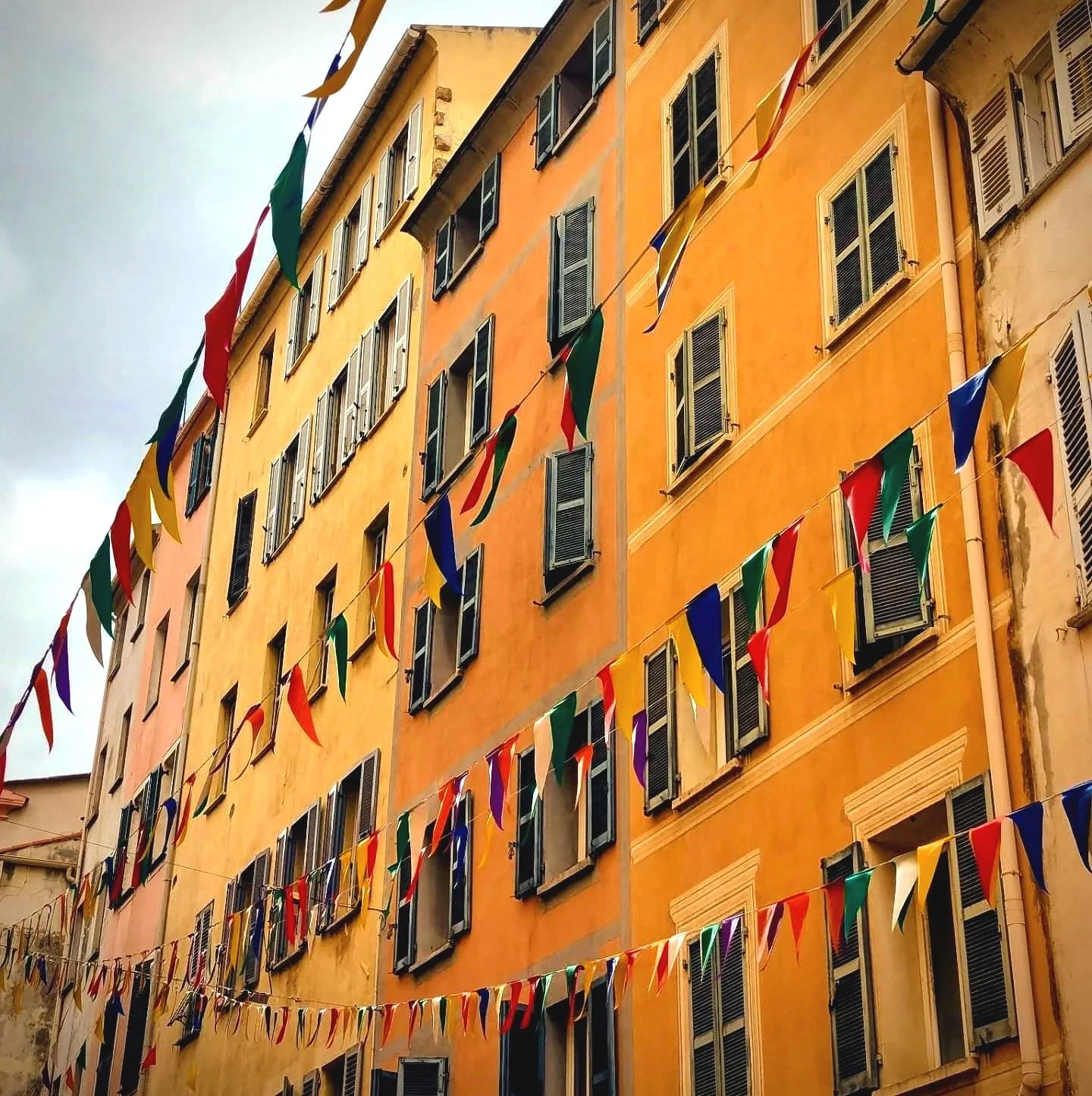
Ajaccio town center
We had four hours between our ferry docking at 7:00 and our train departing at 11:05, so we decided to just take our time at the market before making our way across town to the train station. There was a train scheduled for 7:30 that, in retrospect, we absolutely could have taken, but it would have meant a 4-hour train ride on an empty stomach and zero time to explore Ajaccio, so I think we made the correct choice. The station was pretty bare bones, and our train was waiting, so we just climbed right on after buying our tickets at the counter.
I do not like to rent a car when traveling if it can be helped; I love public transportation, especially trains, so finding a home base that was accessible without a car was a must. Corsica has a train line with just 144 miles of track, but there isn’t even an official website, this one has accurate, up-to-date timetables; but you can’t buy tickets ahead of time online, you have to buy them at the station. You can get from Ajaccio to Bastia in about four hours for under 25€ and see some truly gorgeous scenery. If you look at the topography of the island you can understand why the train options are limited: its rugged, fairly uninhabited center doesn’t lend itself to a rail line.
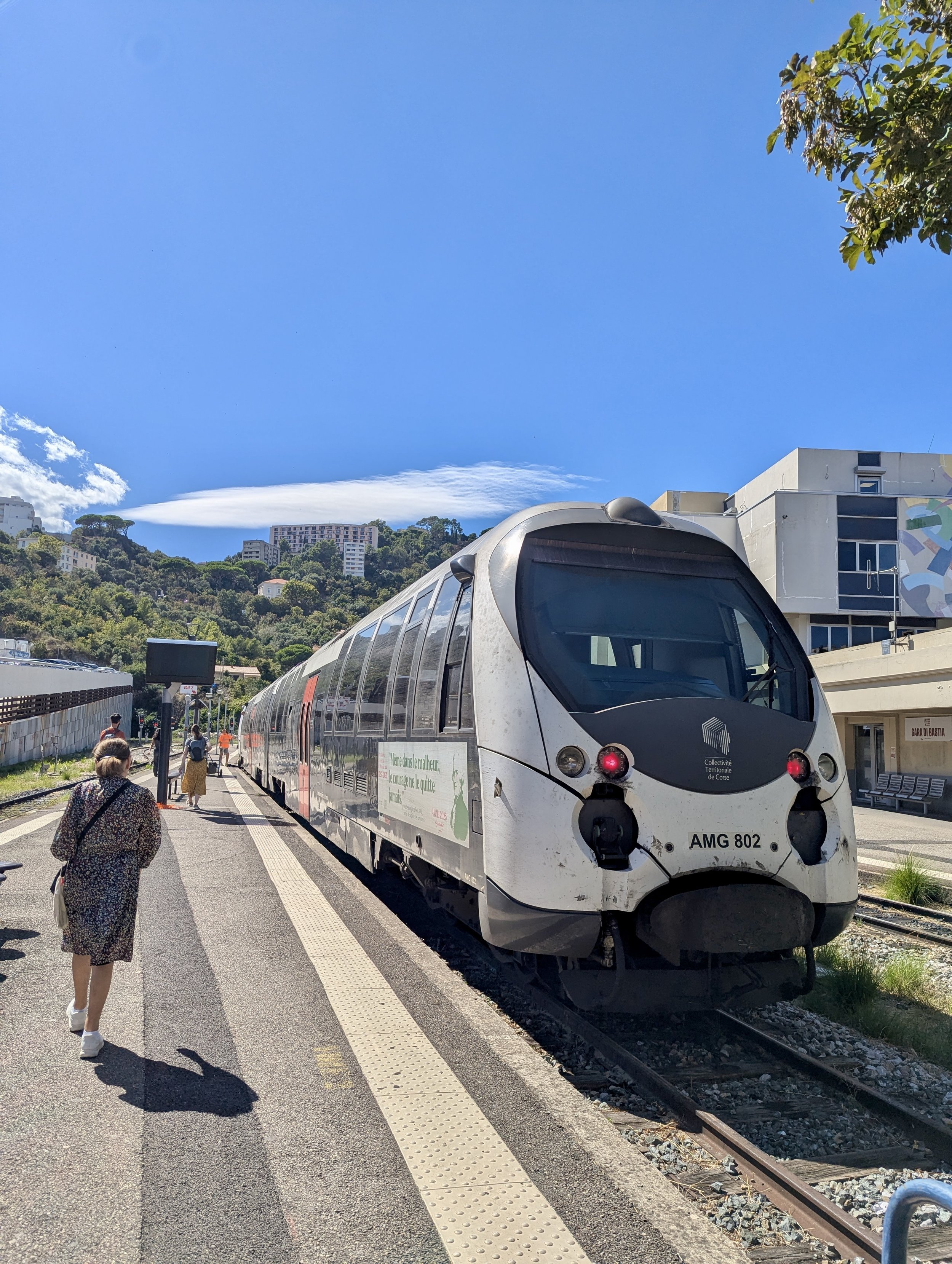
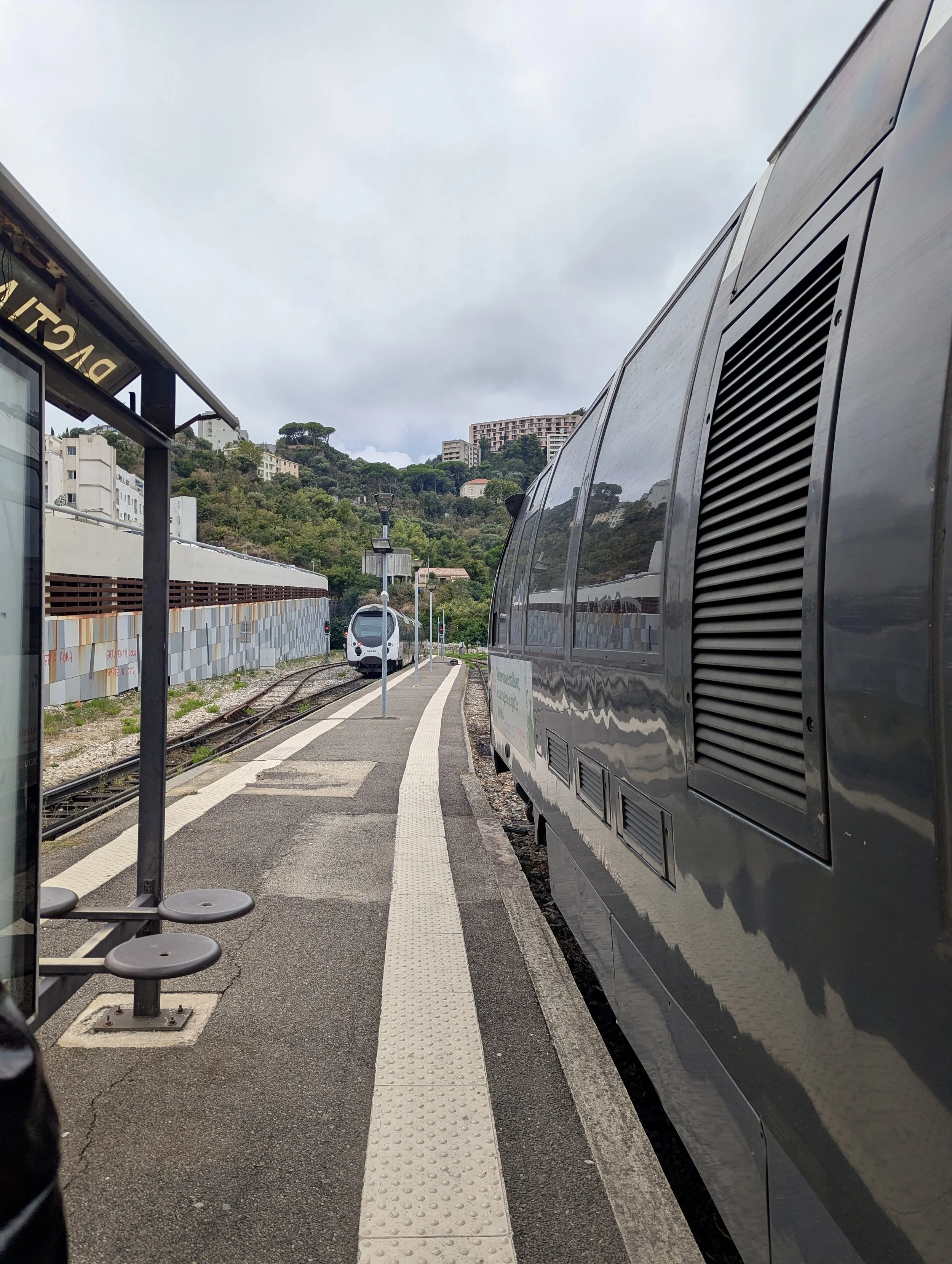
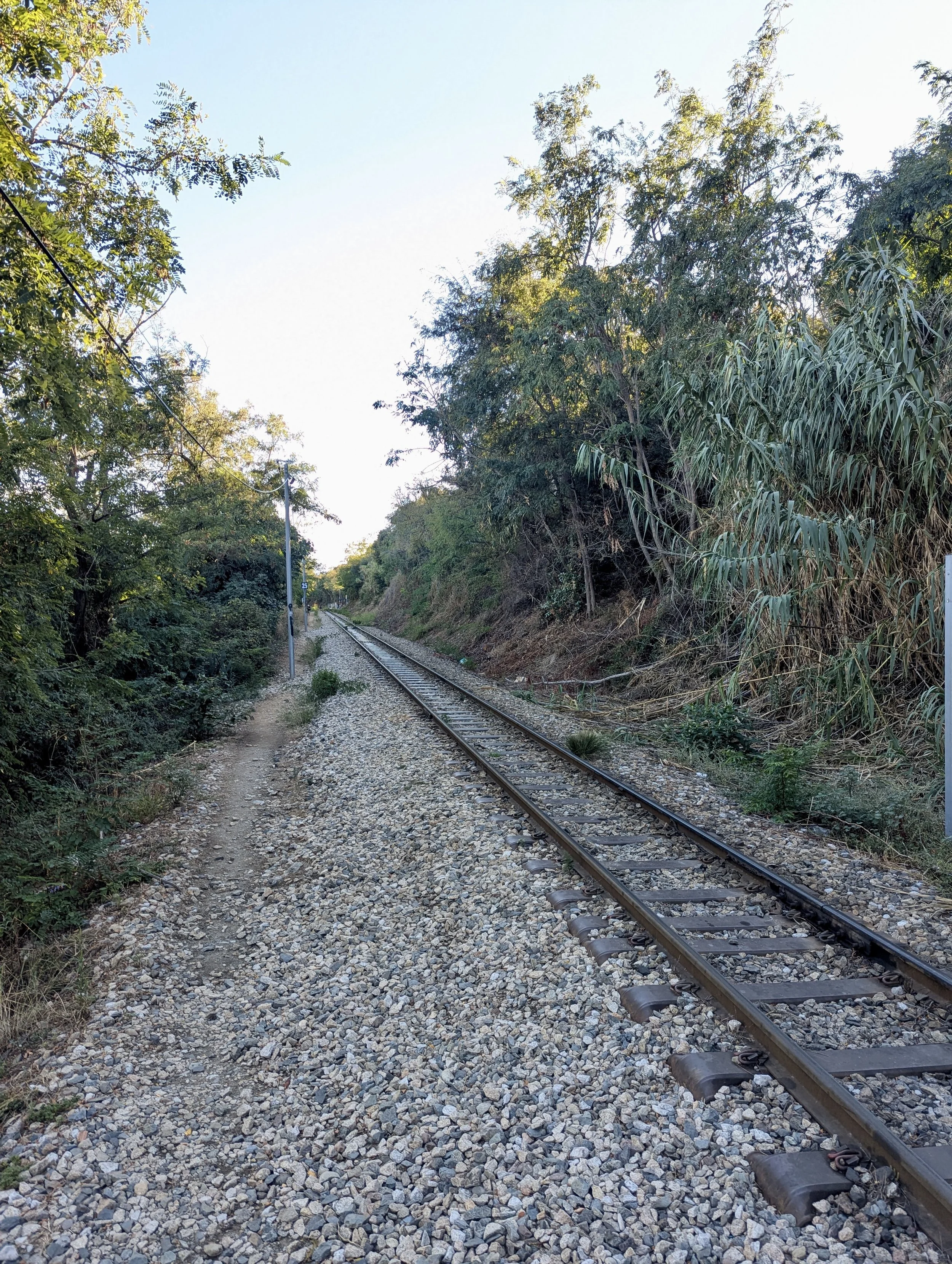
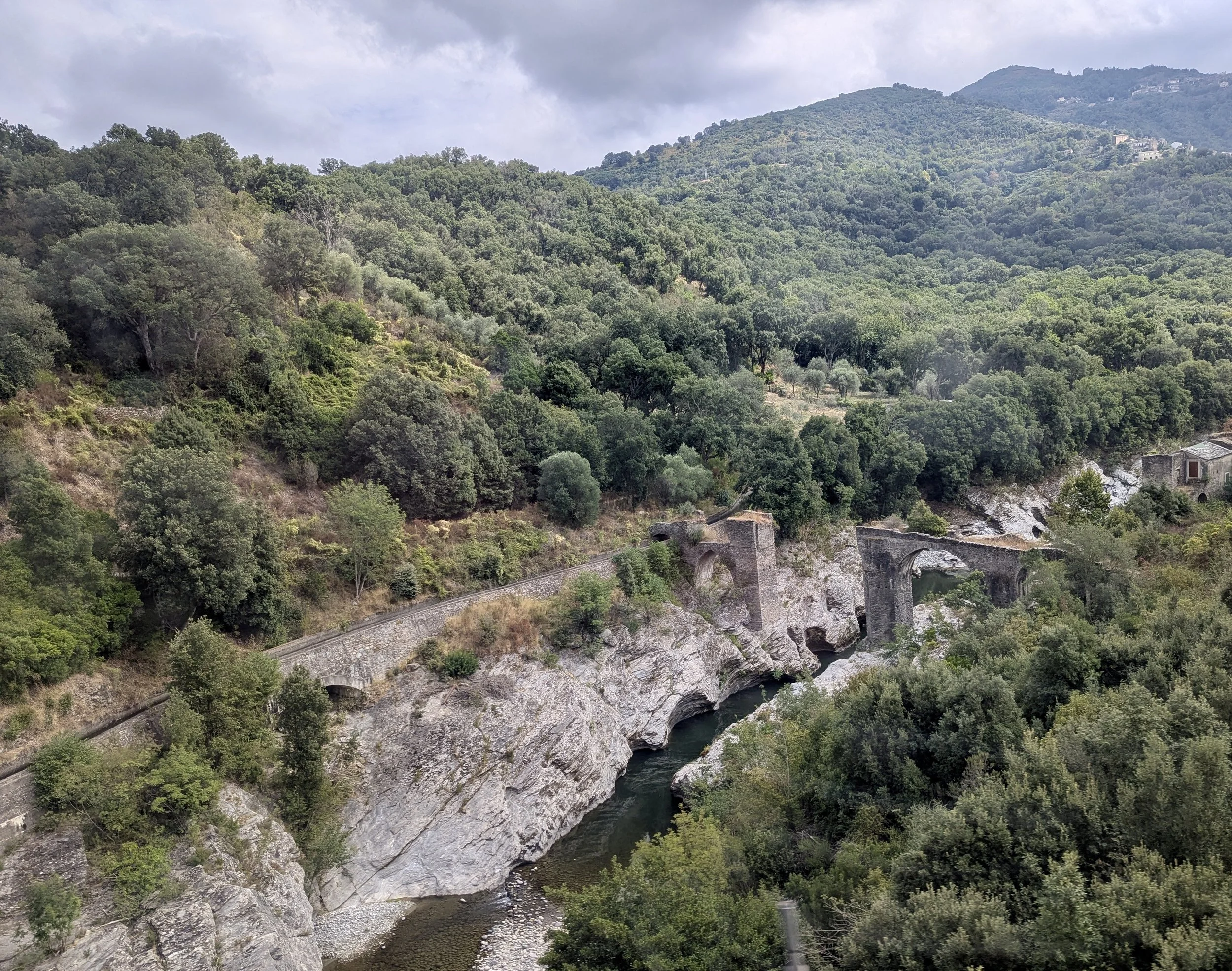
The train was small, only two cars with unassigned seating, and it made its slow, meandering journey across the island with many stops and lots of spectacular scenery. No cafe/bar car so bring food/drinks if you’re on a long trip, and just one bathroom. The route passes through the Parc Naturel Régional de Corse, a spectacular nature preserve with lots of hiking and camping (we picked up a lot of backpackers along this stretch) and many small, rural stops before reaching Bastia. About mid-way through it was packed with people standing or sitting on the floor.
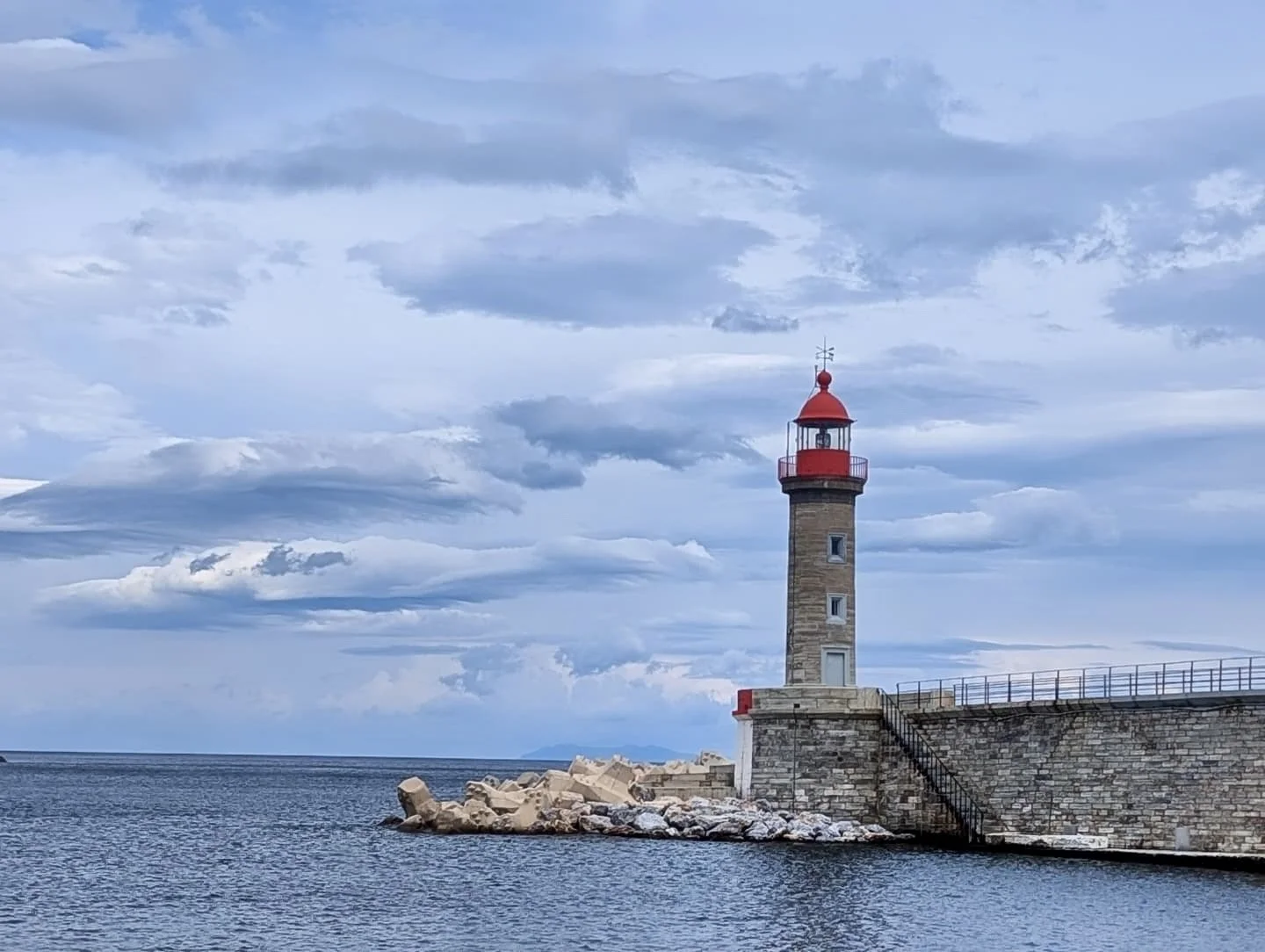
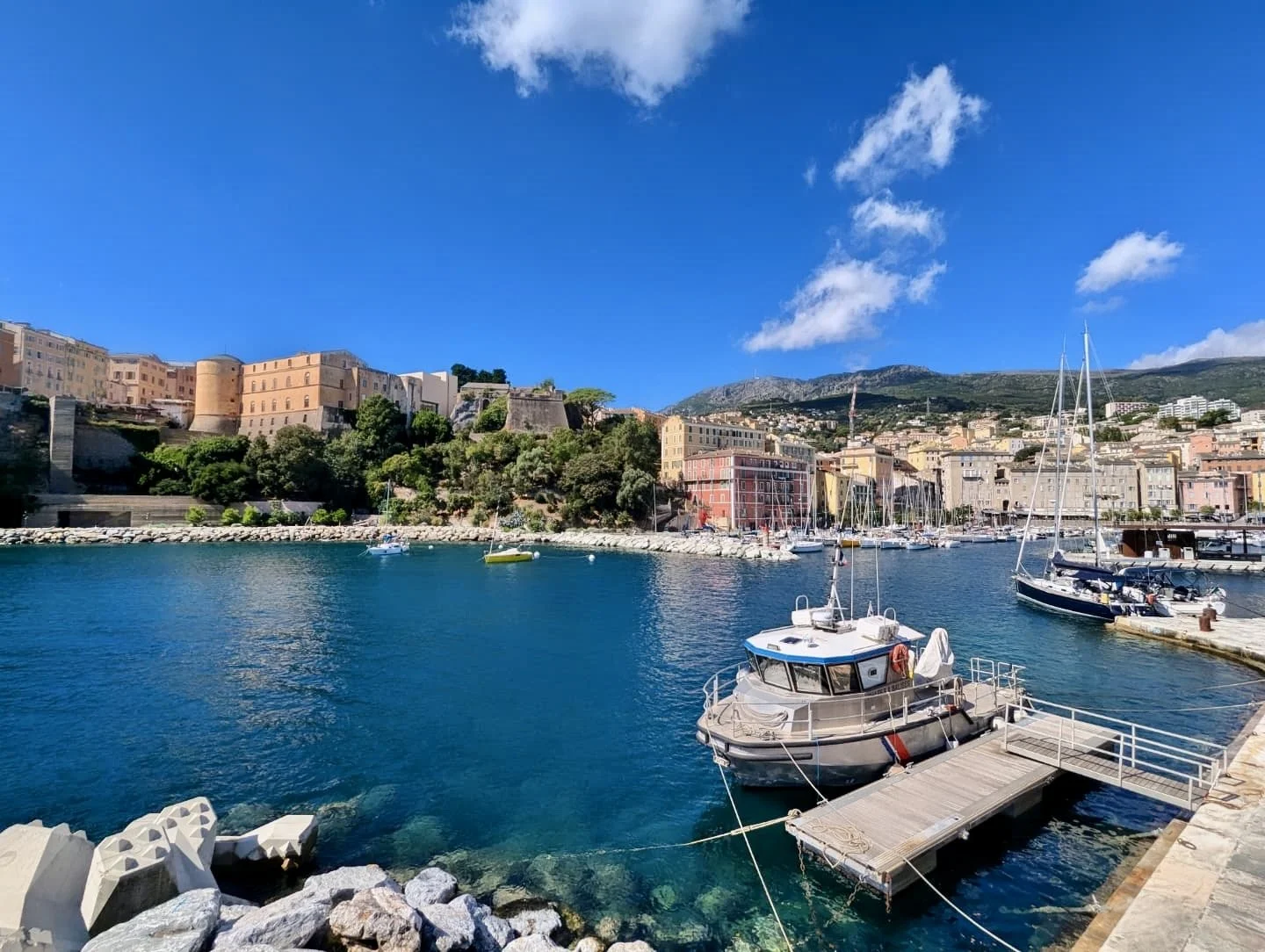
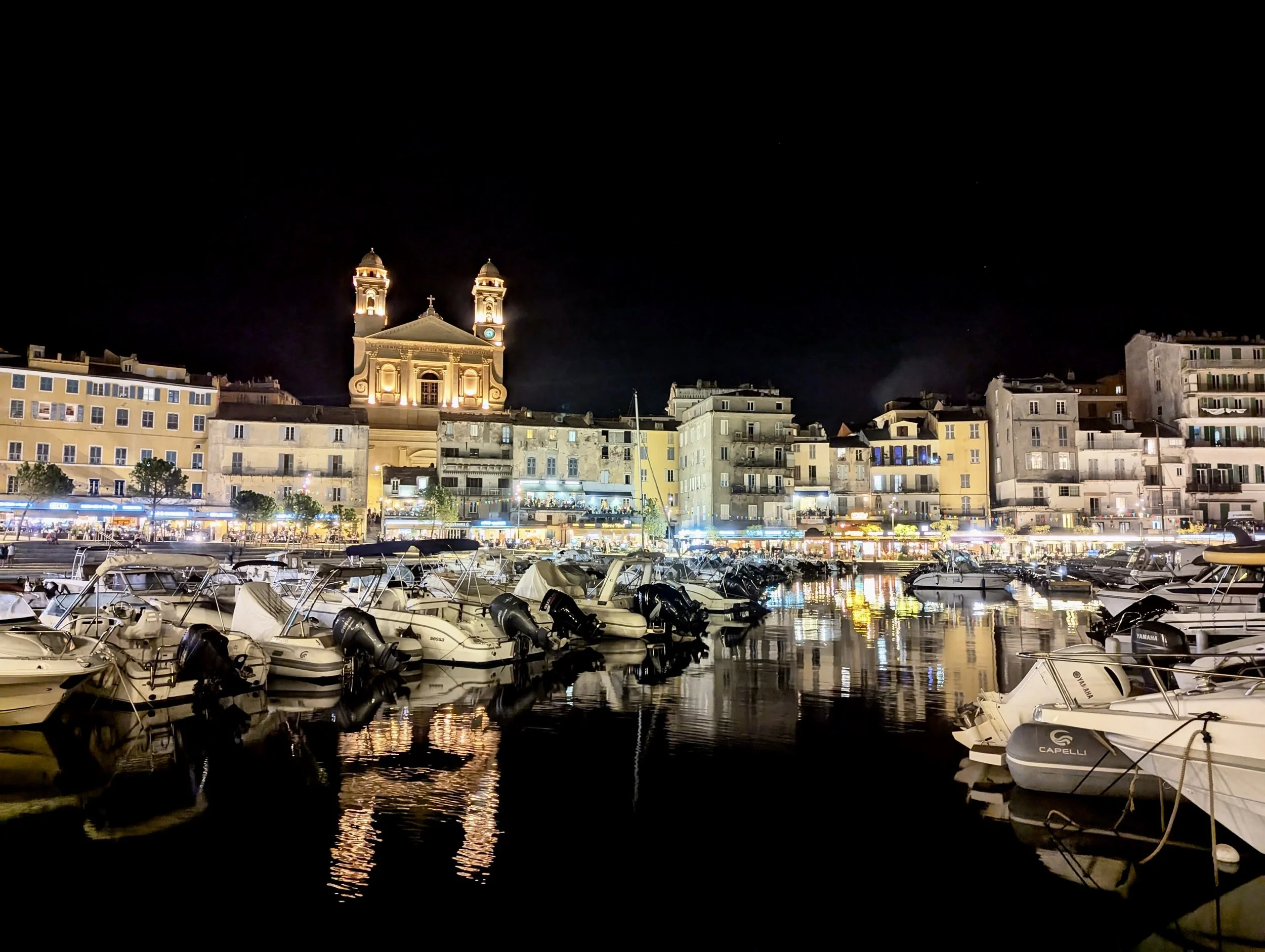
Vieux Port, Bastia
Corsican Cuisine
Corsican cuisine developed around the local ingredients and the island’s rugged terrain, so you’ll see a lot of pork (there’s a type of pig specific to Corsica known as cochon nustrale), goat, sheep, and seafood. The indigenous herbs that grow wild, called the maquis, flavor the meat of the animals who feed on it making for a distinctive taste. Local cheese brocciu is a must try, and the little cookies called canistrelli are nice treats and make for great edible souvenirs, flavored with lemon, anise, or nuts. They’re similar to biscotti and pair nicely with a coffee or a glass of dessert wine. Chestnut flour is another popular ingredient, since I don’t know where you could possibly grow wheat on such a mountainous landscape.
Corsica is right between France and Italy, and while it’s currently French, its Italian heritage is simmering just below the surface, with plenty of great Italian restaurants (we were headed to Italy right after this, so we stuck to non-Italian restaurants and dishes since we’d be gorging on pasta soon enough).
From what I say, very few restaurants or cafes have websites (some have an Instagram or Facebook account), so making dinner reservations will either require a call, or just cross your fingers and pop in. Most places we saw weren’t too busy, but we were there mid-week in the shoulder season, so if there’s a place you HAVE to go it would be worth calling ahead, especially during high season.
Bastia has a marché on Saturday and Sunday mornings, 8:30 - 12:30. We were there mid-week, so we missed out, but I suspect it would have featured similar products to we saw at the Ajaccio marché.
Places We Ate
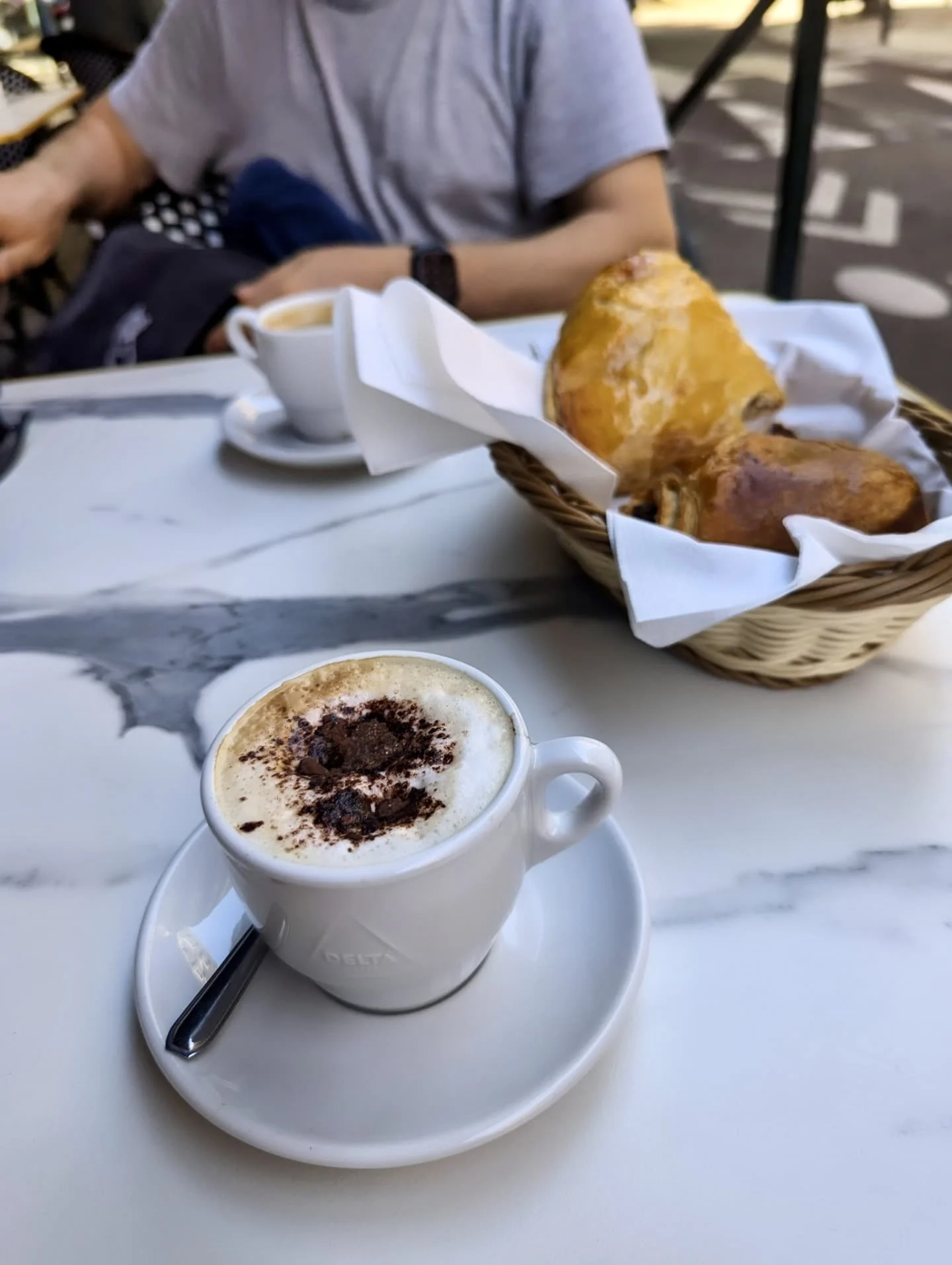
Boulangerie Au Blé d'Or, 7 B Av. Emile Sari - this was a great discovery after our first morning’s so-so breakfast at one of the tourist-laden cafes near our hotel - filled with locals and a serviced by a woman who corrected my French pronunciation (I truly appreciate when people do that) we spent our second and third mornings here, enjoying the comings and goings of people stopping in for a quick coffee and cigarette while greeting their neighbors before heading off to work. Coffee was great, as were the pastries, and we grabbed some lunch things for a picnic later in the day, all excellent.
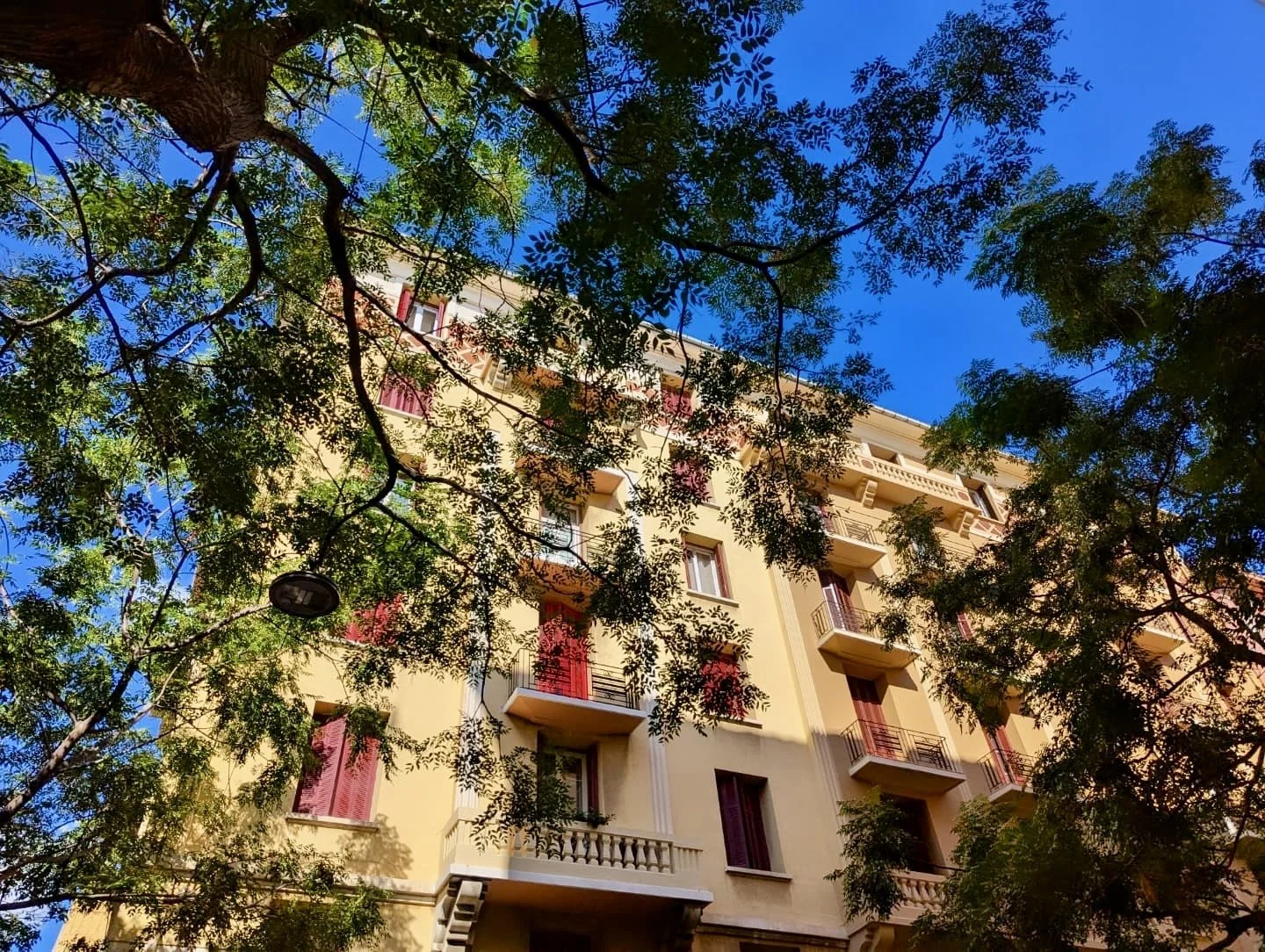
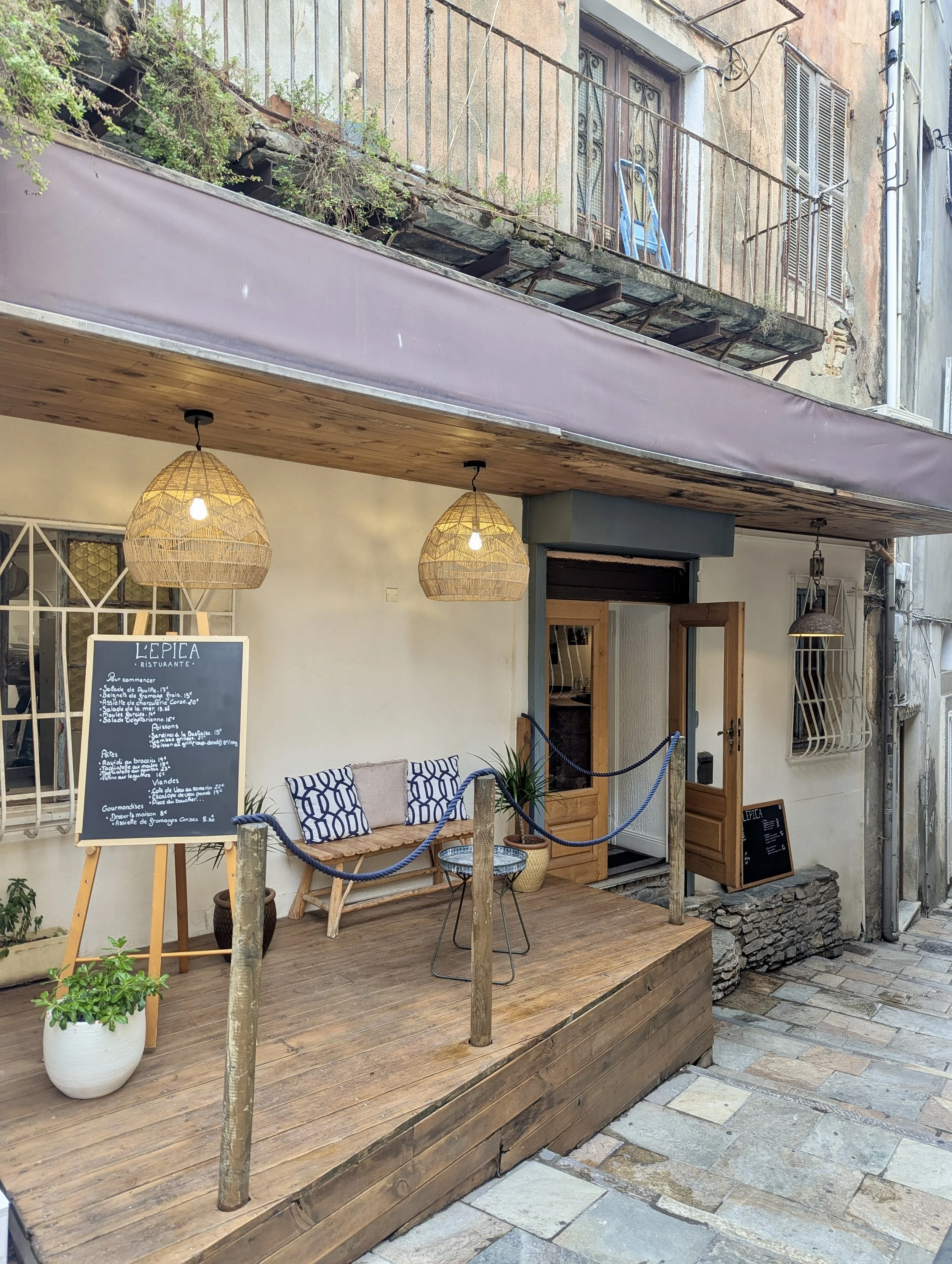
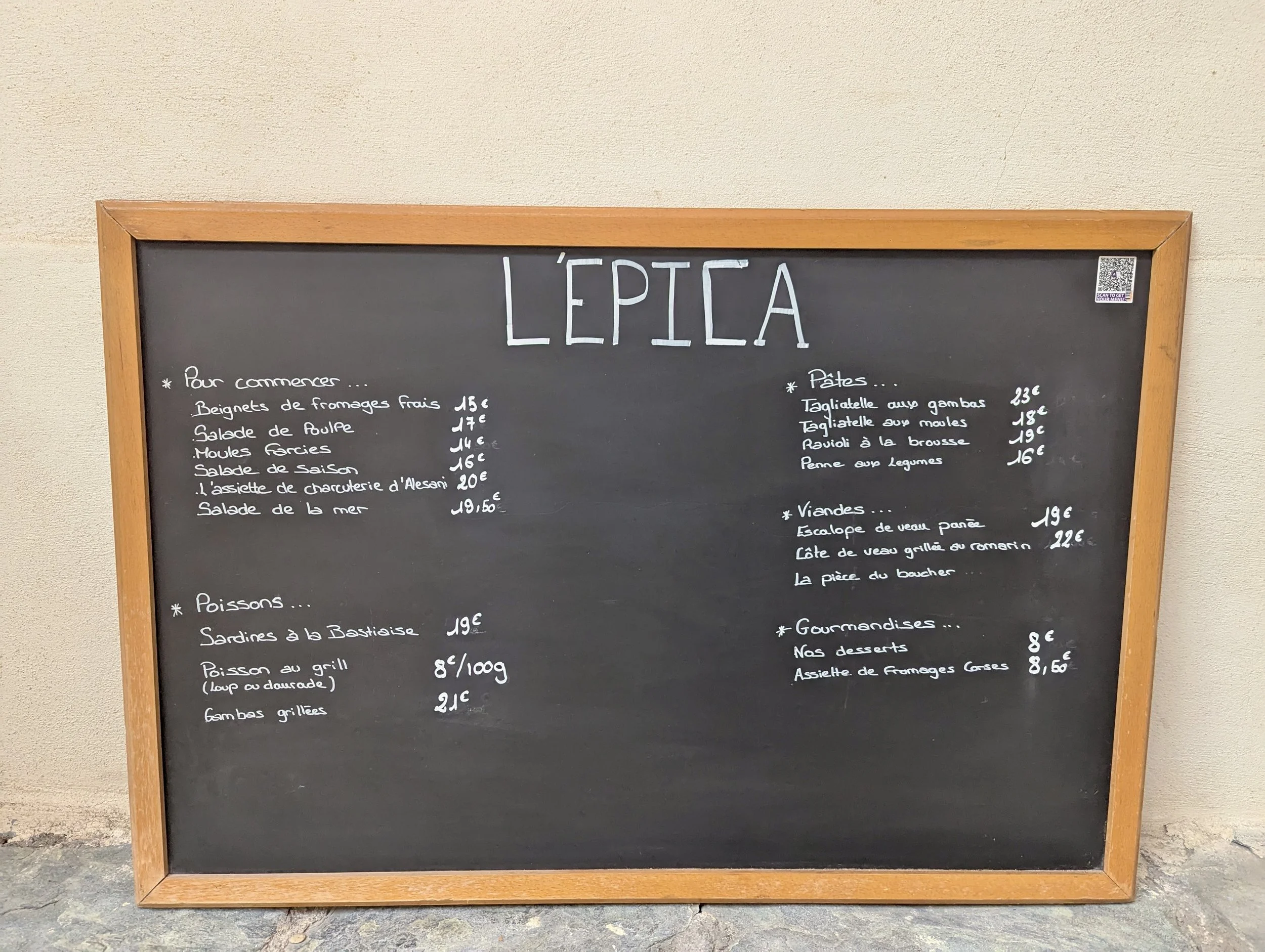
L'Epica, 2 Rue de la Marine is a small, pretty Corsican restaurant back behind the Vieux Port. We had a nice lunch there, with great seafood and a nice bottle of local wine. The service was indifferent; I got the impression that our young server had been pressed into service and had other plans for her afternoon, but it was fine, and the food was lovely. There’s a sweet little balcony with just a few tables with views out over the port.
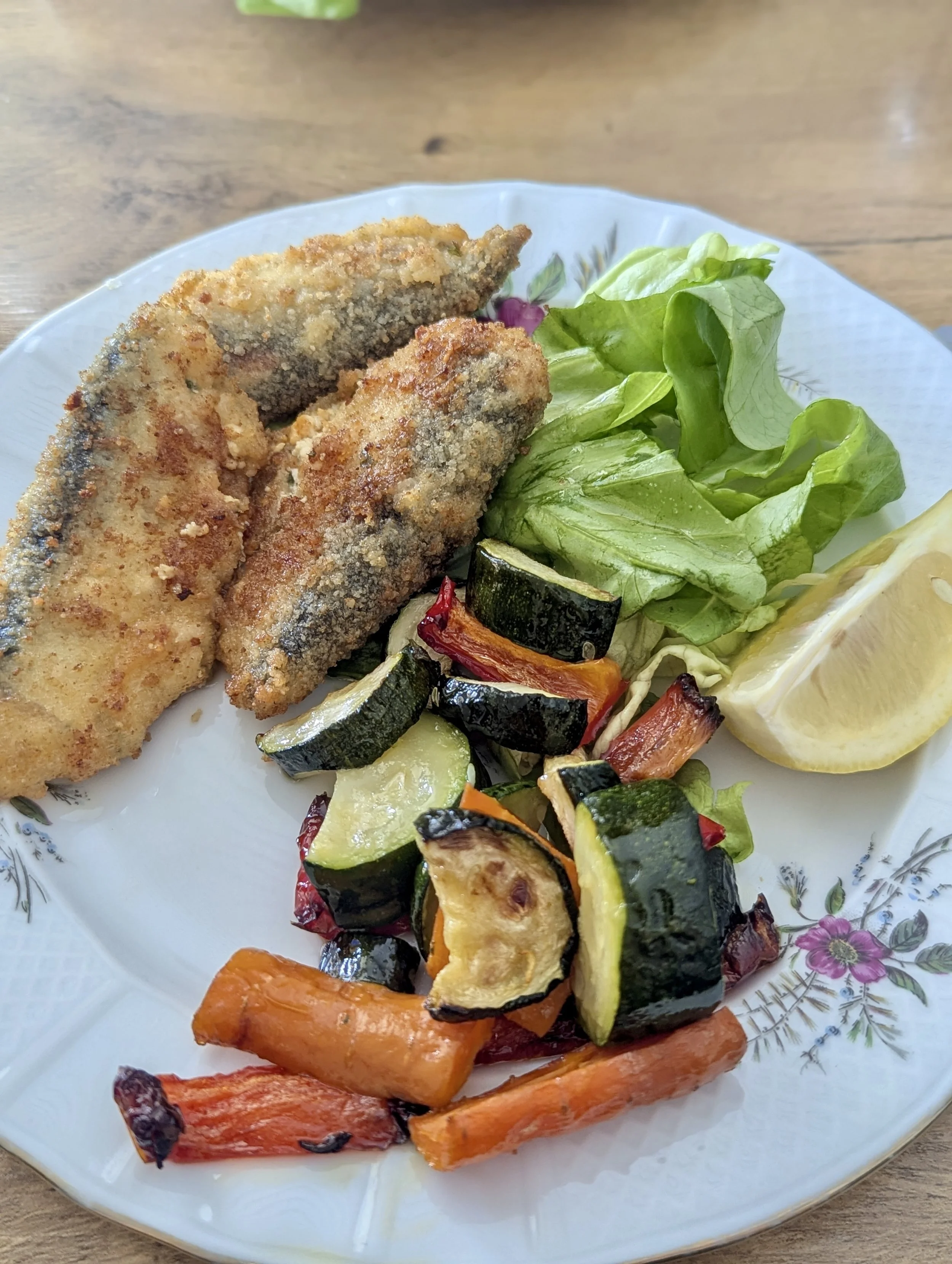
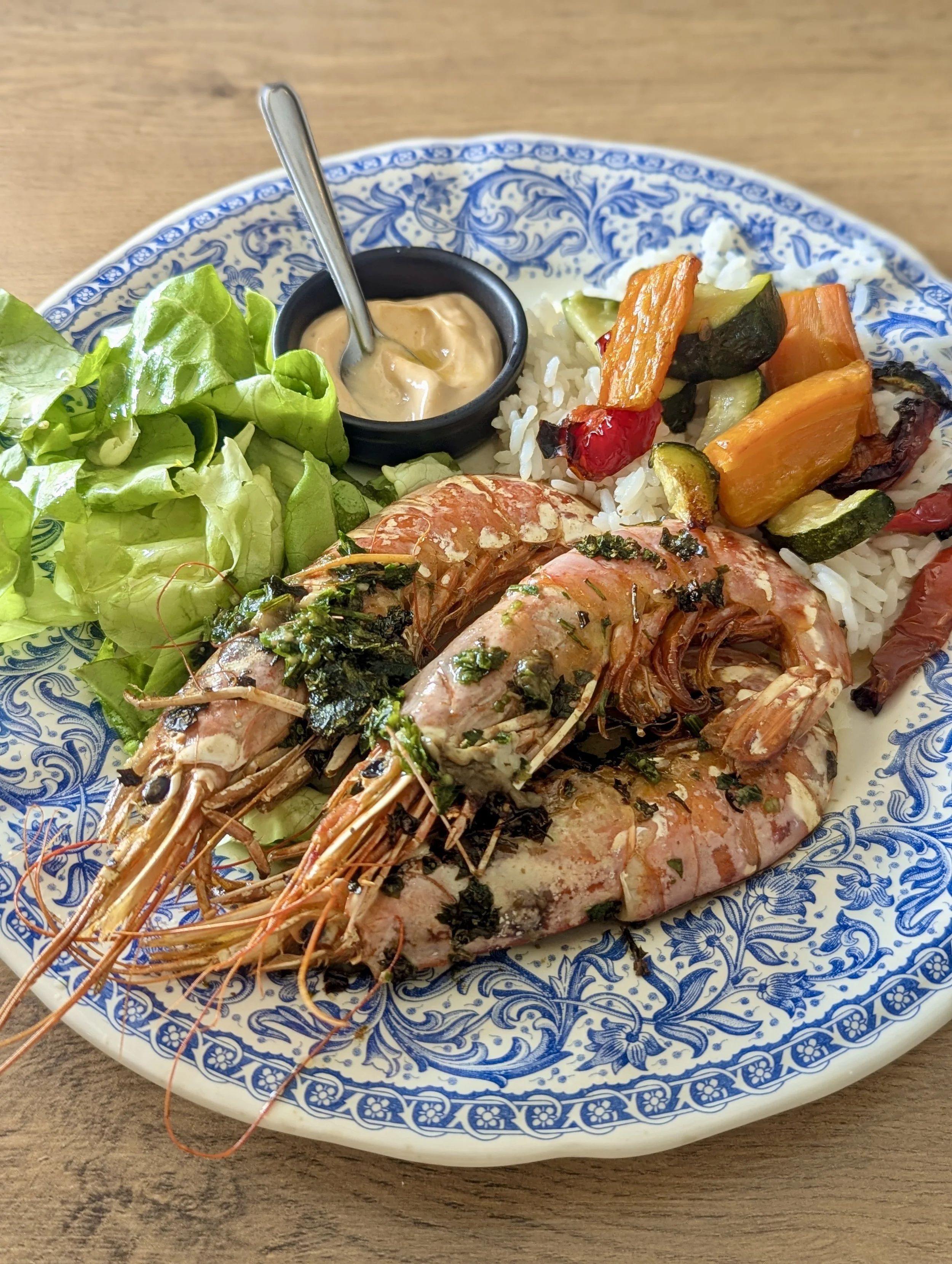
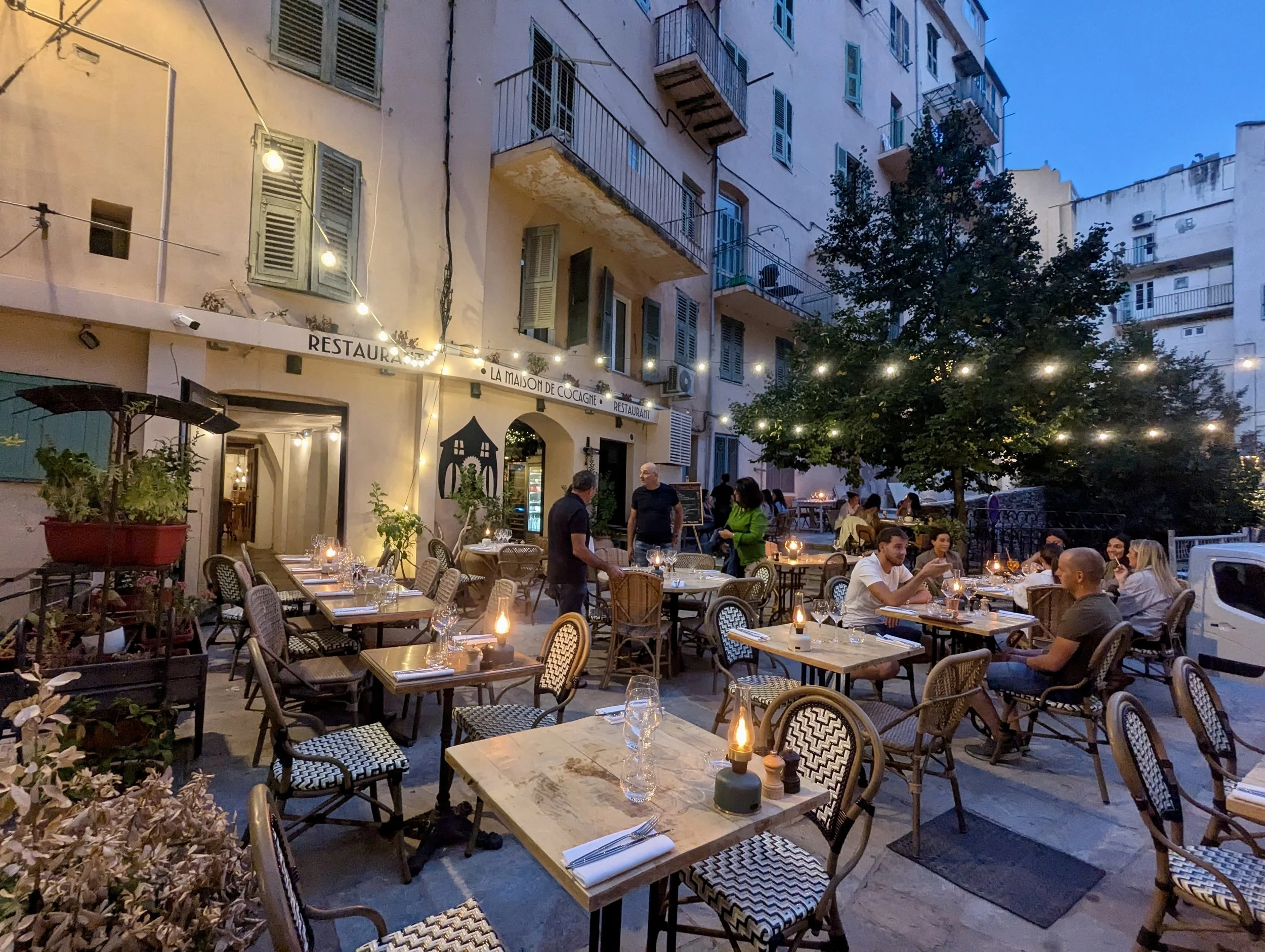
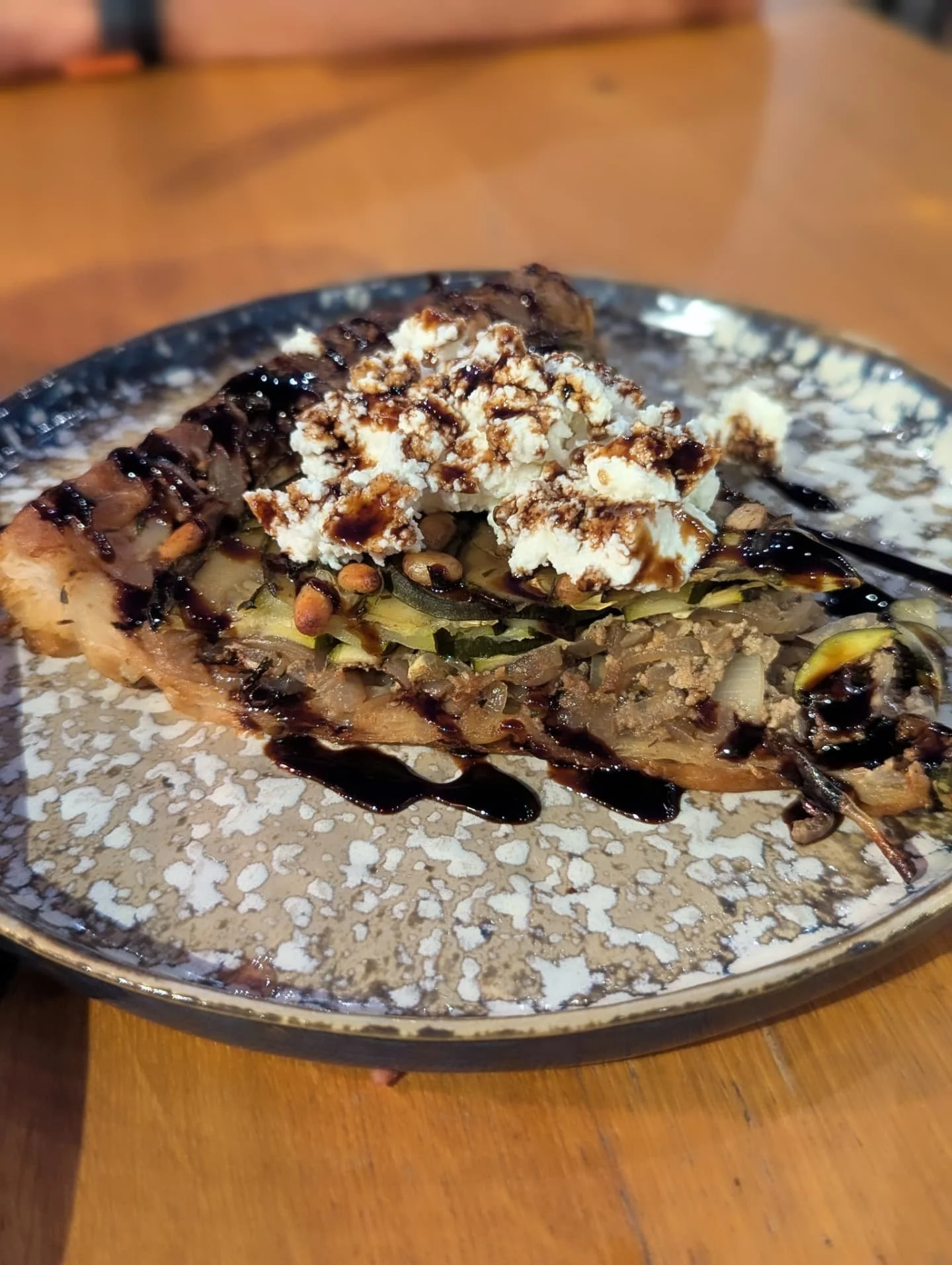
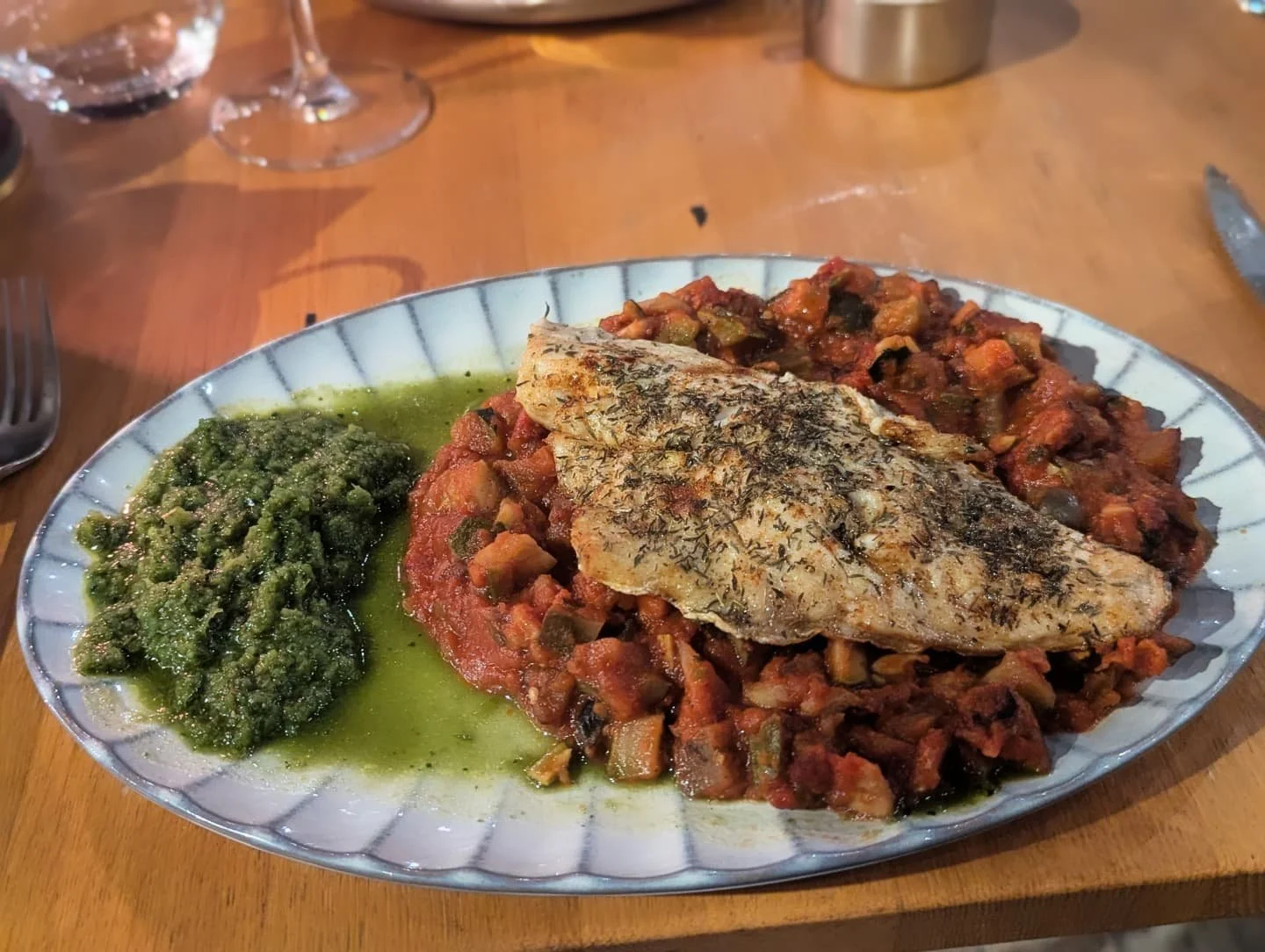
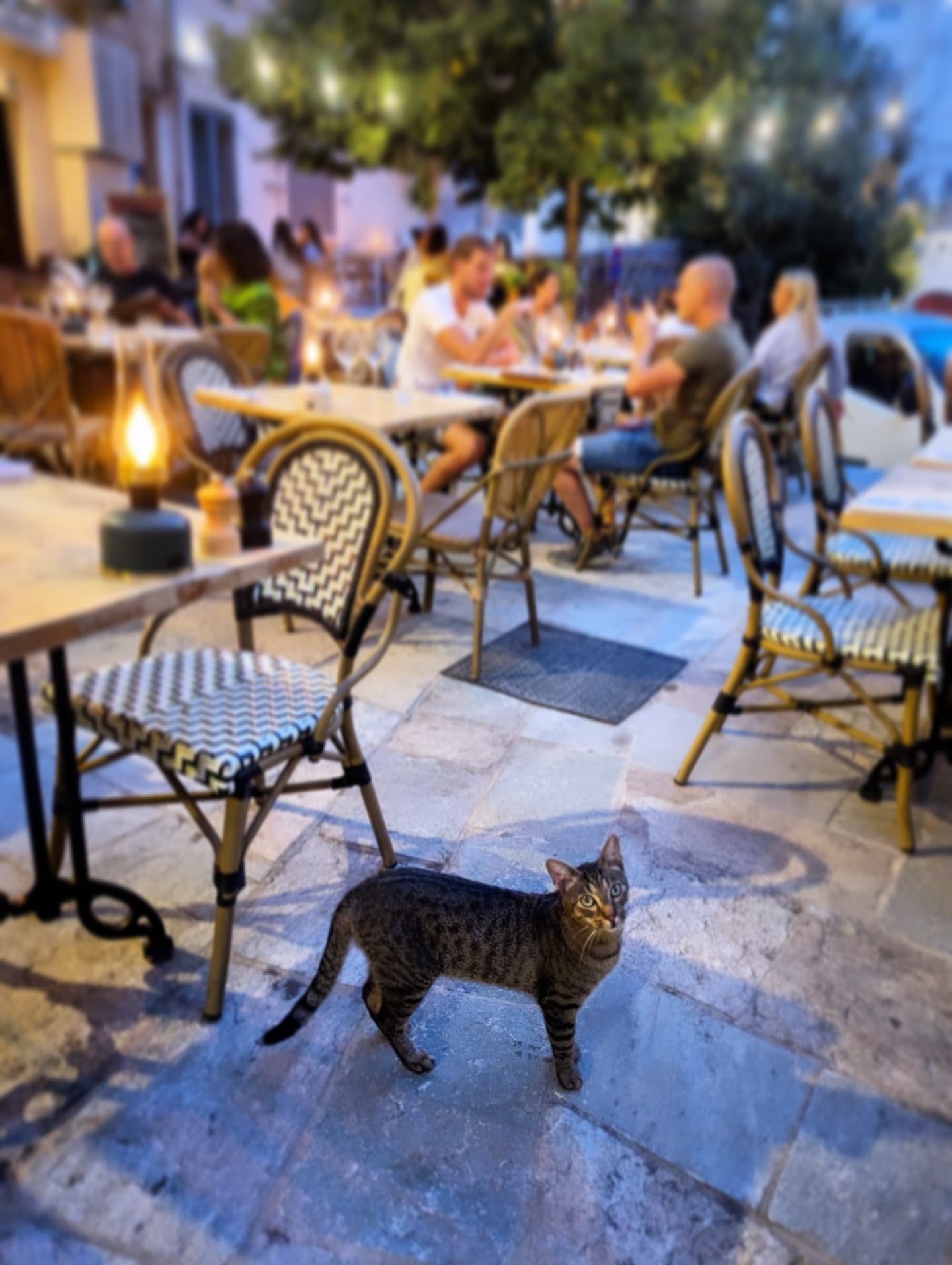
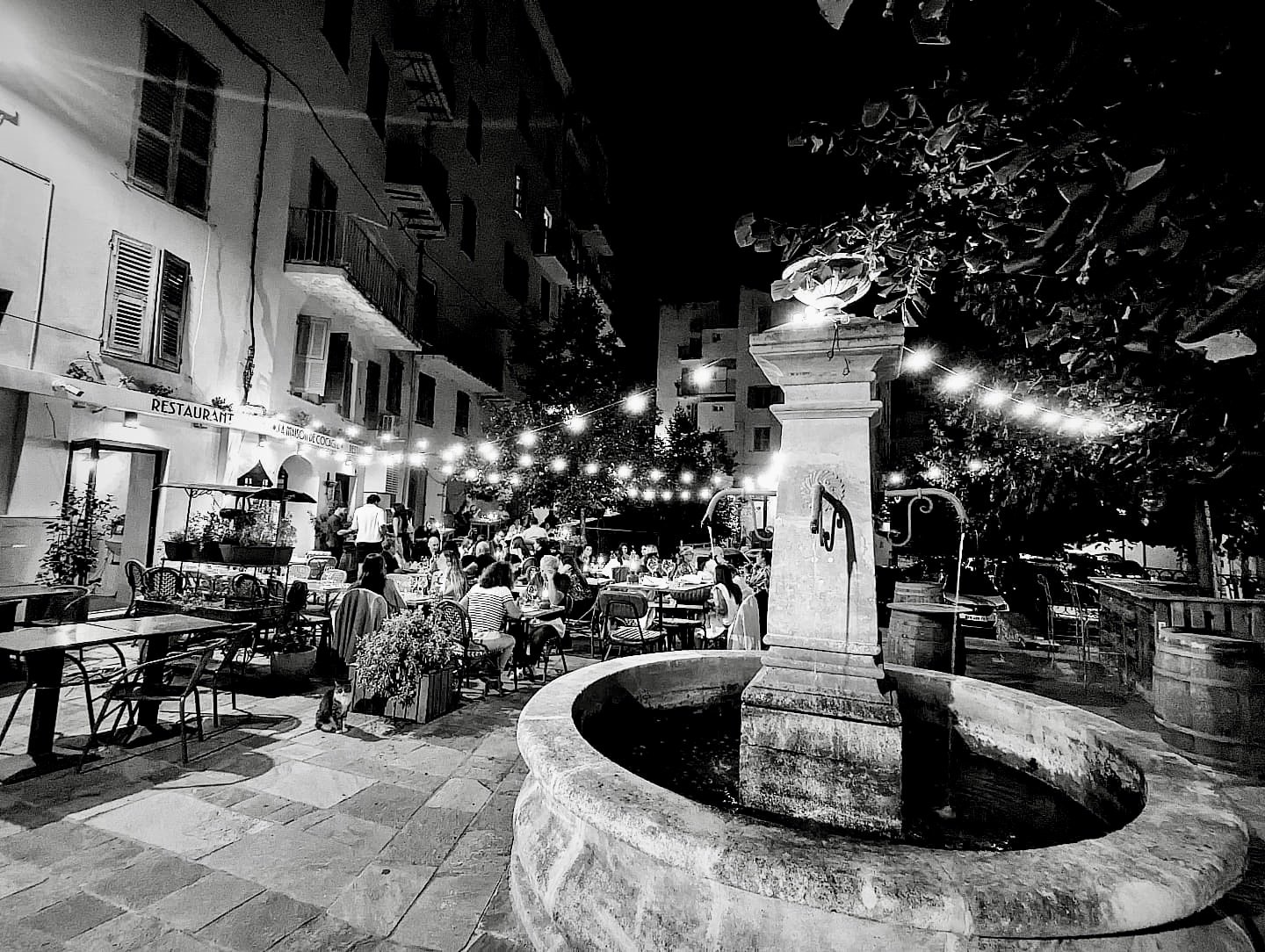
La Maison de Cocagne, Rue Vattelapesca is an elegant Corsican restaurant close to the Vieux Port but far enough away to be a little bit off the main tourist path, and it was the spot for what was hands-down our best dinner. (FYI, cocagne means plenty in French, NOT cocaine.) The place was packed and we managed to snag a table outside under the string lights, next to the fountain. All the surrounding tables were filled with larger groups of locals, some that appeared to be at least three generations. Service was the best we’d experienced in Bastia, professional and helpful. Portions are HUGE, so be warned - we had two entrees to share (the tarte tatin salée with courgettes and brocciu cheese, and the petits farcies au brocciu, and then each ordered a plat (the fish of the day with ratatouille and pepper gazpacho, and the cordon bleu maison with pasta). The entrees were delicious, but once our plats came out it was clear that we’d made a serious tactical error. The fish and ratatouille was a large portion, but the cordon bleu was HUGE, like it could have been a main course for a small family. And the pasta was an entire main course size as well. There was no chance that it was going to get finished, I can’t think of a person I know who could have cleaned that plate, even without the starters. I hate to waste food, and the European custom of no doggie bags usually isn’t a problem because portion sizes are generally scaled to be manageable for a hungry adult, but this was a sad case of having to leave a lot of good food on the table. Sadly, we weren’t able to try the desserts due to being STUFFED.
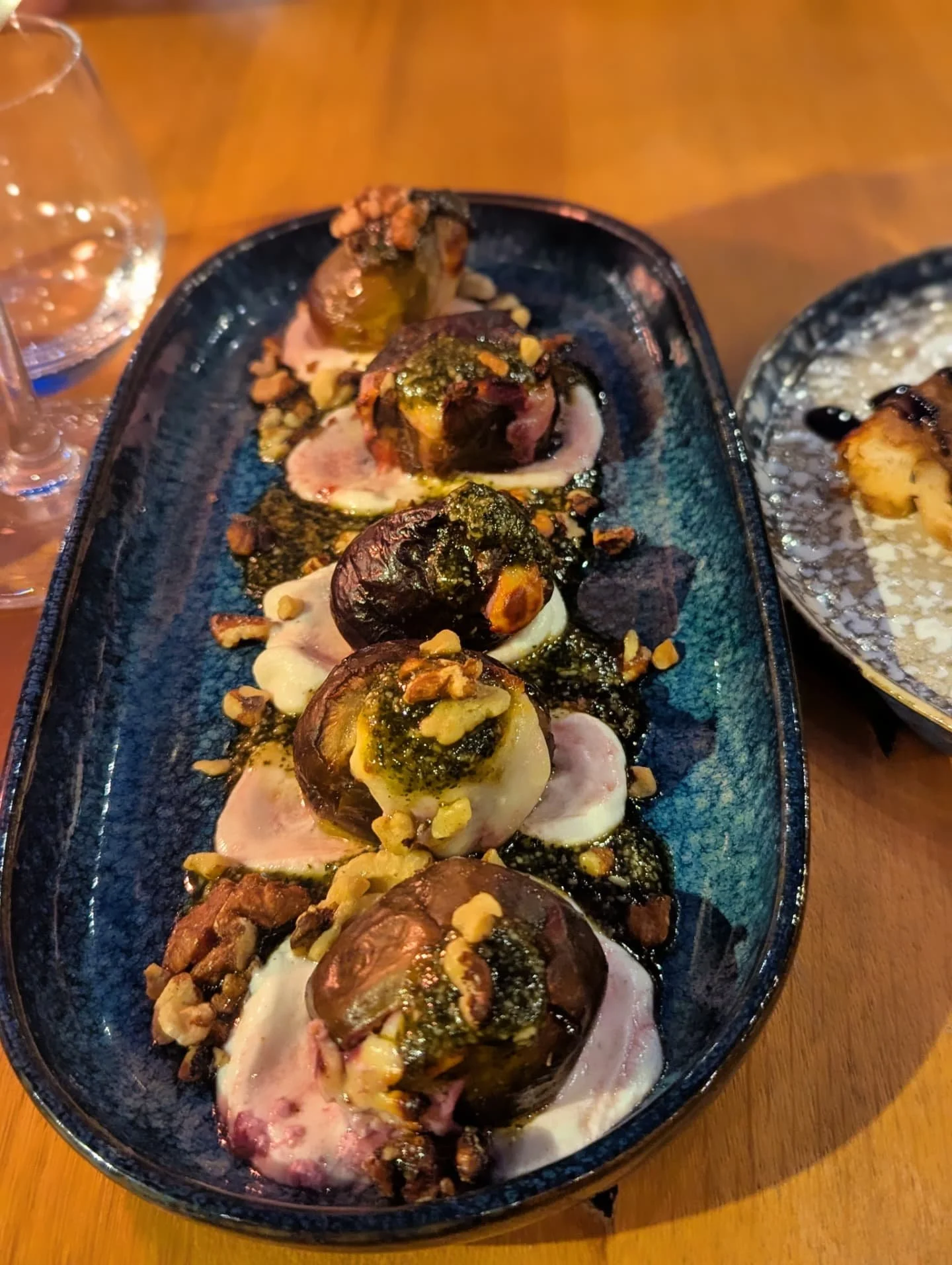
We picked up some treats at A Cantina San Roccu, a great restaurant with a little wine/grocery section, near the Place du Marché. Some canistrelli for us and some dried maquis herb mix for a gift came home with us. It looked like a fun place to either grab dinner or a glass of wine, and we made a mental note to come back (which we sadly didn’t).
After perusing the restaurants along the Vieux Port we kept going. They all had pretty good ratings but the offerings seemed pretty similar for the most part, and definitely geared toward tourists (all day service, giant menus in multiple languages, more fast food and pizza). It’s an unfortunate fact that a lot of restaurants with a great view in a prime location can do very well without their food being all that great, and also charge a premium for location. There were some places that seemed like exceptions (Le Divino looked like a really nice seafood restaurant, and there was a Vietnamese place and a sushi place for a change of pace).
Do-Over
If I did the trip over (assuming we had the same amount of time) I’d stay the bulk of the time in Ajaccio where we could explore the city and some of the nearby beaches, then take the train overland to Bastia for the final night before the ferry to Italy. If I was redoing the trip completely, I’d plan for a few more days and stay in Ajaccio the first day/night, rent a car, drive to Bonifacio in the southeastern part of the island, and drive around the island, visiting some of the iconic beaches and the national park in the center of the island before dropping the car in Bastia, then leaving from there. I can’t say I’d never go back, but it’s not at the top of the list at the moment.
Around Bastia
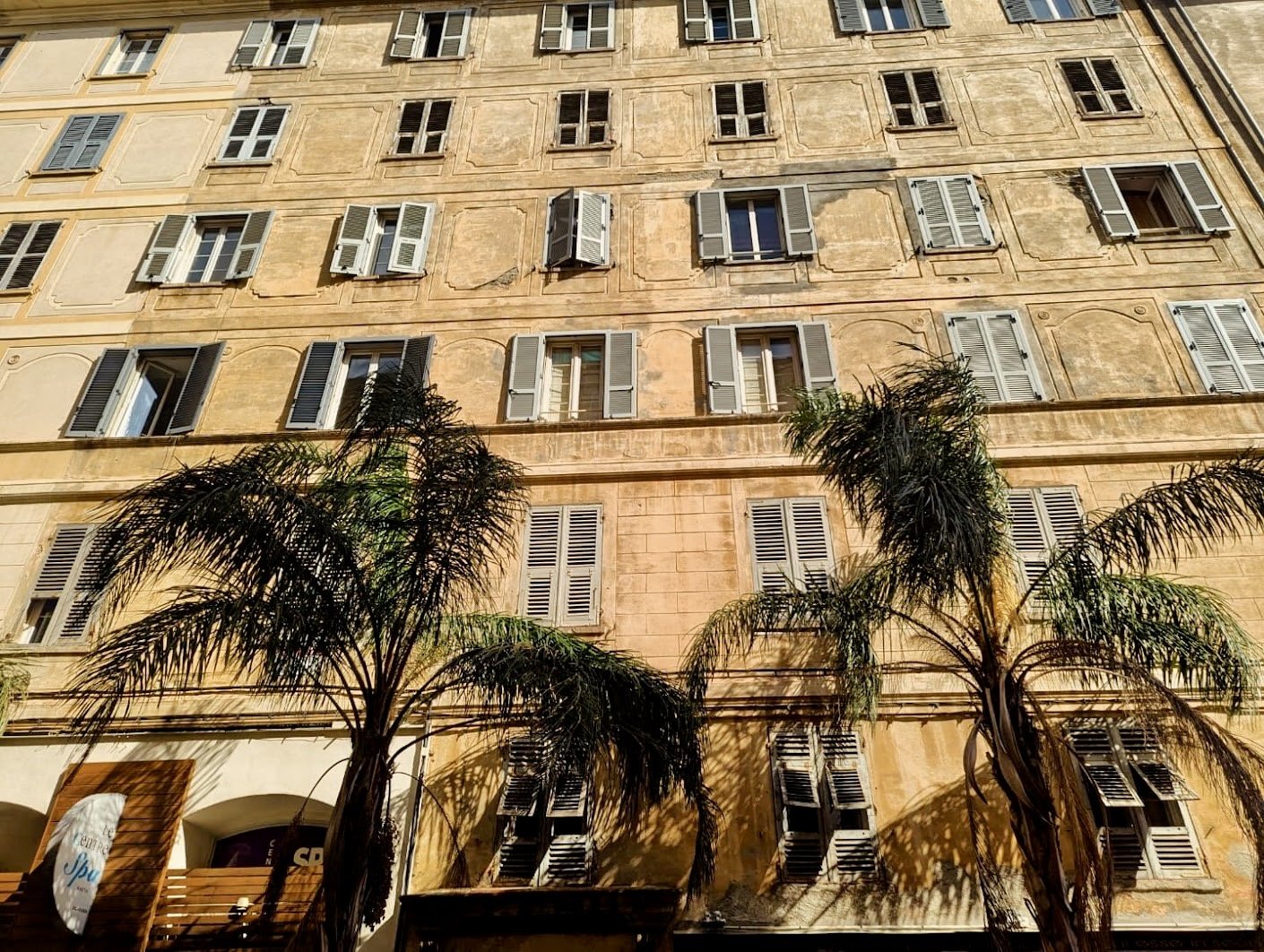
Our train arrived in Bastia around 15:00 and we had a short walk into town, where we easily found our hotel. After checking in and getting settled, we headed out to explore in the slightly drizzly afternoon. It’s a pretty town on the coast, the second largest in Corsica, with a picturesque old port (Vieux Port) and a large, modern port for ferries, cruise ships, and freighters The historic center is very walkable with lots of beautiful churches, cafes, restaurants, and shops. It can be broken into easy areas to explore the main attractions: the historical center of town, the Vieux Port, the area surrounding Place Saint Nicolas, and the area around Musée de Bastia/Museu di Bastia on the top of the city walls/Citadel area. It’s definitely touristy, and it takes some effort to get off the beaten path as far as finding good restaurants and cafes catering to locals. It’s an easy town, though, and our full three days there felt like a day too long; there’s just not that much to do. There are a lot of other tourists, but no large tour groups, at least none that we saw; cruise ships can dock but there weren’t any in port during our stay. Most of the tourists we saw were French and German; we didn’t see any other Americans, or even any other English-speakers.
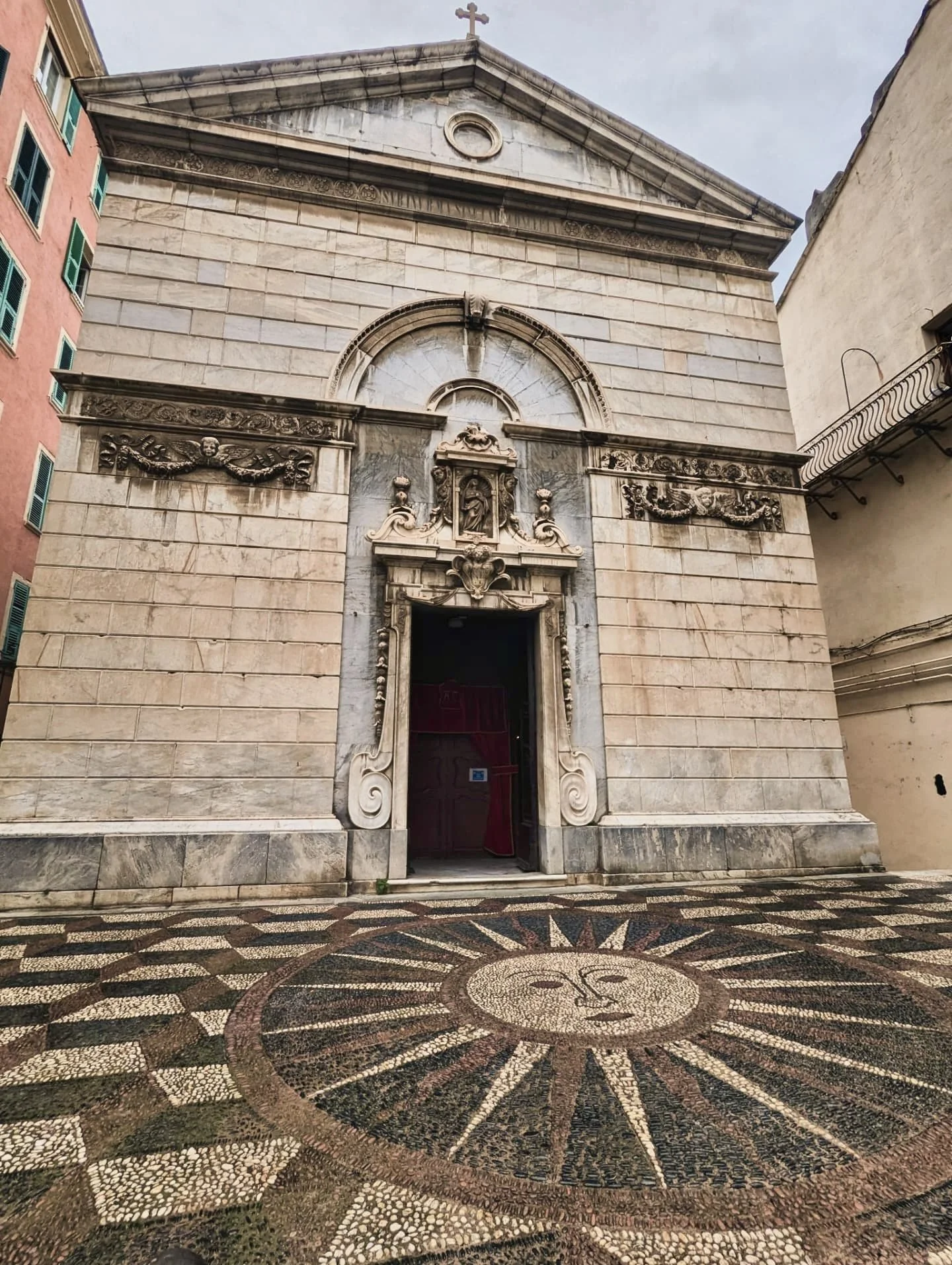
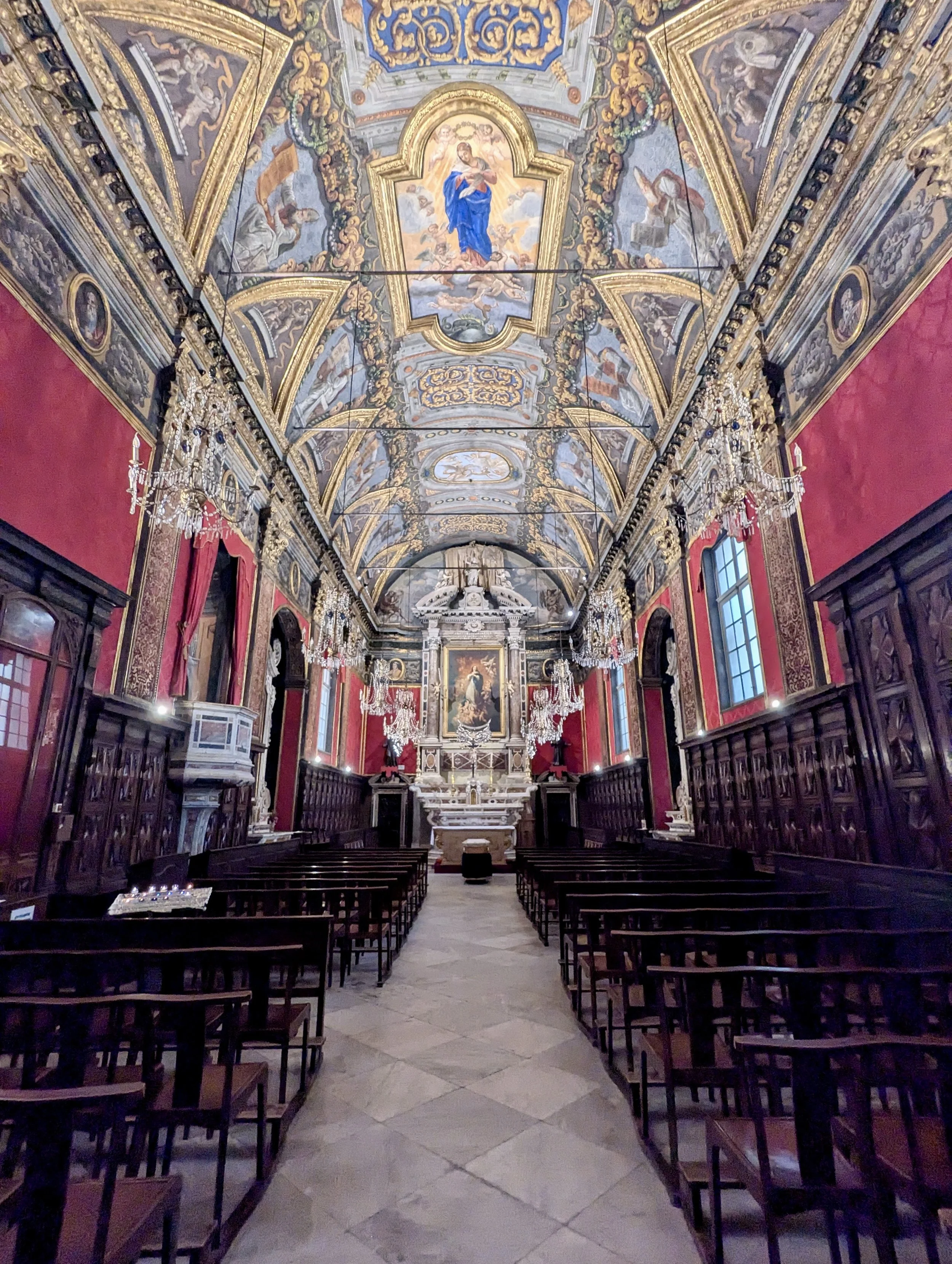
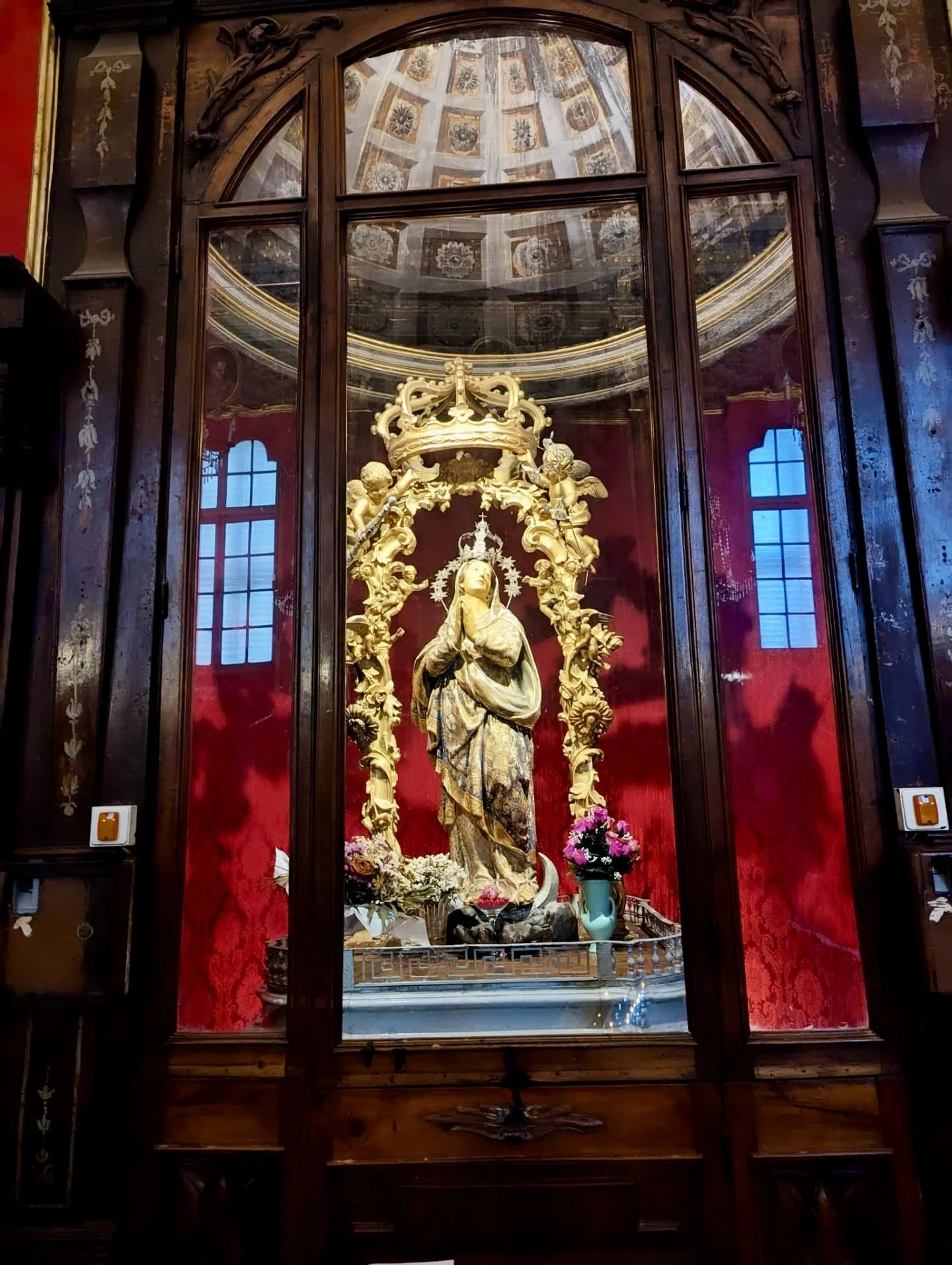
And. . . I saw a dead body. Our first morning in town, right after grabbing breakfast, we were walking around and we popped into a little chapel we’d passed the night before, the Oratoire de l’Immaculée Conception - A Cuncezziò. It was small but gorgeous, with really ornate decorations, and we had the place to ourselves. As we were exploring, I walked toward the front to get a better picture of the alter, and as I got closer I realized that there was something at the front wasn’t part of the alter, but an open casket with the body of an old man inside. The church was totally deserted, but open and accessible (it’s not like we broke in or dodged a guard). Apparently it was just there for people to view, as there was no funeral about to start, nobody standing vigil, no sign with the man’s name and date of birth and death. Just hanging out. We left immediately; that was not on my to do list. Later in the day we passed the chapel and there were a lot of people in black suits, so the either the funeral was about to start or more people were arriving for the wake.
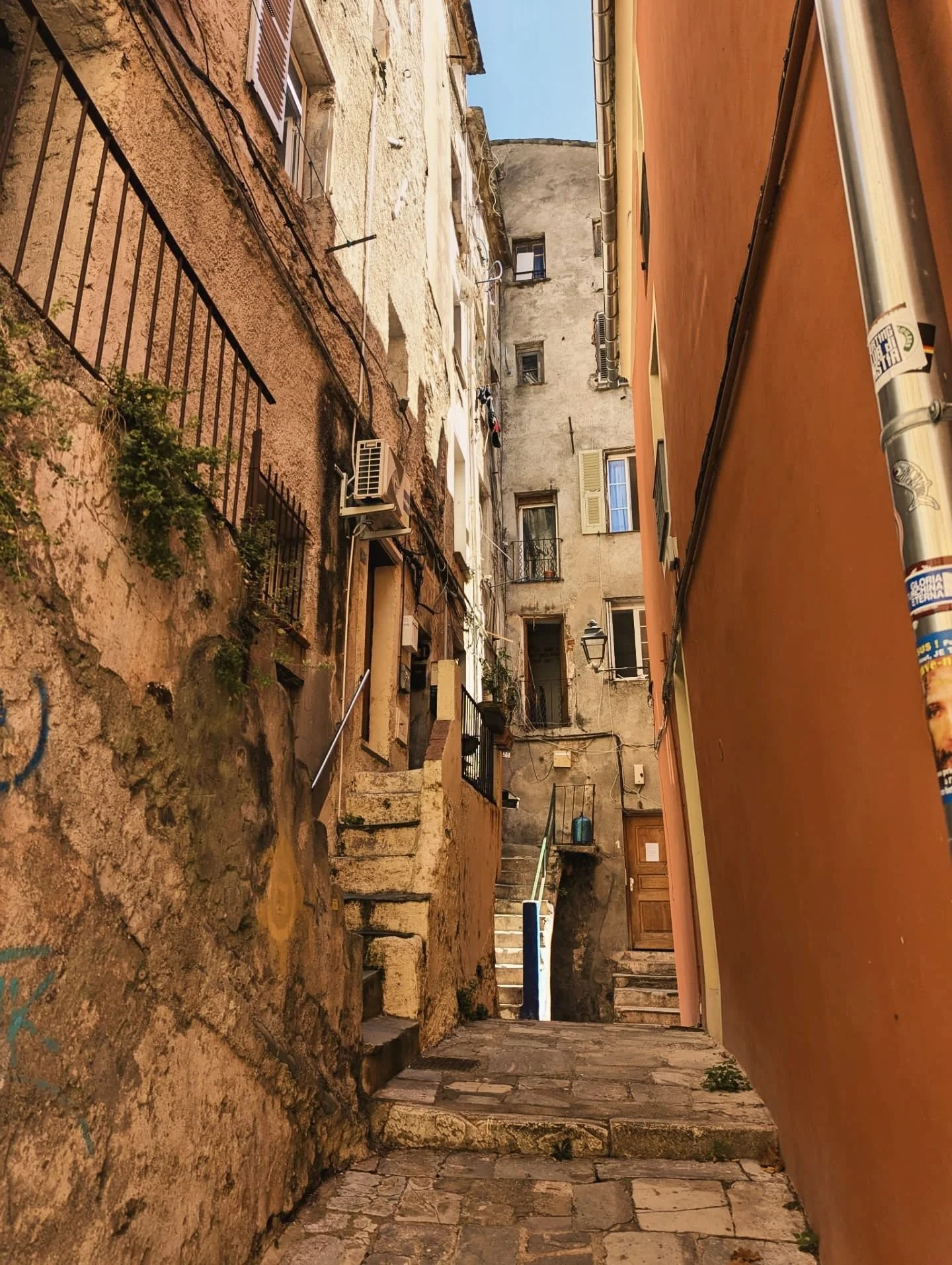
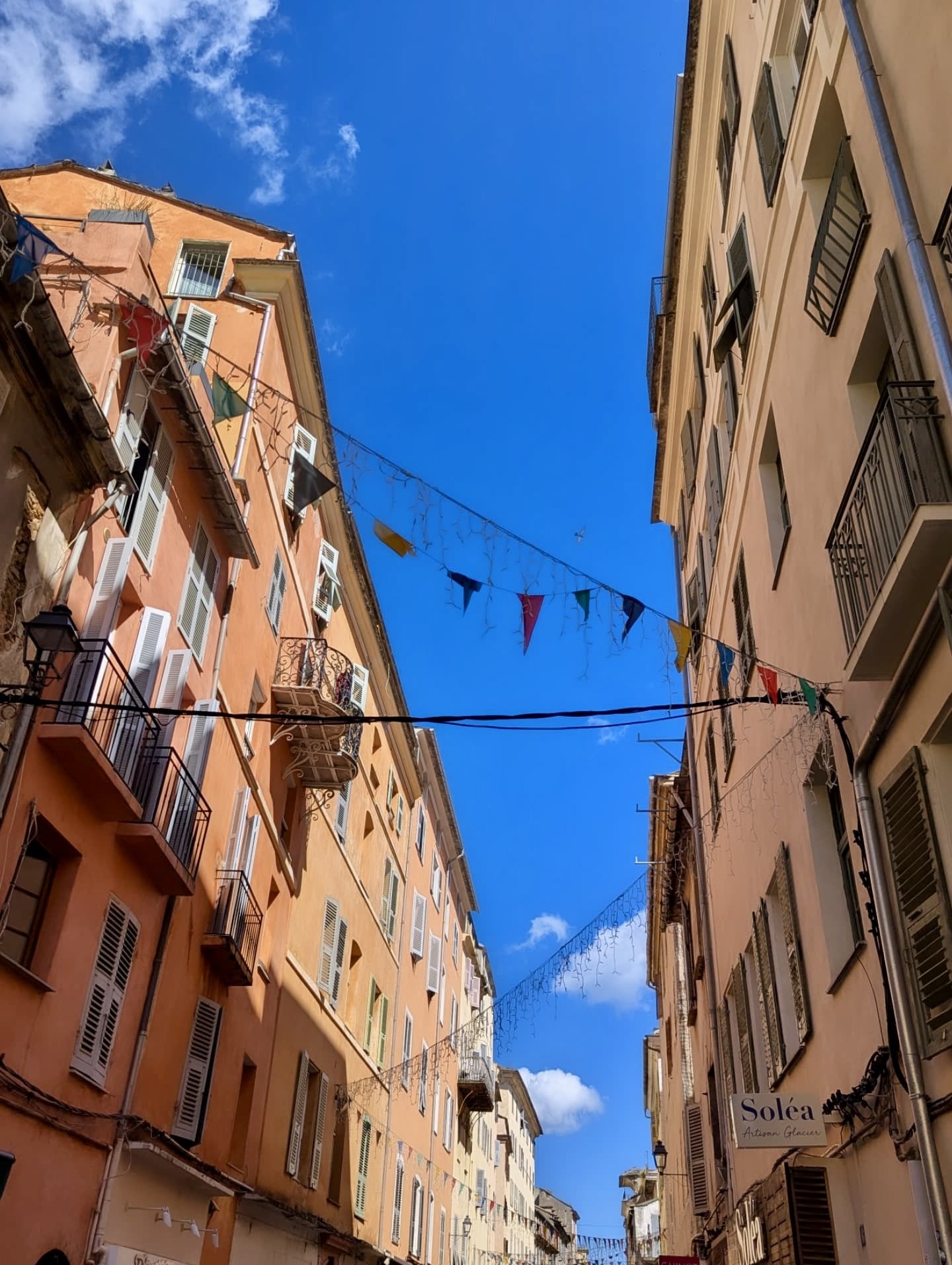
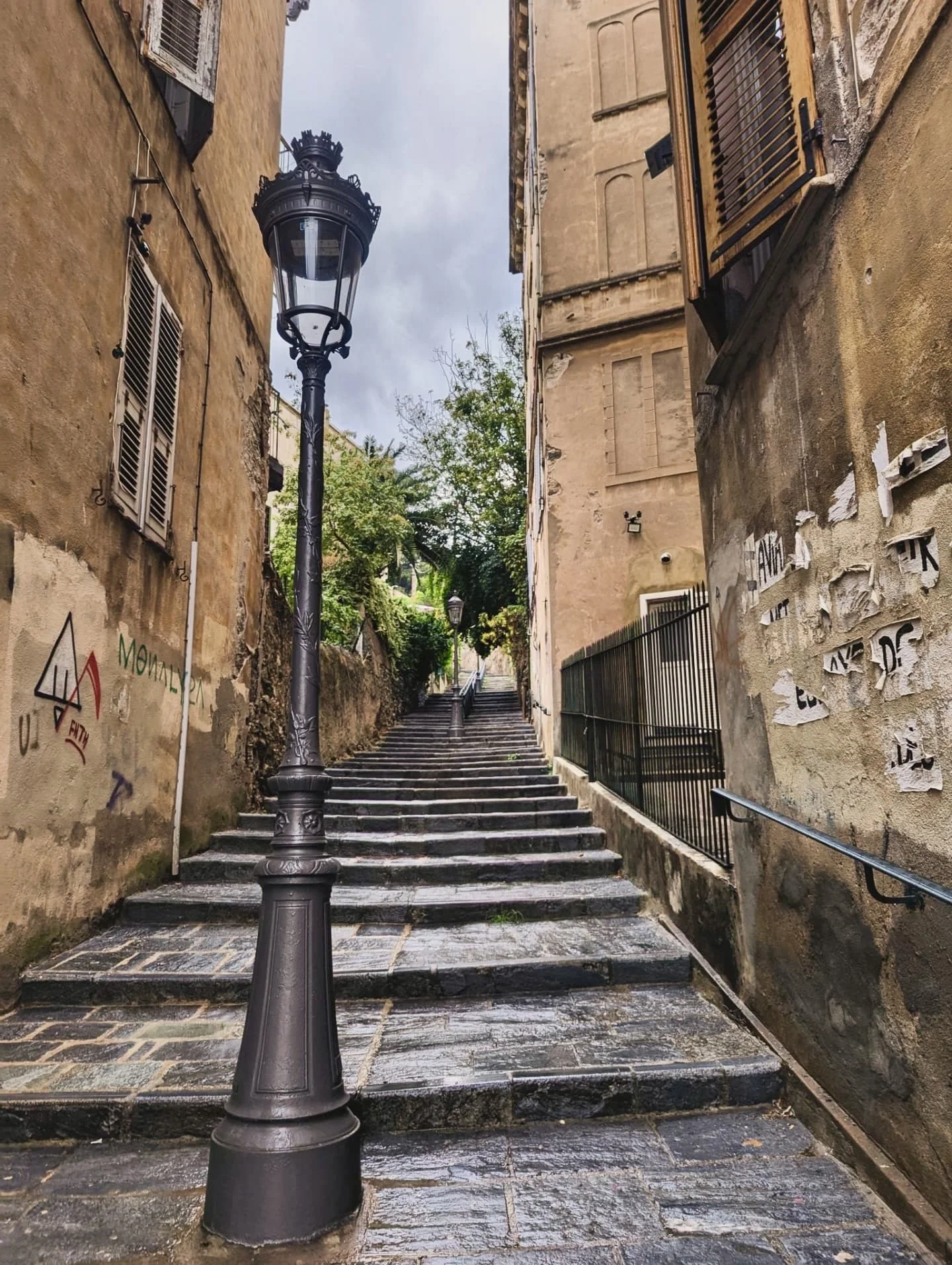
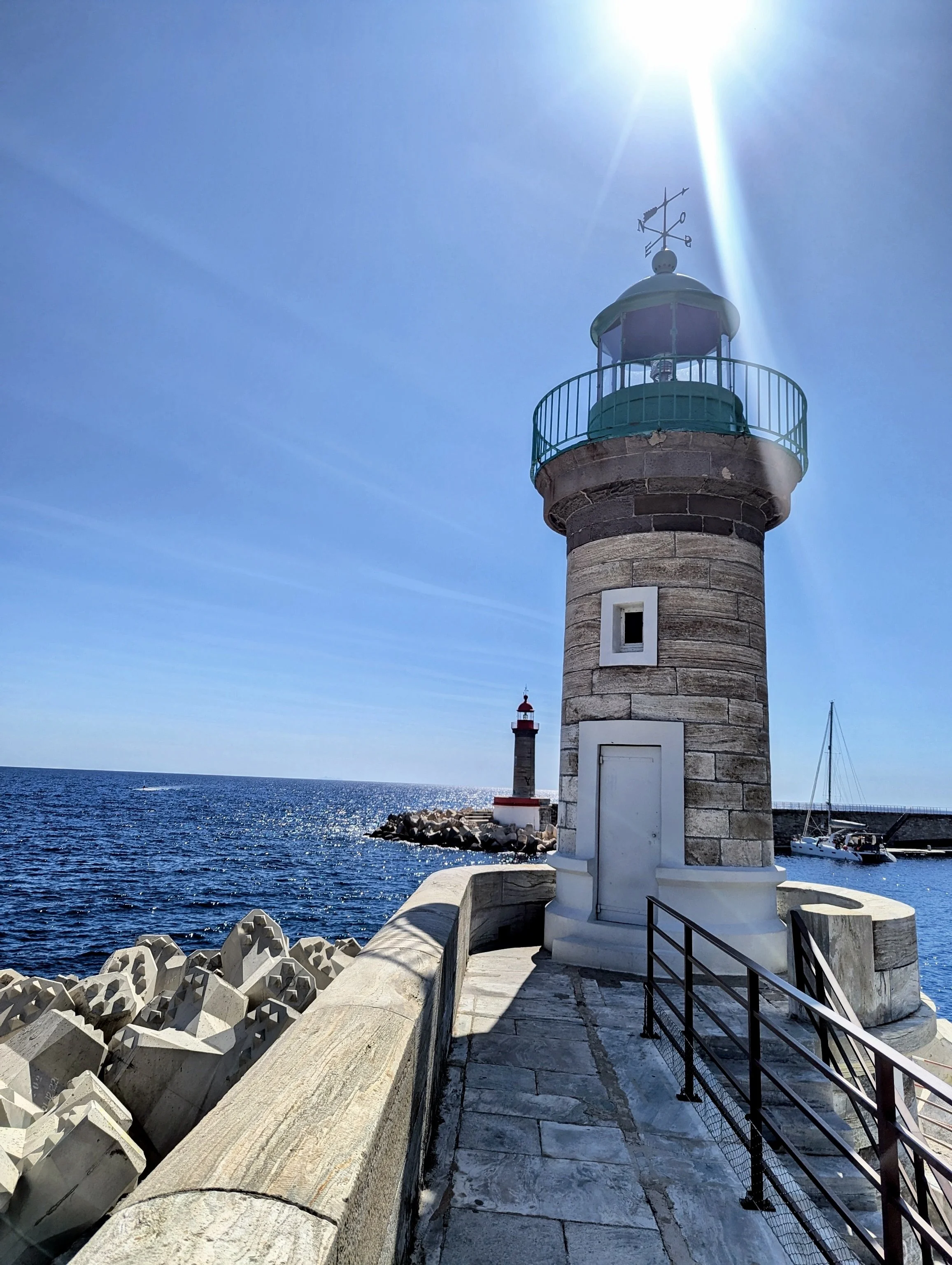
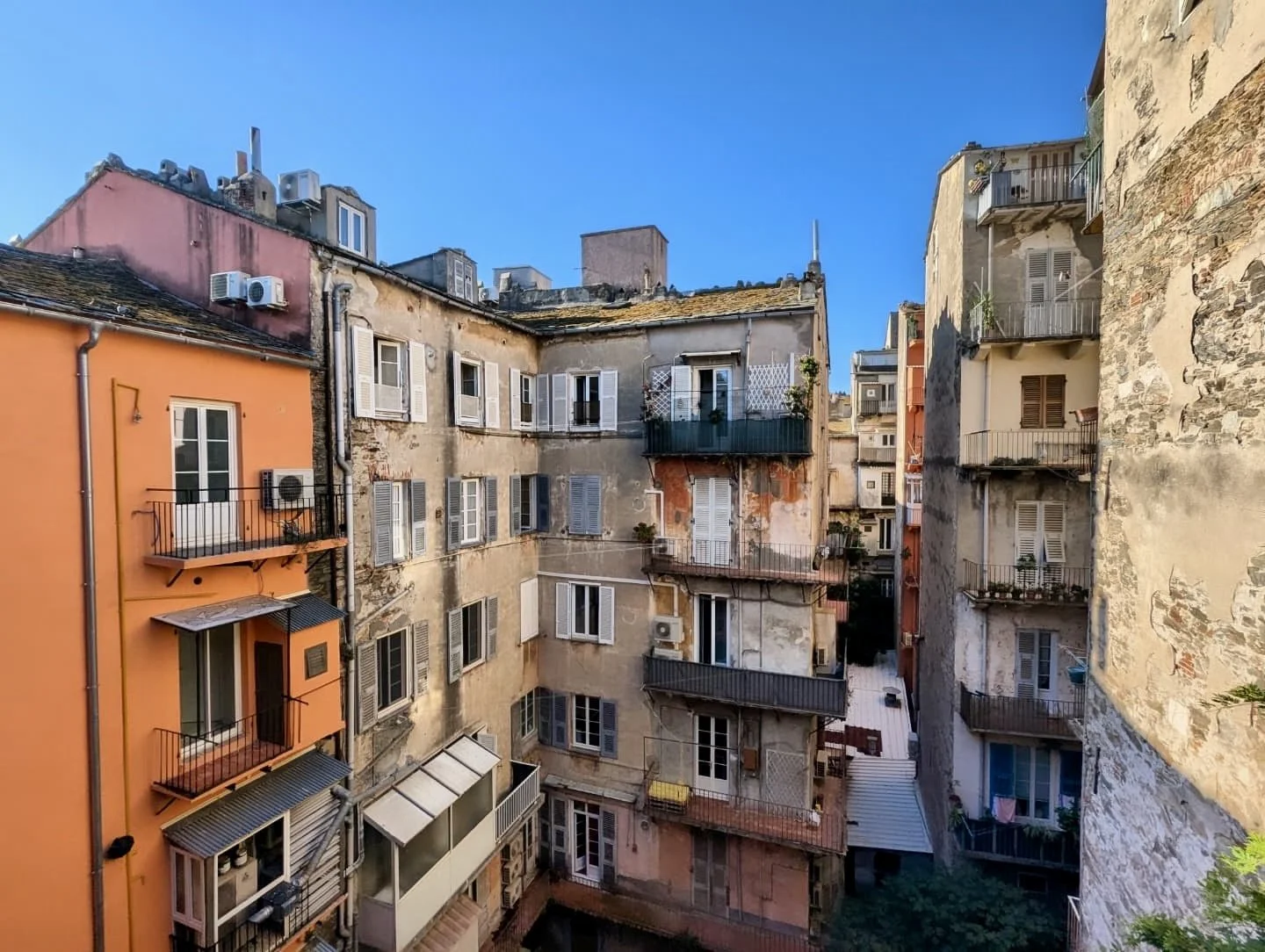
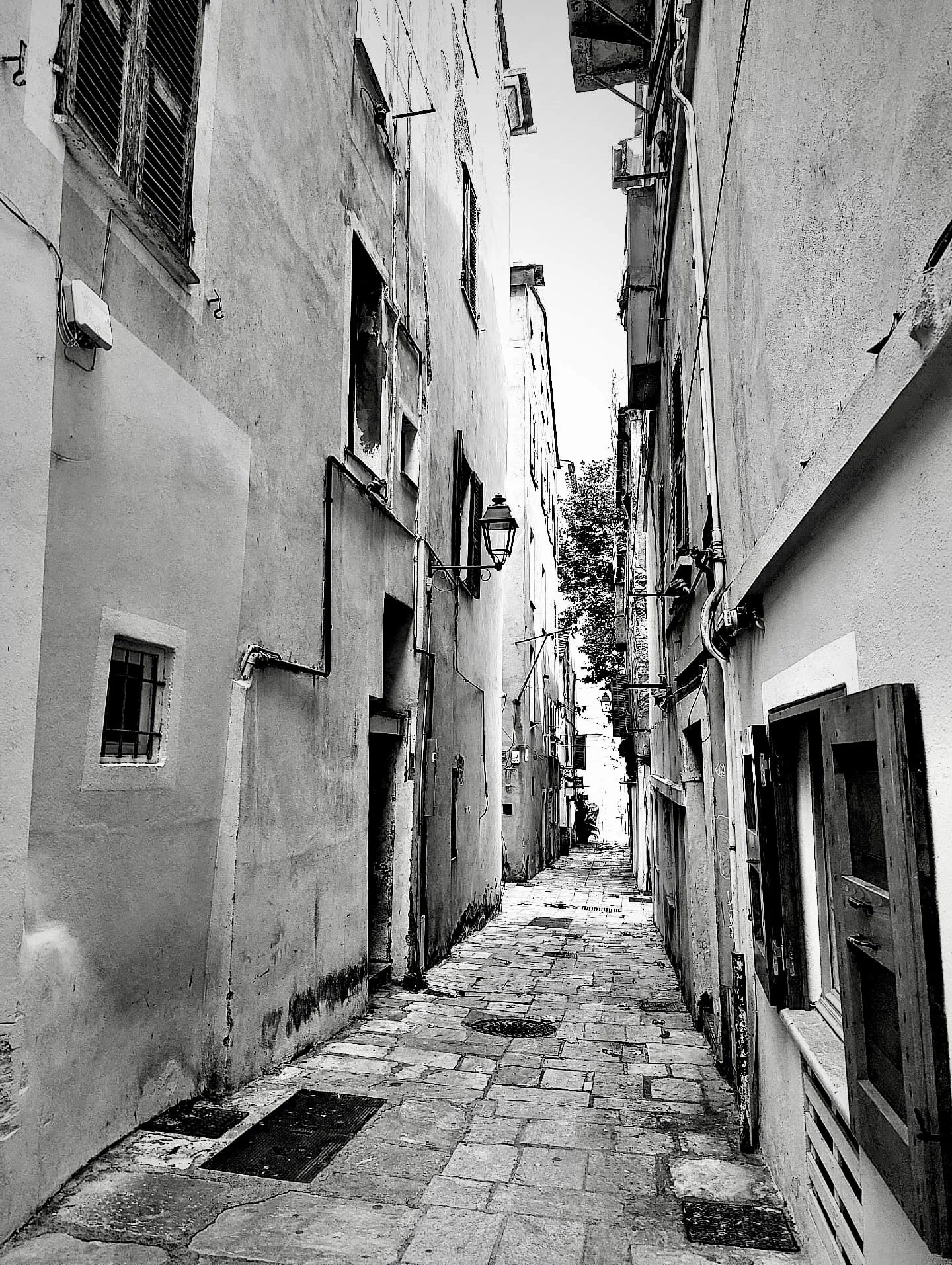
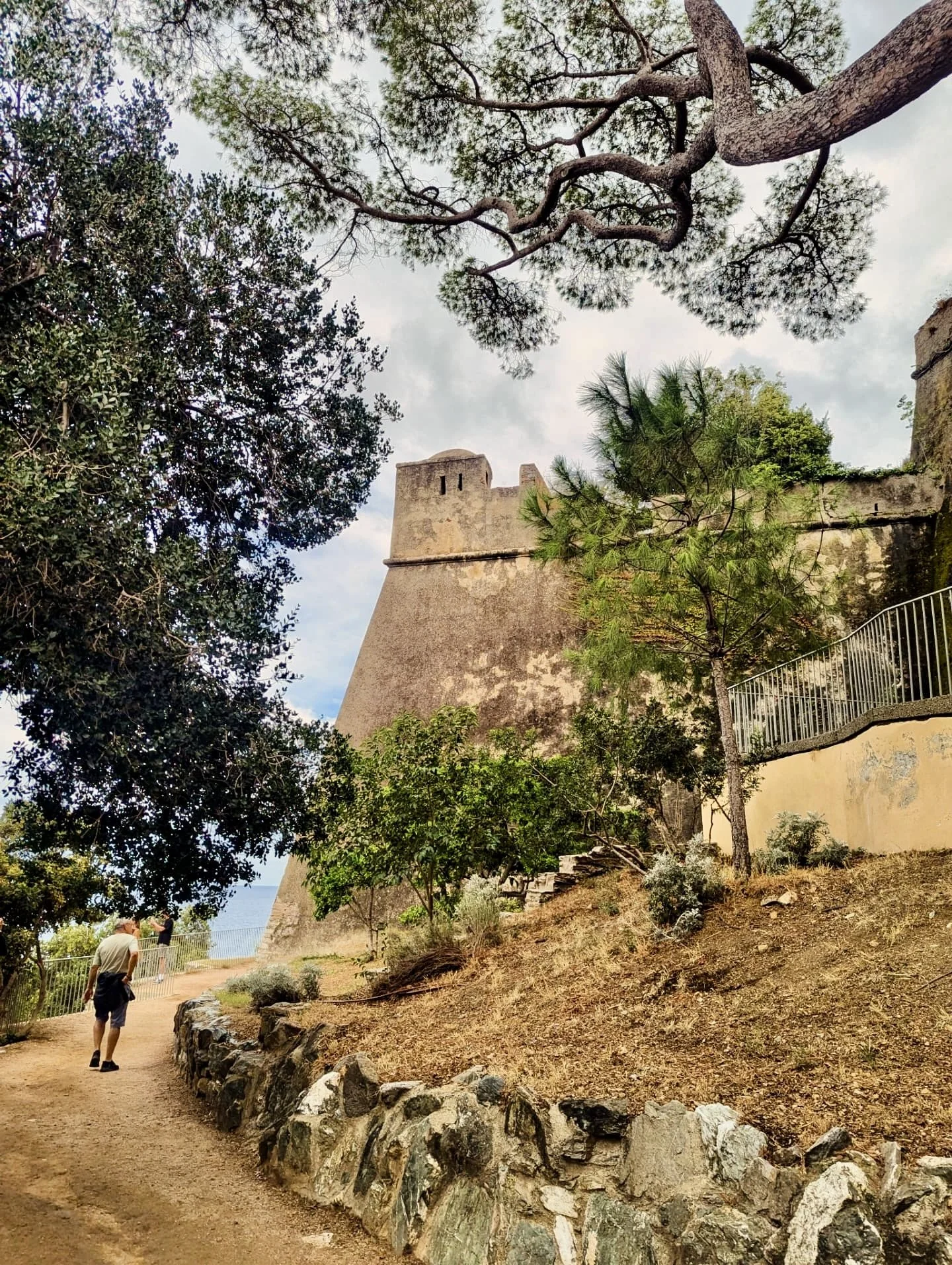
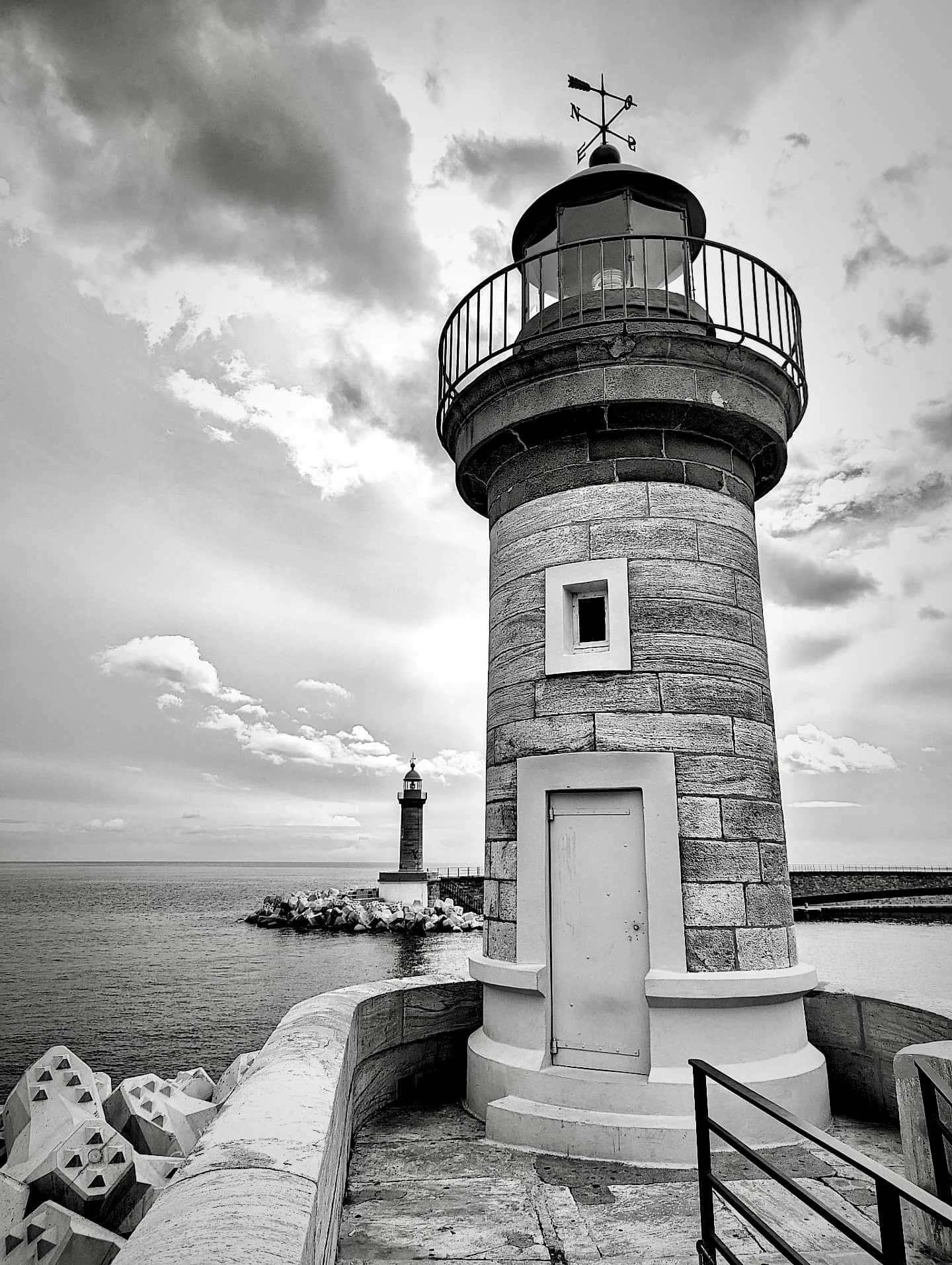
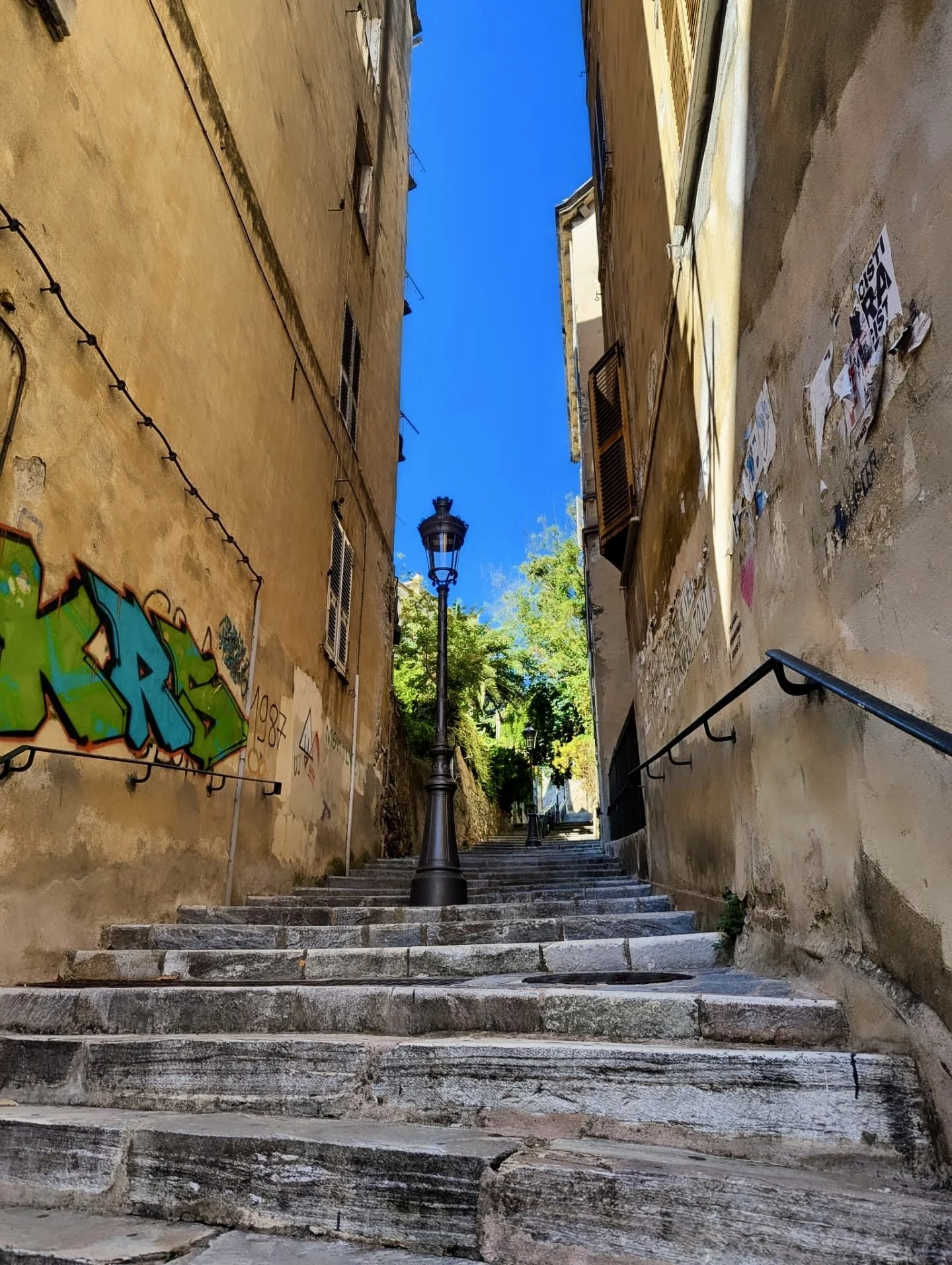
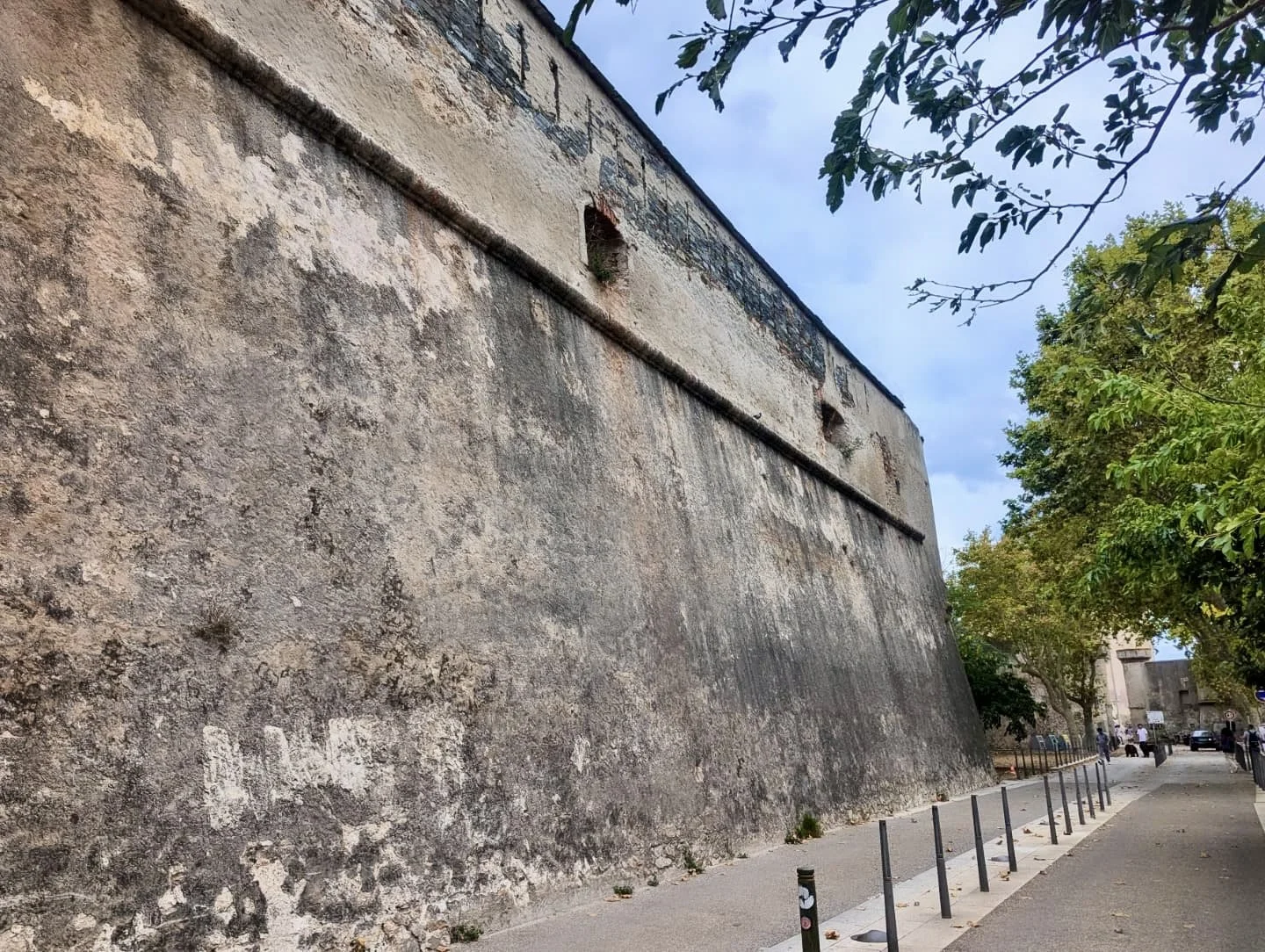
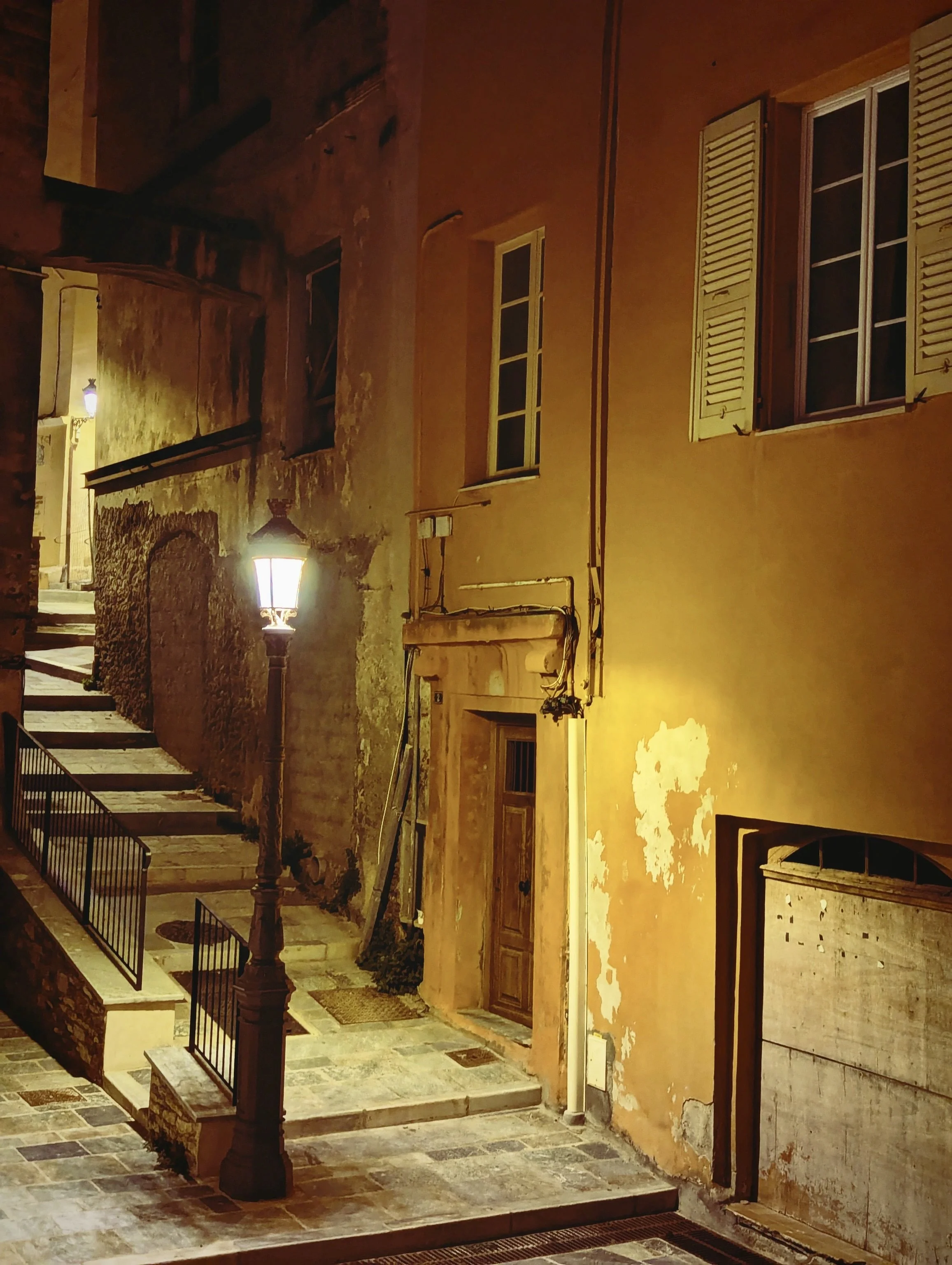
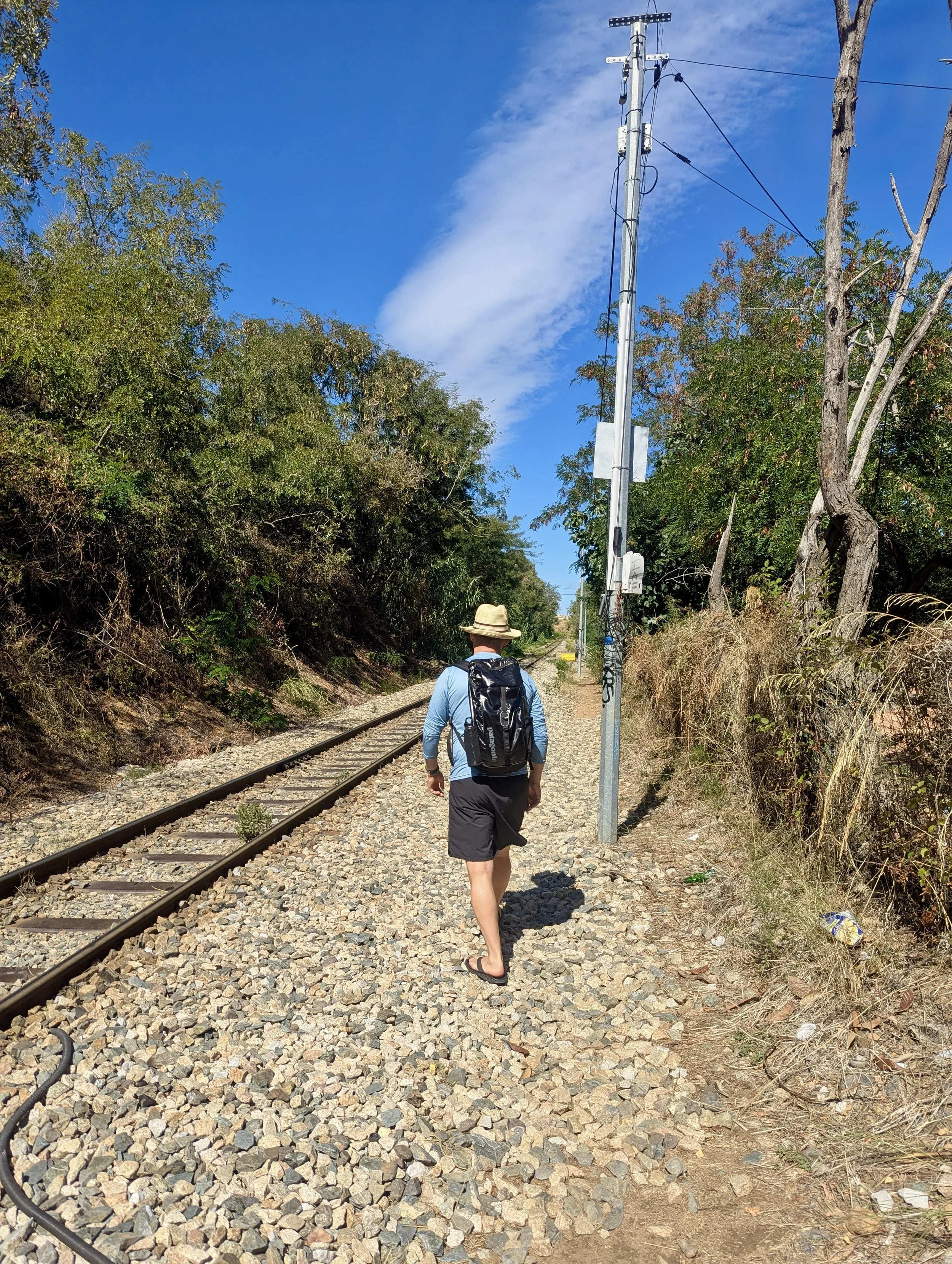
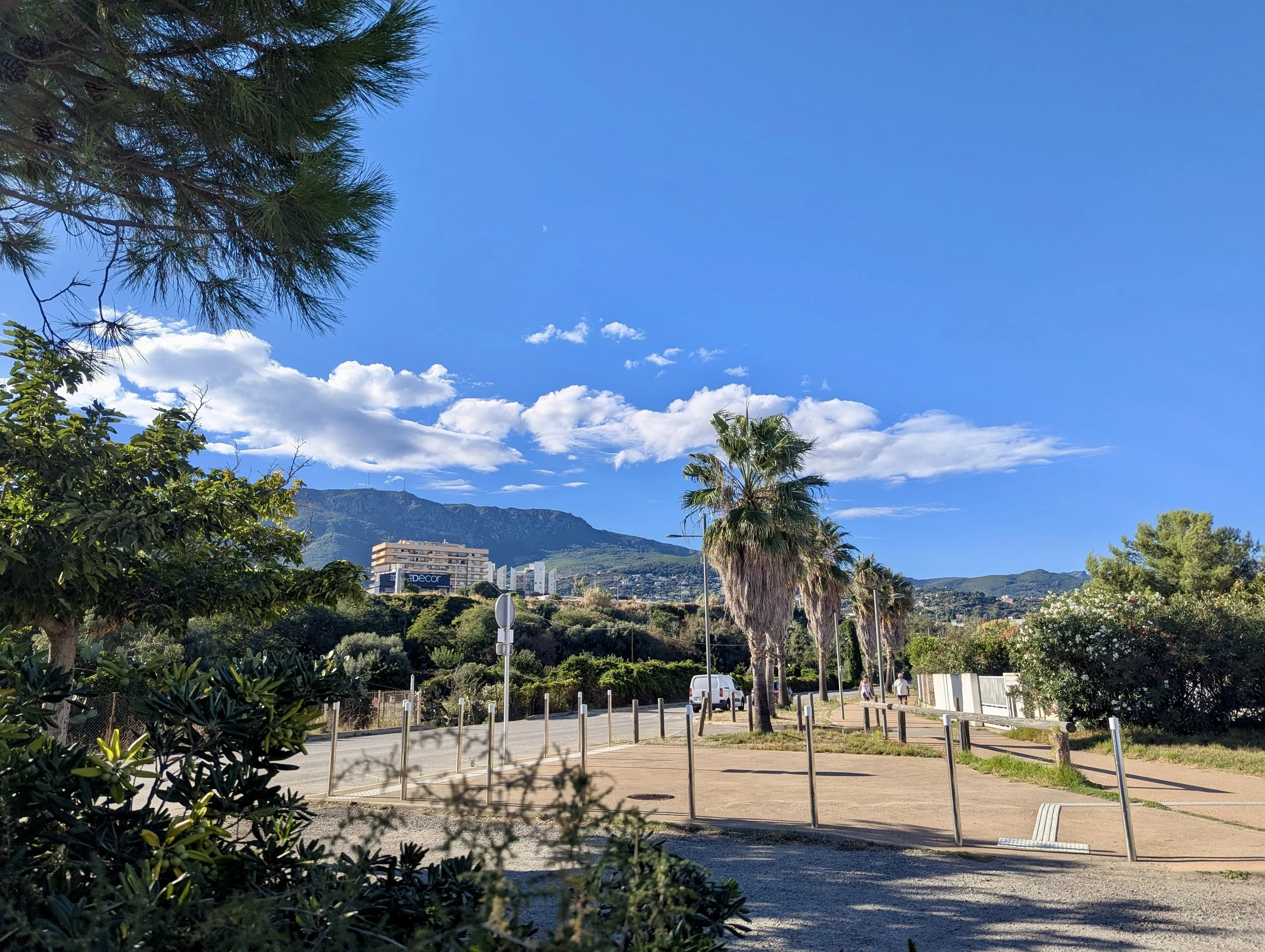
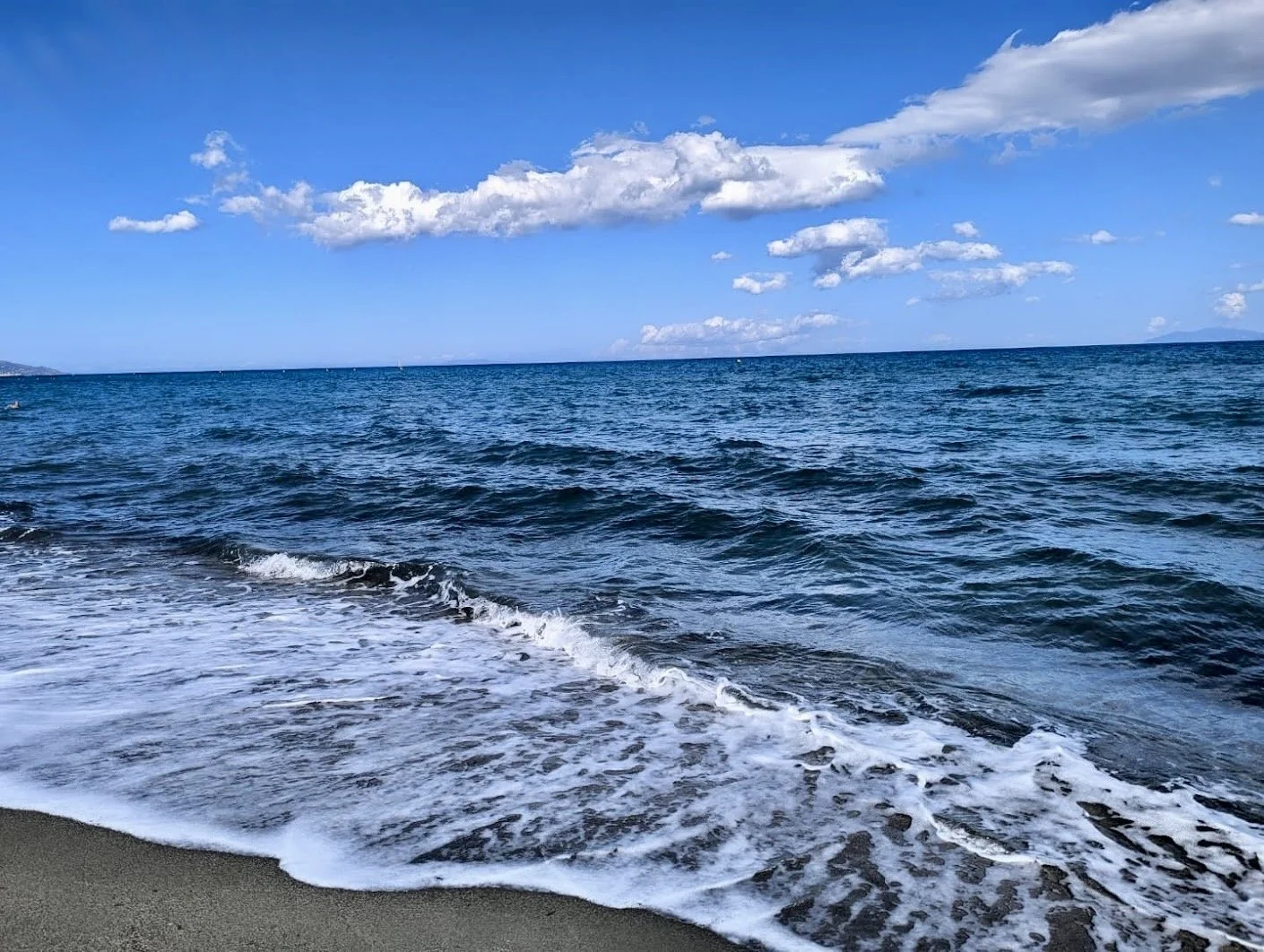
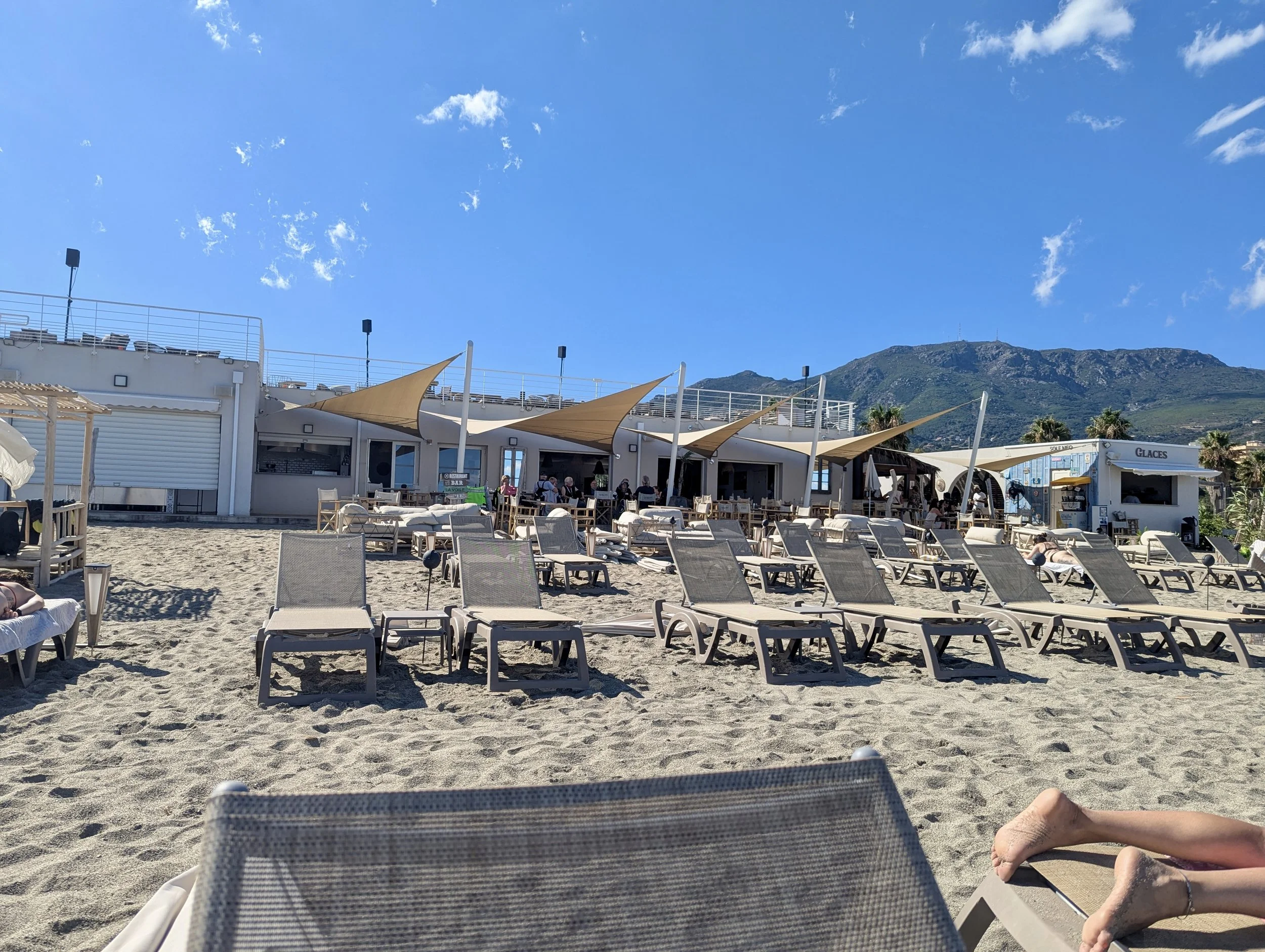
Corsica is known for its incredible natural beauty, particularly its beaches. Unfortunately, Bastia is probably the worst choice for a home base if you want to visit beaches but don’t have a car. The coast nearest to the city is rocky with no sandy beaches within walking distance; you need to either head north or south. An e-bike could get you to a beach. We toyed with that idea but decided to take a boat tour with Cap Corse Croisiere that included a swimming stop instead so we could see more of the island from the water. Unfortunately, the trip was cancelled due to weather (no issues whatsoever, we were given the option to either rebook or get a refund - we had to go with the refund since we were leaving the next day, and it came through right away). Since it was a nice day we decided to go to the beach, on what we thought was going to be a bus but turned out to be our old friend the train. We went a few stops south along the coast to L'Arinella, which was a short, if weird, walk (along the train tracks, through the bushes, and along a quiet street) to Plage de l'Arinella, which is a lovely, sandy beach lined with playgrounds, cafes, and a handful of beach clubs where you can rent beach loungers and get food and drinks. This is a European custom that I love; it’s so nice to have an umbrella and sunbed that you don’t have to haul around, not to mention order beachside cocktails - I will gladly pay a premium for this luxury after a lifetime of uncomfortably spreading a towel on rocky Pacific Northwest beaches. After a futile attempt to call a taxi (they’re just not that prevalent in Bastia) we retraced our steps back to the train stop and made our way back to our hotel. A little awkward, and you have to keep a close eye on the time so you don’t get stranded, but it’s a fun way to get some beach time in.
So, what was it about Corsica that makes me hesitate to say yes when thinking about going back? It’s hard to put my finger on, there are so many factors that contribute to your overall impression of a place: weather, lodgings, food, how you’re getting along with your travel partner, energy level, etc. A lot of those have absolutely nothing to do with the place itself, which can result in a slightly unfair assessment (if you’re having a multi-day fight with your spouse in the most beautiful place on earth your overarching memories likely won’t be positive, or if you’re hit with a bout of food poisoning) versus simply disliking the place based on factors that may be relevant to other people.
Here’s the breakdown: the weather wasn’t fantastic our first two days (not Corsica’s fault), since we didn’t have a car we were limited to exploring Bastia and we stayed one day too long, we only were able to visit one beach and though it was beautiful it was pretty similar to any Mediterranean beach, not at all the quintessential Corsican beach. The food was so-so; I’ve listed the places we really liked but there were an equal number of places that were just okay. The service at most places was disinterested and not very friendly, and that went for the attitude of people in general.
Corsica has a very complicated relationship with France; while it’s a “territorial collectivity” of France and receives heavy subsidies from the country there’s a large movement for autonomy and independence. The island bounced between Italy and France for centuries and understandably is fed up with “belonging” to another country. As a result, there’s a strong anti-French sentiment on the island, which seems to mostly be viewed as a vacation spot, so tourist areas felt flavored with that ill will. It’s an immensely complicated issue and I wouldn’t dare to pass judgement on it, it’s not my home and I don’t know nearly enough about it, but it’s something to be aware of.
We personally experienced nothing overt (also, we’re not French) and at no point did we feel unsafe or threatened in any way, but an unwelcoming undercurrent was there. I’m not sure if this was because we were staying in a fairly touristy area or we were staying in the same place for a number of days, or that we didn’t have any terribly positive experiences with locals.
I really don’t want to travel somewhere that I’m not wanted/tourists aren’t wanted, so that made me feel uncomfortable about being there. When we travel we go out of our way to be conscientious travelers and be sensitive to local customs and generally tread lightly, and not be very obtrusive. I don’t ever want to be the loud American leaving a trail of garbage in their wake complaining that nobody is speaking English, and why is everything different from home? I also don’t expect people to fawn over me or praise me for visiting their home or be so excited to meet someone from another country that they offer to be my personal tour guide and invite me to their home for dinner - they’re busy living their own lives and I don’t want to bother them, and I wouldn’t do that to a tourist at home.
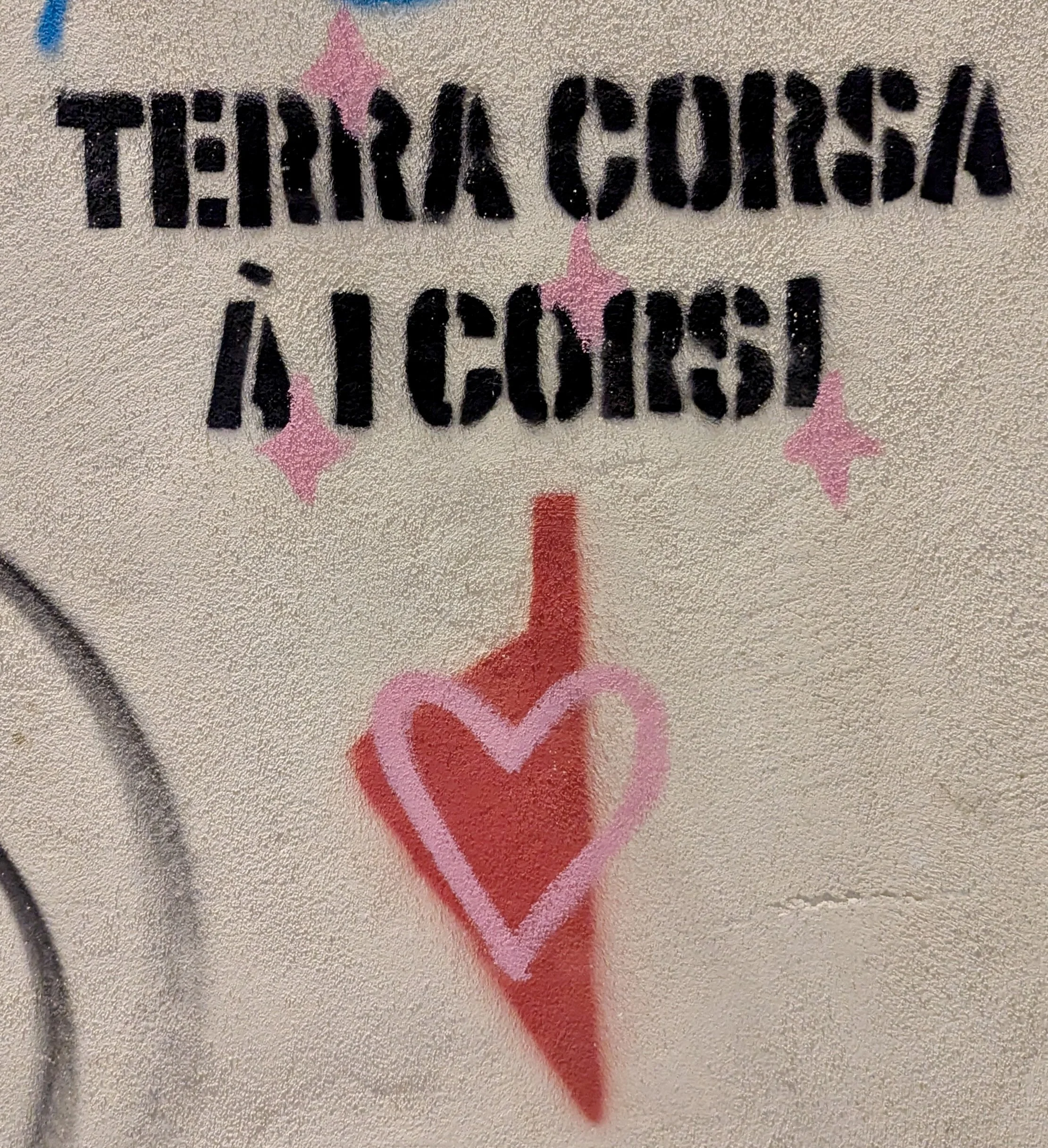
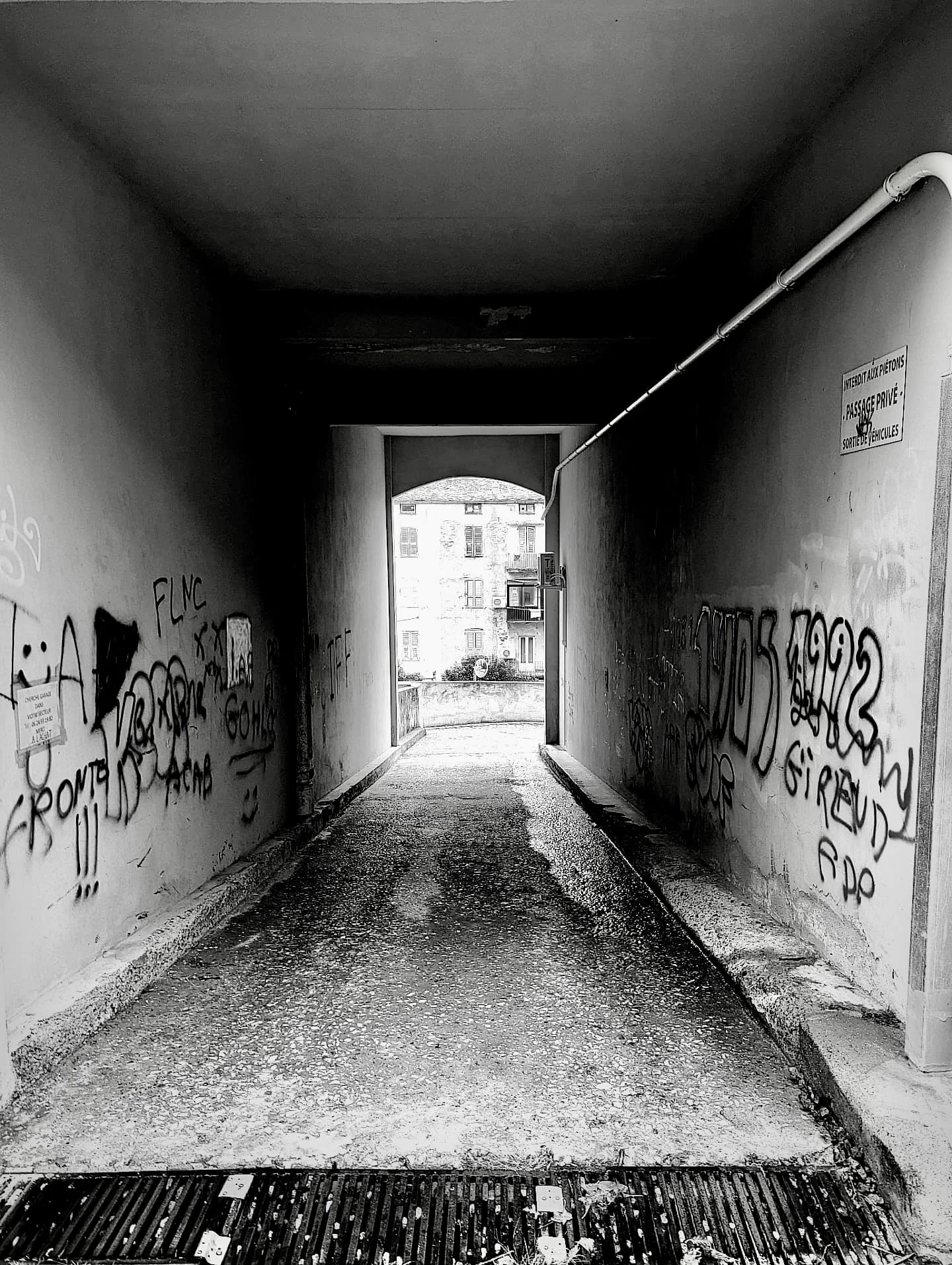
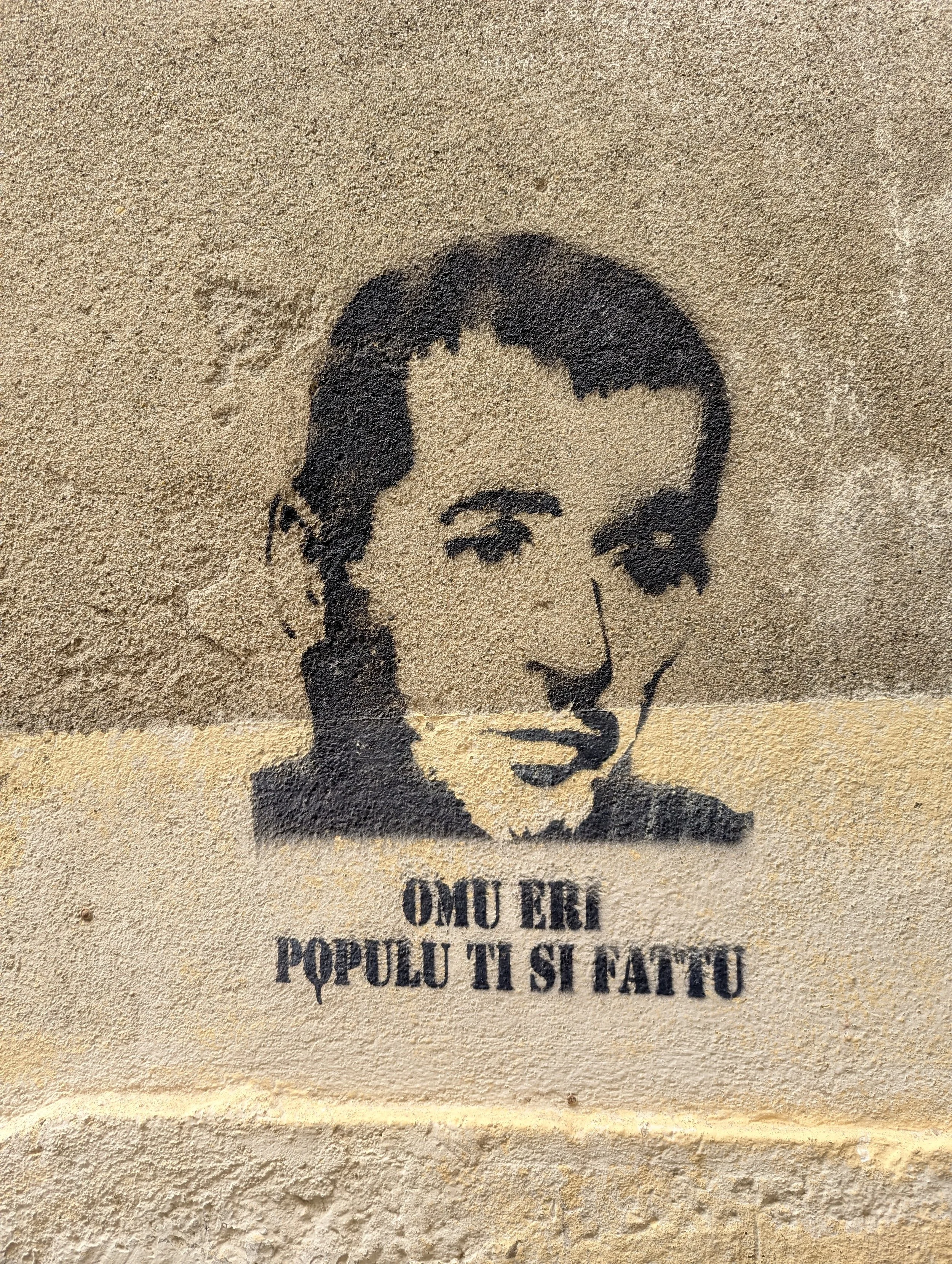
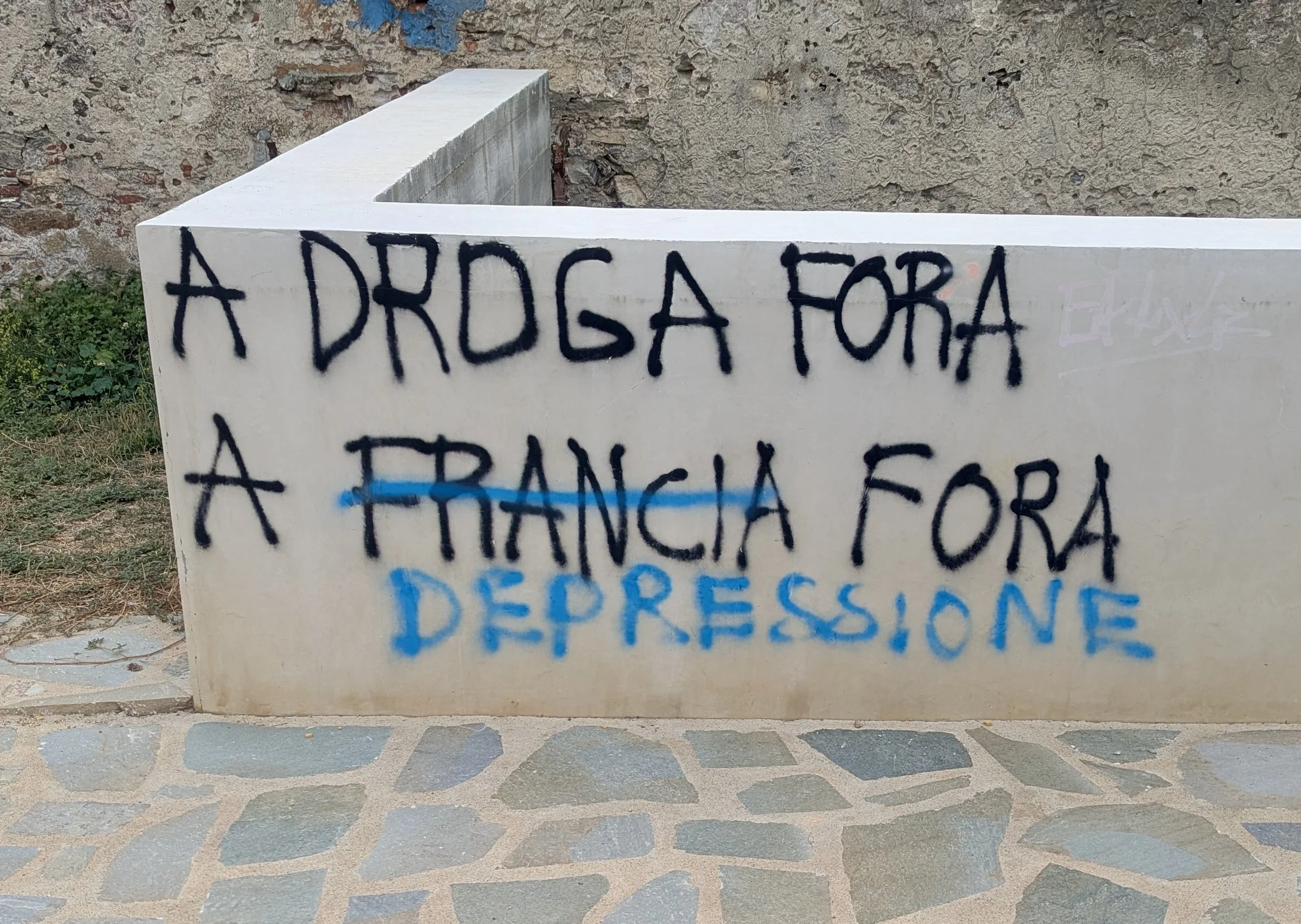
Just a small sampling of the Corsican graffiti we saw: L to R, “Corsica for the Corsicans”; passageway with lots of graffiti; image of Ivanu Colonna who was a Corsican independence activist convicted of the assassination of a French official, considered a local hero to the Corsican nationalist movement (his conviction is viewed as somewhat suspicious, and he was murdered in prison by a fellow inmate in 2022); “Drugs Out, France Out” - modified to say “Drugs Out, Depression Out”